History of Lesvos
A 3,500-year story written in fossilized forests, lyric poetry, fortress walls, and olive groves
Lesvos has been continuously inhabited for over three and a half millennia, but its story begins far earlier. The island is a living museum -- from fossilized mastodons embedded in volcanic ash to Sappho's lyric poetry echoing across the centuries, from Aristotle's pioneering marine biology in the Kalloni lagoon to Ottoman fortresses standing sentinel over harbor towns.
Every village, every crumbling castle wall, every ancient olive tree carries a layer of this history. What follows is a timeline of the forces, people, and events that shaped the third-largest island in Greece into the place it is today.
Timeline
Prehistoric
Long before human settlement, Lesvos was home to mastodons, ancient horses, camels, and rhinoceros. The island's interior was covered in subtropical forests.
Roughly 20 million years ago, a cataclysmic volcanic eruption buried vast swathes of woodland under layers of ash. Over millennia, the organic matter mineralized into stone. Today the Petrified Forest of western Lesvos, a UNESCO Global Geopark, preserves upright fossilized tree trunks reaching several meters tall -- a geological monument without parallel in the eastern Mediterranean.
Prehistoric
Long before human settlement, Lesvos was home to mastodons, ancient horses, camels, and rhinoceros. The island's interior was covered in subtropical forests.
Roughly 20 million years ago, a cataclysmic volcanic eruption buried vast swathes of woodland under layers of ash. Over millennia, the organic matter mineralized into stone. Today the Petrified Forest of western Lesvos, a UNESCO Global Geopark, preserves upright fossilized tree trunks reaching several meters tall -- a geological monument without parallel in the eastern Mediterranean.
Mythological Origins
In myth, the island bore many names: Imerti (the desired), Lassia (the forested), Makaria (the blessed). The Greeks said Makaras, a son of the Sun god Helios, was the first ruler. He founded five towns and named them for his daughters: Mytilini, Issa, Antissa, Mithymna, and Avrisi.
Perhaps the most haunting legend concerns Orpheus. After Thracian maenads tore the mythical musician apart, his severed head and lyre drifted across the Aegean and washed ashore at Antissa. His head continued to sing, and an oracle grew up around it. Apollo himself, jealous of the rival prophecy, finally silenced it.
Mythological Origins
In myth, the island bore many names: Imerti (the desired), Lassia (the forested), Makaria (the blessed). The Greeks said Makaras, a son of the Sun god Helios, was the first ruler. He founded five towns and named them for his daughters: Mytilini, Issa, Antissa, Mithymna, and Avrisi.
Perhaps the most haunting legend concerns Orpheus. After Thracian maenads tore the mythical musician apart, his severed head and lyre drifted across the Aegean and washed ashore at Antissa. His head continued to sing, and an oracle grew up around it. Apollo himself, jealous of the rival prophecy, finally silenced it.
Ancient Lesvos
Around 1507 BC, Pelasgian settlers arrived from the Greek mainland, founding the earliest known communities. Between 1100 and 1000 BC, Aeolian Greeks colonized the island in successive waves, establishing the culture that would define it for centuries.
Homer's epics reference Lesvos directly: Achilles captured the beautiful Bryseis during a raid on the island, and Odysseus wrestled and defeated King Philomileidis in a famous contest. These references place Lesvos firmly in the world of the Trojan War.
The 7th and 6th centuries BC were the island's golden age. Sappho, born in Eressos around 630 BC, composed lyric poetry of such intensity that Plato called her the Tenth Muse. Her contemporary Alcaeus was another major poet. Pittacus, one of the Seven Sages of Greece, governed Mytilene as a benign tyrant. The island fell under Persian control after 527 BC.
Ancient Lesvos
Around 1507 BC, Pelasgian settlers arrived from the Greek mainland, founding the earliest known communities. Between 1100 and 1000 BC, Aeolian Greeks colonized the island in successive waves, establishing the culture that would define it for centuries.
Homer's epics reference Lesvos directly: Achilles captured the beautiful Bryseis during a raid on the island, and Odysseus wrestled and defeated King Philomileidis in a famous contest. These references place Lesvos firmly in the world of the Trojan War.
The 7th and 6th centuries BC were the island's golden age. Sappho, born in Eressos around 630 BC, composed lyric poetry of such intensity that Plato called her the Tenth Muse. Her contemporary Alcaeus was another major poet. Pittacus, one of the Seven Sages of Greece, governed Mytilene as a benign tyrant. The island fell under Persian control after 527 BC.
Classical Period
After the Persian defeat at Plataea in 479 BC, Lesvos joined the Attico-Delian League as an ally of Athens. In 428 BC, Mytilene revolted. Athens crushed the rebellion and initially voted to execute every adult male -- a decree reversed by a single day's debate, in one of the most dramatic episodes in Thucydides's history.
In 347 BC, Aristotle arrived in Mytilene and spent five years studying the island's marine and terrestrial life. His observations in the lagoon of Kalloni laid the groundwork for his zoological treatises, making Lesvos the birthplace of systematic biology. His student Theophrastus, born in the town of Eressos, later became the father of botany.
Classical Period
After the Persian defeat at Plataea in 479 BC, Lesvos joined the Attico-Delian League as an ally of Athens. In 428 BC, Mytilene revolted. Athens crushed the rebellion and initially voted to execute every adult male -- a decree reversed by a single day's debate, in one of the most dramatic episodes in Thucydides's history.
In 347 BC, Aristotle arrived in Mytilene and spent five years studying the island's marine and terrestrial life. His observations in the lagoon of Kalloni laid the groundwork for his zoological treatises, making Lesvos the birthplace of systematic biology. His student Theophrastus, born in the town of Eressos, later became the father of botany.
Hellenistic & Roman
After Alexander's death, Lesvos passed through several Hellenistic spheres of influence, including a period under Ptolemaic Egyptian control. The Romans arrived in the 2nd century BC and found the island a congenial retreat.
In 62 BC, the Roman general Pompey visited Mytilene and was so charmed that he granted the city autonomy and modeled a theater in Rome after its famous amphitheater. The Apostle Paul stopped at the island in 52 AD during his third missionary journey. Under the Empire, Lesvos served as a refined place of exile for out-of-favor aristocrats.
Hellenistic & Roman
After Alexander's death, Lesvos passed through several Hellenistic spheres of influence, including a period under Ptolemaic Egyptian control. The Romans arrived in the 2nd century BC and found the island a congenial retreat.
In 62 BC, the Roman general Pompey visited Mytilene and was so charmed that he granted the city autonomy and modeled a theater in Rome after its famous amphitheater. The Apostle Paul stopped at the island in 52 AD during his third missionary journey. Under the Empire, Lesvos served as a refined place of exile for out-of-favor aristocrats.
Byzantine Era
For nearly a millennium, Lesvos formed part of the Byzantine Empire. Christianity took deep root; hundreds of churches and monasteries were built across the island, many surviving in some form today.
The period was far from peaceful. Slavic raiders struck in the 7th century. Saracen pirates attacked repeatedly between the 8th and 10th centuries. Venetians and Crusaders posed further threats during the unstable later Byzantine period. The island's strategic position in the northeastern Aegean made it a perpetual prize.
Byzantine Era
For nearly a millennium, Lesvos formed part of the Byzantine Empire. Christianity took deep root; hundreds of churches and monasteries were built across the island, many surviving in some form today.
The period was far from peaceful. Slavic raiders struck in the 7th century. Saracen pirates attacked repeatedly between the 8th and 10th centuries. Venetians and Crusaders posed further threats during the unstable later Byzantine period. The island's strategic position in the northeastern Aegean made it a perpetual prize.
Gattelusi Dynasty
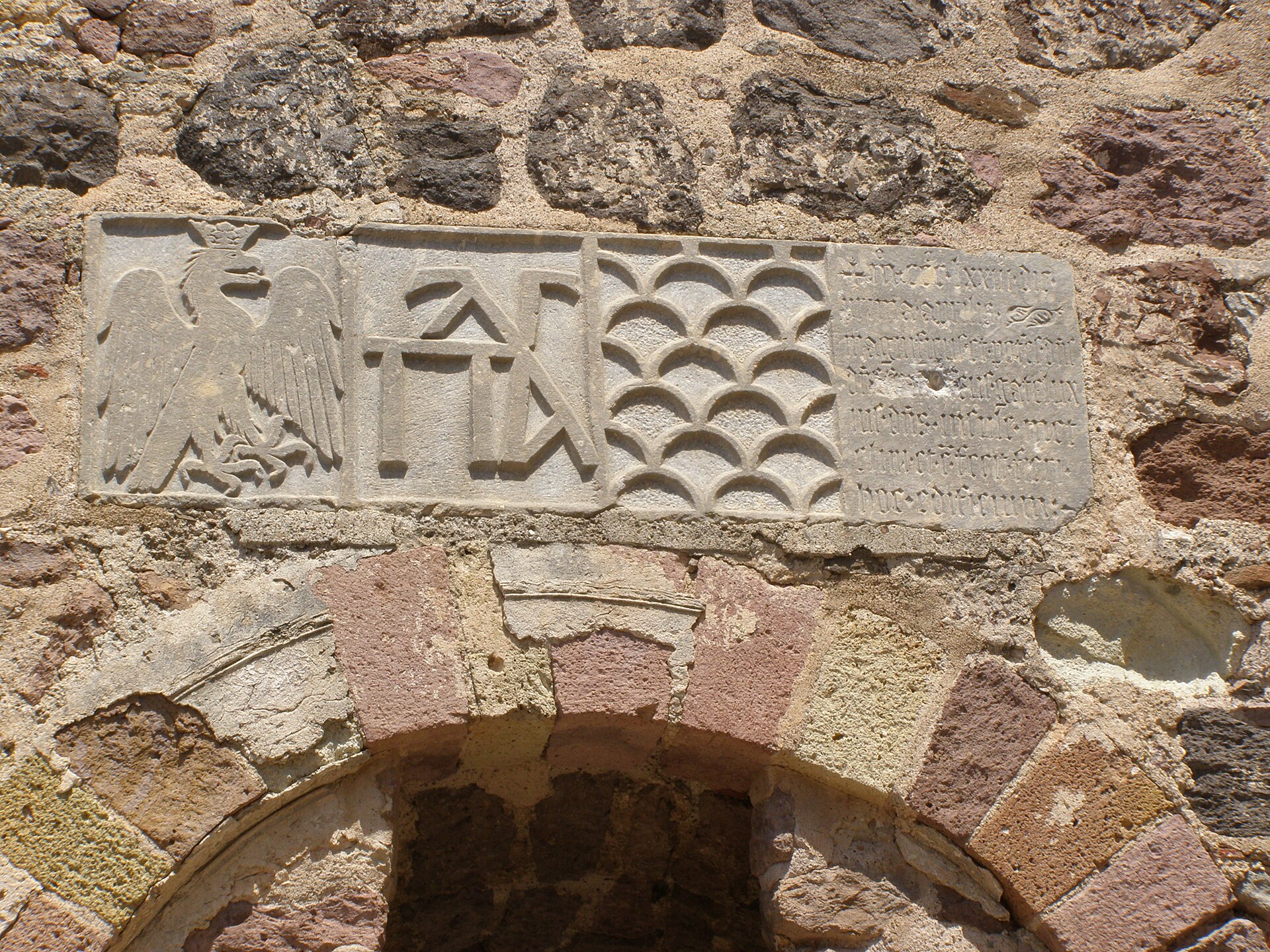
In 1354, the Genoese nobleman Francesco Gattelusi helped Byzantine Emperor John V Palaiologos reclaim his throne. As a reward, he received Lesvos as a dowry through marriage to the emperor's sister Maria.
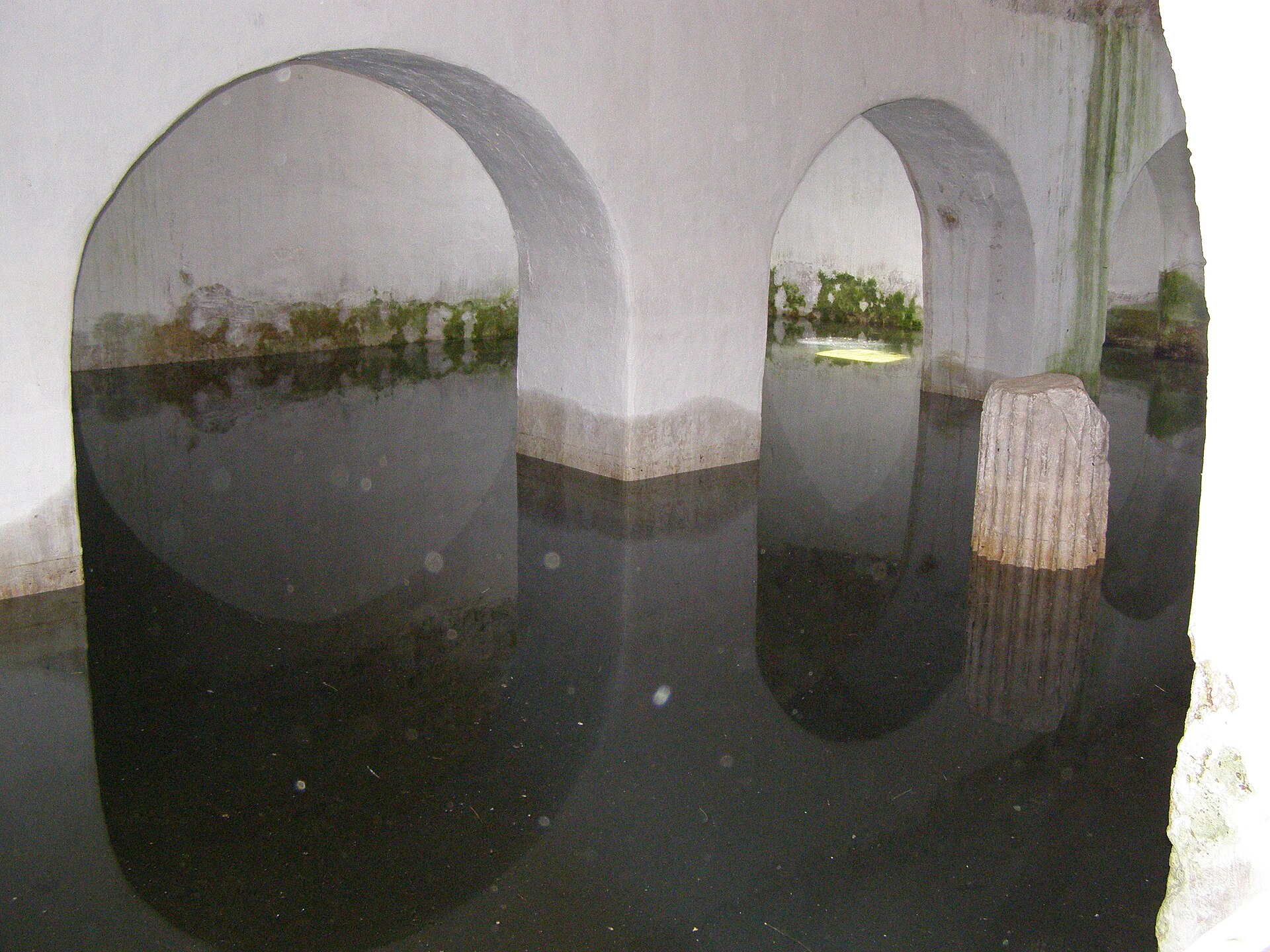
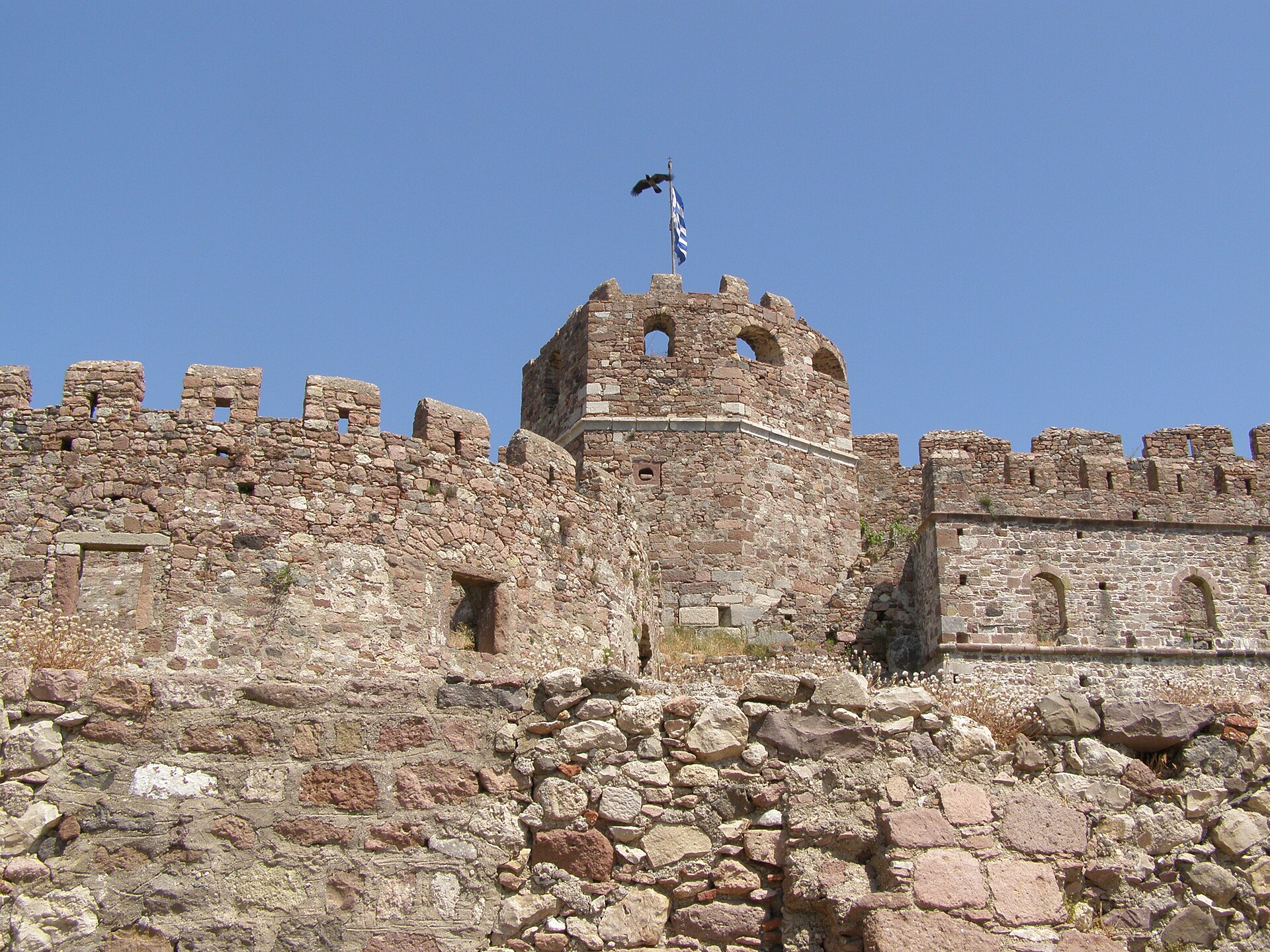
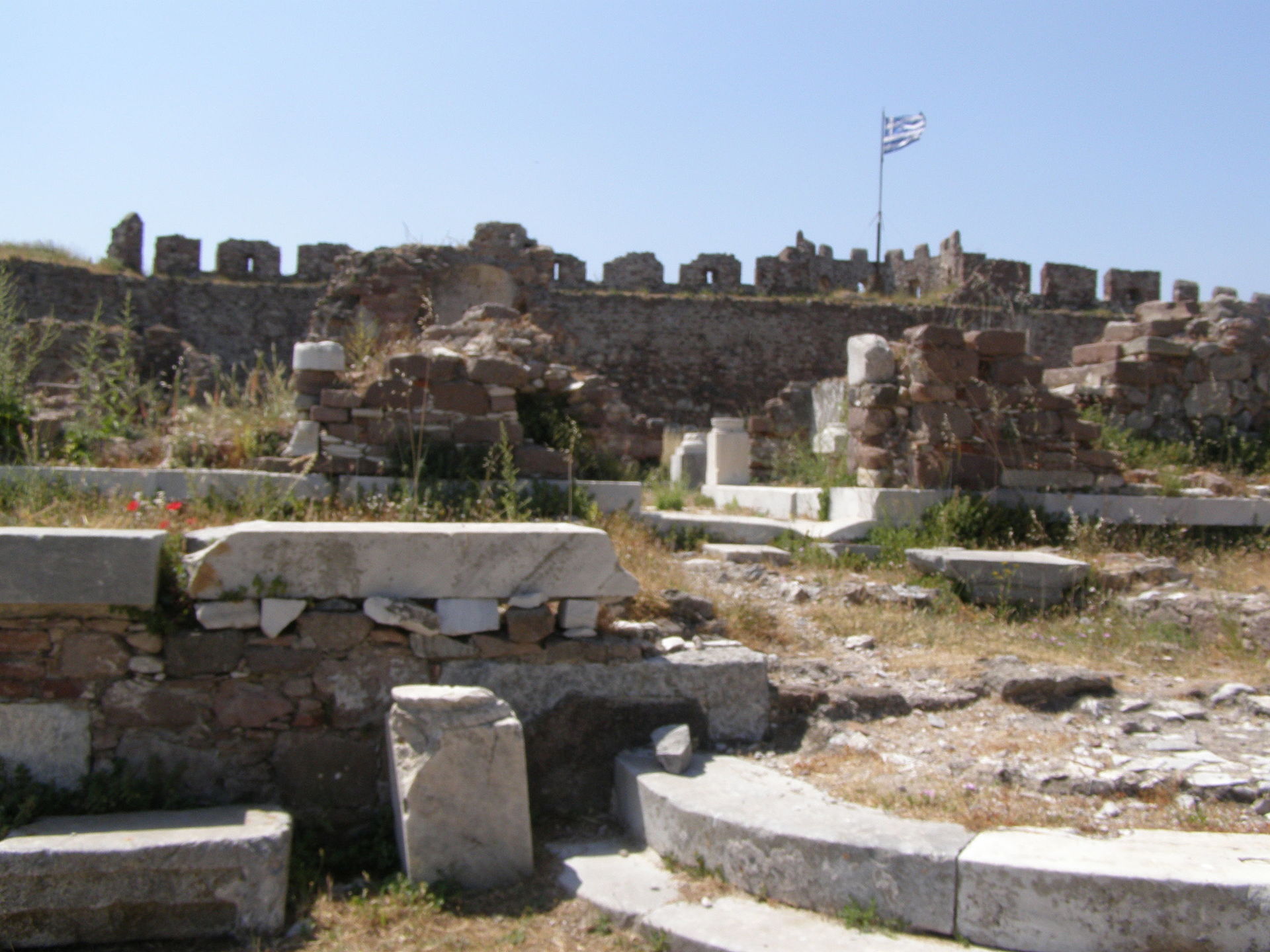
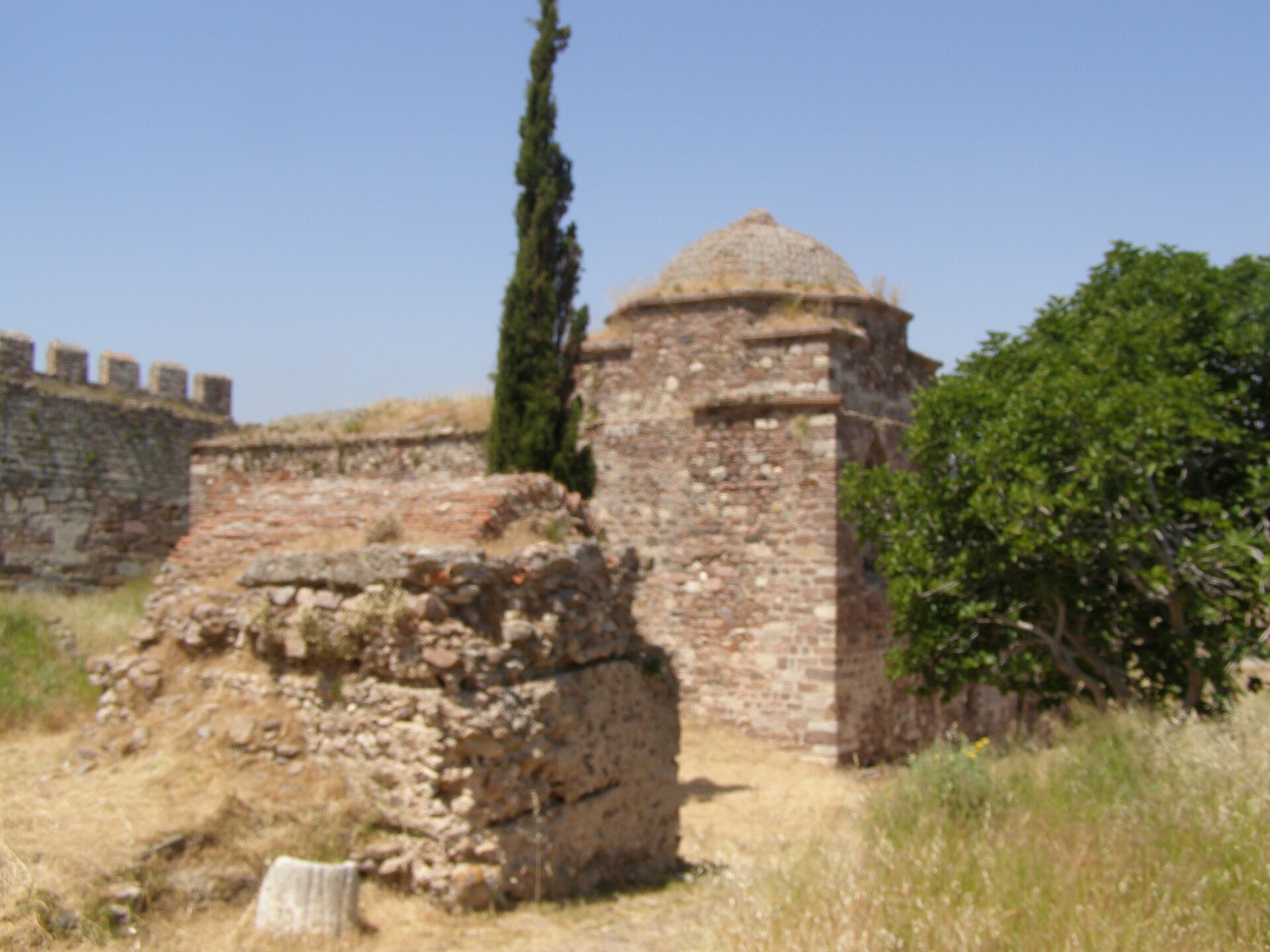
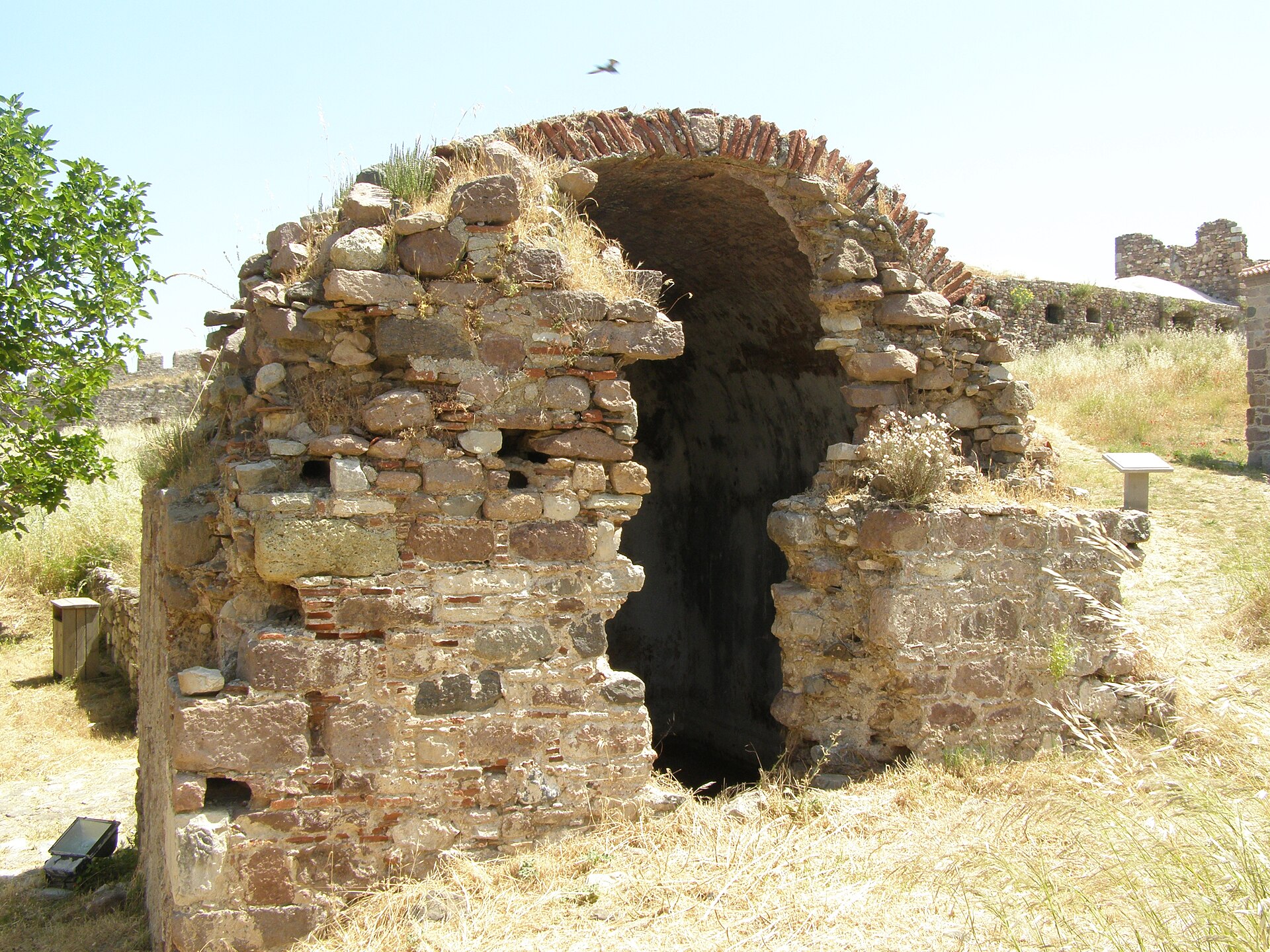
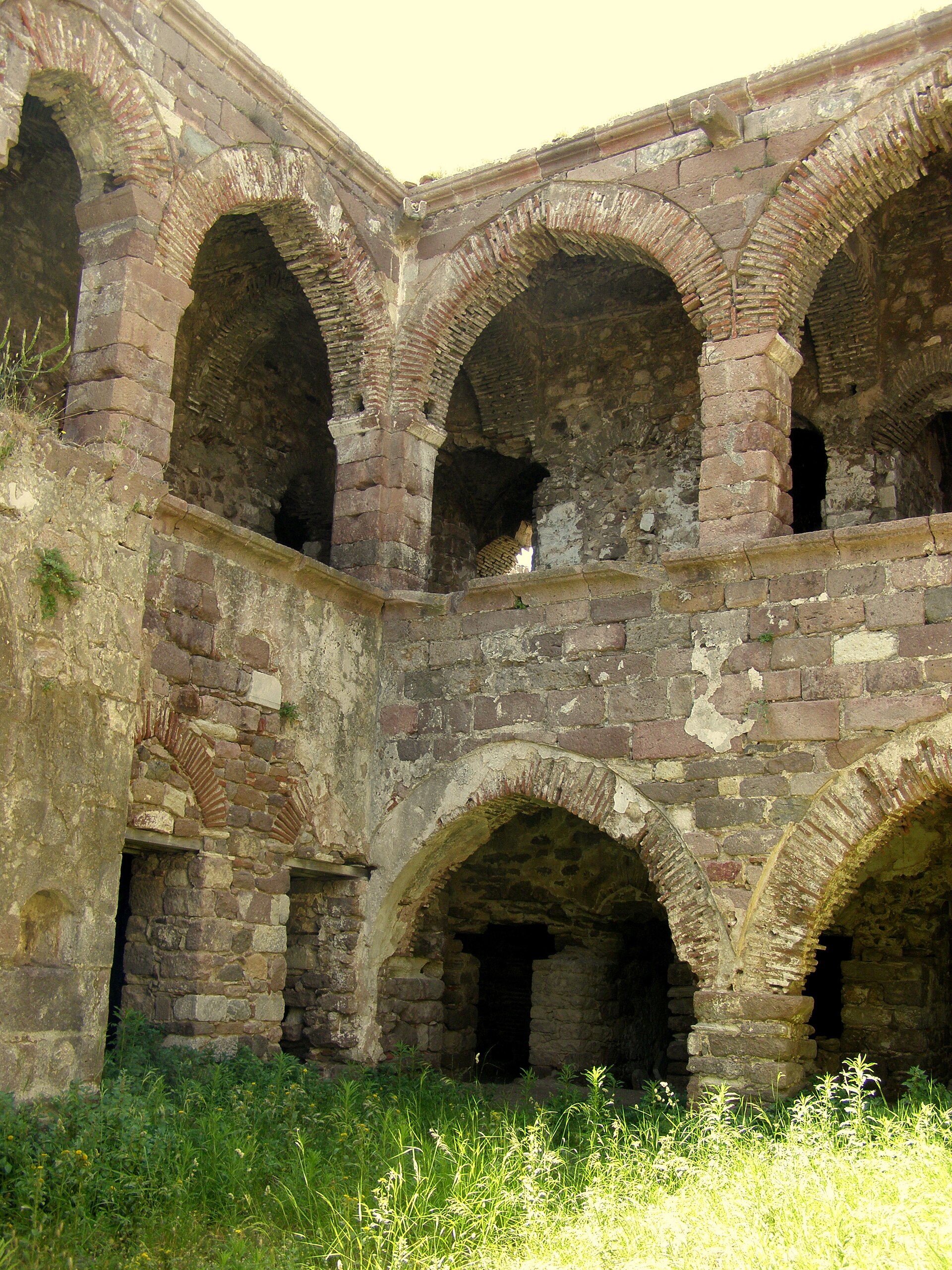
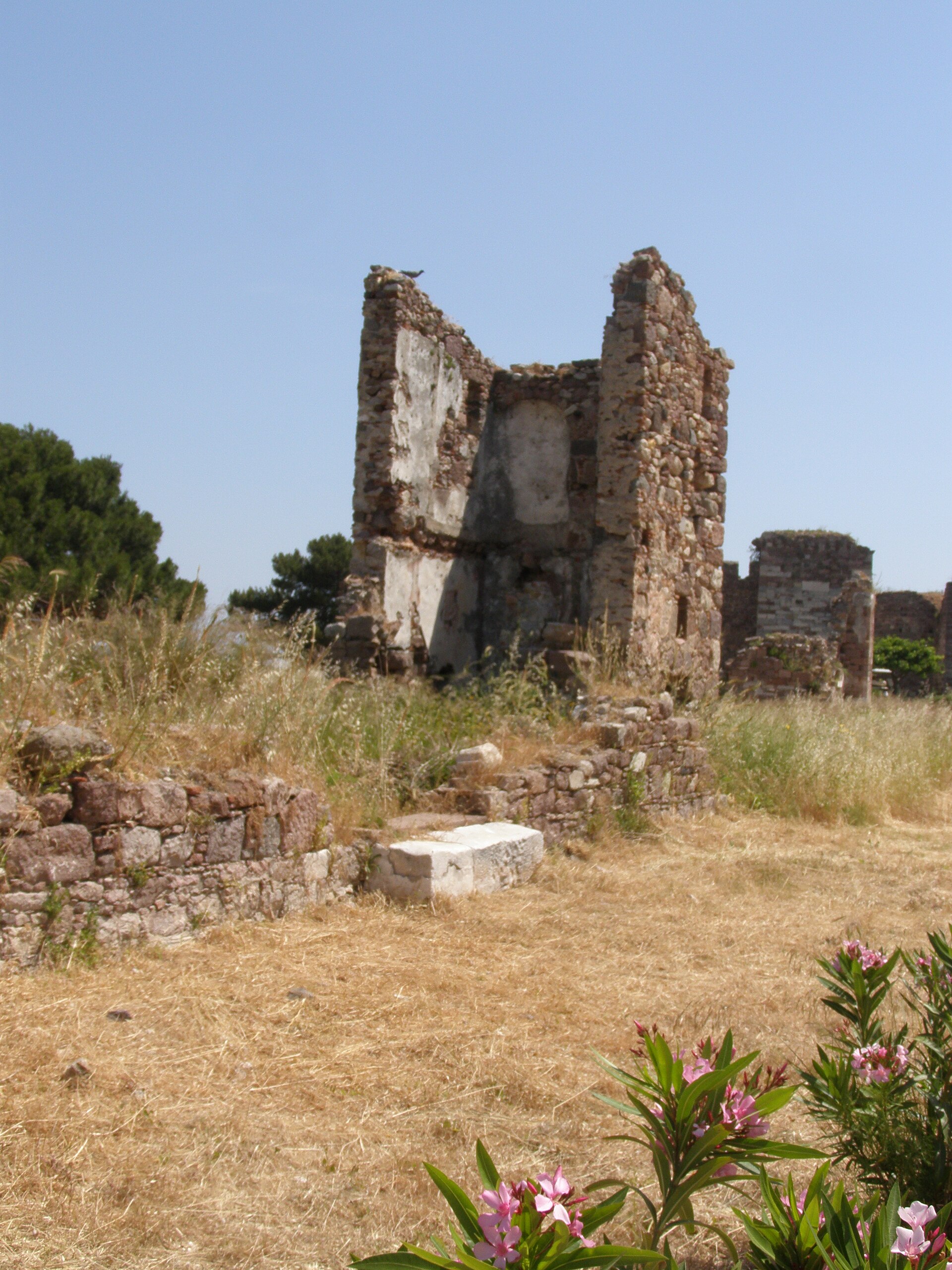
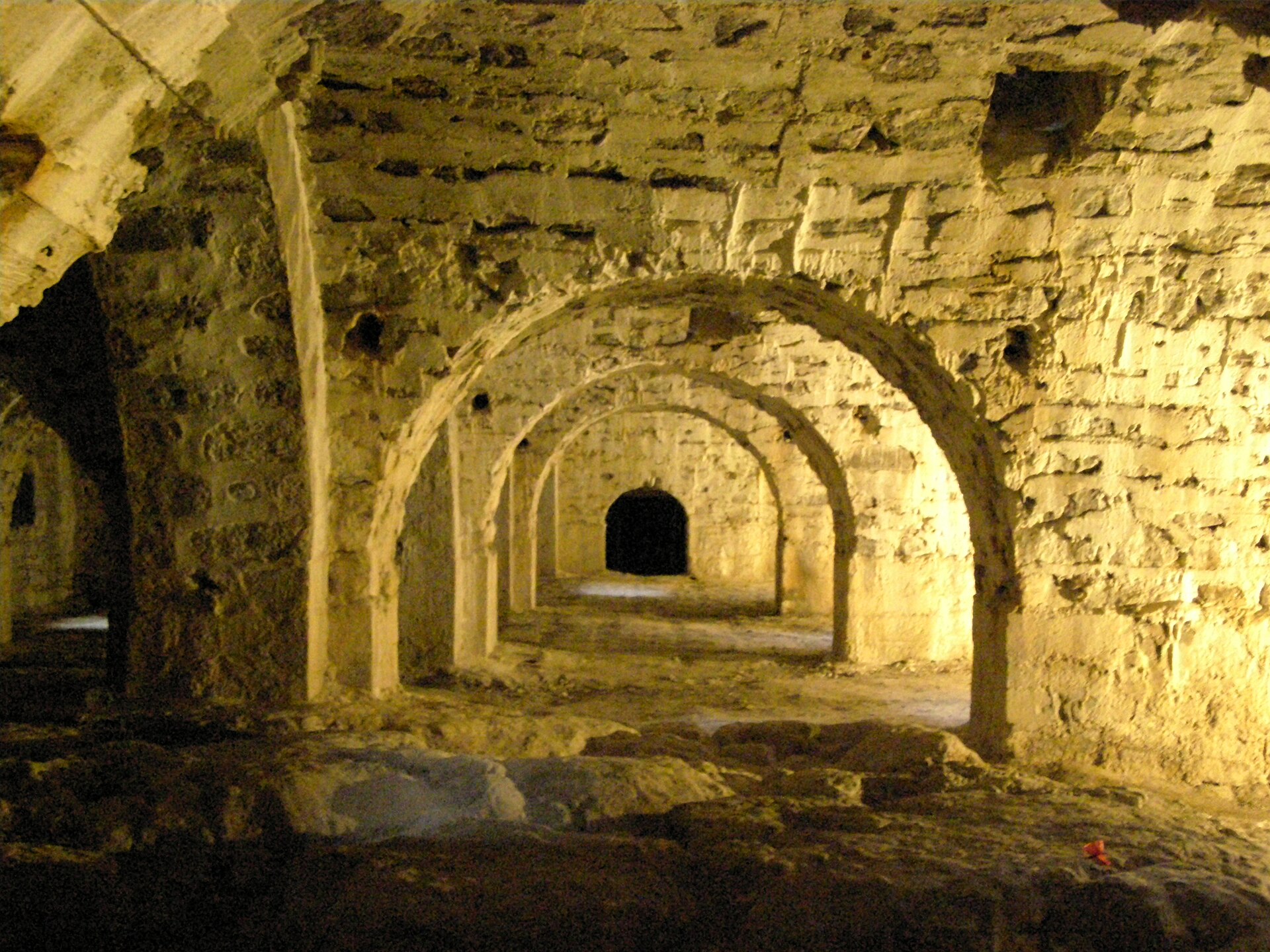
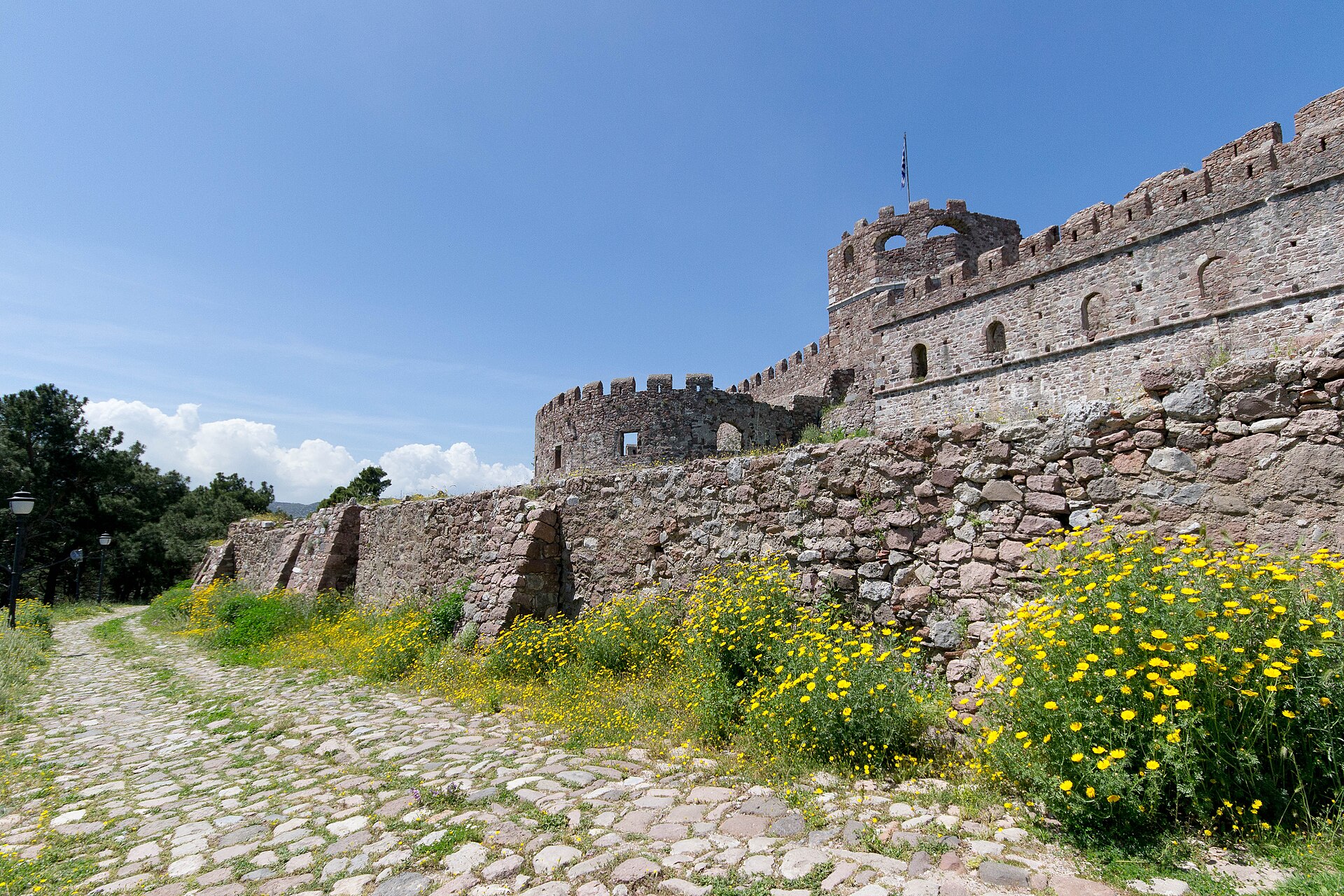
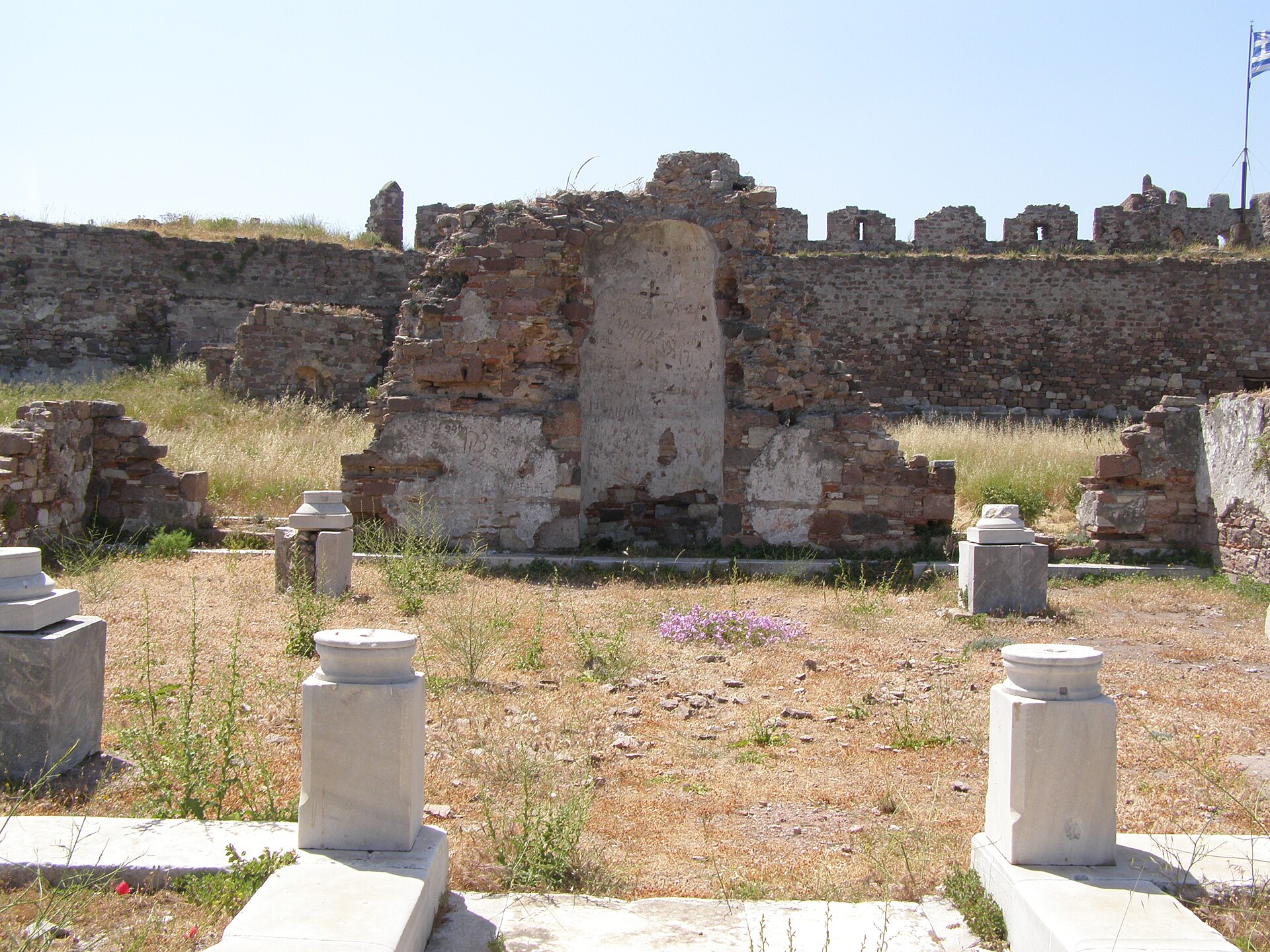
Under the Gattelusi, Lesvos experienced a remarkable renaissance. Commerce flourished along Genoese trade routes. The arts revived. The family renovated the great fortress of Mytilene and fortified other castles across the island. Their reign lasted over a century, ending abruptly when Sultan Mehmed II, the conqueror of Constantinople, besieged and captured Mytilene in September 1462.
Gattelusi Dynasty
In 1354, the Genoese nobleman Francesco Gattelusi helped Byzantine Emperor John V Palaiologos reclaim his throne. As a reward, he received Lesvos as a dowry through marriage to the emperor's sister Maria.
Under the Gattelusi, Lesvos experienced a remarkable renaissance. Commerce flourished along Genoese trade routes. The arts revived. The family renovated the great fortress of Mytilene and fortified other castles across the island. Their reign lasted over a century, ending abruptly when Sultan Mehmed II, the conqueror of Constantinople, besieged and captured Mytilene in September 1462.
Ottoman Rule
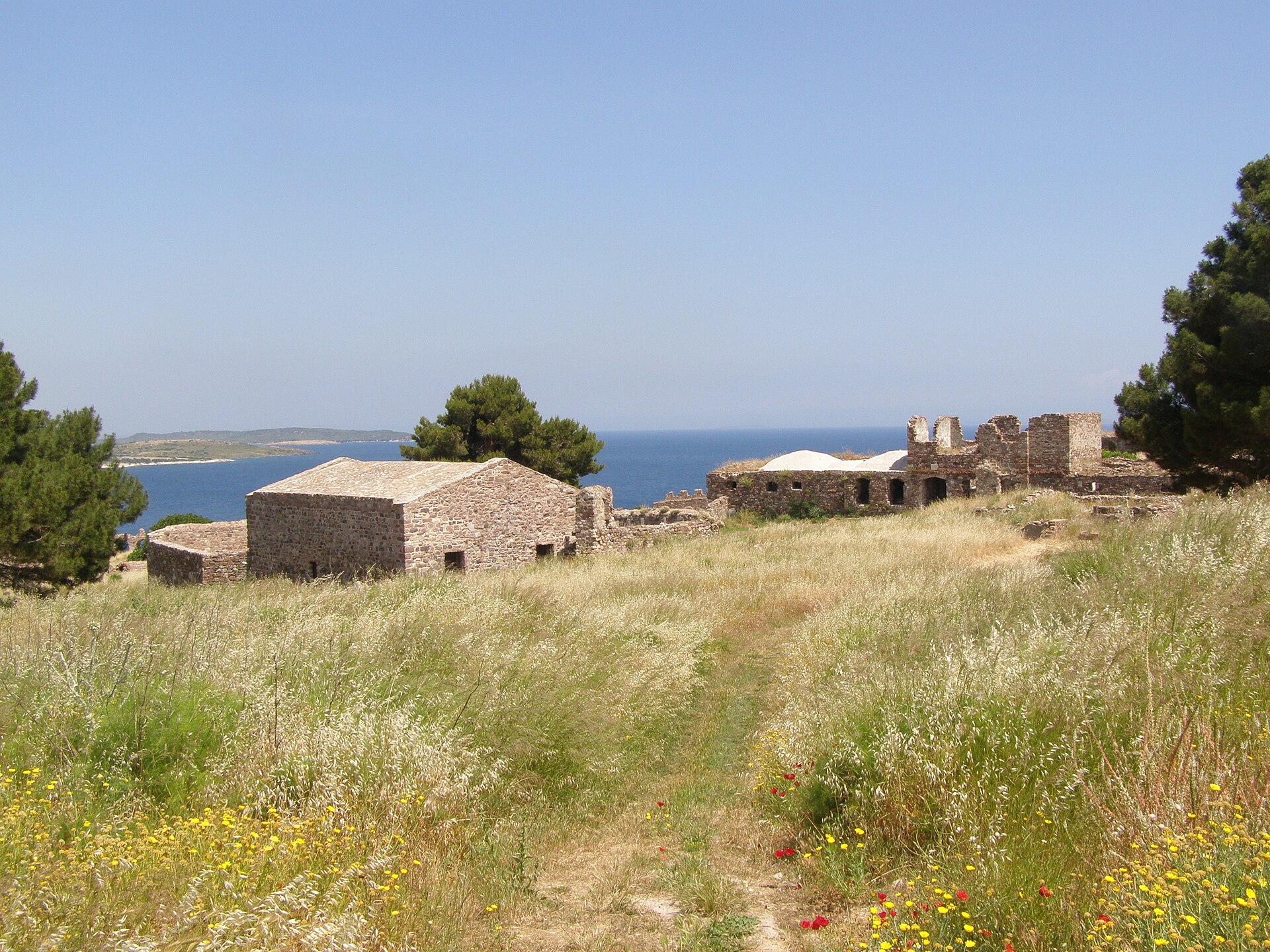
For 450 years, Lesvos lived under Ottoman administration. The fortress of Mytilene was repaired and expanded. In 1757, the Ottomans constructed Sigri Castle on the western coast to guard against piracy.
Greek language and Orthodox faith persisted through the centuries, sustained by the island's churches and schools. When the Greek War of Independence erupted in 1821, Lesvos saw local uprisings, though it remained under Ottoman control. In 1867, a devastating earthquake struck, destroying much of Mytilene and killing hundreds.
Ottoman Rule
For 450 years, Lesvos lived under Ottoman administration. The fortress of Mytilene was repaired and expanded. In 1757, the Ottomans constructed Sigri Castle on the western coast to guard against piracy.
Greek language and Orthodox faith persisted through the centuries, sustained by the island's churches and schools. When the Greek War of Independence erupted in 1821, Lesvos saw local uprisings, though it remained under Ottoman control. In 1867, a devastating earthquake struck, destroying much of Mytilene and killing hundreds.
Liberation
On November 8, 1912, during the First Balkan War, Admiral Pavlos Koundouriotis and the Greek navy liberated Lesvos from Ottoman rule. It was a day the island still celebrates with parades and ceremonies.
A decade later, the 1922 Asia Minor Catastrophe brought a massive wave of Greek refugees from the Turkish coast, just 10 kilometers away. The population swelled almost overnight. The Treaty of Lausanne in 1923 formalized the exchange of populations, and Lesvos absorbed thousands of displaced families who brought with them their own dialects, cuisine, music, and memories.
Liberation
On November 8, 1912, during the First Balkan War, Admiral Pavlos Koundouriotis and the Greek navy liberated Lesvos from Ottoman rule. It was a day the island still celebrates with parades and ceremonies.
A decade later, the 1922 Asia Minor Catastrophe brought a massive wave of Greek refugees from the Turkish coast, just 10 kilometers away. The population swelled almost overnight. The Treaty of Lausanne in 1923 formalized the exchange of populations, and Lesvos absorbed thousands of displaced families who brought with them their own dialects, cuisine, music, and memories.
Modern Lesvos
During World War II, German forces occupied the island from 1941 to 1944. The occupation brought hardship, but Lesvos rebuilt steadily in the postwar decades, developing its olive oil industry, fishing, and tourism.
Today, approximately 86,000 people call Lesvos home, making it the third-largest Greek island by both area and population. Its economy rests on olive cultivation (some eleven million olive trees cover the landscape), ouzo production, fishing, and a growing tourism sector drawn by the island's beaches, birdwatching, thermal springs, and immense cultural heritage.
Modern Lesvos
During World War II, German forces occupied the island from 1941 to 1944. The occupation brought hardship, but Lesvos rebuilt steadily in the postwar decades, developing its olive oil industry, fishing, and tourism.
Today, approximately 86,000 people call Lesvos home, making it the third-largest Greek island by both area and population. Its economy rests on olive cultivation (some eleven million olive trees cover the landscape), ouzo production, fishing, and a growing tourism sector drawn by the island's beaches, birdwatching, thermal springs, and immense cultural heritage.
Notable Figures
Lesvos has produced -- and attracted -- some of the most important minds in Western civilization
Sappho
c. 630 -- c. 570 BCBorn in Eressos, Sappho is the greatest lyric poet of Greek antiquity. Plato called her the Tenth Muse. Her fragments on love, loss, and beauty have influenced Western poetry for 2,600 years.
Aristotle
347 -- 342 BC (residence)The philosopher lived in Mytilene for five years, studying marine life in the Kalloni lagoon. His zoological works, grounded in observations made on Lesvos, founded the science of biology.
Theophrastus
c. 371 -- c. 287 BCBorn in Eressos and a student of Aristotle, Theophrastus wrote the foundational texts of botanical science. His "Enquiry into Plants" classified over 500 species.
Stratis Myrivilis
1890 -- 1969Born in Sykaminia, Myrivilis wrote some of the most celebrated Greek novels of the 20th century, including "Life in the Tomb" and "The Mermaid Madonna," both deeply rooted in the landscape of Lesvos.
Walk Through History
Explore the castles, ancient sites, and historic villages where this story unfolded.
Gallery