The Petrified Forest of Lesvos
Twenty million years in the making. The largest petrified forest on Earth, preserved by volcanic fury and recognized by UNESCO.
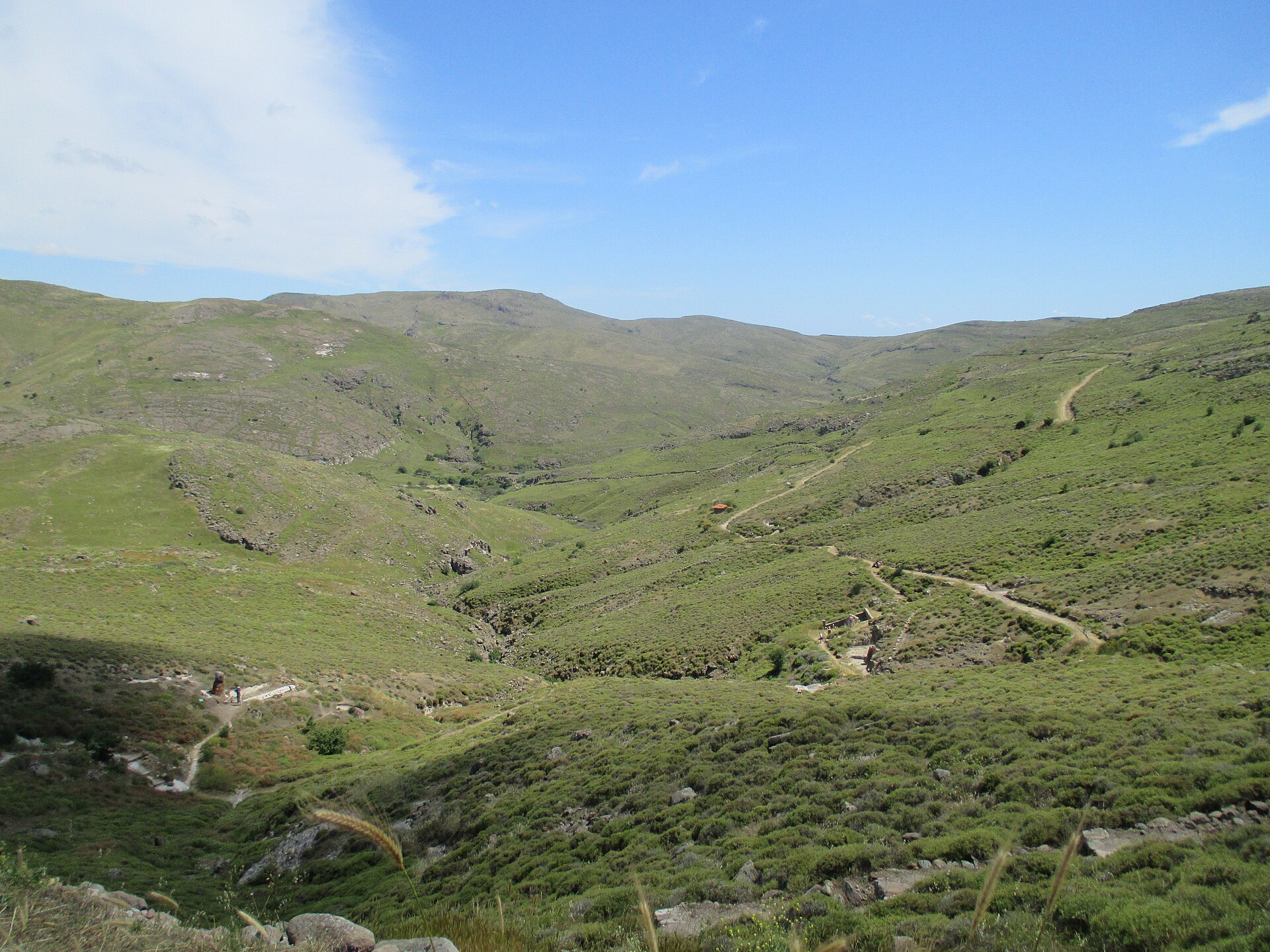
The Lesvos Petrified Forest is the largest in the world -- surpassing even the more famous one in Arizona. Spanning the western third of the island, near the village of Sigri, this UNESCO Global Geopark preserves an extraordinary ecosystem frozen in stone: an entire subtropical forest, complete with towering sequoias, pines, palms, and ferns, entombed by a catastrophic volcanic eruption roughly twenty million years ago. It is not merely a geological curiosity. It is a window into a vanished world, one that predates human civilization by an almost incomprehensible margin.
How It Formed
Approximately twenty million years ago, during the early Miocene epoch, a series of massive volcanic eruptions tore through northern Lesvos. The blasts buried an ancient subtropical forest in thick layers of volcanic ash, pyroclastic flows, and lava. Trees were killed where they stood and sealed from the atmosphere almost instantly.
Over the millennia that followed, silica-rich groundwater percolated through the volcanic sediment and into the wood itself, replacing organic material cell by cell in a process known as permineralization. The result is stone that retains the structure of living wood down to the finest detail -- bark texture, growth rings, even the branching patterns of root systems are clearly visible.
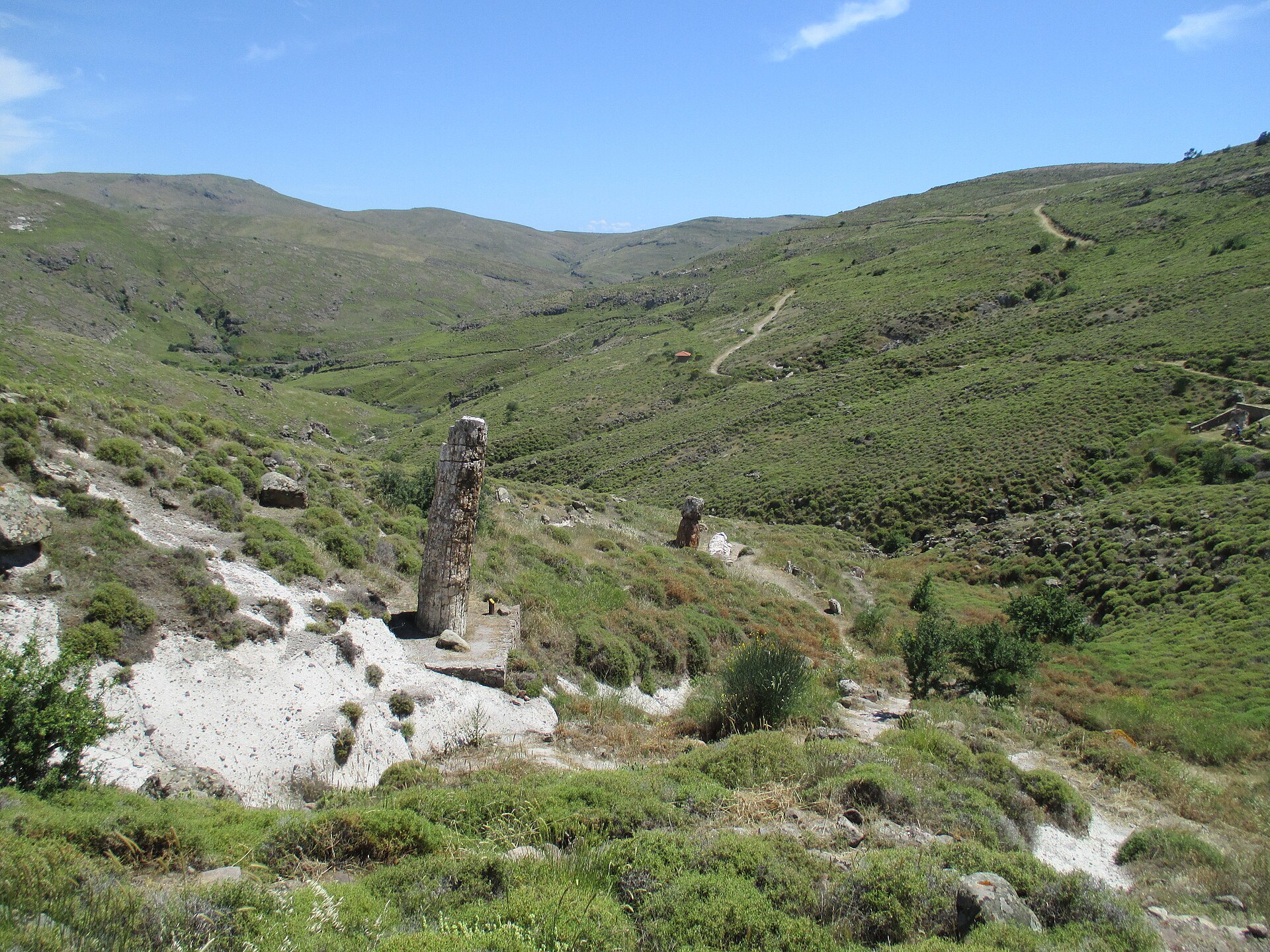
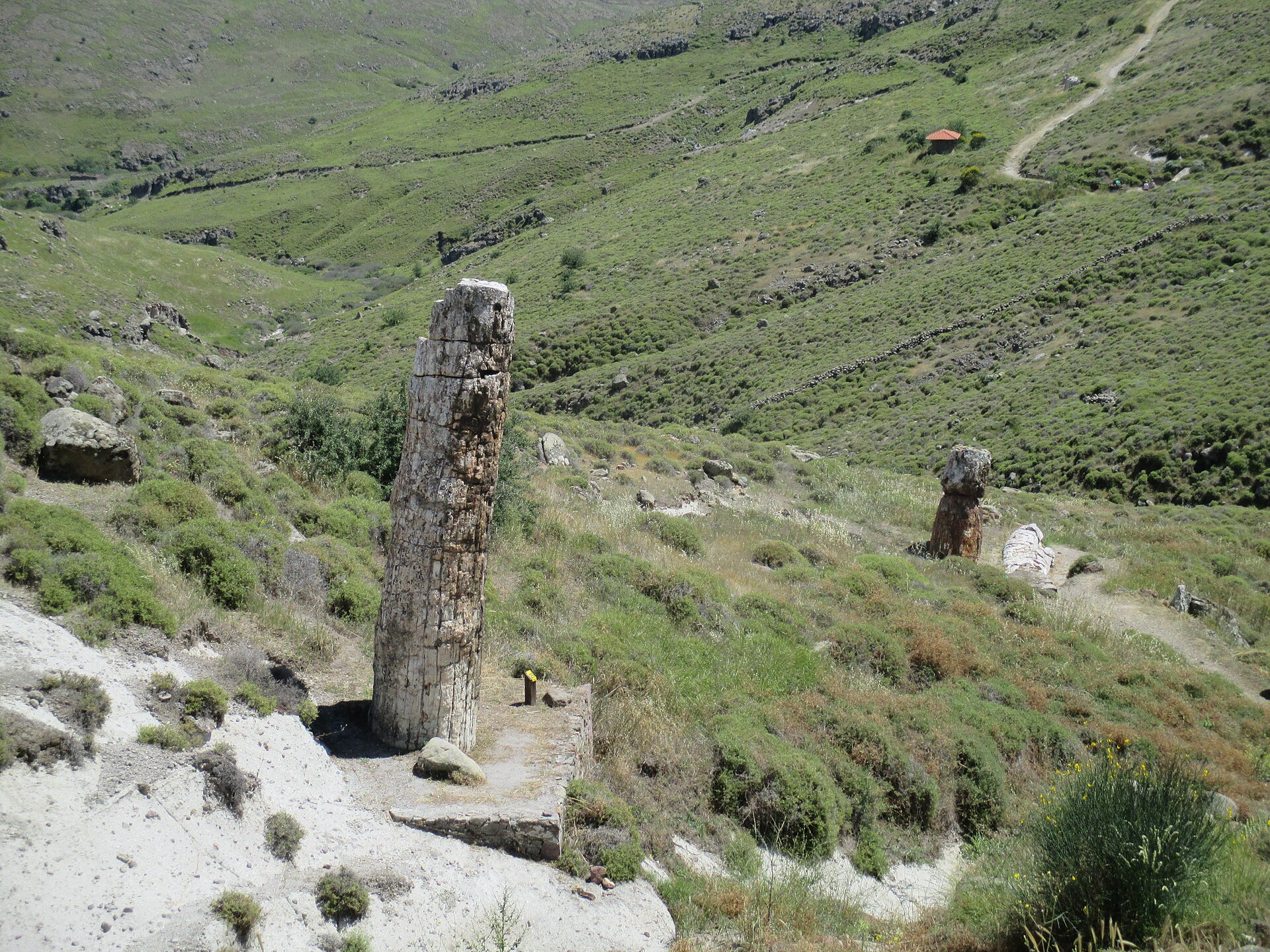
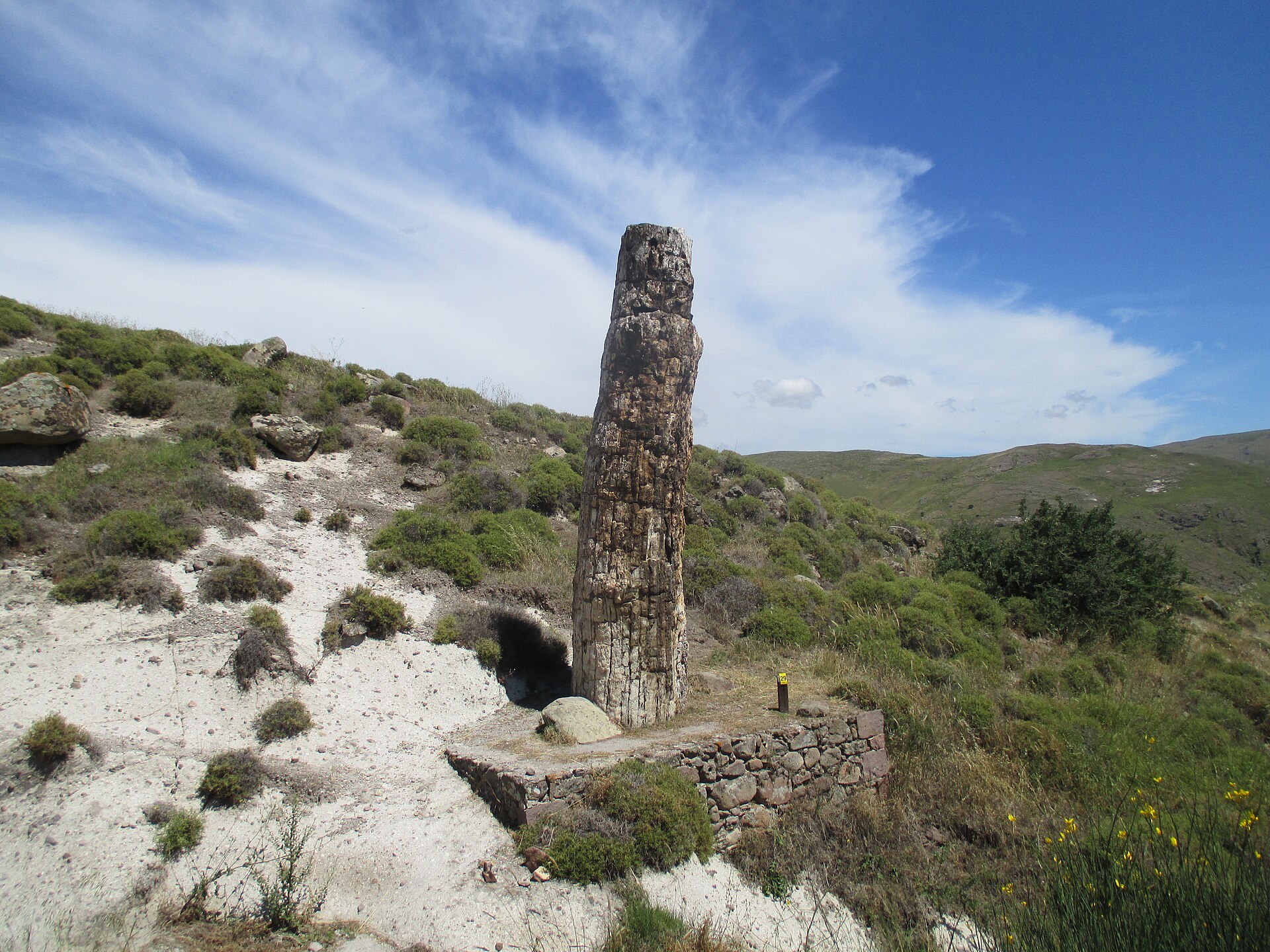
Some petrified trunks measure over twenty metres in length and three metres in diameter, with root systems still anchored in the position where they grew. The variety of species identified -- conifers, deciduous trees, palms, and smaller plants -- paints a vivid picture of a lush, warm-climate forest that once flourished on this now-arid hillside.
What to See
The Main Park
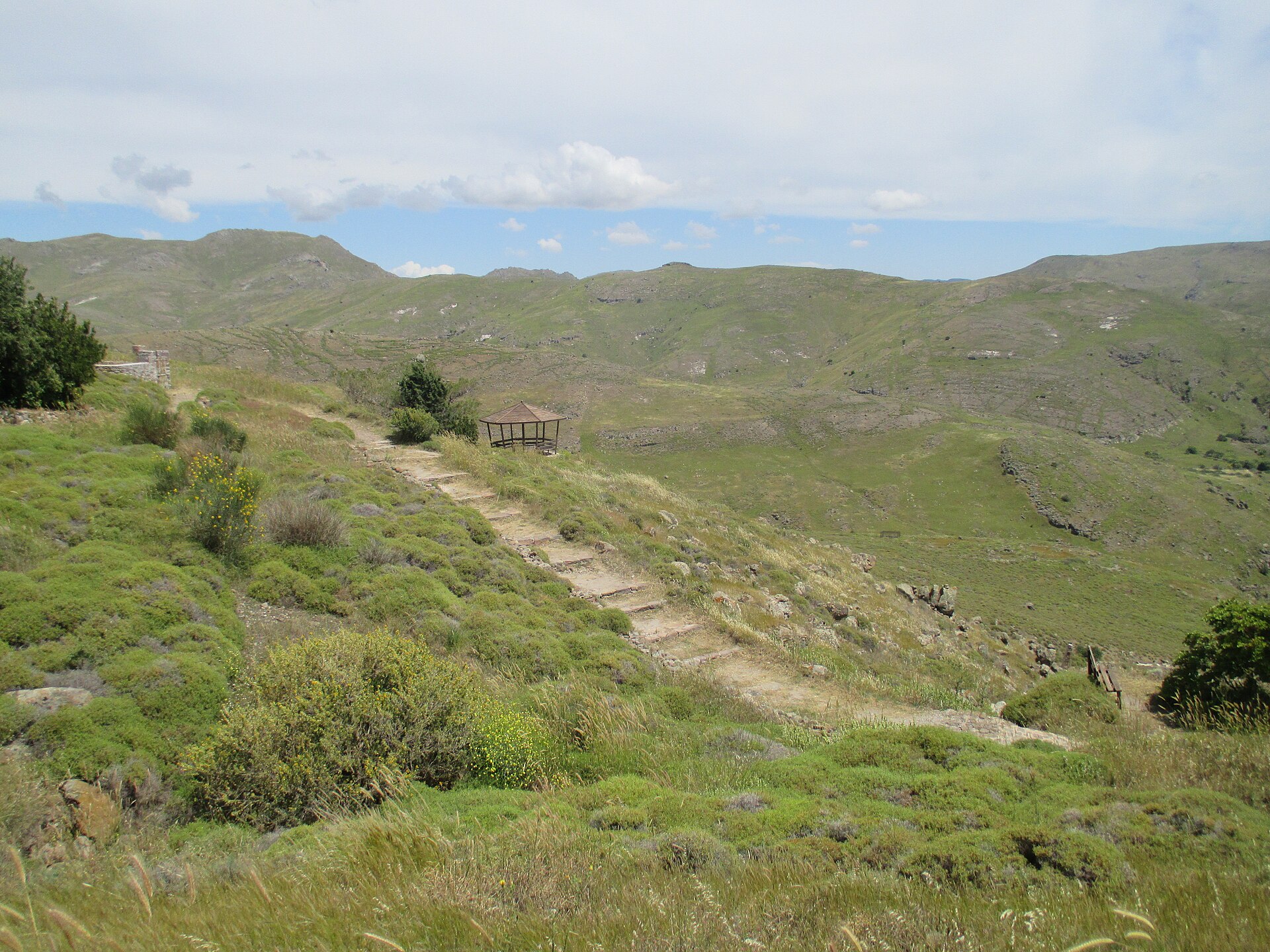
Signposted along the road to Sigri, the main park is where the most spectacular specimens stand. A network of walkways leads past standing petrified trunks, fallen giants lying where they toppled, and root systems still embedded in volcanic rock. Interpretive panels explain the geology at each stop.
The Natural History Museum of the Lesvos Petrified Forest
Located in Sigri village, this award-winning museum houses scientific exhibits, polished cross-sections revealing the cellular structure of petrified wood, and interactive displays that trace the volcanic history of the island. It is one of the finest small natural history museums in Greece.
Beach Fossils
Pieces of petrified wood are scattered among the pebbles on several Sigri-area beaches. Paralia Tsichliotas is particularly rewarding -- walk the shoreline at low tide and you will find fragments of mineralized wood polished smooth by centuries of wave action, their grain patterns unmistakable against the grey basalt.
The Volcanic Caldera
The villages of Vatousa, Xidira, Antissa, and Zithra sit within the rim of the ancient volcanic caldera that caused the petrification. Visible ash deposits, caldera walls, and dramatic terrain changes mark the boundary between the volcanic zone and the rest of the island. Drive through slowly and the scale of the eruption becomes tangible.
The Volcanic Terroir
The same volcanic soil that petrified an ancient forest now creates exceptional conditions for grape cultivation. The mineral-rich, well-drained terrain of western Lesvos shares geological similarities with Santorini, another volcanic island renowned for its wines. Vines planted in this soil produce grapes with distinctive mineral character and concentrated flavour.
The Methymnaeos winery, operating on the volcanic slopes near Chidira, produces organic wines from the indigenous Chidiriotiko grape -- a variety found nowhere else in the world. Their wines are a direct expression of the terroir: volcanic soil, Aegean wind, and a microclimate shaped by twenty million years of geological history. A visit to the winery pairs naturally with a morning at the Petrified Forest, connecting the deep past to the living landscape.
Practical Information
Western Lesvos, near the village of Sigri
Early morning or late afternoon -- midday heat can be intense on the exposed terrain
2-3 hours for the park, plus additional time for the museum
Sigri village, Ypsilou Monastery, western beaches (Faneromeni, Eressos)
Yes -- the museum has interactive displays, and the park walkways are accessible for children
UNESCO Global Geopark since 2000, expanded designation in 2012
Getting There
From Mytilini, the Petrified Forest is approximately a two-hour drive west. The route passes through the mountain villages of Agiassos or Kalloni before descending toward the coast at Sigri -- the scenery alone is worth the journey, with olive groves giving way to volcanic terrain as you cross into the western caldera zone.
A rental car is essential, as public transport to Sigri is infrequent. The road is well-maintained throughout. If you are based in Molyvos or Petra, the drive is roughly ninety minutes via Antissa. Allow a full day for the trip: the park, the museum, lunch in Sigri, and perhaps a swim at one of the nearby beaches before heading back.
Gallery