


Lesvos Business Directory
Find restaurants, hotels, shops & services across the island
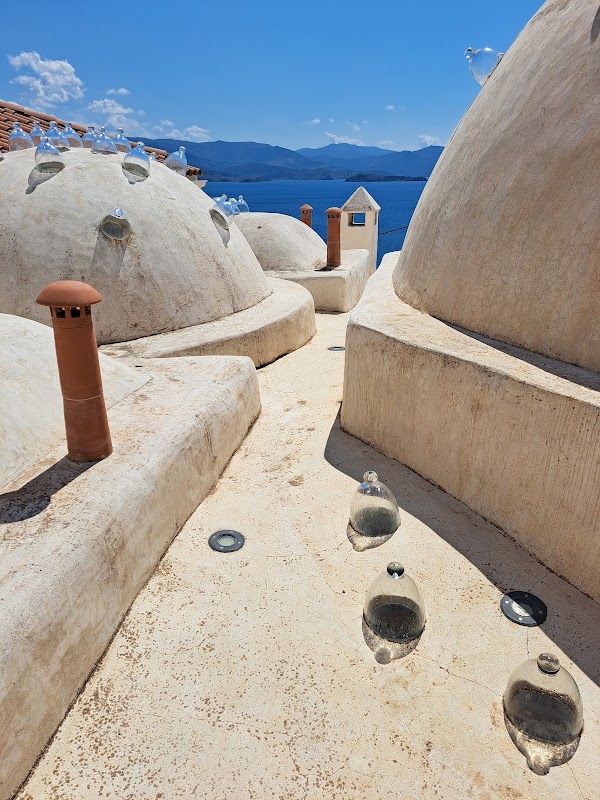
Archaeological Site (39.3694, 26.1725)
Perched in the northern reaches of Lesvos near the medieval town of Molyvos, this archaeological site stands on ground that has been inhabited since antiquity. The ancient city of Mithymna — the classical name for what is now Molyvos — was one of the most powerful city-states on the island, rivaling Mytilene for domina
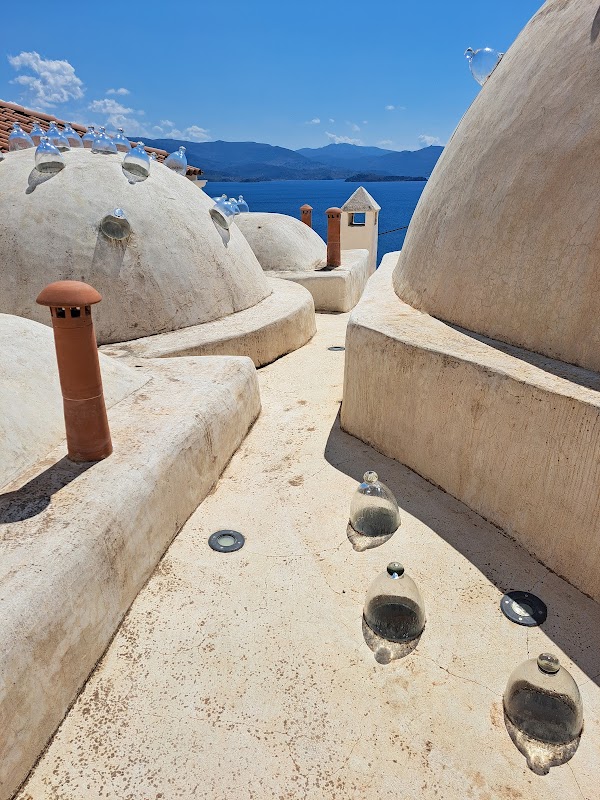
Archaeological Site (39.3697, 26.1705)
Perched in the landscape surrounding the storied village of Molyvos, this archaeological site stands as a tangible link to the ancient city of Mithymna, one of the six powerful city-states that shaped the island of Lesvos throughout antiquity. Mithymna was a rival of the dominant city of Mytilene and played its own dis
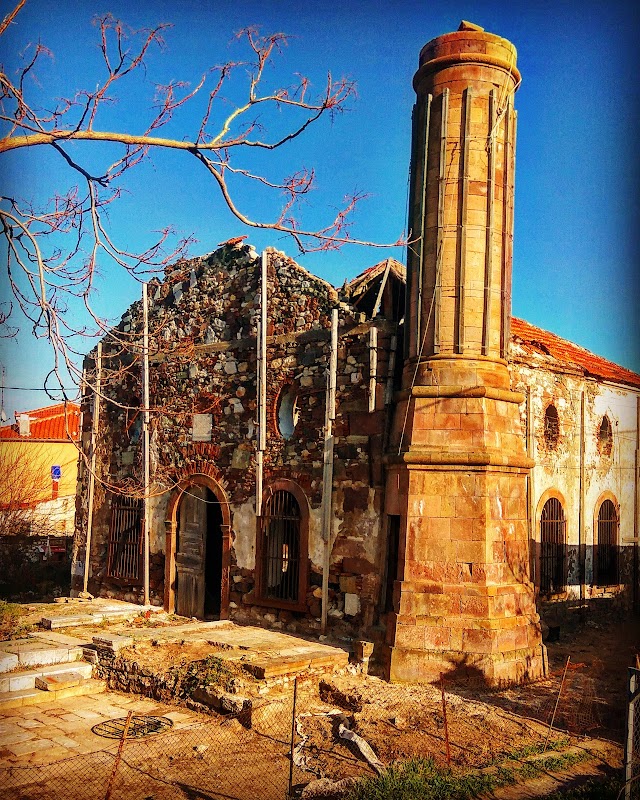
Archaeological site of Nikomedeias St.
Tucked into the urban fabric near the Alyfada district of Mytilini, the archaeological site on Nikomideias Street preserves the remains of a Roman-era epavli — a term the Greeks used for a substantial rural or suburban estate. Lesvos flourished under Roman rule as a favoured retreat for the empire's elite, and sites li
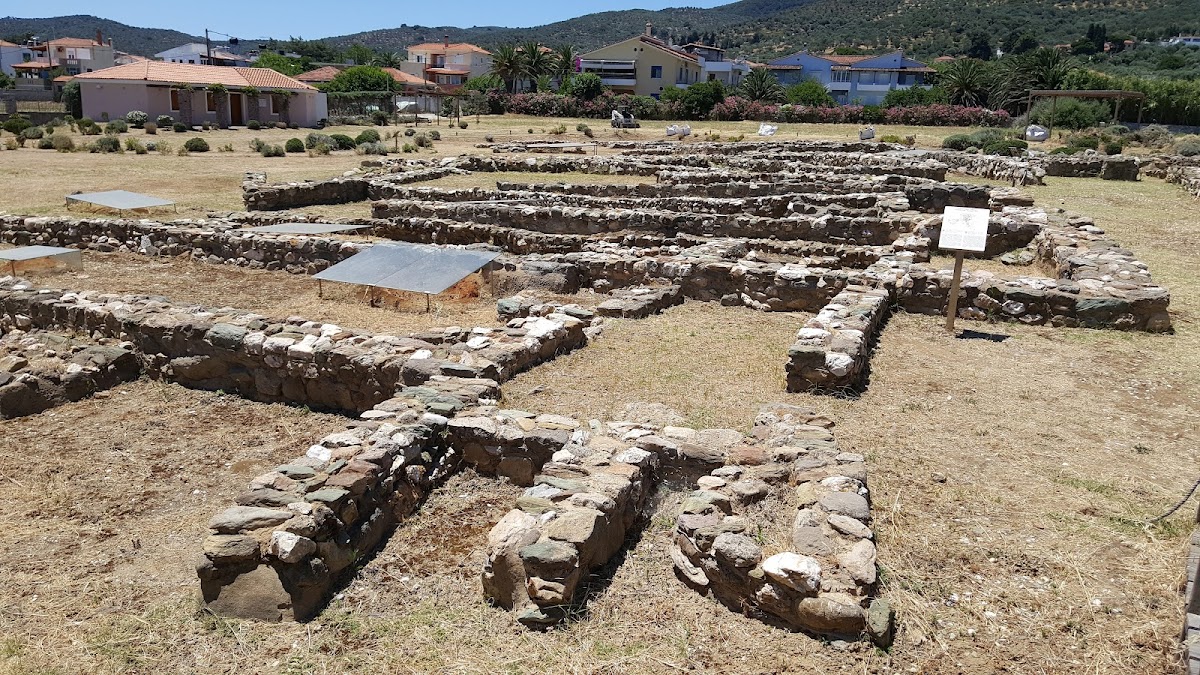
Archaeological Site Of Thermi
Nestled on a low coastal promontory near the village of Pyrgoi Thermis, the Archaeological Site of Thermi ranks among the most significant prehistoric settlements in the Aegean. Excavated in the early twentieth century by British archaeologist Winifred Lamb, the site revealed five successive Bronze Age settlements buil
Archaia Issa
Archaia Issa, the remains of an ancient settlement nestled in the quiet landscape near the village of Parakoila, offers a window into the layered prehistoric and classical past of Lesvos. Though less celebrated than the island's five great ancient city-states — Mytilene, Methymna, Antissa, Eresos, and Pyrrha — Issa sta
Archaia Pyrra
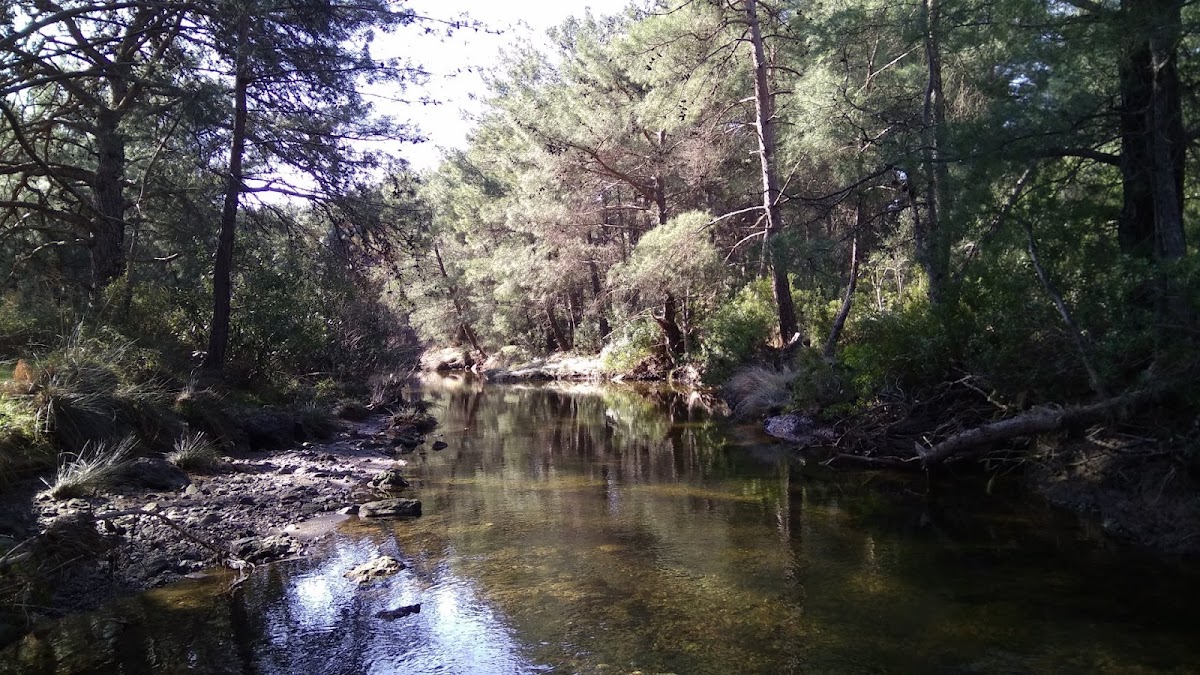
Pyrrha or Pyrra (Ancient Greek: Πύρρα) was a town on the coast of the deep bay on the west of the island of Lesbos, which had so narrow an entrance that it was called the Euripus of Pyrrha. It was situated at a distance of 80 stadia from Mytilene and 100 from Cape Malea. In the Lesbian revolt the town sided with Mytile
Archaio Akromolio
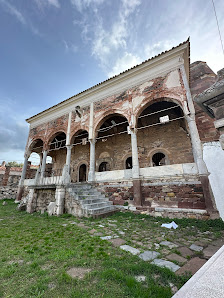
Perched on a rugged coastal promontory near the quiet village of Alyfada, Archaio Akromolio is a site of ancient ruins whose very name speaks to its character — "archaio" meaning ancient, and "akromolio" evoking the notion of a headland or sea-edge settlement. This stretch of the eastern Lesvos coastline was inhabited
Archaio Theatro Mytilinis
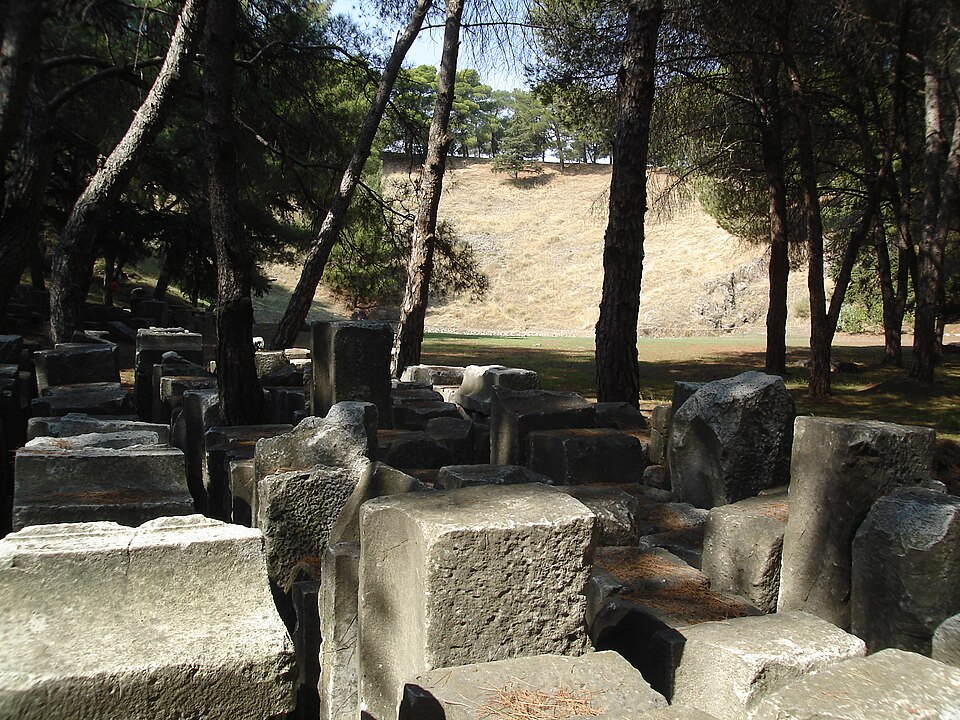
The Ancient Theatre of Mytilene stands as one of the most historically significant ancient monuments on Lesvos, carved into the hillside above the island's capital city. Built during the Hellenistic period, likely in the 3rd or 2nd century BC, it was once one of the largest theatres in the ancient Greek world, with an
Archaiologikos Choros Ierou Tou Messou
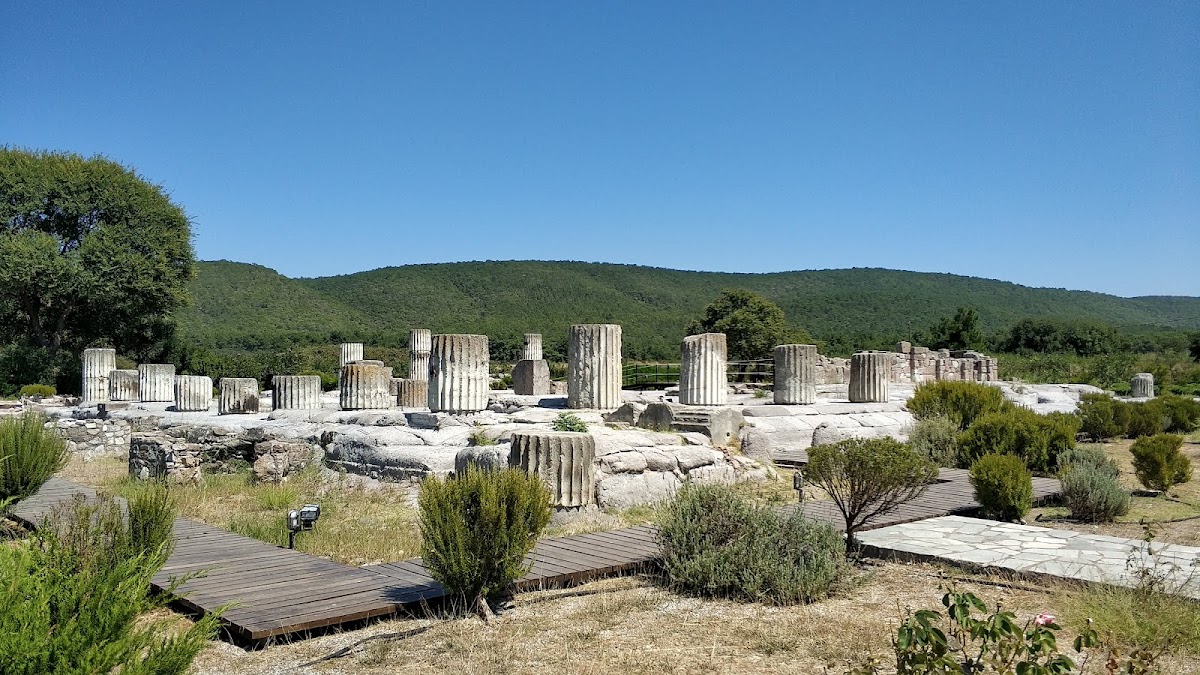
Tucked into the gentle hills near the village of Mesa in the heart of Lesvos, the Archaeological Site of the Sanctuary of Messa stands as one of the island's most significant ancient religious complexes. Known in antiquity as the Messon sanctuary, this site served as a pan-Lesbian gathering place where the inhabitants
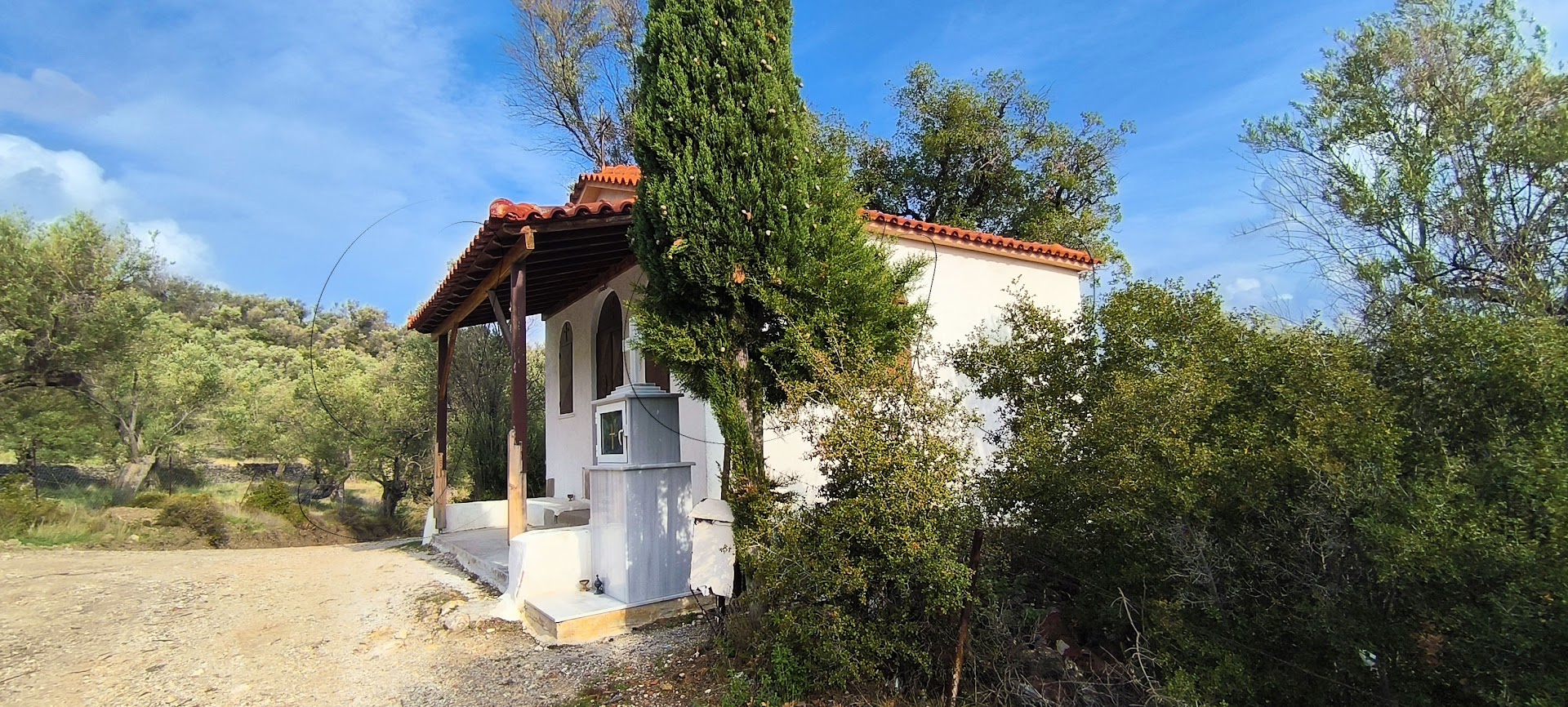
Archangelos Michail
Perched in the quiet landscape near the small village of Afalonas in northern Lesvos, the Church of Archangelos Michail stands as a testament to the island's deep-rooted Orthodox Christian faith. Dedicated to the Archangel Michael, commander of the heavenly host and one of the most beloved figures in the Greek Orthodox
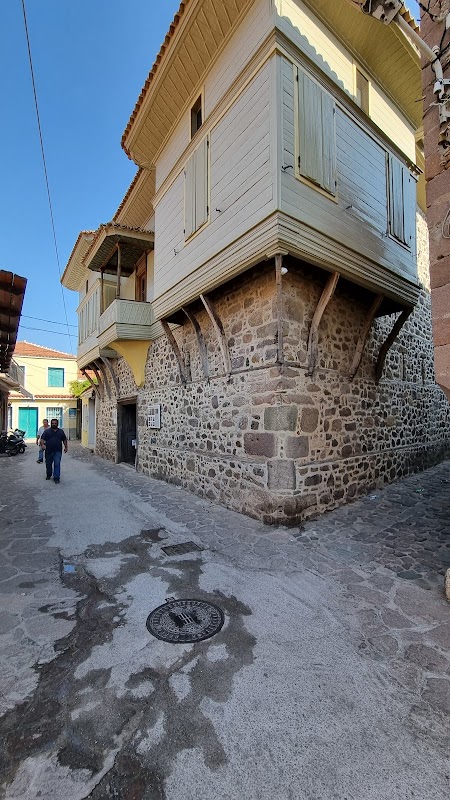
Archodiko Vareltzidainas
Tucked within the historic village of Petra on Lesvos's northern coast, Archodiko Vareltzidainas is one of the island's traditional aristocratic mansions, or archodika, that have been lovingly preserved and opened to visitors. These grand stone residences were once the homes of wealthy merchant and landowning families
Archon Michail
Tucked into the quiet landscape near the village of Karini, the church of Archon Michail — dedicated to the Archangel Michael — stands as a testament to the deep Orthodox faith woven through everyday life on Lesvos. Archangel Michael, known in Greek as Taxiarchis or Archistratigos, holds a place of special reverence ac
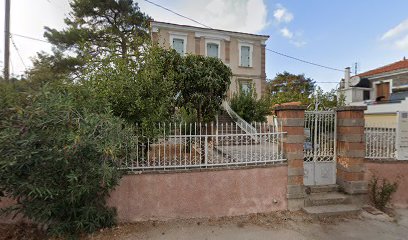
Archontiko Tzannou
Archontiko Tzannou is a historic mansion near the village of Mandamados in northern Lesvos, preserved as a window into the island's aristocratic past. The term "archontiko" refers to the grand stone residences built by prosperous merchant and landowning families during the Ottoman period and the 19th century, when Lesv
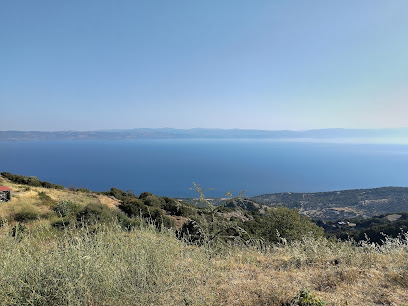
Argennos Viewpoint & RAPTOR Watchpoint
Perched above the village of Argennos, this dual-purpose viewpoint offers one of the more rewarding stops on Lesvos for both casual visitors and dedicated wildlife enthusiasts. The elevated vantage point commands sweeping views across the island's rugged landscape toward the Aegean, making it a natural place to pause a
Arion Cultural Association
Cultural center in Mytilini (4.6 rating, 52 reviews) offering traditional Greek dance classes, hip-hop, and various cultural programs. Affordable lessons preserving local Lesvos traditions; welcoming for both locals and visitors seeking authentic cultural immersion.
Aristotle
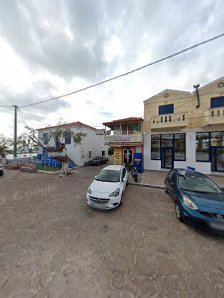
Lesvos holds a singular place in the history of science, for it was on these shores that Aristotle conducted the fieldwork that would lay the foundations of Western biology. Around 345 BCE, following the death of his mentor Plato, Aristotle came to live on Lesvos, settling near the lagoon-like Gulf of Kalloni — the anc
Aspropotamos Beach
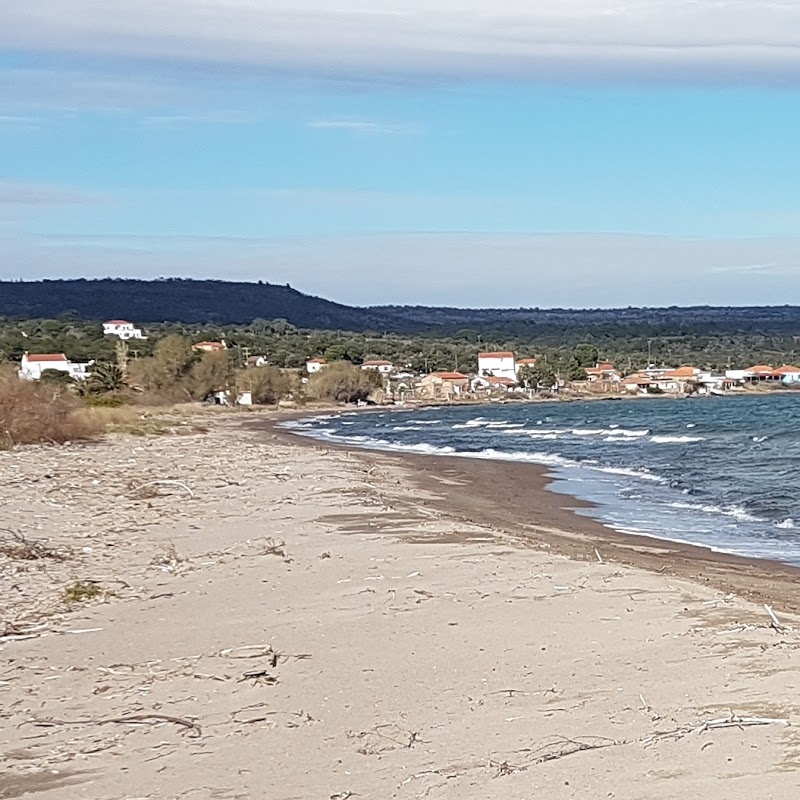
Aspropotamos Beach takes its name from the Greek words for "white river," a poetic nod to the pale, smooth stones and light-colored sediment that characterize this stretch of coastline near the village of Pedi in the western reaches of Lesvos. Tucked into a quieter corner of the island, it offers the kind of unhurried
Bakery
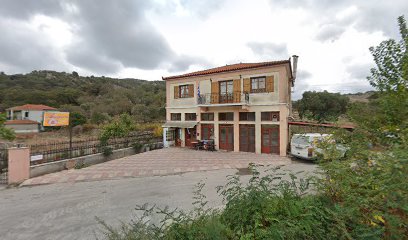
Nestled in the village of Filia in the northern interior of Lesvos, this bakery offers the kind of honest, everyday fare that has sustained Greek village life for generations. Visitors can expect freshly baked bread — often wood-fired or stone-oven baked — alongside traditional pastries such as tiropita (cheese pie), s
Bath
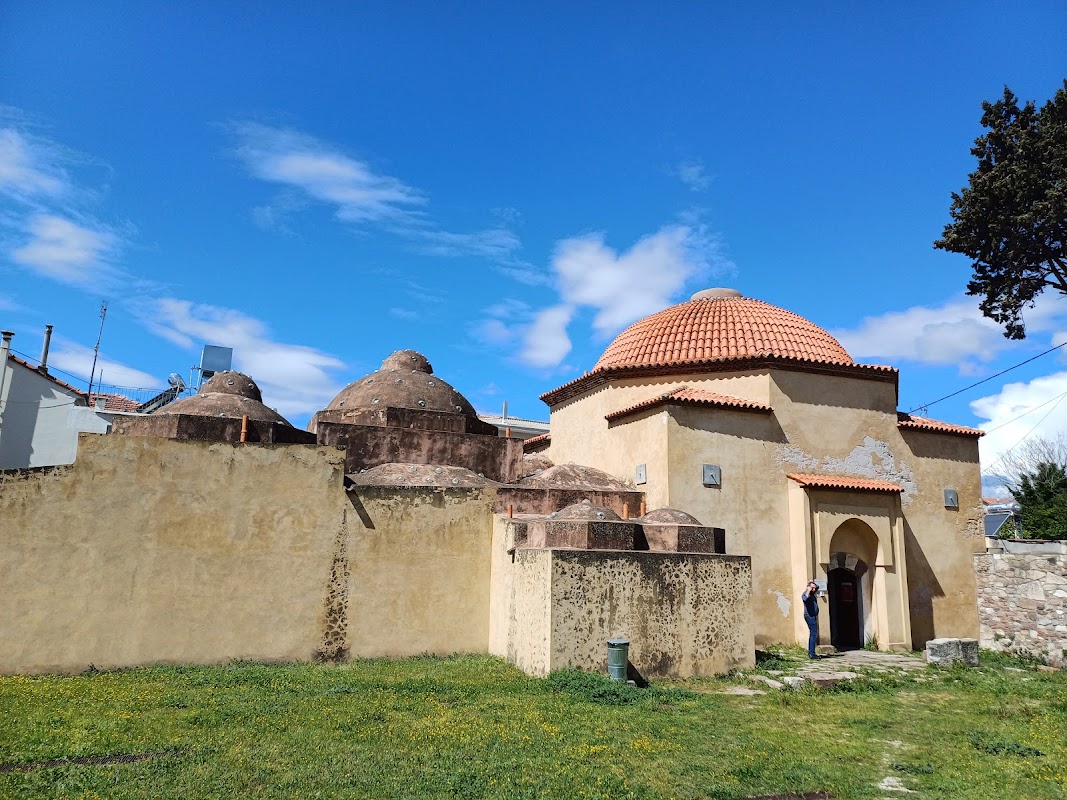
The ruined bath complex near Alyfada offers a quietly evocative glimpse into the daily life of ancient and Byzantine-era Lesvos. Bathing establishments were central to social and civic life across the Eastern Mediterranean for centuries, serving not merely as places of hygiene but as community gathering points where lo
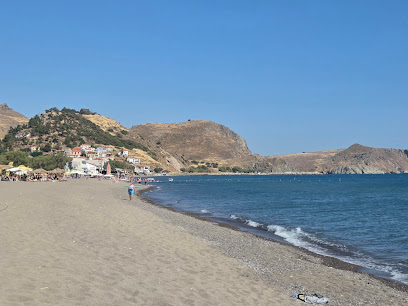
Beach of Eresos
The Beach of Eresos draws its name and its soul from one of the ancient world's most celebrated poets, Sappho, who was born in the nearby hilltop town of Eresos. This long, sweeping stretch of dark volcanic sand along the southwestern coast of Lesvos has a character unlike any other beach on the island — unhurried, dee
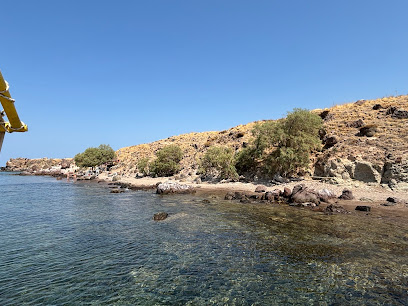
Beach of Rabbit Island
Tucked just off the northwestern coast of Lesvos near the village of Anaxos, the Beach of Rabbit Island takes its name from the tiny, uninhabited islet that sits tantalizingly close to shore, a landmark that has given this stretch of coastline its distinctive character for generations. The beach itself is part of the b
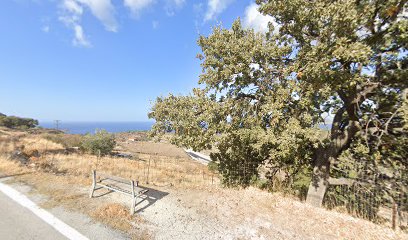
Bench with a View
Perched in the hills near the quiet village of Skoutaros, this aptly named tourist attraction is exactly what it promises: a thoughtfully placed bench offering an expansive view over the rolling Lesvos landscape. From this vantage point, visitors are rewarded with sweeping vistas across the island's characteristically
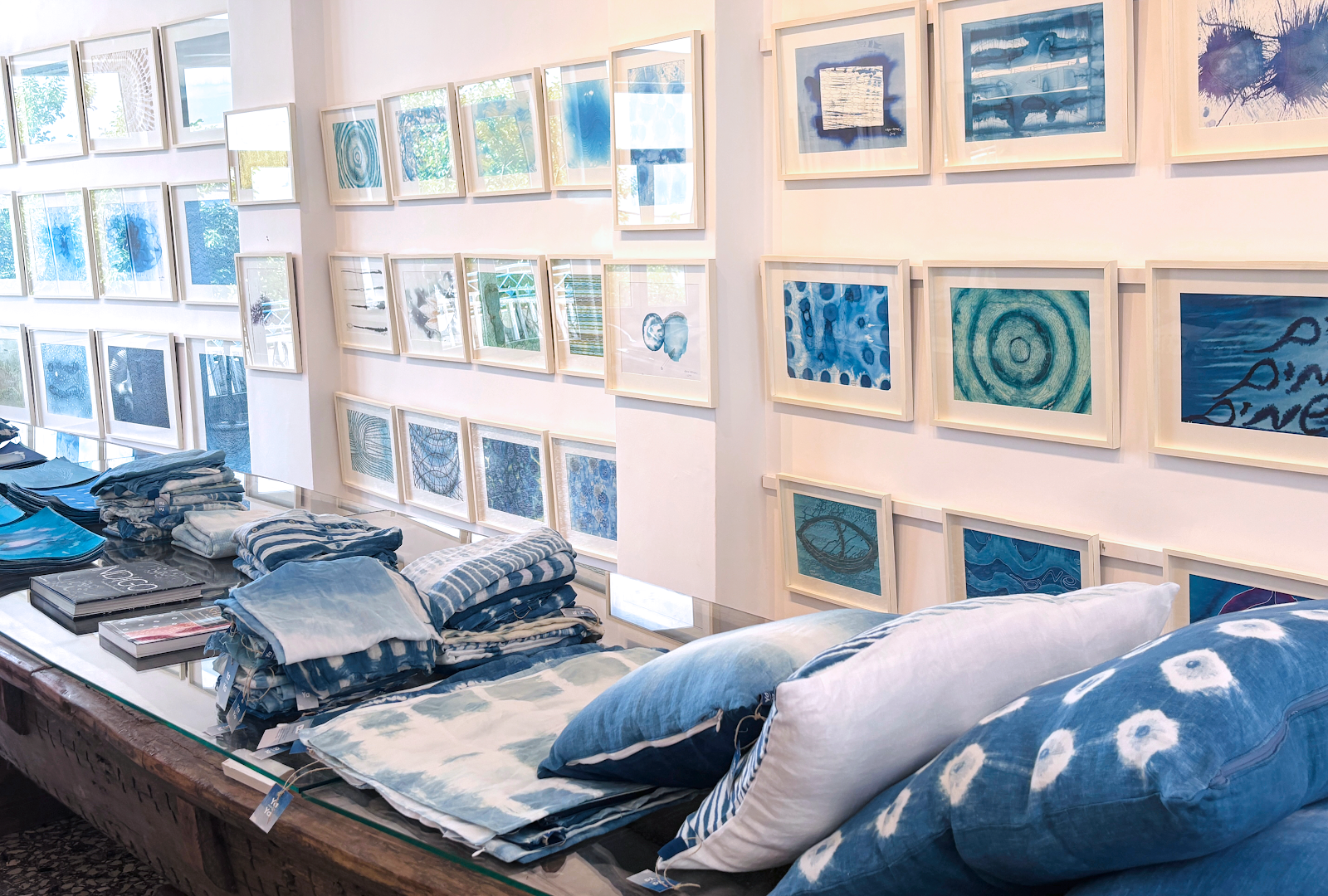
Blue Sky Gallery - Art & Babylonia Jewelry
Blue Sky Gallery - Art & Babylonia Jewelry is a distinctive art gallery and jewelry boutique located in Plomari, the charming coastal town on the southern shore of Lesvos celebrated for its ouzo heritage and neoclassical architecture. The gallery brings together fine art and handcrafted jewelry under one roof, offering
Bridge (39.2750, 26.3720)
Near the quiet village of Pedi, this historic stone bridge stands as one of the enduring reminders of the island's layered past. Like many of Lesvos's surviving bridges, it was likely constructed during the Ottoman period, when the island's prosperity in olive oil and trade demanded reliable infrastructure to connect v