


Πλωμάρι
Plomari
Population
3,337
Elevation
12m
Municipality
Plomari
Postal Code
812 00
From Mytilene
21.4 km
Nearest Beach
Ammoudeli
Overview
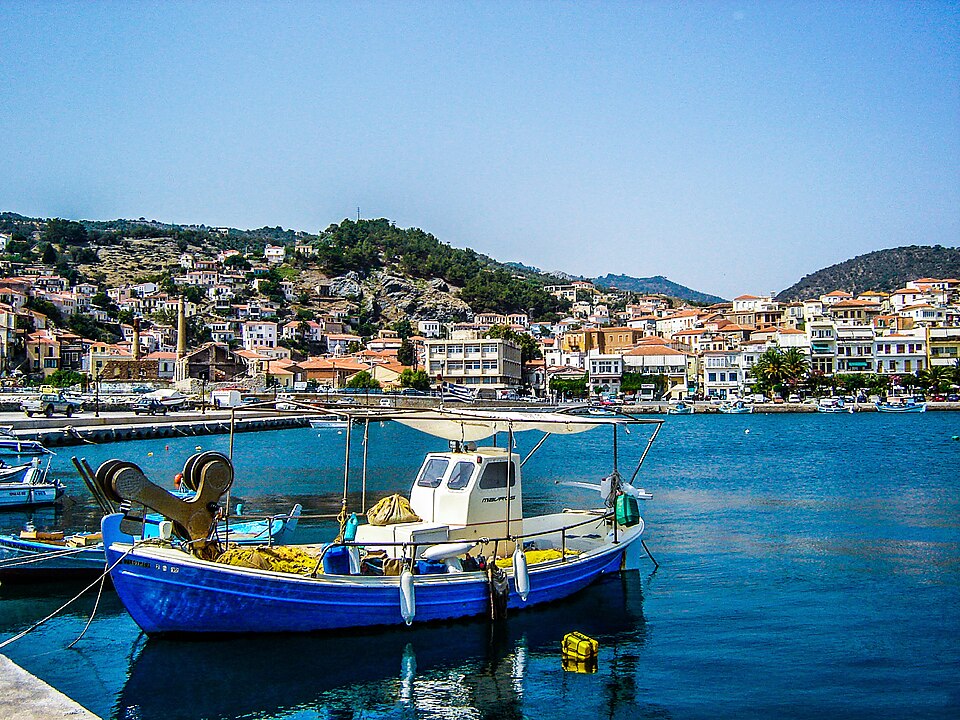
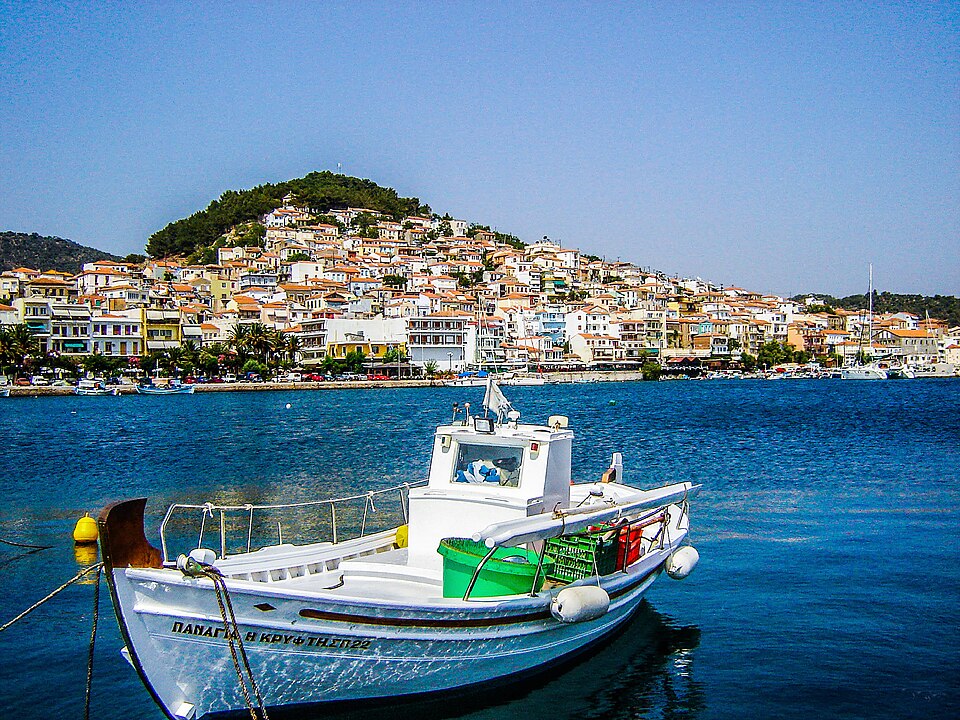
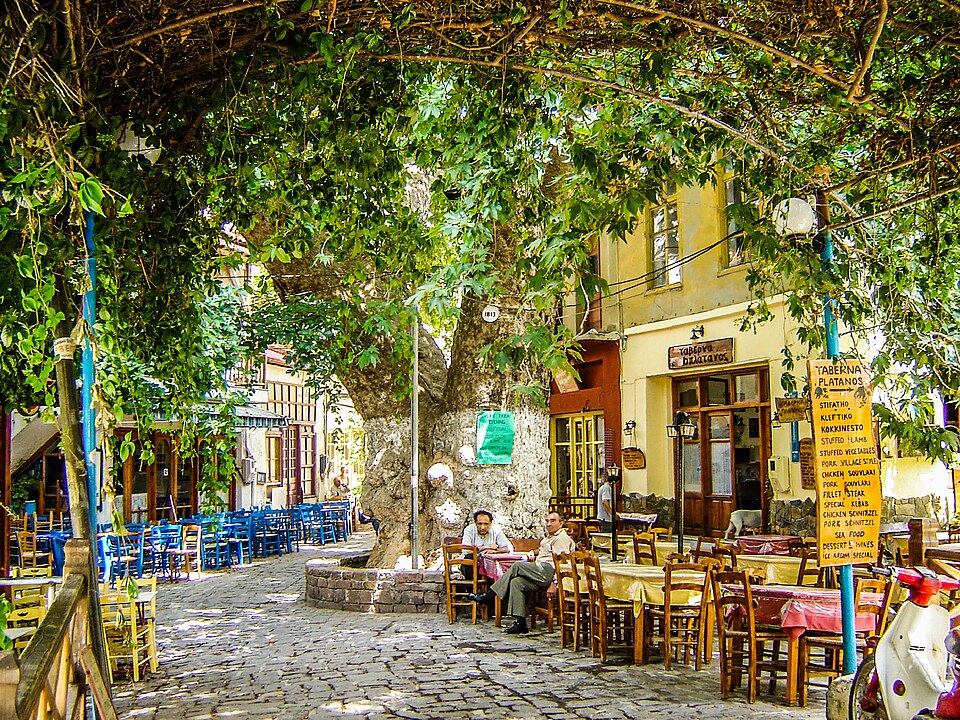
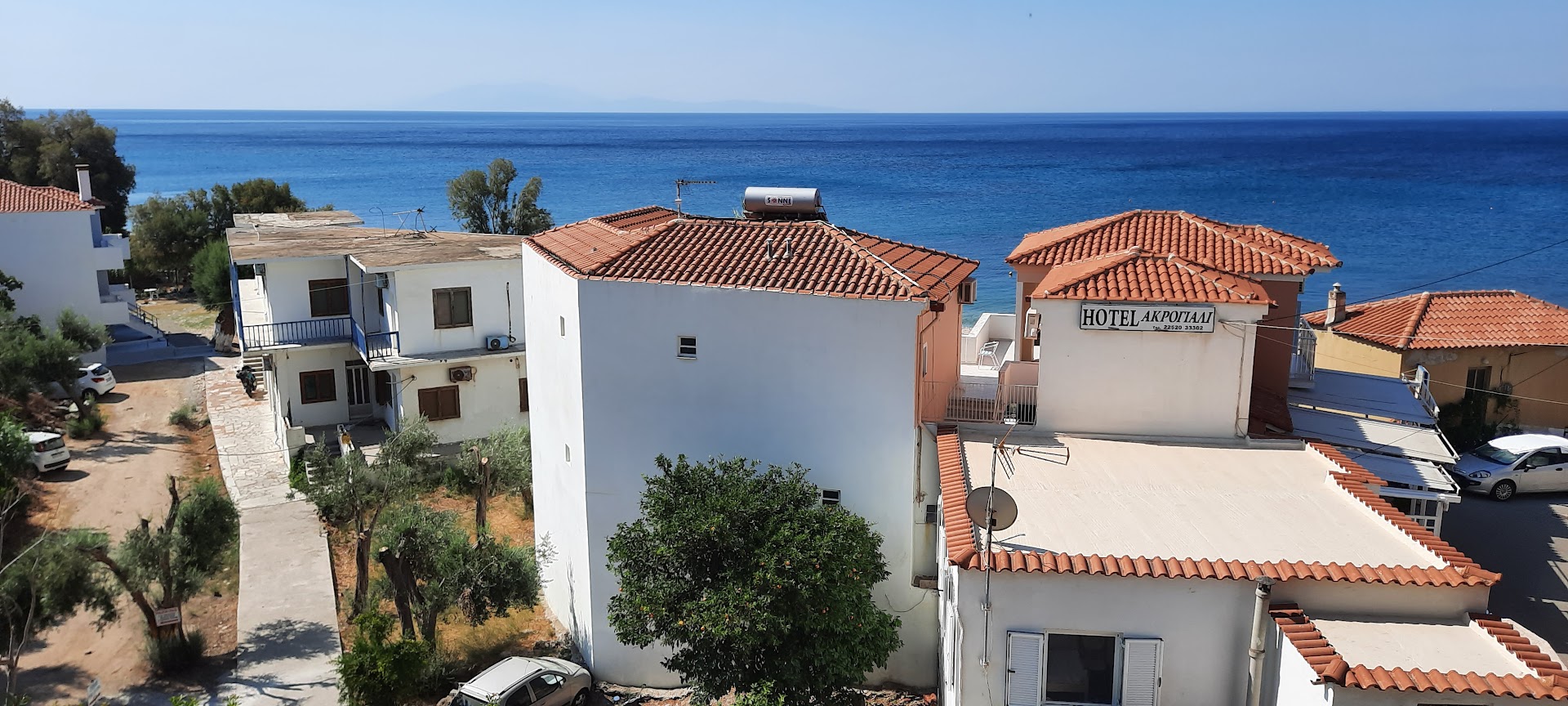
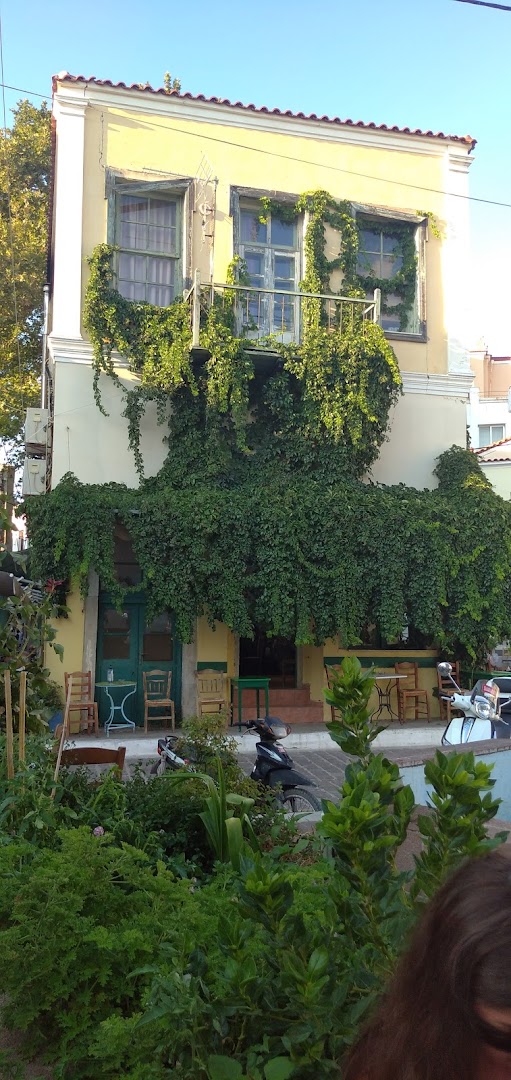
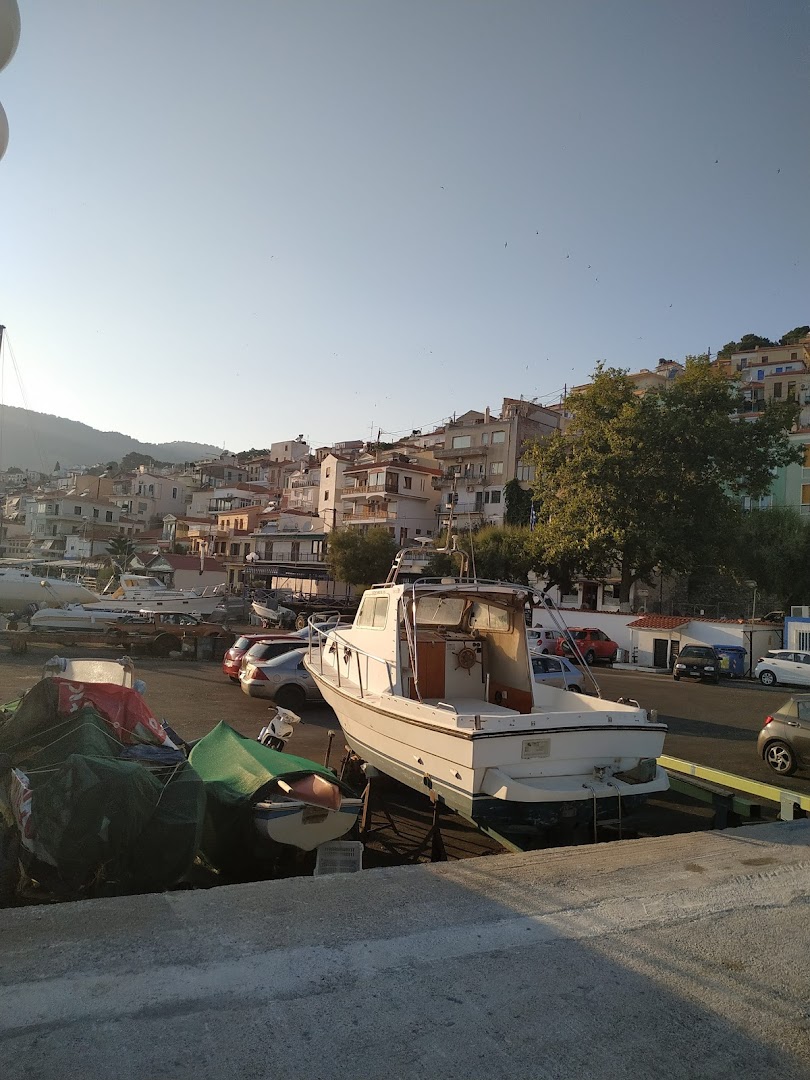
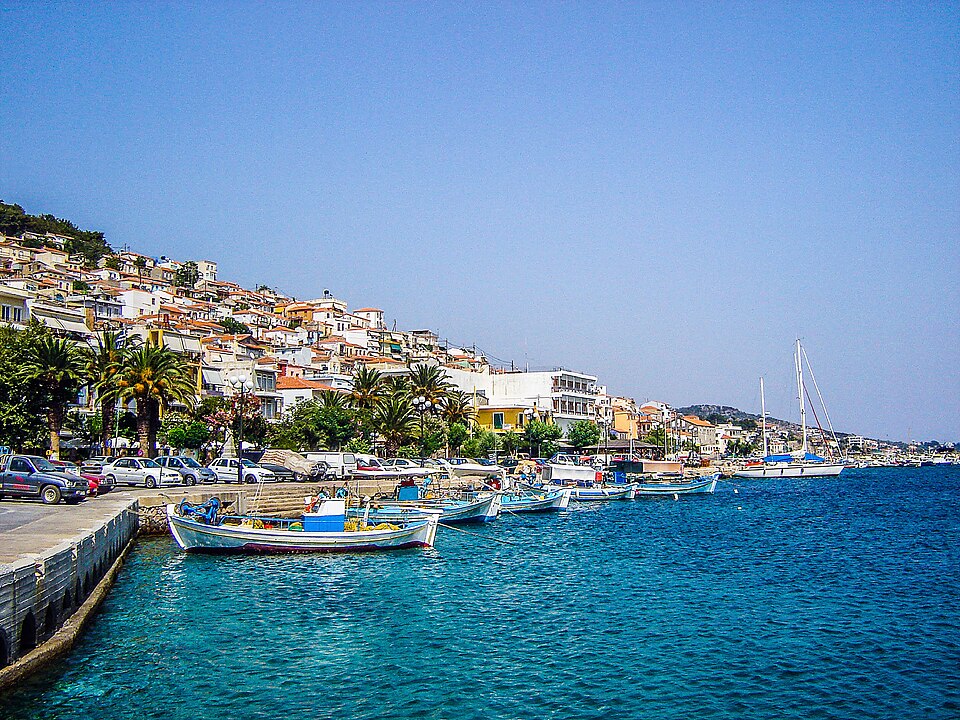
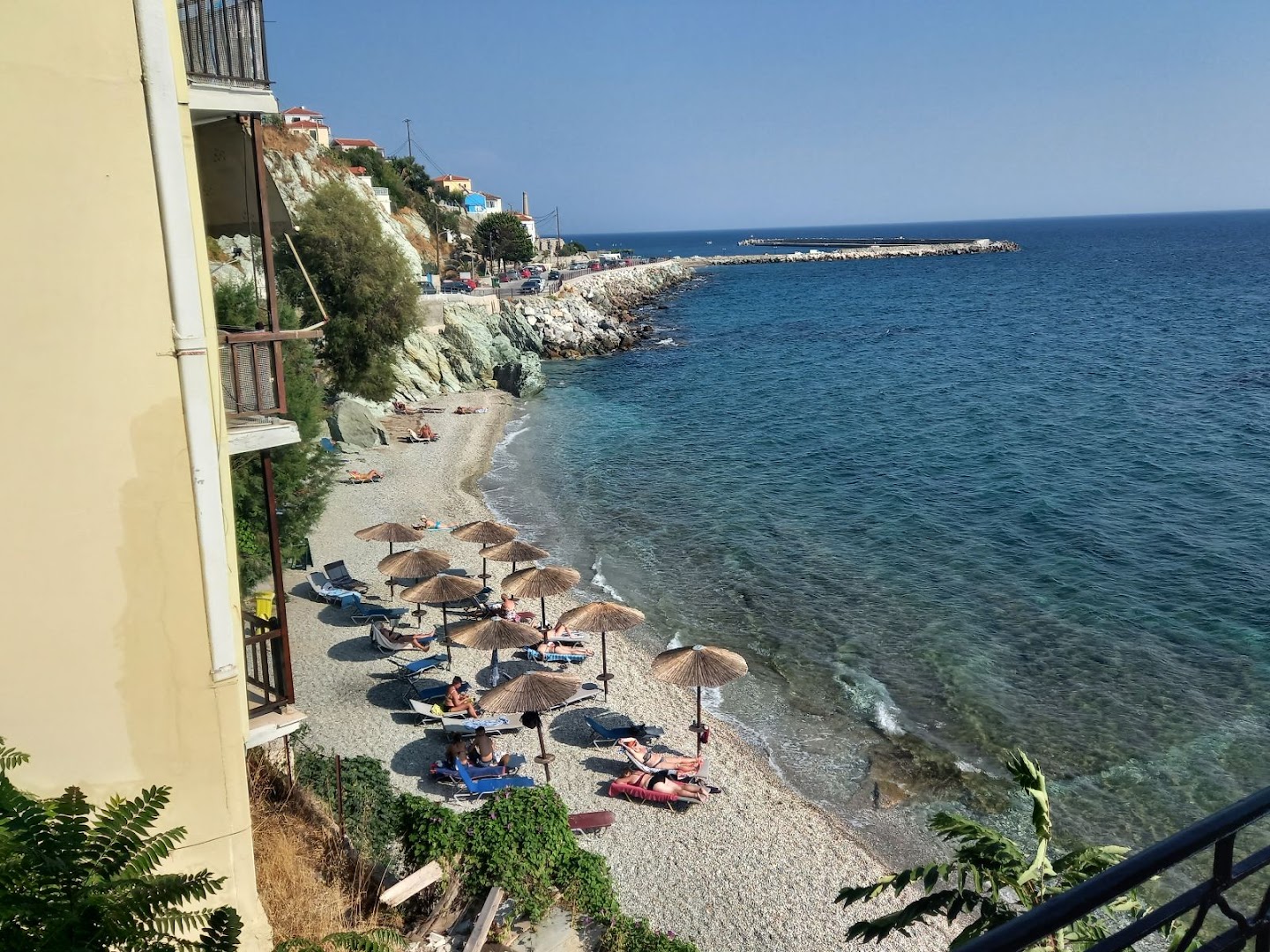
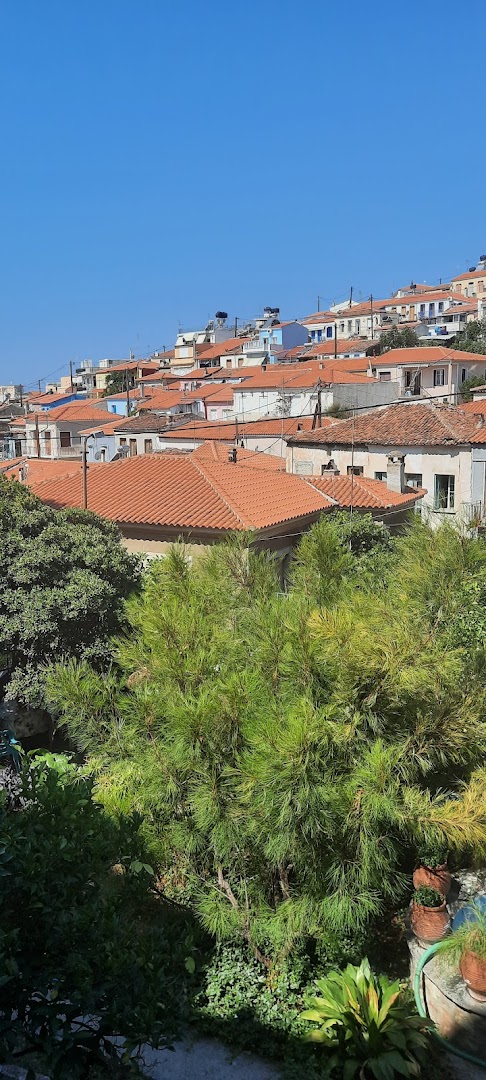
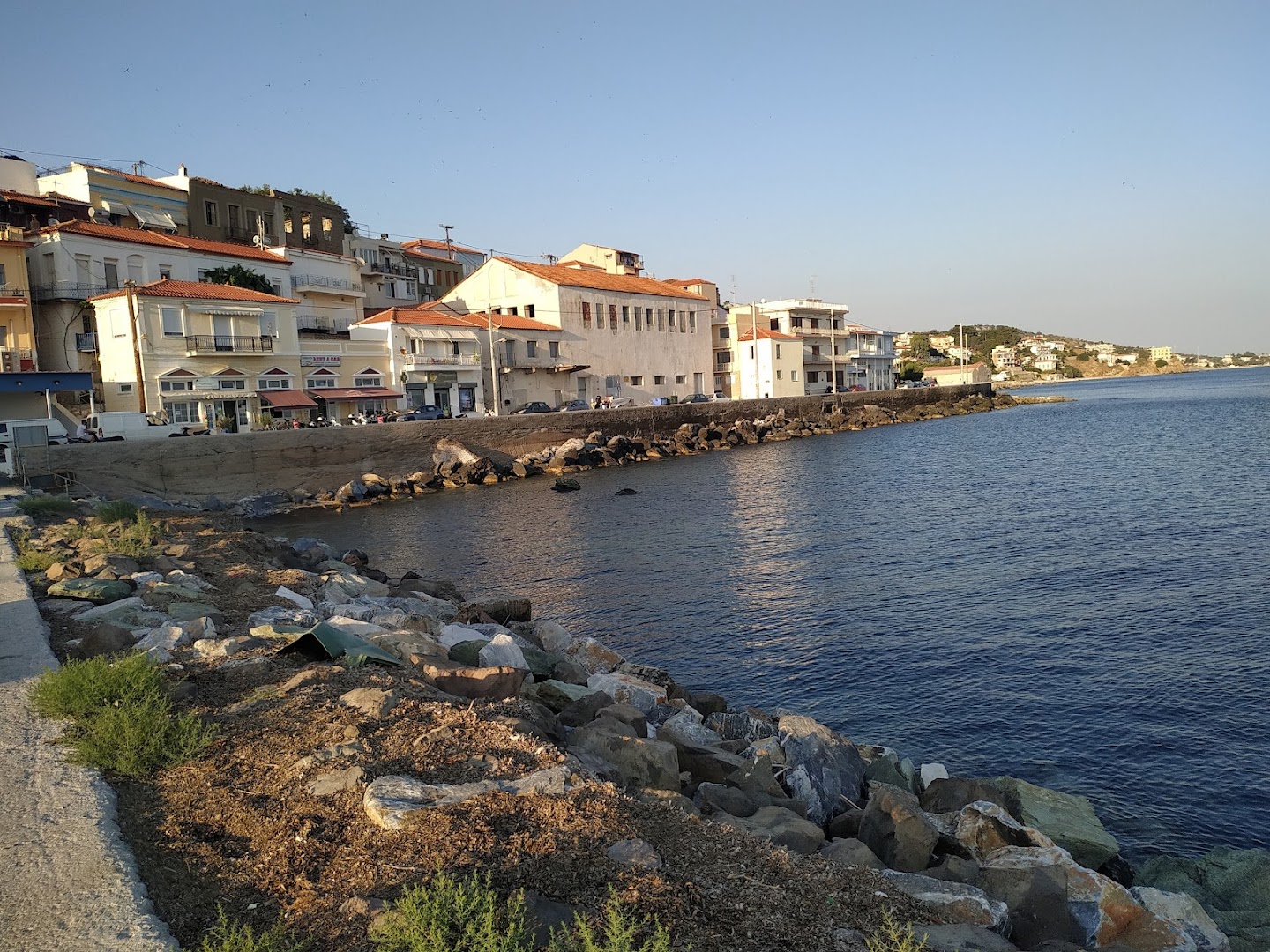
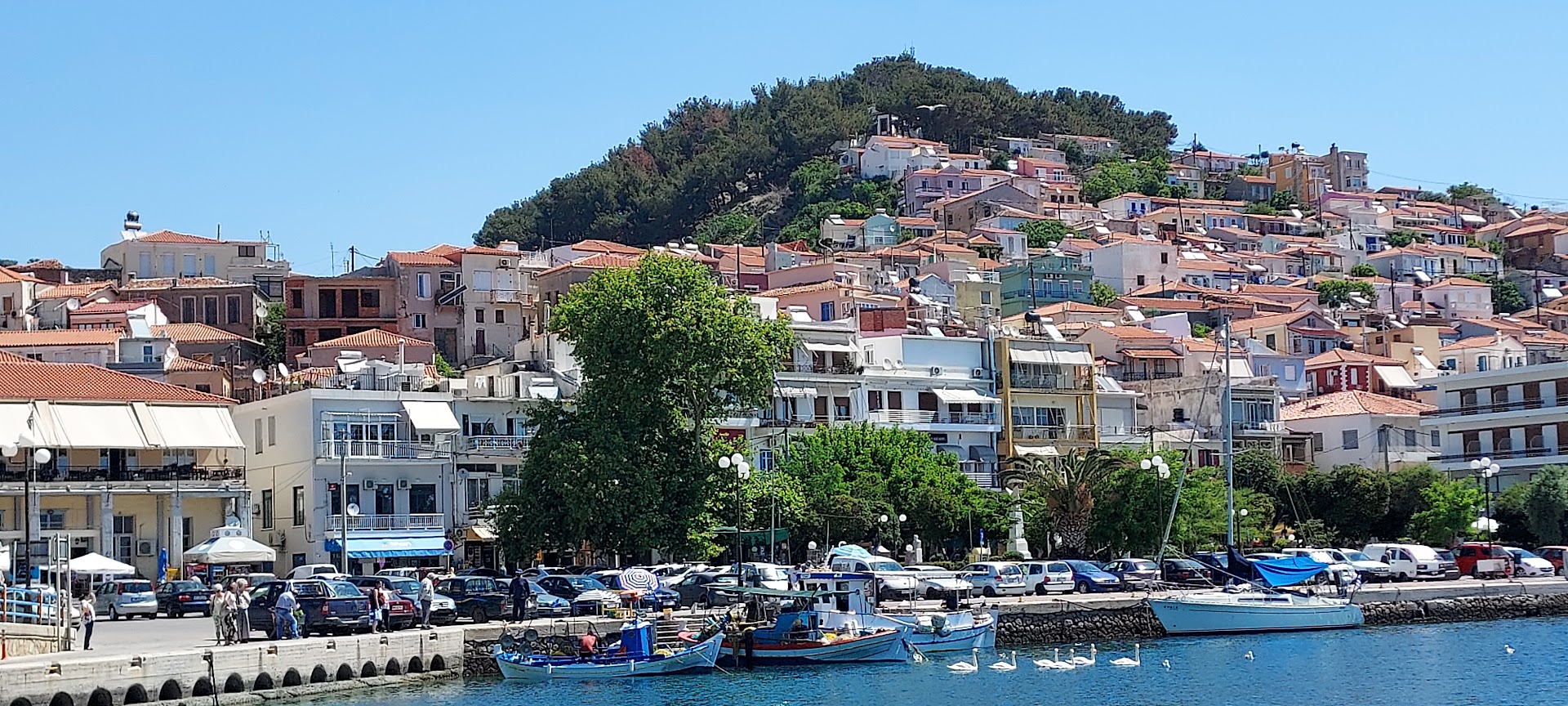
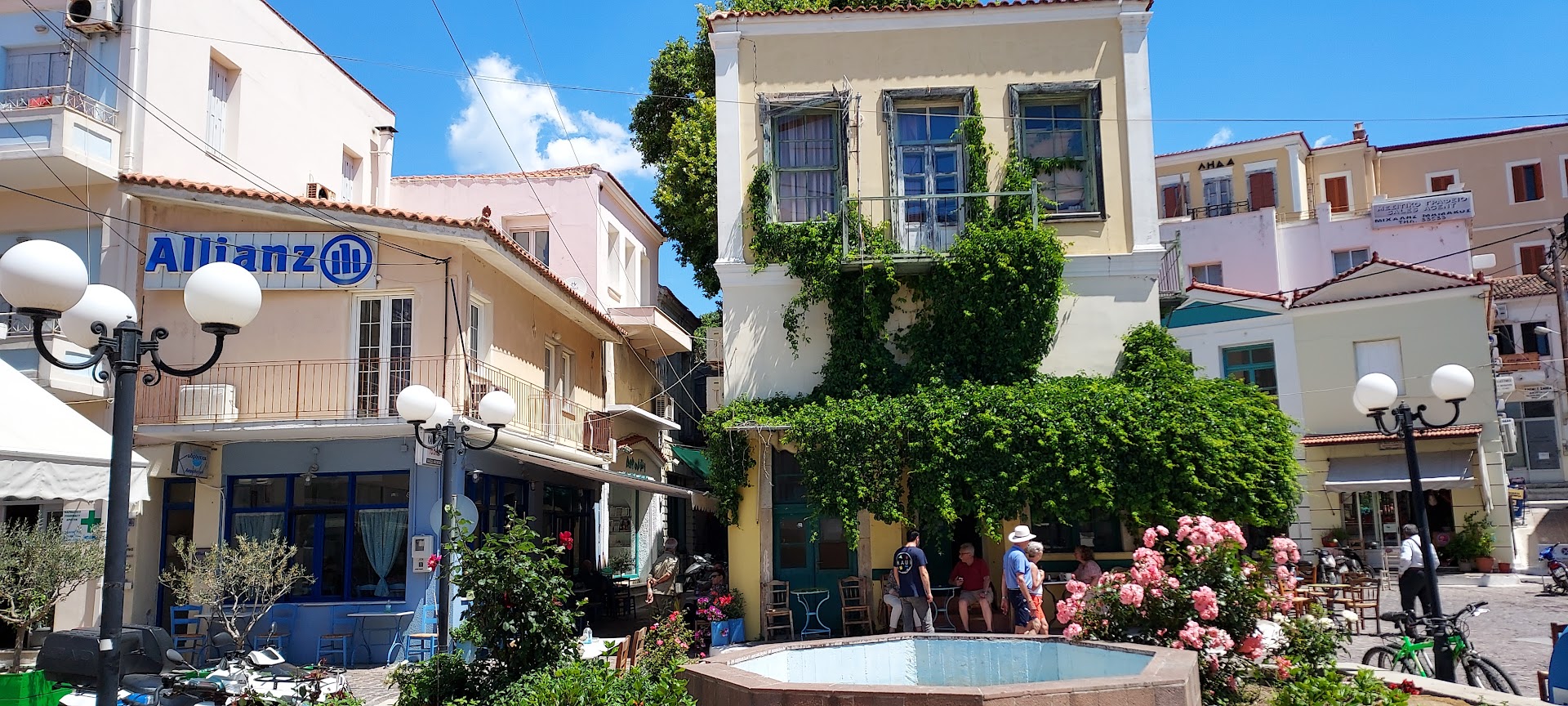
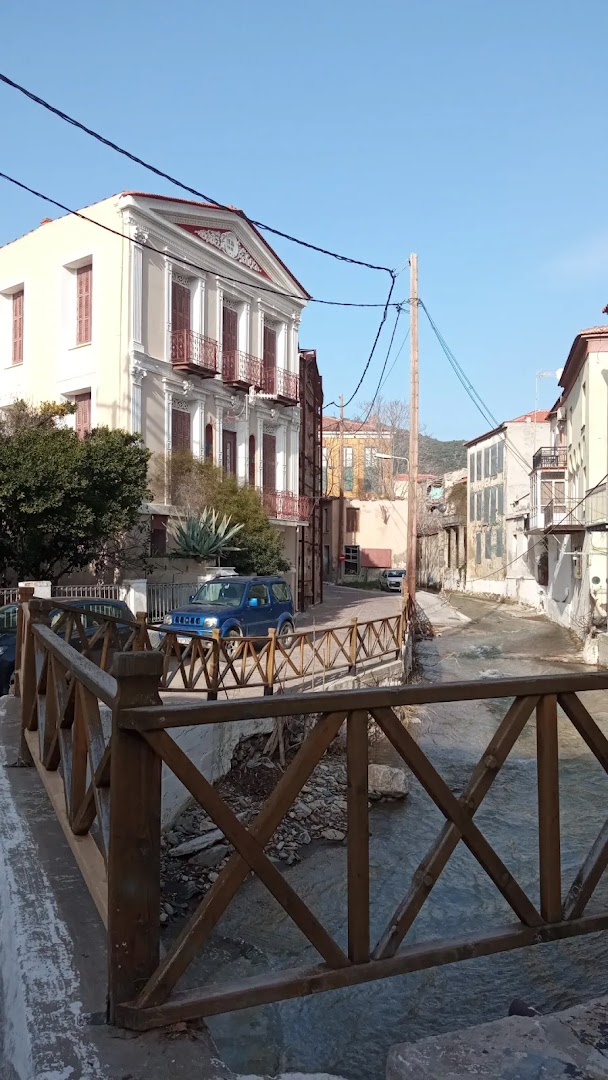
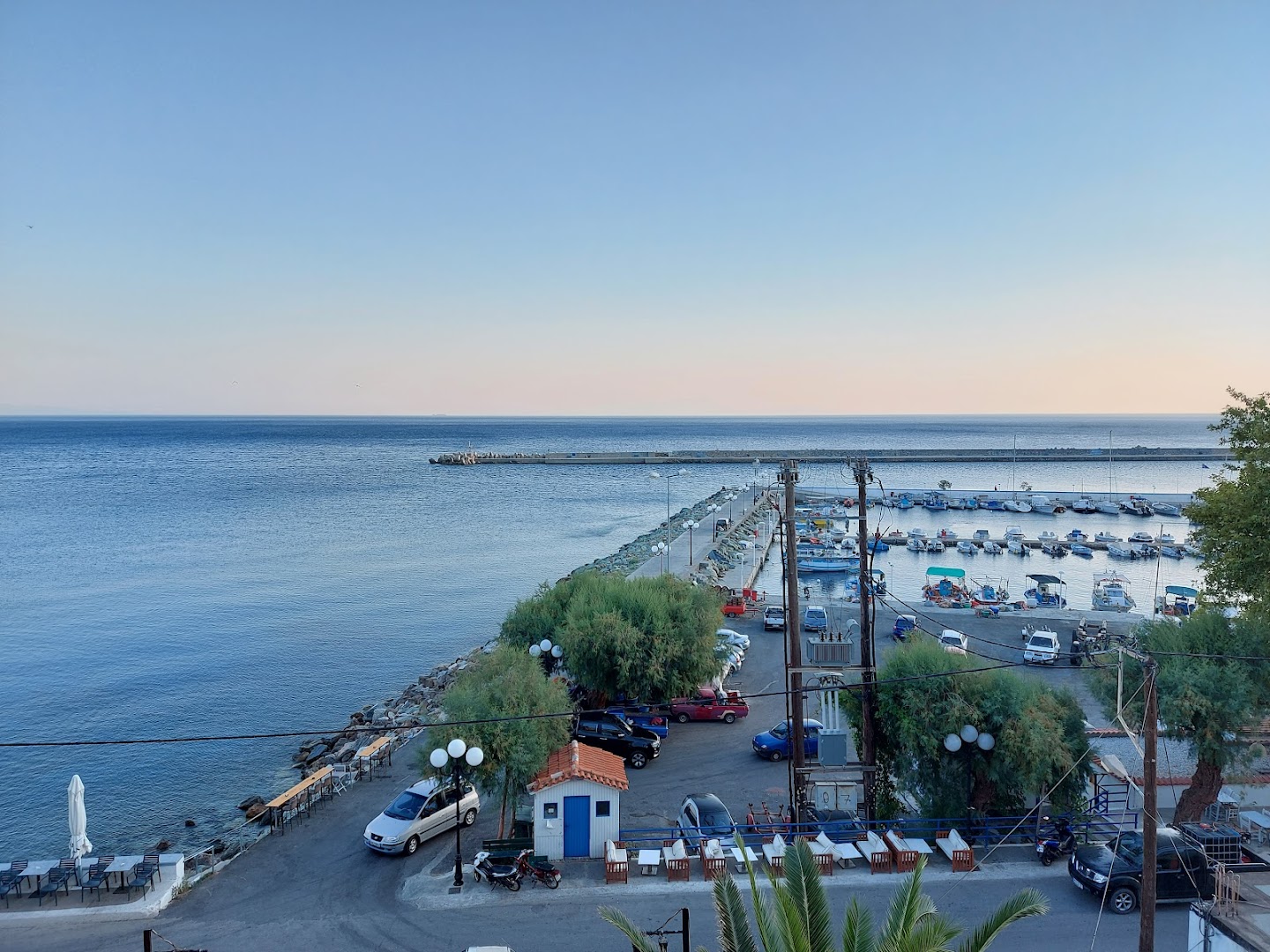
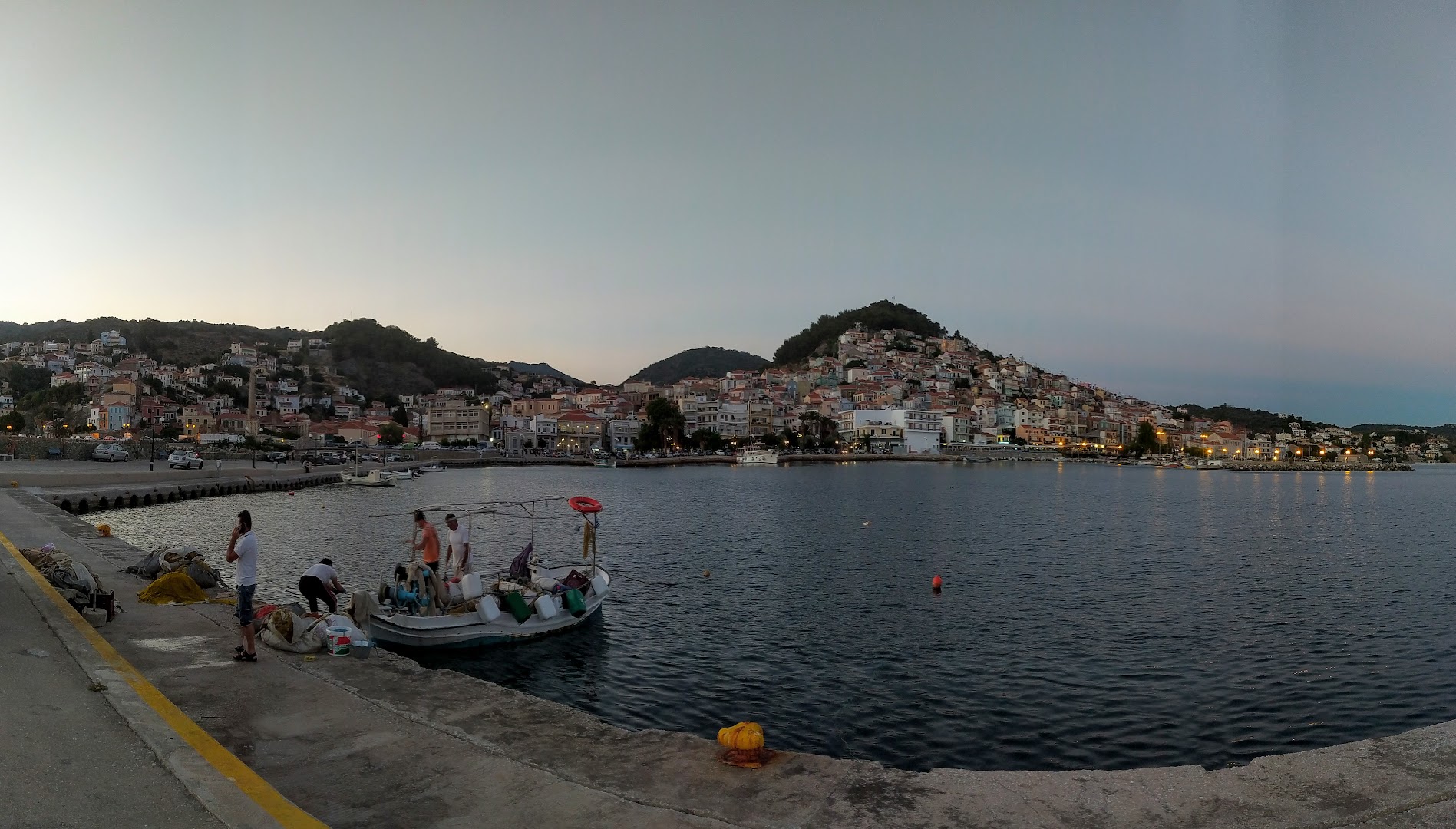
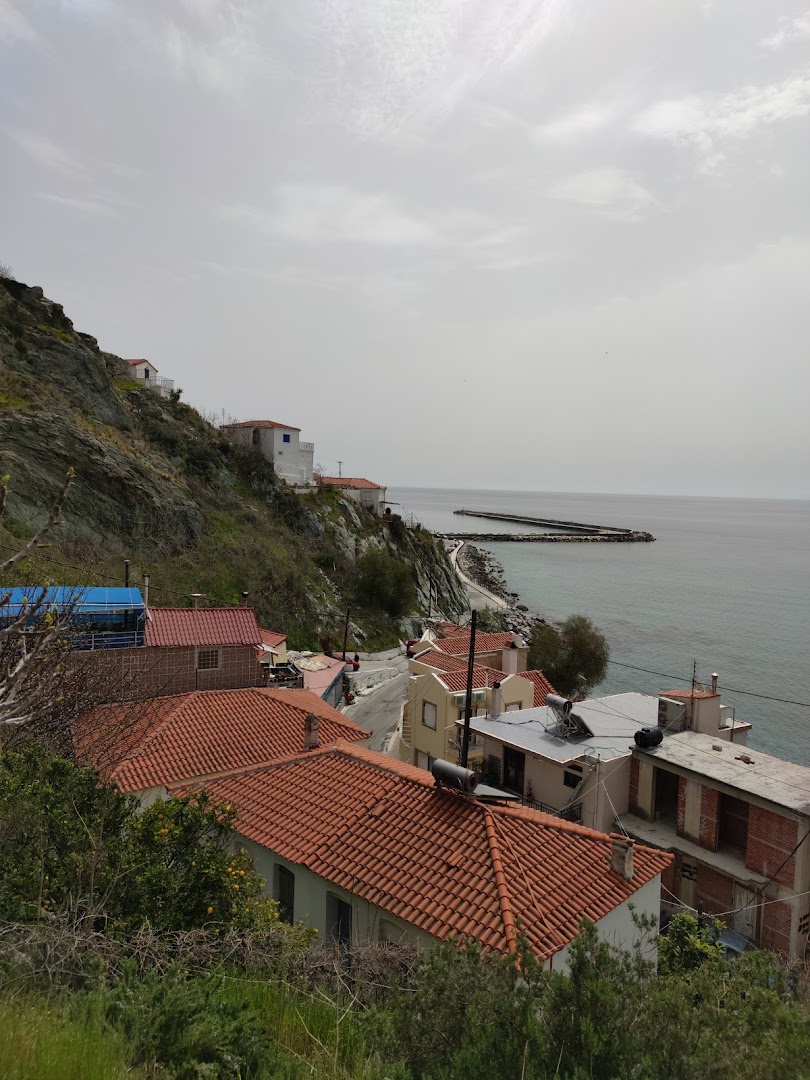
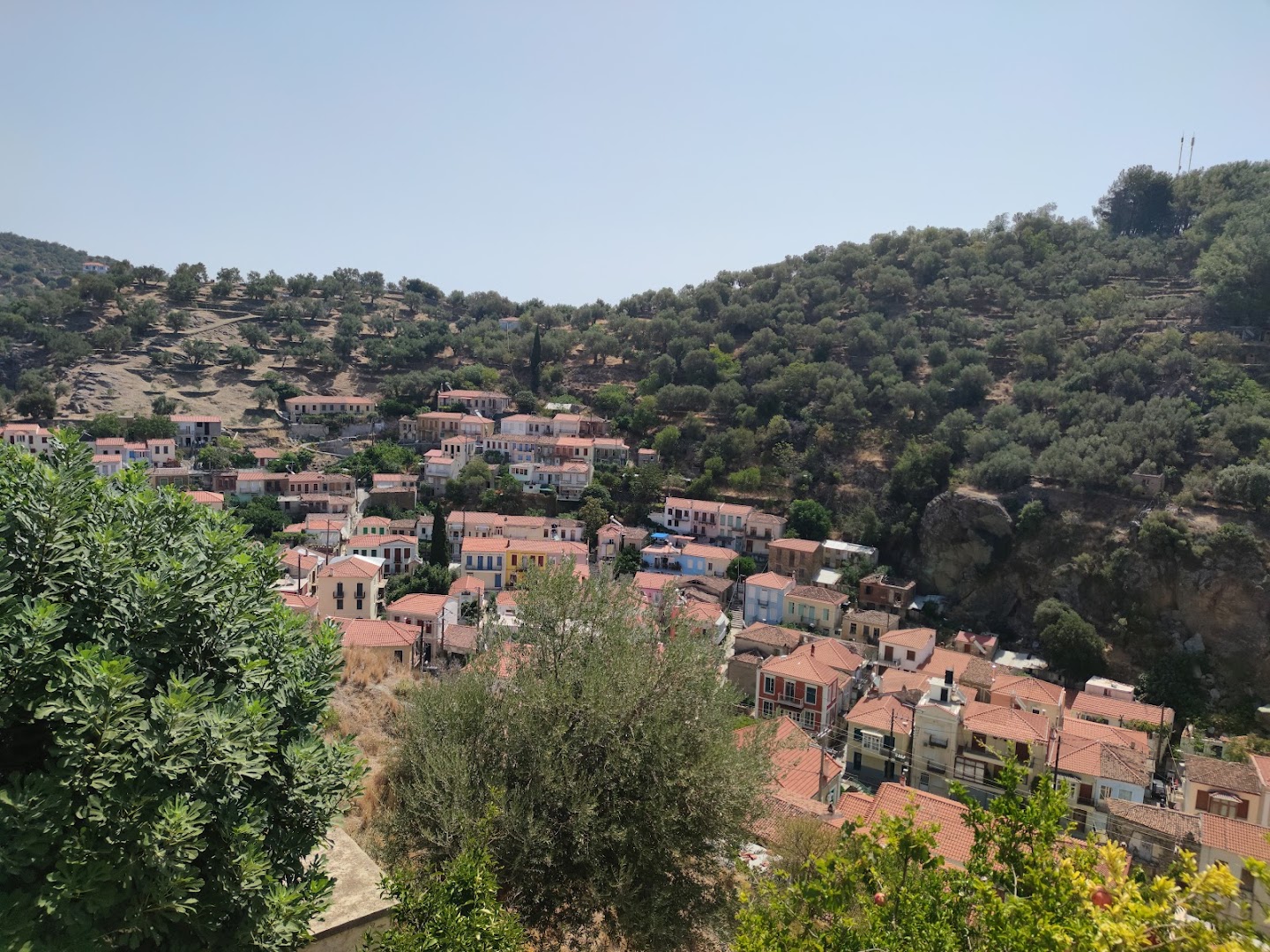
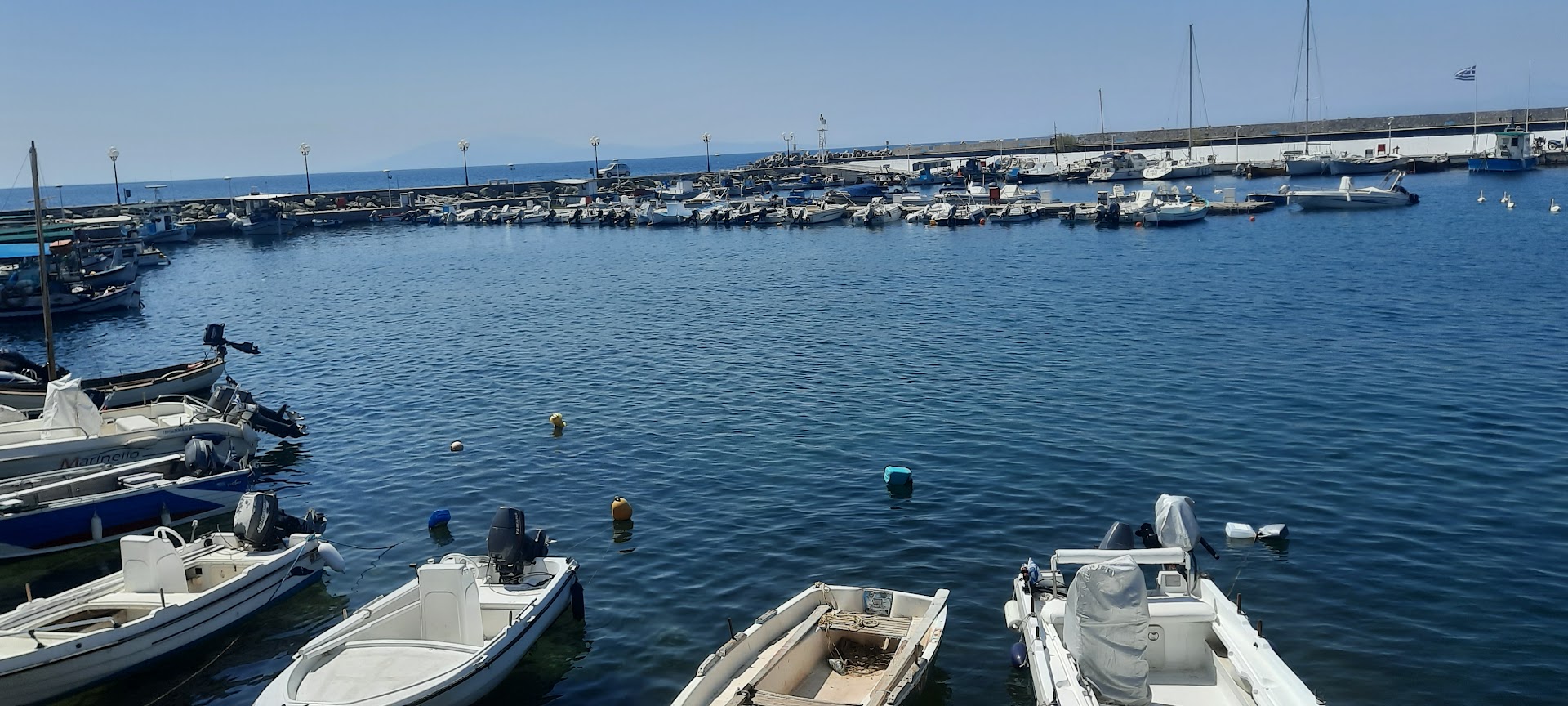
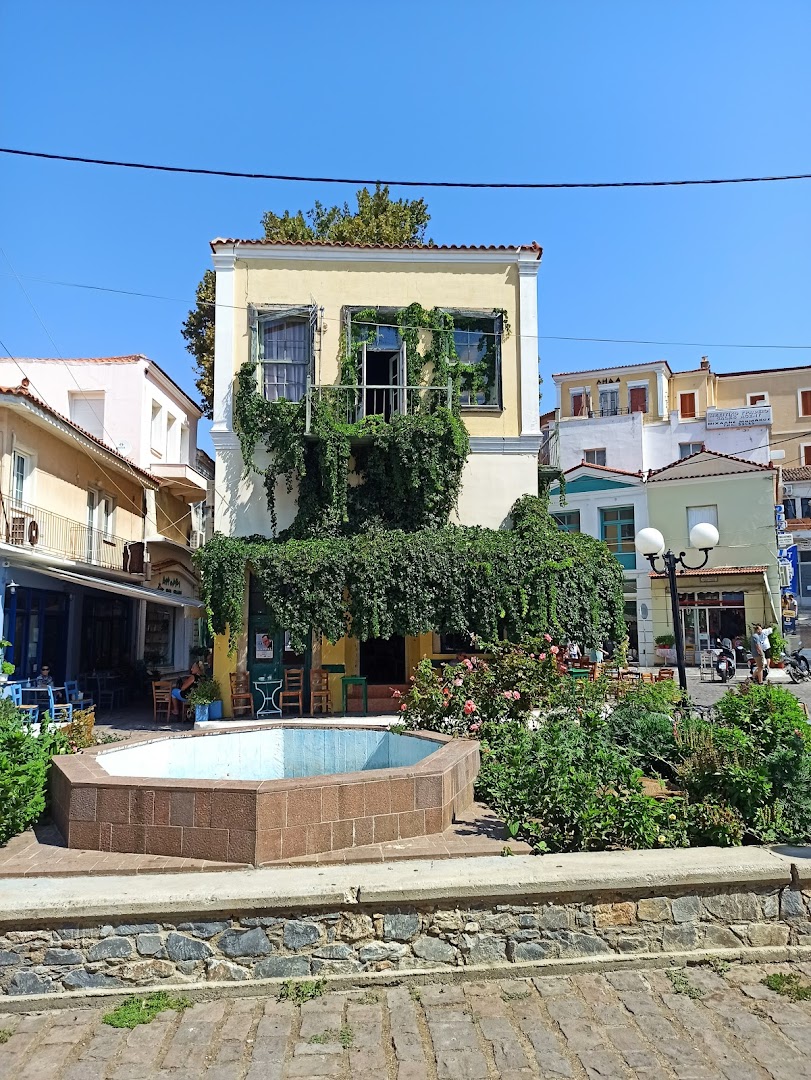
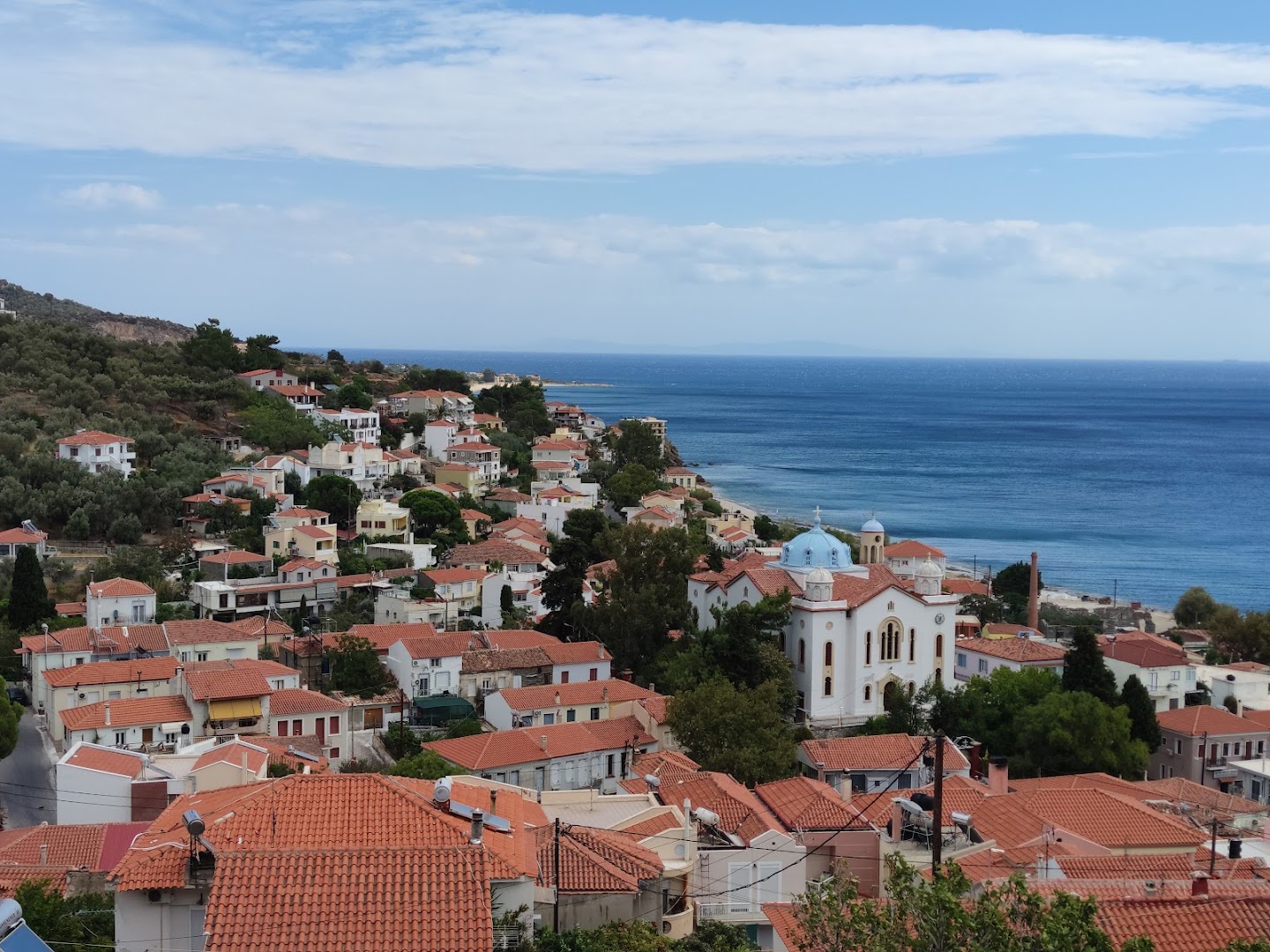
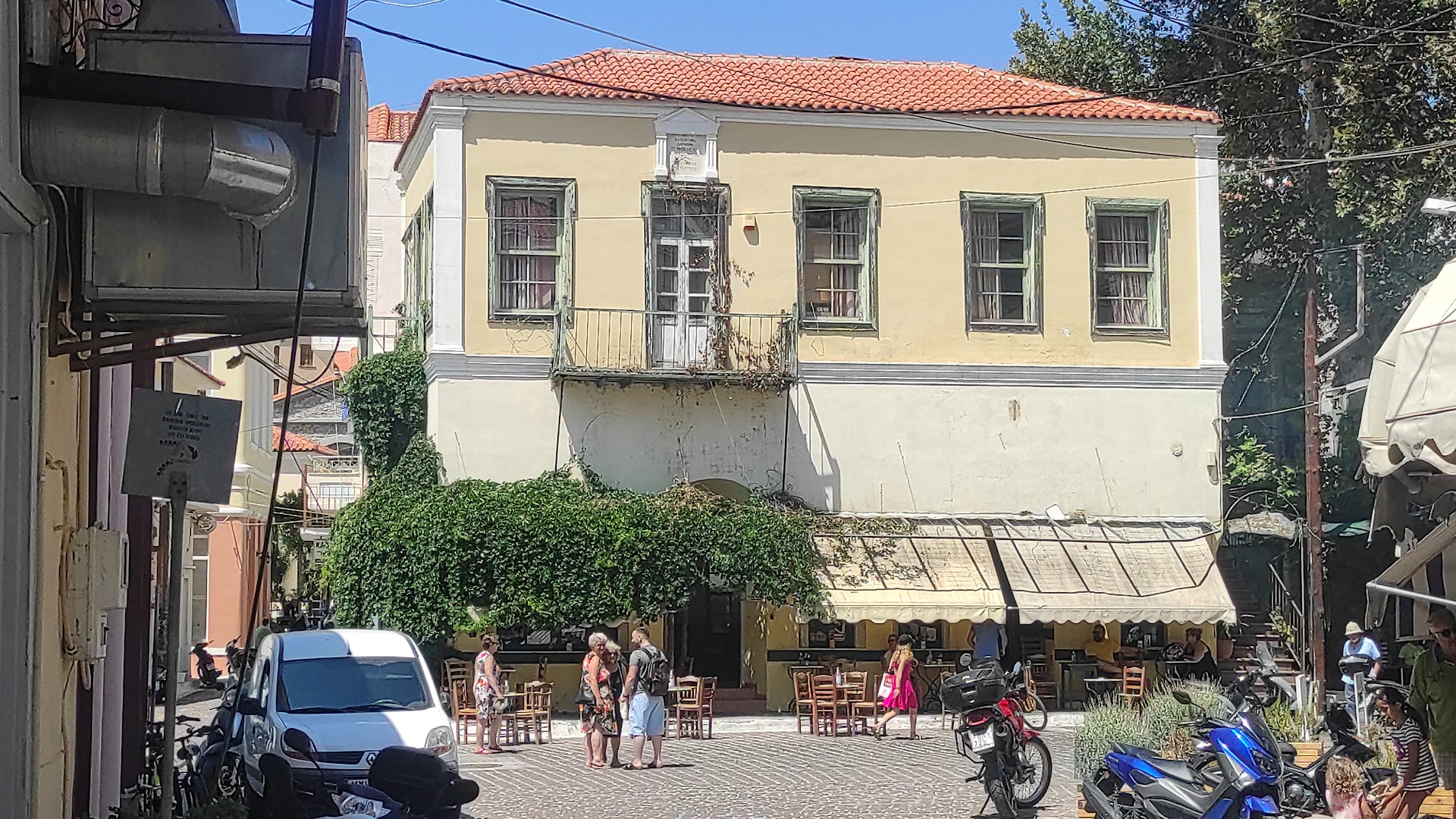
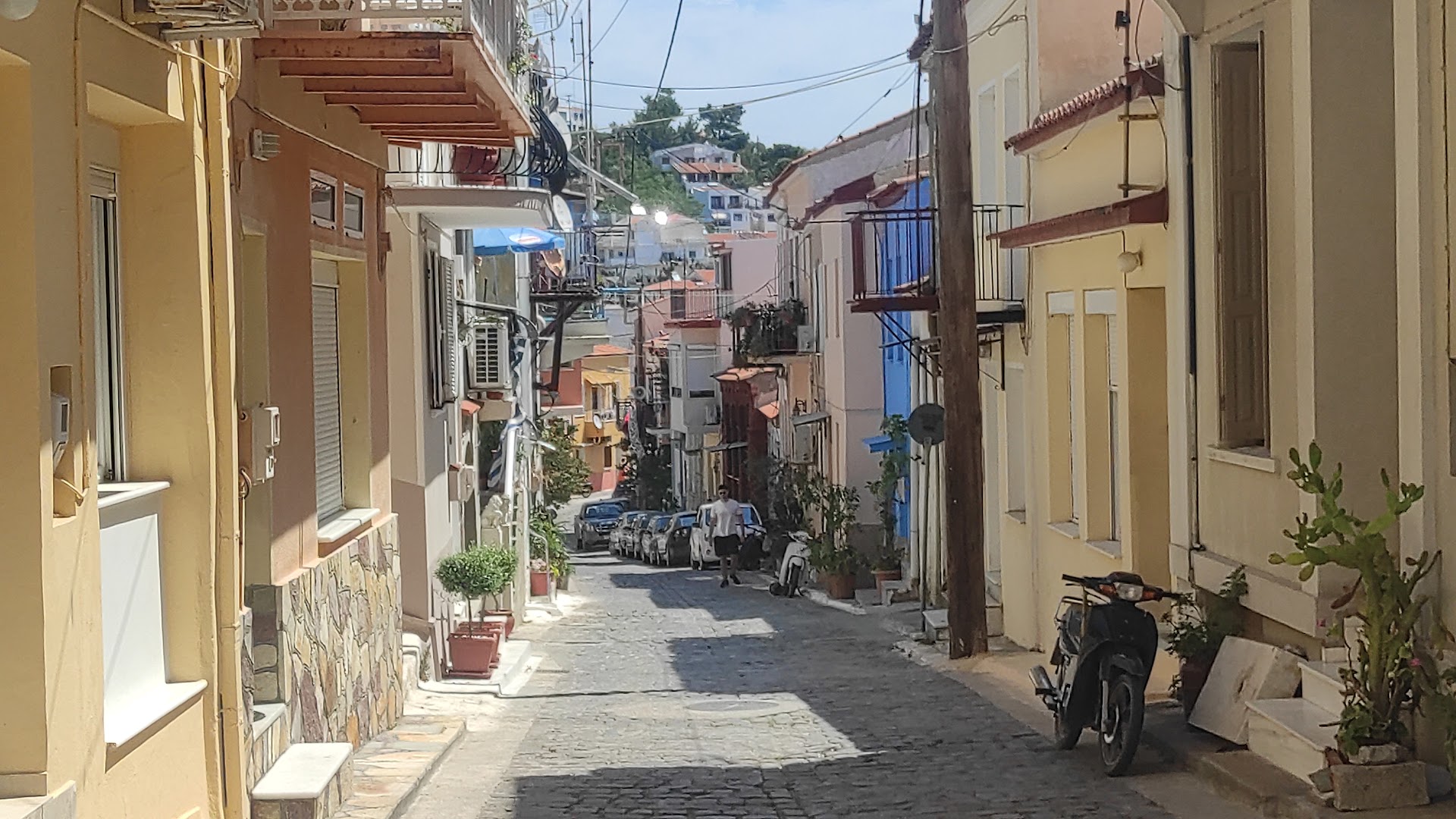
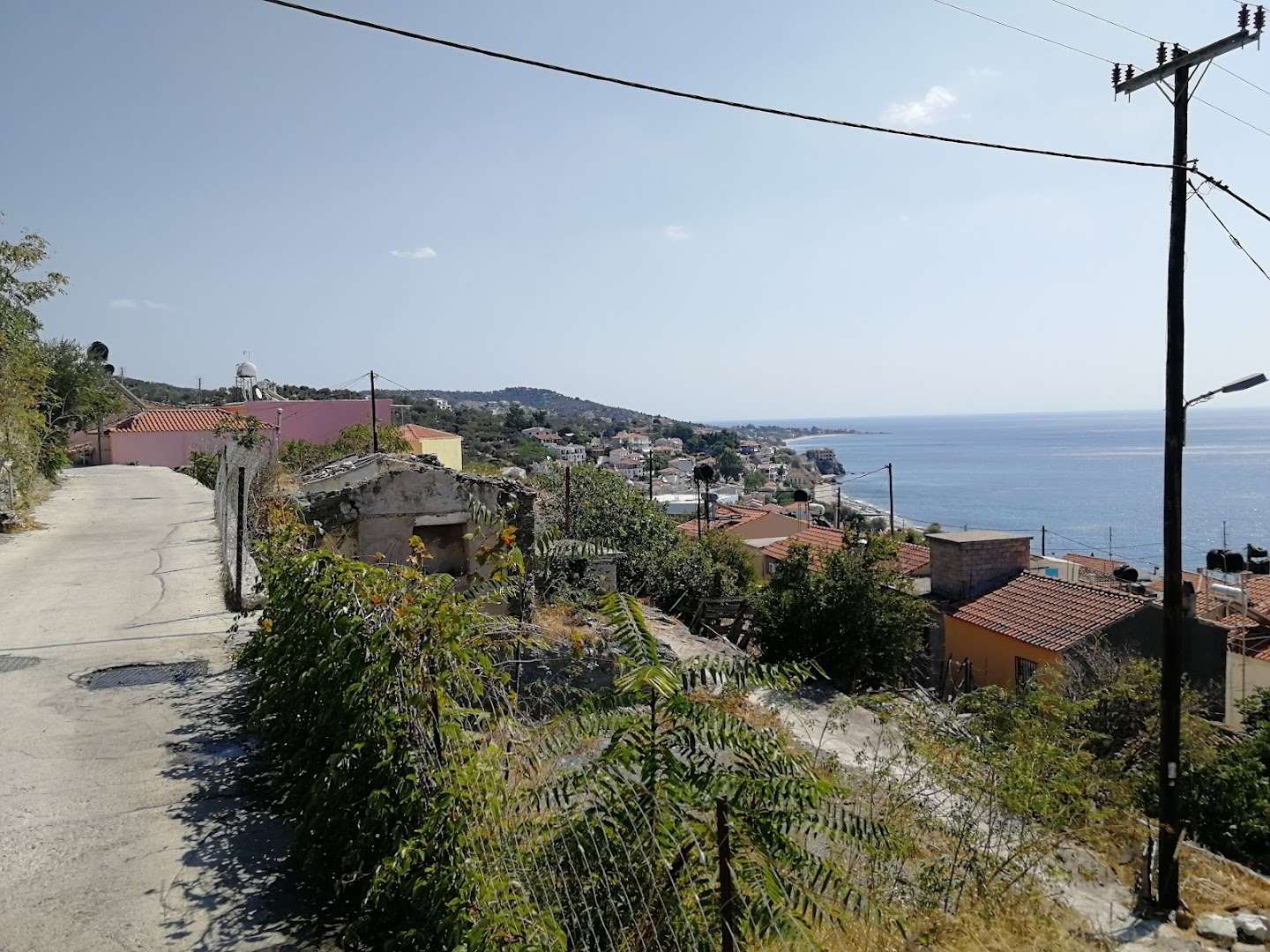
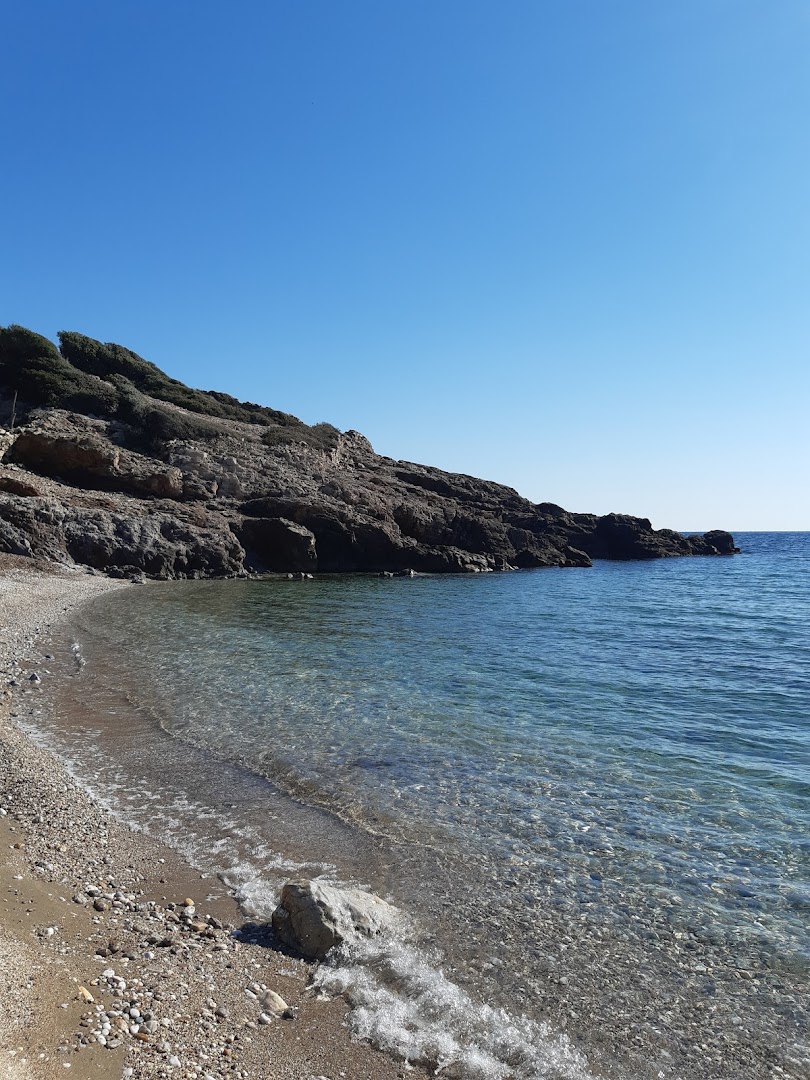
Plomari is the ouzo capital of Greece — and therefore, arguably, of the world. The town cascades down a steep hillside to a working harbour and beach, with the Barbayannis, Arvanitis (Plomari brand), Mini, and Giannatsi distilleries all based here. The scent of anise occasionally drifts through the streets, and tasting rooms and distillery tours are part of the town's essential fabric. Beyond ouzo, Plomari is a handsome town of neoclassical stone houses, narrow lanes, and a character that owes as much to its 19th-century commercial prosperity as to its modern tourism industry. The beach runs along the town's edge with crystal-clear water excellent for snorkeling, and the coast extends southward through Agios Isidoros and beyond into increasingly quiet coves. The surrounding hills are thick with olive groves — Plomari sits at the centre of one of the most productive olive-oil regions on the island. Evening life centres on the harbour, where fish tavernas and ouzo bars create the kind of atmosphere that has been drawing visitors back for decades.
Before you go
What to expect
The scent of anise greets you before you spot the first distillery sign — in Plomari, ouzo isn't a souvenir, it's the whole point, with several working distilleries offering tours and tastings right in town. The streets climb steeply between neoclassical stone facades, and the reward at the bottom is a working harbour lined with fish tavernas where carafes of the local spirit appear automatically. The beach at the town's edge has exceptionally clear water worth snorkelling, and quieter coves unfold as you head along the coast toward Agios Isidoros.
Best time to visit
Late May through September for swimming and lively harbour evenings; July and August are busy and can be very hot.
How to get there
Plomari is roughly a 40–45 minute drive south from Mytilene through winding roads and olive groves; the scenery is rewarding but the mountain sections deserve a careful pace.
Top-Rated in Plomari
Highest-rated places chosen by visitors
Car rental agency
Makis Rentals
Nestled in the sun-drenched southern reaches of Lesvos, Makis Rentals offers visitors a convenient and friendly base from which to explore one of the island's most characterful corners. Located near Plomari, the self-proclaimed ouzo capital of Greece and a town steeped in maritime heritage, the business provides rental services that give independent travellers the freedom to discover the surrounding landscape at their own pace. Whether you are chasing the turquoise coves of the south coast, winding through olive groves toward Byzantine villages, or simply seeking the flexibility to arrive at a quiet beach before the crowds, having wheels at your disposal transforms the Lesvos experience entirely. What sets a local operation like Makis Rentals apart from larger chains is the personal, unhurried service that defines Greek hospitality at its best. Staff with genuine knowledge of the area can point you toward hidden swimming spots, recommend the right mountain road for sunset views, or advise on the quieter routes between Plomari and the island's interior. Plomari itself rewards slow exploration — its neoclassical seafront, working ouzo distilleries, and waterfront tavernas are all within easy reach — and having a reliable rental gives you the confidence to venture further afield without depending on infrequent bus connections. For visitors basing themselves in the southern part of Lesvos, stopping by Makis Rentals is a practical first move that pays dividends throughout the trip. The surrounding region encompasses pebbly beaches at Agios Isidoros, the thermal springs at Polichnitos, and the dramatic volcanic landscape toward the Petrified Forest — all destinations that reward the traveller who can set their own timetable. In a part of the island where the roads are quiet and the scenery is spectacular, a good local rental is less a convenience and more an essential companion.
rooms
Seafari Adventures
Professional boat rental and adventure service operating from Plomari (south coast). Excellent 5.0★ rating (123 reviews) for smooth rental experience, modern equipment, and flexible options. Offers sailing, swimming, and exploration of secluded beaches accessible from Pyrgoi Thermis.
shop
Melenio Pastryshop
Melenio Pastryshop is a confectionery and sweet shop located in Plomari, the celebrated coastal town on the southern shore of Lesvos best known as the ouzo capital of Greece. In a town with such deep roots in artisan production and culinary tradition, a dedicated pastry shop holds a natural place in daily life, drawing both locals and visitors who arrive in search of something sweet to accompany their coffee or to take home as a taste of the island. Expect a selection of traditional Greek sweets and baked goods — the kind of handcrafted confections that reflect the broader pastry culture of the Aegean, from syrup-soaked pastries and nut-filled cookies to seasonal specialties. Shops of this character in Lesvos often stock local honey, island-made preserves, and treats made with regional almonds, sesame, or mastic. Whether you are strolling Plomari's waterfront after lunch or exploring the town's narrow backstreets, Melenio offers a welcoming stop for anyone with a sweet tooth. Plomari is a destination worth lingering in, and a visit to a neighborhood pastry shop like Melenio is part of experiencing the town at its own relaxed pace. Pair your pastry with a Greek coffee and settle into the unhurried rhythm that makes southern Lesvos so appealing to visitors looking to move beyond the tourist trail.
cafe
Pecado Plomari
Tucked into the charming harbour town of Plomari on Lesvos's southern coast, Pecado is a café that captures the unhurried spirit of this beloved seaside community. Plomari is best known as the ouzo capital of Greece, home to generations of master distillers, and the town's relaxed, convivial atmosphere permeates every corner café and waterfront terrace. Pecado fits naturally into this setting, offering a welcoming spot to pause, sip, and soak in the rhythms of local life. Whether you stop in for a morning Greek coffee, a fresh juice, or something cold on a warm afternoon, Pecado provides the kind of unhurried hospitality that Plomari is known for. The café's character reflects the town itself — unpretentious, warm, and rooted in the pleasure of good company and simple enjoyment. Its name, meaning "sin" in Spanish, hints at a playful indulgence, perfectly suited to a place that encourages visitors to slow down and treat themselves. For travellers exploring the southern part of Lesvos, Plomari makes an ideal base or day-trip destination, and Pecado offers a natural gathering point before or after wandering the town's narrow stone streets, visiting the ouzo distilleries, or heading to the nearby pebble beaches. It is the kind of place where a quick coffee can easily stretch into an afternoon, which on Lesvos is never considered wasted time.
Practical Info
Supermarket
3 stores
Medical / Pharmacy
4 facilities
Petrol Station
Not found
ATM / Bank
2 available
Transport
3 services
All Businesses
A Luxury Villas
A-LUXURY VILLAS
Adili Shop
Aegean Treasure Souvenir Gifts
Agalias Real estate
Alpha Omega Group GR Real Estate & Development
Als Plomari - Sea View Apartment
Ammoudeli Apartments
Ammoudeli Beach
Ammoudeli Fish & Seafood Restaurant
Anastasia Moutzouri
Annes Paradis
Churches & Religious Sites
Αγία Παρασκευή
Agia Paraskevi
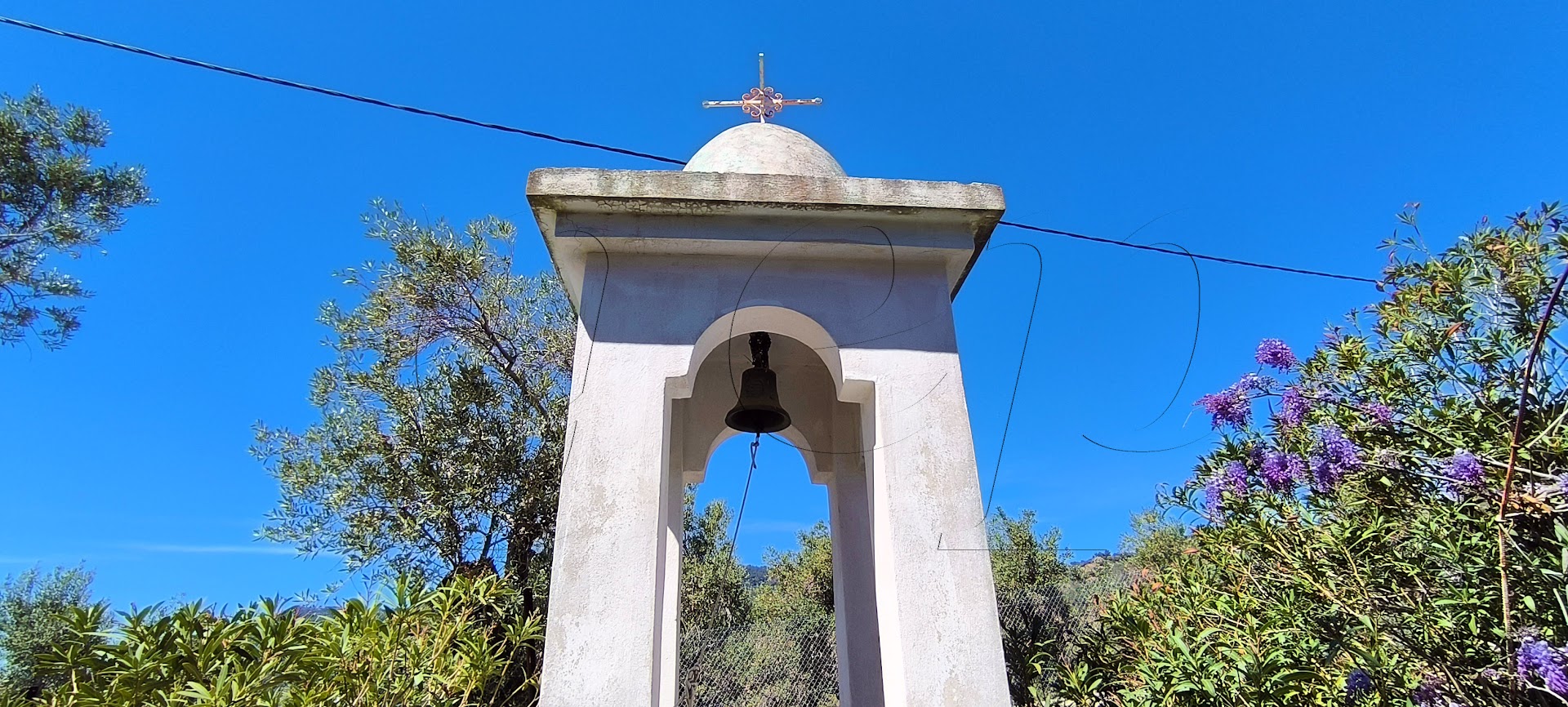
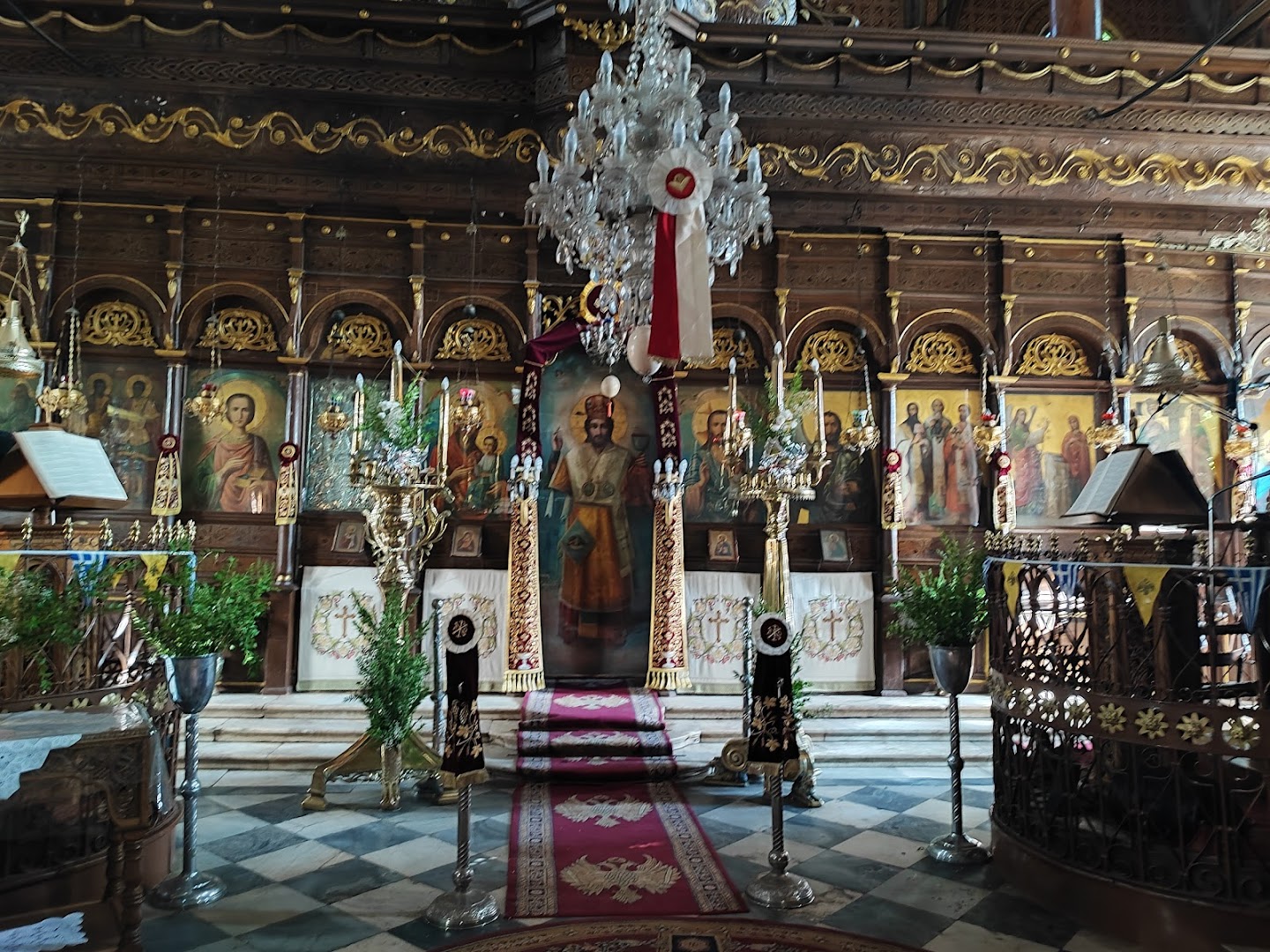
Dedicated to Saint Paraskevi, one of the most beloved figures in the Greek Orthodox calendar, this church near Plomari honors the early Christian martyr venerated across the Aegean as a protectress of sight and healing. Saint Paraskevi, whose name means "preparation" or "Friday" in Greek, holds a special place in the devotional life of island communities, and churches bearing her name are often found at crossroads of village life where faith and daily routine intertwine. The church sits in the gently rolling landscape between the hills and the southern coast, not far from the ouzo-making town of Plomari, which lends this part of Lesvos a distinct character blending maritime tradition with artisan craft. The church follows the modest whitewashed architecture typical of rural Orthodox churches on Lesvos, with a stone-paved forecourt and a bell tower that marks the hours for surrounding households. Inside, visitors will find the richly decorated iconostasis that is central to Orthodox worship, with icons rendered in the Byzantine tradition that give the interior its sense of timeless devotion. The icon of Agia Paraskevi herself, often depicted holding a dish bearing two eyes, is a focal point of veneration and a reminder of the saint's association with miraculous healing of the blind. The feast of Agia Paraskevi, celebrated on 26 July, brings the local community together for a panigiri, the traditional Orthodox feast day gathering that combines liturgy with music, food, and dancing. These celebrations are among the most authentic expressions of Greek island culture, where the sacred and the social are inseparable. For visitors, attending or even passing through during the feast offers a rare window into the living traditions that have shaped Lesvos for centuries, and the church itself, in its quiet moments, is a place of genuine stillness and spiritual atmosphere worth seeking out.
Άγιος Δημήτριος
Agios Dimitrios
Nestled in the landscape near Plomari, one of Lesvos's most storied towns, the Church of Agios Dimitrios stands as a testament to the enduring Greek Orthodox faith that has shaped life on this island for centuries. Dedicated to Saint Dimitrios of Thessaloniki, one of the most beloved warrior-martyrs of the Eastern Church, the church draws both the devout and the curious traveler. Saint Dimitrios is venerated across Greece as a protector and intercessor, and his feast day on October 26th brings the local community together in a celebration that combines solemn liturgy with the warmth of village tradition — a gathering that has likely taken place here for generations. The church reflects the vernacular ecclesiastical architecture typical of the eastern Aegean, where modest stone construction and whitewashed walls speak of a community that built its sacred spaces with careful hands and sincere devotion rather than grand resources. Inside, visitors can expect the characteristic atmosphere of a Greek Orthodox church: the soft gleam of oil lamps, the rich scent of beeswax candles and incense, and the watching presence of icons rendered in the Byzantine tradition. These sacred images, depicting the saint in his iconic red-cloaked warrior form as well as the Virgin and Christ Pantocrator, serve not merely as decoration but as focal points of active veneration by the faithful. For visitors to Plomari — a town celebrated throughout Greece for its ouzo distilleries and its proud maritime heritage — a stop at Agios Dimitrios offers a quieter counterpoint to the sensory pleasures of the surrounding landscape. The church represents the spiritual anchor of its community, a place where the rhythms of liturgical life — baptisms, namedays, memorial services — have marked the passage of time for the families of this corner of Lesvos. Even for those outside the faith, stepping inside offers a moment of genuine stillness and a direct encounter with a living tradition that predates the modern world by many centuries.
Άγιος Ευστράτιος
Agios Evstratios
Nestled in the verdant hills above Plomari, the church of Agios Evstratios stands as a quiet testament to the enduring Orthodox faith that has shaped life on Lesvos for centuries. Dedicated to Saint Eustratios, a Roman military officer who embraced Christianity and was martyred alongside four companions during the persecutions of Emperor Diocletian in the early fourth century, the church honours a figure venerated across the Orthodox world for his courage and steadfast belief. Like many rural churches of this region, its architecture reflects the characteristic simplicity of provincial Greek ecclesiastical building — whitewashed stone walls, a modest bell tower, and a terracotta-tiled roof that harmonises naturally with the surrounding Aegean landscape. Inside, the atmosphere is one of serene devotion. The iconostasis, the carved wooden screen separating the nave from the sanctuary, would typically display icons following the Byzantine tradition, with the solemn gold-background imagery that has defined Orthodox sacred art for over a millennium. Incense-worn wood and the soft flicker of oil lamps create a sense of timelessness that draws both the faithful and curious visitors alike. The feast day of Saint Eustratios falls on December 13th, when local parishioners gather for the liturgy and communal celebration, maintaining a tradition of religious observance that connects the village deeply to its spiritual heritage. For visitors exploring the Plomari area, a stop at this church offers more than architectural interest — it provides a window into the living religious culture of rural Lesvos, where small parish churches like this one remain active centres of community life, marking the rhythms of the year from births and baptisms to the feast days that punctuate the Orthodox calendar. The surrounding countryside, with its olive groves and views toward the Aegean, makes the approach to the church a rewarding journey in itself.
Άγιος Ιωάννης Χρυσόστομος
Agios Ioannis Chrysostomos
Dedicated to Saint John Chrysostom, one of the most venerated theologians and preachers in Eastern Christianity, this Greek Orthodox church stands as a quiet testament to the deep religious heritage of the Plomari region in southern Lesvos. Saint John Chrysostom, whose name translates literally as "golden-mouthed," was a fourth-century Archbishop of Constantinople renowned for his extraordinary eloquence and his passionate advocacy for the poor — qualities that have endeared him to Orthodox communities across the centuries. Churches bearing his name are cherished gathering places in Greek villages, and this one near Plomari is no exception, serving the spiritual life of a community more widely known for its ouzo distilleries and seafront charm. The church reflects the traditional whitewashed stone architecture typical of ecclesiastical buildings in the southern Aegean, blending harmoniously with the surrounding olive-covered hillsides and the characteristic landscape of this part of Lesvos. Inside, as with most rural Orthodox churches on the island, visitors can expect an intimate interior adorned with icon screens, oil lamps, and devotional imagery characteristic of the Byzantine tradition. The feast day of Saint John Chrysostom, celebrated on November 13th in the Orthodox calendar, brings the local community together for liturgy and the quiet rituals that have defined village religious life here for generations. For visitors exploring the area around Plomari, a visit to this church offers a moment of genuine stillness and cultural insight. Beyond its spiritual role, it represents the enduring connection between the people of Lesvos and their Orthodox faith — a thread woven through every village, hillside, and olive grove on the island. The surrounding countryside, rich with ancient groves and sea views, makes the approach to the church a rewarding experience in itself.
Άγιος Παντελεήμων
Agios Padeleimon
Agios Panteleimon stands as a testament to the deep Orthodox Christian faith that has shaped life in the Plomari region for centuries. Dedicated to Saint Panteleimon, one of the most beloved holy physicians of the Eastern Church, this church carries the spiritual weight of a saint venerated across the Orthodox world as a healer and protector of the sick. Saint Panteleimon was a physician-martyr of the early Christian era, and churches bearing his name have long served as places of pilgrimage for those seeking healing and intercession, a tradition that continues to draw the faithful from Plomari and the surrounding villages of southern Lesvos. Nestled in the landscape near Plomari, a town renowned for its ouzo distilleries and its proud maritime heritage, the church reflects the vernacular ecclesiastical architecture common to the Aegean islands, where modest stone construction and whitewashed walls create a quiet dignity suited to the rugged hillsides of Lesvos. Inside, visitors typically encounter the richly layered visual world of Greek Orthodox devotion, with icon screens, oil lamps casting a warm glow over gilded images, and the lingering fragrance of incense that marks these spaces as set apart from the ordinary world. The feast day of Saint Panteleimon, celebrated on July 27th according to the Orthodox calendar, brings the community together for liturgy, candlelight, and the communal gathering that remains central to Greek religious and social life. For visitors to the Plomari area, a visit to Agios Panteleimon offers something beyond sightseeing. It is an opportunity to witness a living tradition, where local families continue the rhythms of faith their ancestors observed for generations. The church serves as an anchor of community identity in a region that has weathered significant demographic change over the twentieth century, and stepping inside even briefly conveys the quiet resilience and spiritual continuity that defines village life across Lesvos.
Άγιος Βασίλειος
Agios Vasileios
Agios Vasileios, dedicated to Saint Basil the Great, one of the most venerated figures in the Eastern Orthodox tradition, stands as a quiet spiritual anchor in the landscape near Plomari, the southern coastal town renowned across Greece for its ouzo distilleries. Saint Basil, the fourth-century theologian and Archbishop of Caesarea, holds a cherished place in Greek Orthodoxy as a Father of the Church and the patron of the new year — his feast day falls on the first of January, making churches bearing his name the setting for joyful celebrations as communities gather to mark both a religious commemoration and the turning of the calendar. Like many rural Orthodox churches on Lesvos, Agios Vasileios likely reflects the vernacular ecclesiastical architecture of the eastern Aegean: modest stone or plastered masonry walls, a simple nave crowned by a terracotta-tiled roof, and an intimate interior where the iconostasis — the carved wooden screen separating nave from sanctuary — holds painted icons rendered in the Byzantine tradition that has shaped religious art in this region for centuries. Visitors who step inside will find the contemplative atmosphere that defines Greek Orthodox sacred spaces: the soft glow of oil lamps, the faint scent of incense, and icons that connect the present community to a continuum of faith stretching back through the Byzantine era. The area around Plomari has long been shaped by the rhythms of olive cultivation and the sea, and small churches like this one served as gathering points for the surrounding agricultural communities, marking the seasons with liturgies and feast days that wove religious observance into daily life. For travellers exploring the southern reaches of Lesvos, Agios Vasileios offers a moment of stillness and a genuine encounter with the living Orthodox tradition that remains inseparable from the island's cultural identity — a reminder that beyond the celebrated landscapes and culinary heritage, Lesvos is above all a place where faith and community have always walked hand in hand.
Προφήτης Ηλίας
Profitis Ilias
Perched on a commanding hilltop near the ouzo capital of Plomari, the church of Profitis Ilias is dedicated to the Prophet Elijah, one of the most venerated figures in the Greek Orthodox tradition and the patron saint of high places. This dedication is no coincidence: across Greece and the broader Orthodox world, churches bearing Elijah's name are almost invariably built on elevated ground, a tradition rooted in the biblical account of the prophet receiving divine fire from the heavens on Mount Carmel. The church at this site continues that age-old custom, standing as a spiritual landmark visible across the surrounding olive-covered hillsides of southern Lesvos. The church is typical of the vernacular religious architecture found throughout the Aegean islands, likely built in a simple single-nave style with whitewashed walls and a modest bell tower, reflecting the unpretentious piety of the rural communities that have maintained it across generations. Inside, visitors can expect to find an ornate iconostasis screening the sanctuary, with icons of Christ, the Virgin, and the Prophet Elijah rendered in the Byzantine iconographic tradition. The interior would have been adorned and cared for over the years by devout locals from Plomari and the surrounding villages, each icon and votive offering a testament to enduring faith. The feast day of Profitis Ilias falls on July 20th and is celebrated with a panegyri, the festive gathering that brings together locals and visitors alike for liturgy, music, food, and communal celebration. For the people of Plomari, known throughout Greece for the production of Ouzo Varvayiannis and other celebrated spirits, this hilltop church holds a special place in the rhythms of local life. The panoramic views from the site, stretching over the southern coast of Lesvos toward the shimmering Aegean, make the pilgrimage here as rewarding for the spirit as for the eye.
Άγιος Χαράλαμπος
Saint Charalampos
Saint Charalampos is a Greek Orthodox church nestled near the sun-warmed town of Plomari, one of Lesvos's most celebrated settlements, renowned across Greece for its ouzo distilleries and its proud maritime heritage. The church is dedicated to Saint Charalampos, a bishop and martyr venerated throughout the Orthodox world as a protector against plague and infectious illness. His memory is honored on February 10th each year, a feast day that traditionally draws local faithful for the liturgy, filling the church with the scent of beeswax candles and the resonant chant of the Divine Office. In communities like Plomari, where life has long been shaped by the rhythms of the sea and the land, such patron saints hold a deeply personal place in collective memory, invoked in times of sickness and hardship across generations. The church reflects the modest but dignified architectural vocabulary common to Orthodox parish churches across the Eastern Aegean, with whitewashed walls, a terracotta-tiled dome or barrel roof, and an intimate interior sheltering an iconostasis that separates the nave from the sanctuary. Within, visitors will typically find icons rendered in the Byzantine tradition, their golden backgrounds and serene figures serving both as objects of veneration and as windows, in Orthodox theology, into the divine. The feast of Saint Charalampos carries particular resonance in Greek communities that lived through epidemics and hardship, and his icon is often among the most devotedly tended in churches bearing his name. Attending a Sunday liturgy here, even as a respectful visitor, offers a rare and unhurried glimpse into the living spiritual fabric of a Greek island community that has quietly maintained its faith across centuries.
Άγιος Νικόλαος
Saint Nicola
Nestled in the landscape near Plomari on the southern coast of Lesvos, the Church of Saint Nicholas — known locally as Agios Nikolaos — stands as a quiet testament to the enduring faith of the island's communities. Saint Nicholas is among the most venerated figures in the Greek Orthodox tradition, revered as the protector of sailors, travelers, and the vulnerable, a patronage that held particular meaning for the seafaring and fishing families of this coastal region. Churches bearing his name have served as spiritual anchors for generations, and this one, like so many village churches across Lesvos, would have been the setting for baptisms, weddings, and the rhythms of liturgical life that defined community belonging. The church reflects the vernacular ecclesiastical architecture typical of the eastern Aegean islands — a modest whitewashed exterior that harmonizes with the surrounding landscape, with an interior that rewards the visitor who steps inside. Greek Orthodox churches of this kind typically house a richly decorated iconostasis, the carved wooden screen that separates the nave from the sanctuary, adorned with icons painted in the Byzantine tradition. The figures of Christ, the Virgin, and the saints look out from gilded panels in the characteristic frontal style, their expressions conveying the timeless solemnity of Orthodox sacred art. Candles lit by the faithful cast a warm, flickering light over the interior, filling the air with the scent of beeswax and incense. The feast day of Saint Nicholas falls on the sixth of December, a date celebrated with liturgy and community gathering in villages across Greece, and this church would be among those that comes especially alive at that time of year. For visitors exploring the Plomari area — already well known for its ouzo distilleries and picturesque harbor — a pause at this small church offers a different kind of encounter with the island: one rooted not in landscape or gastronomy but in the centuries-long spiritual life of the people who have called this corner of Lesvos home.
Gallery & Videos
Captured a memorable moment in Plomari?
Nearby
Beaches
Ammoudeli
0.4 km away
Kato Chorio Beach
1 km away
Plomari Beach
1 km away
Agios Isidorus Beach
1.2 km away