


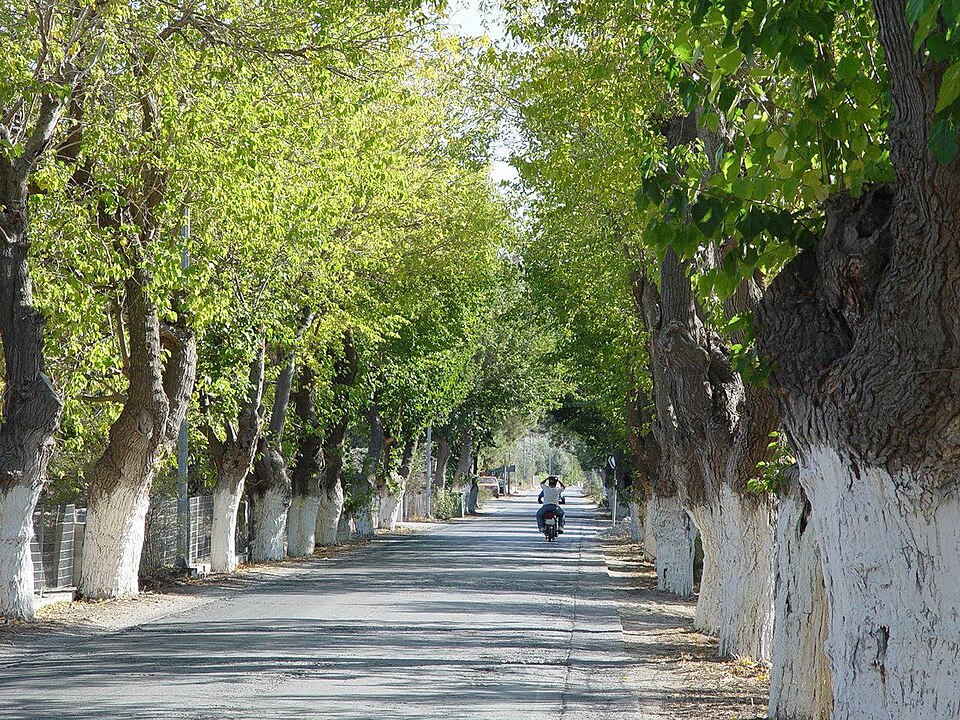
Σκάλα Ερεσού
Skala Eresou
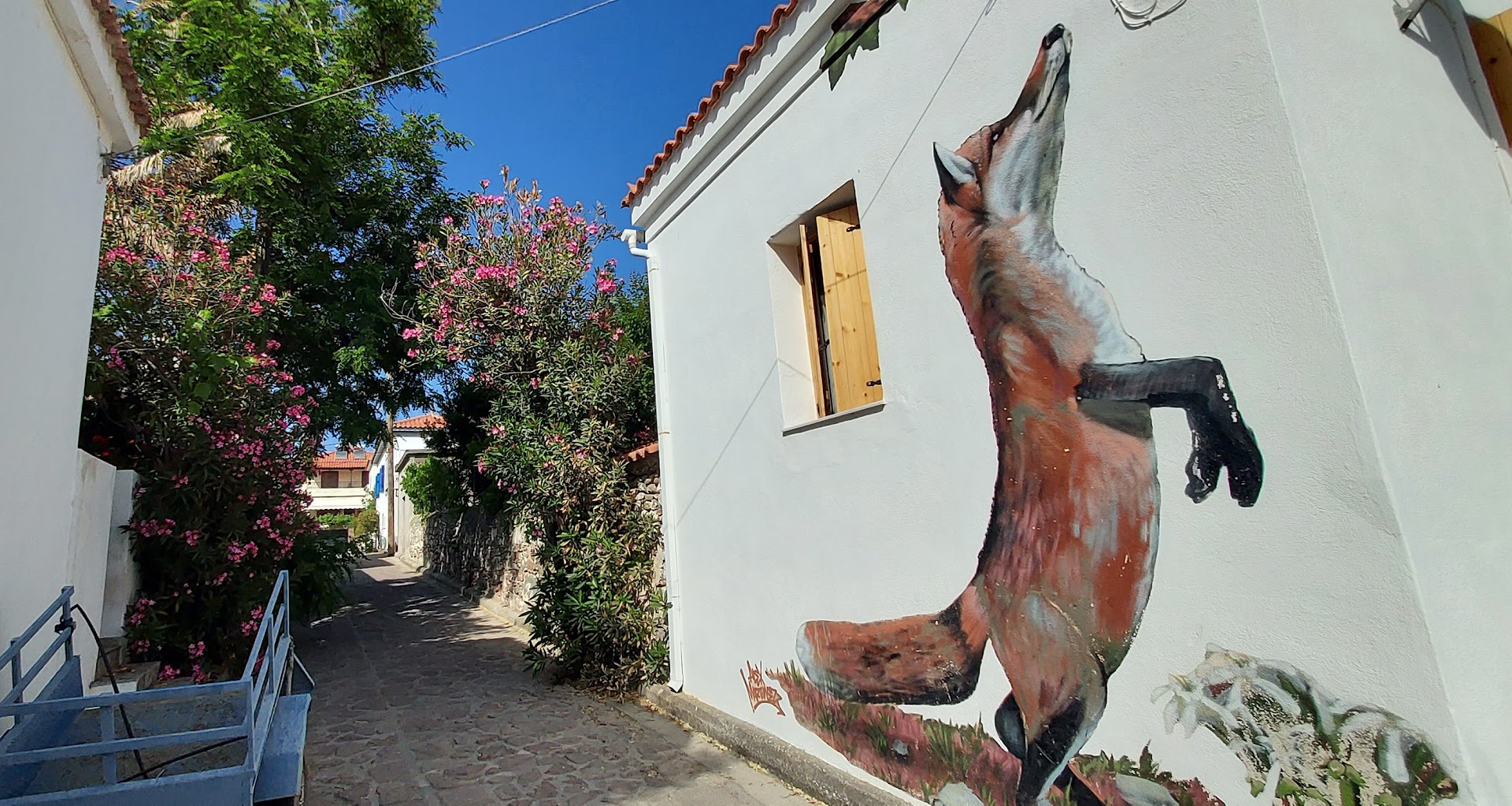
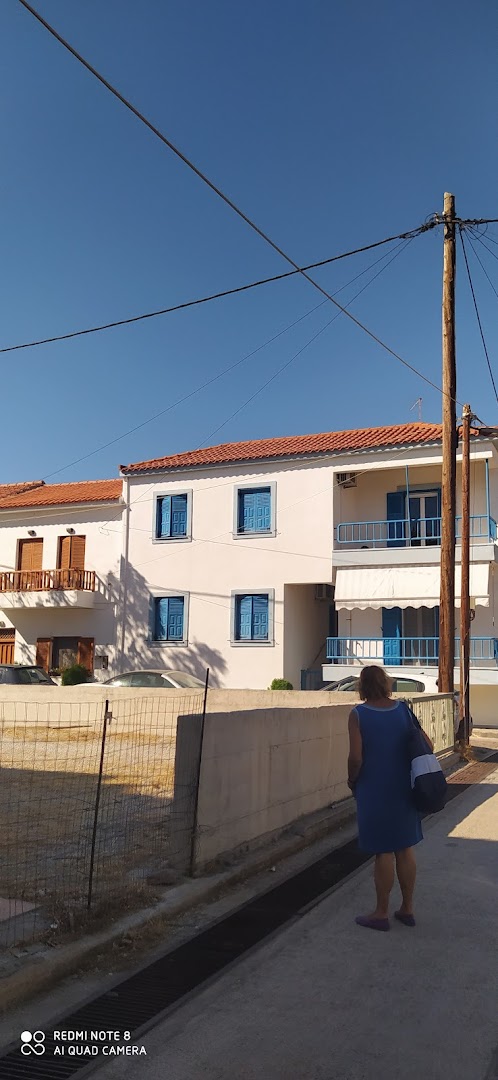
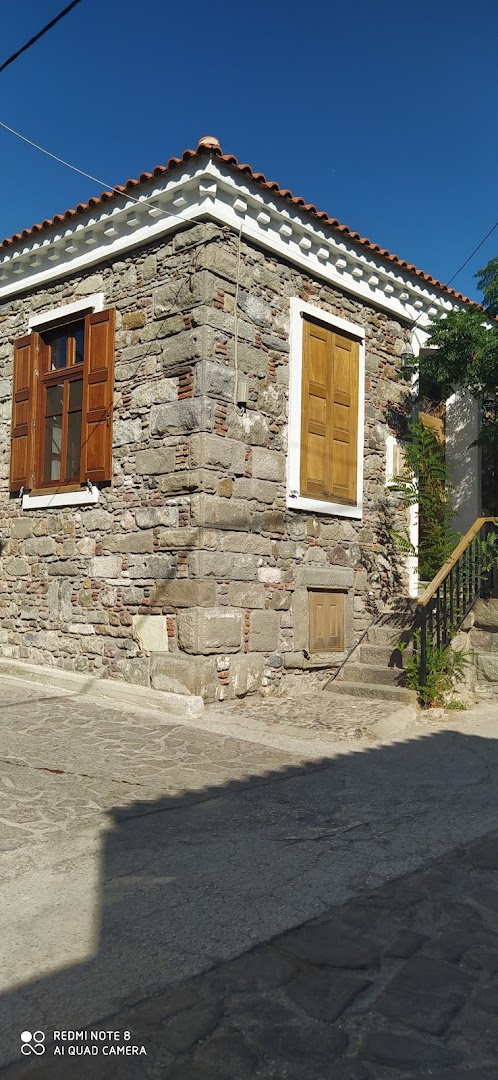
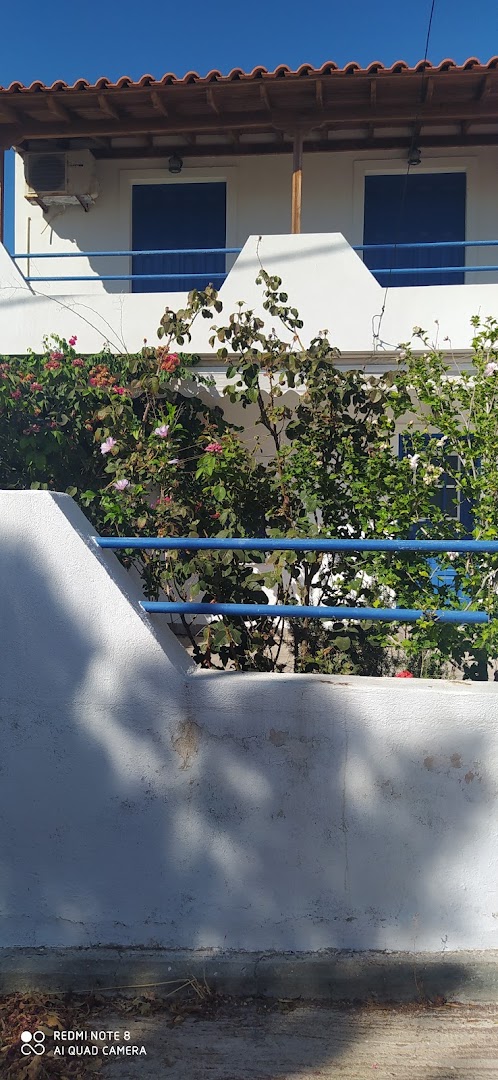
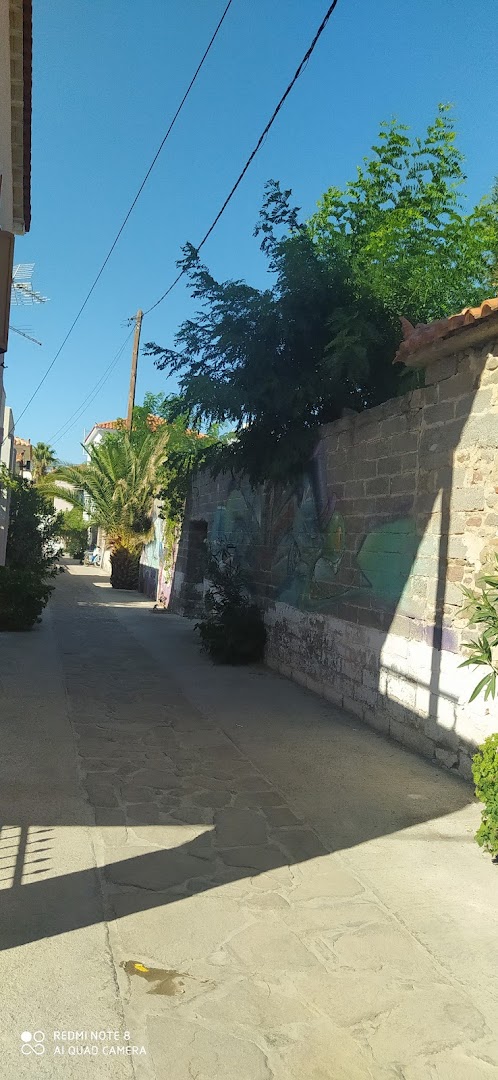
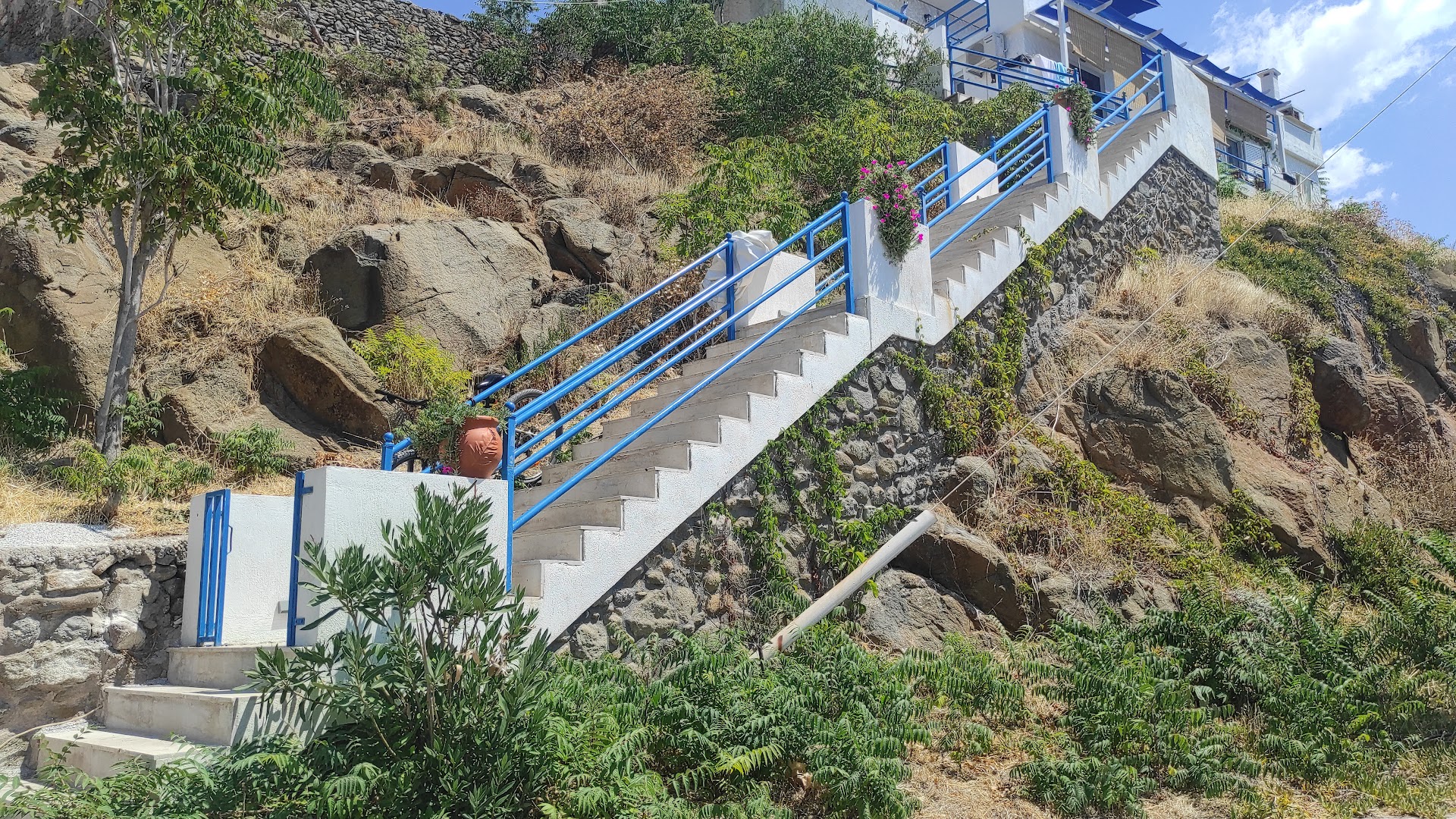
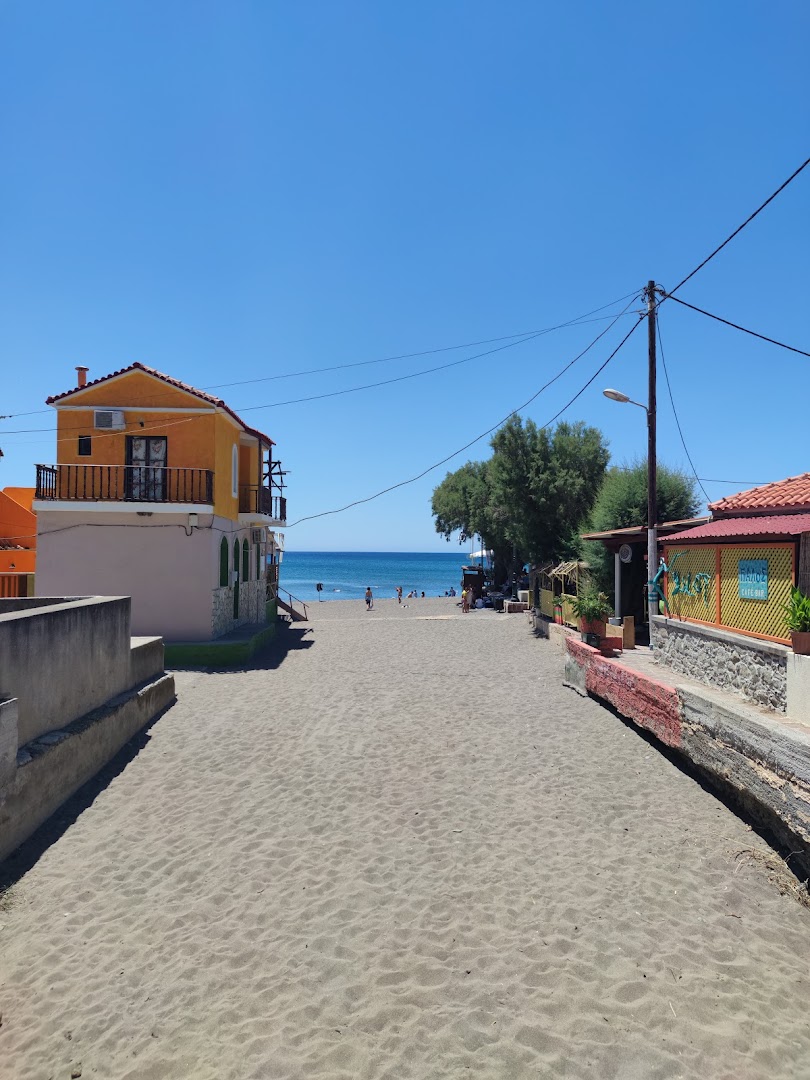
Eresos alley, Lesvos
Population
349
Elevation
11m
Municipality
Eressos-Antissa
Postal Code
811 05
From Mytilene
53.4 km
Nearest Beach
Skala Eresou Beach 2
Overview
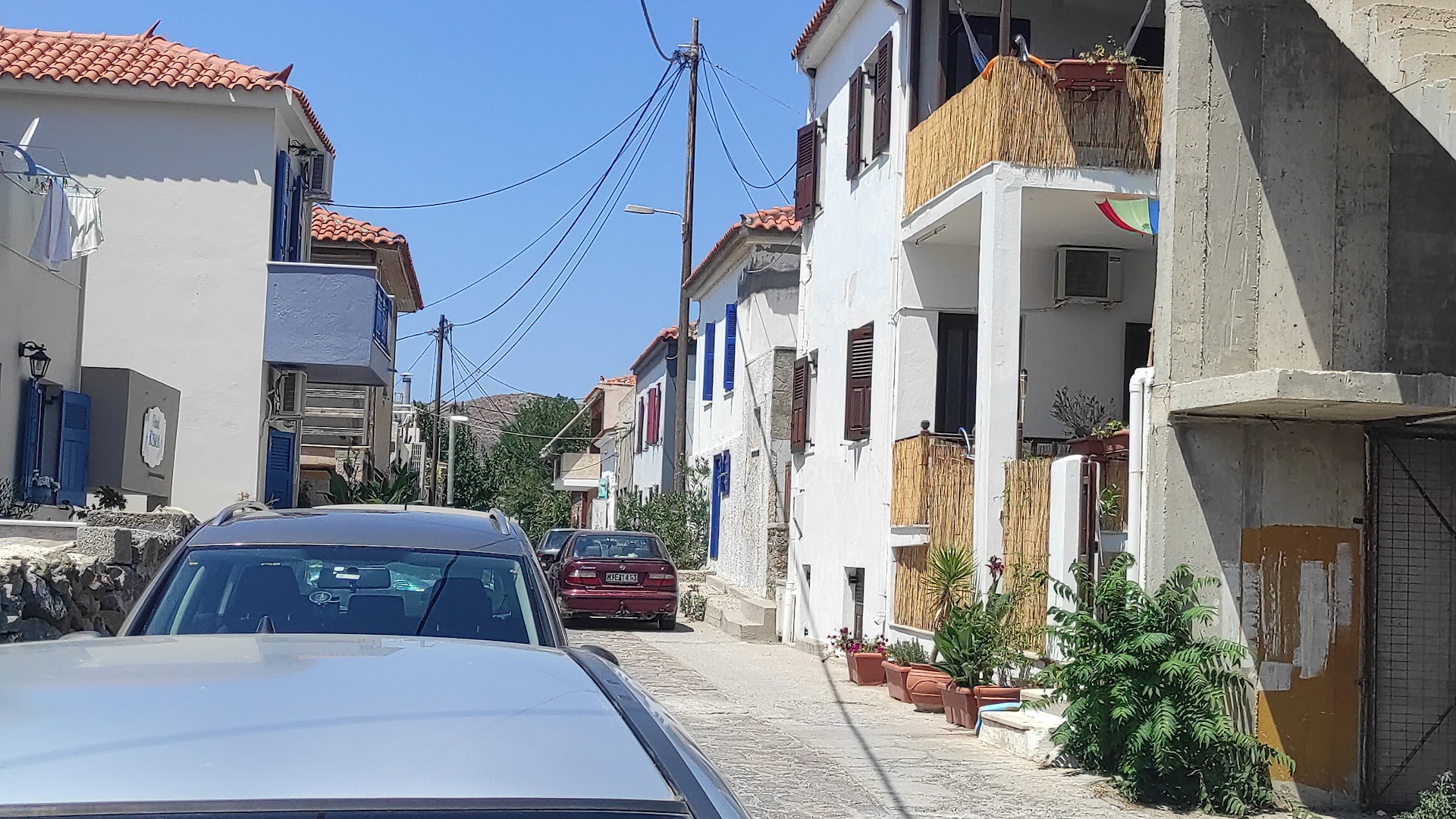
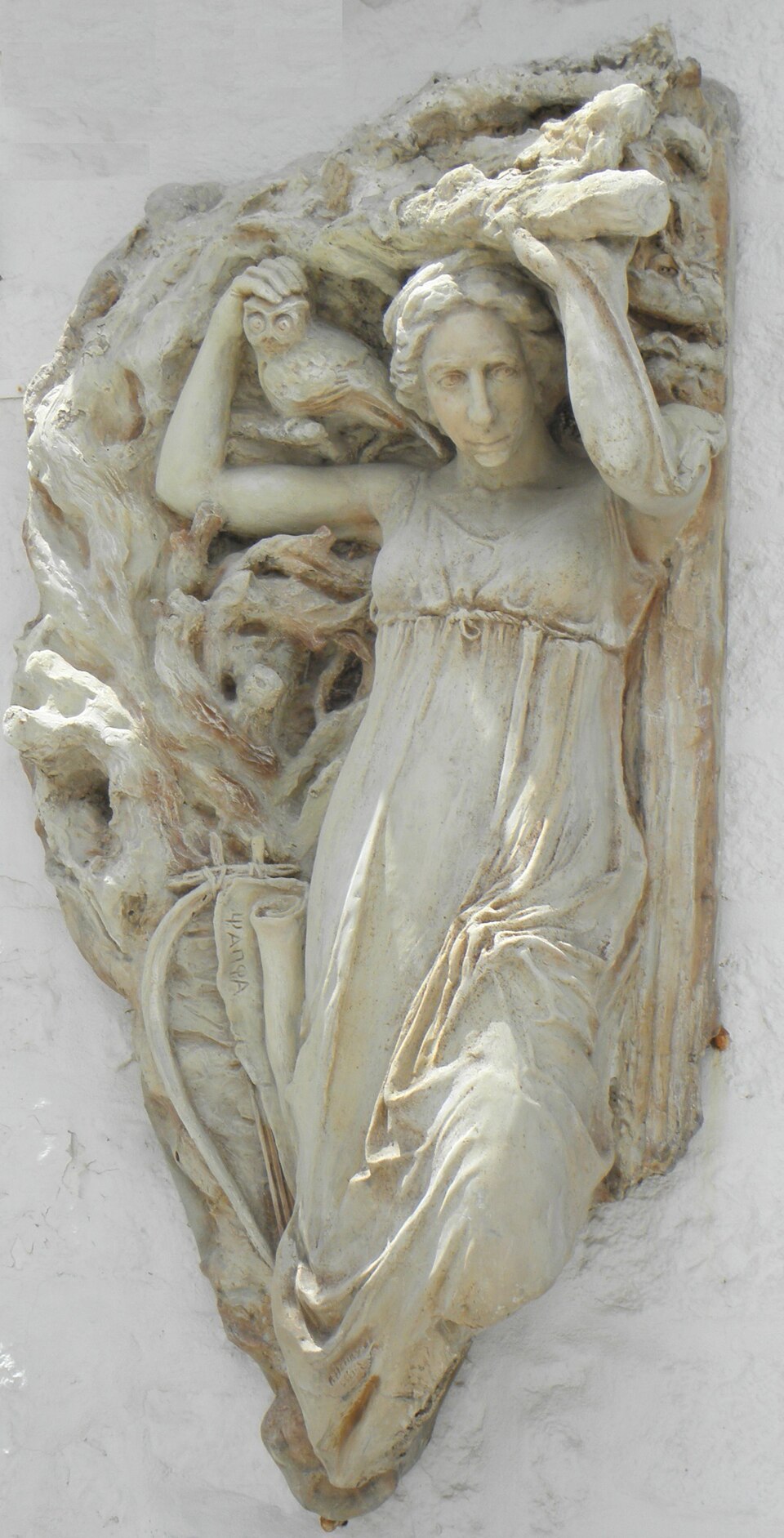
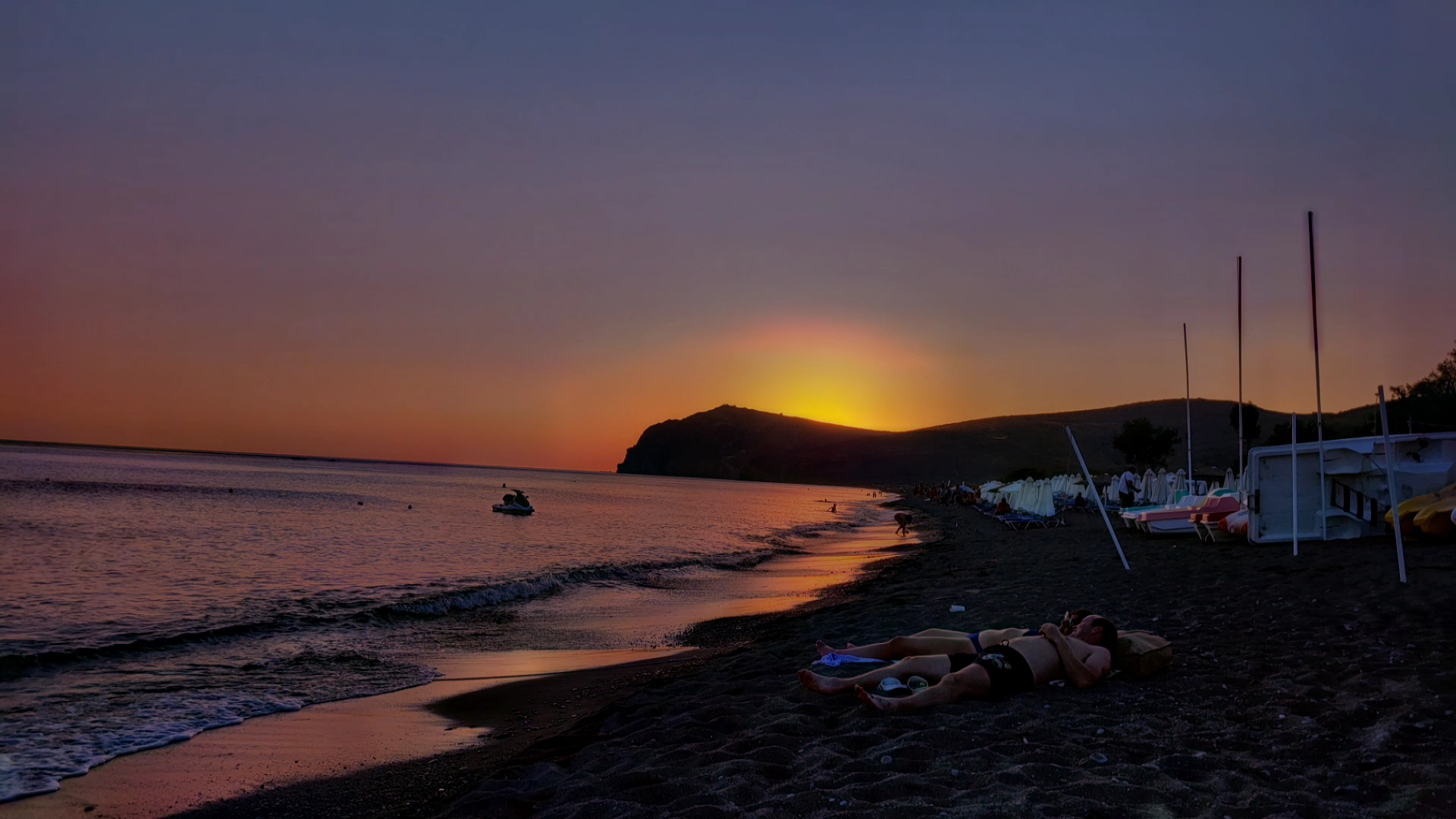
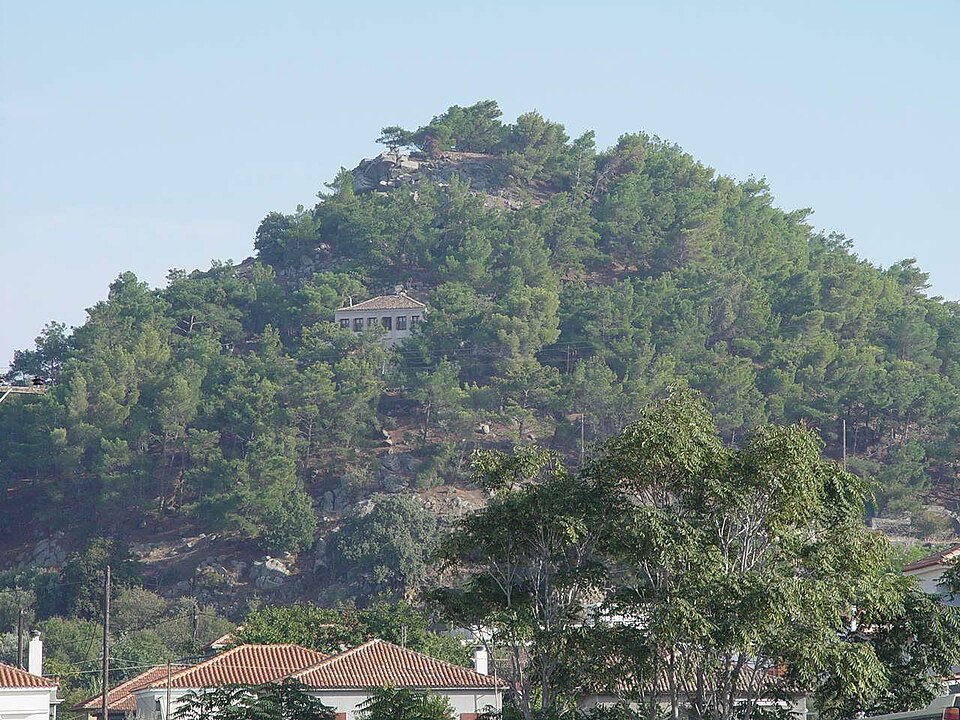
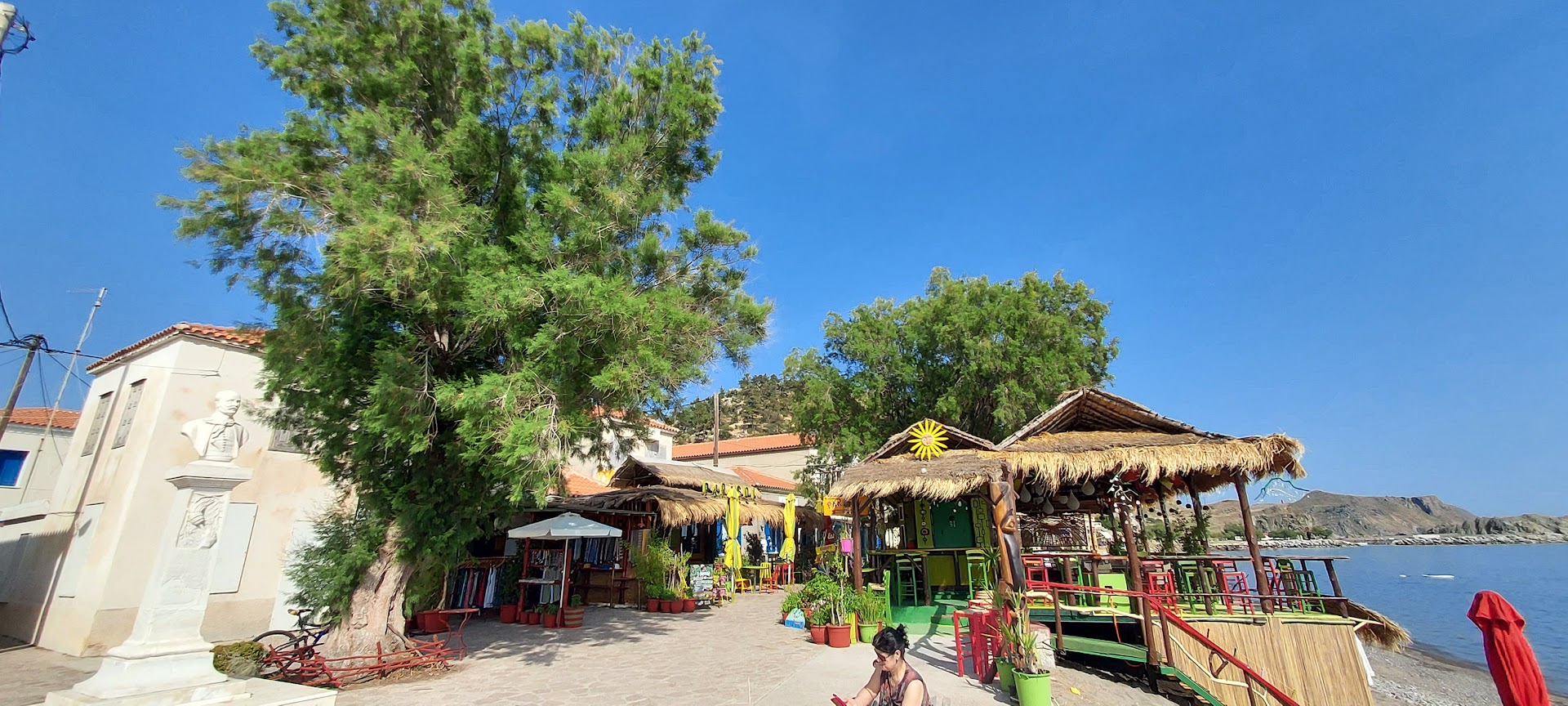
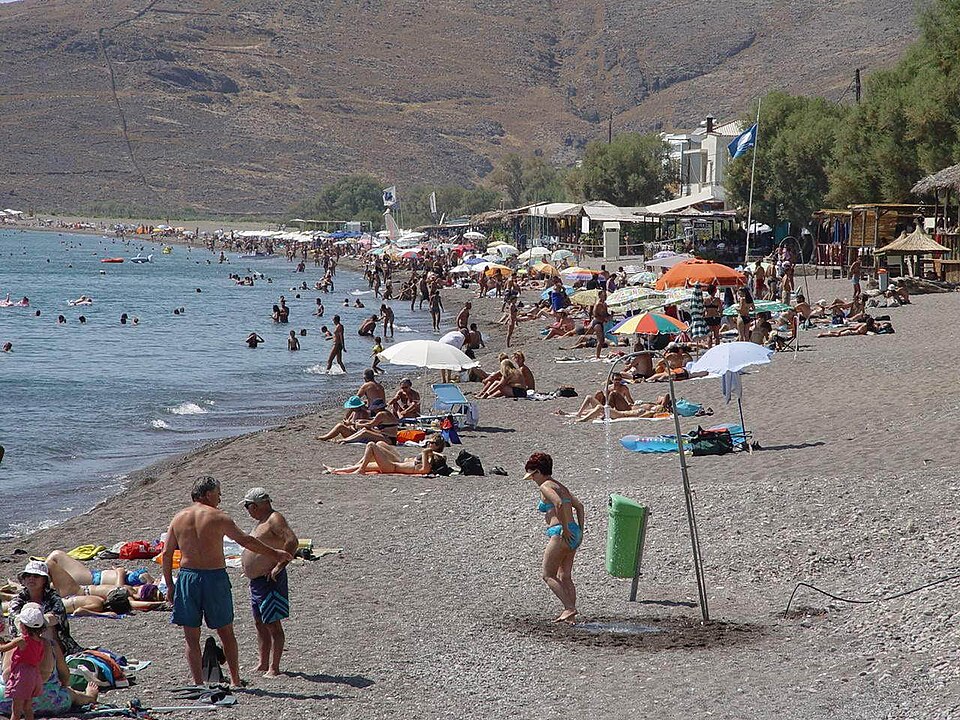
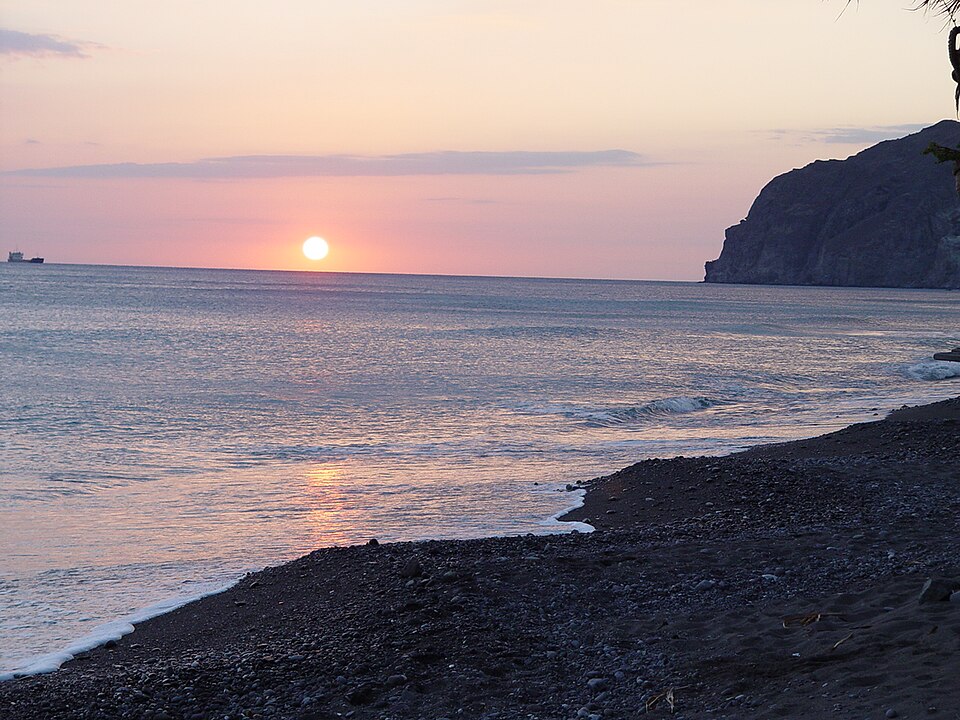
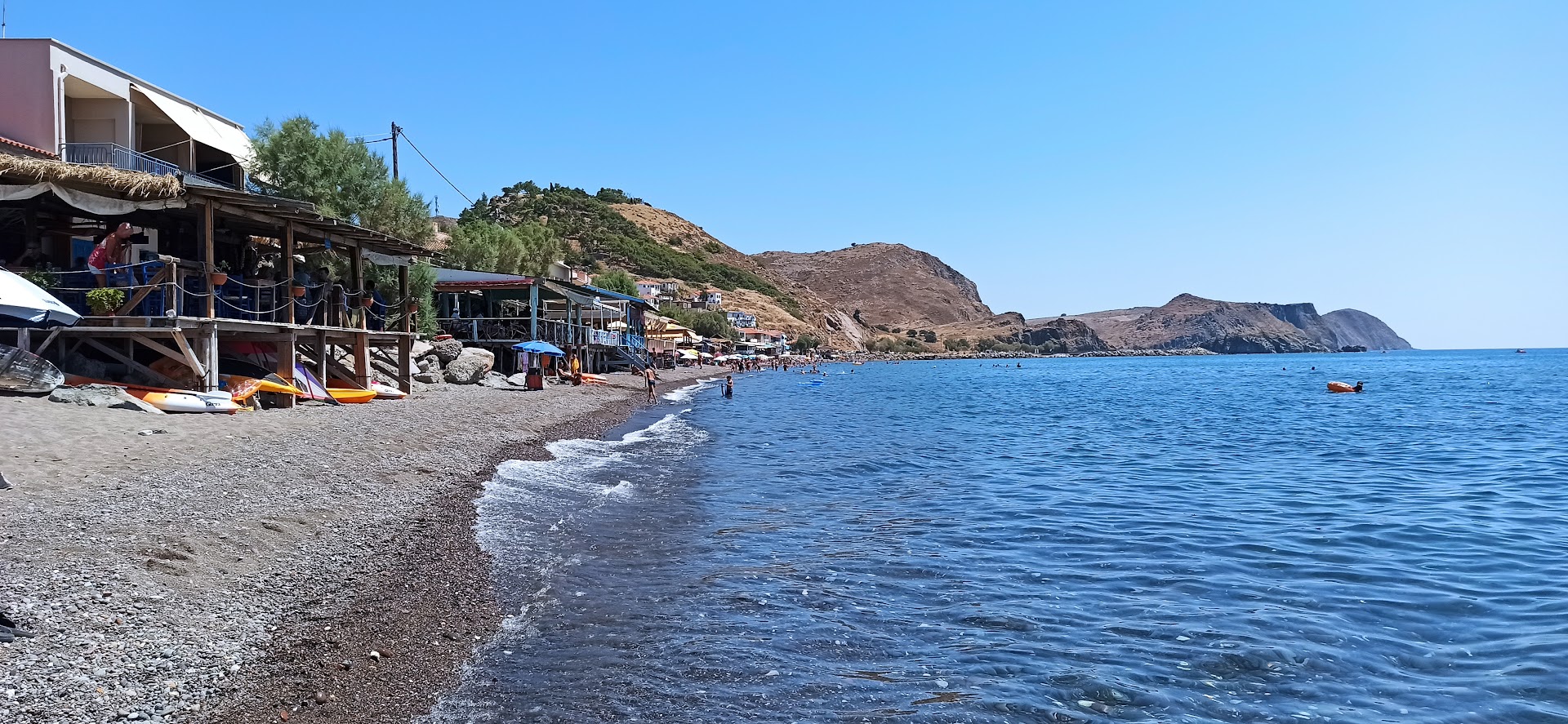
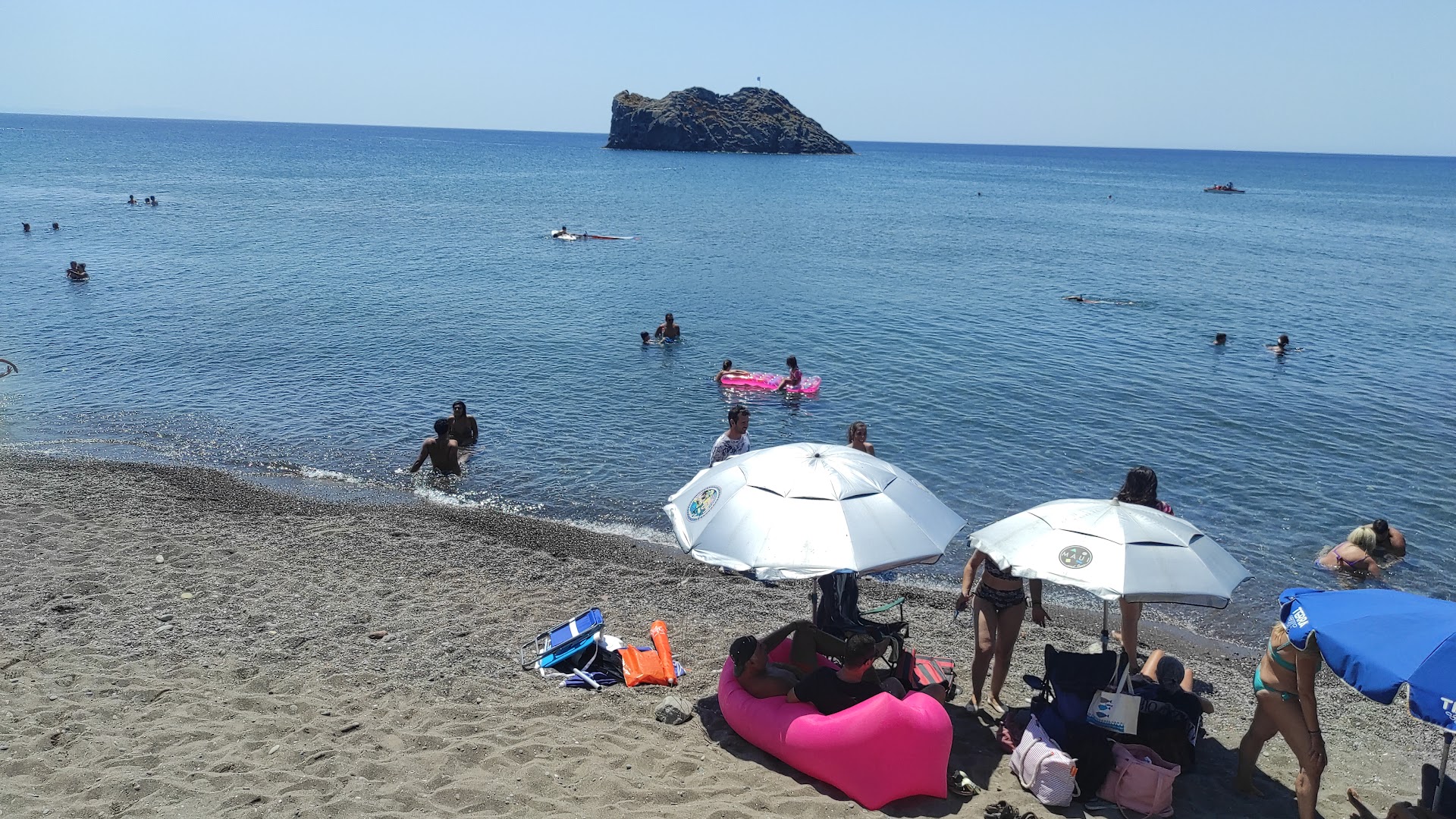
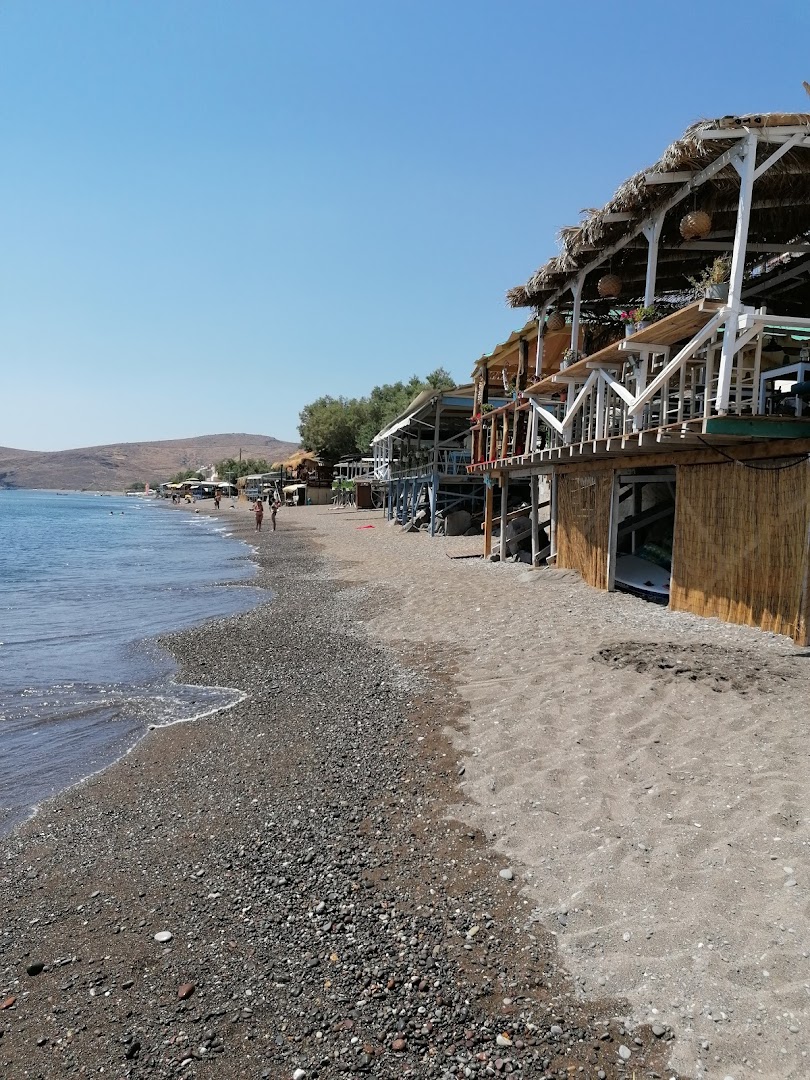
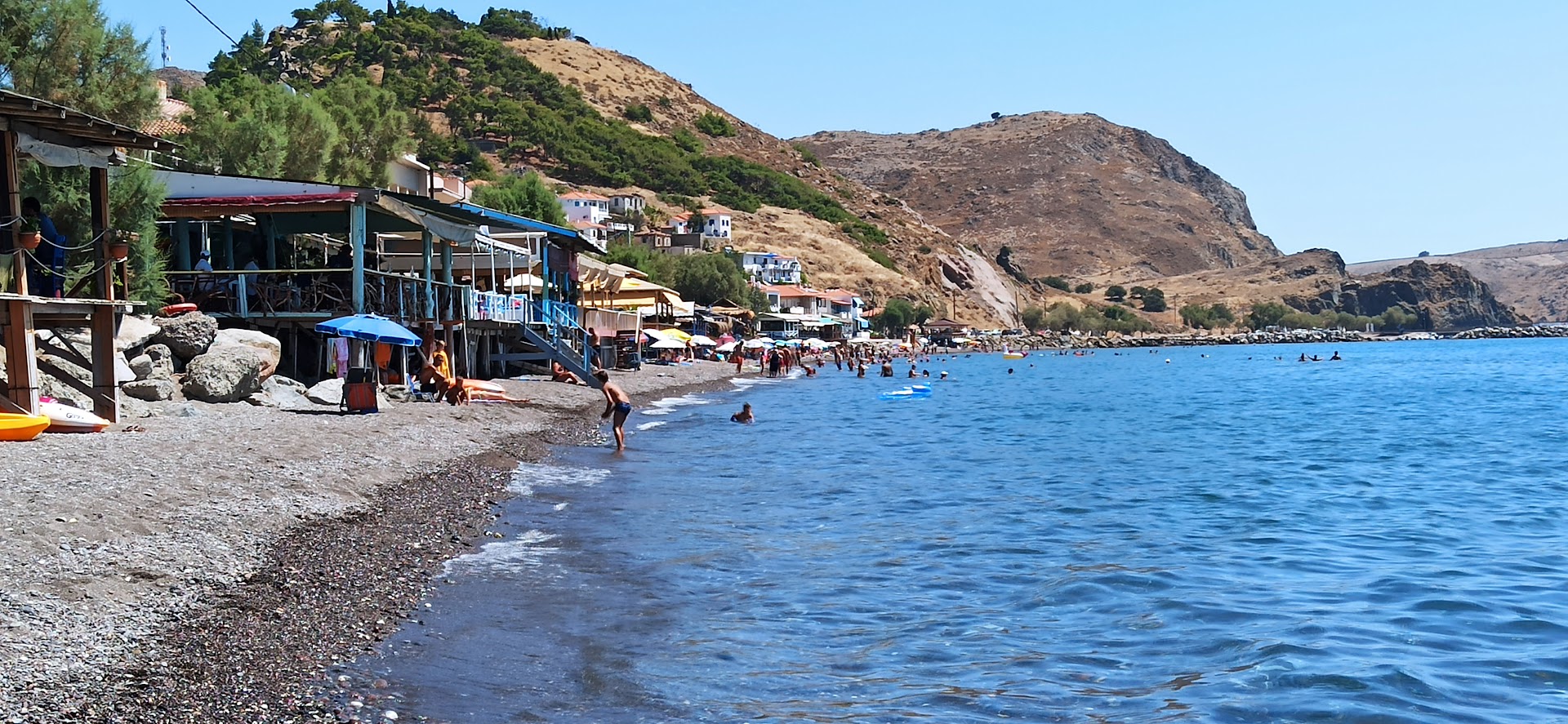
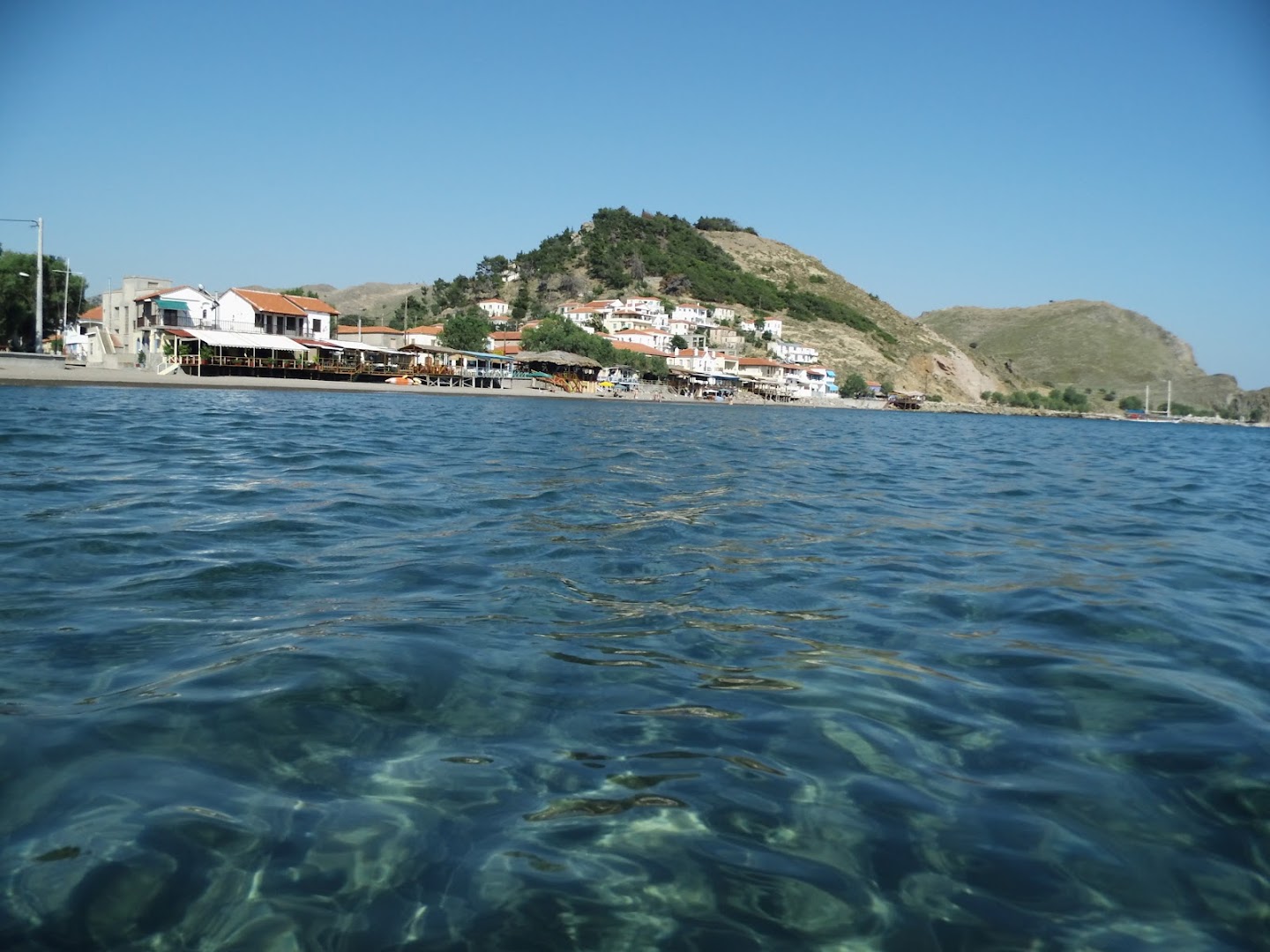
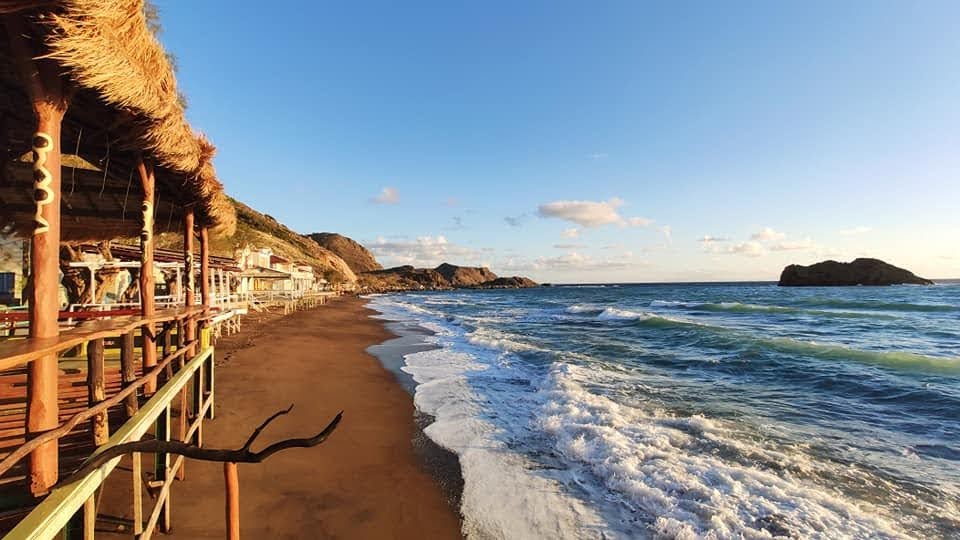
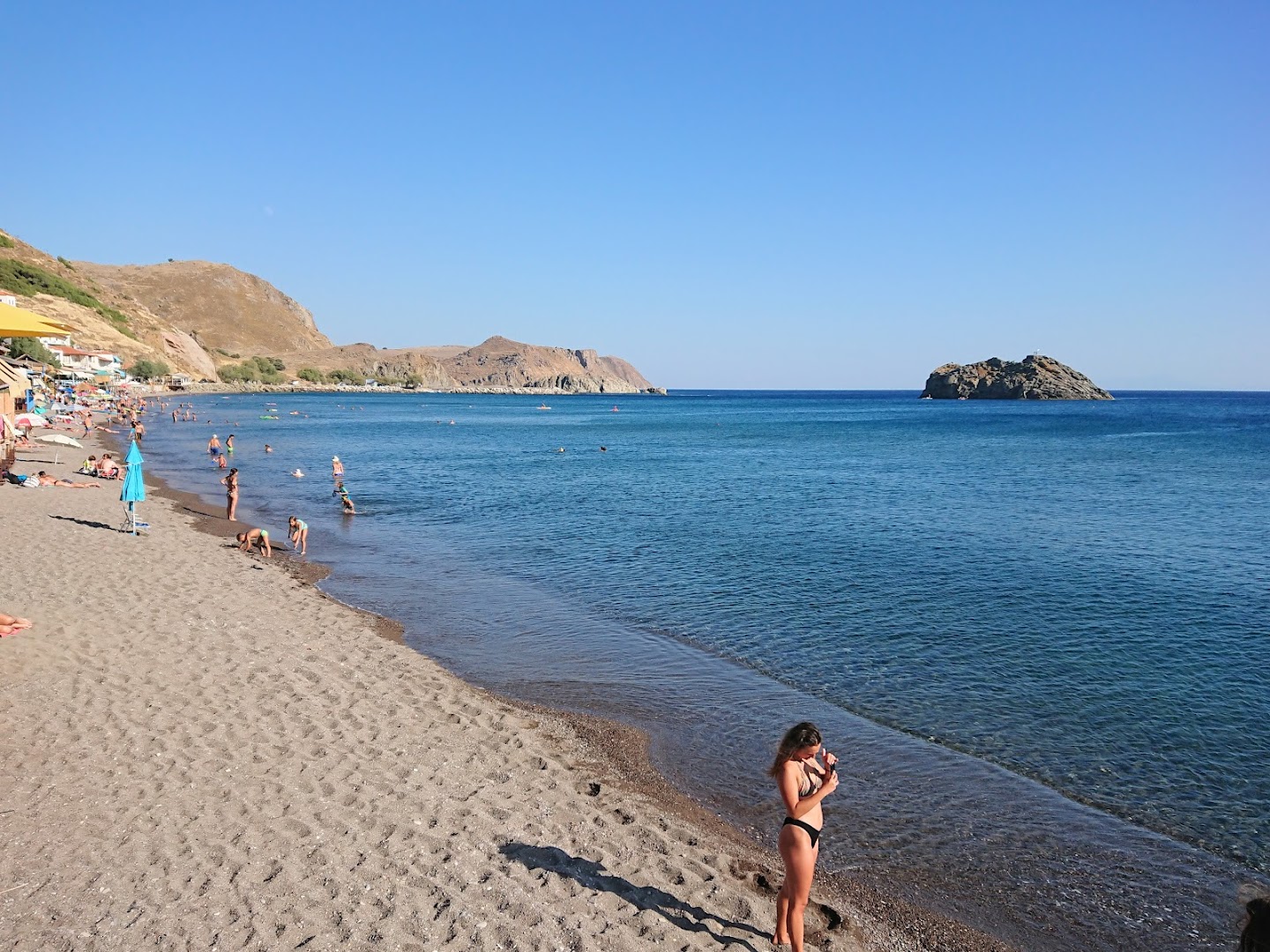
Skala Eresou is the beach settlement below the ancient hilltop village of Eressos, birthplace of the lyric poet Sappho in the 7th century BC. The long, golden beach — widely considered the best on Lesvos — is backed by a waterfront promenade lined with tavernas, cafes, and bars that give the village a bohemian, literary atmosphere unique on the island. The remains of an early Christian basilica stand near the shore, and an archaeological museum displays finds from the ancient city above. A freshwater lake behind the beach attracts turtles and migratory birds. The Women's Festival, held annually, has made Skala Eresou an internationally known destination. The village offers something rare: a first-class beach, a rich archaeological heritage, a vibrant social scene, and a sense of creative energy that sets it apart from every other beach town in the Greek islands. The food is exceptional — grilled fresh fish, sardeles pastes, and gavros marinatos served at waterfront tables as the sun sets over the open Aegean.
Before you go
What to expect
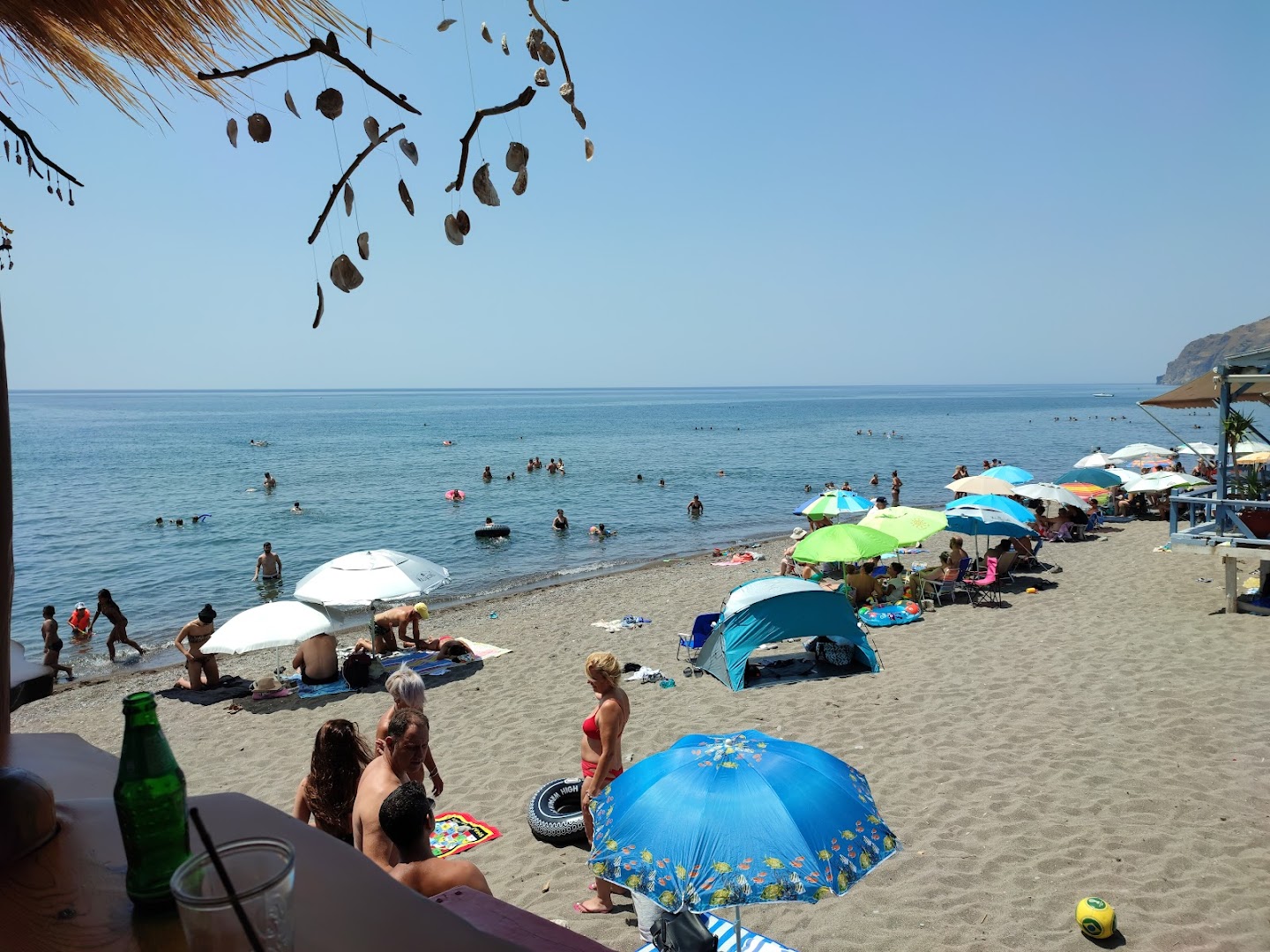
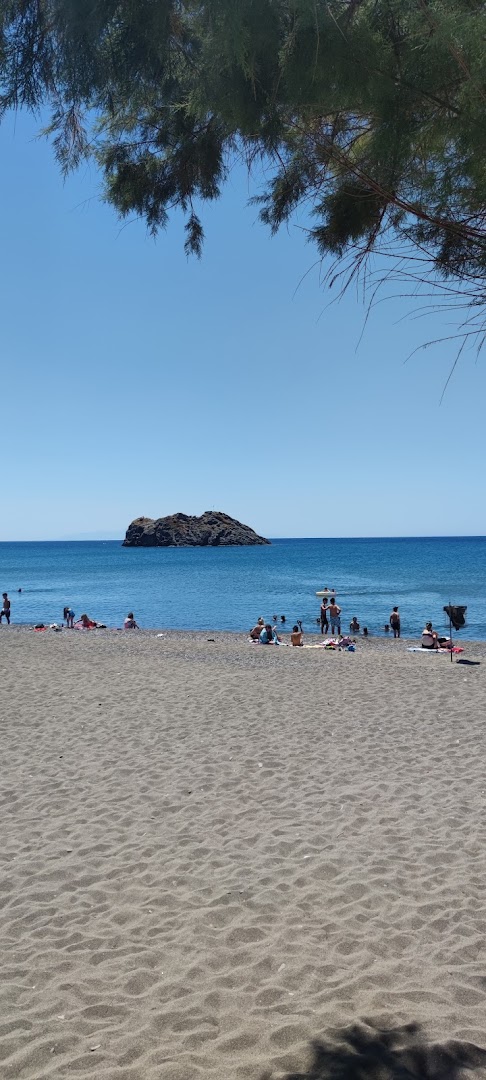
The beach itself is unusually wide, with soft sand shelving gently into a warm, shallow sea that makes it easy to spend a full day rather than just an afternoon. By evening the waterfront promenade shifts into something more social — tables fill with people sharing fresh fish and local mezedes as the sun drops into the open Aegean. The freshwater lagoon tucked behind the sand is worth a short detour for terrapins basking near the reeds and the occasional heron passing through on migration.
Best time to visit
June and September are the sweet spot — the sea is fully warm, the August crowds have thinned, and evenings on the promenade stretch out pleasantly.
How to get there
From Mytilene, head west through Kalloni and then south toward the coast — plan on roughly 90 minutes by car, as the road becomes more winding once you leave the main valley.
Top-Rated in Skala Eresou
Highest-rated places chosen by visitors
transport
Eressian Taxi
Eressian Taxi provides an essential transport link for visitors exploring the southwestern corner of Lesvos, operating out of Skala Eresou, the charming seaside village renowned for its long pebble beach and relaxed, welcoming atmosphere. For travellers arriving without a rental car, or those looking to reach more remote spots in the Eressos area, a local taxi service offers the flexibility and local knowledge that public transport simply cannot match. Whether you need a transfer from Mytilene airport, a ride to the petrified forest at Sigri, or a comfortable way to reach the hilltop village of Eressos with its Byzantine church and traditional architecture, a trusted local driver makes the journey as enjoyable as the destination. Booking a taxi here also gives you access to a local perspective — drivers in small island communities often double as informal guides, pointing out hidden coves, recommending tavernas, and sharing the kind of insider knowledge no guidebook captures.
rooms
Eressian Lodgings
Eressian Lodgings offers comfortable accommodation in one of Lesvos's most storied corners, situated near the village of Skala Eresou on the island's southwestern coast. This stretch of shoreline is celebrated as the birthplace of Sappho, the ancient lyric poet whose verses have resonated across millennia, and the area draws visitors who come not only for its history but for its long sandy beach, crystal-clear Aegean waters, and the unhurried pace of life that defines this part of the island. Guests staying here find themselves within easy reach of Skala Eresou's relaxed waterfront, where tavernas and cafes line the promenade and the mood is warm and inclusive. The village has long cultivated a welcoming atmosphere, drawing a diverse international crowd alongside local Greek families. Rooms-style accommodation in this area typically offers the personal touch and local character that larger hotels cannot match, giving visitors a genuine sense of place rather than a generic holiday experience. For travelers seeking a quieter, more authentic side of Lesvos, Eressian Lodgings provides a comfortable base from which to explore the wild landscapes of the island's southwest — from the petrified forest of Sigri to the Byzantine monasteries tucked into the hills above. Whether you come for the beach, the history, or simply the unhurried rhythm of an Aegean summer, this is a destination that rewards the traveler willing to venture beyond the well-worn tourist trail.
hotel
Hotel Kyma
Hotel Kyma sits in the laid-back coastal village of Skala Eresou, on the southwestern shore of Lesvos, offering guests a comfortable base from which to explore one of the island's most beloved seaside destinations. The name Kyma — meaning "wave" in Greek — speaks to the hotel's close relationship with the sea, and guests can expect the kind of unhurried hospitality that defines this corner of the Aegean. Skala Eresou is renowned for its long, uncrowded sandy beach, its welcoming atmosphere, and its deep cultural significance as the birthplace of the ancient lyric poet Sappho. Staying at Hotel Kyma puts visitors within easy reach of the waterfront promenade, lined with tavernas and cafes where the pace of life slows to a gentle rhythm. Whether you are drawn here for the swimming, the sunsets over the open sea, or simply the chance to unwind in an authentic Greek village, Hotel Kyma provides a warm and convenient home for your stay on Lesvos.
shop
Ifaistos Jewellery
Ifaistos Jewellery is a jewelry designer shop located in Skala Eresou, the charming seaside village on the southwestern coast of Lesvos known for its long sandy beach and relaxed bohemian atmosphere. Named after Hephaestus, the ancient Greek god of fire and craftsmanship, the shop reflects the island's deep connection to Hellenic heritage through its artisanal offerings. Visitors can expect to find handcrafted and designed jewelry pieces that draw on Mediterranean aesthetics and the rich cultural traditions of the Aegean. Whether browsing for a unique keepsake, a gift for someone special, or a wearable reminder of time spent on Lesvos, a stop at Ifaistos Jewellery offers the chance to take home something with genuine character and local flair. The creative spirit of Skala Eresou, long a gathering place for artists and free thinkers, makes it a fitting setting for a jewelry designer with a distinctive point of view.
Practical Info
Supermarket
5 stores
Medical / Pharmacy
13 facilities
Petrol Station
Not found
ATM / Bank
Not found
Transport
10 services
Churches & Religious Sites
Άγιος Ανδρέας Κρήτης
Agios Andreas Kritis
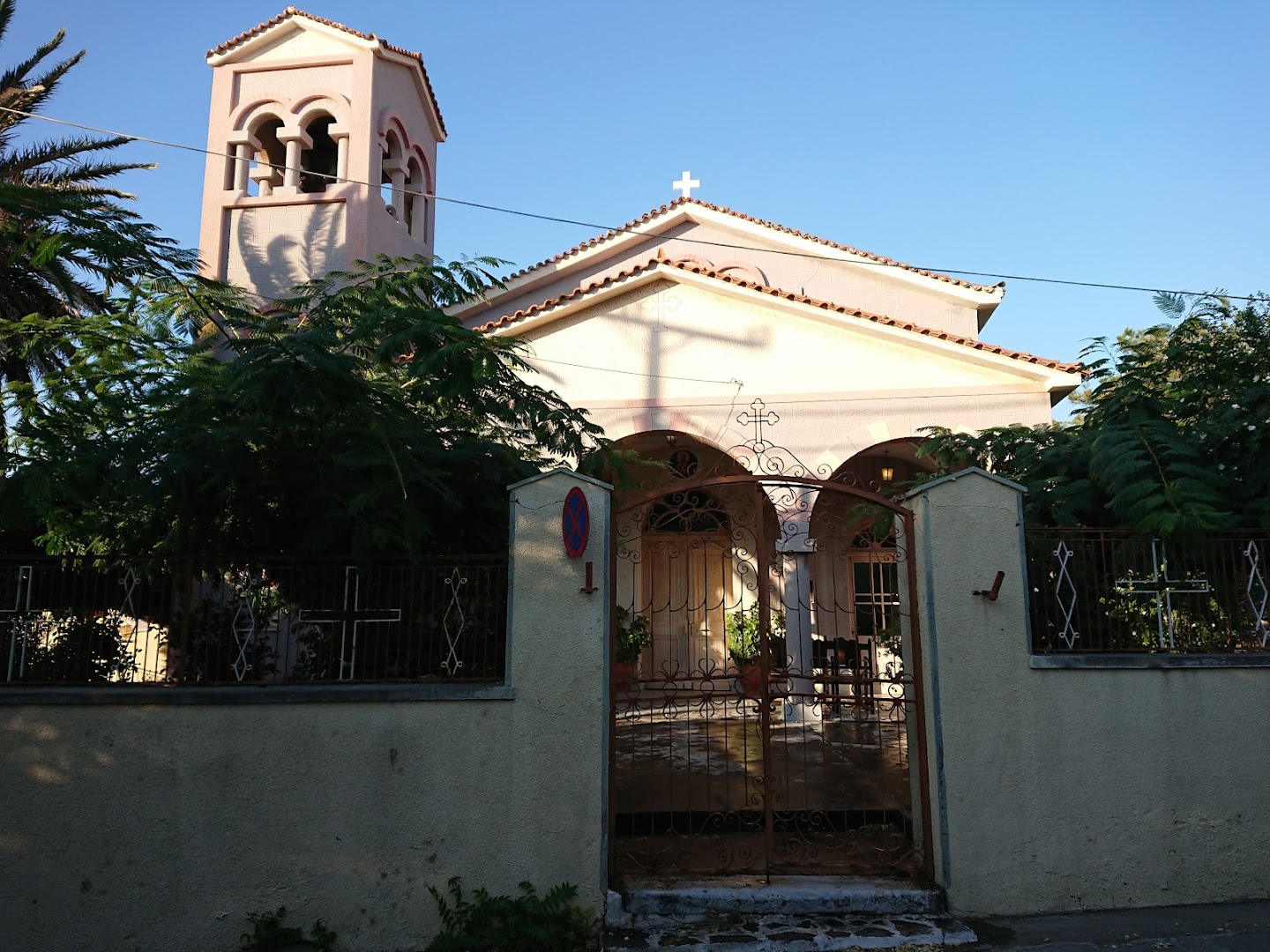
Tucked into the landscape near Skala Eresou on the western shore of Lesvos, the church of Agios Andreas Kritis is dedicated to Saint Andrew of Crete, the remarkable eighth-century theologian and hymnographer who served as Archbishop of Crete and left an indelible mark on Orthodox Christian worship. Born in Damascus around 660 AD, Andrew is revered above all as the composer of the Great Canon, a profound penitential hymn of some 250 stanzas that remains one of the most treasured and emotionally demanding texts in the Orthodox liturgical tradition. His feast day falls on July 4th, when parishes bearing his name gather for liturgy and the kind of quiet, village celebration that has marked religious life on these Aegean islands for centuries. The church sits in a part of Lesvos that rewards the unhurried traveler. Skala Eresou, the nearby coastal settlement, is already famed as the birthplace of the ancient poet Sappho, and the wider region carries a layered atmosphere of history stretching from antiquity through the Byzantine era and into the present. A church dedicated to a Byzantine Archbishop fits naturally into this landscape, and visiting it offers a sense of the living continuity of Orthodox faith that has shaped community identity here across the generations. Like many rural churches on the island, it likely serves the local population at its patronal feast while standing quietly through the rest of the year as a place of private devotion. For visitors, stopping at Agios Andreas Kritis is less about grand monuments than about encountering the texture of everyday religious life in a Greek Aegean village. The modest exterior typical of island churches often gives way to an interior rich with the warmth of icon lamps, painted saints, and the faint smell of incense that seems inseparable from these spaces. Coming here on or around the feast of Saint Andrew of Crete, or simply pausing during an exploration of the western coast, connects you to a tradition of veneration that has given islanders a sense of spiritual belonging for well over a thousand years.
Ξωκκλήσι Αγίας Σοφίας
Xokklisi Agias Sofias
The small church of Xokklisi Agias Sofias stands in the landscape near Skala Eresou, one of Lesvos's most storied coastal villages, dedicated to Holy Wisdom — the same celestial attribute honored by the great Hagia Sophia of Constantinople. In the Greek Orthodox tradition, Agia Sofia is venerated alongside her three daughters, Faith, Hope, and Charity, and her feast day falls on September 17th, when local communities gather for a panigiri that blends liturgical solemnity with the warmth of village celebration. Like many of the island's rural exoklisia, this chapel likely served as a place of private devotion and seasonal worship for the farming and fishing families of the surrounding area, its modest scale belying the depth of spiritual meaning it holds for those who have prayed within its walls across generations. Architecturally, rural churches of this type on Lesvos typically reflect the simple, whitewashed Byzantine vernacular common to the eastern Aegean — a compact nave, a small iconostasis bearing hand-painted icons of the saints, and an apse oriented toward the east. Without elaborate decoration, such chapels derive their sacred character from the quality of light that filters through small windows, the scent of beeswax candles, and the icon of Agia Sofia herself, often depicted carrying a book representing divine wisdom and flanked by her daughters. Visitors who seek out this quiet sanctuary will find it representative of the deeply rooted Orthodox devotional landscape that gives Lesvos its particular spiritual texture, set against the backdrop of an area already rich with ancient memory as the homeland of the lyric poet Sappho.
Ξωκκλήσι Αγίου Παντελεήμονα
Xokklisi Agiou Padeleimona
Tucked into the landscape near the sun-drenched coast of Skala Eresou, the Xokklisi Agiou Padeleimona is one of Lesvos's many beloved roadside chapels, known locally as exokklisia, that punctuate the island's countryside with quiet devotion. Dedicated to Saint Panteleimon, one of the most venerated of the Holy Unmercenary healers in Orthodox Christianity, this small church reflects a tradition deeply woven into the fabric of Aegean religious life. Saint Panteleimon, revered as a physician-saint who offered his healing gifts freely to the poor, holds a cherished place across the Greek world, and his feast day on the 27th of July brings local communities together in celebration, with liturgies, incense, and the warmth of candlelight filling even the humblest of chapels bearing his name. Exokklisia like this one are rarely grand structures, yet they carry an outsized significance for the villages they serve. Built and maintained through the piety of local families and communities over generations, they stand as living expressions of faith, memory, and place. Visitors approaching the chapel will find the intimate scale typical of Lesvos's rural chapels, with whitewashed walls that catch the Aegean light and a small iconostasis inside sheltering hand-painted icons in the Byzantine tradition. The interior, though modest, invites a moment of genuine stillness, the kind that travellers to this part of the island often find unexpectedly moving. For those exploring the area around Skala Eresou, already rich with the legacy of ancient Eressos and the legend of the poet Sappho, a visit to the Xokklisi Agiou Padeleimona offers a quieter, more contemplative counterpoint to the bustle of the beach. It speaks to the layered spiritual geography of Lesvos, where ancient history and living Orthodox tradition coexist in the same landscape, and where a small chapel on a hillside or at a crossroads can hold centuries of communal prayer and belonging.
Ξωκκλήσι Αγίου Παύλου
Xokklisi Agiou Pavlou
Perched in the landscape near the celebrated village of Skala Eresou on the southwestern shore of Lesvos, the small chapel of Agios Pavlos — Saint Paul — stands as a quiet testament to the island's deep roots in early Christian history. The apostle Paul is recorded in the Acts of the Apostles as having stopped at Mytilene, the island's capital, during his third missionary journey, making Lesvos one of the few Aegean islands with a direct scriptural connection to the spread of Christianity. Chapels such as this one, known locally as xokklisia, are scattered across the Greek countryside as intimate places of devotion, typically maintained by a village or family and coming alive on the feast day of their patron saint. The feast of Saints Peter and Paul, celebrated on the 29th of June, would traditionally draw locals together here for a liturgy and the simple communal gathering that follows, a custom that binds generations to the land. As with most rural chapels of this type on Lesvos, the structure is likely modest in scale — whitewashed stone or render, a tiled or domed roof, and an interior where the cool dimness contrasts with the bright Aegean light outside. Visitors can expect a small iconostasis holding painted icons of Saint Paul alongside the Virgin and Christ, the faint scent of beeswax candles, and the unhurried stillness that makes these places so restorative. The surrounding landscape near Skala Eresou is itself remarkable, with the broad pebbly beach, the ancient ruins of Eressos nearby, and the volcanic hills that roll down to the Aegean, giving the chapel a setting that feels both timeless and profoundly Greek. For travellers exploring the Eressos peninsula, a visit to this chapel offers something beyond sightseeing — a chance to step into the living religious culture of a rural Aegean community. These small sanctuaries are not museums but working sacred spaces, lit by the votive candles of fishermen, farmers, and pilgrims who have passed through for generations. Whether you arrive on the feast day to witness the local liturgy or simply pause here on a quiet afternoon walk, Agios Pavlos rewards the curious visitor with a sense of continuity reaching back through Byzantine devotion, early Christian mission, and the enduring spiritual life of the island.
Gallery & Videos
Captured a memorable moment in Skala Eresou?
Nearby
Beaches
Skala Eresou Beach
0.4 km away
Chliara Beach
1.2 km away
Peristeria
1.7 km away
Chrousos
4.1 km away