


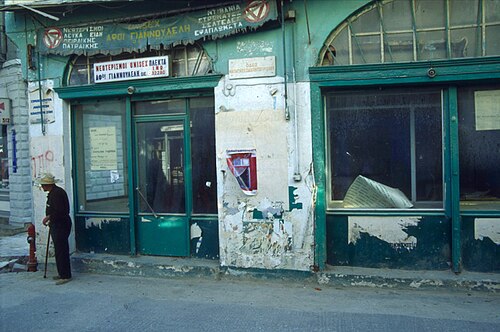
Αγιάσος
Agiasos
Population
2,498
Elevation
452m
Municipality
Agiasos
Postal Code
811 01
From Mytilene
15.6 km
Nearest Beach
Xeres Evreiakis
Overview
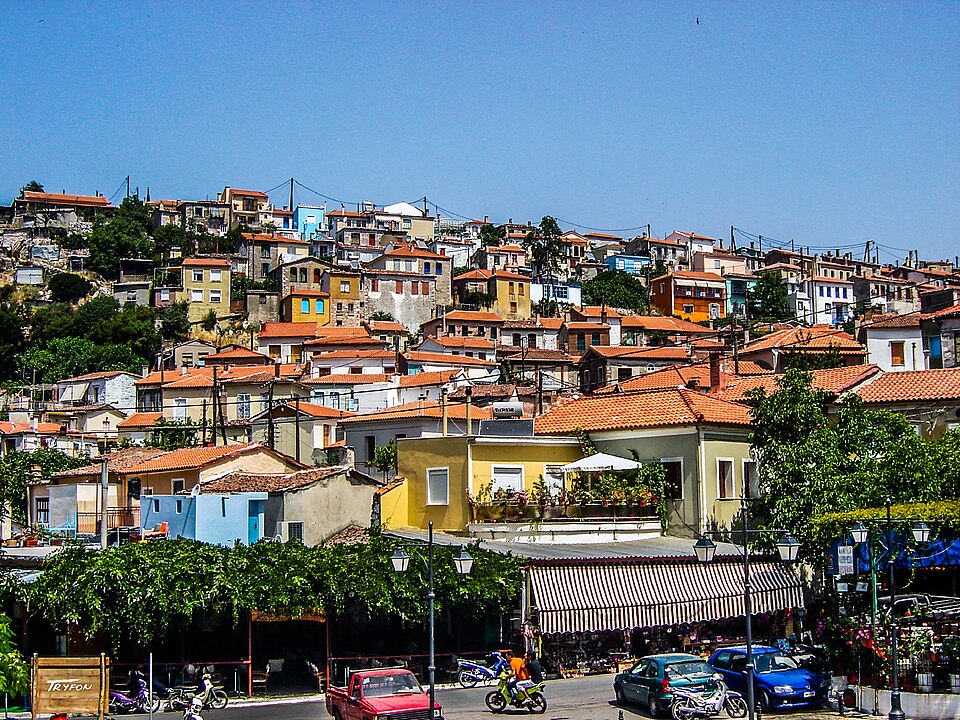
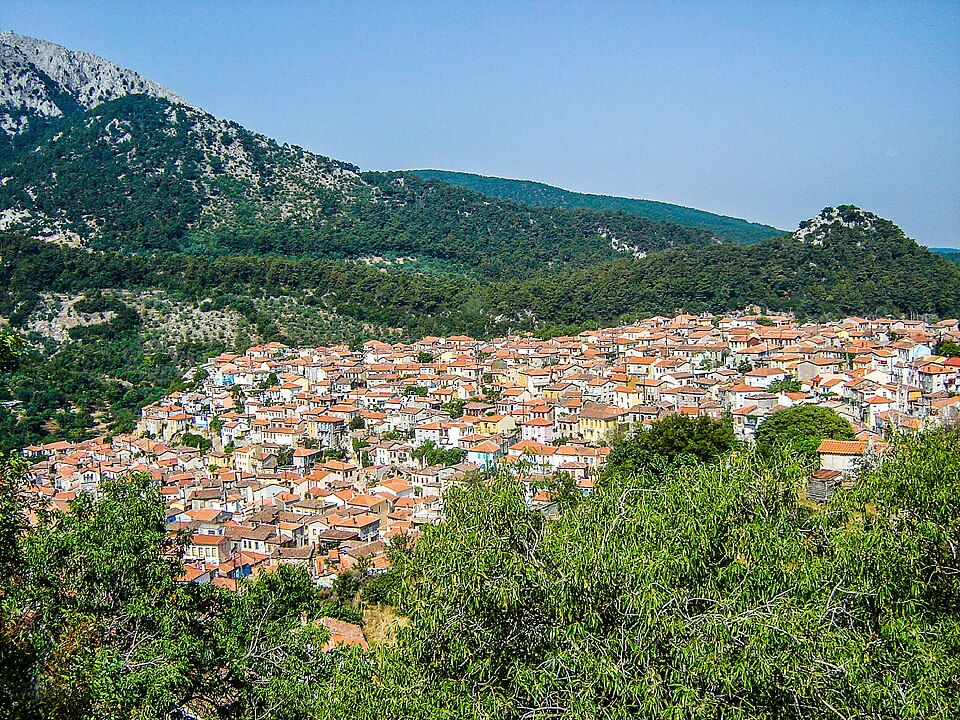
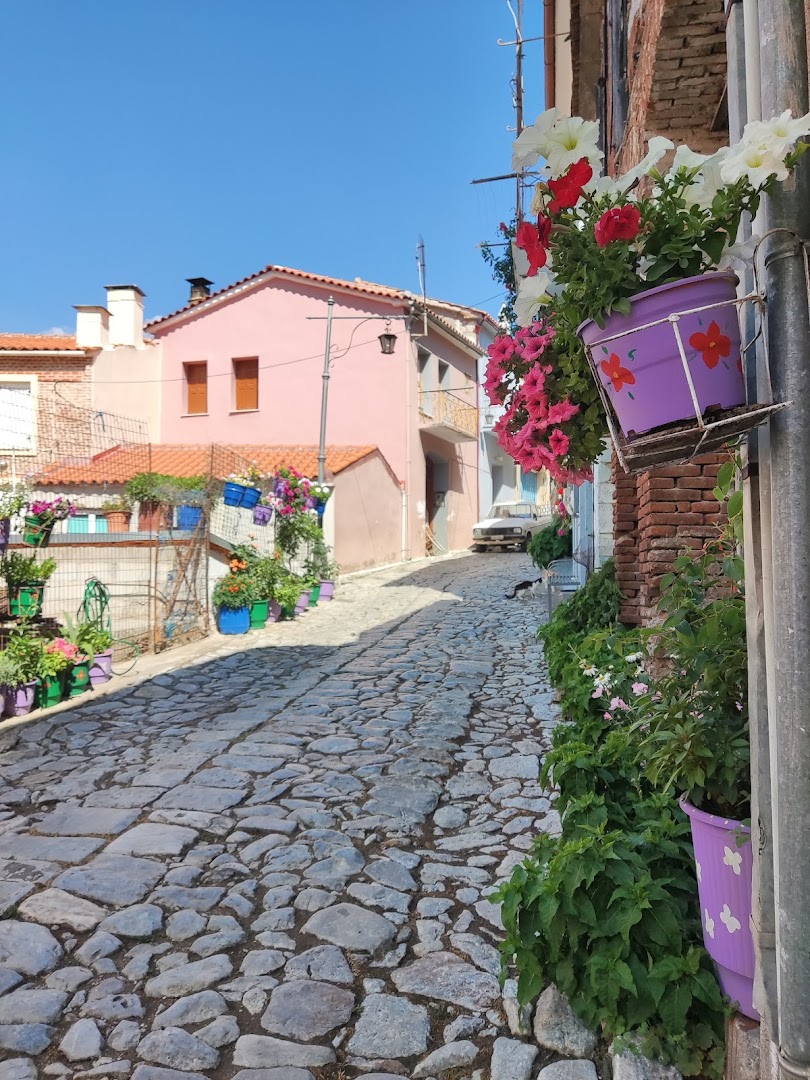
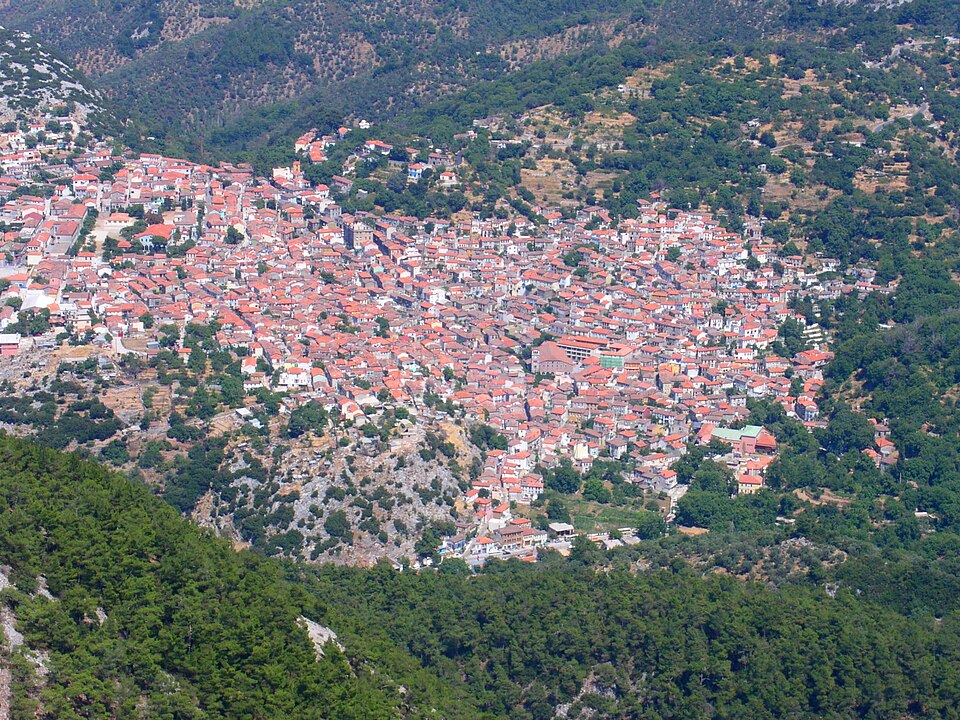
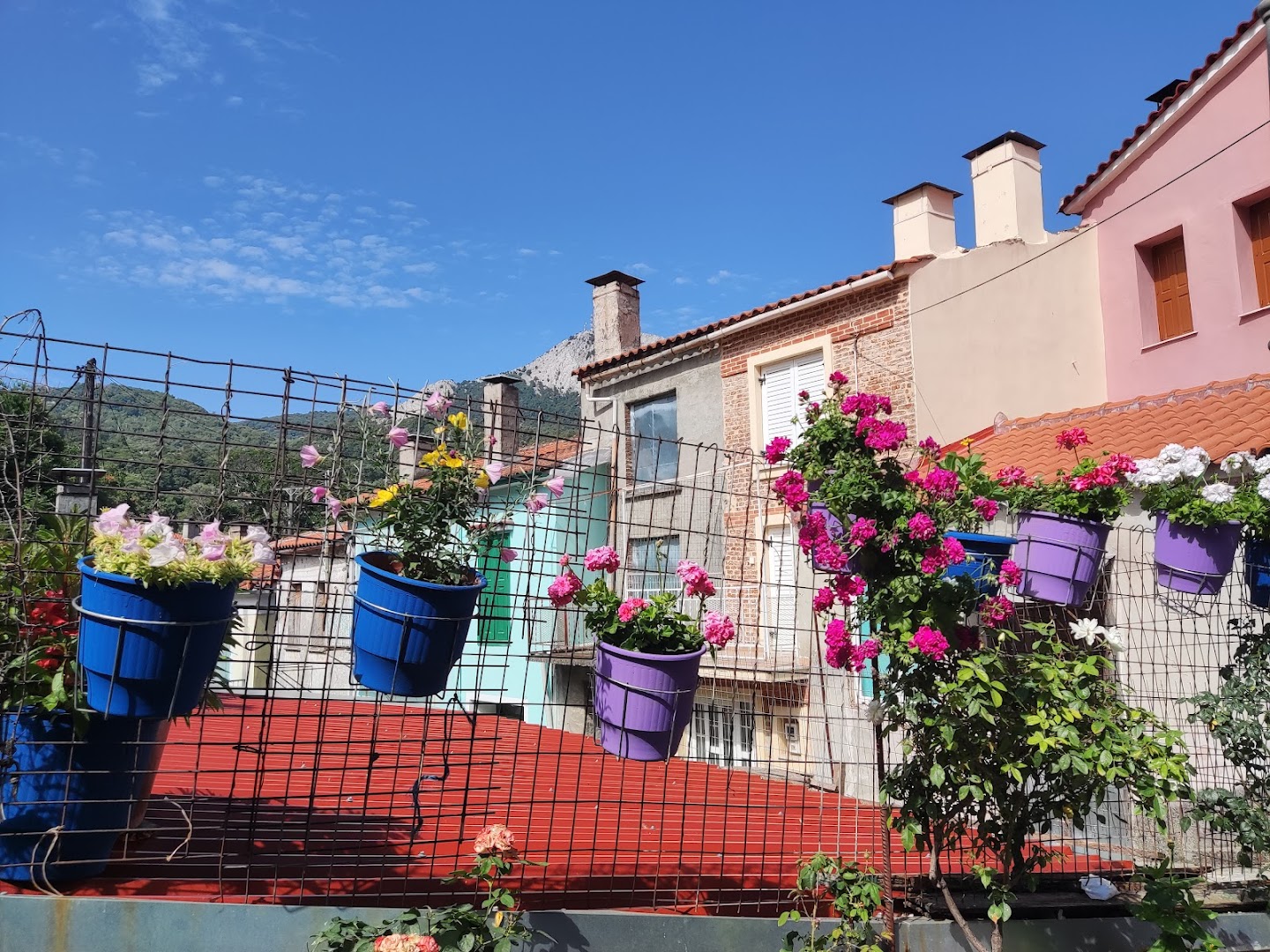
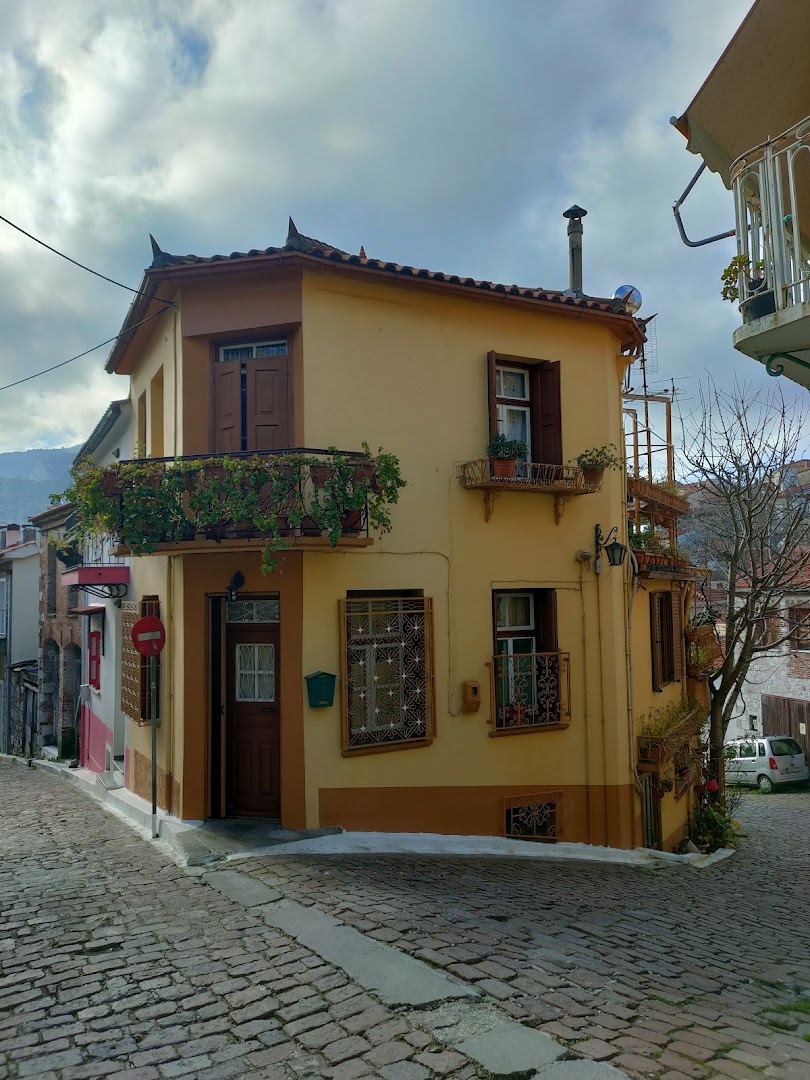
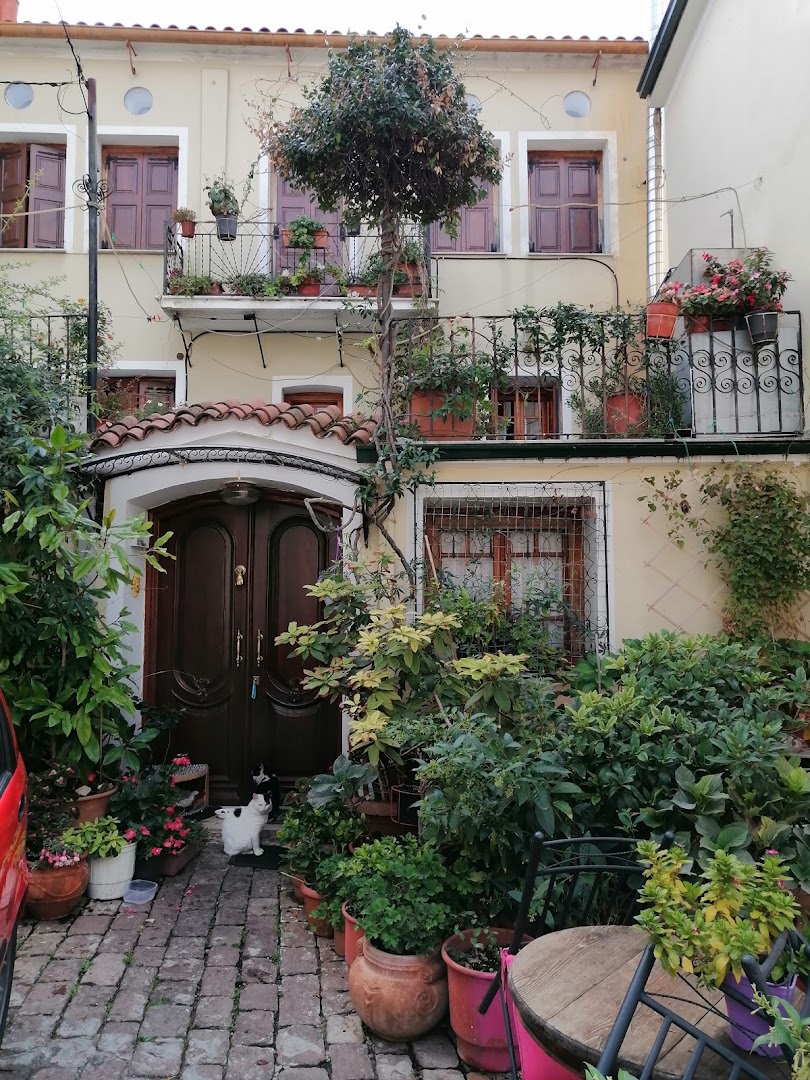
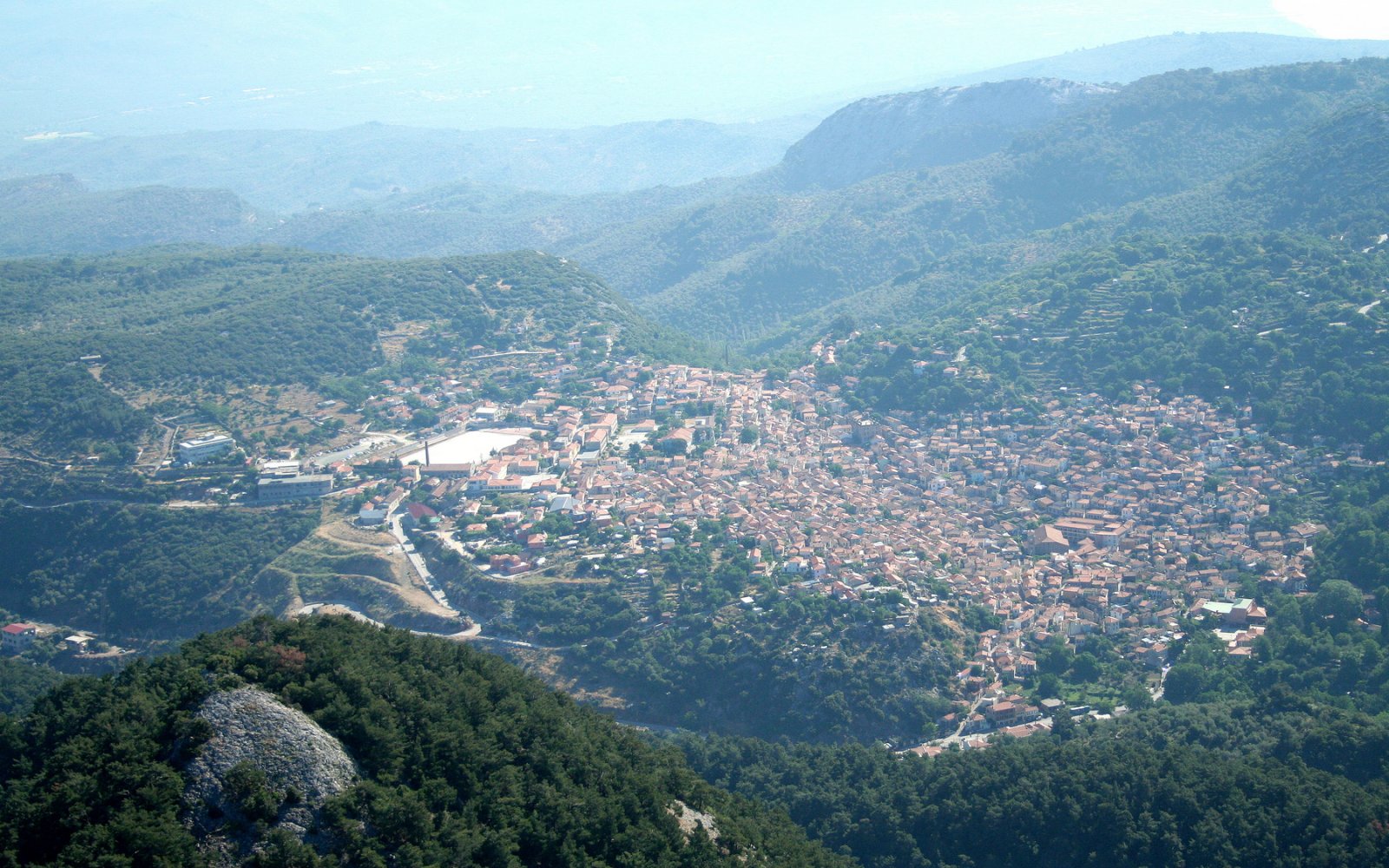
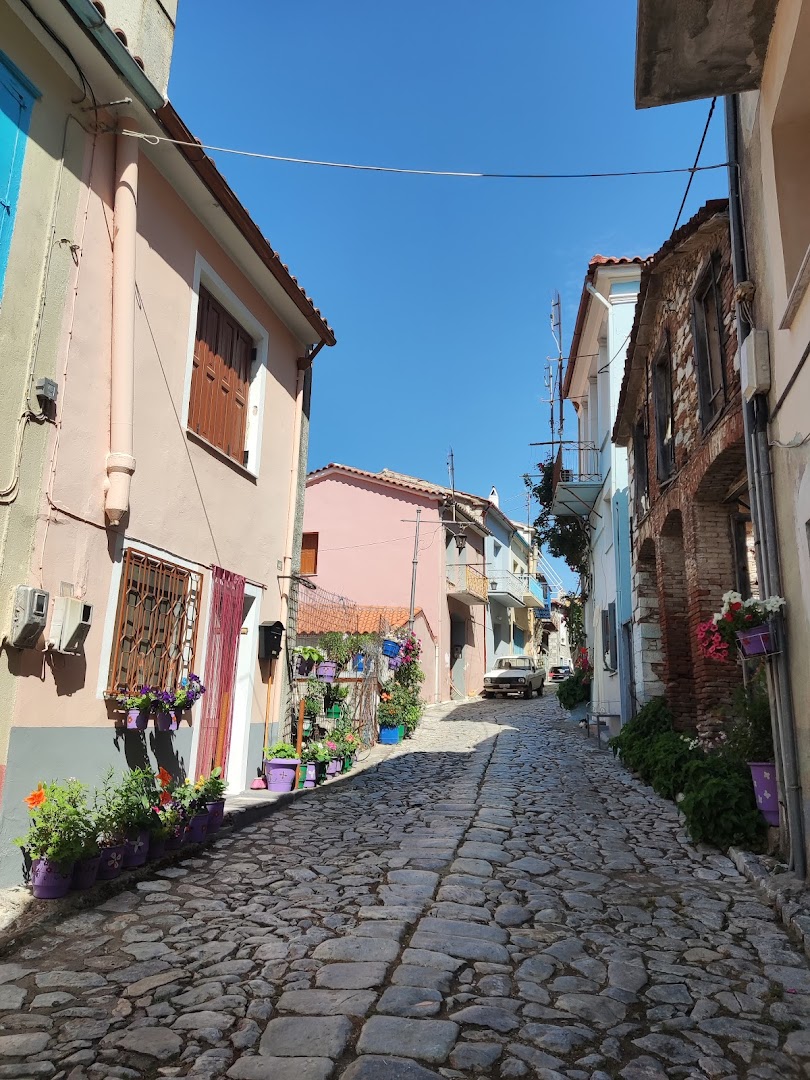
Nestled on the slopes of Mount Olympus — the highest peak on Lesvos — Agiasos is arguably the most atmospheric village on the island. Its steep cobblestone lanes wind through traditional stone houses, artisan workshops, and galleries that preserve centuries of local craftsmanship. The village centres on the Church of the Panagia Vrefokratousa, a major pilgrimage site that draws thousands of visitors annually. Agiasos has a proud tradition in pottery, woodcarving, and folk arts, and its carnival celebrations are among the most spirited in all of Greece.
Before you go
What to expect
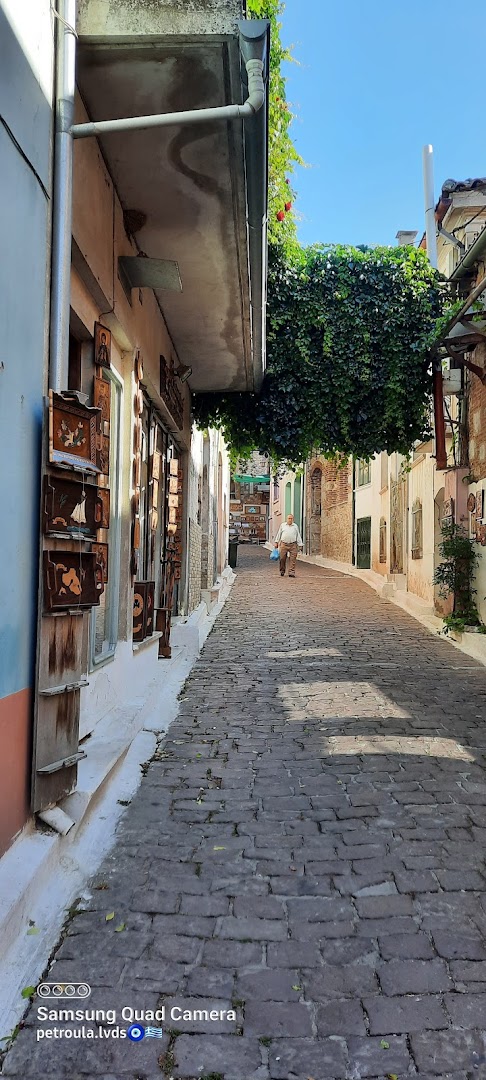
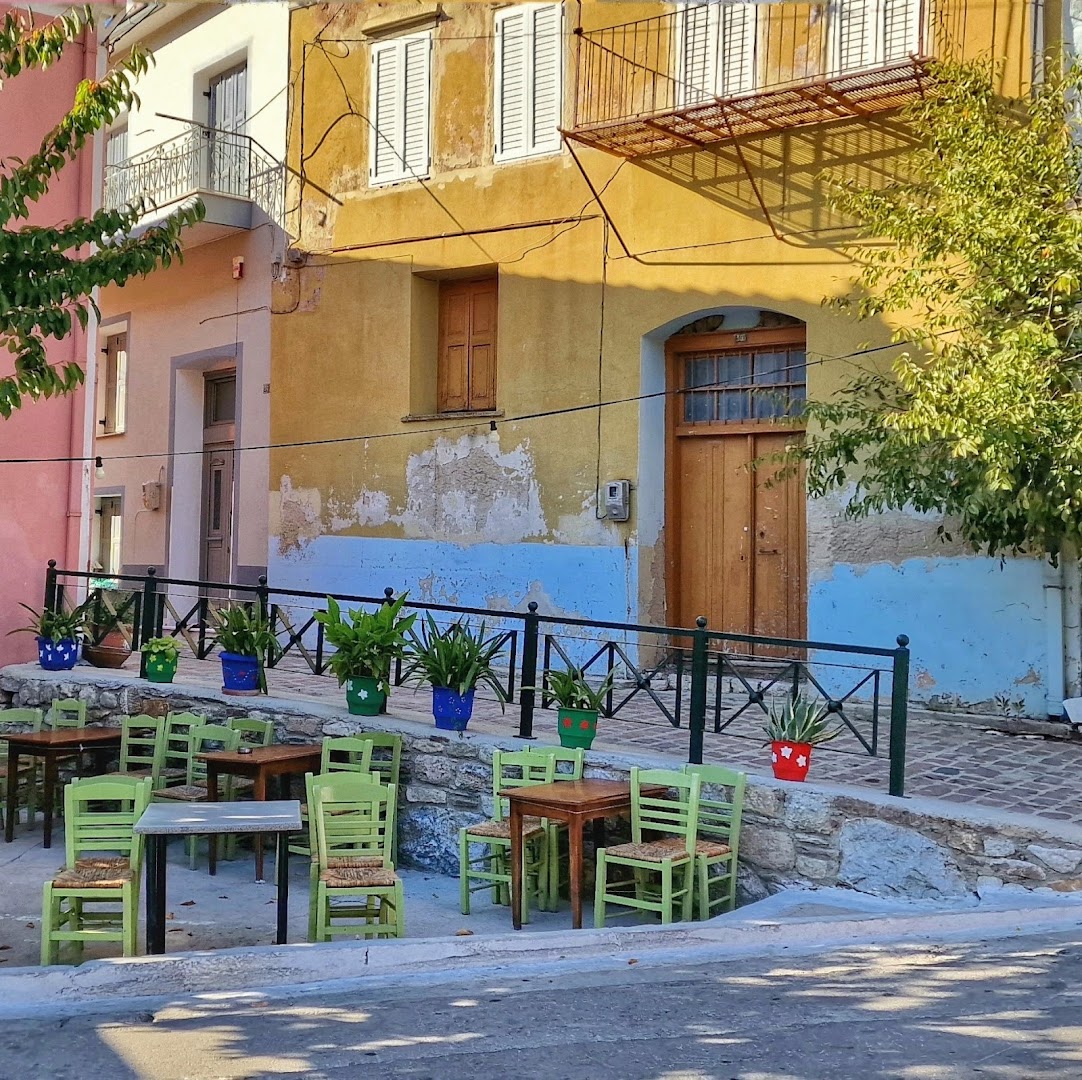
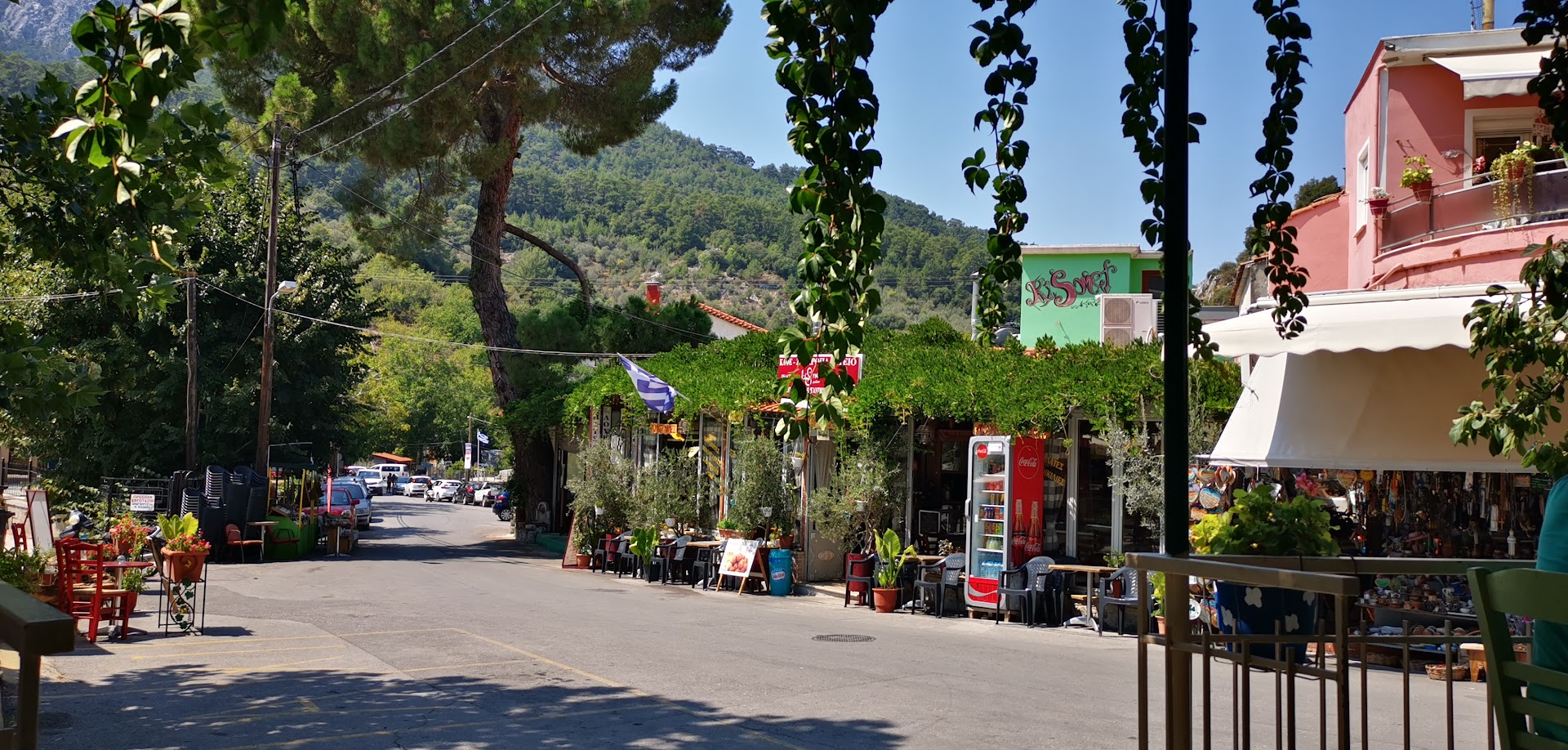
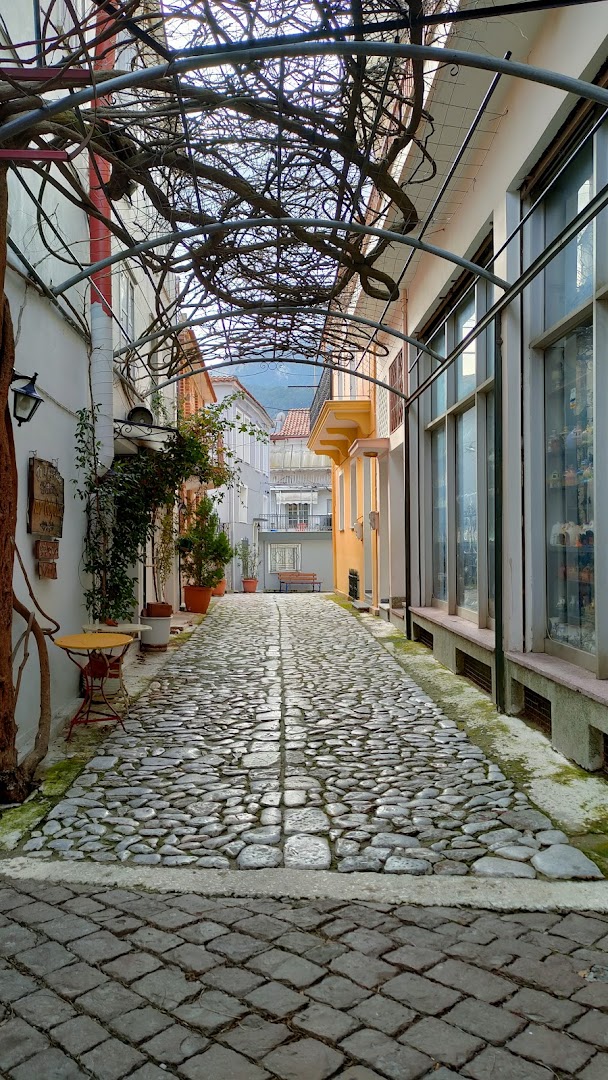
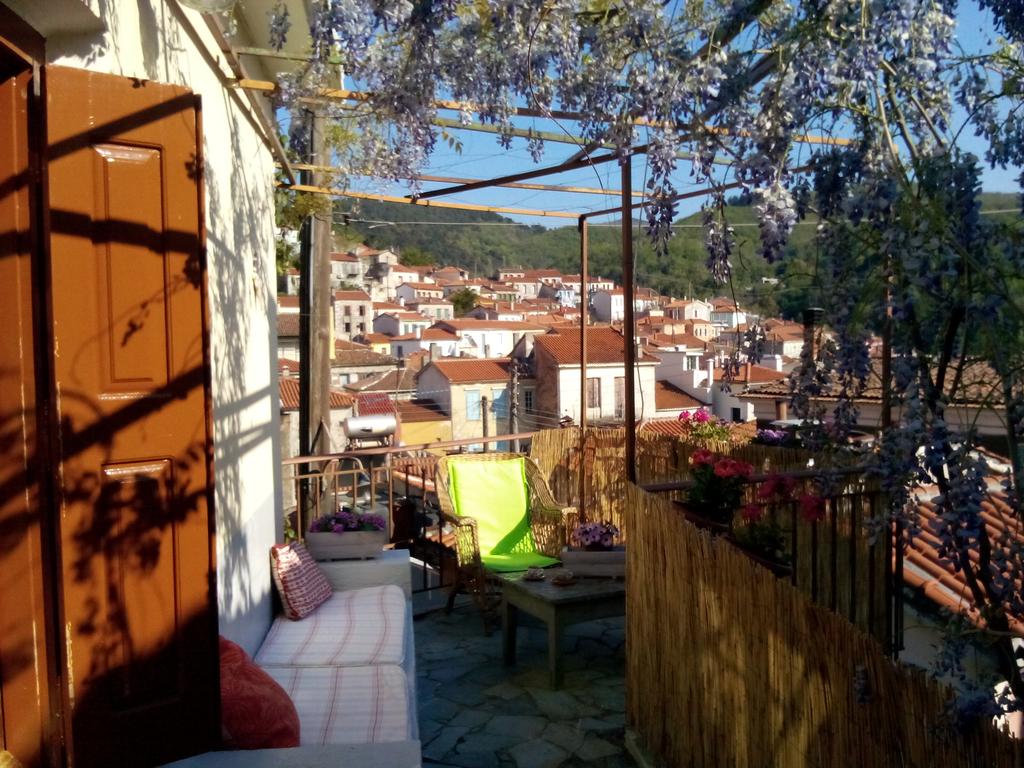
The walk through Agiasos feels like entering a craft village that never stopped — potters and woodcarvers still work in small ateliers off the main lane, and the smell of woodsmoke mingles with coffee from the kafeneions clustered around the church square. The cobbled streets are steep and narrow, shaded by plane trees and old stone walls, and the pace slows noticeably once you leave the road below. During carnival season the village transforms into something genuinely theatrical, with satirical floats and costumes that draw crowds from across the island.
Best time to visit
Late April through June and September through October offer the most comfortable walking temperatures; the pre-Lent carnival, usually in February or March, is worth timing your trip around if festivities interest you.
How to get there
From Mytilene, follow the road inland toward Mount Olympus — the drive takes around 30 to 40 minutes along winding mountain roads. Agiasos sits on the southern slopes and the road climbs steadily as you approach.
Top-Rated in Agiasos
Highest-rated places chosen by visitors
service
Charalampos Kamaros & Co
Nestled in the foothills near Agiasos, one of Lesvos's most characterful and beloved traditional villages, Charalampos Kamaros & Co is a local handyman and artisan workshop serving both the community and visitors with practical skill and craftsmanship. Businesses like this are the quiet backbone of island life, offering repair, maintenance, and handmade goods that reflect the self-reliant spirit of rural Greek communities. The Agiasos area is known for its deep-rooted traditions, its stone-paved lanes, and a local culture that prizes quality workmanship passed down through generations. For visitors, stopping by a workshop of this kind offers a genuine glimpse into everyday Lesvos beyond the tourist trail. Whether you need something fixed during your stay or are simply curious about local trades and the people who keep village life running, places like this carry a warmth and authenticity that is hard to find elsewhere. Agiasos itself is well worth a visit for its medieval old town, the Church of the Panagia Agiasos, and its famous carnival traditions, and Charalampos Kamaros & Co fits naturally into the fabric of this proudly traditional community.
supermarket
Orfanos Supermarket
Orfanos Supermarket is a local market conveniently located near Agiasos, one of Lesvos's most characterful inland villages nestled on the slopes of Mount Olympus. For visitors exploring this part of the island, it serves as a practical and welcoming stop for everyday essentials, fresh local produce, and the kinds of regional staples that make self-catering on Lesvos a pleasure. Stocking a solid range of groceries, household goods, and pantry items, the supermarket caters to both local residents and travelers passing through the verdant interior of the island. Visitors can expect to find Greek staples such as olive oil, local cheeses, olives, and preserved goods alongside fresh basics — the sort of provisions that make a picnic in the surrounding pine forests or a stay in a village guesthouse far more enjoyable. Stopping at a neighborhood supermarket like Orfanos is also a small window into everyday life on Lesvos, away from the tourist-facing shops of the coastal towns. The area around Agiasos is known for its traditional character and lively local culture, and a visit to a community fixture like this one offers a grounded, authentic complement to the more celebrated sights of the island's interior.
cafe
Coffee House
A simple, welcoming coffee house in Agiasos offering excellent coffee and delivery service. The establishment is fully wheelchair-accessible with accessible seating and toilet facilities, making it inclusive for all visitors. Perfect for a quick coffee break or remote work while enjoying village hospitality.
shop
Handpainted Ceramics Yiota Soulakelli
Tucked within or near the charming mountain village of Agiasos, Handpainted Ceramics by Yiota Soulakelli offers visitors a chance to encounter authentic Greek artisanship in one of Lesvos's most atmospheric settings. Agiasos itself is celebrated as a village of folk tradition, carnival spirit, and creative vitality, and a ceramics studio of this kind fits naturally into the community's long-standing appreciation for handmade craft. Here, the work is not mass-produced or imported — each piece is conceived and painted by hand, carrying the personal touch of the artist in every brushstroke. Visitors stepping inside can expect to find a range of ceramic pieces that draw on the colors and motifs of the Aegean world — earthy terracottas, deep blues, olive greens, and the sun-bleached whites that characterize island life. Whether you are browsing for a small keepsake to carry home or searching for something more substantial to grace a table or a wall, the studio offers items that feel genuinely rooted in place. Purchasing directly from an artist like Yiota Soulakelli means taking home not just an object but a piece of someone's creative practice and a living connection to the island. For travelers who have grown tired of the generic souvenir shops that line tourist routes elsewhere in Greece, this kind of artisan stop is a genuine find. Agiasos rewards those who slow down and look carefully, and a visit to a handpainted ceramics workshop here is exactly that kind of discovery — unhurried, personal, and memorable long after the holiday ends.
Practical Info
Supermarket
2 stores
Medical / Pharmacy
2 facilities
Petrol Station
Elin Petrol
ATM / Bank
Alpha Bank ATM Agiasos
Transport
Not found
All Businesses
Agiasos
Agiasos Agricultural Olive Oil Cooperative
Agiasos Classic Stone House
Agiasos Classic Stone House
Agiasos Cultural Center - Η Ανάπτυξη
Agiasos Field
Agiasos Homestay
Agiasos House
Agiasos Library
Agiasos Stavri Traditional Stone House
Agiasos Traditional House
Agiasos Traditional House
Churches & Religious Sites
Αγ. Δημήτριος
Ag. Dimitrios
Nestled in the verdant hills near Agiasos, one of Lesvos's most culturally vibrant inland villages, the Church of Agios Dimitrios stands as a quiet testament to the enduring Orthodox faith of the island's communities. Dedicated to Saint Dimitrios of Thessaloniki, one of the most beloved military martyrs in the Greek Orthodox tradition, the church draws both the devout and the curious traveler seeking to understand the spiritual landscape of the Aegean. Saint Dimitrios, venerated as a protector and healer, holds a special place in the hearts of communities across Greece, and this modest rural sanctuary reflects the deep personal devotion that local families have maintained across generations. The church, like many found in the olive-covered interior of Lesvos, exemplifies the vernacular ecclesiastical architecture of the Eastern Aegean — thick stone walls, a characteristic barrel-vaulted or pitched roof, and an intimate interior where candlelight catches the gilded surfaces of the iconostasis. Visitors stepping inside will typically encounter icons rendered in the Byzantine tradition, their flat, luminous figures conveying a spiritual gravity that has comforted worshippers for centuries. The iconostasis, separating the nave from the sanctuary, likely features a central icon of Agios Dimitrios depicted in his traditional red military cloak, lance in hand, a symbol of courage and divine intercession. The feast day of Agios Dimitrios falls on the 26th of October, a date that carries particular resonance in Greece as it coincides with Ohi Day, the national commemoration of Greece's refusal to capitulate in 1940. This confluence lends the celebration an added layer of communal meaning, blending religious observance with national pride in a way that is quintessentially Greek. Locals from Agiasos and the surrounding villages gather for the liturgy, followed by the warm conviviality of shared food and music that characterizes feast days in this part of Lesvos. For the visitor, timing a trip to coincide with this occasion offers a rare and authentic glimpse into the living traditions that have sustained island life for centuries.
Αγία Ειρήνη Χρυσοβαλάντου
Agia Eirini Xrisovalandou
Tucked into the verdant, pine-forested hills near Agiasos, the church of Agia Eirini Xrisovalandou is dedicated to Saint Irene Chrysovalantou, a ninth-century Byzantine nun and abbess venerated throughout the Orthodox world for her deep asceticism and reported gift of miracle-working. Saint Irene entered monastic life at the prestigious Chrysovalidou Monastery in Constantinople, where she eventually became abbess and was renowned for her spiritual discipline, long vigils, and compassion toward the sick and suffering. Her feast day, celebrated on the twenty-eighth of July, draws local faithful and pilgrims to churches bearing her name across Greece, and this quiet hillside chapel near Agiasos observes that tradition with liturgical services that anchor the surrounding community to her memory. The church itself reflects the vernacular ecclesiastical architecture typical of rural Lesvos: a modest stone structure with a pitched terracotta-tiled roof, whitewashed walls, and an intimate interior that speaks more to devotion than to grandeur. Like many small parish churches on the island, it likely houses a carved wooden iconostasis separating the nave from the sanctuary, with icons rendered in the Byzantine tradition depicting the saint in her monastic robes alongside Christ, the Theotokos, and other figures from the Orthodox calendar. The simplicity of the space invites quiet contemplation, and the surrounding landscape — dense with olive groves and chestnut trees for which the Agiasos area is celebrated — lends the site a serene, almost otherworldly atmosphere that feels entirely appropriate to its spiritual purpose. For visitors exploring the interior of Lesvos beyond the coastal resorts, this small church offers a window into the living religious culture of the island's villages. Agiasos itself is one of Lesvos's most characterful settlements, with a storied tradition of folk art, literature, and the famous pre-Lenten carnival, and churches like this one form the quiet devotional backbone of that communal life. Whether you arrive on the feast day to witness the gathered community at worship or simply stop to light a candle in the cool shade of its interior, Agia Eirini Xrisovalandou rewards the unhurried traveller with a sense of continuity — a place where the rhythms of Byzantine Christianity have persisted, largely unchanged, for generations.
Αγία Τριάδα
Agia Triada
Dedicated to the Holy Trinity — Agia Triada in Greek — this small Orthodox church sits in the verdant landscape near Agiasos, one of Lesvos's most beloved inland villages. The Holy Trinity is among the most venerable dedications in the Orthodox calendar, celebrated on the Sunday of Pentecost, fifty days after Easter, when communities across Greece gather for liturgy, feasting, and the kind of unhurried togetherness that defines village life on the island. Churches bearing this dedication are often intimate in scale yet rich in devotional character, their interiors warmed by the glow of oil lamps and the accumulated prayers of generations. The area around Agiasos is thickly forested with chestnut and oak, and churches like Agia Triada are woven into the rhythms of the agricultural and pastoral communities that have worked these hillsides for centuries. Visitors who make the effort to seek out smaller chapels in this part of Lesvos are often rewarded with hand-painted iconostases, locally crafted wooden furnishings, and a quietude that is increasingly rare. The icons found in such churches typically follow the Byzantine tradition, with the Holy Trinity sometimes depicted in the form of the three angels who visited Abraham — the image known as the Philoxenia, or Hospitality of Abraham — rendered in the warm ochres and deep crimsons characteristic of Aegean religious art. For the local community, Agia Triada is more than an architectural landmark; it is a living focal point for faith and memory, the site of name-day celebrations, memorial services, and the seasonal liturgies that mark the passage of the year. Travelers exploring the interior of Lesvos beyond the coastal resorts will find in places like this a window into the island's deeply rooted Orthodox culture — a tradition that has shaped everything from its cuisine and music to the very layout of its villages.
Άγιος Γρηγόριος Θεολόγος
Agios Grigorios Theologos
Tucked into the verdant landscape near Agiasos, the church of Agios Grigorios Theologos is dedicated to Saint Gregory of Nazianzus, one of the most revered theologians in all of Eastern Christianity. Known as "the Theologian" — a title shared in Orthodox tradition only with the Apostle John — Saint Gregory was a fourth-century bishop and Doctor of the Church whose writings on the Holy Trinity profoundly shaped Christian doctrine. His feast day is celebrated on January 25th in the Orthodox calendar, and together with Saints Basil the Great and John Chrysostom, he is also honored on the Feast of the Three Hierarchs on January 30th, a celebration that carries particular warmth in Greek communities as it coincides with the blessing of letters and learning. The church sits in a region renowned for its deep religious heritage. Agiasos itself is one of Lesvos's most atmospheric villages, draped across the forested slopes of Mount Olympus and long known as a center of culture, wit, and Orthodox faith. Churches in this area typically follow the single-nave basilica style common to rural Lesvos, their interiors luminous with oil lamps, carved wooden iconostases, and devotional icons rendered in the Byzantine tradition. While specific details of the interior's artwork are best discovered on a personal visit, such churches invariably house locally venerated icons and bear the handwork of generations of faithful parishioners. For visitors, Agios Grigorios Theologos offers a quietly contemplative experience away from the bustle of the coast. The surrounding landscape of pine and chestnut forest makes the approach itself a pleasure, and attending a liturgy here — particularly around the January feast days — provides a genuine window into the living Orthodox faith that underpins daily life across Lesvos. Even outside of services, the church stands as a testament to the enduring spiritual geography of the island, where nearly every hilltop, grove, and village square carries the name and presence of a saint.
Άγιος Ιωάννης Πρόδρομος
Agios Ioannis Prodromos
Dedicated to Agios Ioannis Prodromos — Saint John the Forerunner, the prophet who heralded the coming of Christ and performed his baptism in the River Jordan — this church sits in the verdant hills near Agiasos, one of Lesvos's most storied inland villages. The dedication to the Forerunner is among the most venerable in Orthodox Christianity, and churches bearing his name are found across the Greek world, each serving as a spiritual anchor for the community that tends them. Set against the forested slopes of Mount Olympos, the landscape surrounding this church carries an almost biblical quiet, with the scent of pine and wild herbs drifting through the air and the distant sounds of the village below. Inside, visitors typically encounter the layered richness of Orthodox devotional art that defines churches of this region — darkened icon screens bearing painted saints, oil lamps casting a warm amber glow, and the particular hush that settles over anyone who steps across the threshold. The feast day of Saint John the Forerunner is celebrated with especial solemnity on 7 January, the day after Epiphany, and again on 24 June for his Nativity, when local communities gather for liturgy, candlelight, and the communal rituals that have marked these dates for generations. A second commemoration on 29 August, marking his beheading, rounds out a calendar of devotion that keeps the church alive throughout the year. For travellers exploring Agiasos and the mountainous interior of Lesvos, a visit to this church offers a window into the island's deeply rooted Orthodox faith and its intertwining with daily rural life. Agiasos itself is celebrated for its folk traditions, its carnival, and the great monastery of the Panagia, and the presence of a church like this one nearby speaks to the density of spiritual geography that characterises the Lesbian countryside. Whether you arrive during a feast day or simply pause for a moment of reflection on a quiet afternoon, the church of Agios Ioannis Prodromos rewards the unhurried visitor with a sense of continuity — a place where the sacred rhythms of the Orthodox year have been observed, unbroken, across many generations.
Άγιος Πανέρας
Agios Paneras
Perched in the forested hills above Agiasos, the small church of Agios Paneras is a quiet testament to the deep religious traditions that have shaped life in this part of Lesvos for centuries. The surrounding landscape of pine and chestnut woodland gives the site a contemplative character, drawing both the devout and the curious traveller who wanders the rural paths that connect the scattered chapels and shrines of the Agiasos hinterland. Like many rural churches of the eastern Aegean, it likely follows the simple single-nave basilica form common to Byzantine and post-Byzantine vernacular architecture on the island, with whitewashed walls, a terracotta-tiled roof, and an interior that preserves the devotional atmosphere of generations of local worship. Agiasos itself is one of Lesvos's most culturally vibrant villages, renowned for its intellectual traditions, its lively carnival, and above all for the revered Church of the Panagia Agiasos, which draws pilgrims from across the island and beyond. Within this richly religious community, neighbourhood chapels like Agios Paneras serve as focal points for the surrounding families and smallholdings, marking the rhythm of the agricultural and liturgical year. The feast day of the patron saint would traditionally bring together local families for a panegyri — the festive gathering of liturgy, music, food, and communal memory that remains the heartbeat of Greek village life. For visitors, the appeal of Agios Paneras lies not in grand architecture or famous artefacts, but in the authenticity of encountering a living place of faith embedded in a working landscape. The walk from Agiasos through the cool shade of the chestnut groves is itself a reward, and arriving at the small church offers a moment of stillness that is increasingly rare. Whether you light a candle in the narthex or simply sit on the stone wall outside to take in the wooded valley below, this is the kind of place that reveals the quieter, unhurried soul of Lesvos.
Church (39.0843, 26.3738)
Nestled in the forested hills of central Lesvos, the village of Agiasos is one of the island's most spiritually significant settlements, and any church found within or near its bounds carries the weight of deep Orthodox devotion. The area takes its very name from a sacred icon — tradition holds that a revered icon of the Virgin Mary was brought to this mountainous refuge centuries ago, drawing pilgrims and shaping the identity of the community ever since. Churches in this region typically reflect the robust stone-building traditions of the Lesbian interior, with thick-walled construction, modest exteriors, and interiors warmed by candlelight, gilded iconostases, and the lingering scent of incense. Frescoes and portable icons in such churches often follow Byzantine conventions, depicting saints and gospel scenes in rich ochres, deep reds, and celestial blues. For visitors, stepping inside a church near Agiasos means entering a living space of community memory. These are not museums but active places of worship where villagers gather for liturgies, name-day celebrations, and the great feast days of the Orthodox calendar. The Dormition of the Theotokos on the fifteenth of August is observed with particular intensity throughout Lesvos, drawing pilgrims from across the island and the diaspora. The surrounding landscape of chestnut and olive groves only deepens the contemplative atmosphere, and the mountain air carries a stillness that makes the spiritual dimension of the place feel entirely natural. Whether you arrive as a believer or simply as a curious traveler, the quiet dignity of these hillside churches offers a genuine encounter with the soul of Lesvos.
Ekklisia Profitis Ilias
Perched on elevated ground near the storied village of Agiasos, the Church of Profitis Ilias (Prophet Elijah) occupies a position entirely in keeping with its dedication. Across Greece, chapels and churches consecrated to the Old Testament prophet are traditionally built on hilltops and prominent ridges, a custom rooted in the Biblical narrative of Elijah's encounter with God on Mount Horeb and his dramatic confrontation with the priests of Baal on Mount Carmel. This hilltop tradition gives Profitis Ilias churches a commanding, almost elemental quality, and the one near Agiasos is no exception, sitting within a landscape of pine-clad slopes and the ancient agricultural terraces that define this part of central Lesvos. The setting alone makes the short journey from the village worthwhile. Like many rural chapels on the island, the church follows the modest but harmonious whitewashed vernacular style typical of the eastern Aegean, with thick stone walls suited to the Mediterranean climate and a simple bell tower that rings out across the valley. Inside, visitors will find the warm atmosphere characteristic of small Greek Orthodox churches — oil lamps, the scent of incense, and an iconostasis bearing the sacred images central to Orthodox worship. The icon of the Prophet himself, depicted in the fiery chariot described in scripture, is a standard and beloved image in churches of this dedication throughout Greece, and likely graces this chapel as well. The feast day of Profitis Ilias, celebrated on 20 July, is one of the most widely observed saints' days in Greece and transforms hilltop churches like this one into focal points of community life. Families and pilgrims from Agiasos and surrounding villages gather for the liturgy, followed by the convivial outdoor celebrations — music, food, and conversation — that define the Greek panigiri tradition. Agiasos itself is one of Lesvos's most culturally vibrant villages, renowned for its intellectual heritage and its exuberant pre-Lenten carnival, and a visit to Profitis Ilias pairs naturally with an exploration of the village's cobbled lanes, its central church of the Panagia Agiasos, and the shaded kafeneions beneath its medieval arcade.
εξωκλήσι Αρχάγγελου Μιχαήλ
Exoklisi Archangelou Michail
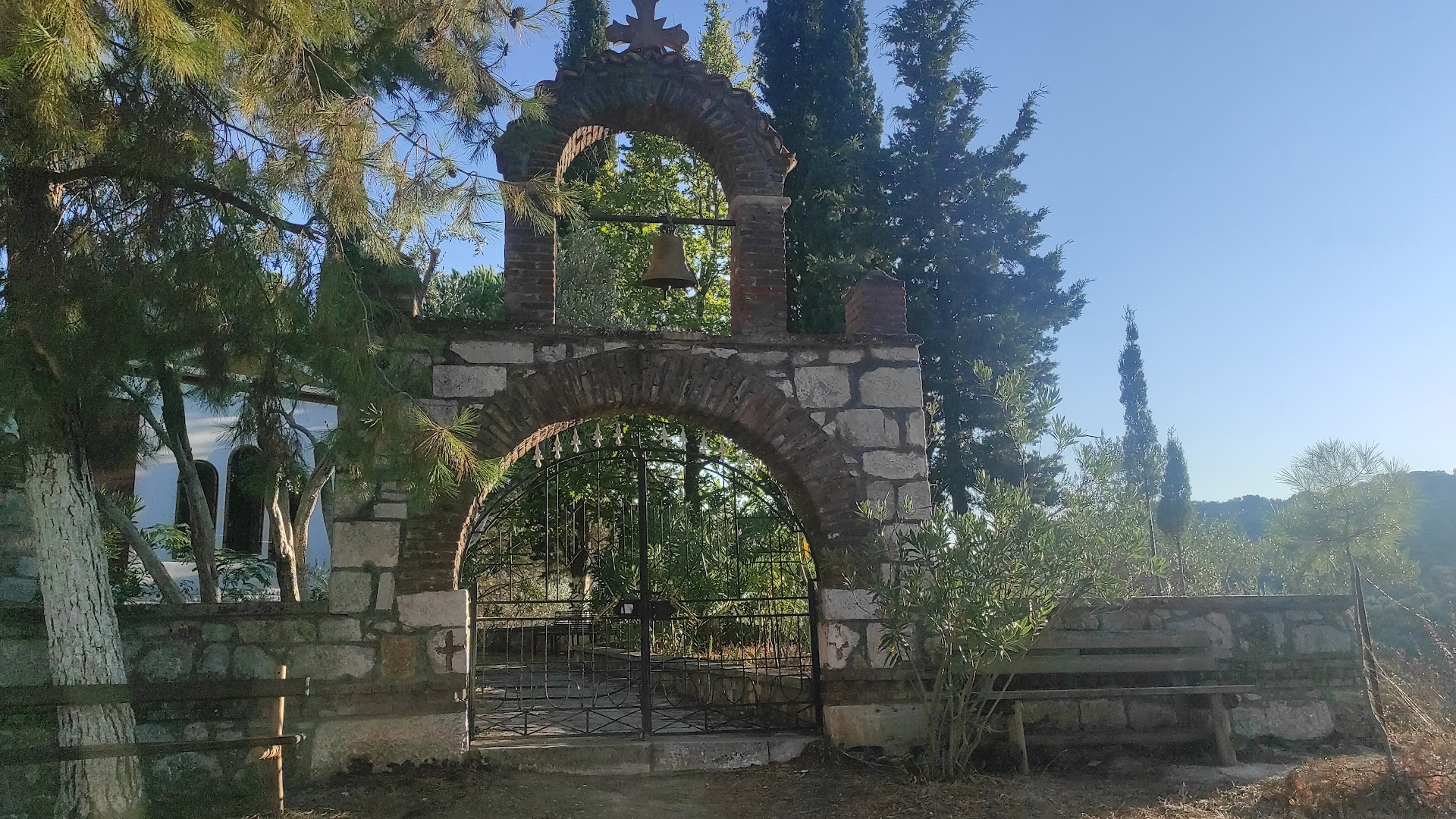
Nestled in the verdant landscape surrounding the mountain village of Agiasos, the Exoklisi Archangelou Michail is a rural chapel dedicated to the Archangel Michael, one of the most venerated figures in the Greek Orthodox tradition. Archangel Michael holds a place of profound importance in the spiritual life of Lesvos and the wider Aegean world, revered as the commander of the heavenly hosts, the protector of the faithful, and the guide of souls. Chapels bearing his dedication are often found in elevated or prominent settings, and this exoklisi — the Greek term for a small, typically single-nave rural chapel — fits that tradition, sitting quietly in the wooded hills that define this part of the island's interior. Like most exoklisia on Lesvos, this chapel is likely built in the simple vernacular style characteristic of the region: whitewashed stone walls, a modest bell tower or hanging bell, and a tiled roof that blends naturally into the surrounding countryside. Inside, visitors can expect the intimate atmosphere common to such rural shrines — an iconostasis bearing the image of the Archangel, oil lamps casting a warm glow, and votive offerings left by the faithful over generations. The principal feast day for Archangel Michael falls on the 8th of November, when even small rural chapels like this one draw worshippers from surrounding villages for a liturgy, often followed by communal gathering and celebration. For visitors exploring the Agiasos area — already beloved for its medieval alleyways, vibrant carnival tradition, and the revered Monastery of the Panagia — a visit to this chapel offers a quieter, more contemplative counterpoint. It speaks to the deep-rooted practice among Lesvos communities of maintaining sacred spaces in the landscape itself, marking hills, crossroads, and groves with small sanctuaries that have served as anchors of local faith for centuries. Whether you encounter it during the bustle of a name-day celebration or in the still of an ordinary afternoon, the Exoklisi Archangelou Michail is a reminder of how profoundly the spiritual and natural worlds intertwine on this island.
Παναγιά
Panagia
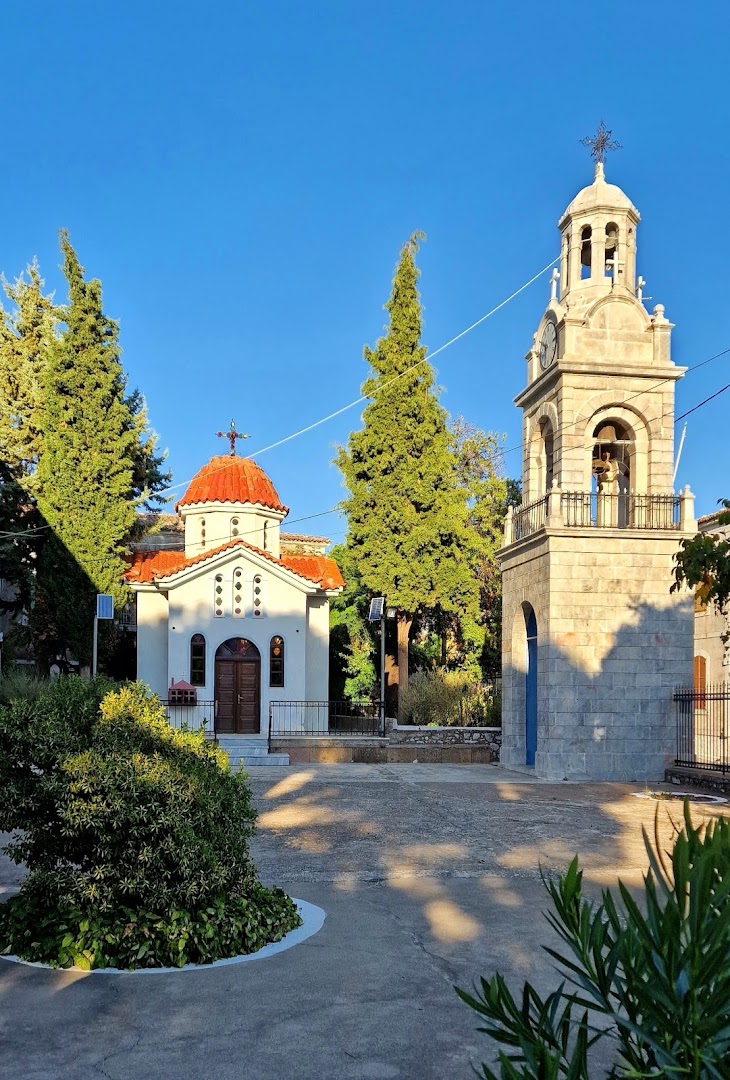
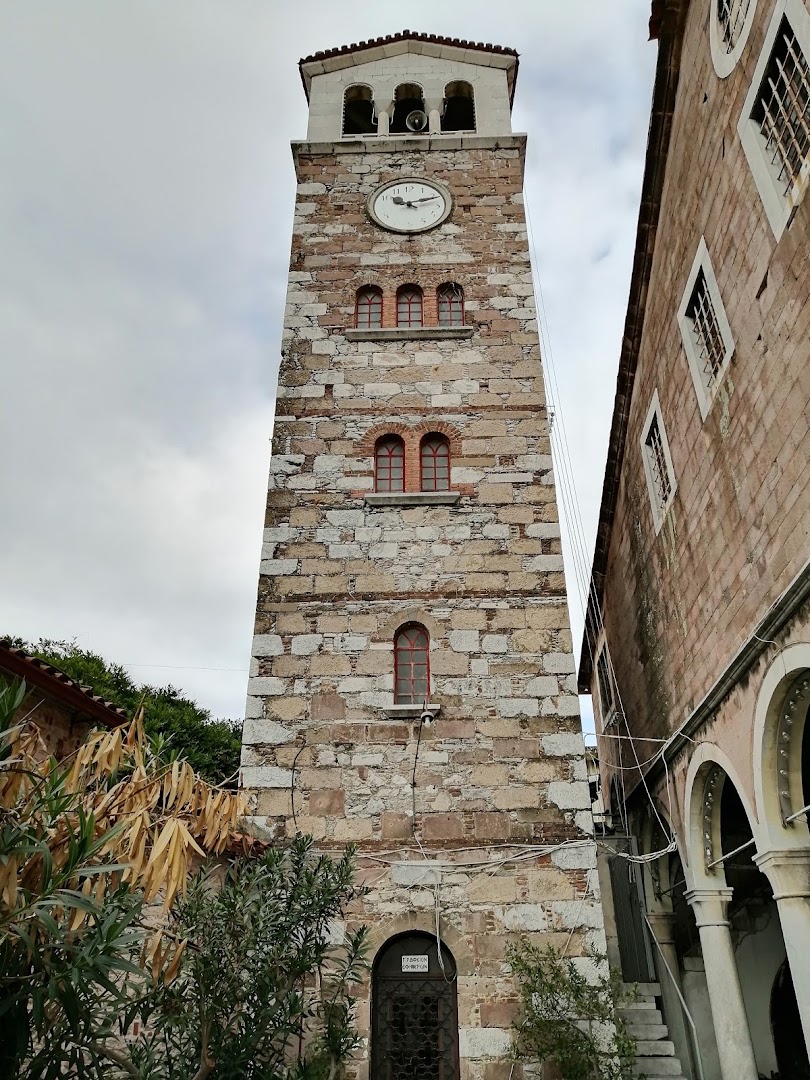
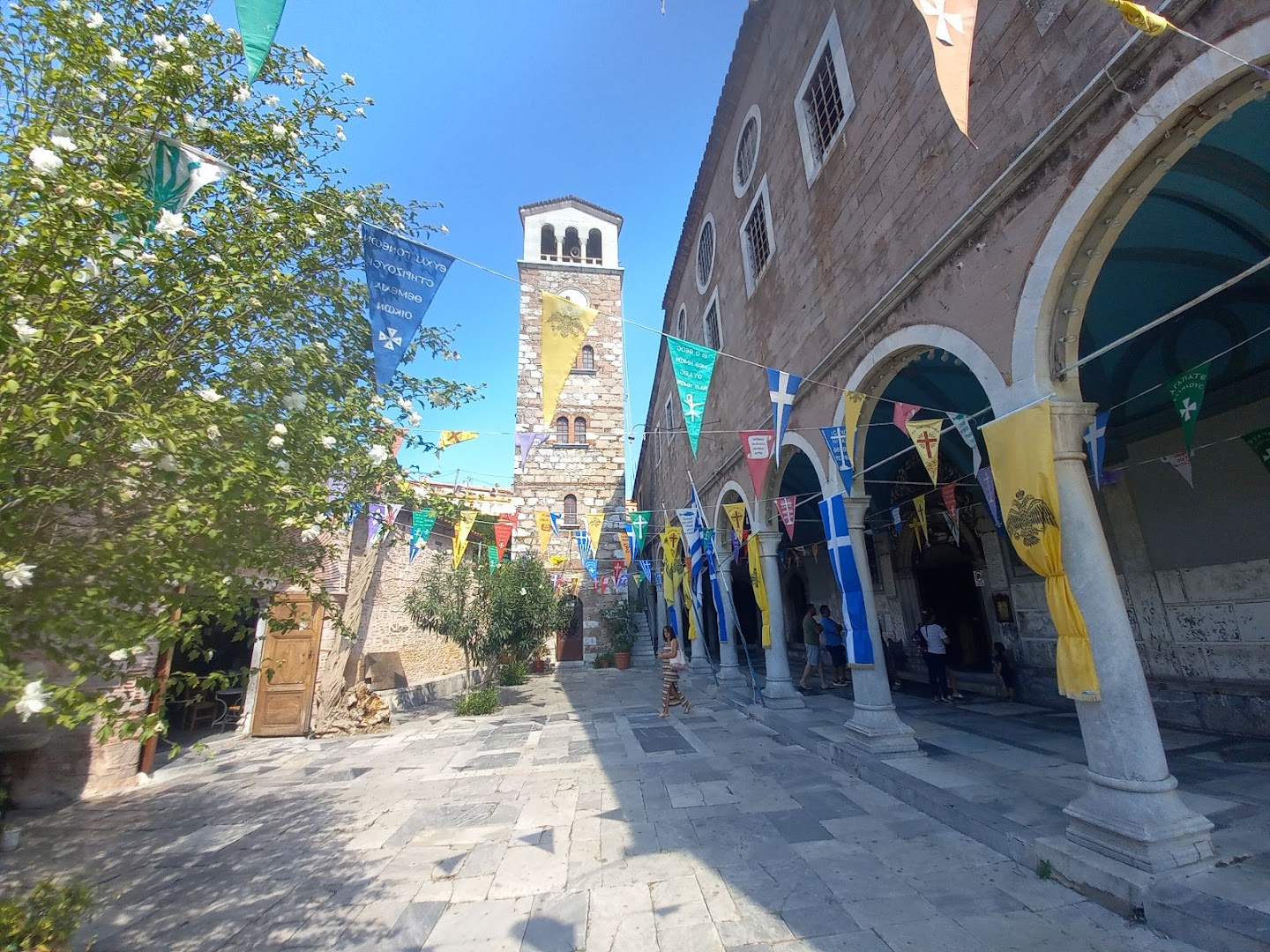
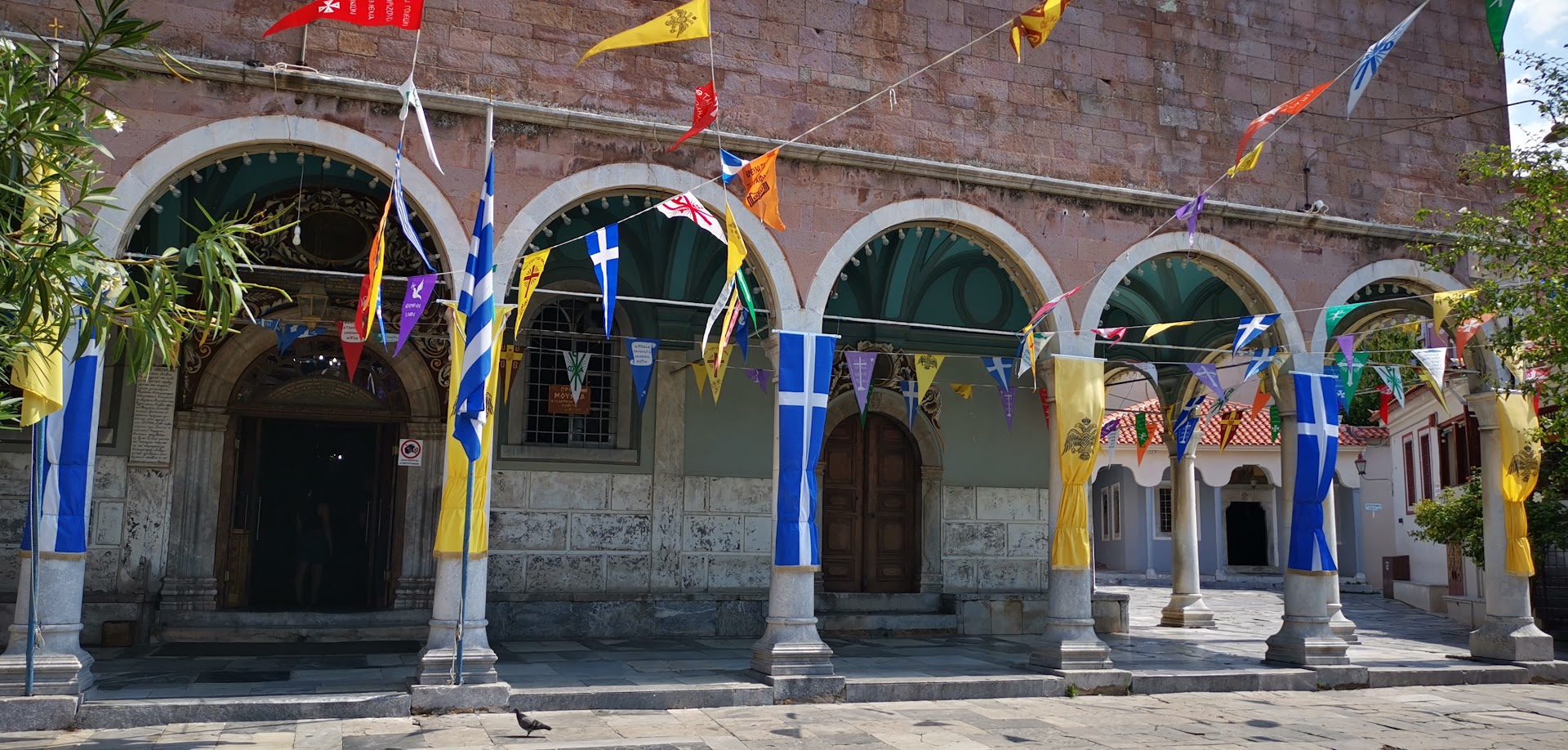
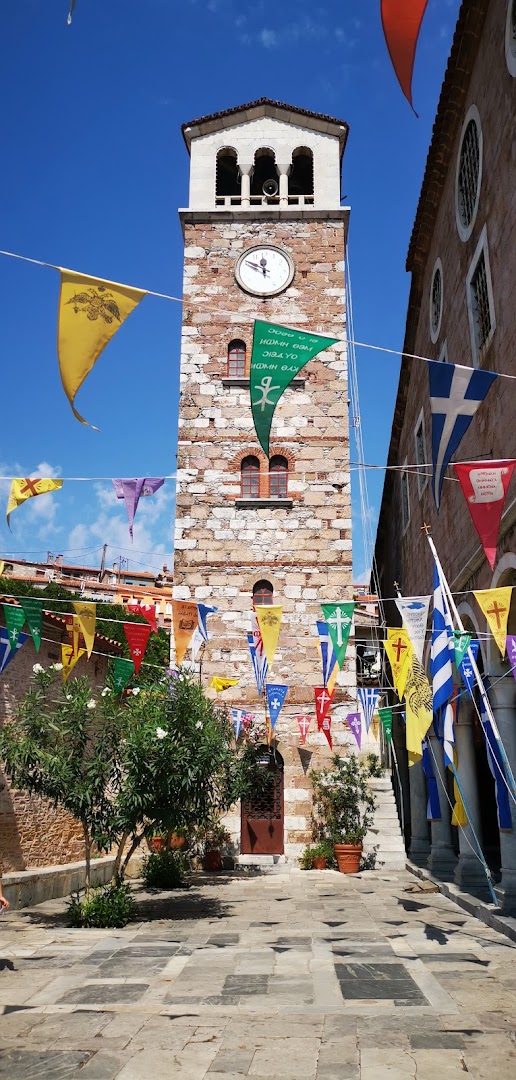
Nestled in the forested heart of Lesvos, the Church of the Panagia in Agiasos is one of the most venerated sacred sites on the island. Dedicated to the Virgin Mary, the church is inseparable from the identity of Agiasos itself — the village grew up around it, and the two have been bound together for centuries. At the heart of the church's significance is a deeply revered icon of the Theotokos, the Mother of God, which local tradition holds was brought to Lesvos from Constantinople. The icon draws pilgrims from across the Aegean, particularly on August 15th, the Feast of the Dormition of the Virgin Mary, when Agiasos erupts into one of the most celebrated panegyris festivals in Greece, drawing thousands of faithful and visitors who fill the cobbled lanes, the church courtyard, and the surrounding pine-shaded squares. The church building reflects the modest, robust character of traditional Greek Orthodox ecclesiastical architecture in the Aegean, with its stone construction blending seamlessly into the medieval-feeling village that surrounds it. Inside, the atmosphere is rich with candlelight and incense, and the gilded iconostasis frames a collection of icons and devotional objects that speak to generations of faith and gratitude. The surrounding neighborhood of Agiasos — with its arched passageways, tile-roofed houses, and artisan workshops — feels almost designed to lead the visitor inward toward this spiritual center, making the approach to the church as evocative as the destination itself. For the local community, the Panagia is far more than a place of worship: it is the keeper of collective memory, the anchor of village life, and the reason Agiasos exists where it does. Visiting outside of the August feast day offers a quieter, more contemplative experience, with the sound of running water, birdsong from the chestnut forests above, and the gentle murmur of the village going about its day — a reminder that in Lesvos, the sacred and the everyday have always existed in close and comfortable company.
Προφήτης Ηλίας
Profiris Ilias
Perched in the verdant landscape near the celebrated village of Agiasos, the church of Profitis Ilias — Prophet Elijah — follows a deeply rooted Greek Orthodox tradition of dedicating hilltop sanctuaries to this fiery biblical prophet. Across Greece, Profitis Ilias churches are almost always found on elevated ground, a reflection of the prophet's legendary encounter with God on Mount Horeb and his association with fire, storms, and the divine power of the heavens. This small chapel, set amid the pine-forested slopes that characterize the interior of Lesvos, embodies that timeless connection between sacred space and natural landscape. The church likely follows the simple single-nave basilica style common to rural Aegean chapels, its whitewashed or stone exterior modest by design, focused entirely on devotion rather than display. Inside, visitors may encounter an iconostasis bearing the characteristic icons of Orthodox tradition, with Profitis Ilias depicted in his characteristic red mantle, often surrounded by scenes from his life. The feast day of the Prophet Elijah, celebrated on July 20th, is one of the most widely observed name days across the Greek Orthodox world, and chapels like this one become the focal point of local panigiri celebrations — outdoor liturgies followed by communal feasting, music, and dancing that bring together villagers from Agiasos and the surrounding countryside. For travelers exploring the lush interior of Lesvos and the charming, carnival-famous village of Agiasos, a visit to this hillside chapel offers a moment of quiet reflection and a genuine glimpse into the living religious culture of the island. The surrounding landscape, part of the verdant slopes of Mount Olympos of Lesvos, rewards the journey with sweeping views and the kind of timeless tranquility that has drawn pilgrims and wanderers to these heights for generations.
Παναγία της Αγιάσου
Virgin Mary of Agiasos
Nestled in the pine-forested hills of central Lesvos, the Church of the Virgin Mary in Agiasos is one of the most venerated religious sites on the island, drawing pilgrims and visitors from across Greece and beyond. At its heart is a revered icon of the Virgin Mary traditionally attributed to Saint Luke the Evangelist, which according to Orthodox tradition was brought to Lesvos centuries ago for safekeeping. This sacred icon is the very reason the village of Agiasos grew up around the church, and the settlement's name itself is believed to derive from the Greek word for holy, a testament to how deeply this site has shaped local identity over the generations. The church, which has the character of a fortified monastery in its layout, sits at the center of the picturesque old village, its stone walls and courtyard offering a contemplative sanctuary amid the cobbled lanes and chestnut trees. Inside, the atmosphere is richly Byzantine, with gilded iconostases, hanging oil lamps, and the warm glow of candlelight illuminating devotional artwork accumulated over centuries of worship. The architecture reflects the layered history of the Orthodox tradition in the Aegean, blending the solidity of a place built to endure with the intimacy of a living community church. The feast of the Dormition of the Theotokos on August 15th transforms Agiasos into one of the island's great pilgrimage destinations, as thousands of faithful make their way up through the forested slopes to honor the Virgin Mary. The celebrations combine deep spiritual devotion with the warmth of Greek communal life, with liturgies, processions, and festivity filling the village. For visitors, the church offers not only a meaningful encounter with the Orthodox faith as it is actually practiced in a Greek island community, but also an invitation into the soul of Agiasos itself, a village that has organized its entire life around this ancient and enduring act of reverence.
Zoodochos Pigi
Nestled in the forested hills near Agiasos, one of Lesvos's most characterful and historically rich villages, the church of Zoodochos Pigi — meaning the Life-Giving Spring — belongs to a beloved tradition of Marian sanctuaries found throughout the Orthodox world, typically built near or over a natural spring believed to possess healing properties. The dedication itself is ancient and deeply embedded in Byzantine Christianity, with the feast celebrated on the Friday following Easter, known throughout Greece as Bright Friday or Zoodochos Pigi Friday. This timing, just days after the Resurrection, carries a profound theological resonance: the life-giving waters of the spring become a living symbol of renewal, and communities across the Aegean gather at such churches for liturgy, blessing of water, and festive gatherings that blend the sacred and the communal in the distinctly Greek manner. The church sits in a landscape that rewards the journey to reach it — the pine-covered slopes and ancient chestnut groves surrounding Agiasos have long made this corner of Lesvos feel apart from the coastal world, a place where time moves differently and faith has been practiced quietly for generations. Churches dedicated to Zoodochos Pigi across Greece often feature an iconostasis with a central icon of the Virgin Mary depicted emerging from or presiding over a spring, rendered in the Byzantine iconographic tradition with gold leaf and rich earthy pigments. While the specific interior details of this church are known primarily to its local congregation, visitors who attend on feast days are likely to encounter the warm hospitality of the Agiasos community, a village celebrated for its intellectual and artistic heritage as much as its religious life. For travelers exploring the interior of Lesvos, a visit to this church offers something beyond sightseeing: a quiet encounter with the living continuity of Orthodox devotion in a rural Aegean setting. The proximity to Agiasos means visitors can combine a visit with a walk through the village's stone-paved lanes, a stop at the local tavernas serving traditional mountain cuisine, and perhaps a glimpse of the celebrated Agiasos carnival tradition. The church of Zoodochos Pigi stands as a reminder that across Lesvos, even the smallest sanctuary carries layers of meaning — spiritual, hydrological, and deeply human.
Gallery & Videos
Captured a memorable moment in Agiasos?
Make a day of it
Places worth combining with your visit
Nearby
Beaches
Xeres Evreiakis
8.7 km away
Chalatses
11.2 km away
Kedro Beach
11.5 km away
Melida Beach
11.8 km away