


Museums of Lesvos
18 museums showcasing the island’s rich cultural heritage
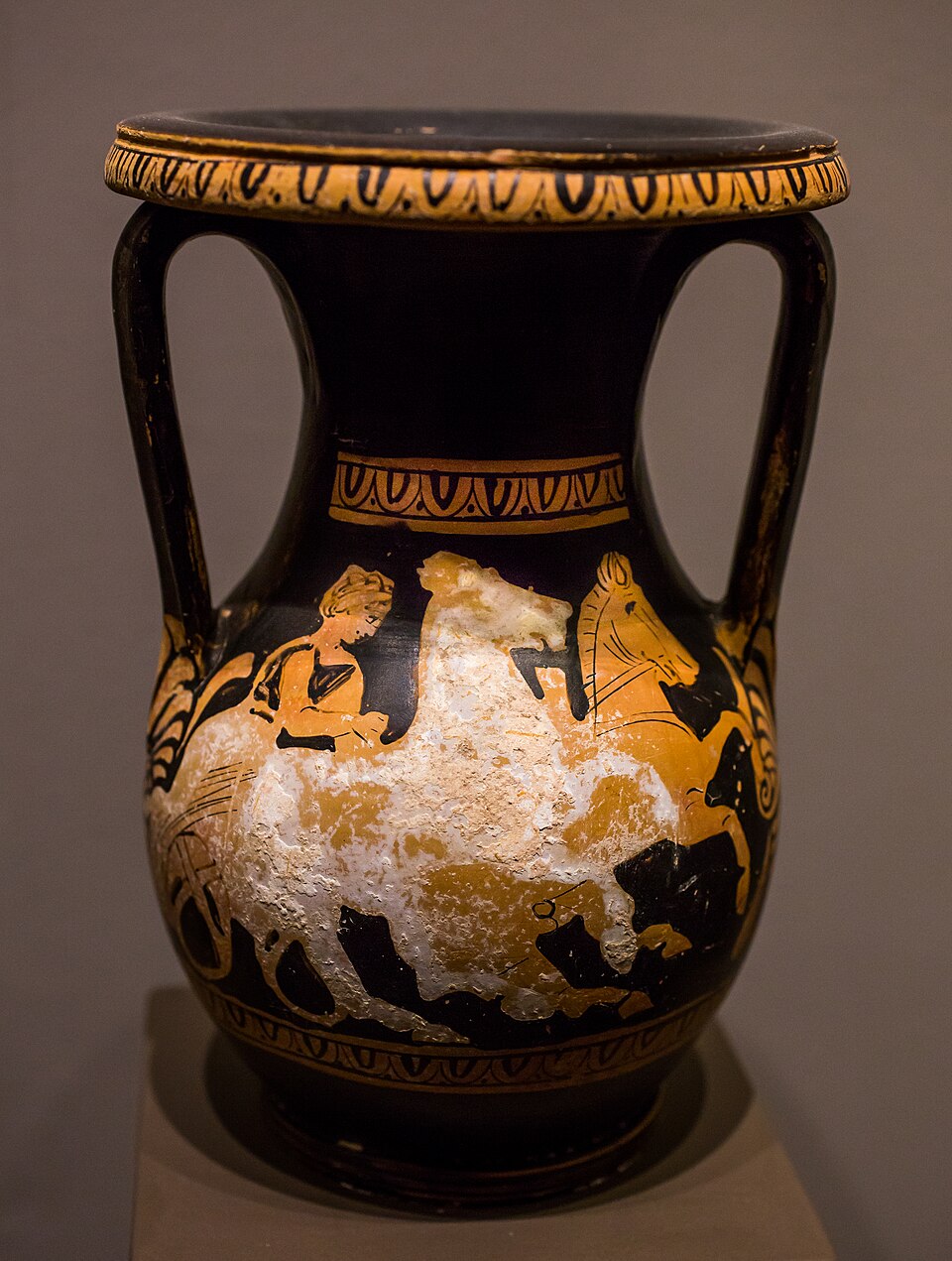
Archaeological Museum - New Building
Αρχαιολογικό Μουσείο
The Archaeological Museum of Mytilene is a museum in Lesbos in Greece. Initially the museum was housed in a building erected by the American Classic Studies School in 1935. Due to geological problems, the stability of the building was damaged and, in 1965, the museum's collection was partly moved to the Bournazos family mansion, originally built in 1912, which was acquired by the Ministry of Culture in the same year.
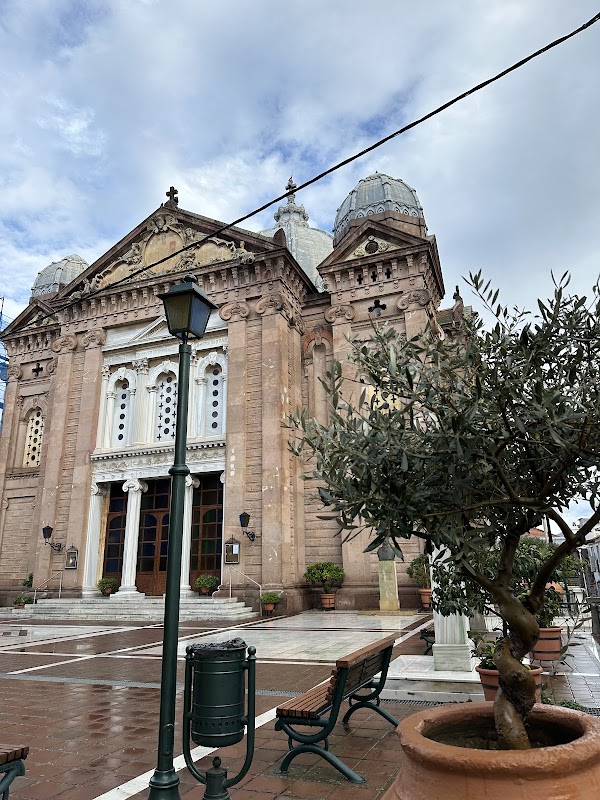
Ecclesiastical Byzantine Museum of Mytilene
Εκκλησιαστικό Βυζαντινό Μουσείο
The Ecclesiastical Byzantine Museum of Mytilene preserves one of the most significant collections of religious art in the Aegean, gathered from churches, monasteries, and private collections across the island of Lesvos. Its holdings span centuries of Byzantine and post-Byzantine tradition, encompassing portable icons, illuminated manuscripts, embroidered vestments, wood-carved iconostases, liturgical vessels, and ecclesiastical embroideries. Many of the icons on display reflect distinct regional painting styles that flourished on Lesvos, where Aegean, Anatolian, and broader Orthodox artistic influences converged over the centuries to produce works of remarkable spiritual intensity and technical refinement. Administered by the Holy Metropolis of Mytilene, the museum occupies a setting in the heart of the island's capital that is itself steeped in ecclesiastical history. Mytilene served as an important seat of the Orthodox Church throughout the Byzantine and Ottoman periods, and the objects here speak to the continuity of Christian worship on the island across centuries of shifting political rule. Visitors encounter not merely decorative artifacts but living expressions of faith — pieces that once adorned active parishes, were carried in processions, or sheltered in monastic cells before finding their way into this carefully curated archive of sacred heritage. For visitors to Lesvos with an interest in Byzantine art, Orthodox Christianity, or the broader cultural history of the eastern Aegean, the museum offers an intimate and often overlooked counterpoint to the island's more widely advertised natural and archaeological attractions. The collection rewards slow, attentive viewing, and the staff are typically knowledgeable and welcoming. As with many ecclesiastical institutions in Greece, opening hours can vary seasonally and around religious feast days, so it is worth confirming times locally before visiting.
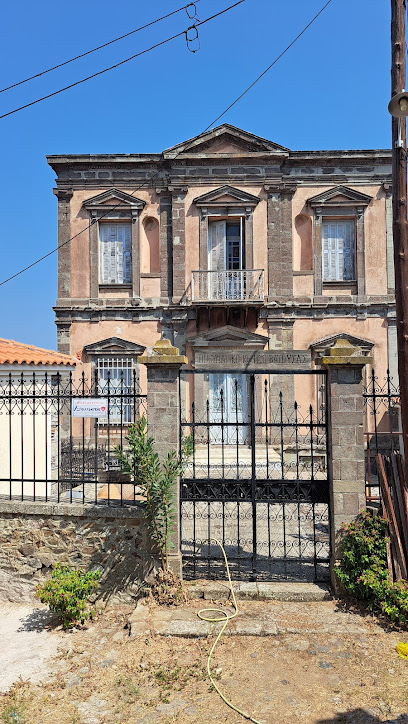
Gogos Mansion
Αρχοντικό Γώγου
The Gogos Mansion stands at the heart of Vatoussa, a mountain village built at 300 metres elevation within the crater of an ancient volcano that last erupted some eighteen million years ago. Erected in the late nineteenth century in the neoclassical style, the mansion was commissioned by the distinguished physician Georgios Gogos and intended as a dowry for his daughter. It rises beside the Church of Panagia, framed by the stone-paved lanes and colourful traditional houses for which Vatoussa is renowned. Following its donation to the Community of Vatoussa, the mansion was carefully restored during the 1980s through a joint effort of the Ministry of Culture and the Prefecture of Lesvos. It has operated as a folklore museum ever since, offering visitors an intimate portrait of rural life in western Lesvos. The collection spans two libraries containing rare books and treatises from the 1800s in Greek and foreign languages, alongside agricultural implements, traditional costumes, historical photographs documenting village life and emigration to the United States, Australia, Canada, and South Africa, as well as period household furnishings. The ground floor serves as an exhibition space for rotating shows that explore the natural heritage and folk culture of the surrounding region. Vatoussa itself — with its labyrinthine medieval alleys, imposing stone architecture, and living traditions — provides a fitting setting for the museum. The village celebrates the Dormition of the Virgin each August, a festival that draws members of the diaspora home and fills the cobbled streets with music and warmth.
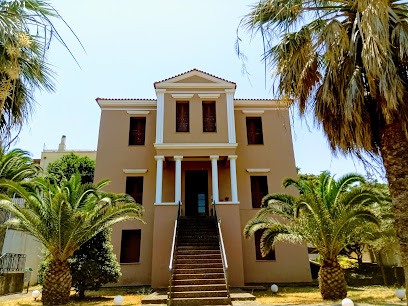
Halim Bey Municipal Art Gallery
Δημοτική Πινακοθήκη Χαλίμ Μπέη
Tucked into the historic fabric of Mytilene, the Halim Bey Municipal Art Gallery occupies a graceful late Ottoman mansion that once belonged to a prominent local dignitary of the same name. The building itself is part of the story: its ornate stonework, generous proportions, and the distinctive blend of Ottoman and neoclassical architectural details speak to the cosmopolitan character that Lesvos maintained well into the early twentieth century, when Greek, Turkish, and broader European influences coexisted and intertwined on the island. Stepping through its doors is as much an exercise in architectural appreciation as it is a visit to an art collection. The gallery serves as a showcase for Greek visual art, with rotating and permanent holdings that range from local Lesbian painters to broader modern and contemporary Greek works. The collection gives particular weight to the figurative and landscape traditions that have long defined Aegean artistic identity, and visitors will often find canvases that capture the island's own light, coastline, and village life rendered by artists who knew this landscape intimately. Temporary exhibitions bring fresh perspectives throughout the year, making return visits rewarding. Beyond its holdings, the Halim Bey gallery plays an important civic role as one of Mytilene's principal cultural venues, hosting openings, community events, and educational programs that connect residents and visitors alike to the island's living arts scene. For travelers exploring Mytilene's atmospheric harbor town, it offers a quieter counterpoint to the bustle of the waterfront promenade — a chance to sit with the island's layered history and its ongoing creative life in a setting that feels genuinely of this place.
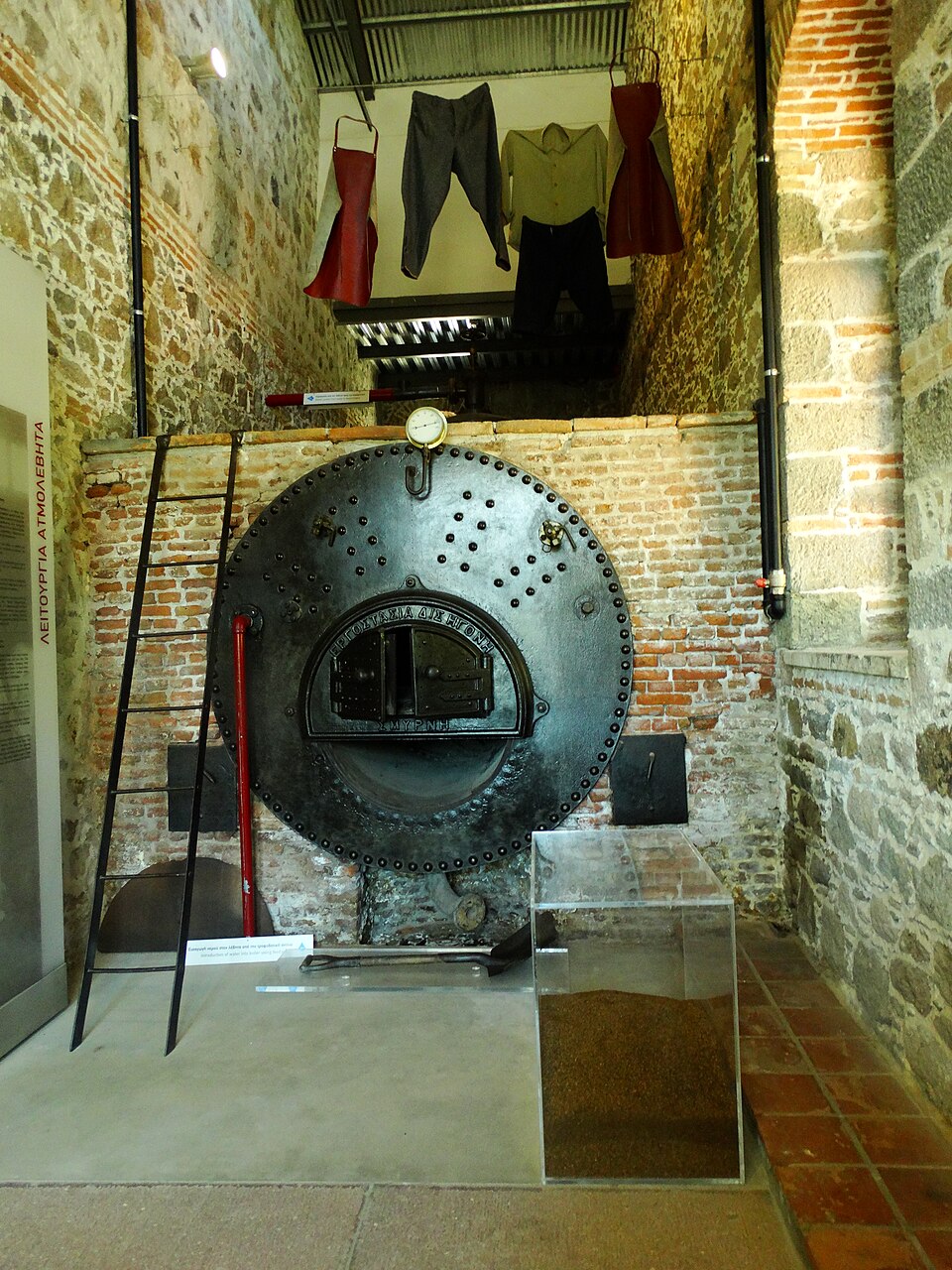
Industrial olive oil production museum in Lesvos
Nestled in the village of Agia Paraskevi in the heart of Lesvos, the Museum of Industrial Olive Oil Production occupies a magnificently restored nineteenth-century olive press complex that once stood among the most productive industrial facilities in the eastern Aegean. Lesvos has long been defined by its olive groves — the island is home to millions of trees, many of them centuries old, and olive oil has shaped the economy, diet, and culture of its people for generations. The museum, part of the Piraeus Bank Group Cultural Foundation network of industrial museums, preserves this heritage within the very buildings where it unfolded, giving visitors a rare chance to step inside a working chapter of the island's past. The collection traces the full arc of olive oil production, from the harvesting of the fruit to the pressing, separation, and storage of the oil. Enormous millstones, hydraulic presses, boilers, and storage vats have been carefully restored and remain in place, conveying the industrial scale at which this rural product was once processed. Interpretive displays explain both the mechanics of production and the social world that surrounded it — the seasonal rhythms of agricultural life, the role of the mills in the local economy, and the labor of the families and workers who kept the presses running through the long autumn harvest months. Beyond its machinery, the museum offers a quietly moving portrait of how a landscape shaped a people. The stone buildings, with their thick walls and high timber roofs, carry an atmosphere that no amount of reconstruction could manufacture. Visiting in the morning light, when the courtyard is still and the surrounding groves are visible on the hillsides, one feels the continuity between past and present that makes Lesvos so distinctive among Greek islands. The museum is a fitting place to begin understanding why olive oil here is not simply a product but a way of life.
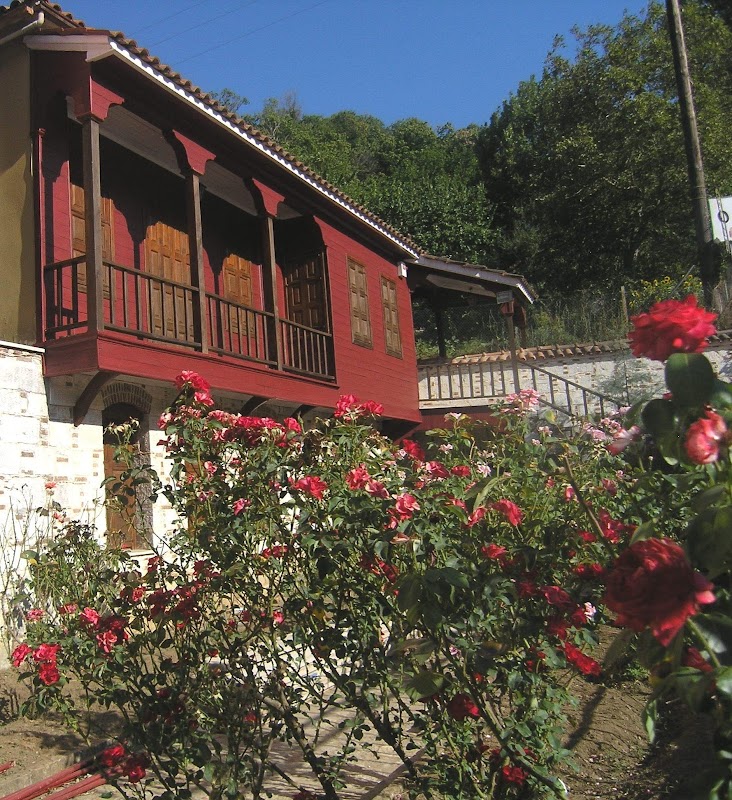
Laiko Mouseio
Λαϊκό μουσείο
Tucked within the cobblestone streets of Agiasos, one of Lesvos's most cherished and authentically preserved villages, the Laiko Mouseio — Folk Museum — offers an intimate window into the rhythms of traditional island life. Agiasos itself sits high in the forested slopes of Mount Olympos, a village that has long been regarded as a stronghold of Lesbian folk culture, famed across Greece for its spirited carnival traditions, satirical theatre, and deeply rooted communal identity. The museum channels this same spirit, gathering under one roof the tools, textiles, and everyday objects that shaped generations of village existence across the island's interior. The collection brings together a carefully assembled range of folk artifacts — woven household textiles, traditional costumes, agricultural implements, ceramic vessels, and domestic furnishings that speak to the self-sufficient rhythms of rural Aegean life. Visitors encounter objects that were once ordinary and are now irreplaceable: the looms and spindles used by village women, the tools of the olive harvest, the carved wooden furniture passed from household to household. Together they form a coherent portrait of a society deeply connected to the land, to seasonal labor, and to communal celebration. For anyone travelling through the verdant hills of central Lesvos, a visit here pairs naturally with a wander through Agiasos's stone-arched marketplace and a pause at the village's celebrated church of the Panagia. The museum is modest in scale but generous in atmosphere, and is best experienced as part of an unhurried afternoon in the village — ideally with a coffee at one of the old kafeneia nearby. It is the kind of place that rewards curiosity and leaves visitors with a richer sense of the human stories layered beneath Lesvos's more well-known landscapes.
Laografiko Mouseio
Λαογραφικό μουσείο
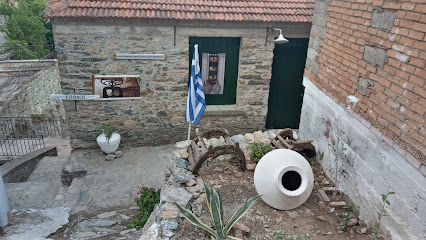
Tucked away in the quiet village of Akrasi in northern Lesvos, the Laografiko Mouseio — or Folklore Museum — offers an intimate window into the island's rural heritage and the rhythms of daily life that shaped generations of islanders. Like many such museums found across the Greek Aegean, its collection is rooted in the material culture of the pre-industrial era: hand-woven textiles and embroideries, traditional costumes, agricultural and fishing implements, household ceramics, carved wooden furniture, and tools that speak to the self-sufficiency of village communities that once thrived on olive cultivation, animal husbandry, and the sea. These objects carry the accumulated knowledge of skilled craftspeople — weavers, potters, blacksmiths, and woodcarvers — whose trades defined the social fabric of Lesvian life for centuries. The setting itself is part of the appeal. Small folklore museums in the Aegean are often housed in preserved stone buildings that once served as family homes or communal spaces, and the architecture becomes as much a part of the exhibit as the contents within. Stepping through the threshold transports visitors away from the coastal resort towns and into an older Lesvos — one where the harvest calendar, the Orthodox liturgical year, and the bonds of extended family shaped every aspect of existence. The village of Akrasi, set amid olive groves and characteristic stone-built lanes, provides an authentic backdrop that larger urban museums cannot replicate. For travellers seeking to understand Lesvos beyond its celebrated beaches and petrified forest, a visit to the Laografiko Mouseio of Akrasi is deeply rewarding. Greece's network of local folklore museums preserves the kind of granular, regional identity that risks being lost in broader national narratives, and this one reflects the particular character of the island's inland villages. It is worth checking locally for current opening hours before visiting, as smaller museums of this type often operate seasonally or by arrangement — but the journey through the countryside to reach Akrasi is itself a pleasure not to be missed.
Laografiko Mouseio Sykamineas
Λαογραφικό Μουσείο Συκαμινέας
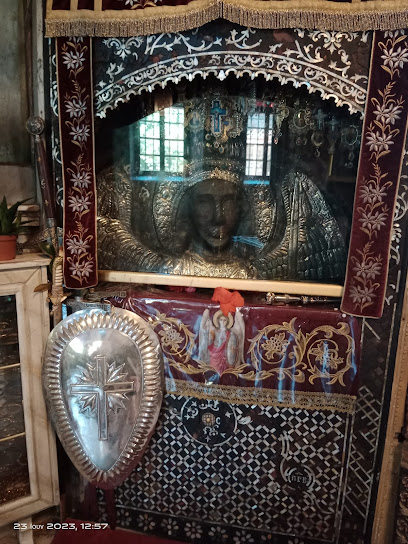
Tucked into the heart of Sykaminea, one of the most storied fishing villages on the northern coast of Lesvos, the Laografiko Mouseio Sykamineas — the village's Folklore Museum — preserves the memory of a way of life that shaped this rocky, sea-facing community for generations. Housed in a traditional stone building characteristic of the region's vernacular architecture, the museum gathers together the tools, textiles, and everyday objects that once filled the homes and workshops of local families: hand-loomed fabrics, embroidered costumes, agricultural implements, fishing gear, and the kinds of domestic utensils that defined the rhythms of rural Aegean life before the modern era arrived. Each exhibit speaks to the self-sufficiency and craft traditions that sustained village communities through seasons of olive harvest, fishing, and small-scale farming. Sykaminea itself carries an exceptional literary and cultural weight, as it is the birthplace of Stratis Myrivilis, one of the great figures of modern Greek literature, whose prose immortalized the landscapes and people of Lesvos with rare tenderness. That heritage gives the folklore collections here a resonance beyond the merely ethnographic — these are the material traces of the world that shaped such voices, the looms and lamps and fishing baskets that formed the backdrop to a living tradition. The museum offers visitors a grounding in the human texture of the village before they wander down to the famous harbor with its mulberry tree and the tiny chapel of the Mermaid Madonna perched on the rocks above the Aegean. Visiting hours may be seasonal and subject to the availability of local volunteers who often staff such community-run institutions, so it is worth inquiring ahead or checking with the village kafeneio before making a dedicated trip. The museum is best combined with a leisurely exploration of Sykaminea's narrow lanes, its harbor tavernas, and the surrounding olive groves — a half-day that offers one of the most authentic encounters with traditional Lesbian culture anywhere on the island.
Mouseio Ouzou Varvagianni
Μουσείο Ούζου Βαρβαγιάννη
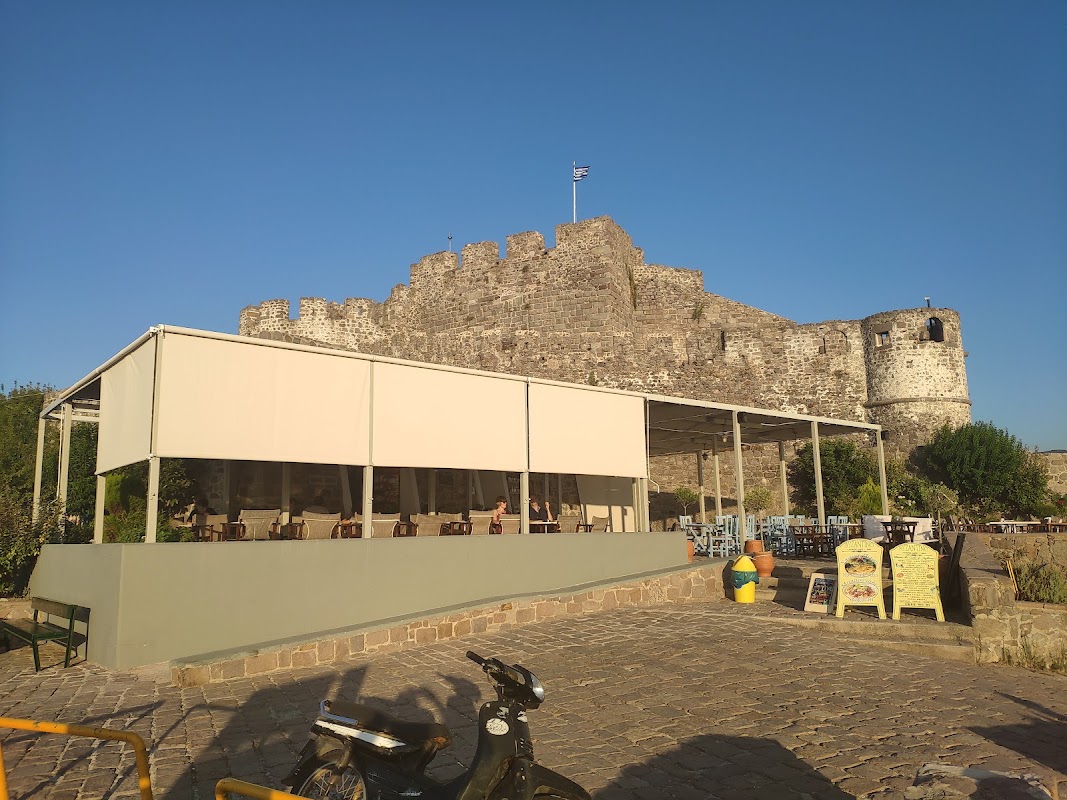
The Varvagianni Ouzo Museum, nestled in the village of Agios Isidoros on the southwestern slopes of Lesvos, is a dedicated tribute to the spirit that has made the island famous across Greece and beyond. Lesvos is the undisputed heartland of Greek ouzo production, and the Varvagianni distillery is among the island's most celebrated names, with roots stretching back through several generations of the same family. The museum occupies the historic distillery premises, where copper pot stills, traditional wooden casks, and original production equipment stand as witnesses to a craft that has been refined and passed down over more than a century. Visitors can trace the full arc of ouzo's journey, from the careful selection of anise and other botanicals to the slow distillation methods that give Lesvian ouzo its distinctive smooth character and complex flavor profile. Walking through the museum's exhibits, guests encounter an evocative collection of antique bottling tools, vintage label artwork, and archival photographs that bring to life the social and commercial world that grew up around ouzo production in the Aegean. The displays speak to ouzo's deep cultural role — not merely as a product of industry, but as the centerpiece of the mezedes table, the companion to grilled octopus and sardines by the harbor, and a defining symbol of Greek convivial life. Tastings typically accompany a visit, offering the chance to sample different expressions alongside the kind of unhurried hospitality that the island does so well. Beyond its collection, the museum serves as a meaningful gateway into understanding why Lesvos guards its ouzo heritage with such pride. The island's unique microclimate, the quality of its local water sources, and centuries of accumulated distilling knowledge combine to produce a spirit with genuine geographical identity. A visit here is as much about culture and place as it is about a single drink — it is an argument, made quietly and persuasively over a small glass, for why some traditions are worth preserving.
Mouseio Teriad
Μουσείο Τεριάντ
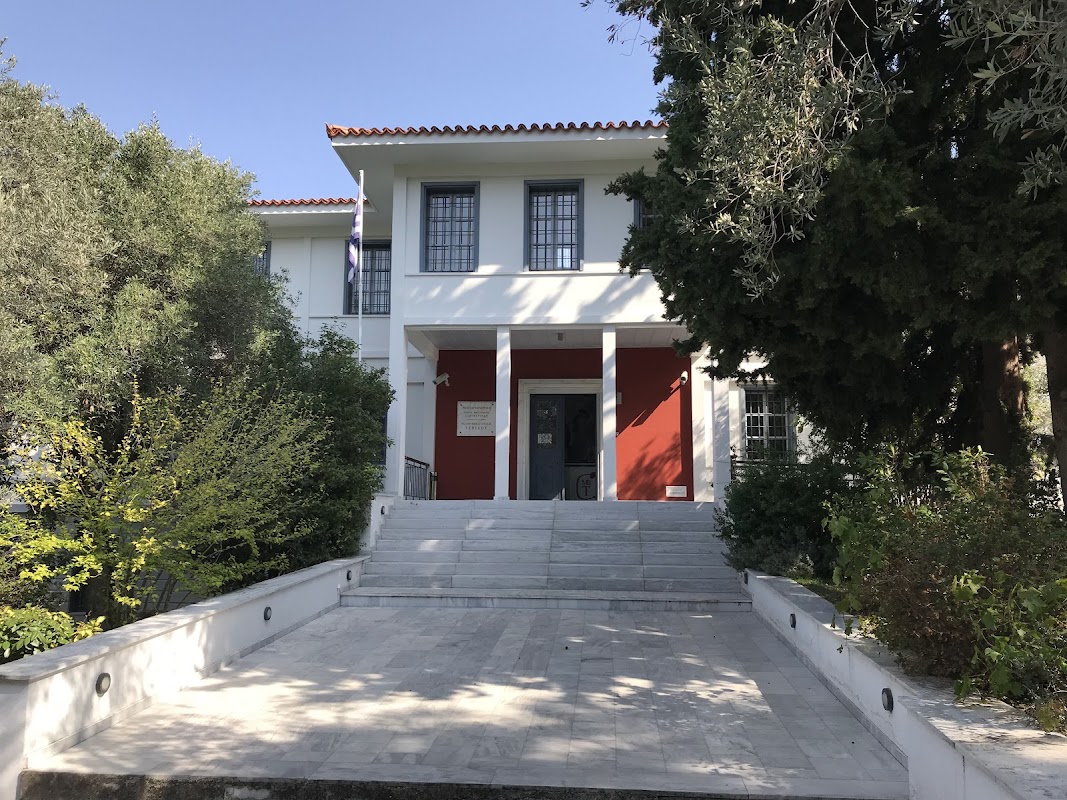
The Tériade Museum in Vareia, a quiet coastal village just a few kilometres south of Mytilene, is one of the most quietly extraordinary art museums in the Aegean. It honours Stratis Eleftheriadis, born on Lesvos in 1897, who left for Paris as a young man and reinvented himself as Tériade, one of the twentieth century's most influential art publishers and critics. Through his celebrated journal Verve and a series of landmark livres d'artiste, he became an intimate collaborator of the greatest painters of his era, and the friendships he forged with Henri Matisse, Pablo Picasso, Marc Chagall, Fernand Léger, Joan Miró, and others are made tangible here in the form of original works they gave him personally. The museum's collection includes paintings, lithographs, and artist books that would be remarkable in any major European capital, yet they sit here in a modest whitewashed building surrounded by olive trees and the scent of the sea. Inside, visitors encounter the full sweep of Tériade's editorial legacy: exquisitely printed plates from Verve, rare editions of the livres d'artiste he commissioned, and a rotating display of works that reads like a roll call of European modernism. Matisse's Jazz, one of the most celebrated artist books of the twentieth century, was published by Tériade, and the museum preserves the deep connection between the two men. The building was established through Tériade's own bequest to his homeland, a deliberate act of returning something extraordinary to the island that shaped him. Nearby, a separate but complementary space houses the Theophilos Museum, dedicated to another Lesviot artist Tériade championed — the self-taught naïve painter Theophilos Hatzimihail — making Vareia an unmissable double destination for anyone interested in art and its stories.
Mouseio Vrana
Μουσείο Βρανά
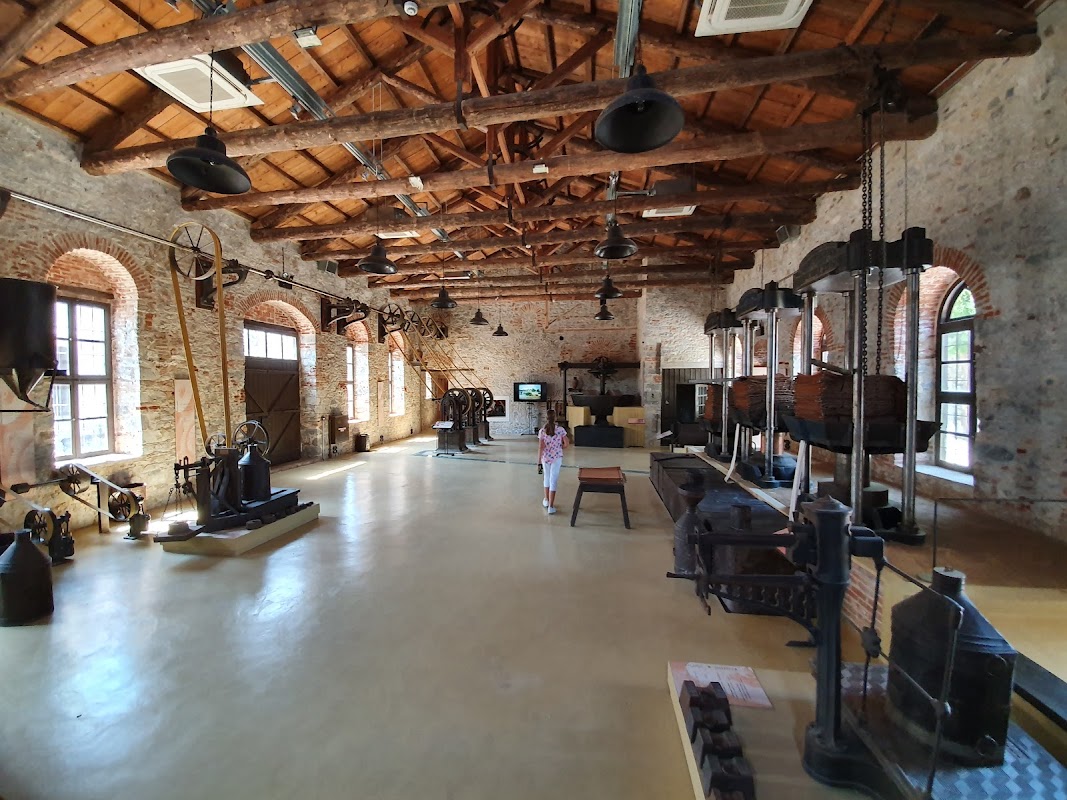
Nestled in the quiet countryside near the village of Pappados in the heart of Lesvos, Mouseio Vrana is a small local museum that offers visitors a window into the traditional life and heritage of the island's interior. The surrounding landscape, shaped by centuries of olive cultivation and rural community life, provides a fitting backdrop for a collection rooted in the authentic rhythms of Lesbian folk culture. Like many such institutions found in the villages of Lesvos, the museum preserves the material memory of generations who worked the land, raised families, and sustained a way of life that has gradually transformed through the twentieth century. Visitors to Mouseio Vrana can expect to encounter everyday objects, tools, and household items that speak to the agrarian and domestic traditions of the region — from implements associated with the island's renowned olive oil and ouzo production to textiles, ceramics, and personal belongings of local families. These objects, modest in scale but rich in meaning, collectively tell the story of a rural society that was deeply connected to the seasons, the land, and the wider Mediterranean world. The museum likely occupies a traditional building that itself reflects the architectural character of the Lesvos countryside, adding another layer of historical texture to the experience. What makes places like Mouseio Vrana particularly valuable is their commitment to local, lived history rather than grand narratives. As Lesvos draws growing numbers of visitors drawn by its natural beauty and celebrated literary heritage, small museums such as this one serve as anchors of communal identity, ensuring that the stories of ordinary village life are not forgotten. A visit here pairs well with a walk through Pappados and the surrounding olive groves, offering a quieter, more contemplative counterpoint to the island's busier tourist destinations.
Museum Parelthon
Μουσείο Παρελθόν
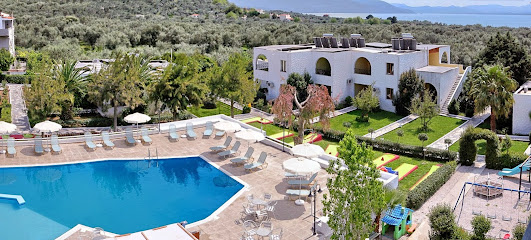
Tucked away in the quiet village of Kedro in the verdant interior of Lesvos, Museum Parelthon — whose name simply means "the past" in Greek — is a labor of love dedicated to preserving the everyday heritage of rural life on the island. Collections like this one, assembled through the dedication of local families and community volunteers, typically gather the kinds of objects that larger institutions overlook: hand-forged farming tools, embroidered textiles, ceramic vessels, wooden looms, and the domestic implements that sustained generations of Lesbian households through the rhythms of olive harvest, fishing, and feast days. Here, the emphasis is not on grand historical narrative but on the intimate texture of lives lived close to the land. The setting itself is part of the experience. Kedro sits amid the olive groves and pine-scented hills of central Lesvos, far from the tourist circuits of Mytilene or Molyvos, and the museum reflects that unhurried authenticity. Visitors who make the effort to seek it out are often rewarded with a personal welcome from whoever has the keys — a neighbor, a family member, or a local elder who can offer living memory to accompany the displayed objects. This informal, human quality is something no larger institution can replicate, and it gives the collection a warmth that resonates long after you leave. For travelers interested in the deeper currents of Aegean culture, Museum Parelthon offers a window into the world that shaped modern Lesvos — the agricultural traditions, the religious observances, the craftsmanship — before mass tourism and modernization transformed village life. It serves as a quiet reminder that the island's identity is rooted not only in its celebrated poets and philosophers, but in the countless ordinary people who worked its soil and kept its customs alive across the centuries. Visiting hours tend to be informal, so asking locally or arranging a visit in advance is recommended.
Natural History Collection
Συλλογή Φυσικής Ιστορίας
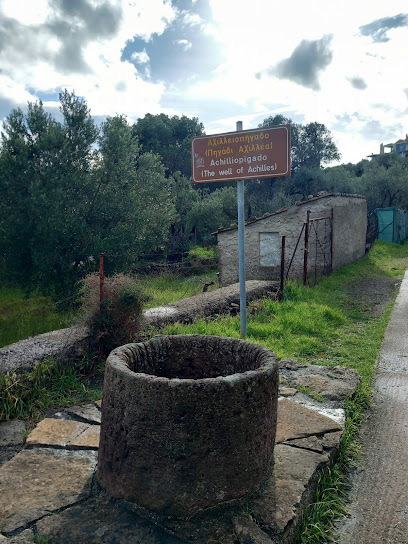
Tucked within the village of Vrisa in southern Lesvos, this Natural History Collection offers visitors a window into the island's extraordinary geological past. Lesvos sits at the heart of one of the world's most significant paleontological landscapes, and collections like this one serve as important local custodians of that legacy. The island's petrified forest, formed roughly 20 million years ago when volcanic activity buried vast subtropical woodlands and preserved them in silica, is recognized as a UNESCO Global Geopark, and natural history collections in the region help interpret this deep-time story for a broader audience. Specimens of petrified wood, fossilized plant material, and geological samples drawn from the surrounding countryside bring the island's prehistoric environment to vivid life. Vrisa itself carries its own layer of recent history. The village suffered significant damage in a powerful earthquake in June 2017, which reshaped much of its traditional streetscape. The resilience of the community and the continued presence of cultural institutions like this collection speak to the strong local attachment to heritage and memory. Visiting here offers more than a museum experience — it is a chance to understand a village in the process of rebuilding while remaining proud of what it holds. For travelers exploring the southern reaches of Lesvos beyond the more-visited northern coastline, the Natural History Collection in Vrisa rewards those with a curiosity about the forces that shaped this island over geological and human timescales alike. It pairs naturally with a visit to the broader petrified forest sites and the olive groves and quiet roads that define this quieter corner of the island. Visitors are advised to confirm opening hours locally, as small regional collections often keep seasonal schedules.
O Kosmos Tou Ouzou
Ο κόσμος του ούζου
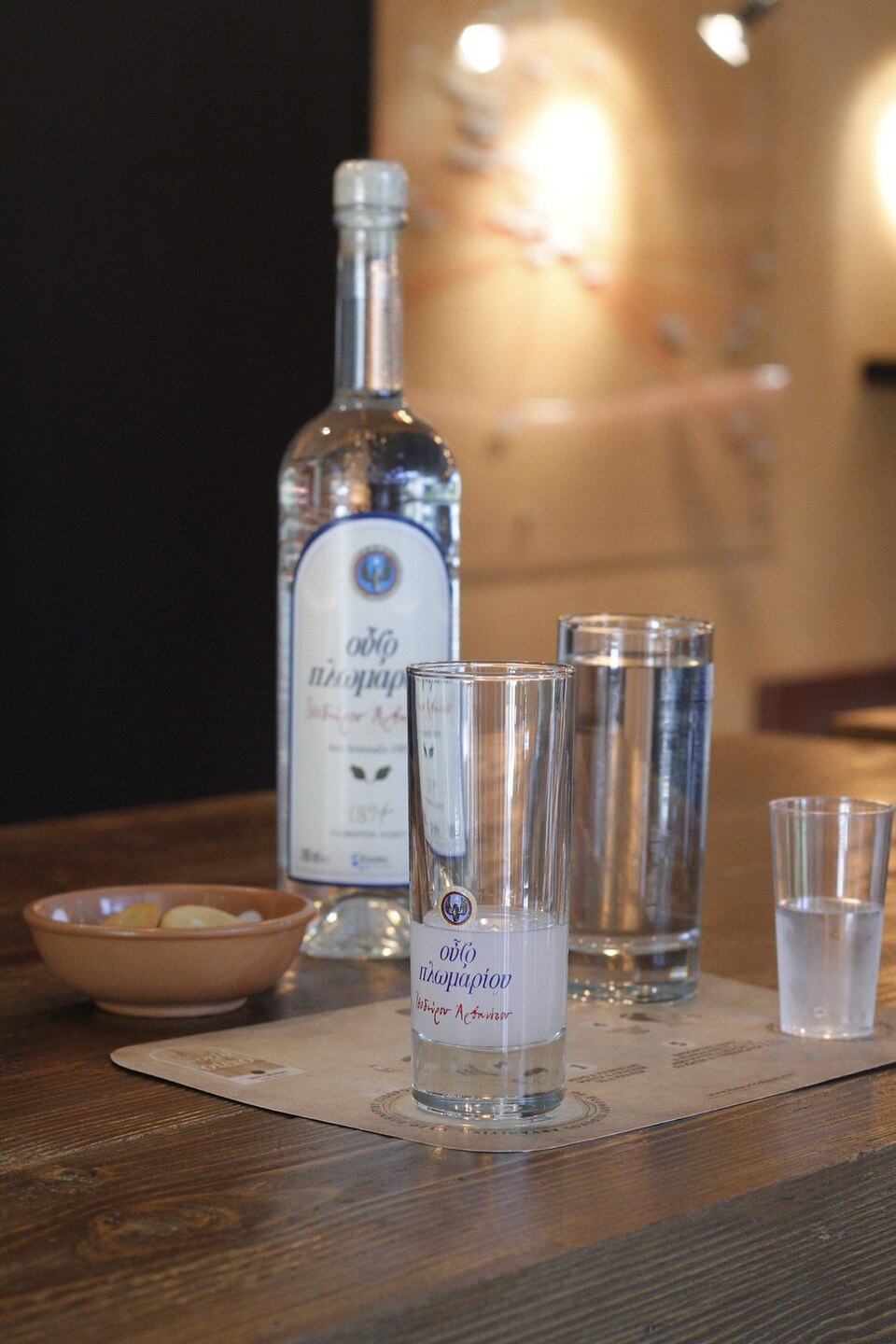
O Kosmos Tou Ouzou — The World of Ouzo — is a dedicated museum celebrating the spirit that has become synonymous with Lesvos itself. Housed near the village of Plagia in the island's northern landscape, the museum explores the deep-rooted tradition of ouzo production that has shaped the island's economy, identity, and daily life for generations. Lesvos accounts for a remarkable share of Greece's total ouzo output, and the island's distilleries — some of them family-run for well over a century — have earned it a reputation as the spiritual home of this distinctly Greek liqueur. Inside, visitors encounter the full story of ouzo from still to table: traditional copper pot stills, historic distillation equipment, archival photographs, and explanatory exhibits on the craft of blending anise with grape-based spirits to achieve the characteristic milky louche when water is added. The collection illuminates not only the technical process but the social ritual surrounding ouzo — the unhurried pace of the ouzerie, the small plates of mezedes that accompany each glass, and the way a carafe of ouzo has long served as an invitation to conversation and hospitality across the Aegean. For visitors, the museum offers a rare opportunity to understand why ouzo means more to Lesvos than a regional product. It is a living tradition tied to the island's agricultural past, its sea-trading history, and the generosity that defines Greek island culture. The setting near Plagia, away from the busier tourist circuits, gives the visit a quietly authentic character — a reminder that the best way to understand a place is often through what it makes with care and pride.
Olive press Museum
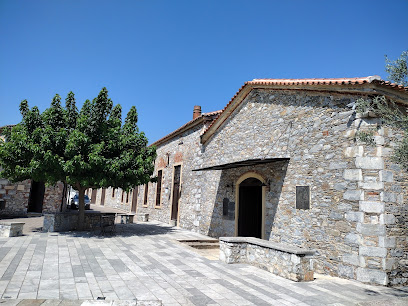
Nestled in the verdant olive-growing heartland of eastern Lesvos near the village of Pappados, the Olive Press Museum occupies one of the traditional stone pressing facilities that once formed the economic backbone of island life. Lesvos is home to an estimated eleven million olive trees, and for centuries the production of olive oil was not merely an agricultural pursuit but the very rhythm around which rural communities organized their lives. The museum preserves an industrial heritage that stretched from antiquity through the twentieth century, housing the original stone millstones, wooden beam presses, and iron screw presses that successive generations of islanders used to extract the prized oil from the autumn harvest. The building itself, with its thick masonry walls and high vaulted ceilings designed to accommodate the great timber beams of the press, is an architectural document of vernacular engineering at its most purposeful. Inside, visitors can trace the full arc of olive oil production as it was practiced here for generations: from the stone mills turned by animal or water power that crushed the olives into paste, to the woven pressing mats stacked under the great press, to the settling vats where oil and water separated by gravity alone. Tools, measuring vessels, and everyday objects used by the workers are displayed alongside the heavy machinery, giving the collection a human scale that industrial museums sometimes lack. Interpretive displays explain how the harvest season transformed entire communities, with families converging on the press house for weeks at a time in a collective effort that mixed hard labor with celebration. The museum stands as a testament to an economy and way of life that shaped Lesbian culture more profoundly than perhaps any other single activity. The island's olive oil has long been regarded among the finest in Greece, a reputation earned through both the quality of the local varieties and the care with which generations of farmers tended their groves. For visitors, the museum offers not just a window into agricultural history but a deeper understanding of why the silver-leaved olive tree remains so central to the island's identity, landscape, and cuisine. Those exploring the villages of the eastern interior will find this a rewarding and unhurried stop, particularly in combination with a walk through the ancient groves that still surround the building on all sides.
Ottoman Bath Museum
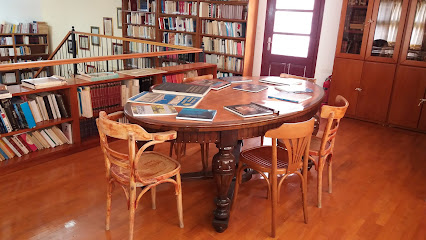
Nestled within the picturesque medieval streets of Molyvos, the Ottoman Bath Museum occupies a beautifully preserved hammam that stands as one of the most evocative reminders of the island's long Ottoman period, which lasted from the mid-fifteenth century until Lesvos was united with Greece in 1912. The domed bathhouse, with its characteristic stone architecture and oculi that once filtered light through the steam-filled chambers, has been thoughtfully converted into a local history museum, allowing visitors to appreciate both the building itself and the layered cultural heritage it represents. The structure's vaulted ceilings and intimate spatial arrangement give an immediate sense of how communal bathing life functioned as a social cornerstone of Ottoman-era towns. The collection inside draws from the everyday life and material culture of Molyvos and the surrounding region, encompassing ceramics, household objects, tools, textiles, and archival photographs that document the town across different eras. These artifacts reflect the mixed communities — Greek, Ottoman, and Jewish — that coexisted on Lesvos for centuries, and the exhibits present this plurality with a spirit of honest historical curiosity. Particularly compelling are the items that illustrate domestic and craft traditions that persisted well into the twentieth century, grounding the museum's scope in lived, local experience rather than grand historical abstraction. For visitors exploring Molyvos, a stop at the Ottoman Bath Museum offers a meaningful counterpoint to the castle and the scenic harbor. It is the kind of small, carefully tended local museum where the intimacy of the setting amplifies the significance of even modest objects. Opening hours tend to follow seasonal patterns typical of museums in smaller Greek towns, so it is worth checking locally before your visit. The museum is a quiet but rewarding place to pause, reflect, and deepen your understanding of the remarkably rich human story embedded in this corner of the Aegean.
Theophilos Museum
ΜΟΥΣΕΙΟ ΘΕΟΦΙΛΟΥ
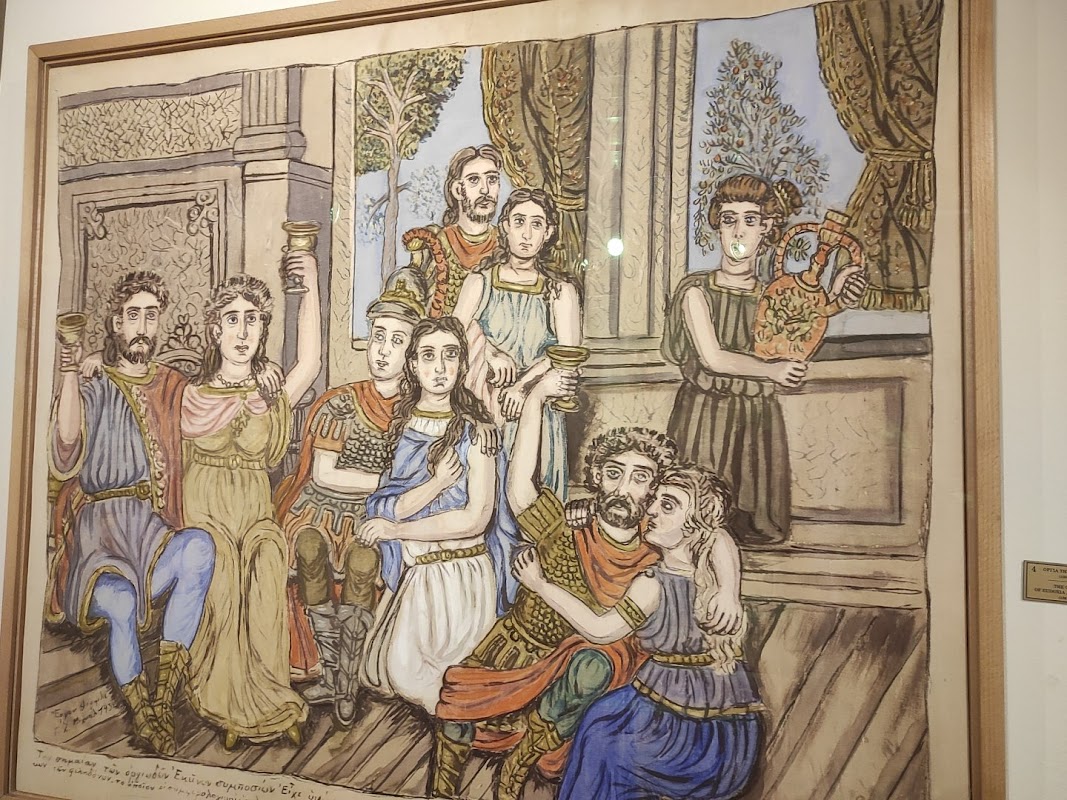
Tucked into the village of Vareia just a few kilometres south of Mytilene, the Theophilos Museum is a small but profoundly moving tribute to one of Greece's most beloved folk painters. Theophilos Hatzimichail was born on Lesvos around 1870 and spent much of his life as a wandering, largely self-taught artist, decorating taverns, homes, and public walls across the island and mainland Greece in exchange for meals or clothing. His work went largely unrecognised during his lifetime, yet his vivid, instinctive canvases — bursting with scenes from Greek mythology, Byzantine history, the War of Independence, and everyday Aegean life — would eventually be celebrated as a cornerstone of Greek naive art. It was the Lesvos-born Parisian art publisher Stratis Eleftheriadis, known as Tériade, who brought Theophilos to wider attention, championing his genius and helping organise an exhibition of his work in Paris not long before the painter's death in 1934. The museum itself is housed in a traditional stone building and displays a carefully curated selection of Theophilos's paintings, offering visitors an intimate encounter with his bold colours, flattened perspectives, and deep love for Greek identity and folklore. Heroes from antiquity stand shoulder to shoulder with Ottoman-era villagers and fishermen; gods and saints share the same energetic visual language as peasants at the olive harvest. The collection feels less like a formal gallery and more like a window into a singular imagination, one shaped entirely by the landscapes, myths, and people of the Aegean world. For anyone with even a passing interest in Greek folk culture or outsider art, the Theophilos Museum rewards a visit not only for the paintings themselves but for the story they represent — of an eccentric, passionate artist who found beauty and meaning in the ordinary rhythms of Greek life long before the world caught up with him. The museum pairs naturally with the nearby Tériade Museum, also in Vareia, which honours the publisher who made Theophilos famous and houses an extraordinary collection of works by Picasso, Matisse, and Chagall. Together they make Vareia one of the most culturally surprising villages on the island.
Vareltzidiana's Mansion
Αρχοντικο Βαρελτζίδαινας
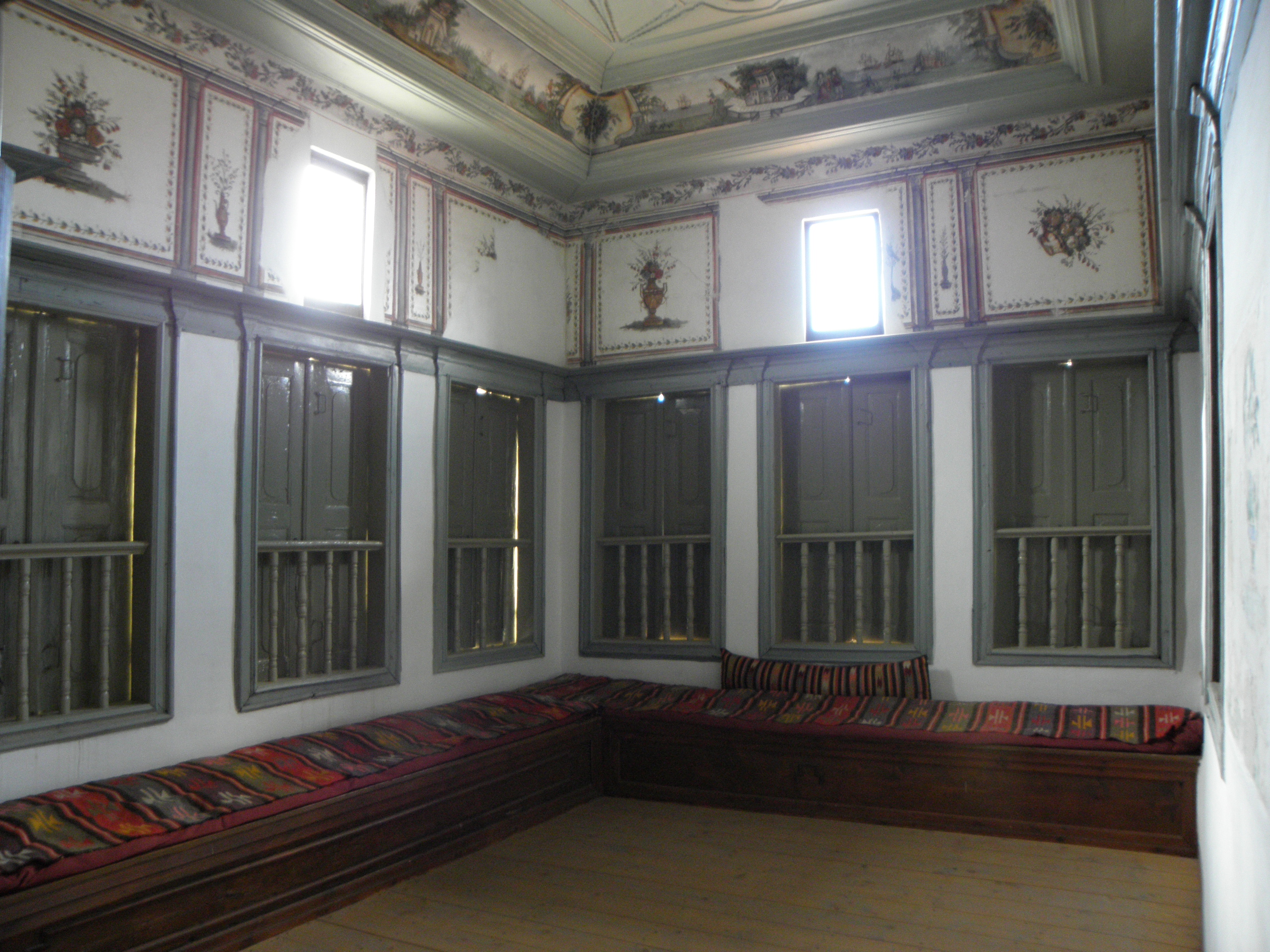
Vareltzidiana's Mansion stands as one of the finest preserved examples of traditional Lesbian aristocratic architecture in the village of Petra, on the northwestern coast of Lesvos. The mansion belonged to a prominent local family and reflects the prosperity and refined taste of the island's landowning class during the late Ottoman period. Its architecture blends the influences of Aegean vernacular style with the more elaborate decorative sensibilities favored by wealthy households of the era, featuring elaborate woodwork, painted ceilings, and period furnishings that have been carefully maintained. Today the mansion operates as a house museum, offering visitors a rare glimpse into the domestic world of a well-to-do Lesbian family from generations past. The rooms are arranged much as they would have been in daily use, displaying embroidered textiles, traditional costumes, ceramics, and household objects that speak to the rhythms of life on the island. The collection provides an intimate counterpoint to larger archaeological museums, focusing not on antiquity but on the more recent past — the customs, craftsmanship, and material culture of a community that shaped modern Lesvos. Visiting Vareltzidiana's Mansion pairs naturally with exploring the rest of Petra, a charming seaside village dominated by the iconic rock crowned with the Church of the Sweet-Kissing Virgin. The mansion adds cultural depth to any stop in the village and is particularly rewarding for those interested in vernacular architecture, folk traditions, and the social history of the Aegean islands. Opening hours are typically seasonal, so checking locally before visiting is recommended.