


Lesvos Business Directory
Find restaurants, hotels, shops & services across the island
Mnimeio Pilotou Pyrosvestikou Aeroskafous Kourelia Stefanou
Standing quietly amid the pine-scented landscape near the village of Achladeri, this modest but poignant monument pays tribute to the pilot of a firefighting aircraft who lost their life in service of protecting Lesvos from the devastating wildfires that have long threatened the island's forests and communities. Forest
Mnimeio Ton Ektelesmenon
Standing near the quiet village of Alyfada, the Mnimeio Ton Ektelesmenon — the Memorial of the Executed — is a somber and deeply affecting site that bears witness to one of the darkest chapters in Lesvos's modern history. The memorial commemorates those who were executed during the Axis occupation of Greece in World Wa
Mnimeio Yper Pesodon Ston A' Pagosmio Polemo
Standing quietly near the village of Agia Paraskevi, this memorial commemorates the men of Lesvos who lost their lives during the First World War. The island's involvement in that conflict is inseparable from its broader modern history: Lesvos was incorporated into Greece in 1912 following the Balkan Wars, and Greek fo
Molivos
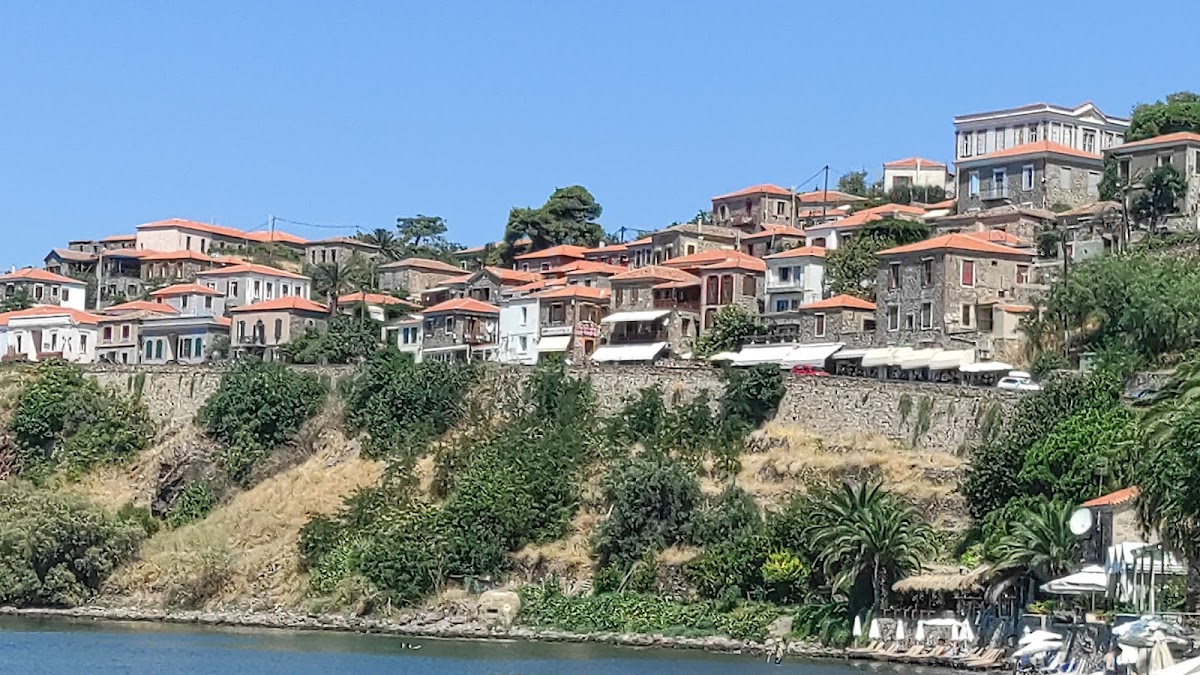
Molivos — the local name for the village officially known as Mithymna — is widely regarded as one of the most beautiful settlements in the Aegean, and a visit here quickly reveals why. Perched on a dramatic hillside in northern Lesvos, the village tumbles down toward a sheltered harbor beneath a well-preserved Byzantin
Molyvos Castle
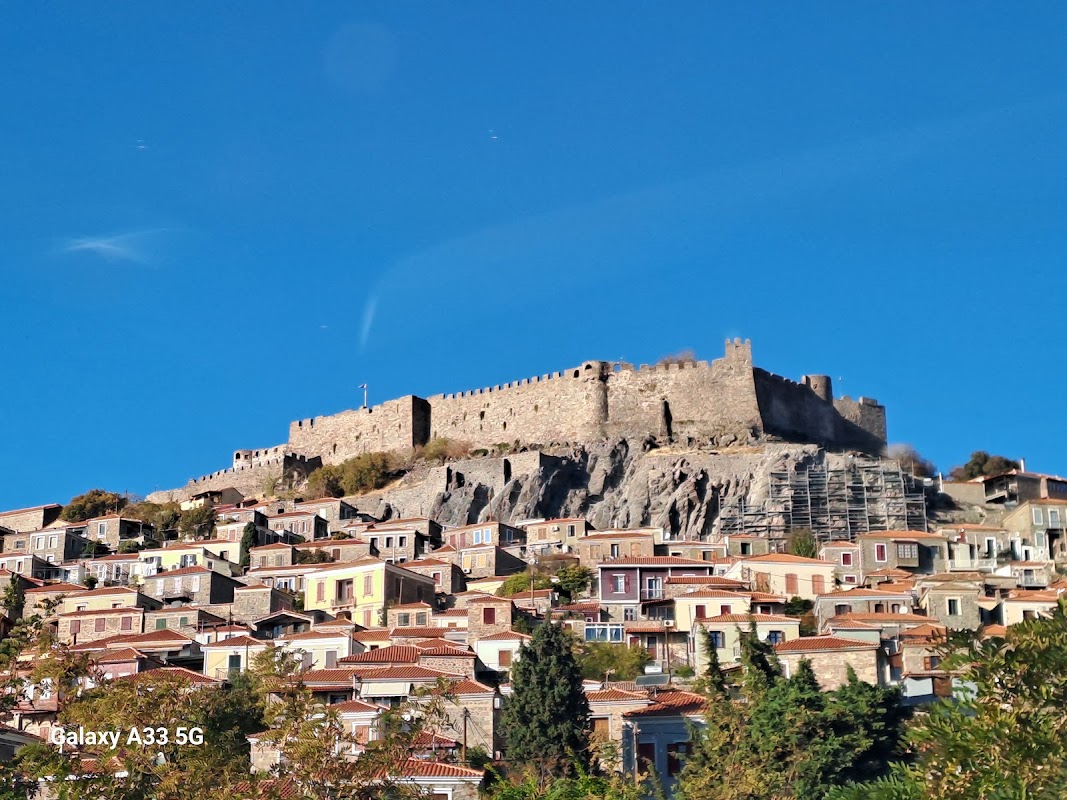
Crowning the rocky promontory above the cobblestoned lanes of Molyvos, the ancient citywalls trace the outline of one of Lesvos's most storied medieval fortifications. Built upon earlier Byzantine foundations, the walls were substantially reinforced during the Genoese occupation of the island in the fourteenth and fift
Molyvos Castle
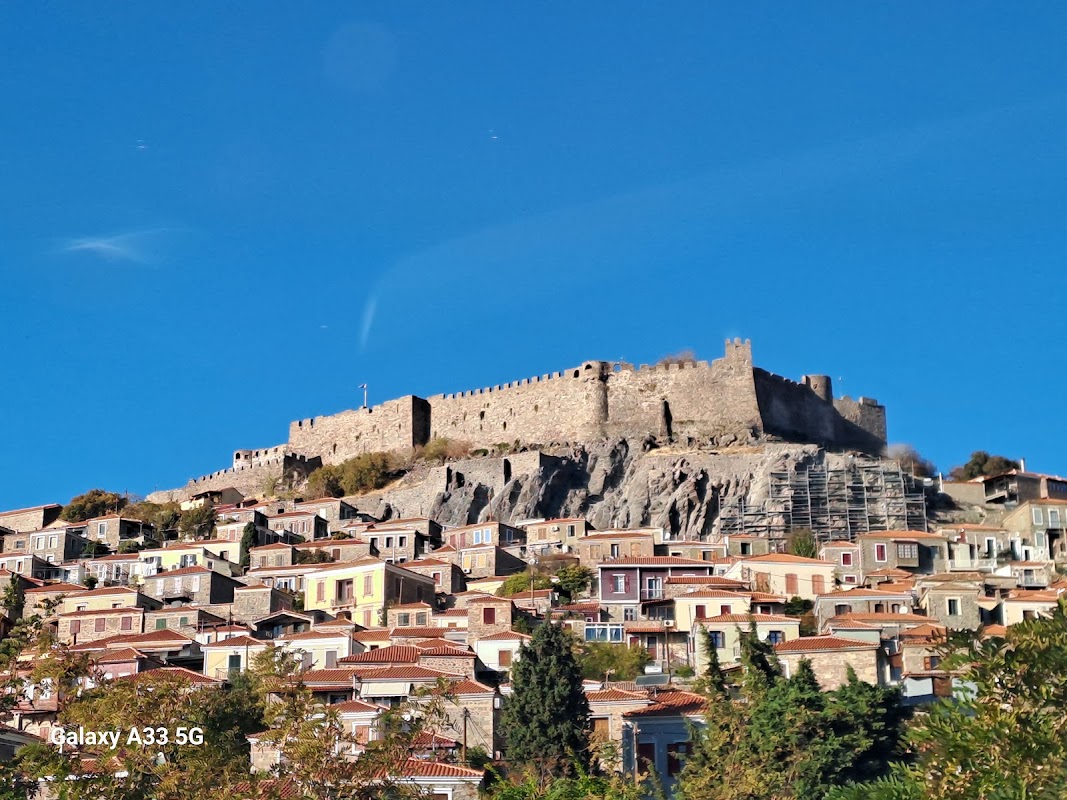
The citywalls of Molyvos stand as one of the most evocative remnants of medieval fortification on Lesvos, encircling the upper reaches of this ancient town that has been inhabited since antiquity. The settlement of Mithymna, as it was known in classical times, was among the most powerful city-states of the island, and
Molyvos Castle
A commanding Byzantine castle dominating Molyvos with spectacular views over the harbour and countryside. Best visited early morning or evening to avoid heat. Open-air exploration is possible at night when beautifully illuminated. Historically significant and architecturally impressive.
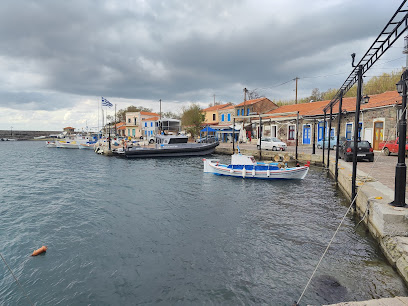
Molyvos Harbour
The scenic harbour of Molyvos offers a picturesque setting for waterside walks and relaxation. Visitors often encounter local musicians playing traditional rembetiko music from fishing boats, creating an authentic Mediterranean atmosphere. Essential for experiencing local life.
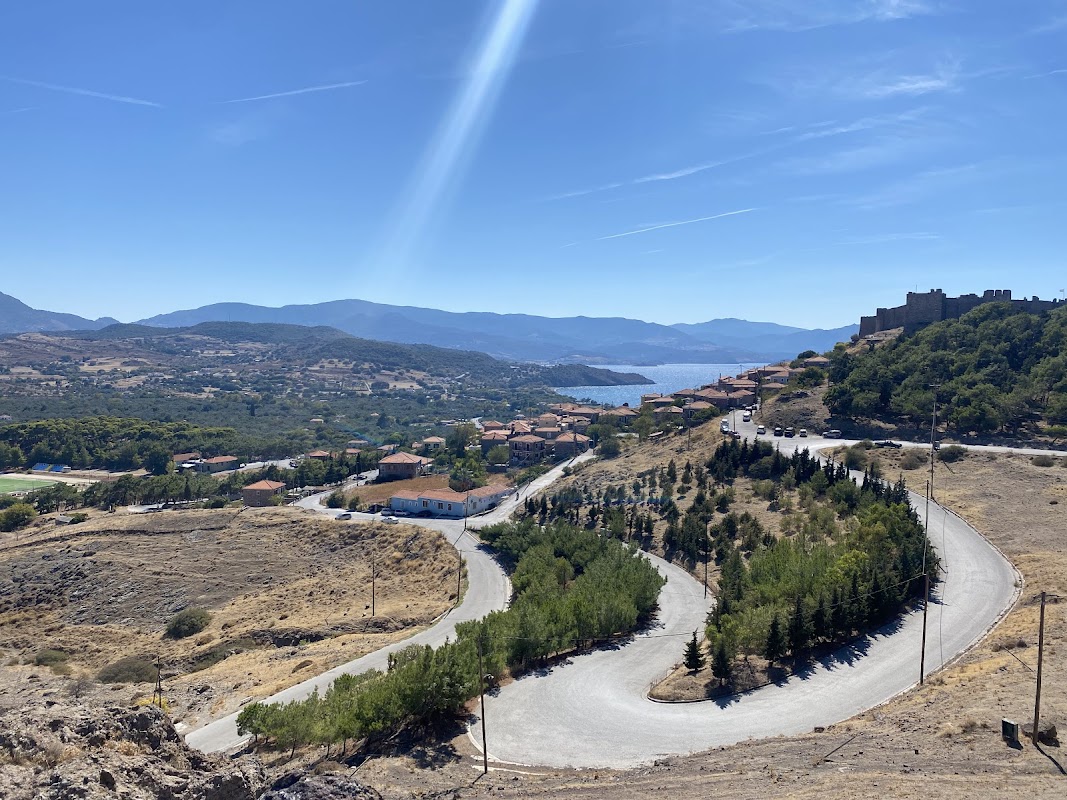
Molyvos Viewpoint
Perched above one of the most storied villages on Lesvos, the Molyvos Viewpoint offers one of the island's most rewarding panoramas. From this elevated vantage point, visitors take in a sweeping tableau of terracotta rooftops cascading down toward the Aegean, anchored at the hilltop by the imposing Byzantine-era Kastro
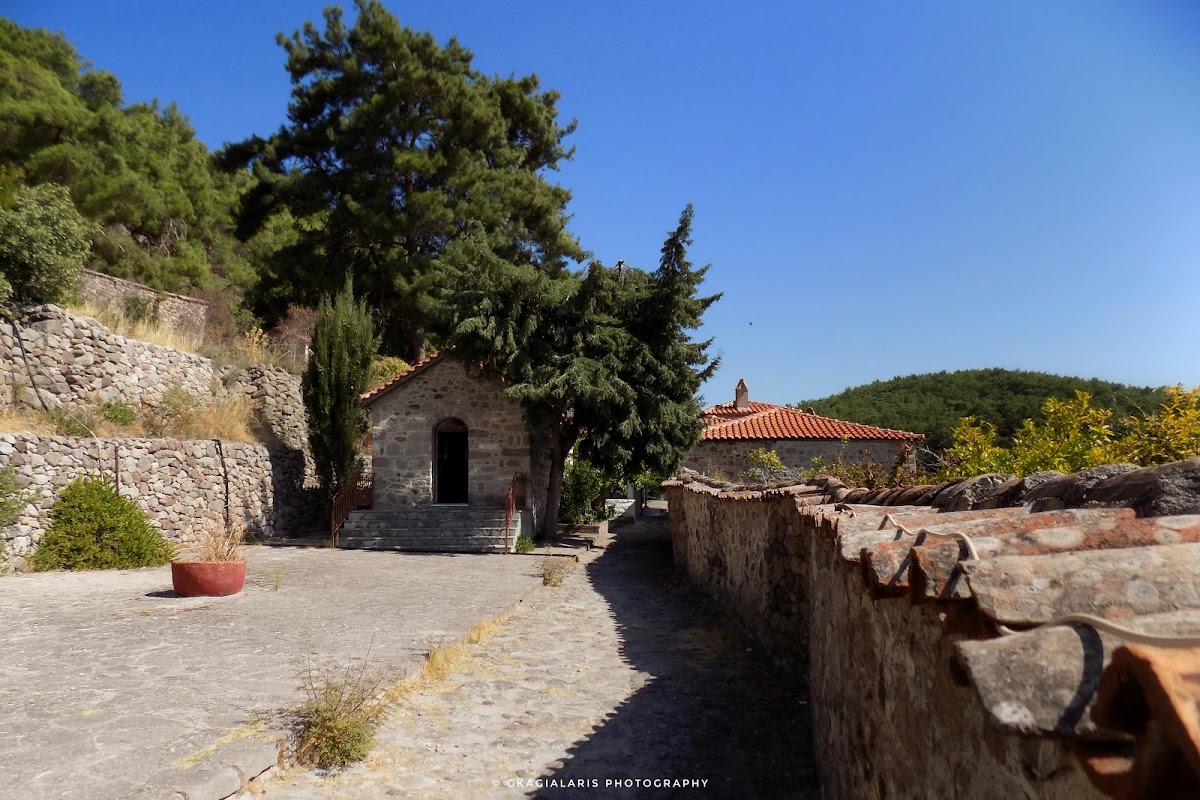
Monastery of Panagia Myrsiniotissa
Tucked into a wooded hillside near the quiet village of Dafia, the Monastery of Panagia Myrsiniotissa takes its evocative name from the myrtle trees — myrsines in Greek — that once blanketed the surrounding landscape. Like many of Lesvos's monastic foundations, its origins are rooted in the Byzantine tradition of build
Monastiraki (Agios Georgios)
Tucked into the landscape near Skala Polichnitou in southern Lesvos, the church of Agios Georgios — known locally as Monastiraki, meaning "little monastery" — hints through its very name at a monastic past. Such diminutive monasteries were once scattered across the Aegean islands, serving as quiet centres of faith and
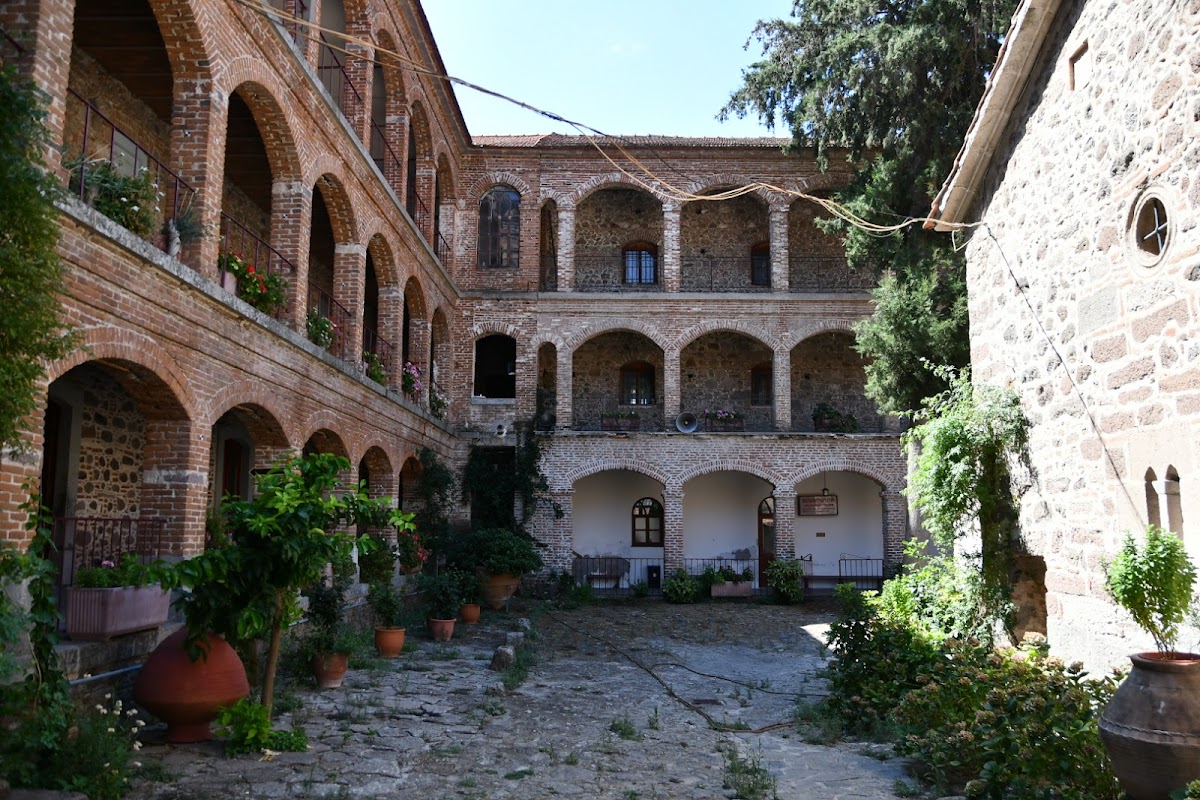
Moni Leimonos
The Monastery of Leimonos, founded in 1523 between Kalloni and the village of Filia, is the most important monastic community on Lesvos and one of the major spiritual centres of the northeastern Aegean. The monastery houses a museum with ecclesiastical artifacts, icons, and manuscripts, along with a library of consider
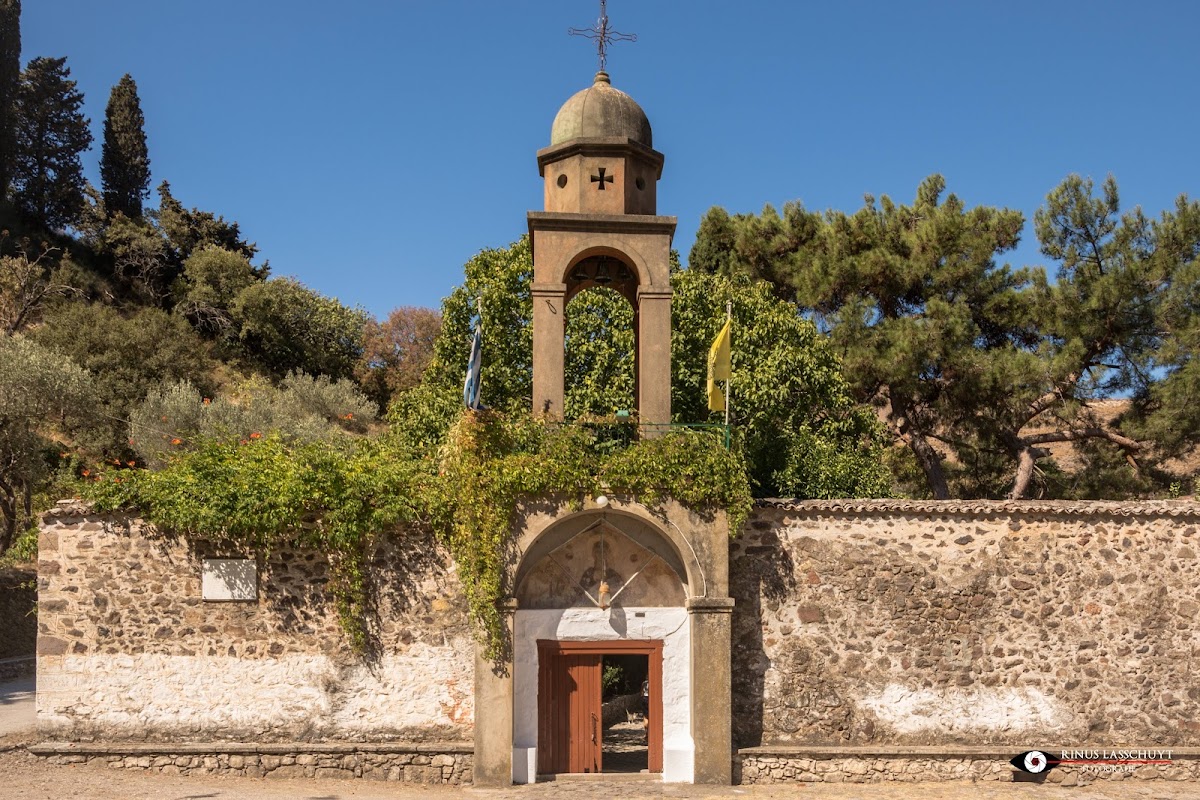
Moni Perivolis
The Monastery of Perivoli sits in a lush valley between Vatoussa and Antissa in the volcanic highlands of western Lesvos. Founded in the 14th century, it contains wall paintings from the 16th century that are among the most important Byzantine-era artworks on the island. The name means 'garden,' and the setting lives u
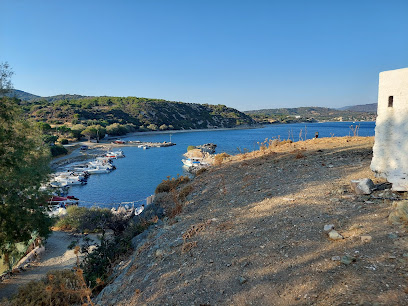
Monument (39.0411, 26.2012)
The village of Vrisa sits in the fertile southern reaches of Lesvos, and the monument found near its heart stands as a quiet witness to both the resilience and the sorrows that have shaped this community over generations. Like many such memorials scattered across Greek island villages, it serves as a gathering point fo
Monument (39.0456, 26.2003)
Standing near the village of Vrisa in the olive-rich southern reaches of Lesvos, this monument serves as a quiet focal point of local memory and communal identity. The area around Vrisa has been inhabited for centuries, shaped by the rhythms of olive cultivation and the turbulent currents of Aegean history — from Ottom
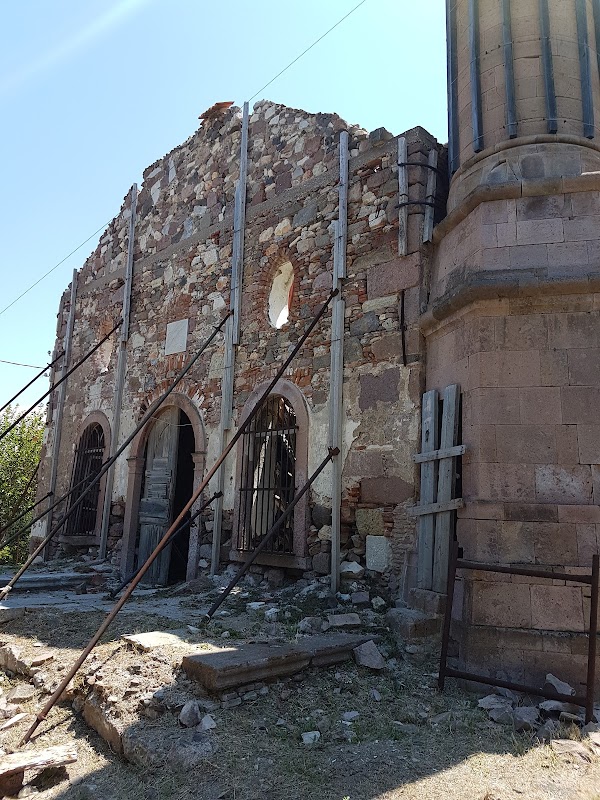
Monument (39.1124, 26.5562)
Standing near the quiet village of Alyfada in the northeastern reaches of Lesvos, this monument bears witness to the layered human history that defines this corner of the Aegean. The northeastern interior of the island has long been a crossroads of civilizations — from ancient Greek settlements and Byzantine rule to Ot
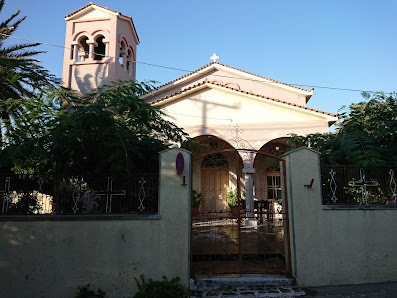
Monument (39.1343, 25.9317)
Standing at the heart of Skala Eresou, this monument pays tribute to one of the ancient world's most celebrated poets — Sappho, born in the ancient city of Eressos whose ruins lie just inland from the modern coastal village. Sappho lived around the seventh and sixth centuries BC and composed lyric poetry of extraordina
Monument (39.2111, 25.8511)
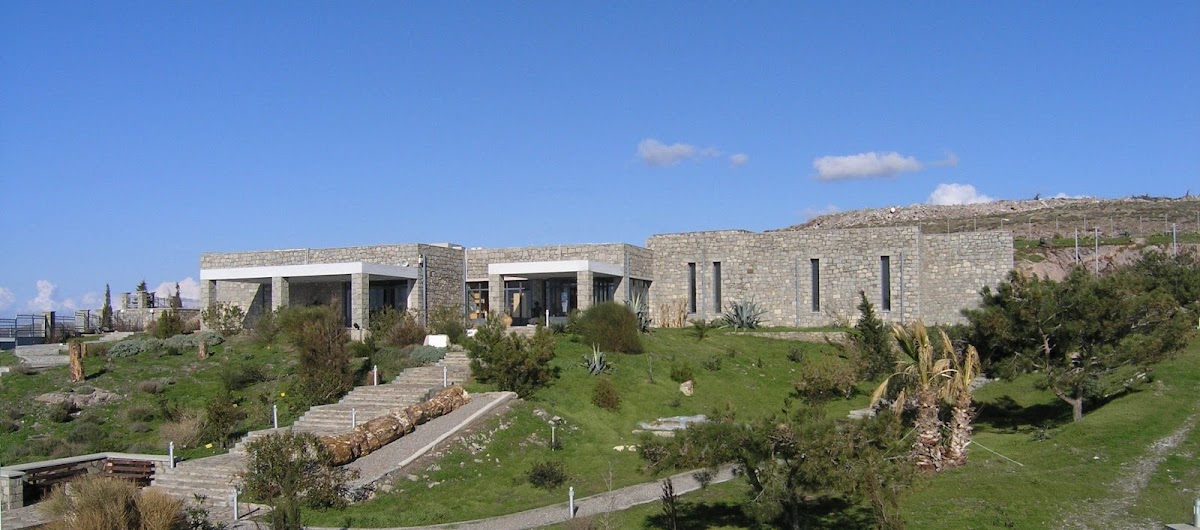
Standing sentinel over the natural harbor of Sigri on Lesvos's remote western coast, this monument marks one of the island's most historically layered corners. The Ottoman-built castle that dominates the village waterfront was constructed in the eighteenth century to guard the sheltered bay, a strategically vital ancho
Monument (39.3364, 26.1841)
Standing in the village of Petra on the northwest coast of Lesvos, this monument occupies a prominent place within a community that has witnessed centuries of Aegean history. Petra itself takes its name from the dramatic volcanic rock that rises abruptly from the shoreline, and the settlement around it has been continu
Monument Of Liberty
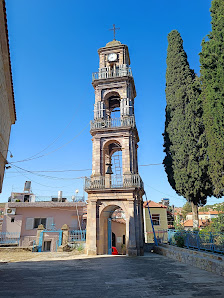
Standing in the heart of Polichnitos, the Monument of Liberty is a lasting tribute to one of the most transformative moments in Lesvos's modern history: the island's liberation from Ottoman rule in November 1912, during the First Balkan War. After nearly five centuries under Ottoman administration, Greek naval forces a
Mother of Minor Asia
Standing near the quiet village of Alyfada on Lesvos's eastern coast, the memorial known as the Mother of Minor Asia is a deeply moving tribute to one of the most traumatic chapters in modern Greek history. It commemorates the hundreds of thousands of Greek Orthodox Christians who were uprooted from their ancestral hom
Mouseio Ouzou Varvagianni
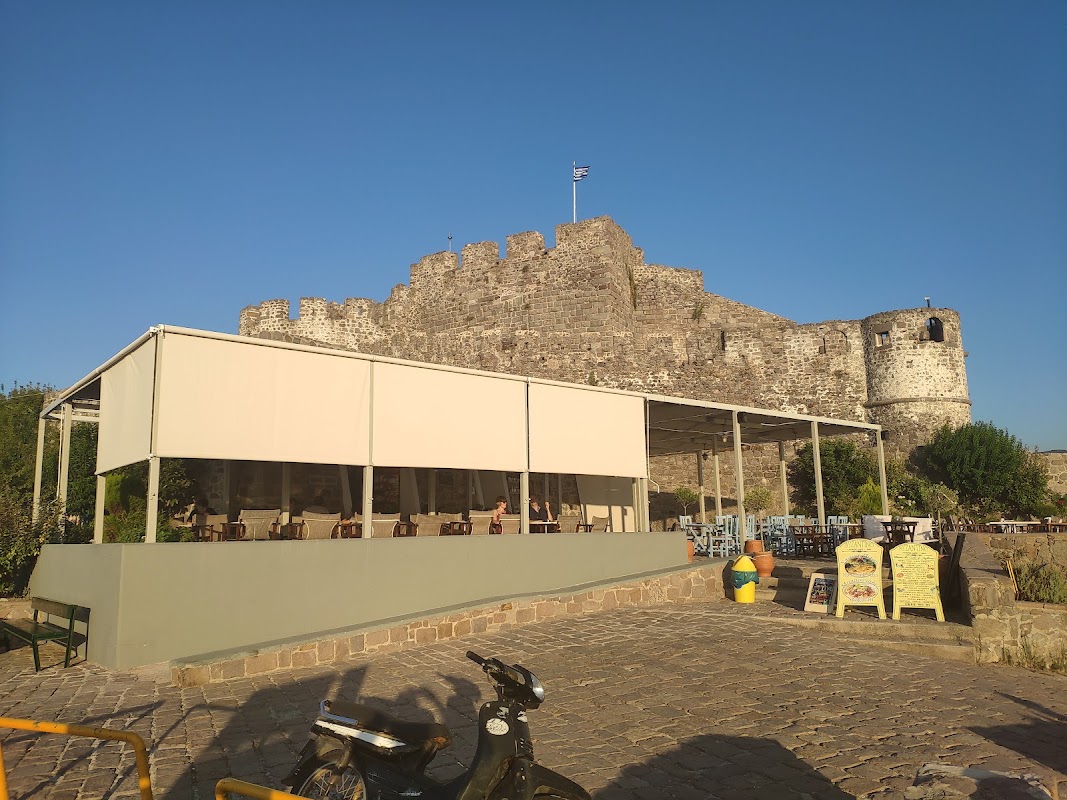
The Varvagianni Ouzo Museum, nestled in the village of Agios Isidoros on the southwestern slopes of Lesvos, is a dedicated tribute to the spirit that has made the island famous across Greece and beyond. Lesvos is the undisputed heartland of Greek ouzo production, and the Varvagianni distillery is among the island's mos
Mouseio Teriad
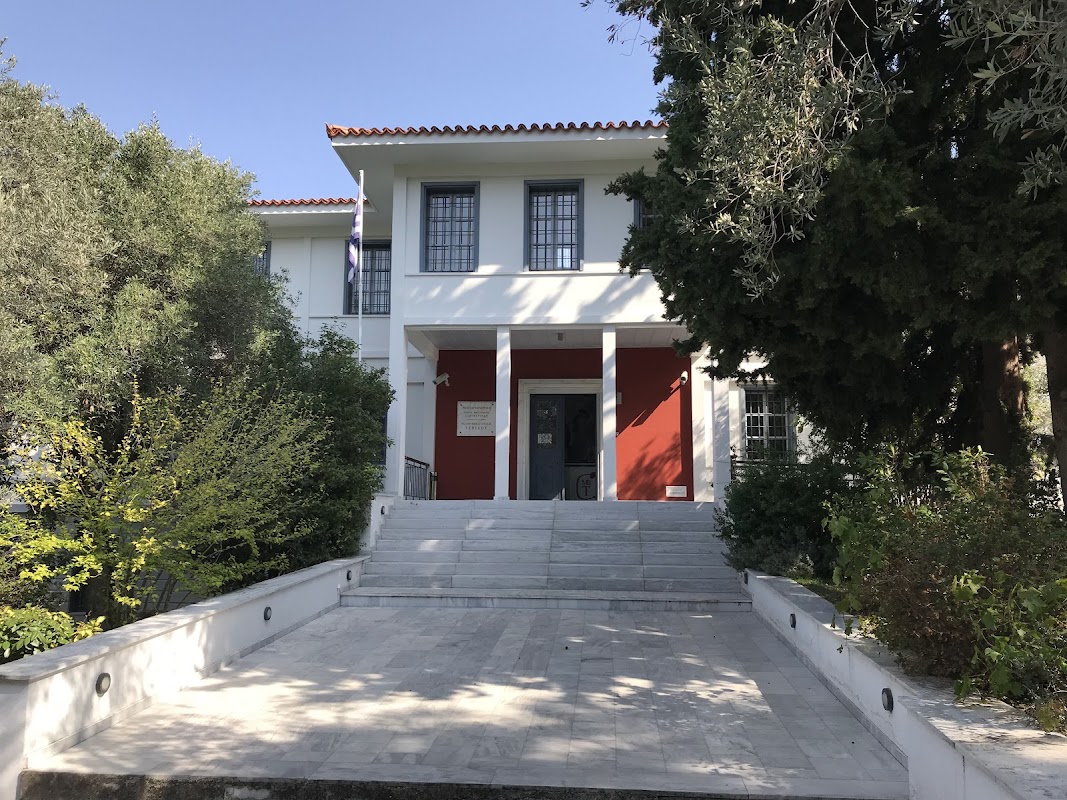
The Tériade Museum in Vareia, a quiet coastal village just a few kilometres south of Mytilene, is one of the most quietly extraordinary art museums in the Aegean. It honours Stratis Eleftheriadis, born on Lesvos in 1897, who left for Paris as a young man and reinvented himself as Tériade, one of the twentieth century's
Mouseio Vrana
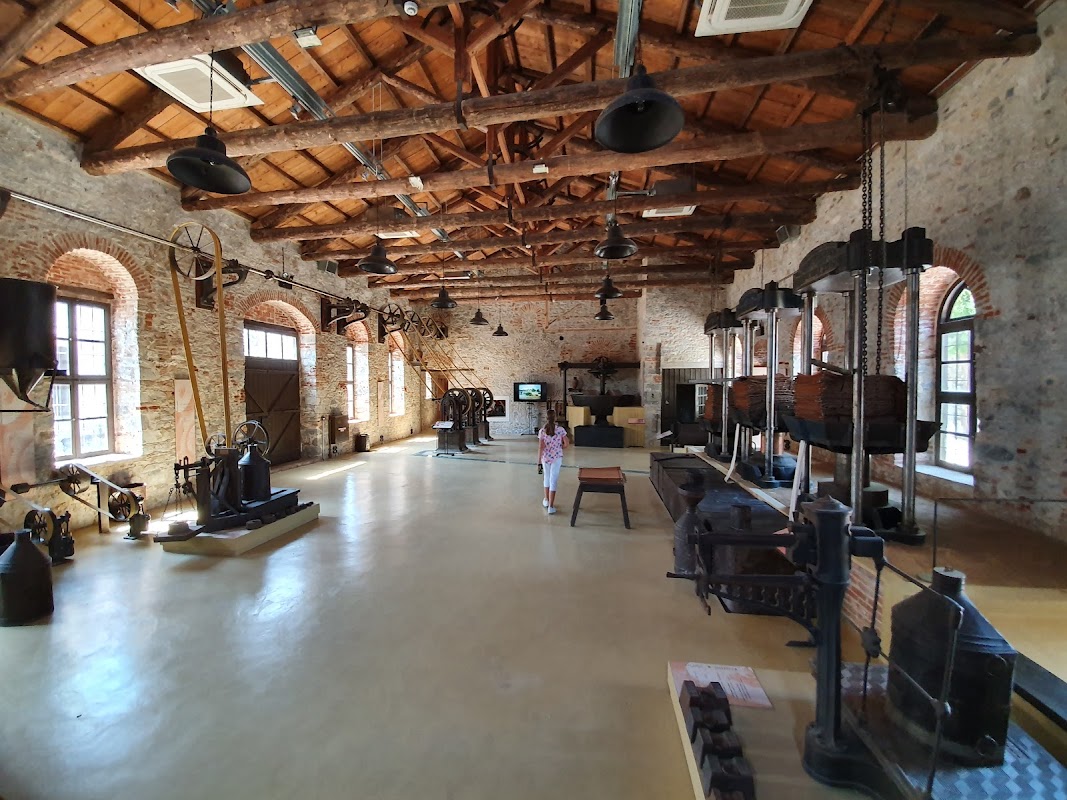
Nestled in the quiet countryside near the village of Pappados in the heart of Lesvos, Mouseio Vrana is a small local museum that offers visitors a window into the traditional life and heritage of the island's interior. The surrounding landscape, shaped by centuries of olive cultivation and rural community life, provide