Castles & Fortifications of Lesvos
Three monumental fortresses guard the shores of Lesvos -- spanning Byzantine, Genoese, and Ottoman eras across 3,500 years of turbulent Mediterranean history.
Lesvos has been fought over for as long as anyone has kept records. Positioned at the crossroads of Greek, Persian, Roman, Byzantine, Genoese, and Ottoman spheres of influence, the island was too strategically valuable to leave undefended. The result is three castles that each tell a different chapter of this story. At Mytilini, layers of construction from half a dozen civilizations are compressed into a single fortress wall. At Molyvos, a Genoese lord rebuilt fortifications on a hilltop that, according to Homer, once withstood the siege of Achilles. And at Sigri, an Ottoman garrison from the eighteenth century still watches over a quiet fishing harbor on the island's western edge. Together, they form one of the most compelling collections of military architecture in the Aegean.
Mytilini Castle
Κάστρο Μυτιλήνης
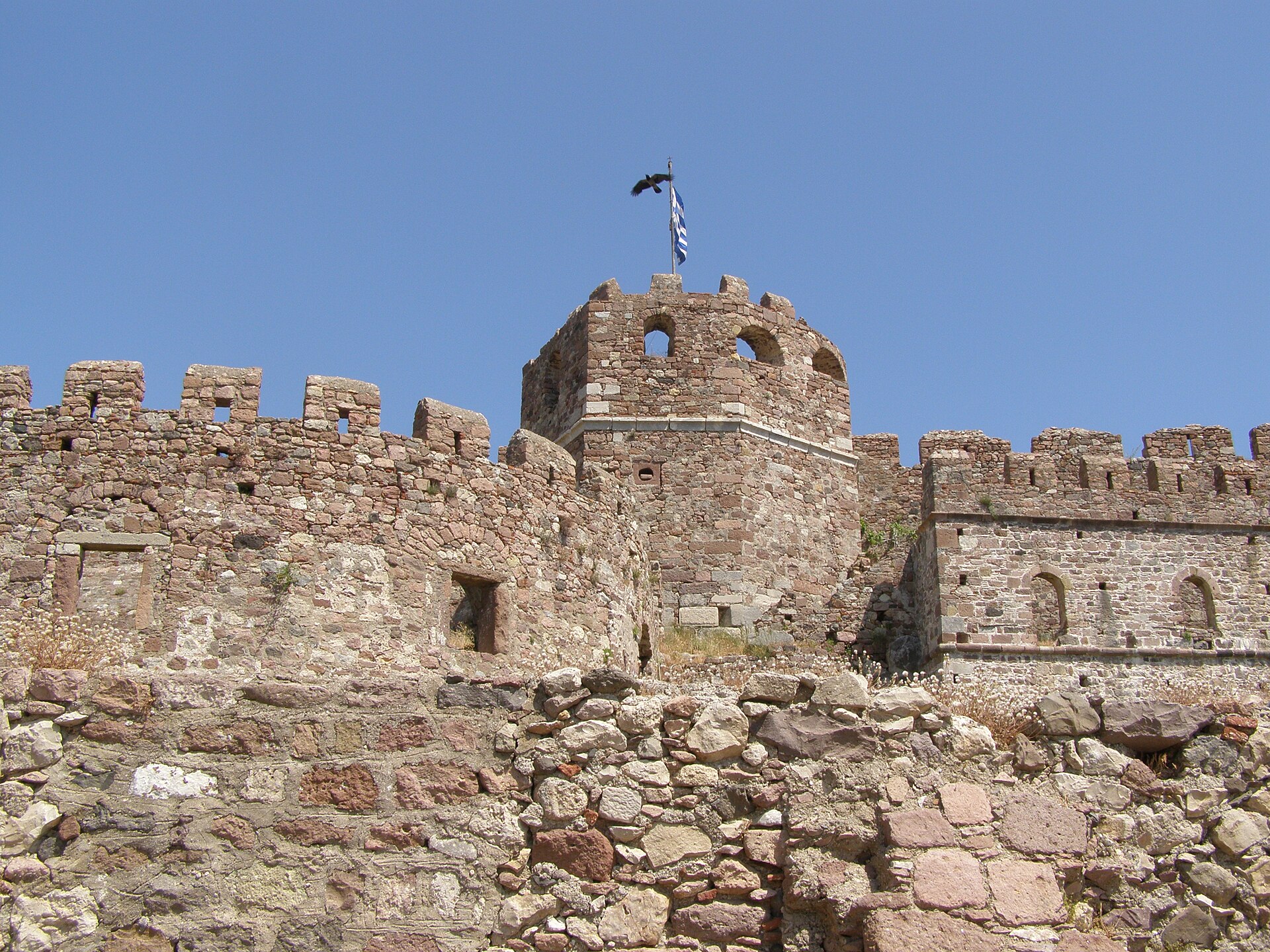
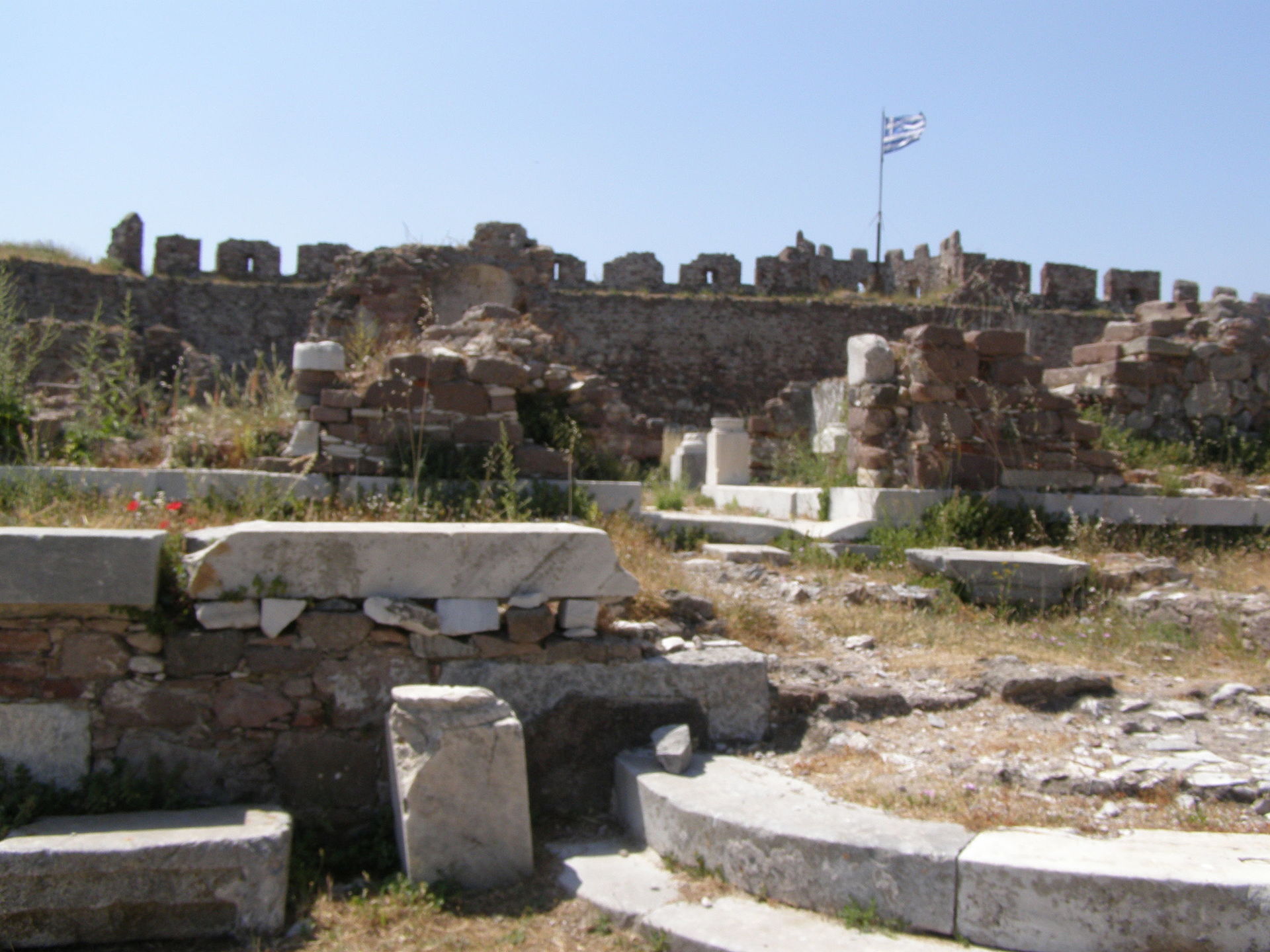
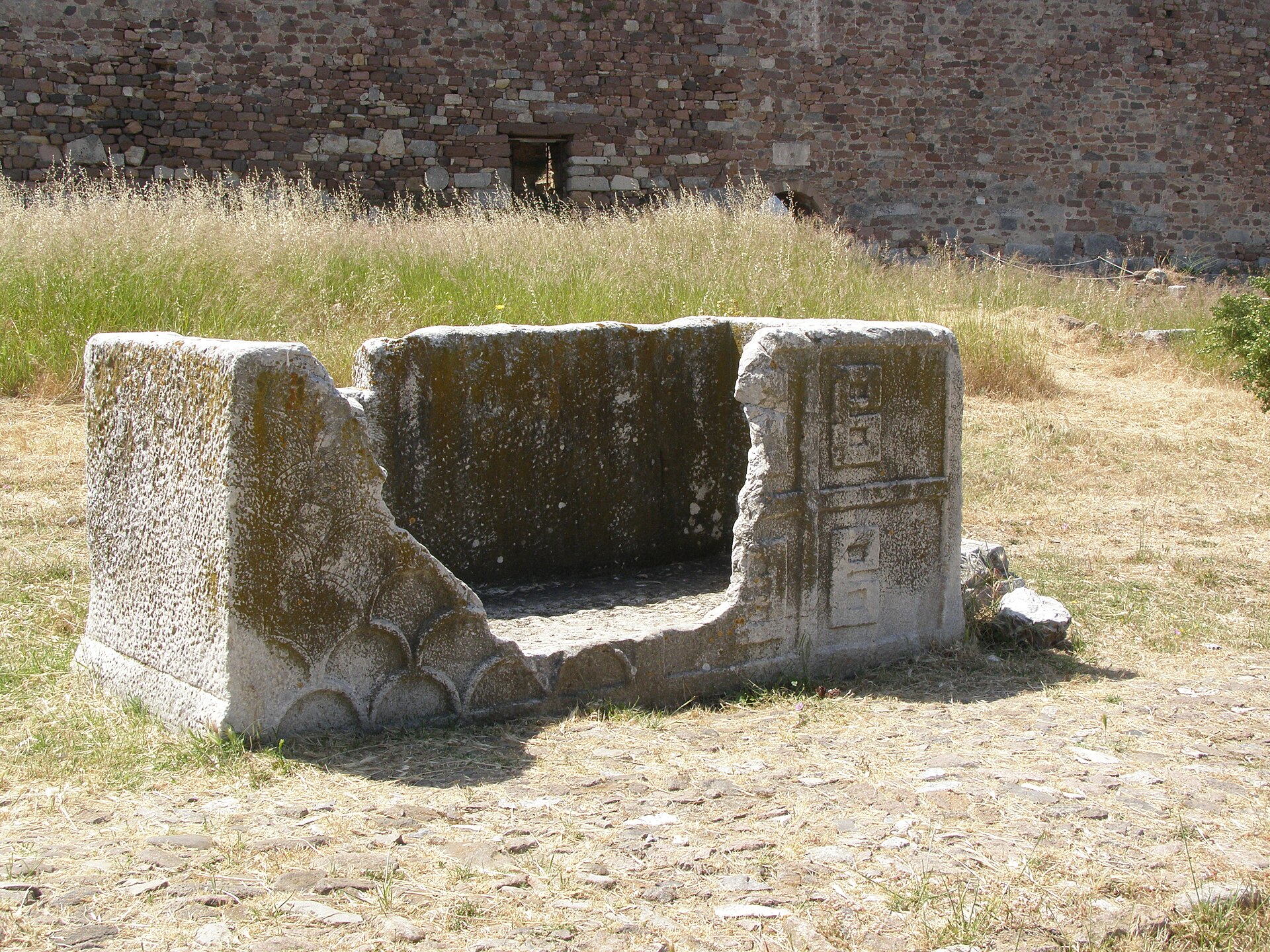
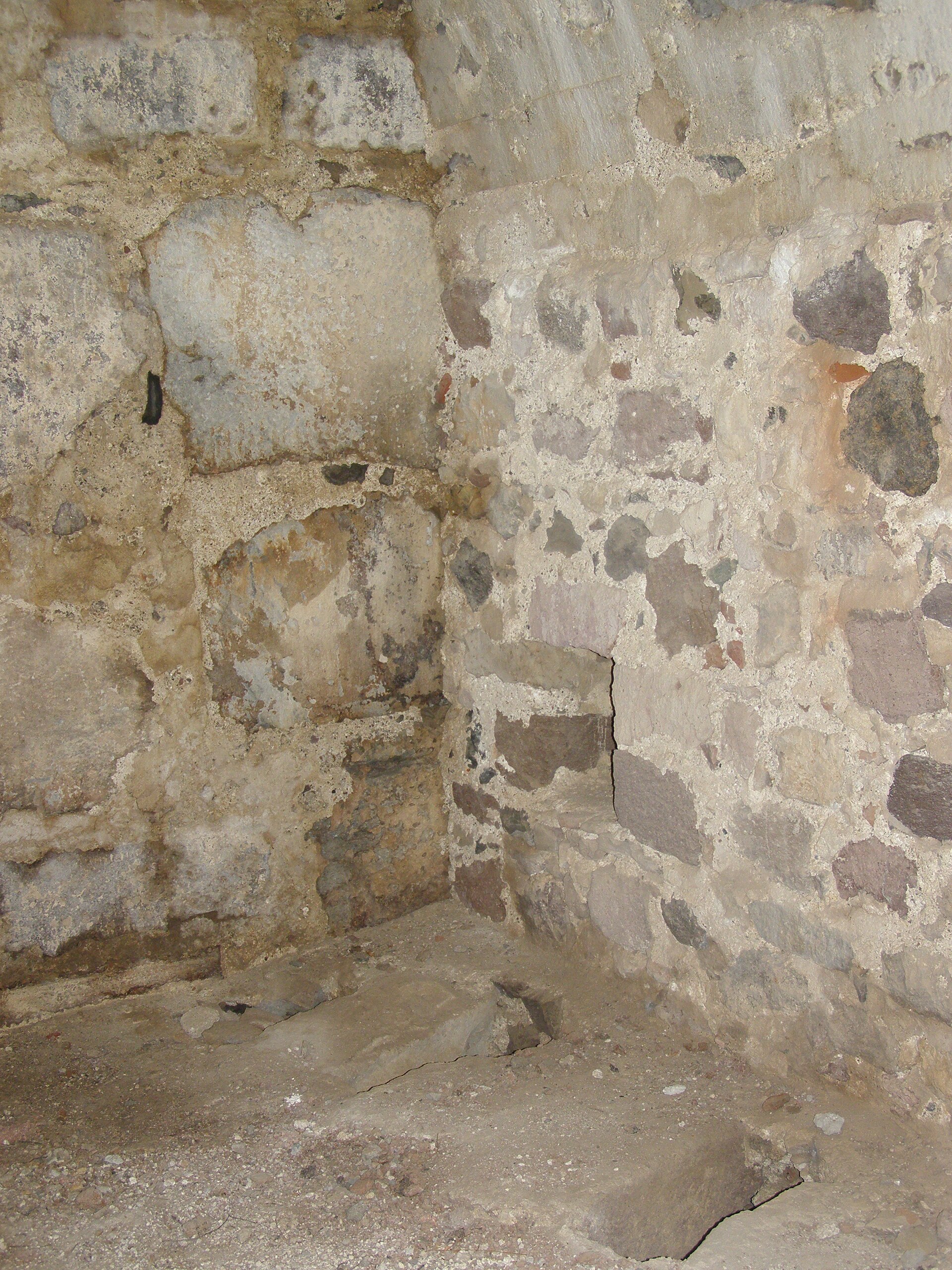
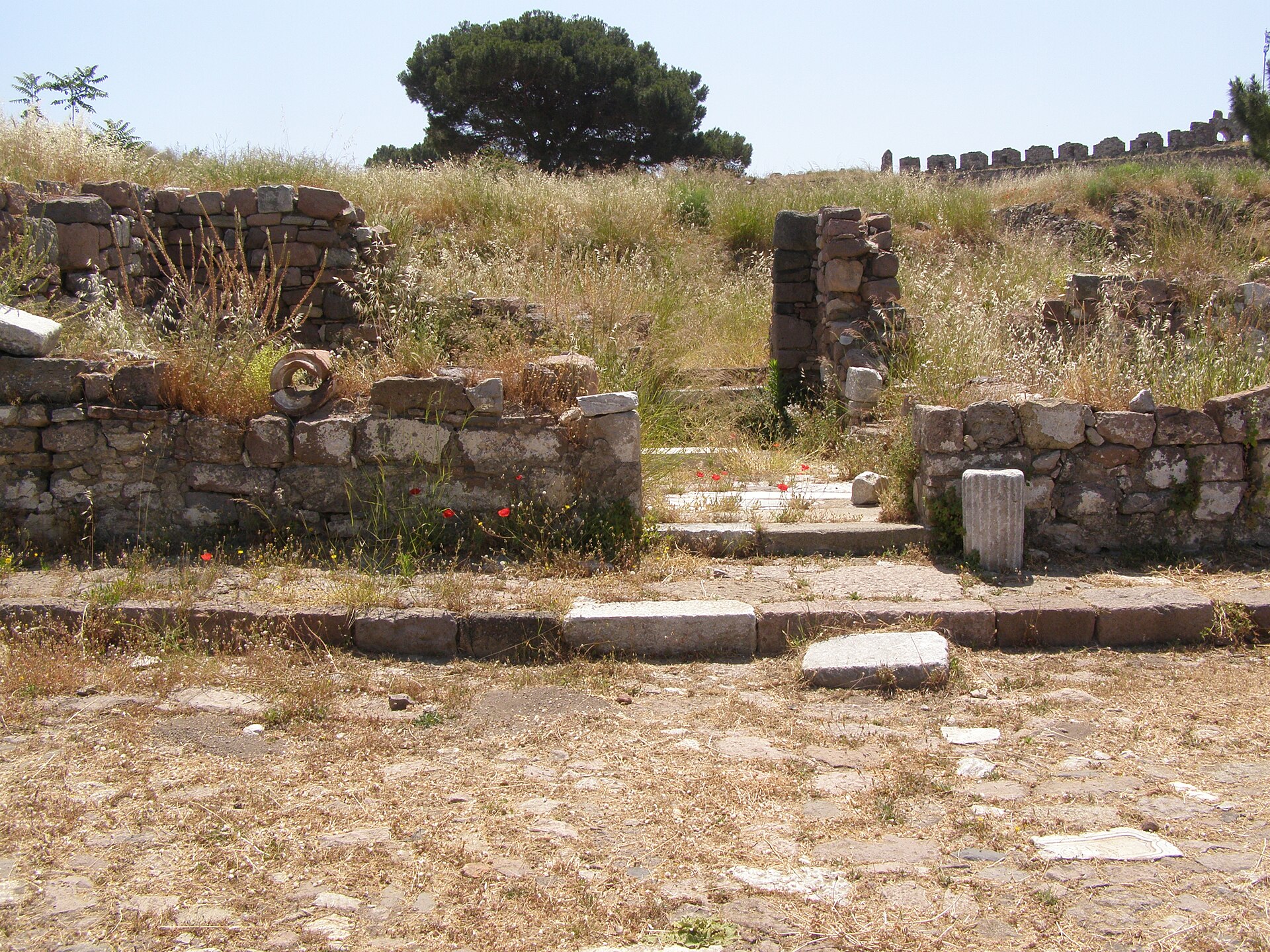
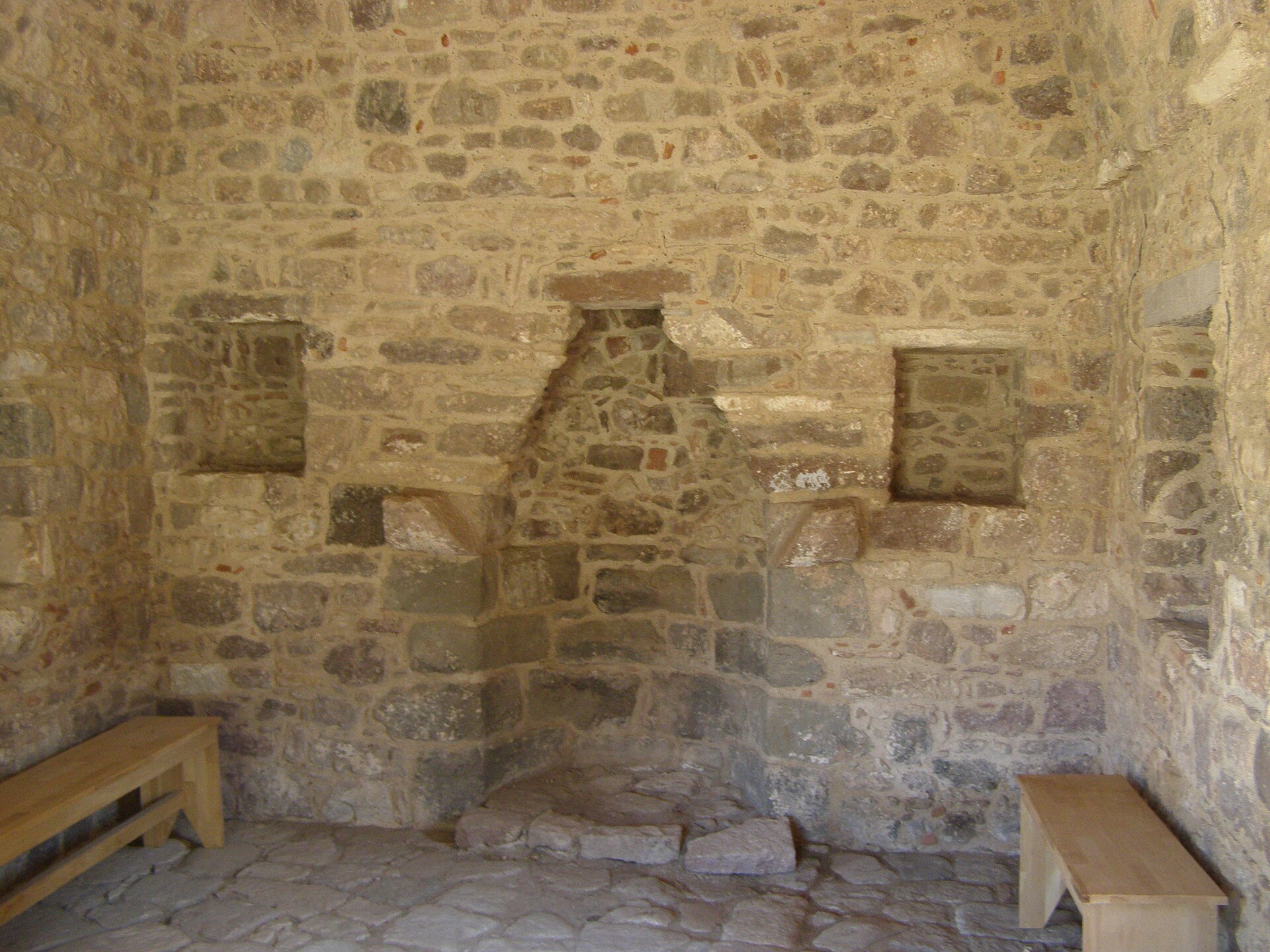
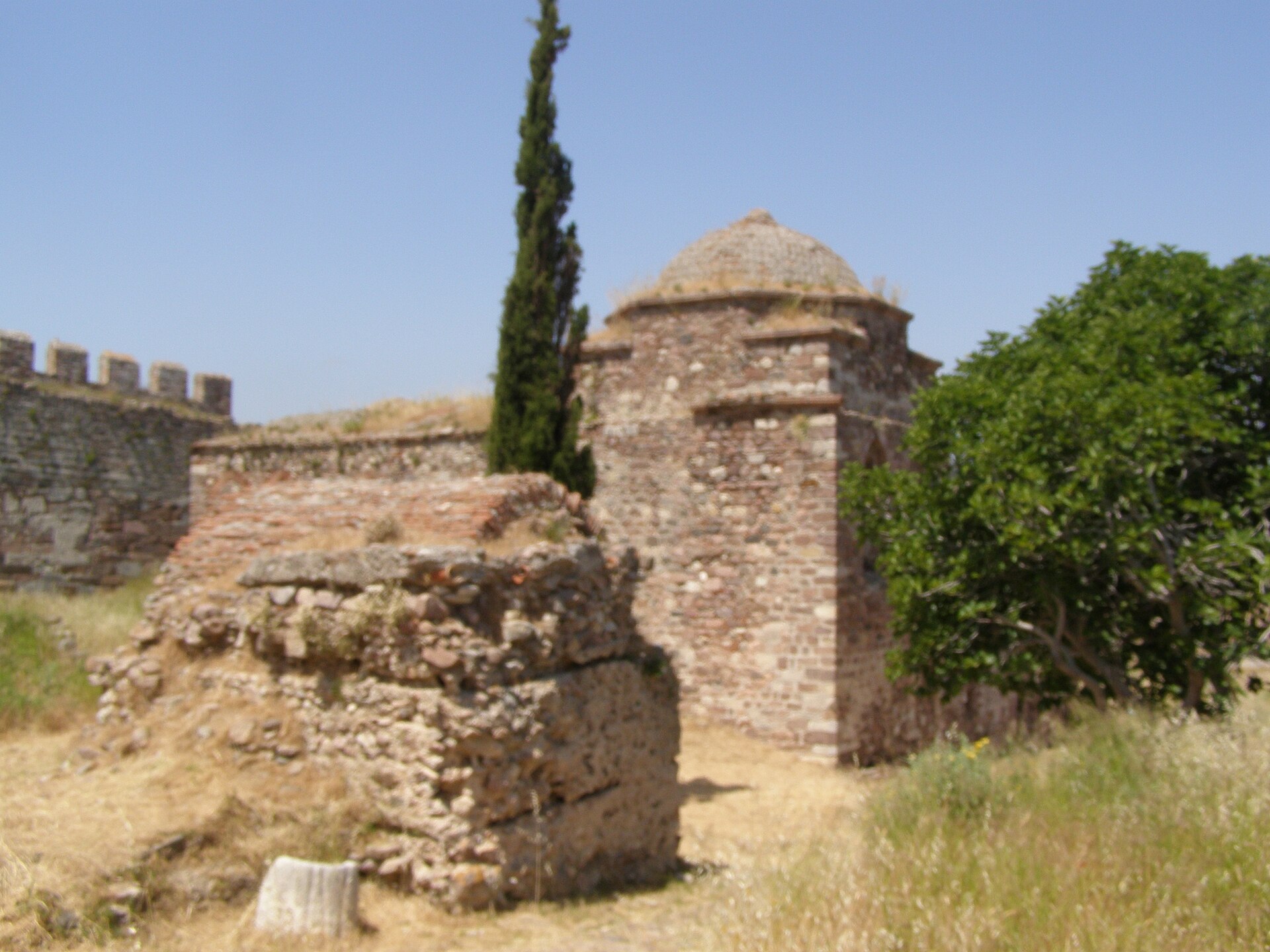
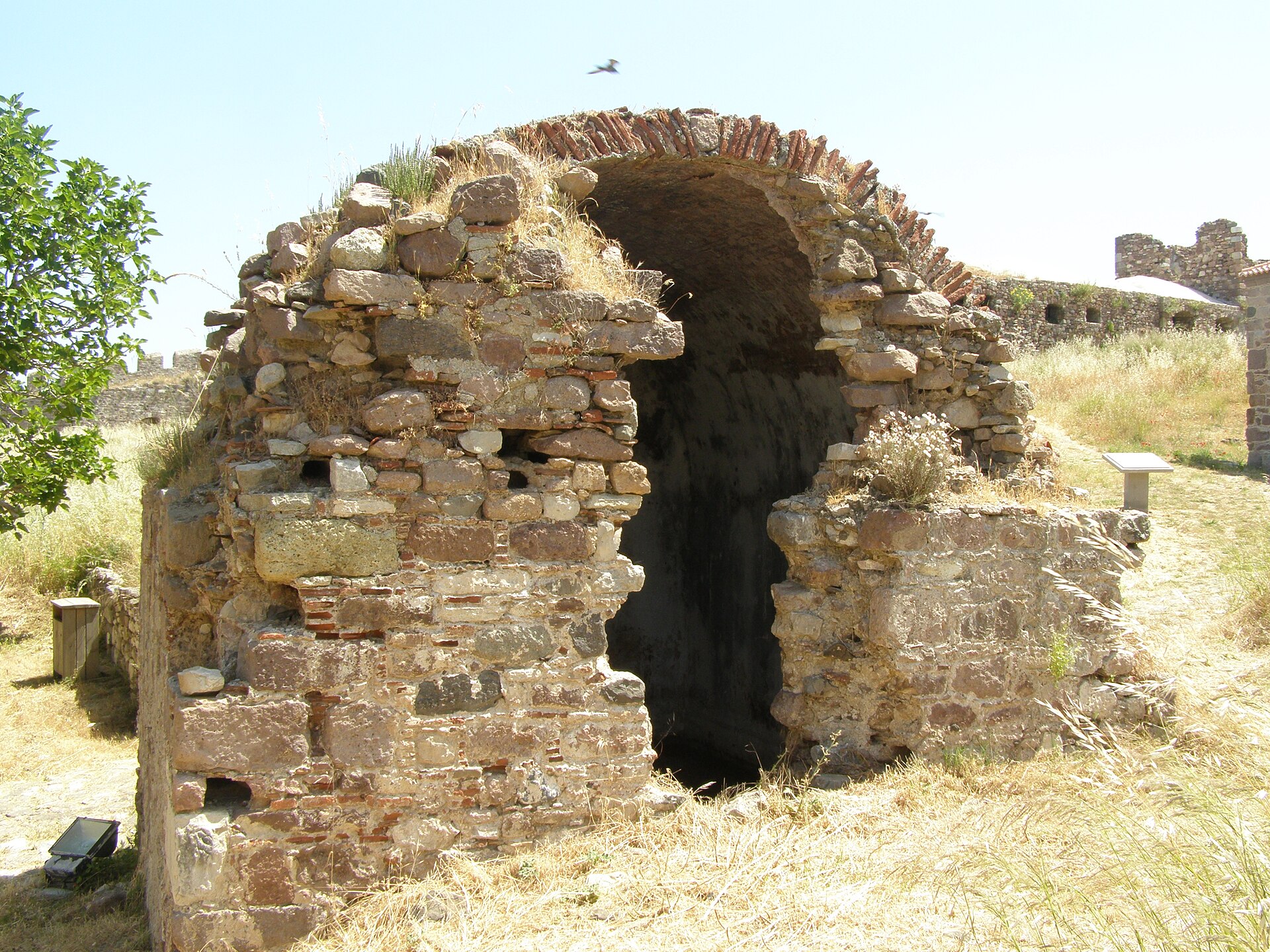
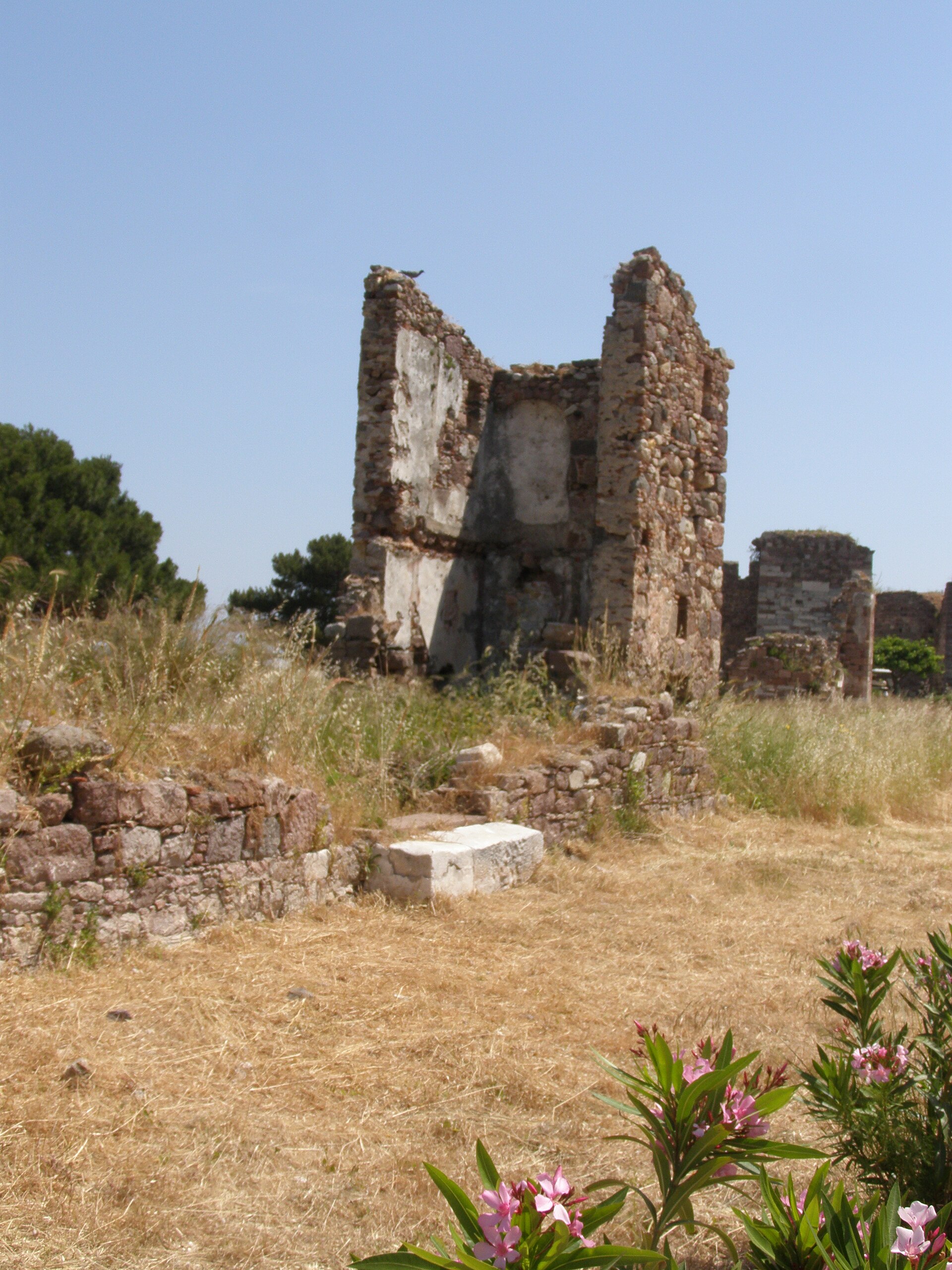
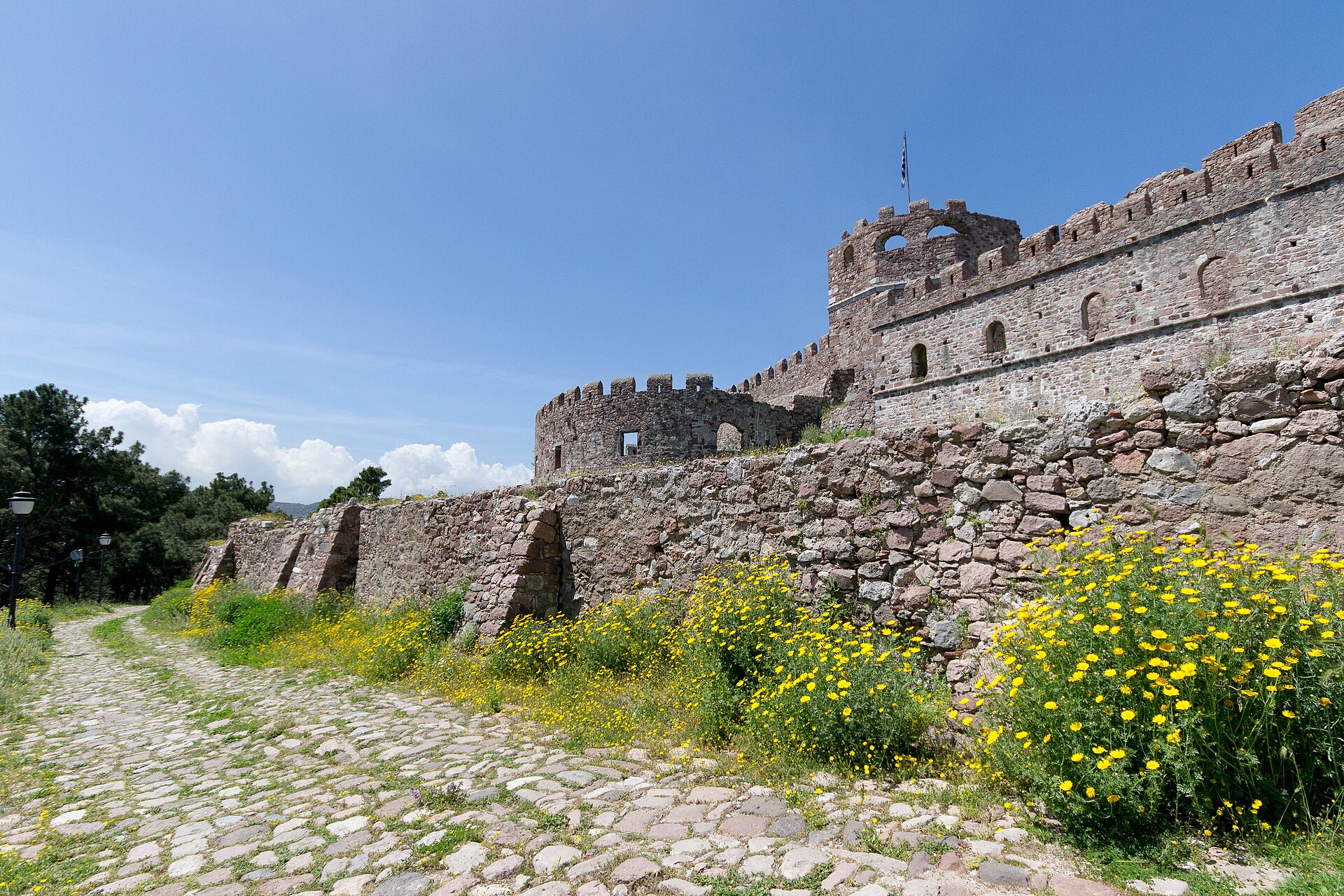
Dominating the northern ridge of the island's capital, the fortress of Mytilini is one of the largest castles in the entire eastern Mediterranean. Its foundations reach back to the age of Justinian, though they rest on even older ruins -- possibly ancient Greek or early Roman. Over the centuries the site was rebuilt, reinforced, and expanded by Romans, Byzantines, Venetians, Genoese, and Ottoman Turks. The result is a palimpsest of military architecture: walk the perimeter and you will see stonework from half a dozen civilizations layered into a single, massive wall.
Molyvos Castle
Κάστρο Μολύβου
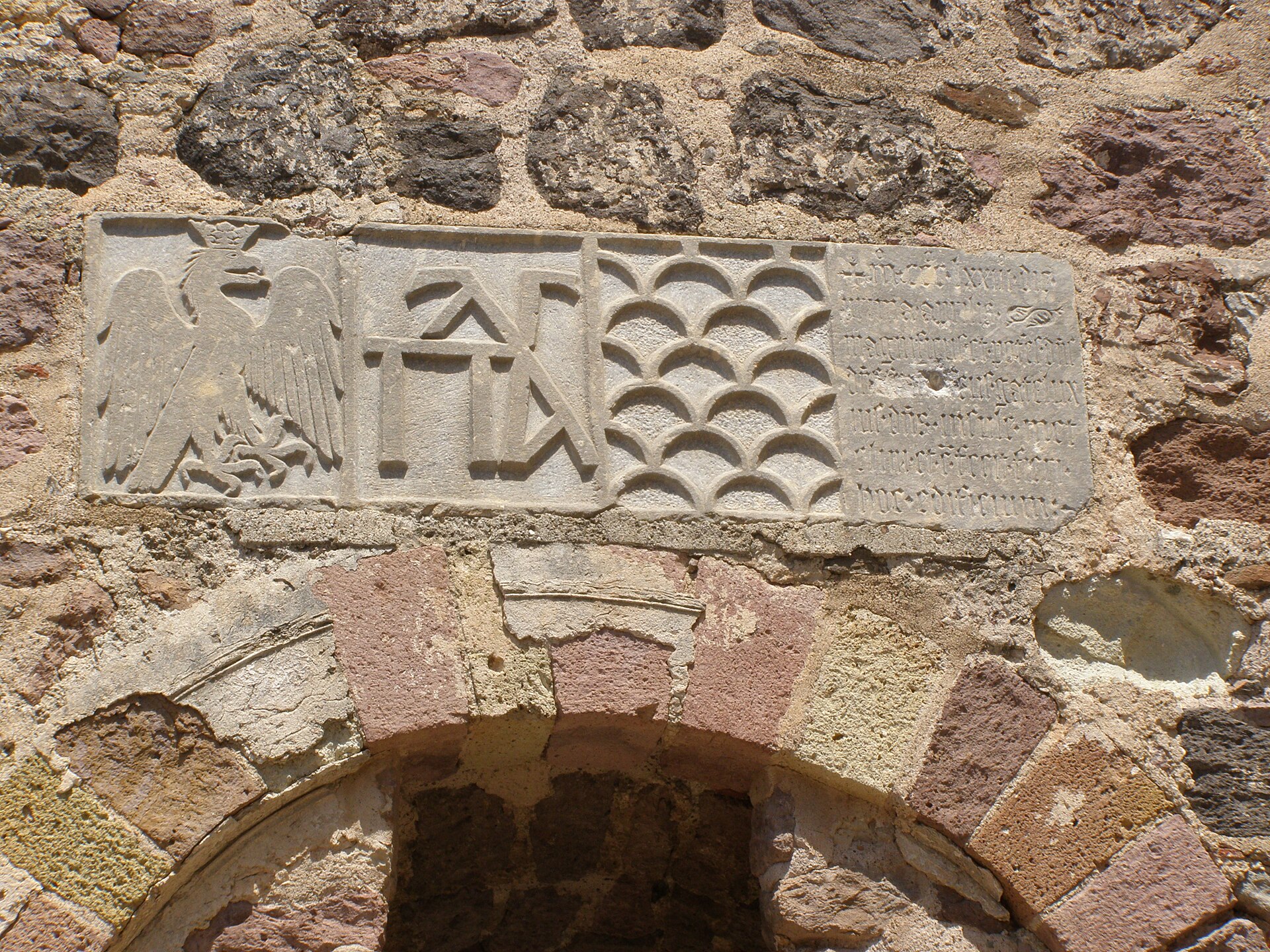
Perched on the summit of Molyvos -- the island's most picturesque town -- this fortress commands views that stretch from the terracotta rooftops and fishing harbor below to the hazy mountains of the Turkish coastline across the strait. The castle has Byzantine origins but owes its present form largely to Francesco Gattelusi, the Genoese lord who took control of Lesvos in 1355 and set about repairing and expanding the fortifications. Ancient tradition holds that the original citadel on this hill was besieged by Achilles himself during the Trojan War, lending the site a mythological weight that few Aegean ruins can match.
Sigri Castle
Κάστρο Σιγρίου
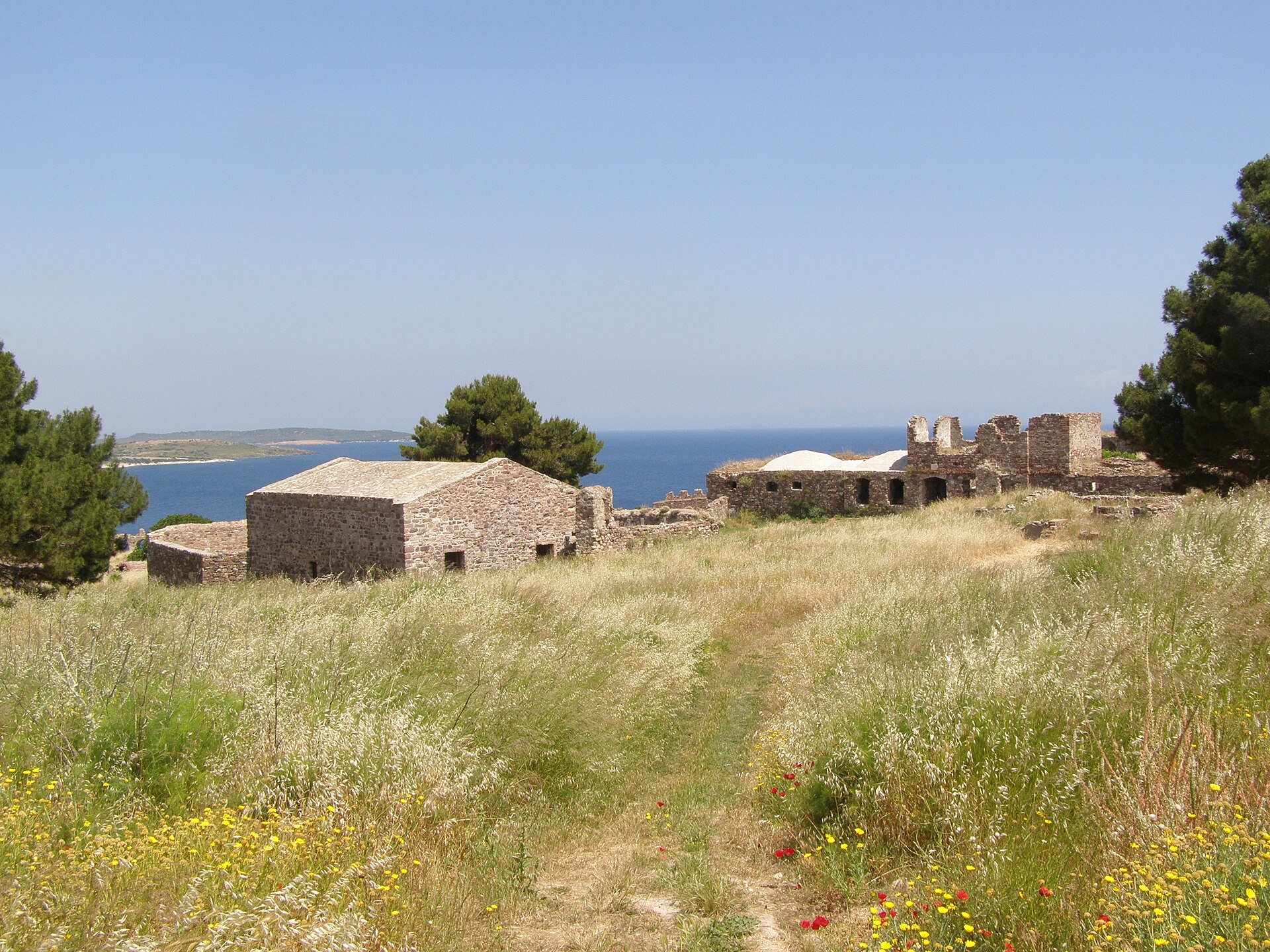
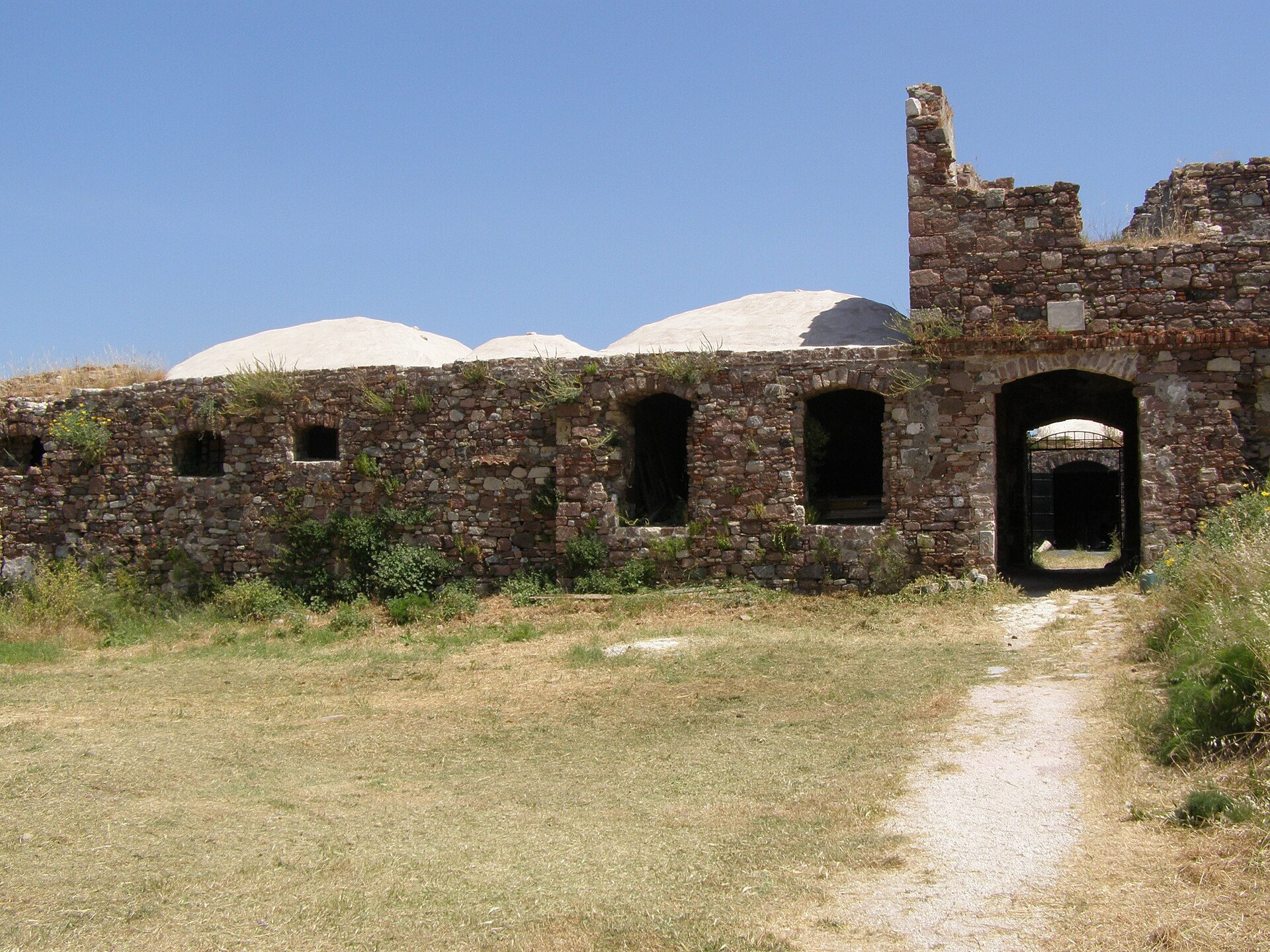
The newest of the island's three major fortifications, the castle at Sigri was built by the Ottomans in 1757 on a small peninsula jutting above the harbor. It served as a military outpost guarding the western approaches to Lesvos during a period of recurring naval conflict in the Aegean. Compared to the sprawling complexity of Mytilini or the dramatic hilltop setting of Molyvos, Sigri's castle is compact and unadorned -- a straightforward Ottoman garrison built for function, not ceremony. Entry is free, and visitors can walk the ramparts at their own pace with little company.
Visiting Tips
Arrive early in summer
The castles at Mytilini and Molyvos offer almost no shade. Visit in the morning or late afternoon to avoid the midday heat, especially between June and September.
Bring a camera for sunset at Molyvos
The western-facing ramparts of Molyvos Castle catch golden light in the evening. The view over the town's stone rooftops and the Aegean beyond is among the finest on the island.
Combine Sigri with the Petrified Forest
The Sigri castle and the Lesvos Petrified Forest museum are within walking distance of each other. Plan a half-day in western Lesvos to see both, followed by lunch at a harbor taverna.
Wear sturdy shoes
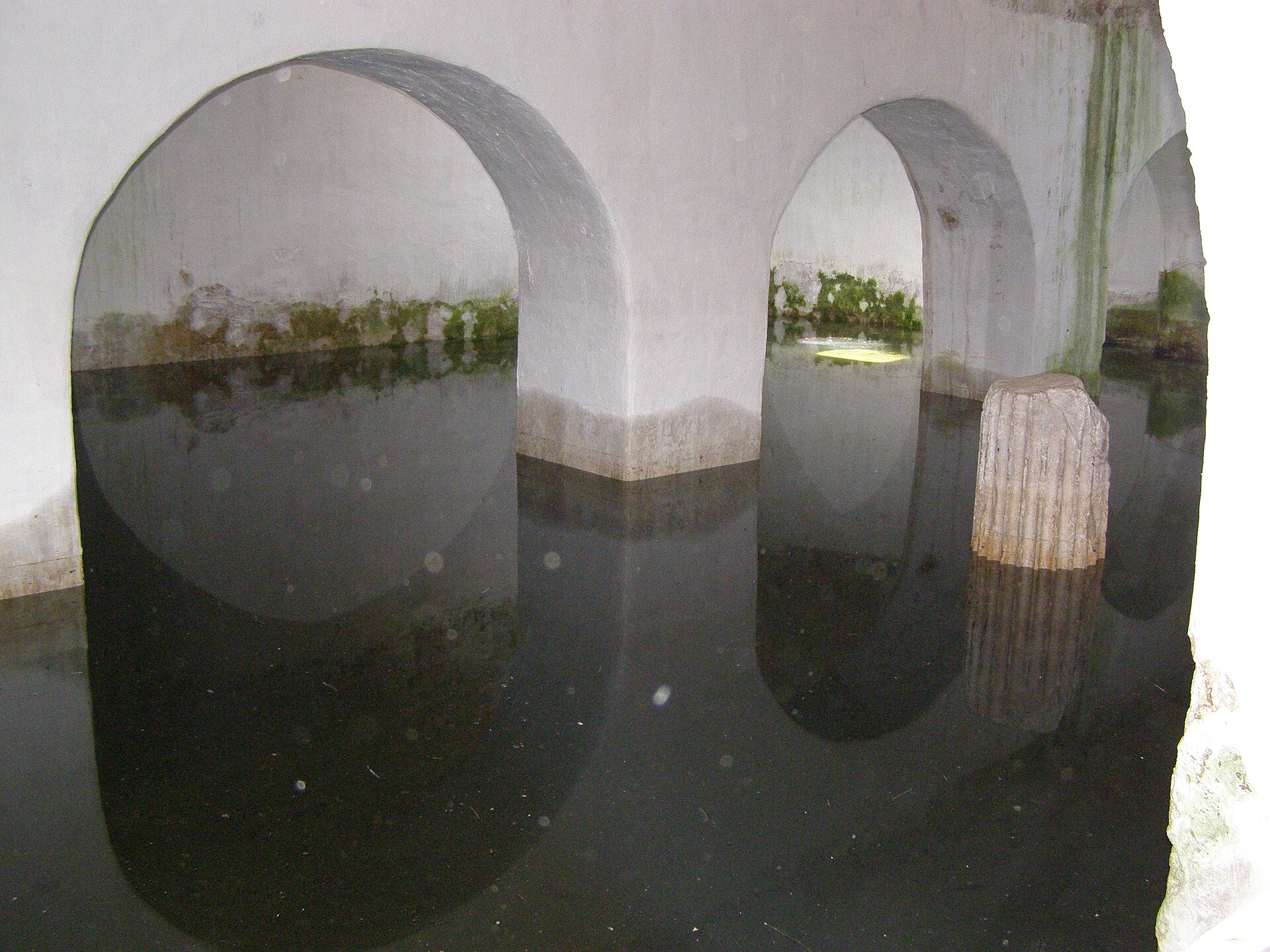
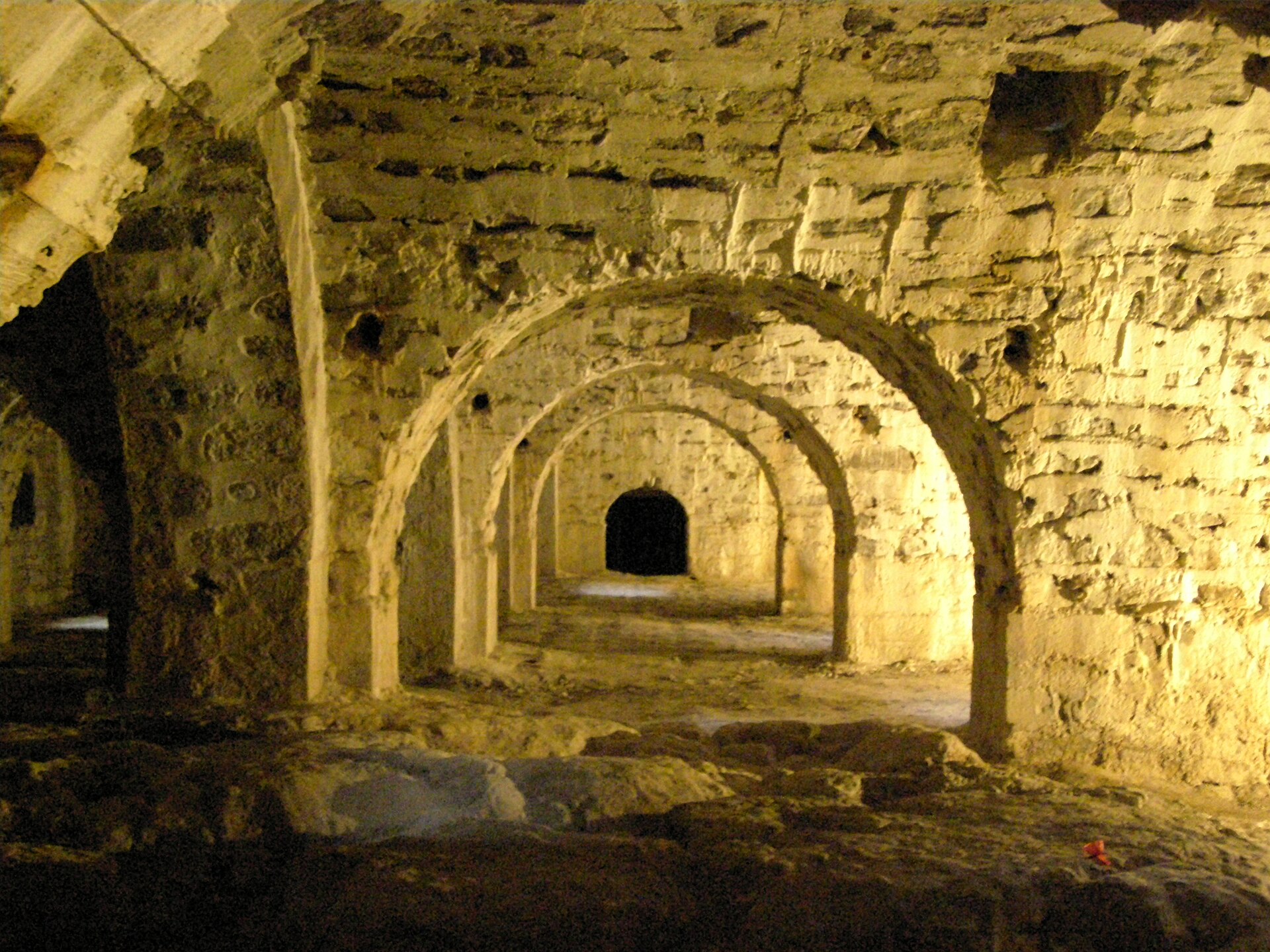
All three castles involve uneven ground, loose stone, and steep passages. Sandals are not advisable, particularly at Mytilini where the underground tunnels can be slippery.
Read the walls
At Mytilini, look for the shifts in masonry style as you walk the perimeter. Roman brick, Byzantine cut stone, Genoese ashlar, and Ottoman repair work are all visible -- sometimes within a single stretch of wall.
Gallery