About
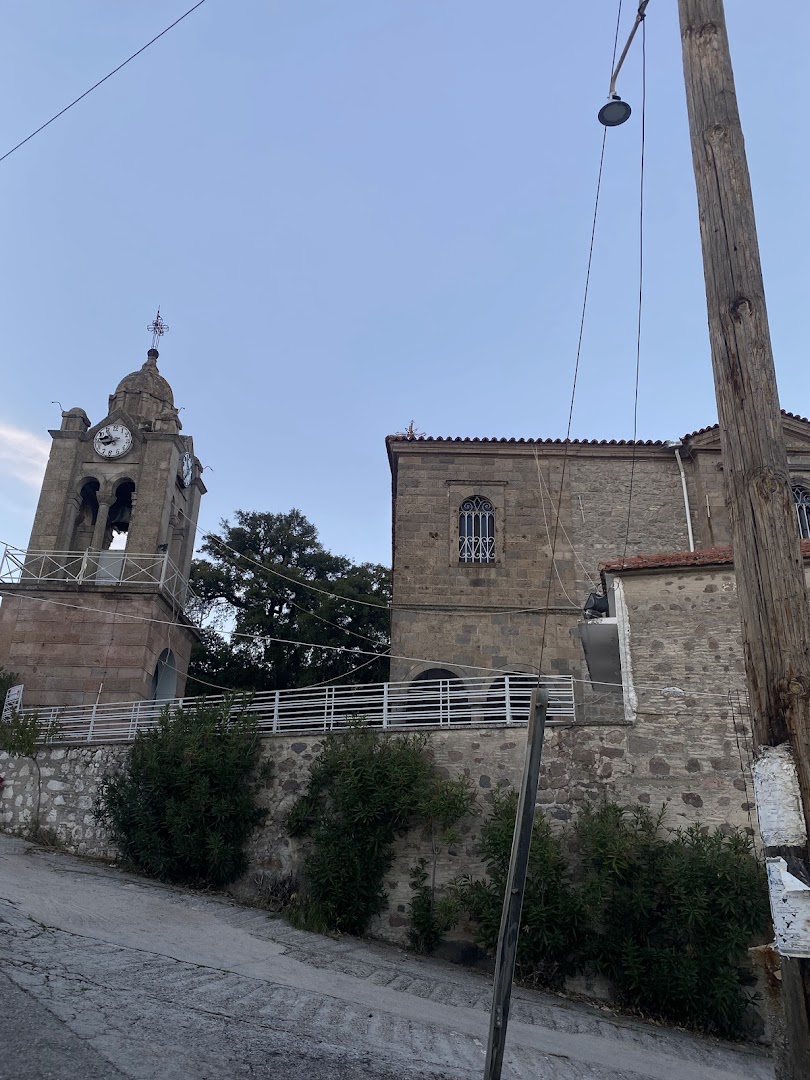
Nestled in the quiet countryside near the village of Kapi in northern Lesvos, the church of Agios Georgios stands as a humble yet enduring expression of Orthodox faith and rural community life. Dedicated to Saint George, one of the most venerated saints in the Greek Orthodox tradition, this small chapel reflects the architectural vernacular common to the Aegean islands: whitewashed walls, a modest bell tower, and a low-arched entrance that draws visitors from the brightness of the Greek sun into a cool, incense-scented interior. Like many such chapels scattered across the Lesbian countryside, it likely dates to the post-Byzantine period, built and maintained by the surrounding community as both a place of worship and a gathering point for the agricultural villages of the region.
Inside, visitors can expect to find the characteristic elements of Orthodox sacred art that give these rural churches much of their spiritual atmosphere. An iconostasis separating the nave from the sanctuary would traditionally hold painted icons of Christ, the Virgin, and Saint George himself — the dragon-slaying soldier-martyr whose image, lance raised and horse rearing, resonates deeply with communities that have long sought divine protection for their harvests and their people. Older chapels in this part of Lesvos sometimes preserve fragments of Byzantine-influenced frescoes, though the interior of this particular church reflects the devotional simplicity typical of island chapels that were lovingly maintained by a handful of local families across generations.
The feast day of Saint George falls on April 23rd according to the Orthodox calendar (or the Monday after Easter when that date falls within Holy Week), and in villages like Kapi it is marked with a panigiri — the traditional festival of liturgy, music, and communal feasting that remains one of the most authentic expressions of Greek island culture. For travelers passing through the quiet back roads of northern Lesvos, stopping at Agios Georgios offers a moment of stillness and a glimpse into the devotional landscape that has shaped life on this island for centuries.
Before you go
What to expect
The small whitewashed chapel stands in the still countryside outside Kapi, its low entrance drawing you from midday glare into cool shadow and the lingering scent of incense. The iconostasis holds painted icons of Saint George — lance raised against the dragon — alongside the Virgin and Christ, lending the space a quiet gravity that feels accumulated over generations. It is the kind of rural chapel where a lit candle and a moment of silence feel like the most natural thing in the world.
Best time to visit
The feast of Saint George on April 23rd is the most rewarding time to visit, when the surrounding villages gather for a panigiri of liturgy, music, and communal feasting; otherwise, spring and early autumn offer pleasant temperatures for exploring the back roads of northern Lesvos.
How to get there
From Mytilene, head north toward Kalloni and continue into the northern part of the island toward the Kapi area — the drive takes roughly 45 to 50 minutes. A navigation app is useful, as rural signage in this part of Lesvos can be sparse.
Categories
Make a day of it
Places worth combining with your visit