Άγιος Θεράπων εκ Σάρδεων
About
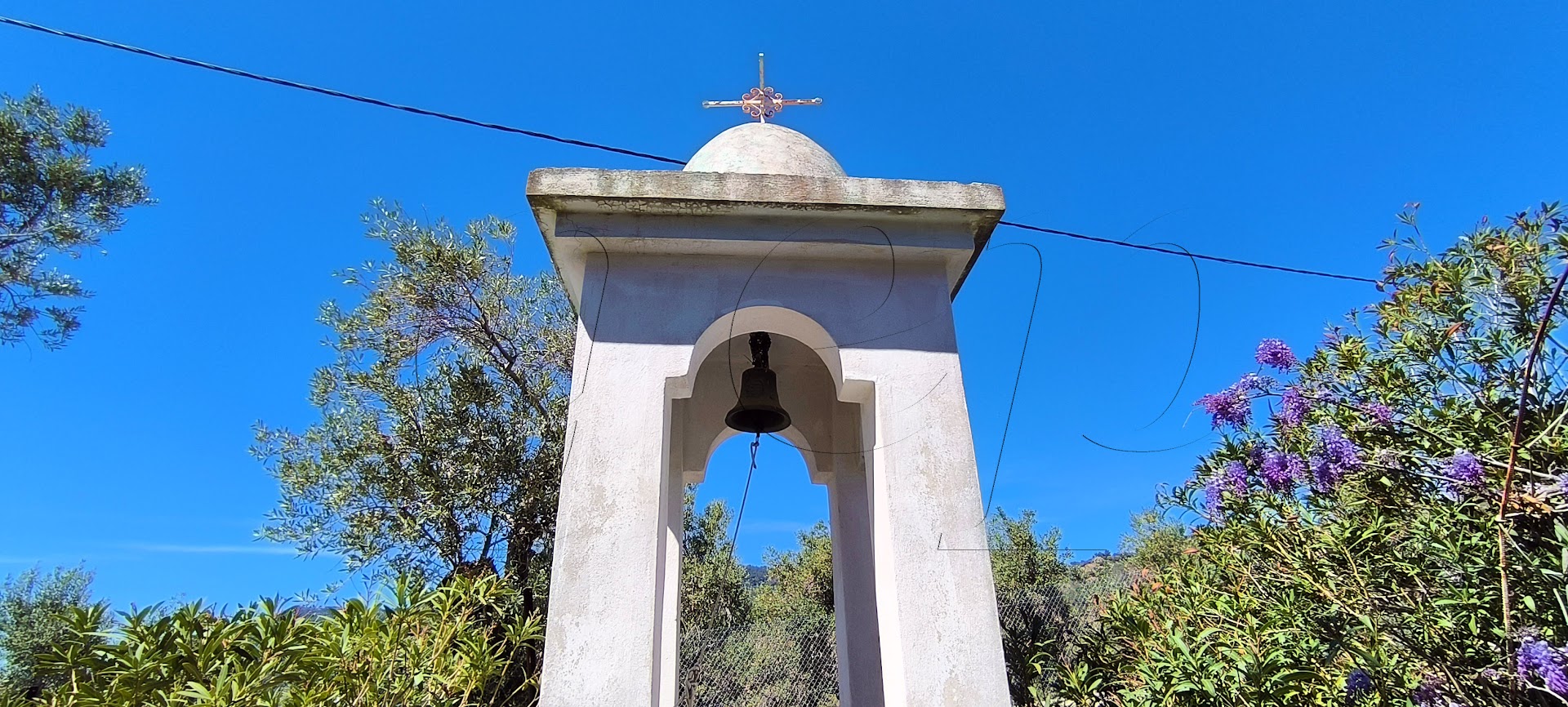
Nestled in the quiet countryside near the small village of Ampeliko, this Orthodox church stands as a testament to the deep spiritual fabric woven into every corner of Lesvos. Like so many of the island's rural chapels, it likely serves the surrounding community as both a place of worship and a focal point of village identity, its whitewashed walls and terracotta-tiled roof a familiar silhouette against the Aegean landscape. The Orthodox Church has shaped life on Lesvos for centuries, and even the smallest rural chapel typically holds within it a history reaching back generations, maintained with quiet devotion by the families of the surrounding area.
Visitors who venture into the Ampeliko area will find the church a serene stop along the rural road, offering a moment of stillness away from the more-traveled coastal routes. The interior, as is common with Lesvos's country churches, likely features a modest iconostasis with locally venerated icons, oil lamps casting a warm glow over painted saints, and the lingering scent of incense that seems embedded in the very stone. Feast days, tied to the dedication of the church, would traditionally draw villagers from the surrounding hamlets for a panigiri, the Greek Orthodox celebration combining liturgy, music, and communal feasting that remains one of the most authentic expressions of island culture.
For travelers interested in the lived religious heritage of the Aegean, this church near Ampeliko offers something that grand monasteries rarely can: an intimate glimpse into the faith of ordinary islanders. It belongs not to tourists or history books but to the people of the village, who have baptized their children here, mourned their dead, and marked the turning of the seasons with prayer. To pause at its door is to encounter Lesvos at its most human.
Before you go
What to expect
The church sits at the edge of Ampeliko's fields, its lime-washed walls catching the afternoon light in a way that stops you mid-step. Inside, a compact iconostasis faces rows of oil lamps burning before hand-painted saints, and the smell of incense seems absorbed into the stone itself. On the dedication feast day, the courtyard draws villagers from neighbouring hamlets for a panigiri — liturgy folding into music and shared food under the open sky.
Best time to visit
Spring and early autumn are most pleasant — the surrounding countryside is vivid green or golden, and the midday heat won't hurry you.
How to get there
From Mytilene, drive northwest into the central interior; the journey to Ampeliko takes roughly 30–40 minutes on winding rural roads. The church is close to the village itself — easily spotted from the lane.
Categories
Make a day of it
Places worth combining with your visit