About
Standing quietly in the landscape near the coastal town of Petra, the Mnimeio Pesodon — Monument to the Fallen — is one of Lesvos's solemn tributes to the islanders who gave their lives in the conflicts that shaped modern Greece. Like similar memorials across the Aegean, it speaks to the turbulent history that the people of Lesvos lived through across the late nineteenth and twentieth centuries, including the Balkan Wars, the upheaval of the Asia Minor catastrophe of 1922, and the hardships of two world wars. For a community like Petra, where generations of families have been deeply rooted in the land and sea, such a monument carries a weight that goes far beyond stone — it is a focal point of local memory and collective grief.
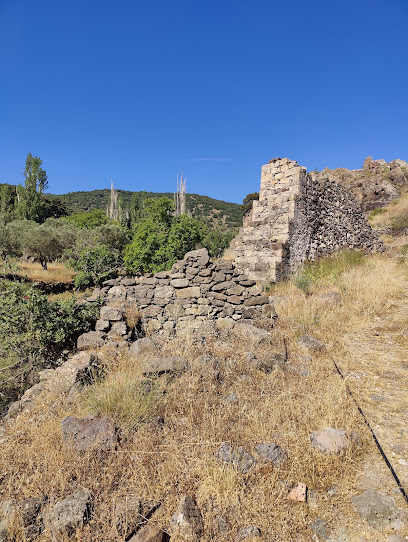
The monument itself is modest in the way that Greek village memorials often are: a structured marker bearing inscribed names, designed not to overwhelm but to invite quiet reflection. Visitors who pause here will find themselves confronted with the human cost of history on an island that, despite its pastoral beauty, was never insulated from the wider struggles of the Hellenic world. The surrounding area near Petra offers a compelling contrast — the great rock of Petra rising behind the town, the sea glittering in the distance — making this a place where the weight of remembrance sits alongside everyday life in a distinctly Mediterranean way.
For travellers with an interest in local history and culture, the Mnimeio Pesodon offers a meaningful moment away from the beaches and Byzantine churches. It is the kind of place that reminds visitors that Lesvos is not merely a postcard landscape, but a living community with deep roots and hard-won stories. Taking a few minutes to stand here and read the names carved in stone is a quiet act of respect for those who shaped the island that welcomes travellers today.
Before you go
What to expect
The inscribed names on the stone marker are what draw you in first — local surnames that repeat across generations, each one a thread in Petra's collective memory. It is a brief, unhurried stop with no entry fee and no crowds: just you, the carved stone, and the old rock of Petra visible above the village rooftops. The juxtaposition of a working coastal town going about its day around a monument this solemn gives the place a distinctly lived-in gravity.
Best time to visit
The monument is accessible year-round and takes only a few minutes; spring and autumn offer the most comfortable weather for a relaxed visit to Petra's sights.
How to get there
Petra is roughly an hour's drive north of Mytilene along the main coastal road. Once in the village, the monument is easy to locate on foot from the centre.
Details
Categories
Make a day of it
Places worth combining with your visit