About
Nestled near the village of Megalochori in the verdant interior of Lesvos, the church of Agia Paraskevi is dedicated to one of the most beloved saints in the Greek Orthodox tradition. Saint Paraskevi was an early Christian martyr whose name means "Friday" in Greek, a day long associated with preparation and devotion in the Orthodox calendar. Venerated across Greece and the broader Orthodox world, she is regarded as a protector and healer, particularly of ailments of the eyes, and her intercession is sought by the faithful in times of illness and hardship. Small parish churches like this one, tucked into the island's agricultural landscapes, represent the living heartbeat of rural religious life on Lesvos, serving communities whose ties to the land and to their faith have remained intertwined for generations.
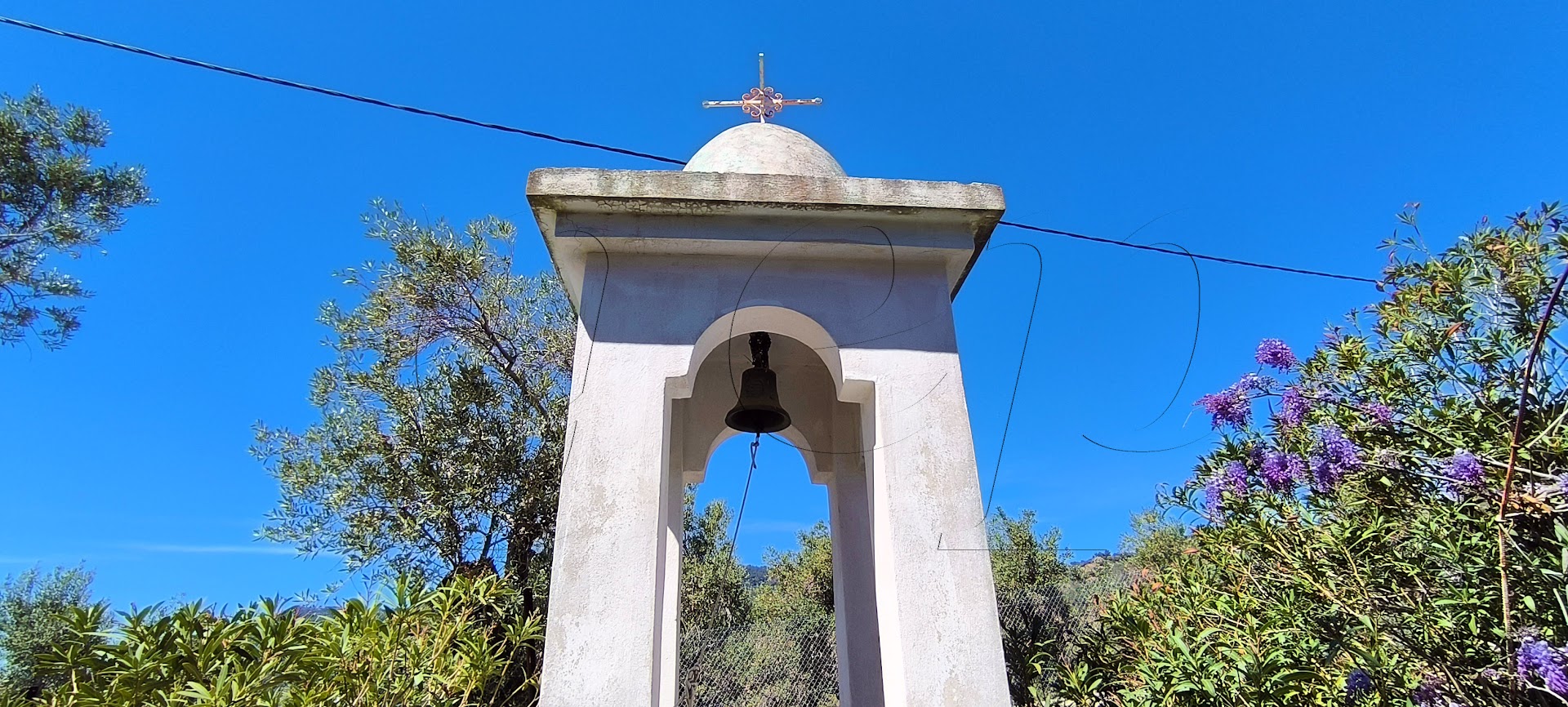
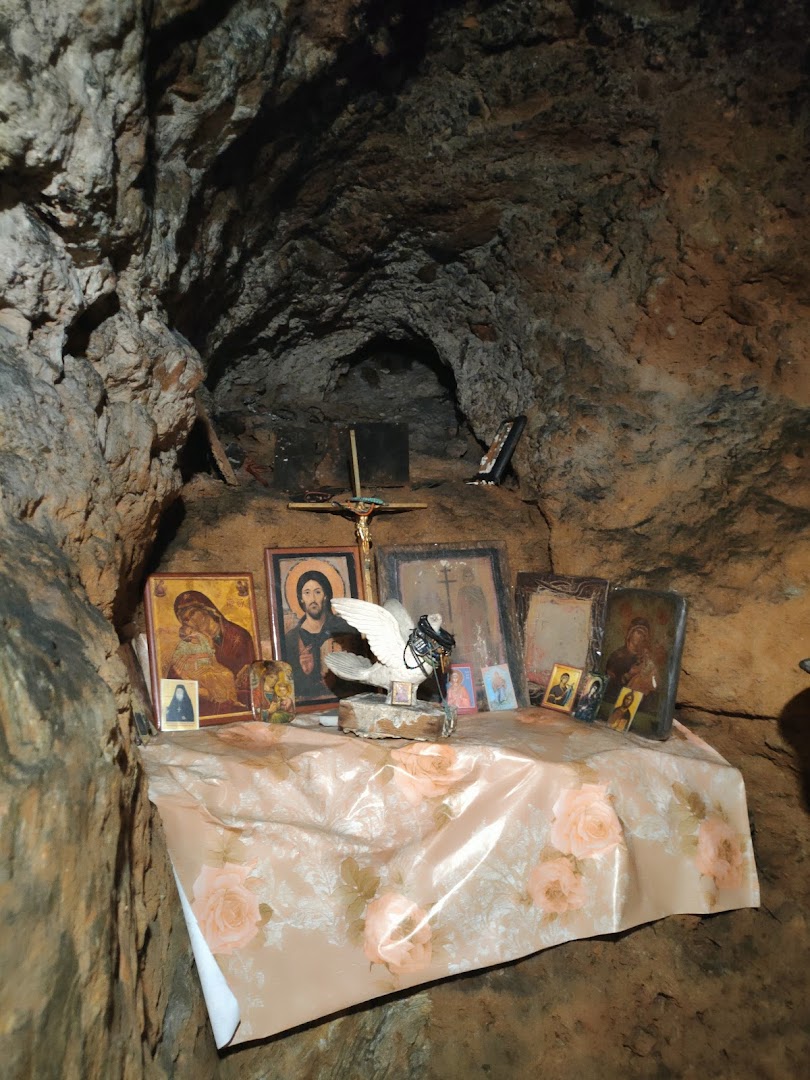
The church reflects the modest, whitewashed vernacular architecture typical of Aegean Orthodox chapels, its simple exterior belying the warmth and devotion found within. Inside, visitors will find the characteristic iconostasis separating the nave from the sanctuary, adorned with icons painted in the Byzantine tradition that give visual form to centuries of theological and artistic heritage. The feast day of Saint Paraskevi is celebrated on July 26th, when communities gather for the liturgy, often followed by the communal celebration known as the panigiri — a joyful blend of worship, music, food, and fellowship that draws both locals and visitors into a shared moment of island life.
For travelers exploring Lesvos beyond its well-known coastline, a visit to Agia Paraskevi offers a quietly moving encounter with the island's spiritual fabric. These small rural churches are rarely grand monuments, yet they carry profound meaning for the families who have worshipped, baptized their children, and mourned their dead within their walls across many generations. Coming here, one senses the continuity of a way of life rooted in faith, community, and the rhythms of the agricultural year that has shaped this corner of Lesvos for centuries.
Before you go
What to expect
The chapel sits quietly at the edge of Megalochori, surrounded by olive groves and the unhurried pace of agricultural village life. Step inside and the cool dimness opens onto an iconostasis hung with gilded Byzantine icons, the faint trace of incense in the air a reminder that this space has been kept alive by local families across many generations. The building's modest whitewashed exterior gives no hint of the warmth you find within.
Best time to visit
July 26th, the feast day of Saint Paraskevi, brings liturgy and a communal panigiri celebration; late spring and early autumn offer cooler, quieter visits without summer crowds.
How to get there
Megalochori lies in the agricultural interior of southern Lesvos, roughly a 25-to-30-minute drive from Mytilene along inland roads heading southwest.
Details
Denomination: orthodox