Welcome to Lesvos
About
Lesvos, the third-largest island in Greece, stretches across the northeastern Aegean with a landscape that feels ancient and alive in equal measure. Ringed by olive groves said to number in the millions, volcanic mountains, and a deeply indented coastline of sheltered gulfs and open sea, the island rewards travelers who come looking for something beyond the ordinary resort experience. The Gulf of Kalloni, which nearly bisects the island from south to north, draws birdwatchers from across Europe each spring, when migratory species pause here in extraordinary numbers, making it one of the continent's premier ornithological destinations.
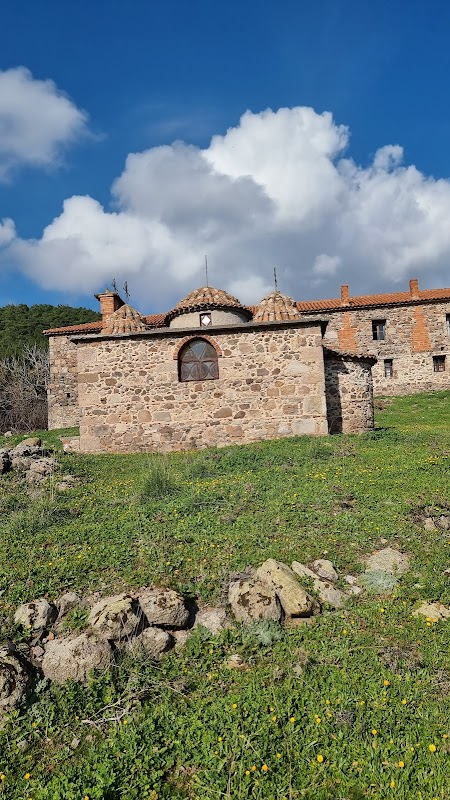
Visitors to this welcoming gateway near Kalloni find themselves at the heart of the island's quieter, more authentic side. Kalloni itself is a lively market town where locals shop, eat, and gather in the traditional way, and the surrounding plain is carpeted with olive trees that have been producing the island's celebrated oil for centuries. The sardines of the Gulf of Kalloni are likewise famous throughout Greece, served fresh in the tavernas that line the nearby shore. From here, the roads fan out toward every corner of Lesvos, from the ouzo distilleries of Plomari to the petrified forest of Sigri, the Byzantine monasteries of the interior, and the cosmopolitan capital of Mytilini.
Lesvos carries a cultural weight that belies its size. It is the birthplace of the ancient lyric poet Sappho and the philosopher Theophrastus, and its long history weaves together Greek, Ottoman, and Aegean influences visible in its architecture, cuisine, and traditions. Whether you have come to walk coastal paths, sample local products at a village market, or simply sit beneath an olive tree with a glass of ouzo, this island offers a depth of experience that keeps visitors returning year after year.
Before you go
What to expect
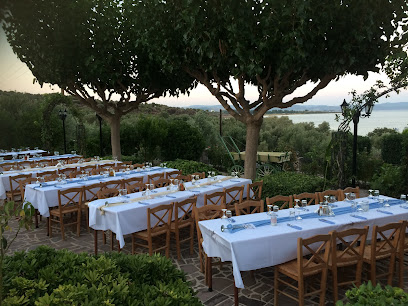
Arriving near Kalloni places you in the working heart of Lesvos — a lively market town where locals shop and eat in the traditional way, surrounded by one of the densest olive landscapes in Greece. The nearby Gulf draws birdwatchers from across Europe every spring, when telescopes line the reedy shores to catch extraordinary numbers of migrating waders and raptors, and the tavernas along the water serve the Gulf's celebrated sardines fresh from the boats. From this central position, every corner of the island fans out within reach.
Best time to visit
Spring (April–May) is exceptional for birdwatching on the Gulf; late May through September suits general exploration, though July and August bring intense heat.
How to get there
From Mytilene, take the main road northwest toward Kalloni — the drive covers roughly 33 kilometres through rolling, olive-covered countryside and typically takes around 40 minutes.
Details
Categories
Visitor Reviews
Pınar UZUN COŞAR
January 2026
Yvonne Aurora HIdalgo Menduni
September 2025
Hans _vk
September 2025
Kostas Pan
September 2025
Hllylmz Teacher
August 2025
Not having visited it yet I can’t say much about it
Siraç Ardıl Anik
July 2025
Ömre Bozan
June 2025
I do not recommend it for those planning a long vacation. A maximum of two nights and three days is planned. The island is very big, it is impossible to travel without a car. Without a car, you can only visit the center, I would say give the villages a chance. In general, it is a nice and warm place. The shopkeepers are very sweet, the food is affordable and the portions are plentiful.
hüseyin Aras
July 2024
Filiz Nur Ergeçgil
October 2023
Zabul Rahmani
July 2023
Are you the owner?
Claim this listing to update details, hours, and photos.
Make a day of it
Places worth combining with your visit