


Ασώματος
Asomatos
Population
259
Elevation
262m
Municipality
Plomari
Postal Code
811 01
From Mytilene
13.9 km
Nearest Beach
Xeres Evreiakis
Overview
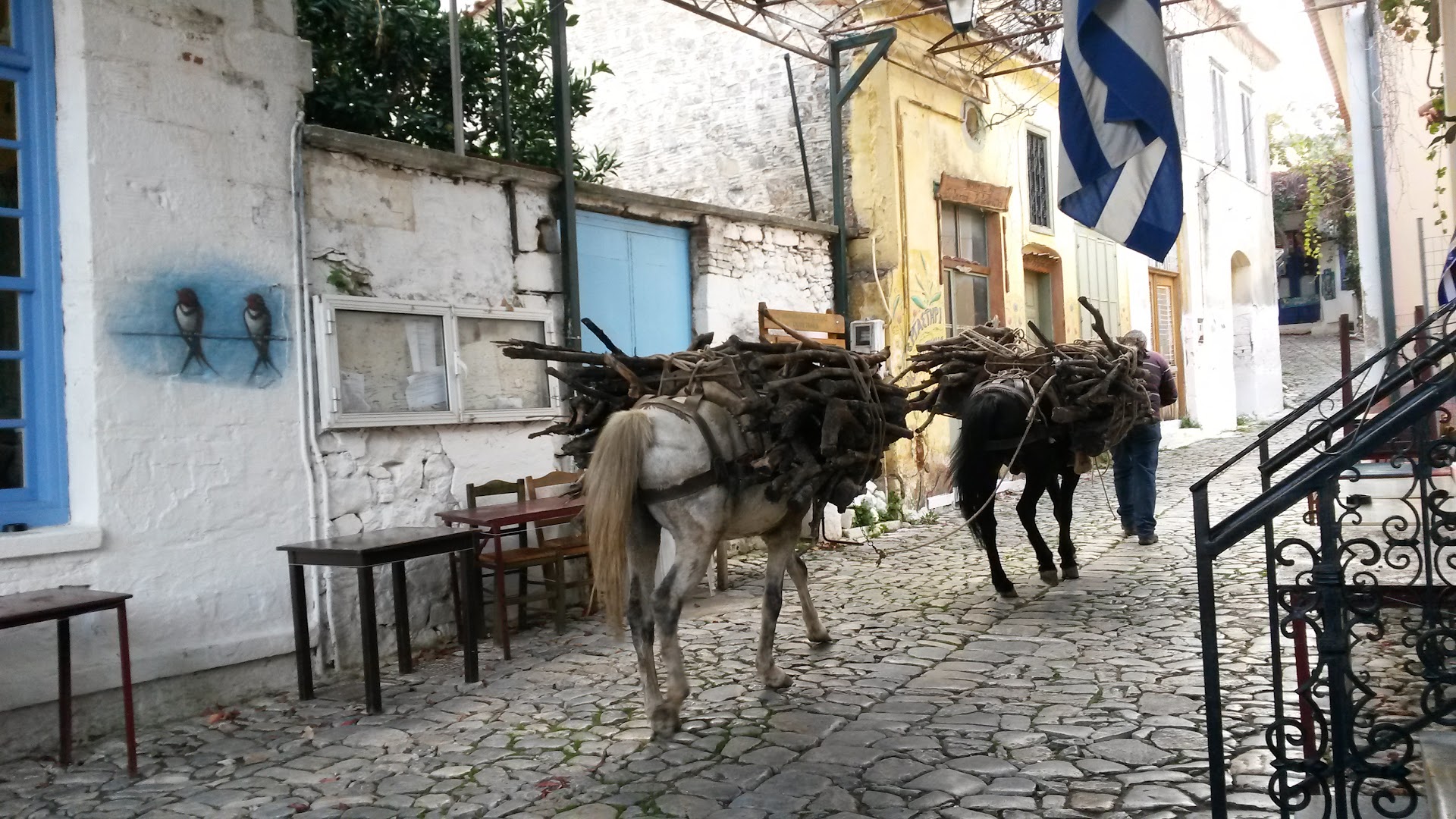
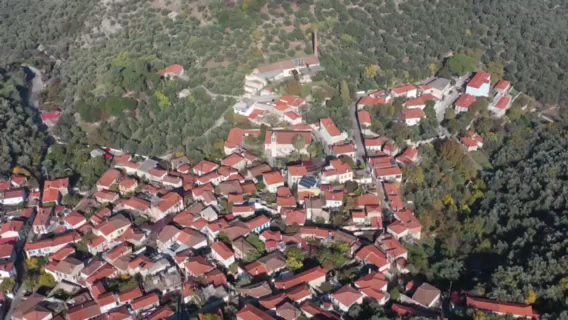
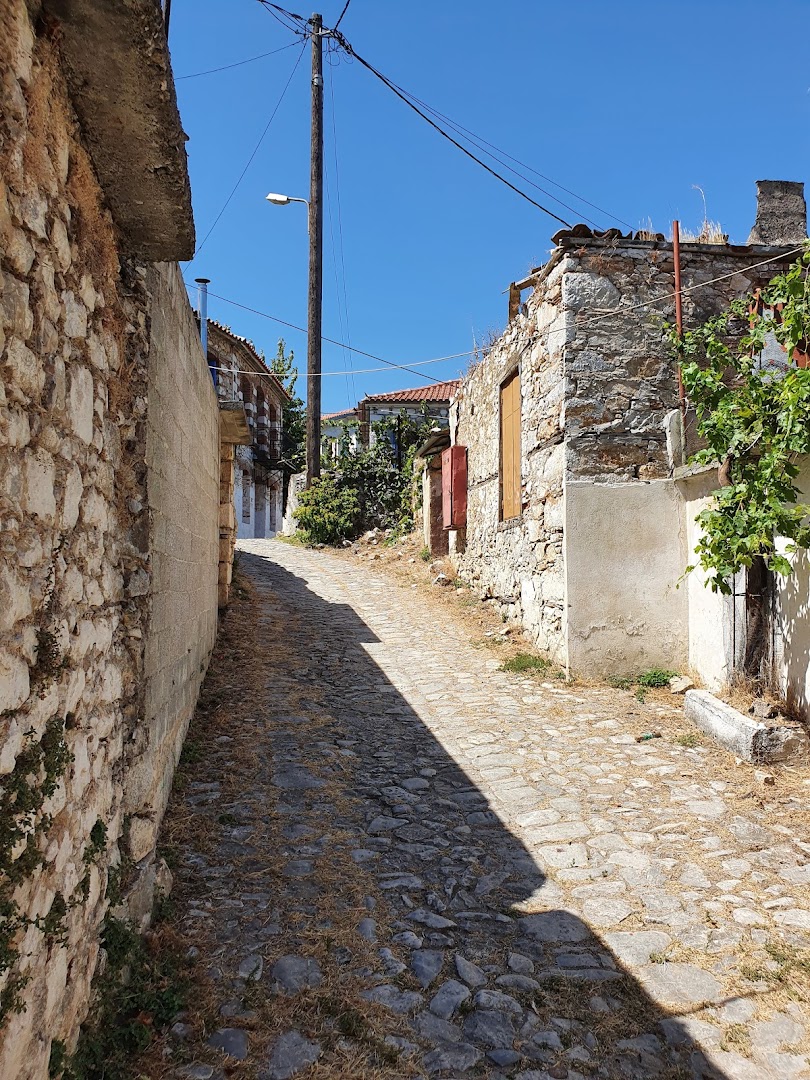
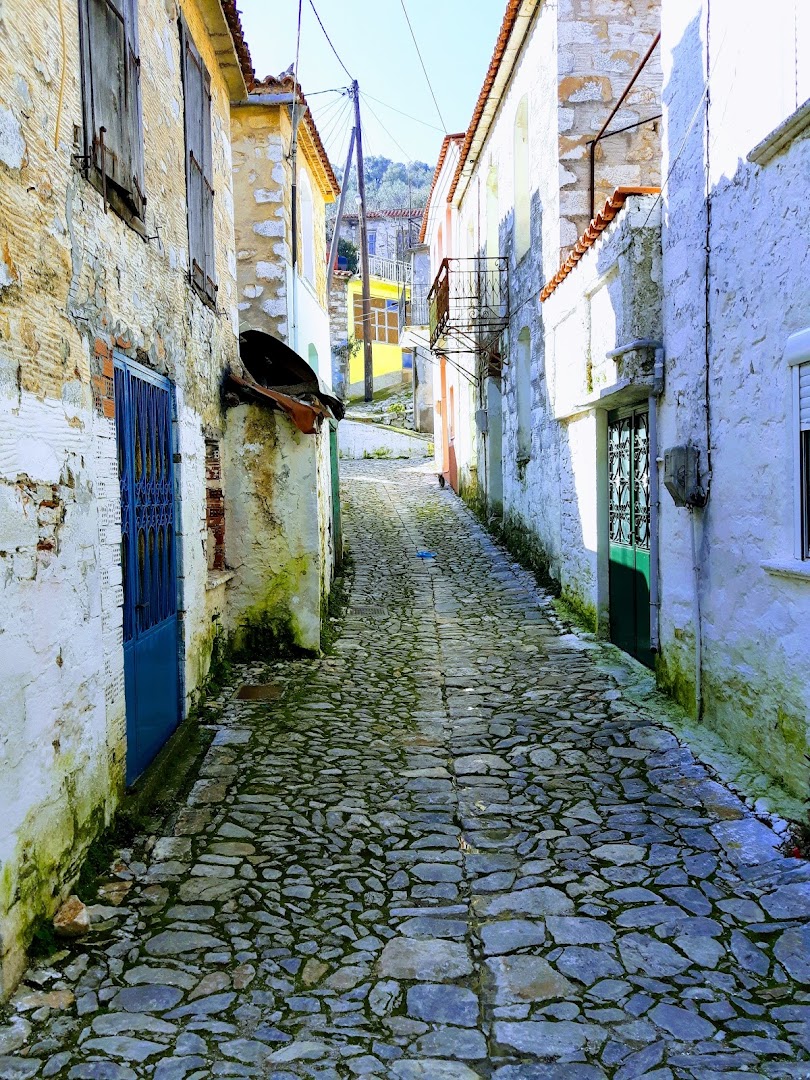
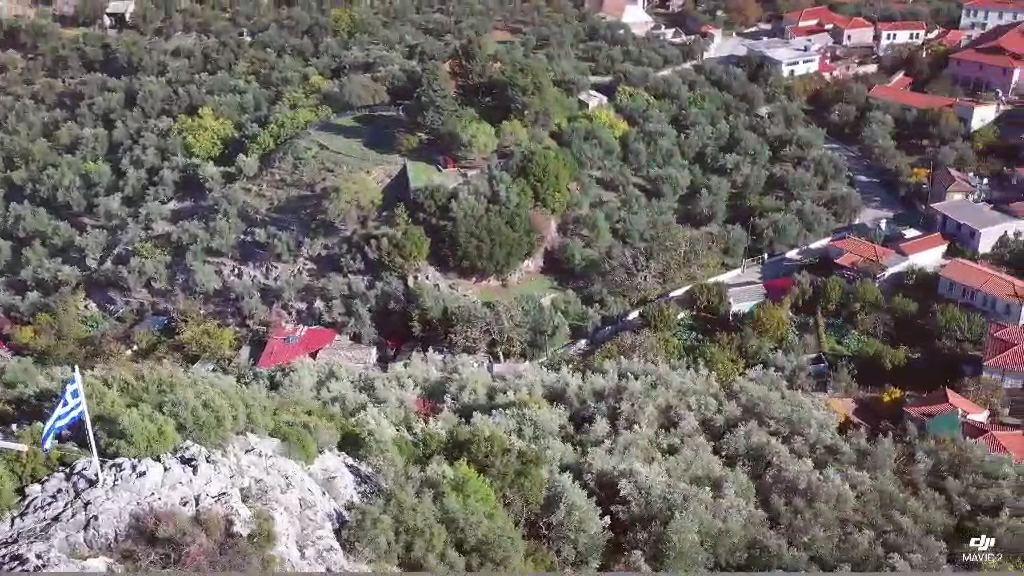
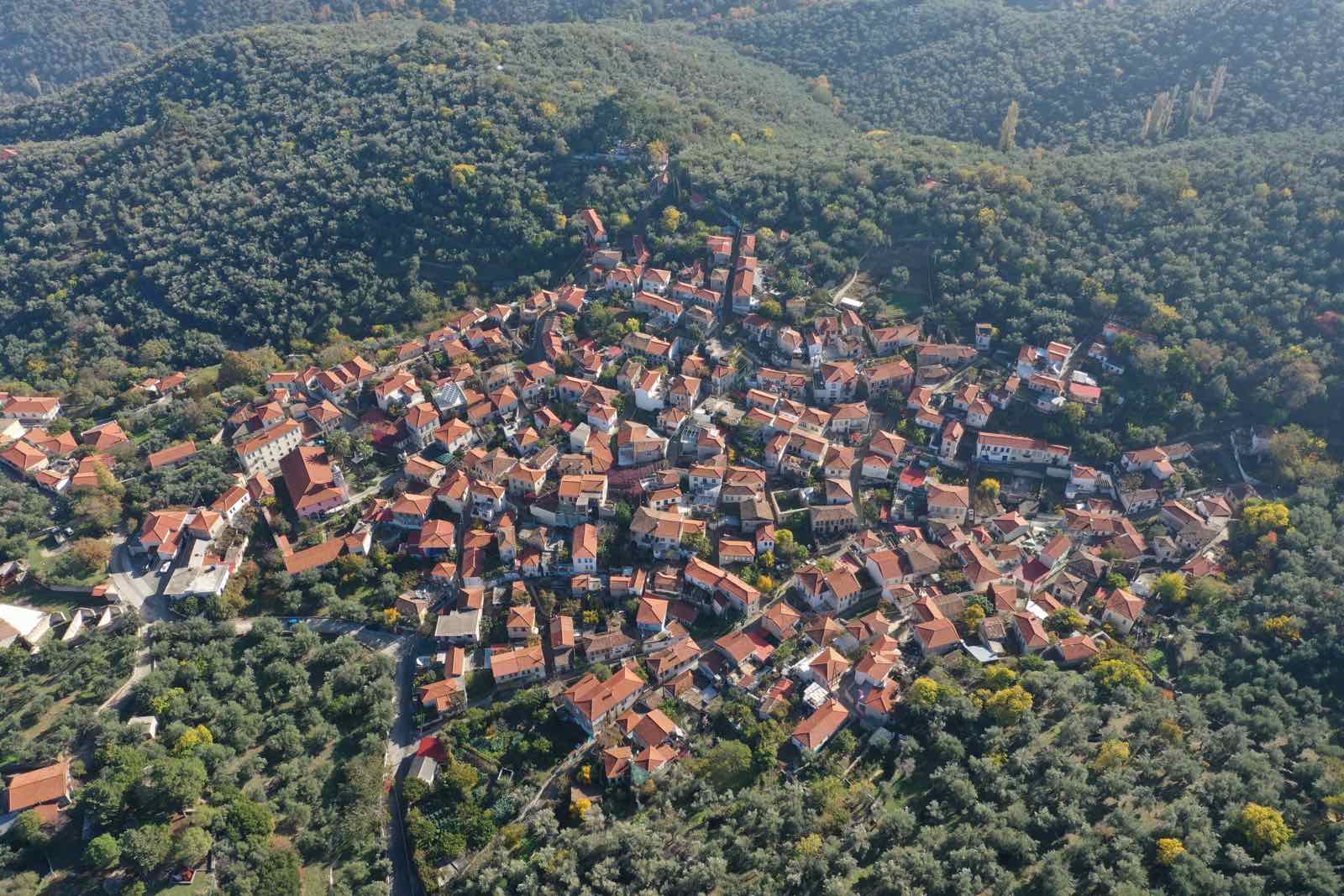
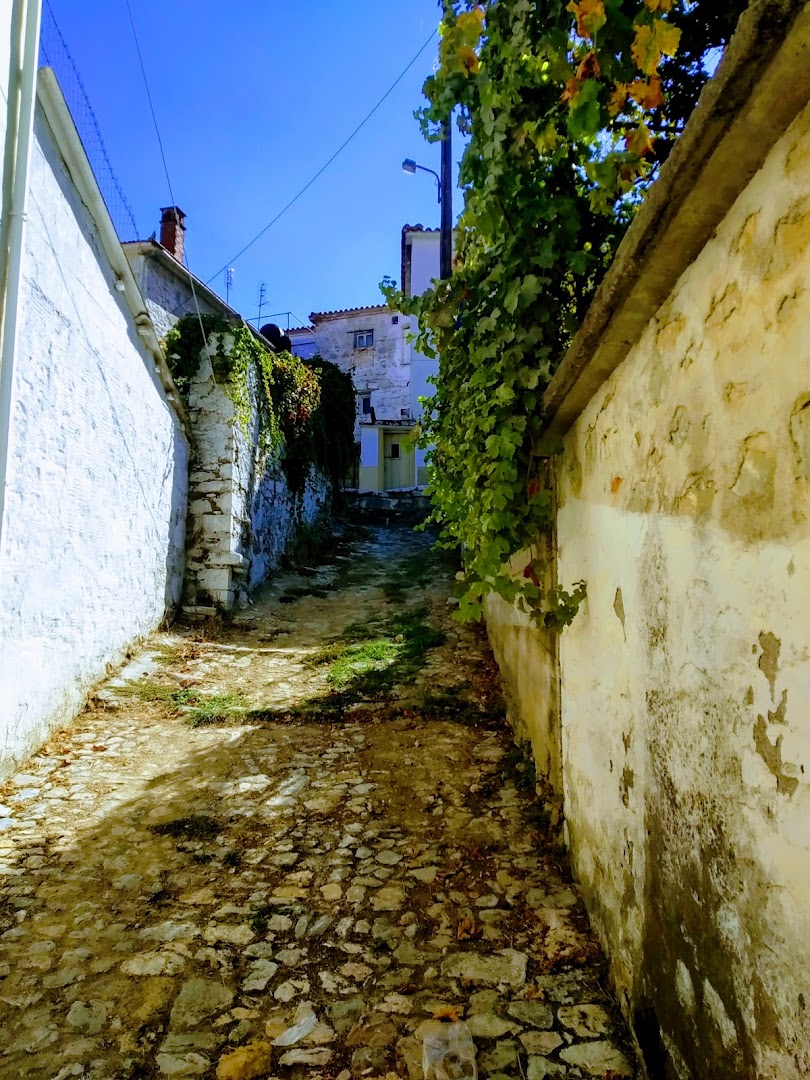
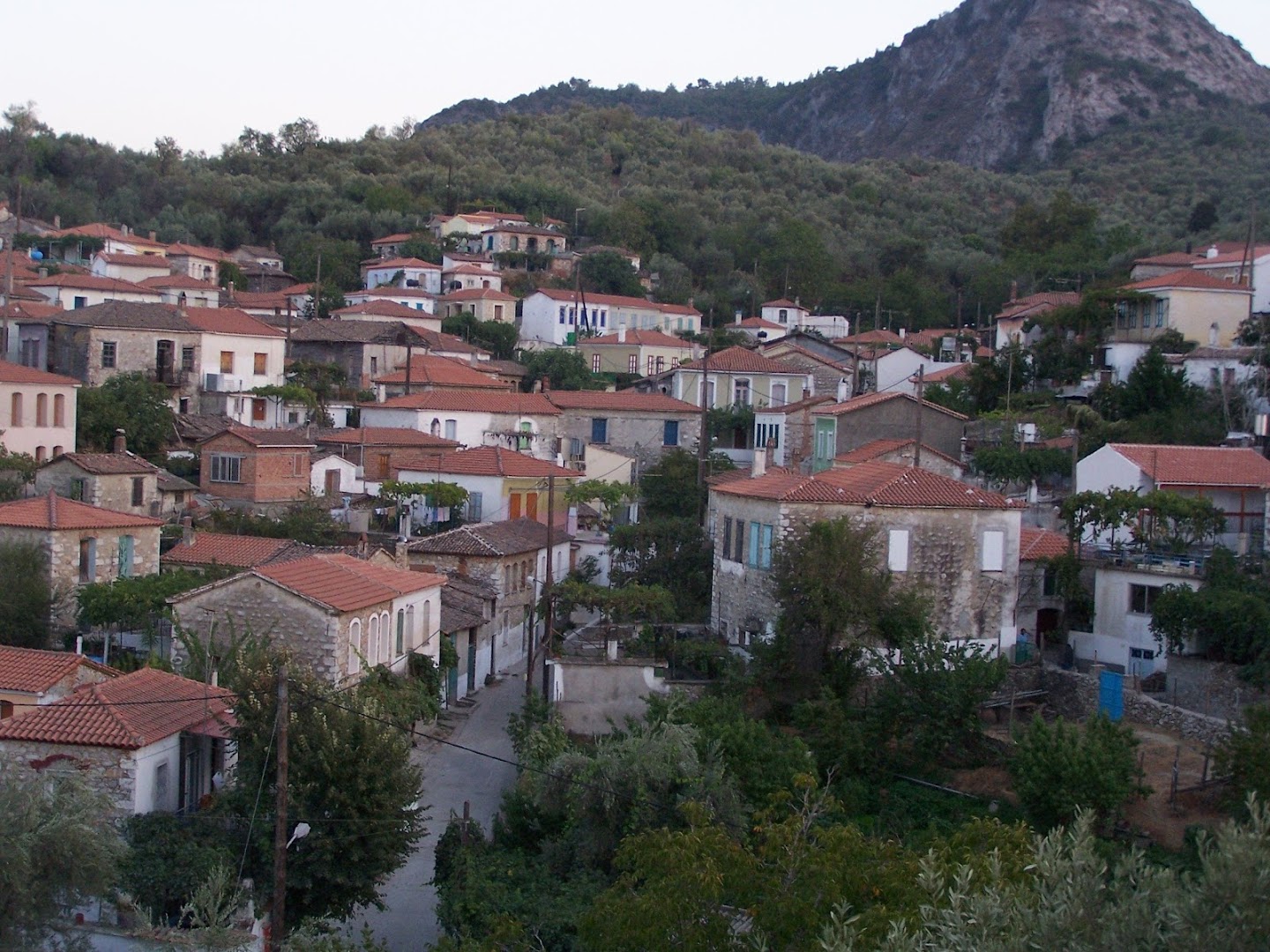
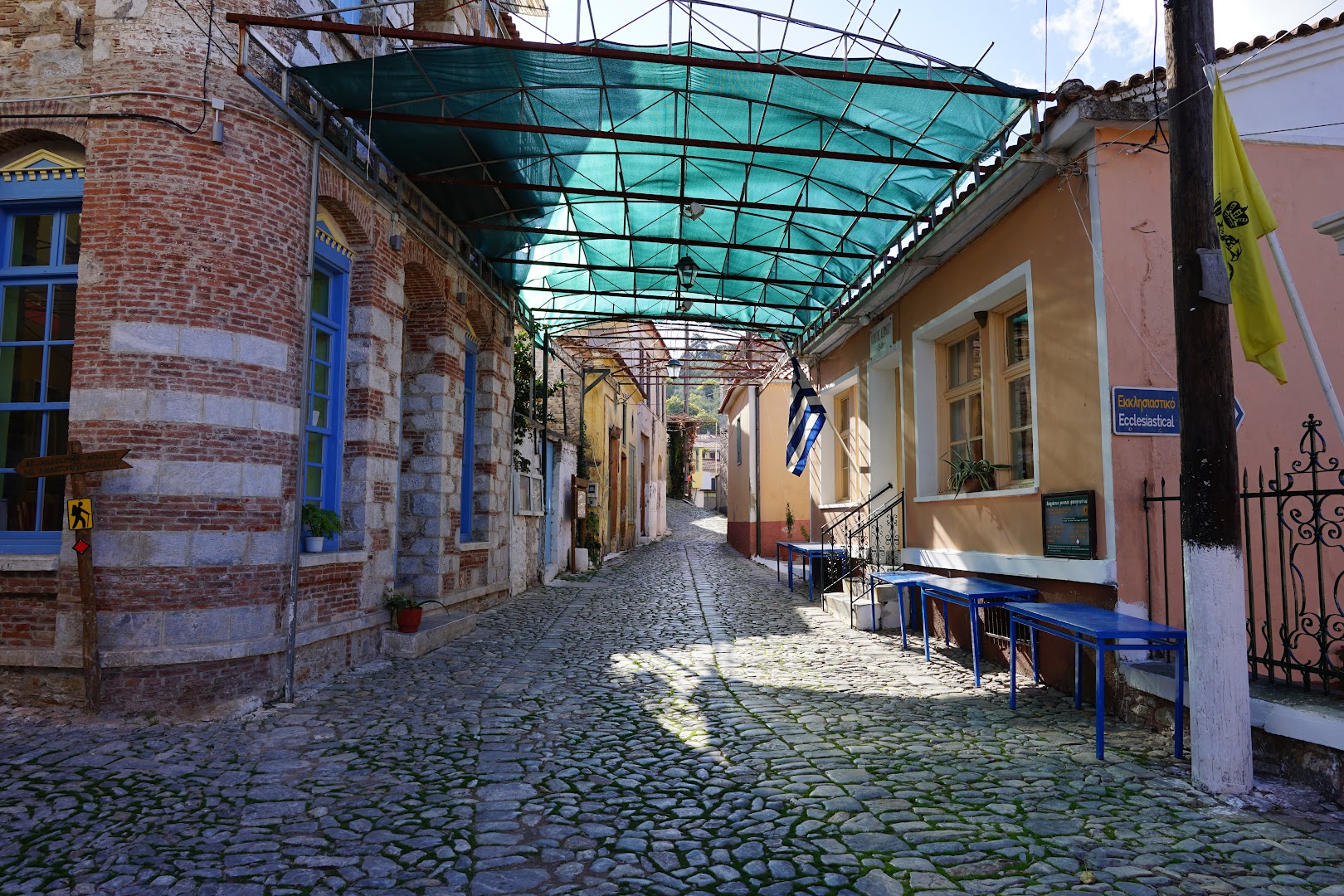
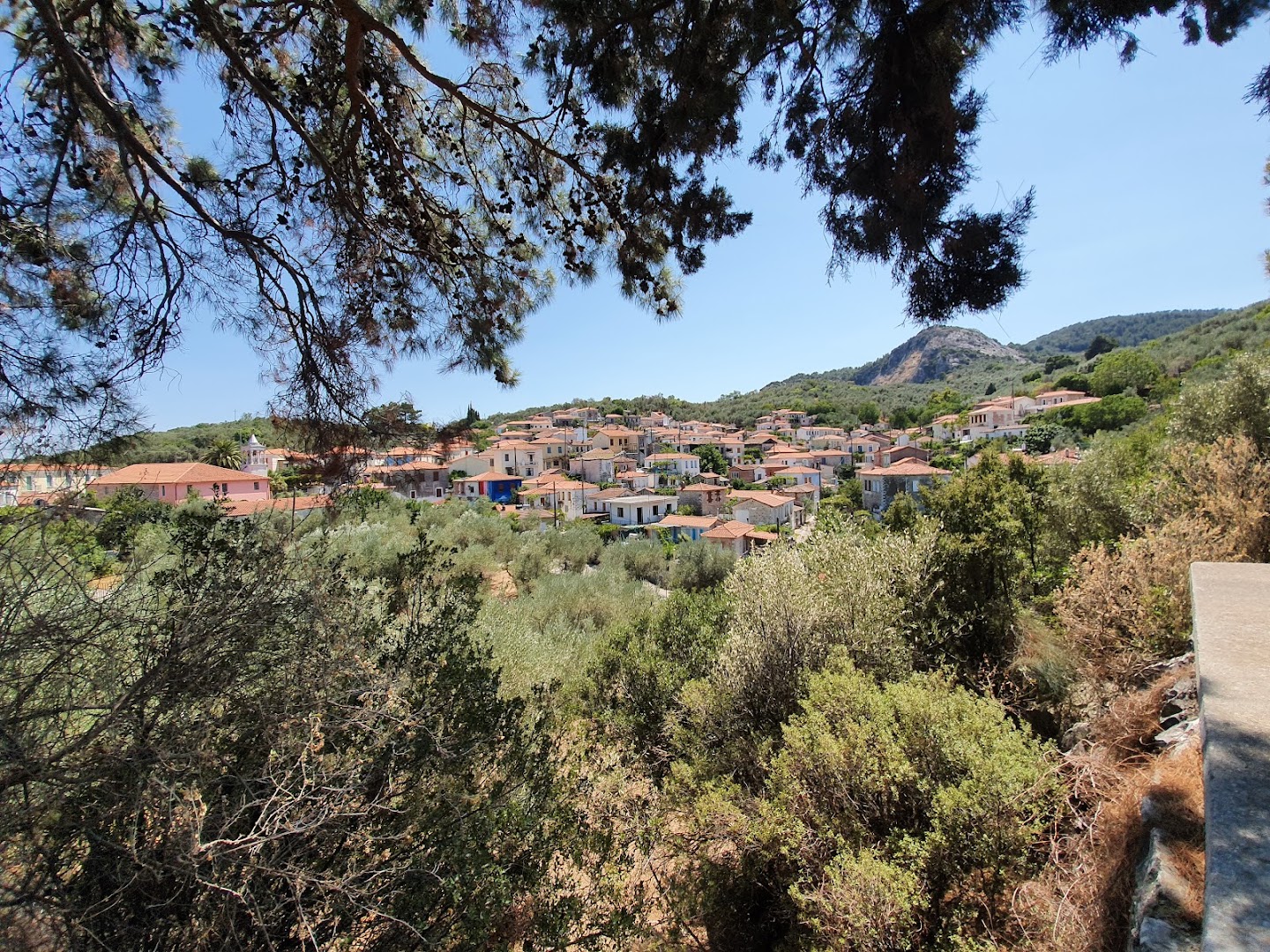
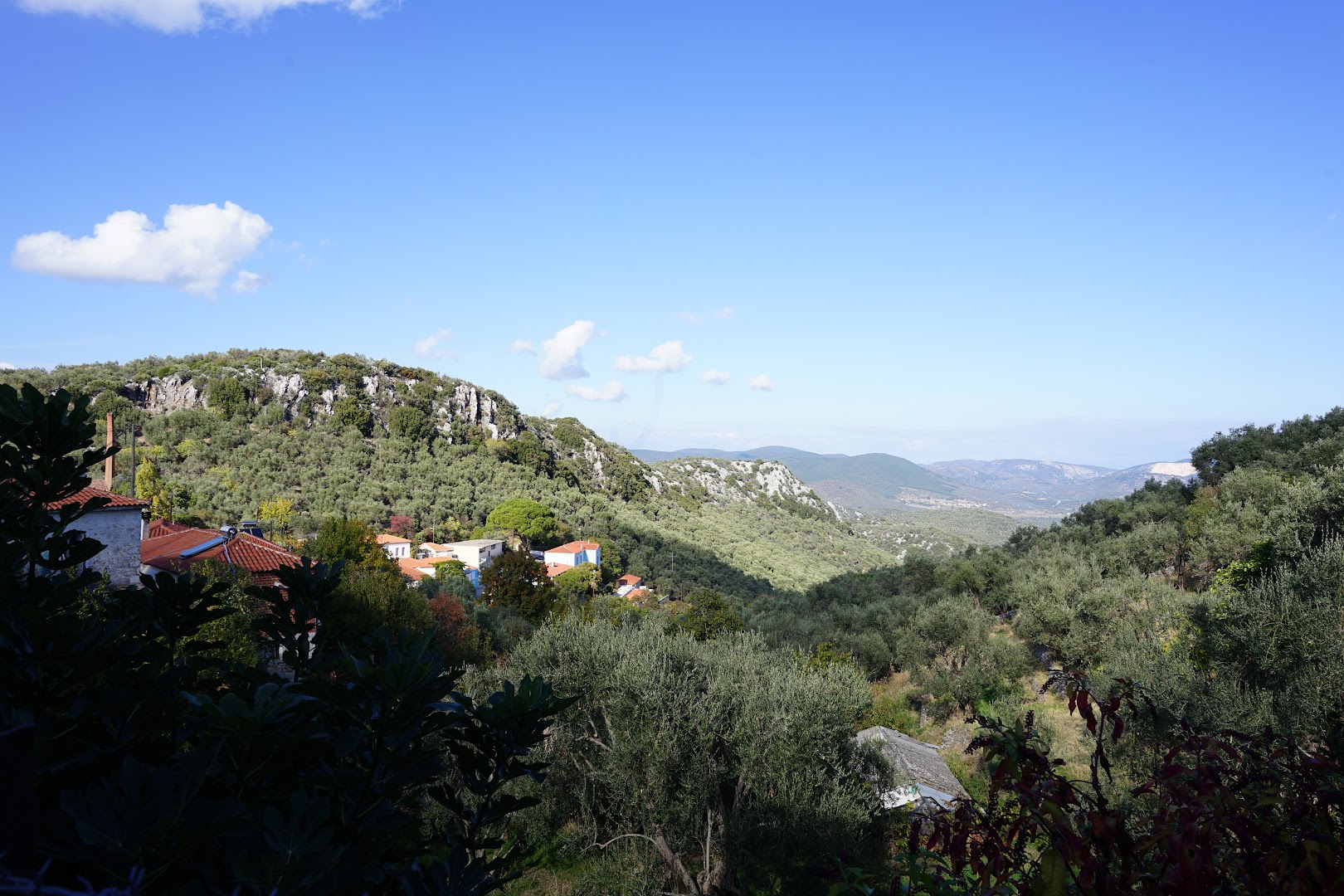
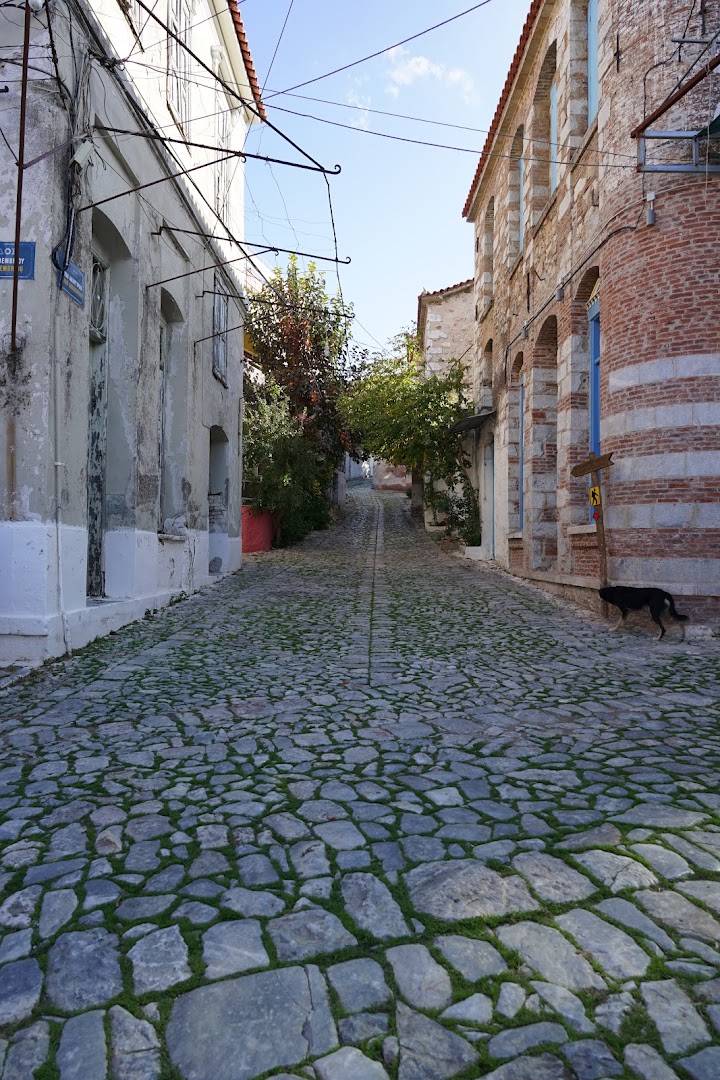
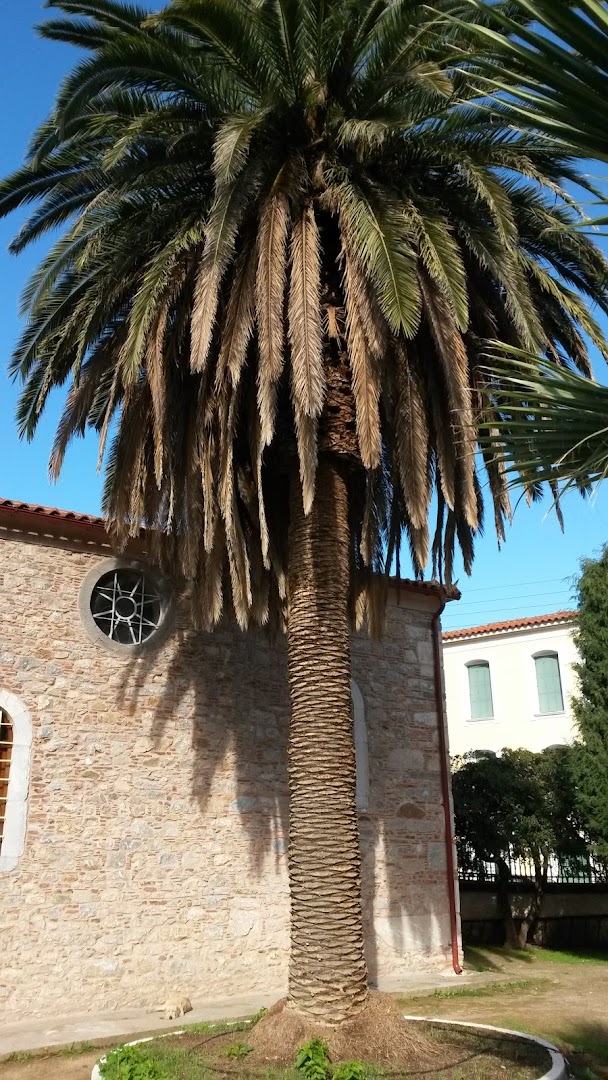
Asomatos is a quiet, picturesque village in southern Lesvos, set among gentle hills and olive orchards. Known for its well-preserved traditional architecture, the village features stone houses with terracotta roofs and a peaceful central square. The Church of the Taxiarches is the village's focal point. Asomatos offers a genuine taste of rural Lesvos, far from the tourist trail, where daily life follows the rhythms of agriculture and the seasons.
Before you go
What to expect
Walking through Asomatos, you hear little beyond birdsong and the rustle of olive branches — stone facades, shuttered windows, and a sun-warmed square where locals gather in the late afternoon. The Church of the Taxiarches anchors the village calendar, and the surrounding orchards carry a faint sweetness in the air during harvest season. It is the kind of place where you slow down without deciding to.
Best time to visit
Late spring and early autumn are ideal — the hills are green, the heat is manageable, and the village sees virtually no tourist crowds.
How to get there
Asomatos is roughly a 25-minute drive from Mytilene heading southwest into the central interior; follow the road signs for the village as you leave the main coastal route.
Top-Rated in Asomatos
Highest-rated places chosen by visitors
bakery
Bouros
Bouros is a bakery nestled in the village of Asomatos, a quiet inland settlement on Lesvos where traditional rhythms of daily life still hold sway. Like the island's beloved village bakeries, it serves as both a practical stop and a sensory pleasure, offering freshly baked breads, pastries, and likely the kind of sesame-crusted koulouria and honey-drenched sweets that define Greek village baking at its most authentic. Stopping at a local bakery like Bouros is one of the small rituals that makes travel on Lesvos feel genuinely rooted in place. The warm smell of bread from a wood-fired or stone oven, the unhurried pace of a village morning, and the chance to pick up something freshly made before exploring the surrounding countryside are all part of what draws visitors away from the coastal resorts and into the island's interior. Asomatos sits in a part of Lesvos that rewards the curious traveler, and Bouros offers a natural reason to pause, connect with locals, and taste something real.
attraction
Traditional Oil Mill Museum
Lesvos is one of the great olive islands of the Mediterranean, home to millions of ancient olive trees that have shaped the landscape, economy, and identity of the island for centuries. The Traditional Oil Mill Museum near Asomatos offers a rare window into this heritage, preserving the machinery and methods that generations of Lesbian farmers used to transform their harvest into the golden oil that made the island famous. The mill itself stands as a testament to a time when each village had its own pressing facility, and the rhythm of the olive harvest defined the year. Visitors can explore the original stone presses, millstones, and wooden machinery that once processed the local crop, gaining a tangible sense of just how labor-intensive traditional oil production was before mechanization. The museum brings to life the full journey from tree to table, contextualizing the tools within the broader agricultural traditions of the island. For anyone traveling through the olive groves of central Lesvos, a stop here deepens the appreciation for every bottle of local oil encountered along the way, connecting the modern product to its centuries-old craft.
service
Environmental Education Center Asomatos
An environmental education center dedicated to promoting ecological awareness and sustainability in Asomatos. The center offers educational programs focused on nature conservation and outdoor learning experiences. Ideal for families and nature enthusiasts interested in understanding the natural ecology and environmental heritage of Lesvos.
attraction
Sykomytellis Art Gallery
Local artist gallery in nearby Asomatos featuring artwork by regional artist Giorgos Sykomytellis. A wonderful venue for visitors to discover and appreciate contemporary local art. Suitable for families and perfect for art enthusiasts exploring the island's creative scene.
Practical Info
Supermarket
Not found
Medical / Pharmacy
Not found
Petrol Station
Not found
ATM / Bank
Not found
Transport
Not found
All Businesses
Agiasos
Bouros
Ecclesiastical Museum
Environmental Education Center Asomatos
Kafe – Estiatorio "Kazadzi Eleni". Agioi Anargyroi Asomatos Lesvou
Kafenes of Kir-Manolis
Sykomytellis Art Gallery
Traditional Kafeneion Asomatos
Traditional Oil Mill Museum
Churches & Religious Sites
'Αγιος Χριστόφορος
'Αγιος Χριστόφορος
Nestled in the tranquil countryside near the village of Asomatos, this Greek Orthodox church stands as a quiet testament to the deep religious heritage that has shaped life on Lesvos for centuries. Like countless rural chapels scattered across the island, it would have served as the spiritual heart of its surrounding community, offering a place of worship, remembrance, and communal gathering through the rhythms of the agricultural year. The village name Asomatos itself carries religious resonance, deriving from the Greek word for the incorporeal or bodiless ones, a term traditionally applied to the holy archangels, which hints at the devout Christian culture that has long characterized this part of the island. The church likely follows the architectural traditions common to ecclesiastical buildings across the eastern Aegean, featuring whitewashed stone walls, a modest bell tower, and interior decoration that may include locally painted icons and devotional imagery characteristic of the Orthodox tradition. Rural churches of this type on Lesvos often contain icons that have been venerated by generations of the same families, lending them an intimate spiritual atmosphere that larger pilgrimage sites cannot replicate. The interior typically rewards visitors with the warm glow of oil lamps, the scent of incense, and the careful handiwork of craftsmen who brought their faith to life in wood, plaster, and paint. For visitors exploring the quieter inland villages of Lesvos, stopping at a small church like this one offers a genuine connection to the island's living culture. Feast days, when the local community gathers for the liturgy followed by communal celebration, represent the best opportunity to experience this tradition firsthand. Even outside of services, the church grounds provide a moment of stillness and reflection, framed by the olive groves and stone-walled fields that have defined this landscape for millennia.
Άγιοι Ανάργυροι
Agioi Anargyroi
Tucked near the quiet village of Asomatos in the interior of Lesvos, the church of Agioi Anargyroi is dedicated to the Holy Unmercenaries, a beloved group of physician-saints venerated throughout the Orthodox world for their selfless healing. The title "Anargyroi" — meaning "without silver" in Greek — honors those saints who refused payment for their medical care, offering their gifts freely to the sick and suffering. The most celebrated among them are Saints Kosmas and Damianos, twin brothers and physicians whose compassion became legendary in early Christianity. Like countless rural churches across the Aegean islands, this modest sanctuary would have been built by the local community both as an act of faith and as a practical spiritual anchor for the surrounding farmsteads and hamlets, a place where villagers turned in times of illness and hardship. The church almost certainly follows the simple single-nave basilica style typical of Lesvos, with whitewashed stone walls, a terracotta-tiled roof, and an intimate interior where the flickering of oil lamps illuminates the wooden iconostasis. Devotional icons of the healer-saints would occupy a place of prominence, inviting the faithful to venerate and seek intercession. The feast day of the Agioi Anargyroi on November 1st — and a secondary celebration on July 1st honoring another pair of these holy physicians — draws local worshippers for the traditional panegyri, a celebration combining liturgy, community gathering, and often simple food and music that transforms a small country church into a living center of village life. For visitors, Agioi Anargyroi offers a genuine window into the religious fabric of rural Lesvos, far from the tourist circuits of the coast. The setting near Asomatos places it amid olive groves and the unhurried rhythms of the island's heartland, where Orthodox faith remains woven into daily existence rather than being a relic of the past. Even for secular travelers, stepping into such a church rewards with the cool stillness of its stone interior, the scent of incense, and the quiet beauty of hand-painted icons — a reminder that for generations of islanders, these small sanctuaries have been places of refuge, healing, and communal belonging.
Ι.Ν. Πανμέγιστων Ταξιαρχών
I.N. Panmegiston Taxiarchon
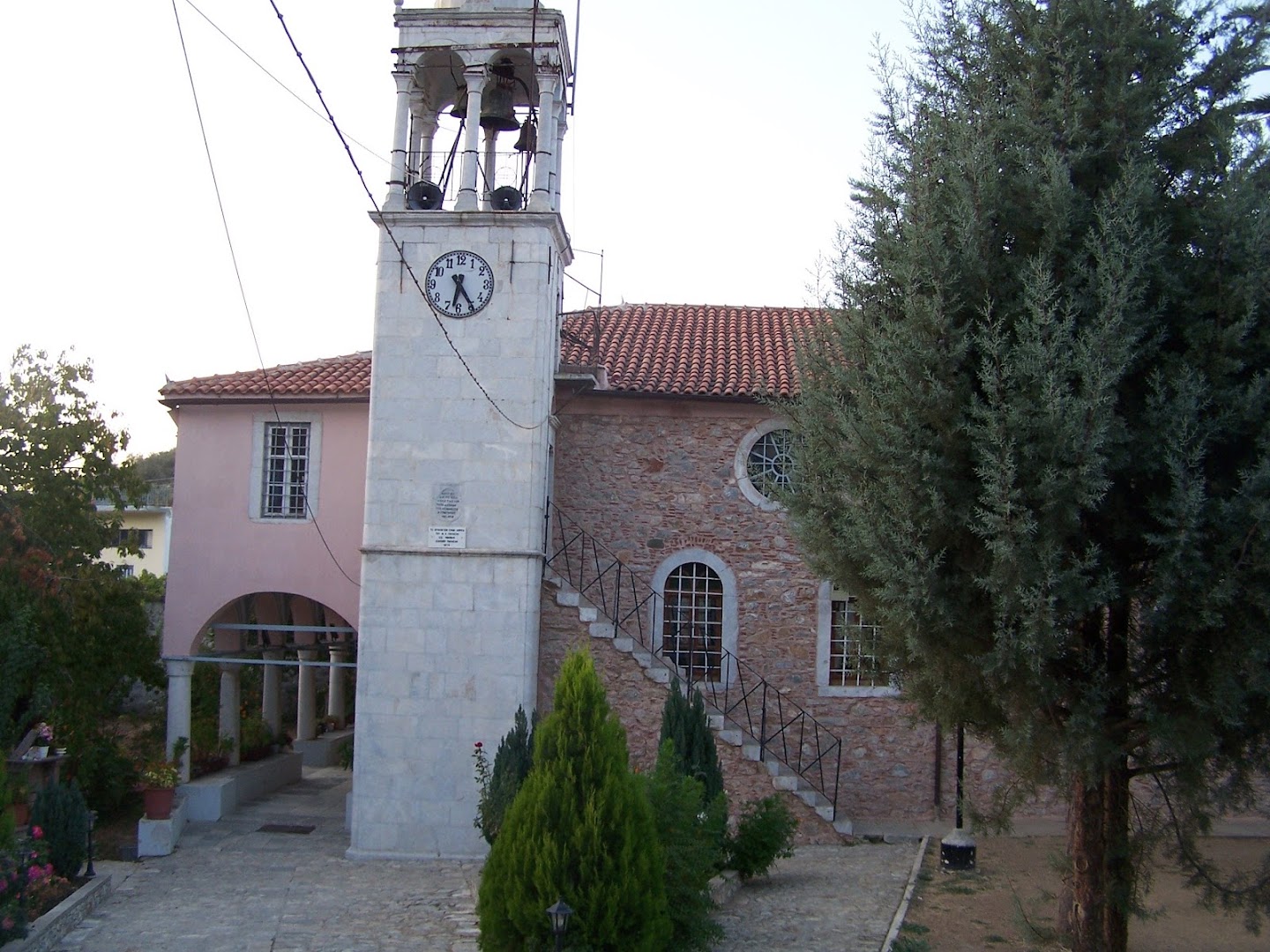
The Church of the Panmegiston Taxiarchon — dedicated to the supreme Archangels Michael and Gabriel, known in Greek Orthodoxy as the Taxiarchai, the commanders of the heavenly hosts — stands as the spiritual heart of the village of Asomatos in the verdant interior of Lesvos. The very name of the surrounding village, Asomatos, meaning "the incorporeal ones," is itself a traditional epithet for the angels, and this deep linguistic bond between place and faith speaks to how thoroughly the veneration of the Archangels has shaped the identity of this community. Such dedications are among the most beloved in Greek Orthodoxy, and churches bearing this title are often found at high or prominent locations, reflecting the belief that the Archangels serve as heavenly guardians watching over the land below. Architecturally, the church follows the patterns of post-Byzantine ecclesiastical building common across the Aegean islands, with thick stone walls, a modest but dignified facade, and an interior designed to draw the eye inward toward the iconostasis. Visitors stepping inside will find themselves in the contemplative atmosphere typical of Orthodox village churches, where votive lamps cast a warm glow over icons and the air carries the faint fragrance of beeswax and incense. The iconostasis, separating the nave from the sanctuary, is the focal point of the interior, and icons of the Archangels — often depicted in Byzantine military dress, bearing swords or sceptres — are central to the church's devotional life. The principal feast day of the Taxiarchai falls on the eighth of November, and in villages across Greece this day is celebrated with liturgy, community gathering, and the particular warmth of a local panegyri. For visitors to the Asomatos area, the church offers a quiet moment of reflection and a genuine encounter with the living Orthodox tradition that has shaped Aegean life for centuries. Whether you arrive during the feast or on an ordinary afternoon, the Panmegiston Taxiarchon is a place where the island's spiritual and cultural heritage feels close and unhurried.
Παναγιά Καμαριώτισσα
Panagia Kamariotissa
Nestled in the quiet countryside near the village of Asomatos, the church of Panagia Kamariotissa is one of the many devotional landmarks that punctuate the Lesvian landscape and speak to the island's deep Orthodox Christian heritage. The name Kamariotissa derives from the Greek word for arch or vault, a dedication that often refers to a sheltered or cave-like setting associated with a sacred image of the Virgin Mary. Churches bearing this title are found across the Aegean world, each one typically holding a beloved local icon of the Theotokos around which generations of faithful have gathered for prayer, healing, and celebration. While the current structure may reflect the modest, whitewashed vernacular architecture common to rural Lesvos, such sites frequently stand on ground with a long history of veneration, their walls having absorbed centuries of incense, candlelight, and communal devotion. Visitors who make the effort to seek out Panagia Kamariotissa will find a place of genuine stillness and local character, far removed from the busier pilgrimage churches of the island. The interior, like those of many small country churches on Lesvos, is likely adorned with votive offerings left by the faithful as tokens of gratitude, alongside oil lamps and an iconostasis that frames the sacred space in the traditional Byzantine manner. The feast of the Dormition of the Virgin, celebrated on August 15th, is among the most important dates in the Orthodox calendar and is typically marked at churches dedicated to the Theotokos with liturgies, processions, and communal gatherings that draw both villagers and their diaspora back to the land. For the people of Asomatos and the surrounding area, this small church represents something irreplaceable: a living thread connecting the present community to its ancestors and to the rhythms of faith that have long defined life on the island.
Gallery & Videos
Captured a memorable moment in Asomatos?
Make a day of it
Places worth combining with your visit
Nearby
Beaches
Xeres Evreiakis
8 km away
Kedro Beach
9.7 km away
Chalatses
10.7 km away
Perama Beach
11.8 km away