


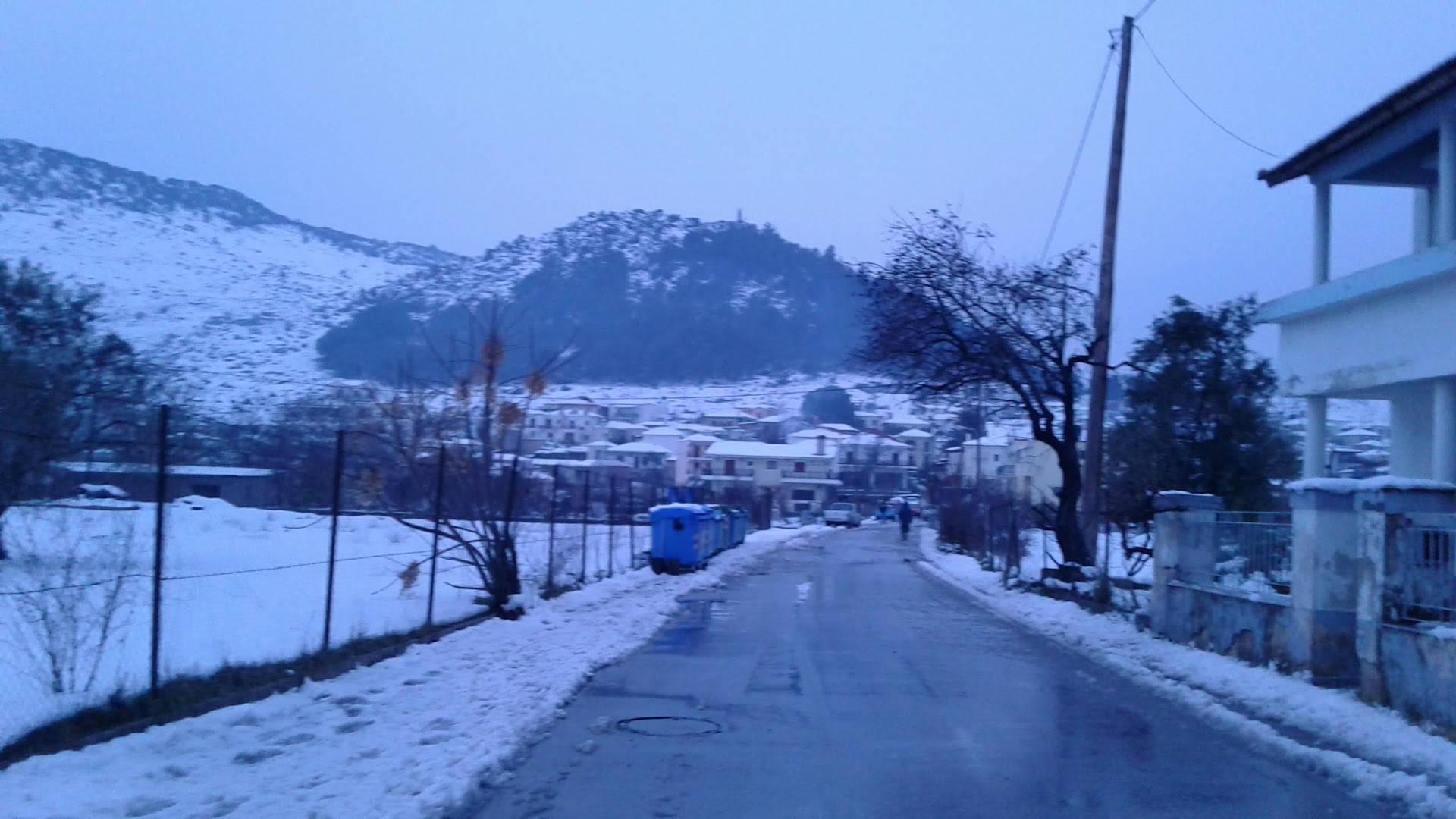
Δάφια
Dafia
Population
992
Elevation
28m
Municipality
Agia Paraskevi
Postal Code
811 07
From Mytilene
33.7 km
Nearest Beach
Parakoila Beach 1
Overview
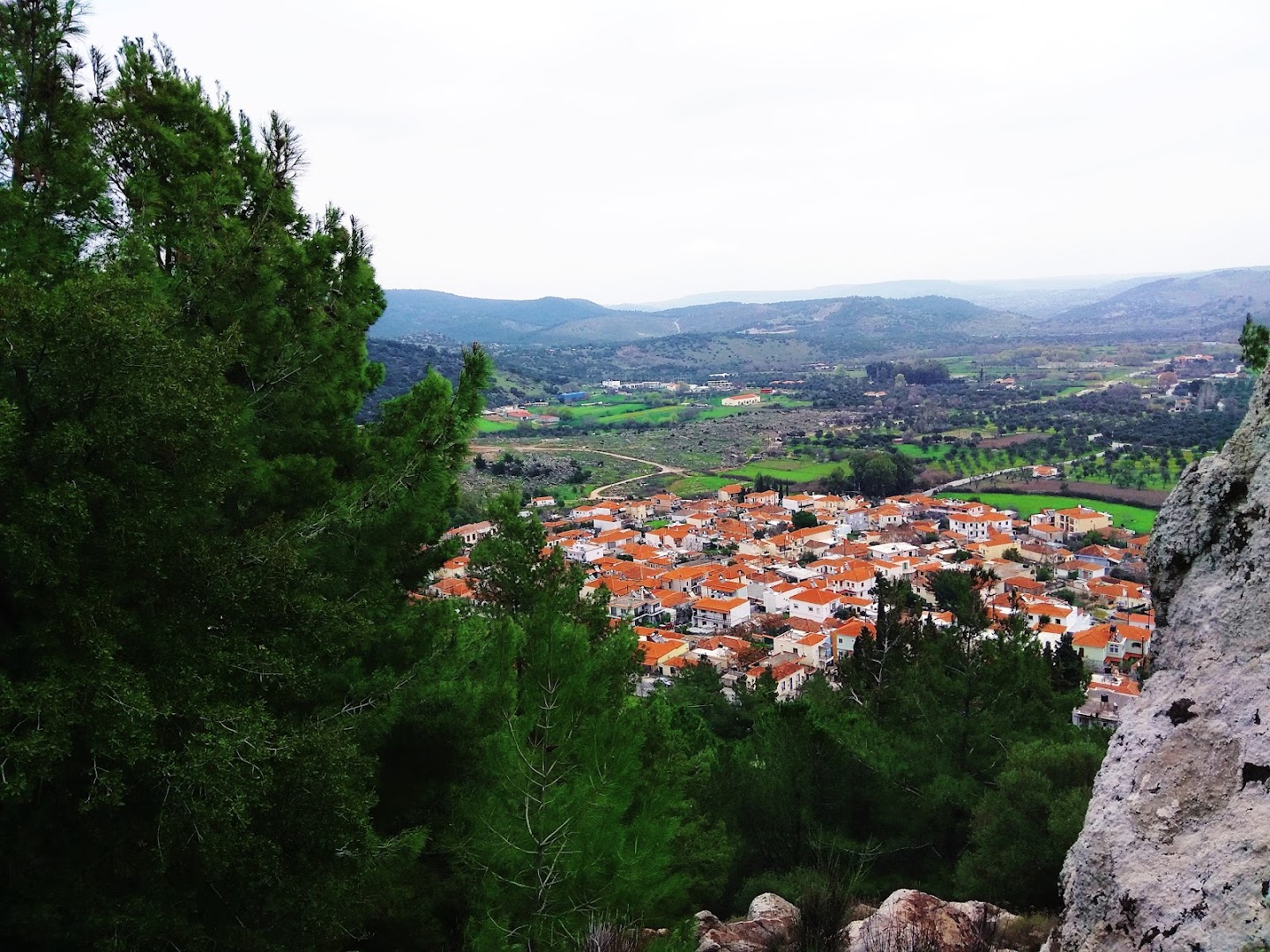
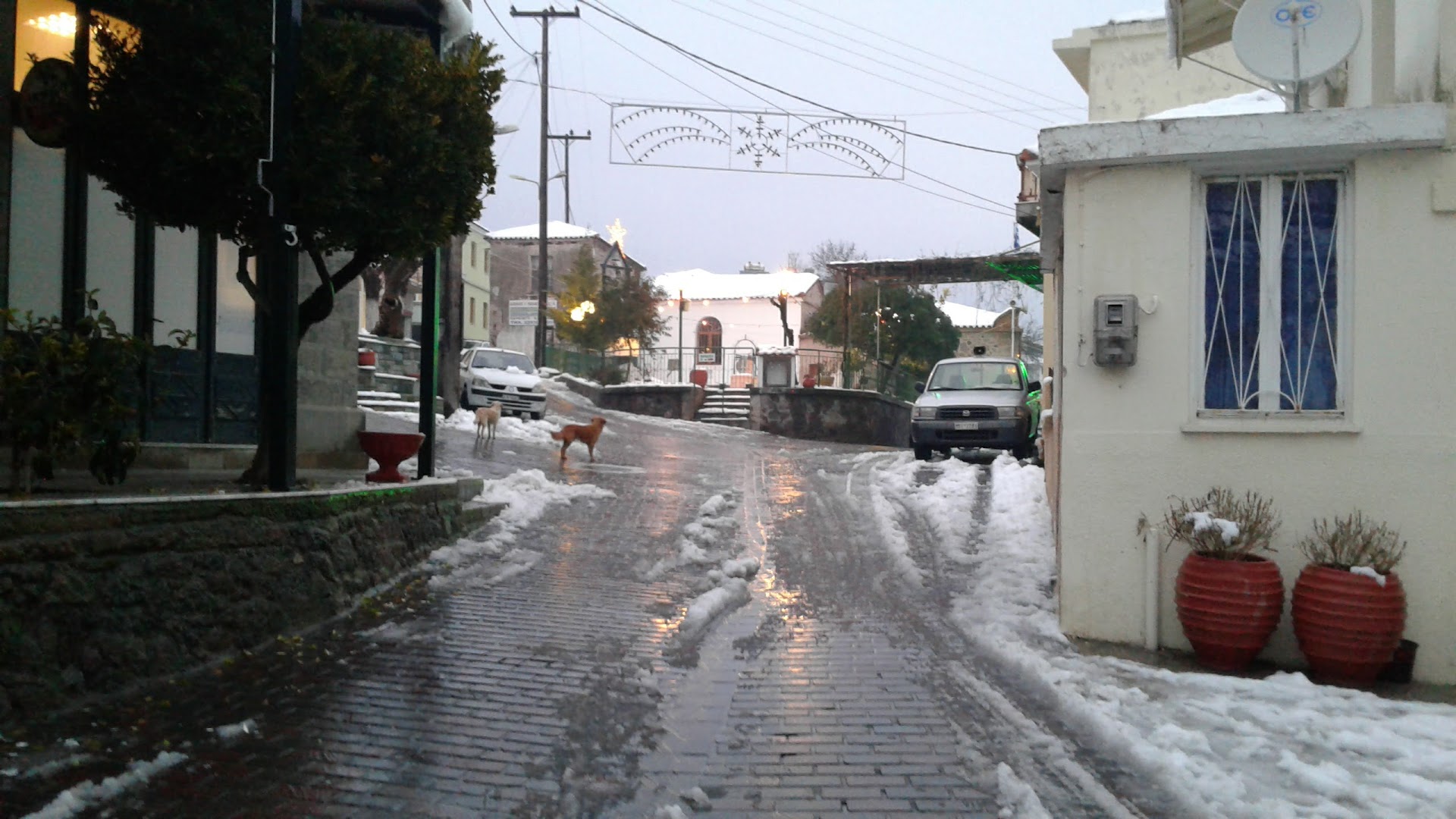
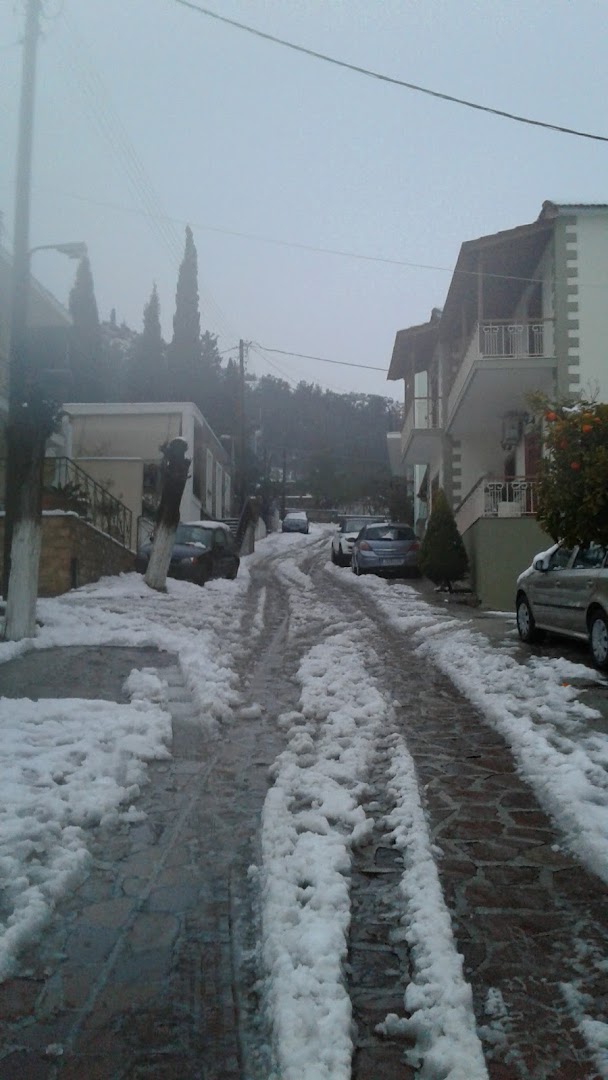
Dafia is a village of nearly a thousand souls nestled in the fertile lowlands of central Lesvos, sitting at a gentle elevation of just 28 metres above sea level. Its position in the interior plains places it within the island's great olive-growing heartland, and the surrounding countryside is threaded with ancient olive groves whose gnarled trunks speak to centuries of cultivation. The village has a lived-in, unhurried character typical of Lesbian agricultural settlements — stone-built houses lining quiet lanes, a central plateia shaded by mature trees, and the steady rhythm of farming life that has shaped the island's identity since antiquity.
The local economy, like much of Lesvos, has long been anchored to olive oil production, and Dafia's households have traditionally participated in the seasonal harvest that draws the whole island together each autumn and winter. The region around Dafia also benefits from proximity to the Gulf of Kalloni, one of the most ecologically significant lagoons in the Aegean, which draws birdwatchers from across Europe — Lesvos is considered one of the finest birdwatching destinations on the continent, and villages in this belt serve as quiet bases for exploring the wetlands and reed beds that fringe the gulf.
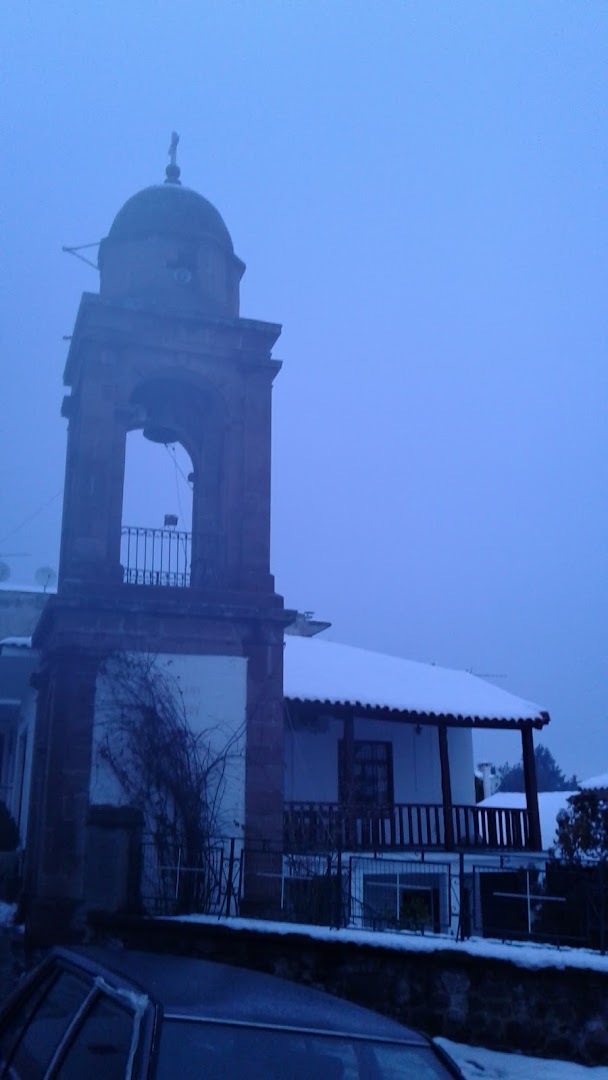
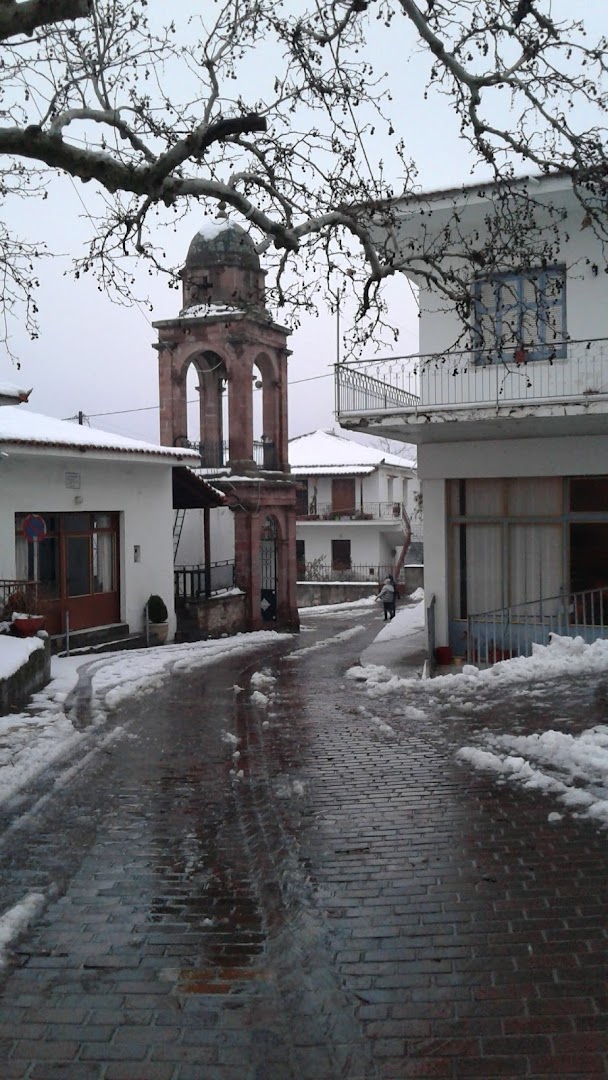
What makes Dafia distinctive is its authenticity as a working village rather than a tourist destination in any conventional sense. Visitors who venture here encounter genuine Lesbian village life: a kafeneion where locals gather over coffee, a church dedicated to one of the island's many patron saints, and a landscape that opens out to rolling groves and distant hills. For travellers seeking to move beyond the coastal resorts and understand the quieter rhythms of Lesvos, Dafia offers a grounded and hospitable glimpse into the agricultural soul of this remarkable Aegean island.
Before you go
What to expect
Walking into Dafia means stepping into the agricultural rhythm of Lesvos — stone houses lining quiet lanes, a shaded central plateia anchored by a kafeneion, and olive groves rolling away in every direction. In autumn the village stirs with the olive harvest; in spring the surrounding wetlands near the Gulf of Kalloni fill with migrating birds, making this corner of the island a favourite with birdwatchers from across Europe.
Best time to visit
April and May are ideal for birdwatching at the nearby Kalloni wetlands; autumn brings the olive harvest and cooler, very pleasant temperatures for exploring the interior.
How to get there
Dafia lies about 34 km from Mytilene — roughly 40 to 50 minutes by car through the central plains toward Kalloni. There is no direct tourist shuttle, so a hire car or taxi gives you the most flexibility.
Top-Rated in Dafia
Highest-rated places chosen by visitors
local-products
Pavlidis Pavlos Honey
Nestled in the countryside near Dafia, a quiet village in the western reaches of Lesvos, Pavlidis Pavlos Honey is a family honey farm that invites visitors into the ancient tradition of Aegean beekeeping. Lesvos is home to some of Greece's finest honey, shaped by the island's extraordinary biodiversity — from wild thyme and oregano blanketing the hillsides to the pine forests and aromatic scrubland that sustain local bee populations throughout the seasons. At a farm like this, visitors can expect to find pure, locally produced honey harvested directly from hives tended on the island's own landscape. Whether the yield leans toward the intensely fragrant thyme honey that commands attention across Greek markets, or a gentler wildflower variety reflecting the surrounding terrain, the product represents an honest expression of place. Buying directly from the producer means tasting honey that has not traveled far or been blended, and often offers a chance to speak with the beekeeper themselves about the rhythms of the craft. For travelers exploring the villages and countryside of Lesvos, stopping at a working honey farm is one of the most rewarding ways to connect with the island's agricultural soul. A jar of Lesvos honey makes a meaningful keepsake — a concentrated taste of the landscape to carry home long after the trip ends.
pharmacy
Kyriaki Barou-Karytsianu Pharmacy
Located in the village of Dafia in the municipality of Lesvos, Kyriaki Barou-Karytsianu Pharmacy serves as a trusted local resource for residents and travelers alike. As a neighborhood pharmacy, it provides prescription medications, over-the-counter remedies, and health essentials — a practical stop for visitors who may need travel medications, sun protection, or first-aid supplies during their time on the island. For tourists exploring the quieter inland and northern reaches of Lesvos, having a reliable pharmacy nearby offers real peace of mind. Whether you need antihistamines for seasonal allergies, remedies for minor ailments, or advice on local healthcare options, the knowledgeable staff at a community pharmacy like this one are typically well-equipped to assist in a personal, unhurried way that larger urban pharmacies rarely offer. The Greek pharmacy tradition is known for its attentive service, with pharmacists often playing an informal advisory role in local health matters.
cafe
Yiavka Kafeneio
Yiavka Kafeneio is a traditional Greek coffeehouse and restaurant tucked away near the quiet village of Dafia, in the verdant interior of Lesvos. The kafeneio is one of Greece's most enduring institutions — a place where locals gather over strong Greek coffee, ouzo, and unhurried conversation, and where the rhythm of island life is felt most authentically. At Yiavka, that timeless atmosphere is very much alive. Visitors can expect the warm hospitality that defines Lesbian village culture, along with simple, honest food and drink rooted in local tradition. Whether you stop for a mid-morning coffee, a cold drink after exploring the surrounding countryside, or a light meal, the kafeneio offers a genuine pause from the road. The setting near Dafia places it within easy reach of the island's quieter inland landscapes, making it a natural resting point for travellers venturing off the main tourist trail. For those seeking an authentic taste of everyday Lesvos — away from the bustle of Mytilene or the well-trodden coastal resorts — Yiavka Kafeneio offers exactly that: a place to sit, slow down, and connect with the island's unhurried character.
restaurant
To Kadro
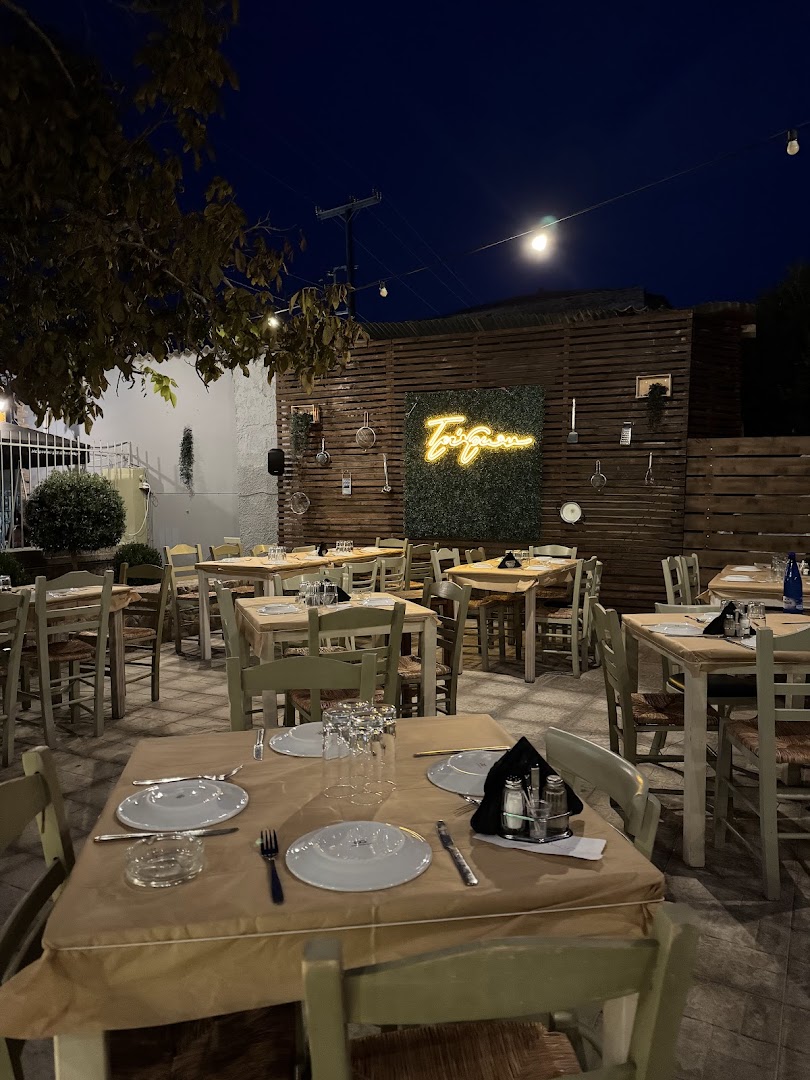
To Kadro is a traditional Greek taverna situated near the quiet village of Dafia, in the verdant northwestern reaches of Lesvos. Like the best of the island's neighborhood restaurants, it embodies the unhurried spirit of Aegean dining — a place where locals and visitors alike pull up a chair and settle in for a proper meal rather than a quick stop. Guests can expect the honest, generous cooking that defines Lesbian taverna culture: fresh seasonal vegetables, grilled meats, and the kind of mezedes that arrive slowly and keep arriving. The kitchen draws on the island's celebrated culinary traditions, from its prized local olive oil to the robust flavors of the Aegean larder. Paired with a carafe of house wine and the ease of a village afternoon, a meal here becomes the kind of unhurried experience that Lesvos does so well. Dafia sits away from the main tourist circuits, which means To Kadro draws a genuinely local crowd — always a good sign. For visitors exploring the inland villages or passing through on a drive across the island's northern hills, it makes an excellent stop to eat well, rest, and absorb a little of everyday Lesbian life.
Practical Info
Supermarket
Mini Market Meny Vogiatzi
Medical / Pharmacy
2 facilities
Petrol Station
Not found
ATM / Bank
Not found
Transport
Not found
All Businesses
Church of Agia Ypapanti
Dafia Square
Kyriaki Barou-Karytsianu Pharmacy
Mamouridis Bros
Mini Market Meny Vogiatzi
Naoumis Auto Lights
Pavlidis Pavlos Honey
Pharmacy Dafia
Saint Ignatios Monastery
To Kadro
Yiavka Kafeneio
Churches & Religious Sites
Αγία Τριάδα
Agia Triada
Dedicated to the Holy Trinity — Agia Triada in Greek — this modest Orthodox church stands in the quiet countryside near the village of Dafia, in the verdant interior of western Lesvos. Like so many rural churches scattered across the island, it serves as both a spiritual anchor and a living monument to the deeply rooted faith that has shaped Lesbian village life for centuries. The feast of the Holy Trinity, celebrated on the Sunday following Pentecost, is typically marked with a liturgy and a small local panigiri, drawing together villagers and members of the diaspora who return to honour the traditions of their ancestors. The church reflects the vernacular ecclesiastical architecture common to rural Lesvos: whitewashed walls, a simple stone-built structure, and an interior kept with the quiet devotion of the surrounding community. Inside, visitors are likely to find an iconostasis adorned with locally venerated icons, oil lamps casting a warm glow over the sanctuary, and the lingering fragrance of incense that speaks to generations of worship. While the church may lack the grand frescoes of larger monasteries, its intimacy is part of its appeal — a genuinely local place of prayer rather than a tourist destination. For travellers exploring the villages of western Lesvos, a visit to Agia Triada offers a moment of calm reflection and an insight into the spiritual landscape of the island beyond its famous pilgrimage sites. The surrounding area, with its olive groves and rolling hillsides, provides the kind of unhurried Aegean atmosphere that draws visitors back to Lesvos year after year. Whether you arrive during a feast day celebration or simply pause to light a candle in quiet contemplation, this small church embodies the enduring faith and community spirit that remain at the heart of life on the island.
Άγιος Δημήτριος
Agios Dimitrios
Dedicated to Saint Dimitrios, one of the most beloved warrior-saints of the Greek Orthodox tradition, this church serves the quiet community of Dafia in the western reaches of Lesvos. Saint Dimitrios of Thessaloniki holds a special place in the hearts of Orthodox Christians across Greece, venerated as a martyr and protector whose feast day on October 26th is celebrated with liturgies, communal gatherings, and the particular warmth of autumn festivities. In rural Lesvos, churches like this one are not merely places of worship but living anchors of village identity, where generations of the same families have gathered for baptisms, weddings, and the rhythms of the Orthodox calendar. The church reflects the vernacular ecclesiastical architecture typical of the Aegean islands, with whitewashed walls, a modest bell tower, and an intimate interior that invites quiet contemplation. Inside, visitors will find the characteristic iconostasis — the carved wooden screen separating nave from sanctuary — adorned with icons in the Byzantine tradition, including the church's patron rendered in his classical depiction as a soldier-saint in red and gold. The atmosphere is unhurried and genuinely local, a contrast to the more visited monasteries of the island. For travelers exploring the villages of the Lesvos interior, a visit to Agios Dimitrios offers a glimpse into the authentic spiritual life of the island. The area around Dafia is characterized by olive groves and rolling countryside, and stumbling upon a small church like this one — perhaps on a feast day when the doors are open and incense drifts out — is one of those quiet, meaningful encounters that define travel on Lesvos at its best.
Church (39.2476, 26.1729)
Nestled in the quiet countryside near the small village of Dafia, this modest Orthodox church stands as a testament to the deep spiritual life that has shaped rural Lesvos for centuries. Like countless chapels scattered across the island's hills and olive groves, it likely serves as both a place of regular worship and the heart of local panigiri celebrations — the beloved feast-day festivals where the entire community gathers to honour the church's patron saint with liturgy, music, food, and dancing that can last well into the night. These traditions, rooted in Byzantine religious practice and carried forward through generations of island families, give even the smallest chapel an outsized importance in village life. The church's setting near Dafia reflects a pattern common across Lesvos, where settlements in the island's interior developed around agricultural land, particularly the vast olive groves that have sustained communities here since antiquity. The surrounding landscape — silvery olive trees, dry stone walls, and the open Aegean light — lends the site a contemplative beauty that visitors often find as moving as the architecture itself. Inside, one can typically expect whitewashed walls, oil lamps flickering before gilded icons, and the faint scent of beeswax and incense that seems inseparable from Orthodox sacred spaces. Whether the icons are recent devotional works or older pieces passed down through the parish, they represent a living continuity of faith rather than museum pieces. For travellers exploring the less-visited interior of Lesvos, stopping at a small village church like this one offers a genuine encounter with the island's soul. Visitors should be mindful to dress modestly and, if the church is locked, ask locally — a nearby resident will almost always know who holds the key and will be glad to help. If you happen to visit on the feast day of the church's patron saint, consider yourself fortunate: the panigiri that follows is one of the most authentic and joyful expressions of Greek island culture you are likely to experience anywhere in the Aegean.
Ιερά Μόνη Παναγίας Μυρσινιώτισσας Καλλονής Λέσβου
Church (39.2516, 26.1737)
Nestled in the quiet countryside near the village of Dafia in northwestern Lesvos, this Orthodox church stands as a testament to the island's deep-rooted Byzantine Christian heritage. Like the hundreds of small parish churches scattered across Lesvos, it likely serves as both a place of active worship and a keeper of local memory, its walls absorbing generations of prayer, celebration, and communal grief. The Greek Orthodox tradition has shaped village life on this island for over a millennium, and churches such as this one remain the spiritual and social anchor of even the smallest communities. Architecturally, rural churches in this part of Lesvos typically follow the single-nave or cross-in-square basilica style that spread throughout the Aegean during the Byzantine period, often built from the island's distinctive local stone and topped with a terracotta-tiled roof or modest dome. Inside, visitors can usually expect a carved wooden iconostasis screening the sanctuary, oil lamps casting a warm glow over richly painted icons, and the faint scent of incense that seems woven into the very plaster. The iconographic program, even in modest village churches, frequently reflects centuries of artistic tradition passed down through local craftsmen and itinerant painters from across the Orthodox world. For visitors exploring the villages of the Kalloni hinterland and the quieter western reaches of Lesvos, stopping at a church like this one offers a genuine window into everyday Greek life rather than the curated experience of a major monument. If the feast day of the church's patron saint falls during your visit, you may be fortunate enough to encounter a panigiri, the open-air festival of music, food, and dancing that transforms the churchyard and surrounding lanes into a vivid expression of living Aegean culture. Even on ordinary days, the churchyard offers shade, stillness, and a sense of belonging to something ancient and enduring.
Mονή Λειμώνος
Moni Leimonos
The Monastery of Leimonos, founded in 1523 between Kalloni and the village of Filia, is the most important monastic community on Lesvos and one of the major spiritual centres of the northeastern Aegean. The monastery houses a museum with ecclesiastical artifacts, icons, and manuscripts, along with a library of considerable scholarly importance. It has functioned continuously as a centre of learning, faith, and social service for five centuries. The complex is substantial — fortified walls enclose churches, cells, courtyards, and gardens that give the impression of a self-contained village. Overnight stays are available for pilgrims. The monastery celebrates the feast of Saint Ignatios on the second weekend of October, drawing visitors from across the island and beyond.
Παναγία Μαλεβή
Panagia Malevi
Nestled in the quiet landscape near the village of Dafia in western Lesvos, the church of Panagia Malevi is a small but spiritually resonant Orthodox chapel dedicated to the Virgin Mary. Like so many of Lesvos's rural churches, it embodies the deeply personal relationship between the island's communities and their faith — built not by grand ecclesiastical decree but through the devotion of local families who sought a sacred space close to their homes and fields. The dedication to the Panagia, the most venerated figure in Greek Orthodox Christianity, reflects a tradition found across the Aegean, where the Mother of God is regarded as an intercessor and protector of the community. The church likely follows the simple vernacular style typical of rural Lesvos — a modest single-nave structure with whitewashed walls, a terracotta-tiled roof, and an iconostasis that separates the nave from the sanctuary. Inside, visitors may find locally crafted icons rendered in the Byzantine tradition, their gold-leaf halos glowing softly in the candlelight. These intimate village churches often hold icons that have been venerated for generations, accumulating the prayers and votive offerings of successive families, and the atmosphere is one of quiet continuity rather than grand spectacle. The Feast of the Dormition of the Virgin Mary on August 15th, one of the most important celebrations in the Orthodox calendar, is likely the principal feast day observed here, drawing together villagers and returning emigrants for an evening liturgy followed by communal gathering. For visitors, Panagia Malevi offers something more contemplative than the island's better-known monasteries — a chance to step into the living spiritual fabric of rural Greek life, where a small church by a country road speaks volumes about the enduring faith and community bonds that have shaped Lesvos for centuries.
Ιερά μονή Παναγίας Μυρσινιώτισσας
Monastery of Panagia Myrsiniotissa
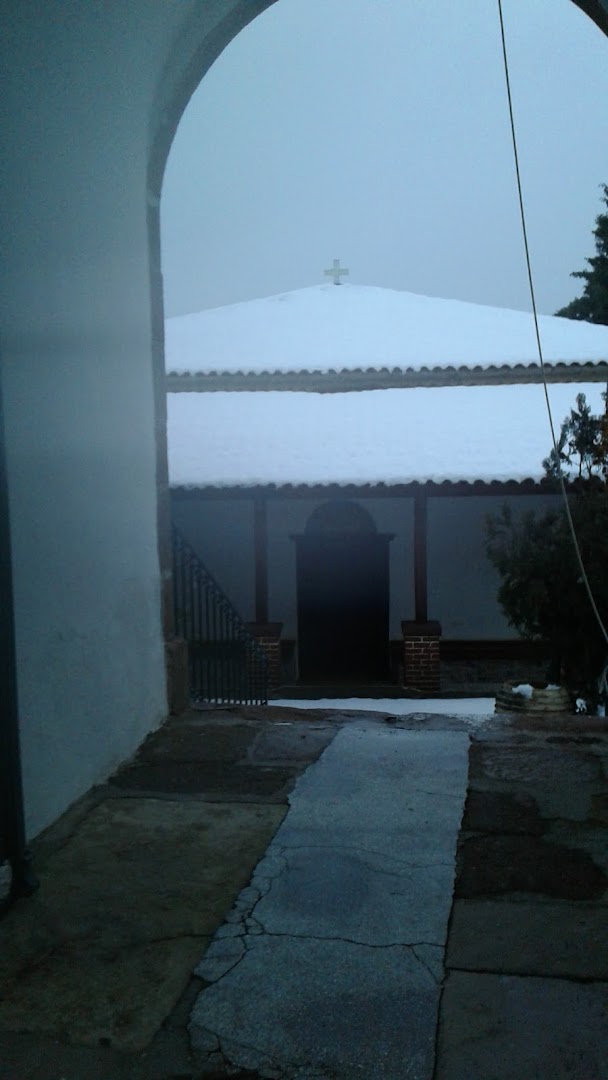
Tucked into a wooded hillside near the quiet village of Dafia, the Monastery of Panagia Myrsiniotissa takes its evocative name from the myrtle trees — myrsines in Greek — that once blanketed the surrounding landscape. Like many of Lesvos's monastic foundations, its origins are rooted in the Byzantine tradition of building sanctuaries in secluded natural settings, where the natural world itself became an expression of the sacred. The monastery honors the Theotokos, the Virgin Mary, and has long served as a place of pilgrimage for the faithful of the surrounding villages, gathering the community together on feast days with the ringing of bells across the valley. The monastery complex follows the compact, fortress-like architecture typical of Greek Orthodox monasteries in the Aegean, with whitewashed walls enclosing a central courtyard and a katholikon — the main church — at its heart. The church interior shelters devotional icons rendered in the Byzantine style, their gold backgrounds glowing in the light of oil lamps, and the walls carry frescoes depicting scenes from scripture and the life of the Virgin. The atmosphere inside is one of profound stillness, a quality heightened by the surrounding olive groves and the distant shimmer of the Aegean visible through the trees. Visitors making the short journey from Dafia will find a monastery that rewards quiet contemplation as much as architectural curiosity. The surrounding landscape is ideal for a gentle walk before or after a visit, and the monastery itself exemplifies the intimate relationship between faith, nature, and community that has shaped life on Lesvos for centuries. Modest dress is required, and visitors should be mindful that monastic schedules govern opening hours, particularly around midday rest and evening prayers. The journey here, along a winding rural road, is itself part of the experience — a reminder that the best of Lesvos so often reveals itself just around the next bend.
Gallery & Videos
Captured a memorable moment in Dafia?
Nearby
Beaches
Parakoila Beach
5.9 km away
Ampelia
9.7 km away
Paralia Anaxou
9.8 km away
Anaxos Skoutarou Beach
9.8 km away