


Κάτω Τρίτος
Kato Tritos
Population
518
Elevation
86m
Municipality
Evergetoula
Postal Code
811 00
From Mytilene
10.3 km
Nearest Beach
Xeres Evreiakis
Overview
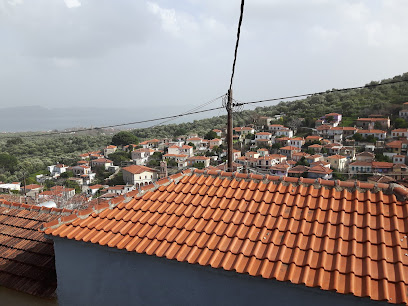
Kato Tritos is a quietly charming village nestled in the gentle hills of central Lesvos at an elevation of 86 metres, its name — meaning "Lower Tritos" — hinting at the tiered settlement pattern common across the island, where sister hamlets occupy different positions on the same hillside. Home to around 518 residents, it is one of the more populous inland communities in this part of Lesvos, retaining a lived-in authenticity that sets it apart from busier coastal destinations. The surrounding landscape is dominated by the sprawling olive groves that have defined Lesbian life for millennia, and the village exists very much within that agricultural rhythm, its fortunes intertwined with the harvest seasons and the slow, patient labour of olive cultivation.
The village reflects the architectural character typical of traditional Lesbian settlements: stone-built houses, a central square shaded by plane trees, and a parish church that serves as both a spiritual and social anchor for the community. Like many villages in this part of the island, Kato Tritos has deep roots in the agropastoral economy, with olive oil and small-scale farming remaining central to local identity. The community maintains the religious customs and feast days that animate rural Greek life throughout the year, offering visitors a glimpse into a world still shaped by seasonal cycles and Orthodox tradition.
For travellers venturing beyond Lesvos's well-known beaches and spa towns, Kato Tritos offers an honest encounter with everyday island life. Its position in the interior makes it a useful base for exploring the wider agricultural heartland of Lesvos, where the sheer density of ancient olive trees — some said to be centuries old — creates a landscape of extraordinary texture and atmosphere. The village rewards the curious traveller who takes time to slow down, walk the surrounding groves, and appreciate the understated dignity of a community that has shaped this island's character long before tourism arrived.
Before you go
What to expect
Kato Tritos moves at the pace of its olive groves — unhurried, rooted, and genuinely lived-in. The central square under the plane trees is where locals gather, and the stone houses and parish church give the village a quiet coherence that coastal towns rarely have. Come here to walk the surrounding groves, breathe in the dusty-green scent of ancient olives, and watch a corner of Lesvos that hasn't rearranged itself for visitors.
Best time to visit
Late spring and early autumn are ideal — temperatures are mild, the groves are lush, and the village goes about its daily rhythm without summer's heat.
How to get there
Kato Tritos is roughly 10–15 minutes by car from Mytilene, heading northwest into the island's agricultural interior — follow signs toward the central villages and you'll pass through olive groves most of the way.
Top-Rated in Kato Tritos
Highest-rated places chosen by visitors
cafe
Cafe Edem
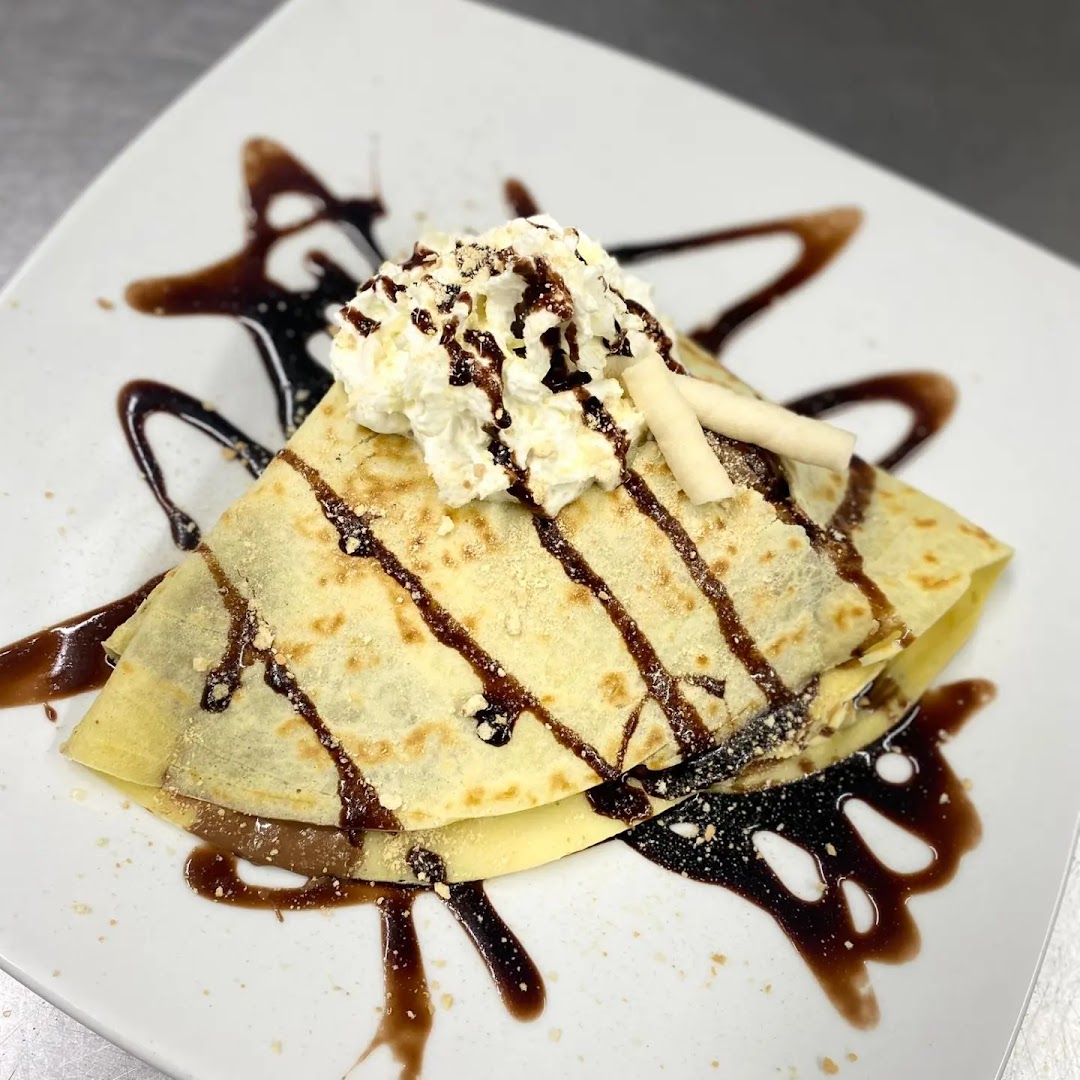
Tucked in the quiet countryside near the village of Kato Tritos, Cafe Edem offers a welcome pause for travellers exploring the less-trodden interior of Lesvos. The name itself — Edem, the Greek rendering of Eden — hints at the setting: a tranquil spot away from the bustle of the coast, where the pace slows and the surroundings feel genuinely pastoral. Guests can expect freshly brewed Greek coffee, cold frappes, and the kind of simple refreshments that fuel an afternoon on the road. Kato Tritos sits in the olive-covered lowlands of central Lesvos, a region that rewards curious visitors willing to steer away from the island's more famous destinations. Stopping at a neighbourhood cafe here is less a tourist experience and more a glimpse into everyday village life — locals gathering over espresso, the hum of quiet conversation, and the unhurried rhythm that defines the Aegean interior. Cafe Edem fits naturally into this landscape, offering a genuine resting point rather than a polished attraction. Whether you are passing through on the way to the Gulf of Kalloni, exploring the olive groves, or simply getting pleasantly lost on back roads, Cafe Edem makes for an honest and restorative stop. It is the kind of place that reminds visitors why Lesvos rewards slow travel.
rooms
Malama's House
Malama's House is a guest house nestled near the quiet village of Kato Tritos, in the gently rolling countryside of central Lesvos. This part of the island, dotted with ancient olive groves and traditional stone villages, offers a slower, more authentic pace than the busy coastal resorts — making it an ideal base for travelers who want to experience the island's rural soul rather than its beaches alone. Staying at a family-run guest house like Malama's is a distinctly Lesvian experience. Guests typically enjoy simple, comfortable rooms with a homely atmosphere, often accompanied by the warmth and hospitality that the island's hosts are known for. The surrounding area gives easy access to the Gulf of Kalloni, one of the finest birdwatching destinations in Europe, as well as traditional villages, Byzantine churches, and the ancient olive forests that have shaped Lesvos for millennia. Kato Tritos sits roughly midway between Mytilene and Kalloni, making Malama's House a convenient base for exploring both the island's capital and its quieter inland villages. Whether you are here for the birdlife, the local food, the hiking trails, or simply the deep quiet of a Lesvos evening, a stay in this corner of the island offers an honest and unhurried encounter with Greek island life.
restaurant
Piase Meze
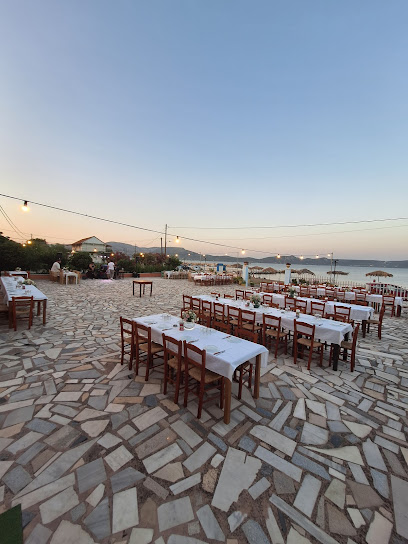
Piase Meze is a welcoming ouzeri tucked near the village of Kato Tritos, in the quieter inland reaches of Lesvos. The name itself sets the tone: "piase" means "grab" or "take" in Greek, an invitation to pull up a chair and linger over small plates. As an ouzeri, it occupies a cherished place in Greek dining culture, where the ritual of sipping ouzo alongside a spread of mezedes is as much about conversation and companionship as it is about food. Lesvos holds a special claim to ouzo — the island is widely regarded as the spiritual home of this anise-flavored spirit, with several celebrated distilleries operating here for generations. At a traditional ouzeri like Piase Meze, visitors can expect a parade of small plates to accompany their drinks: marinated octopus, taramosalata, grilled sardines, local cheeses, and whatever the kitchen has prepared fresh that day. The pace is unhurried, the portions generous, and the atmosphere rooted in the everyday pleasures that define Greek island life. For travelers exploring the villages and olive groves of central Lesvos, Piase Meze offers an authentic taste of local hospitality away from the busier coastal towns. This is the kind of place where a quick lunch can easily stretch into an afternoon, fueled by good ouzo, honest food, and the easy warmth of a neighborhood eatery that knows exactly what it is.
Practical Info
Supermarket
Not found
Medical / Pharmacy
Not found
Petrol Station
Not found
ATM / Bank
Not found
Transport
Not found
Churches & Religious Sites
Church (39.0866, 26.4334)
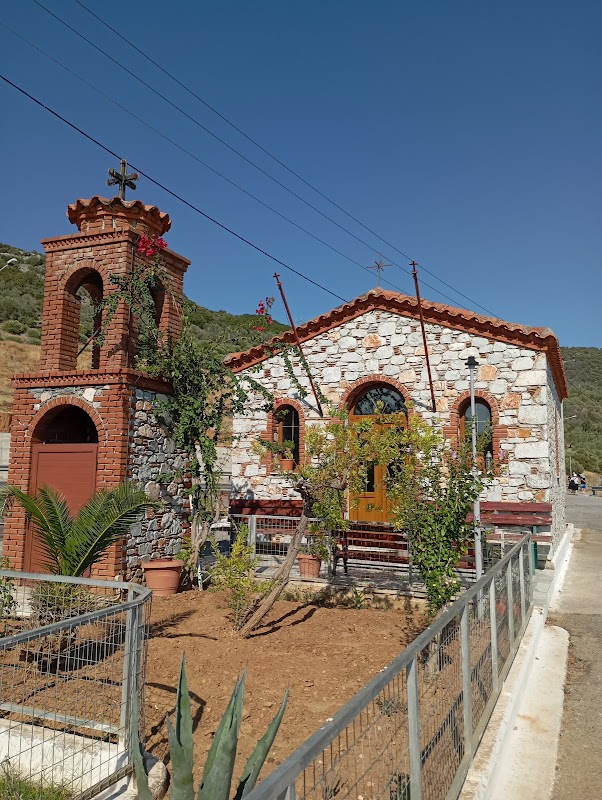
Nestled in the quiet countryside near the village of Kato Tritos in northern Lesvos, this small Orthodox church stands as a testament to the deep spiritual traditions that have shaped rural life on the island for centuries. Like so many of Lesvos's country chapels, it likely serves as both a place of worship and a focal point of community identity, its whitewashed walls and modest bell tower a familiar landmark against the surrounding olive groves and rolling hills. The Orthodox faith has been central to village life across Lesvos since Byzantine times, and churches such as this one have long served as gathering places for baptisms, weddings, name-day celebrations, and the feast days of local patron saints. Visitors who seek out this chapel will find themselves stepping into a contemplative atmosphere characteristic of Aegean religious architecture. The interior, while modest in scale, likely follows the traditional Orthodox layout, with an iconostasis screen separating the nave from the sanctuary and icons rendered in the Byzantine tradition. Rural churches throughout Lesvos frequently house locally venerated icons, some of considerable age, passed down through generations of the same families who have worked the surrounding land. The smell of beeswax candles, the soft light filtering through small windows, and the silence of the countryside combine to create a genuinely moving experience for those who take the time to seek it out. For travelers exploring northern Lesvos beyond the better-known coastal resorts, the church near Kato Tritos represents the kind of authentic, unhurried discovery that defines this region. The area around Tritos sits within the olive-producing heartland of the island, and combining a visit to the church with a walk through the old groves or a stop in the village itself offers a glimpse of Lesbian rural life that has changed little in its essentials over generations. If the church happens to be locked, as is common with smaller rural chapels, a respectful inquiry at a nearby home will often yield the key and a warm welcome.
Church (39.0882, 26.4396)
Nestled in the quiet countryside near the village of Kato Tritos in northern Lesvos, this Greek Orthodox church stands as a spiritual anchor for the surrounding community. Like most rural churches on the island, it likely follows the vernacular Byzantine tradition common to the Aegean, characterized by whitewashed walls, a modest stone facade, and a terracotta-tiled roof that blends harmoniously into the olive-covered hillside landscape. The interior, as is typical of such chapels, would be adorned with hand-painted icons and an iconostasis separating the nave from the sanctuary, where the golden light of oil lamps casts a warm glow over centuries of devotion. Greek Orthodox churches of this type serve a far greater role than simply Sunday worship. Throughout the liturgical year, the local community gathers here to mark feast days, baptisms, weddings, and memorial services, weaving the rhythms of faith into everyday life. The surrounding area of northern Lesvos has been shaped by generations of farming and fishing families, and small churches like this one have long served as communal gathering points as much as places of prayer. On a patron saint's nameday, the grounds outside would traditionally come alive with a panigiri — a festive celebration combining liturgy, music, and shared food. Visitors exploring the back roads between Kato Tritos and the broader Kalloni region will find that stumbling upon a church like this offers a genuine glimpse into the unhurried spiritual life of rural Lesvos. The door is often unlocked during daylight hours, welcoming those who wish to step inside, light a candle, and admire the devotional artwork within. Even from the outside, the setting rewards a quiet moment of reflection, framed by ancient olive groves and the timeless Aegean light that has drawn pilgrims and travelers to these shores for millennia.
Make a day of it
Places worth combining with your visit
Nearby
Beaches
Xeres Evreiakis
3.9 km away
Kedro Beach
6.4 km away
Chalatses
6.7 km away
Perama Beach
7.8 km away