


Παράκοιλα
Parakoila
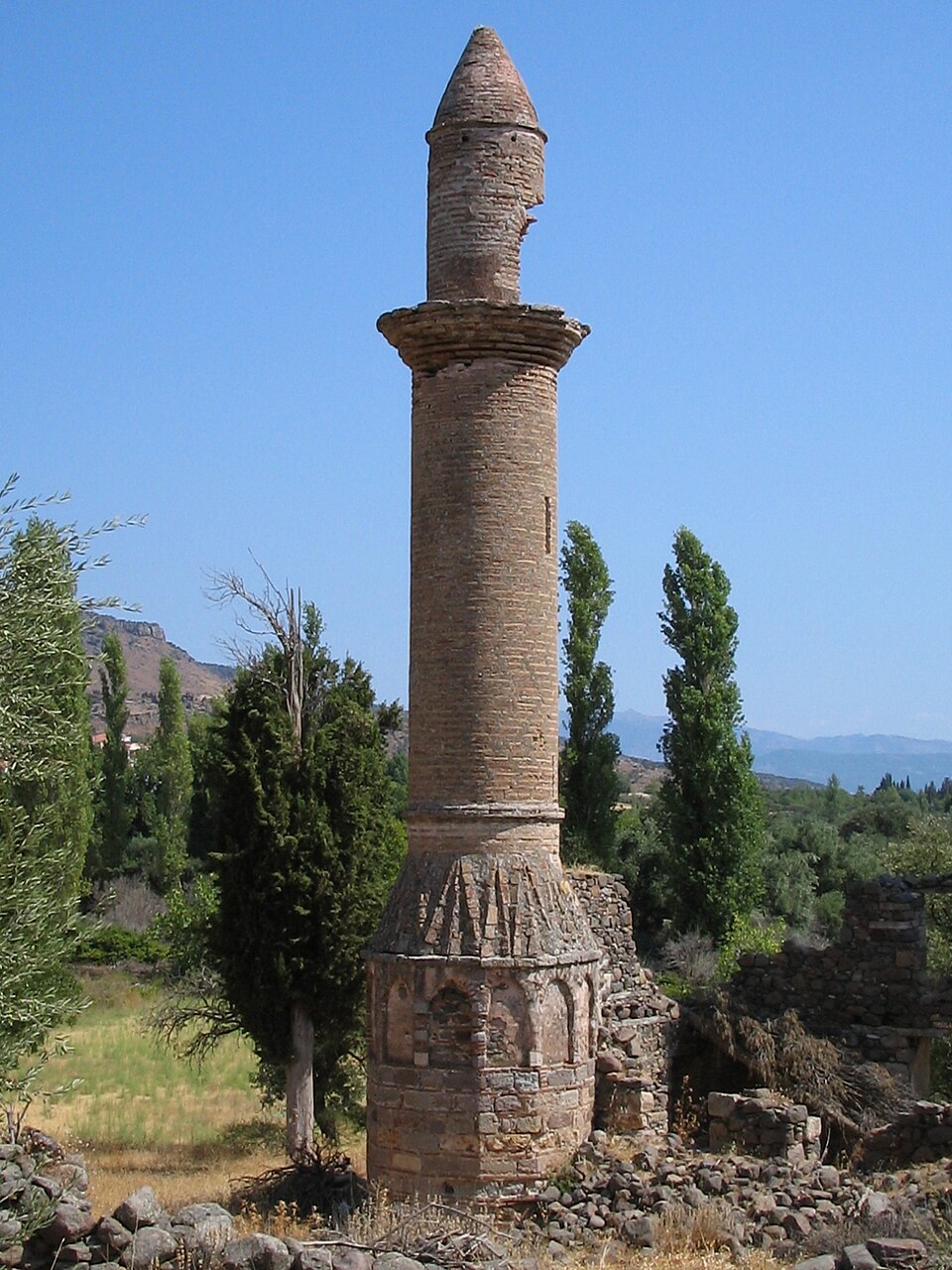
Minaret in Parakila
Population
818
Elevation
57m
Municipality
Evergetoula
Postal Code
811 07
From Mytilene
36 km
Nearest Beach
Parakoila Beach 2
Overview
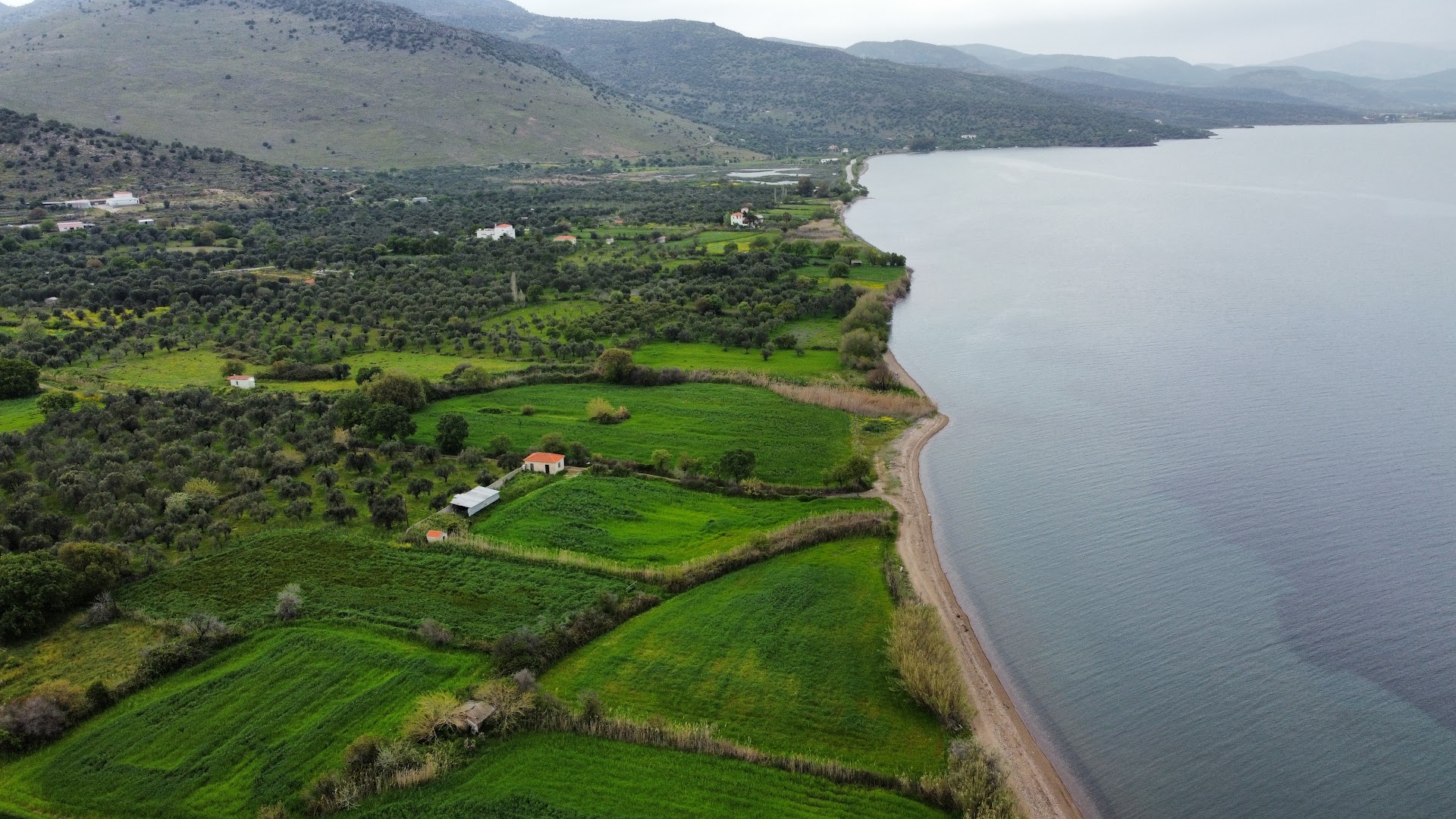
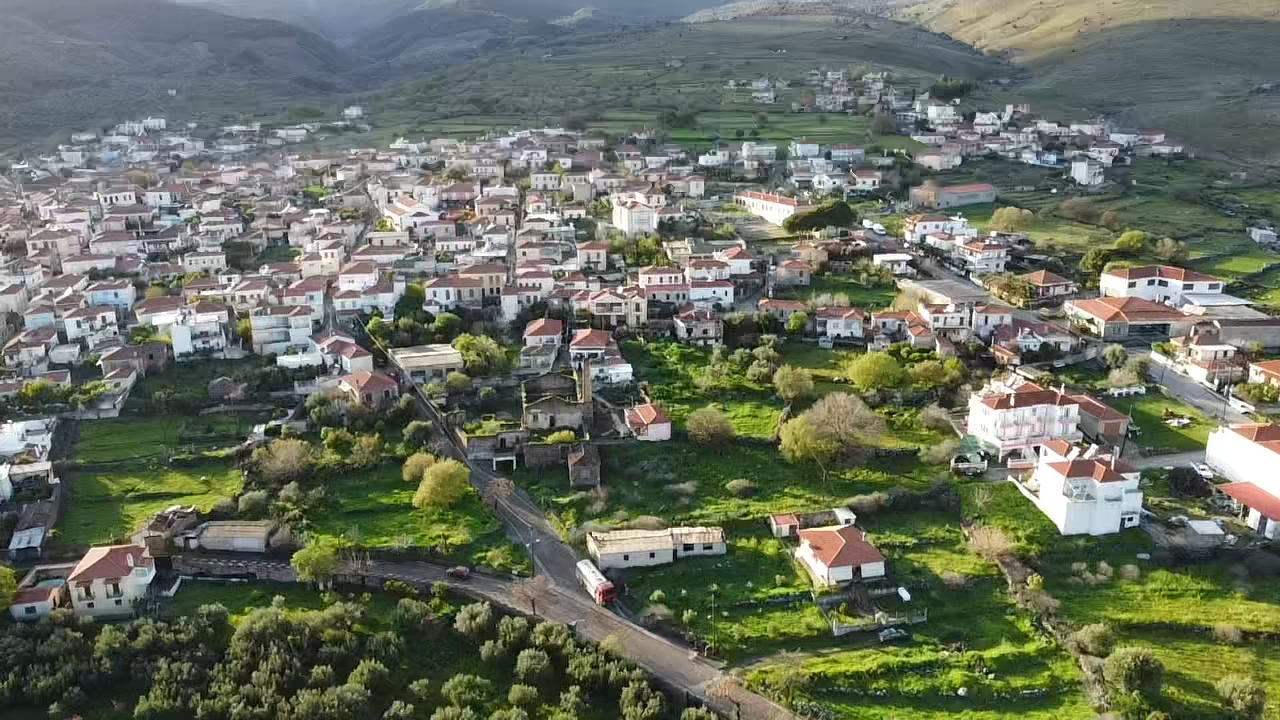
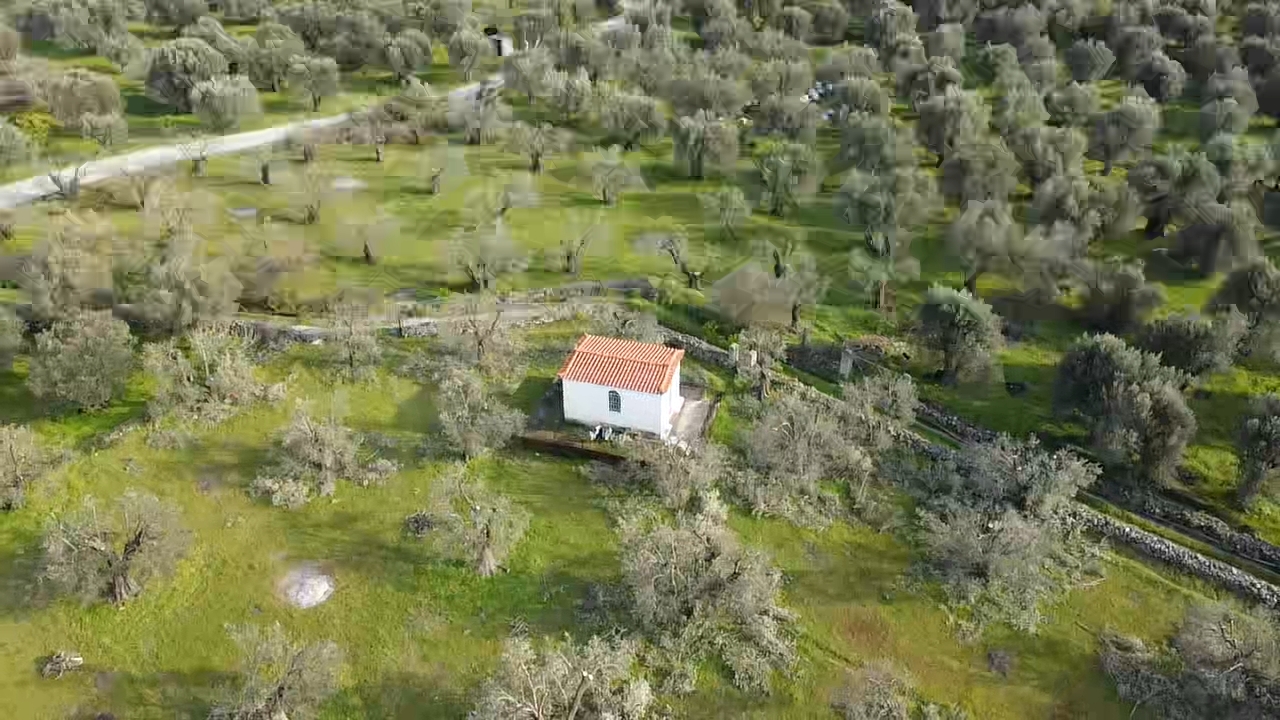
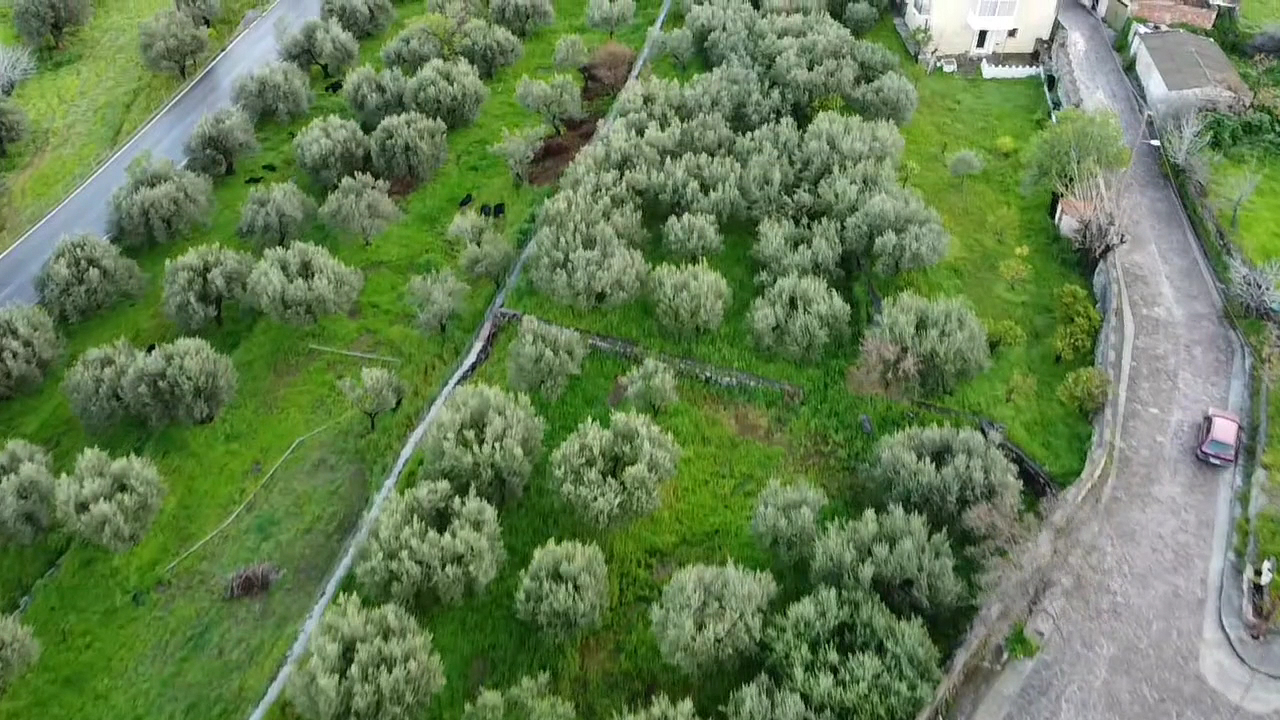
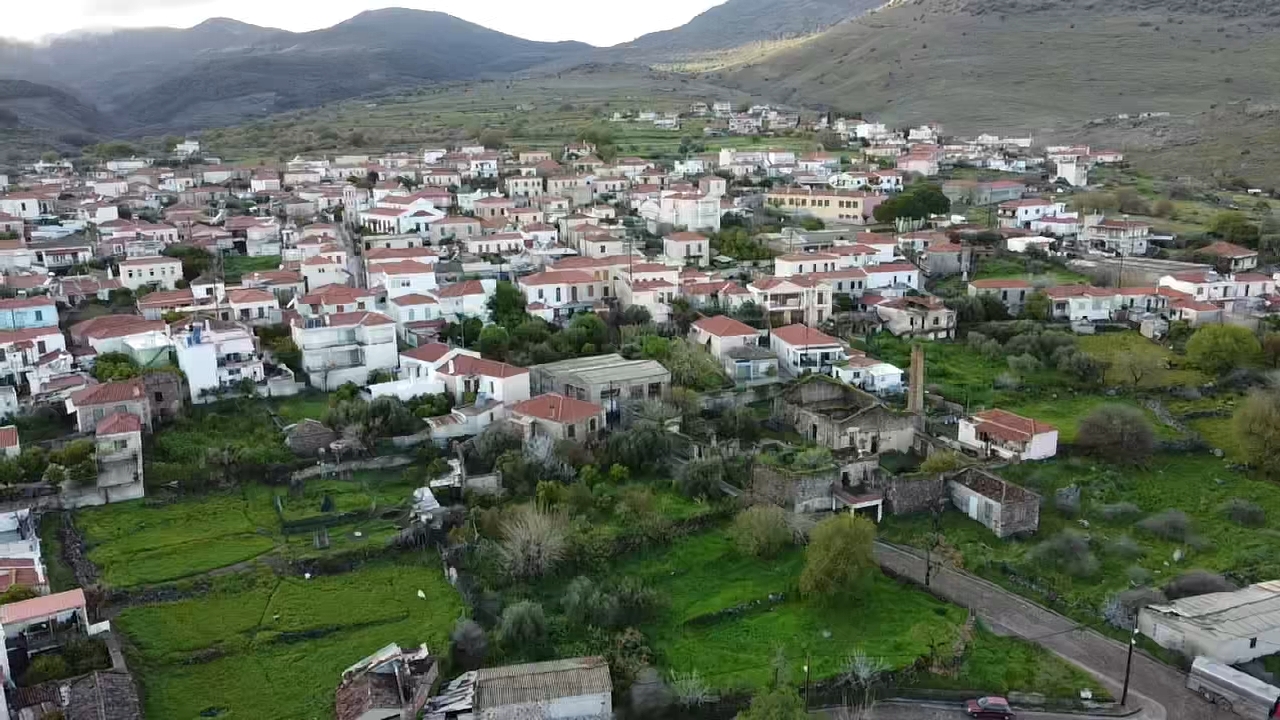
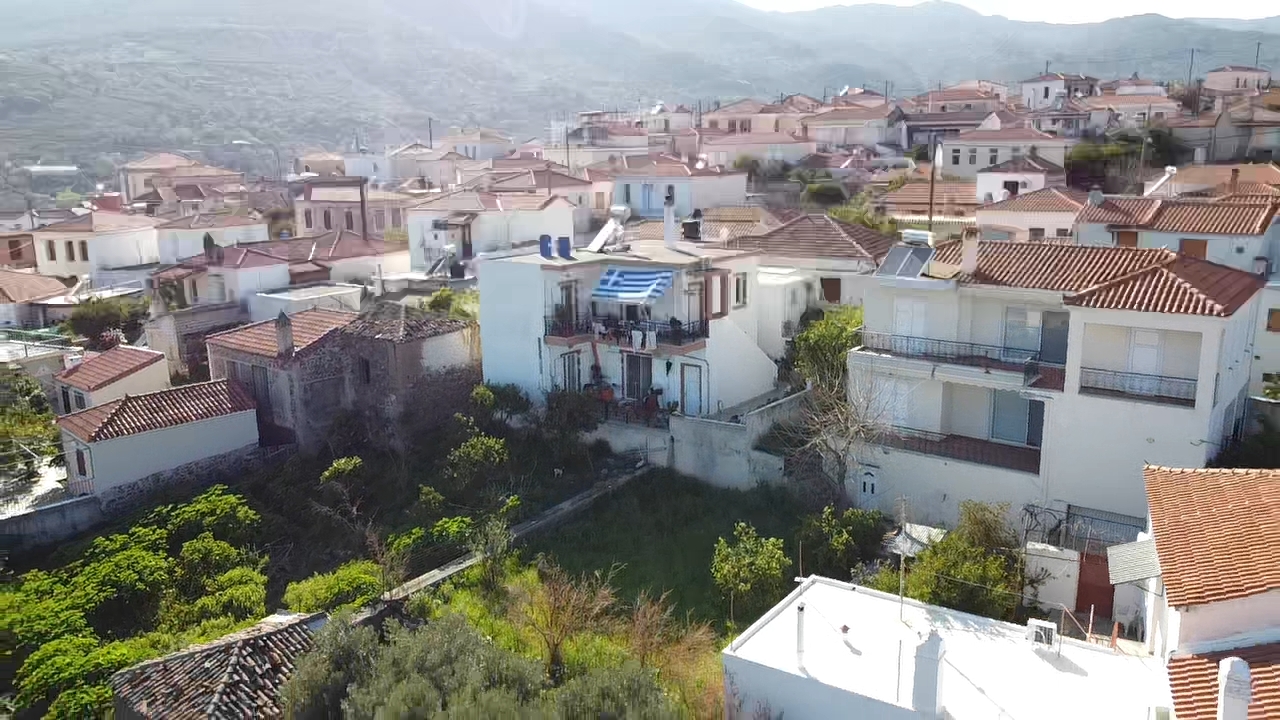
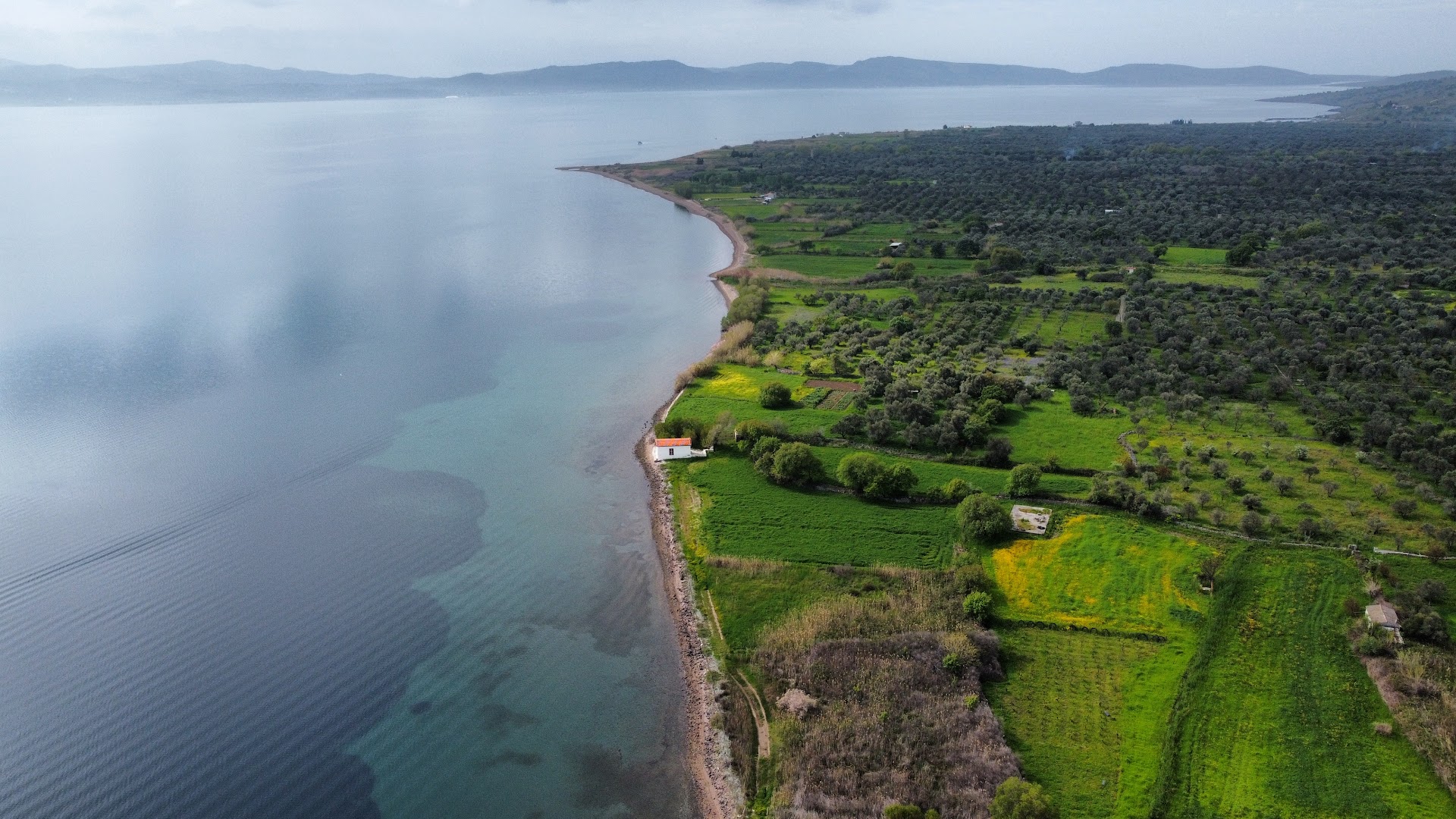
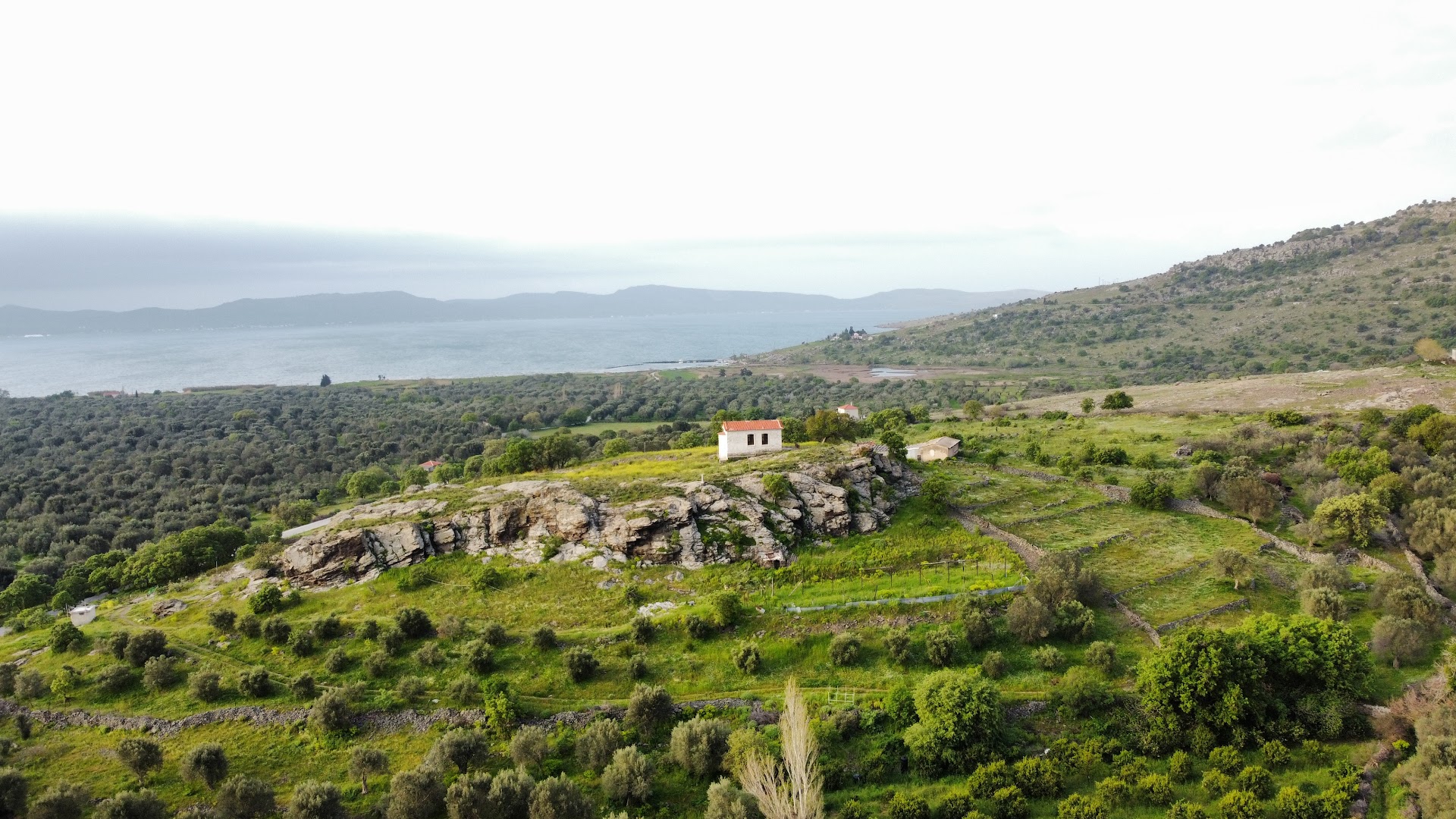
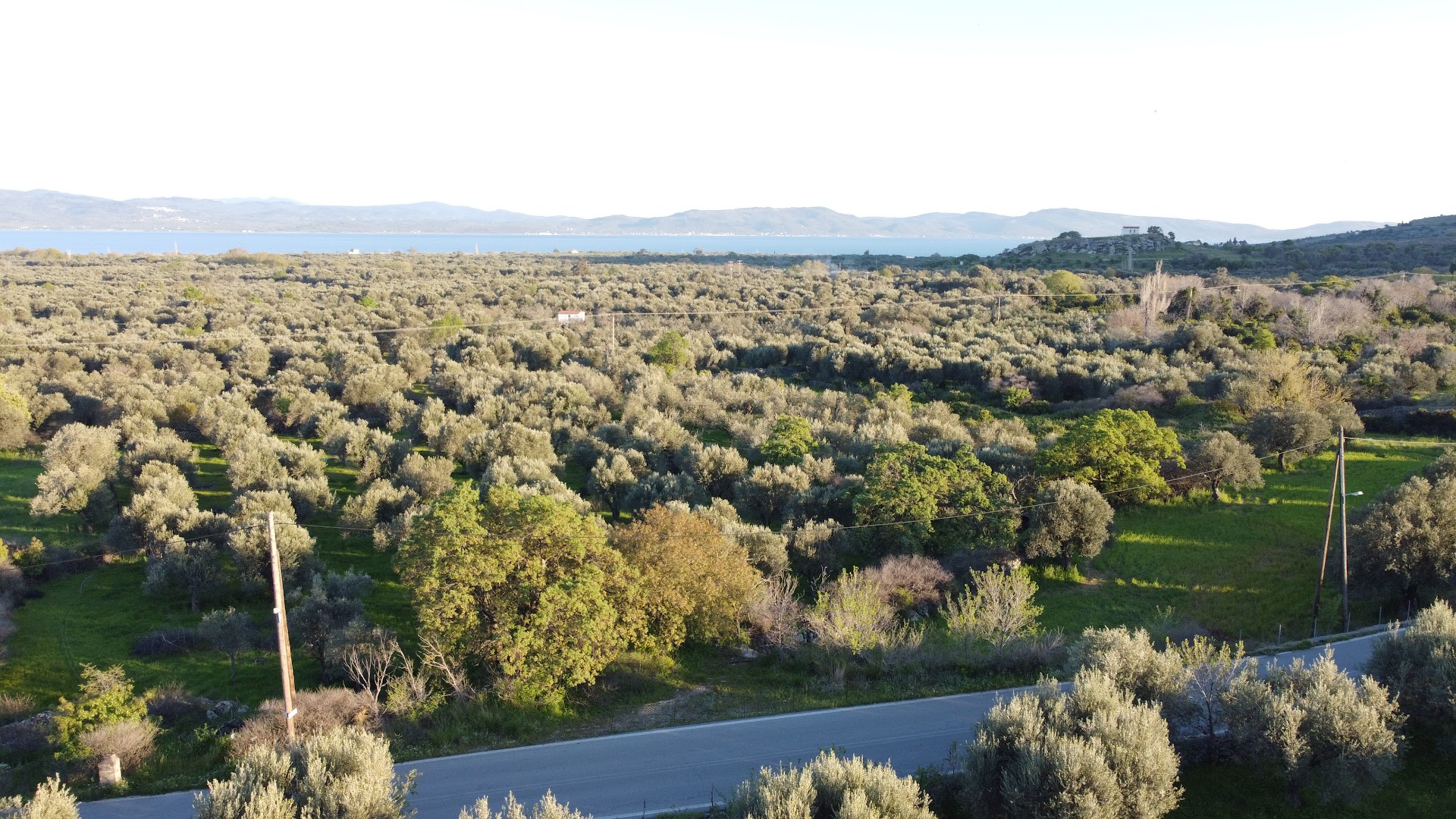
Parakoila is a thriving village in the heart of Lesvos, sitting at a gentle elevation of 57 metres in the island's fertile interior. With a population of around 818 residents, it is one of the more substantial settlements on the island, and its vitality shows in the well-kept kafeneions, the active village square, and the steady rhythms of everyday Greek life that continue largely as they have for generations. The surrounding landscape is characteristically Lesbian — rolling hills draped in ancient olive groves, their silver-green canopies stretching in every direction, a reminder that olive cultivation has shaped both the economy and the identity of this part of Lesvos for centuries.
The village lies within reach of the Gulf of Kalloni, one of the most biologically rich coastal inlets in the Aegean. This proximity has historically tied Parakoila to both agricultural and maritime traditions, with families engaged in olive oil production, small-scale farming, and the trade networks that the Gulf supported. The area around Kalloni is celebrated across Greece for the quality of its sardines and its extra-virgin olive oil, and Parakoila shares in this heritage. Visitors passing through will find a community that takes quiet pride in its produce and its landscape, where local tavernas serve honest, ingredient-led cooking rooted in Aegean tradition.
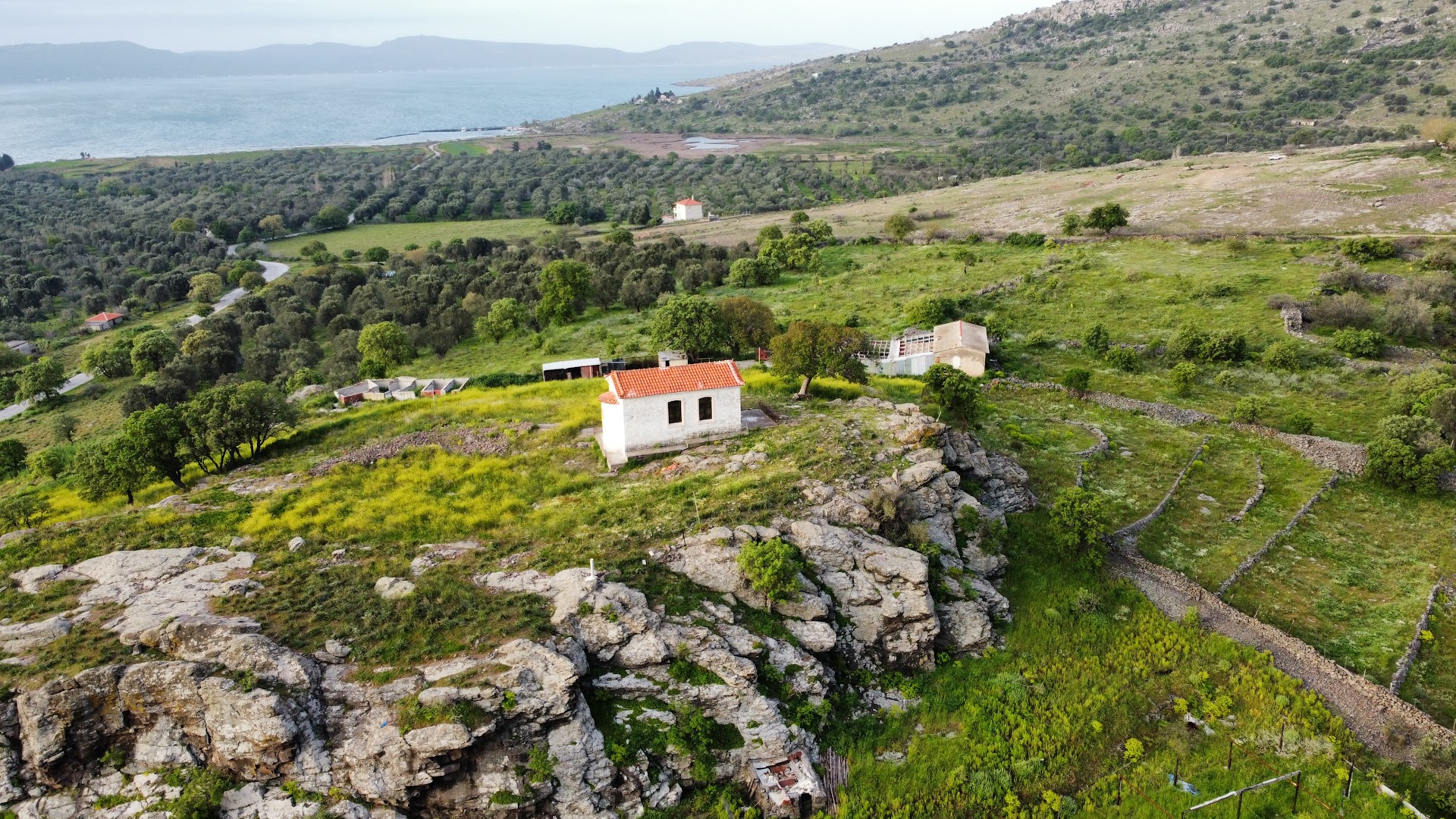
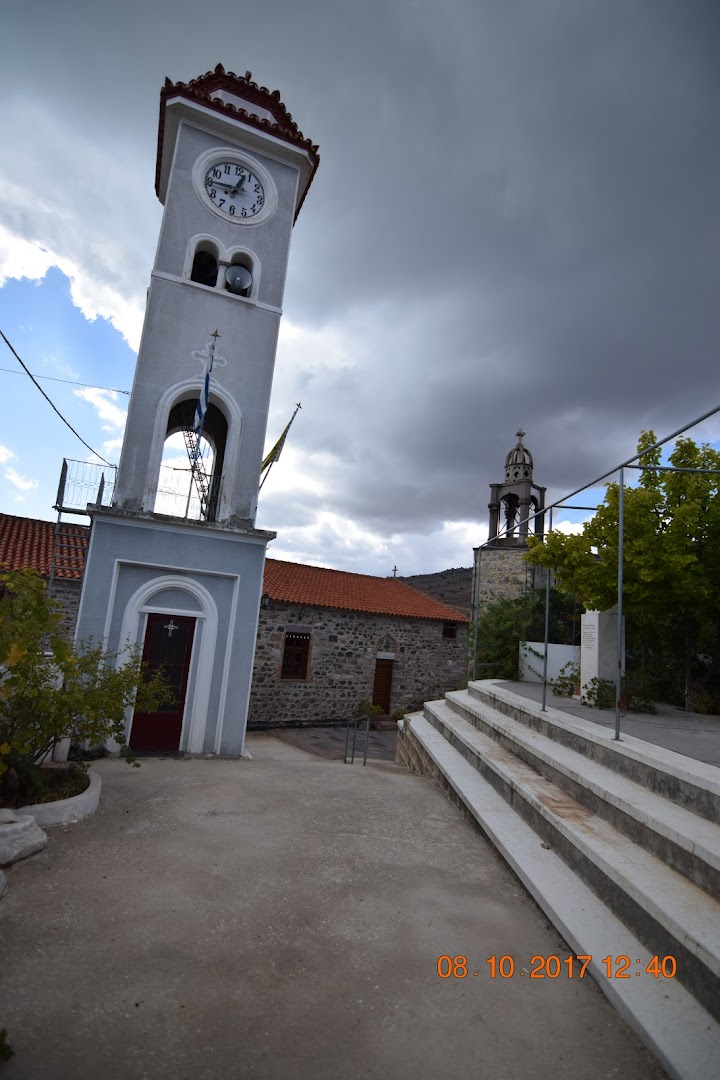
What makes Parakoila distinctive is the sense of authentic, unhurried village life it offers to those who venture inland from the more visited coastal spots. Its Orthodox church, like those of most Lesbian villages, stands as the architectural and spiritual centrepiece of the settlement, and the feast days of patron saints are observed with the communal warmth that defines Greek village culture. For travellers seeking to understand Lesvos beyond its beaches, Parakoila offers a window into the agricultural soul of the island — a place where the old ways of tending land and honouring community remain very much alive.
Before you go
What to expect
Pull up a chair at one of the kafeneions on the village square and you'll find locals nursing their coffee with no particular urgency — olive groves pressing in on all sides, the church bell marking the hours, the occasional tractor passing through. Parakoila isn't performing village life for visitors; it simply lives it, which is precisely what makes an afternoon here feel genuine.
Best time to visit
Late April through June and again in September and October offer mild weather and the village at its most animated without the fierce July–August heat.
How to get there
From Mytilene, follow the main road west toward Kalloni; Parakoila is roughly 40 km by road and the drive takes around 45 minutes through rolling olive country.
Top-Rated in Parakoila
Highest-rated places chosen by visitors
attraction
The Face of Issa
Unique geological landmark near Kalloni featuring distinctive rock faces visible in the cliff formations. Popular scenic viewing point offering panoramic views over the surrounding bay and coastline. Excellent photography location suitable for families with moderate hiking required.
attraction
Gefyri Taxiarch
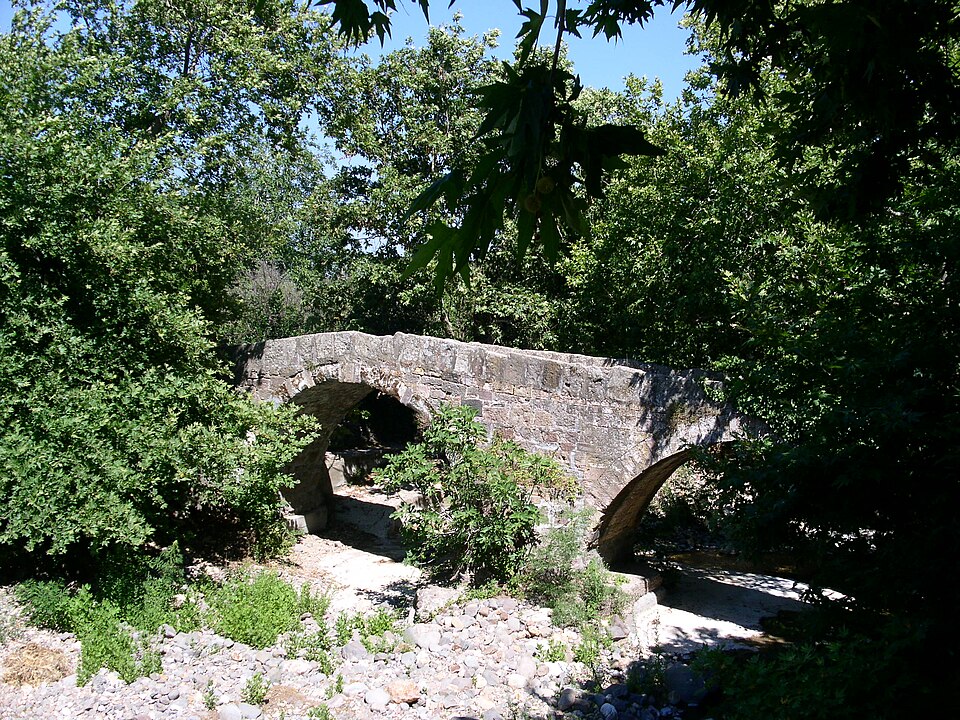
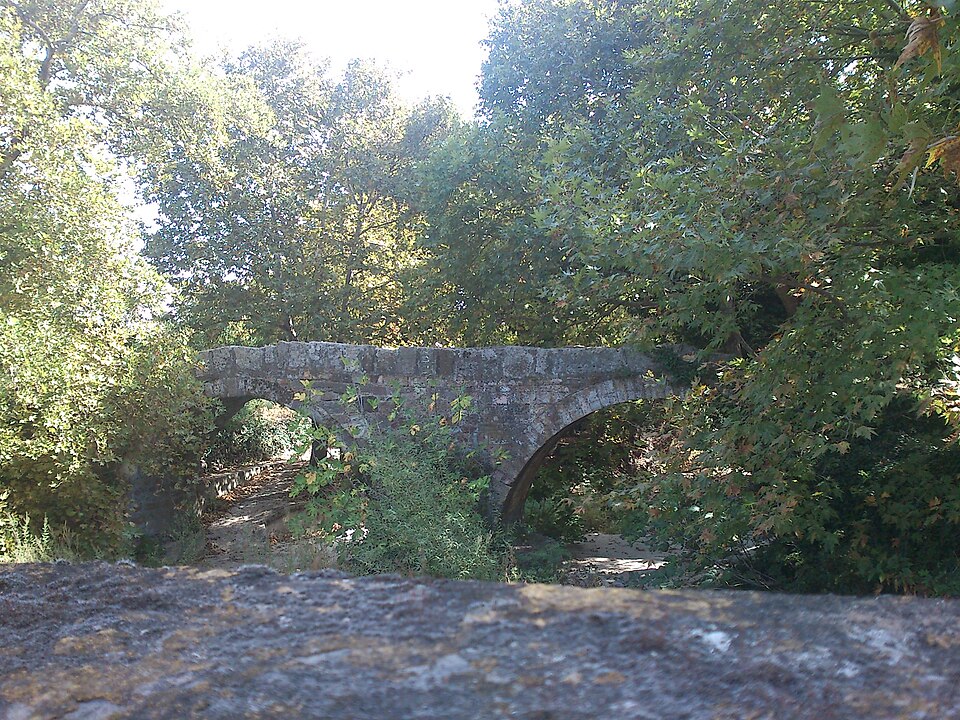
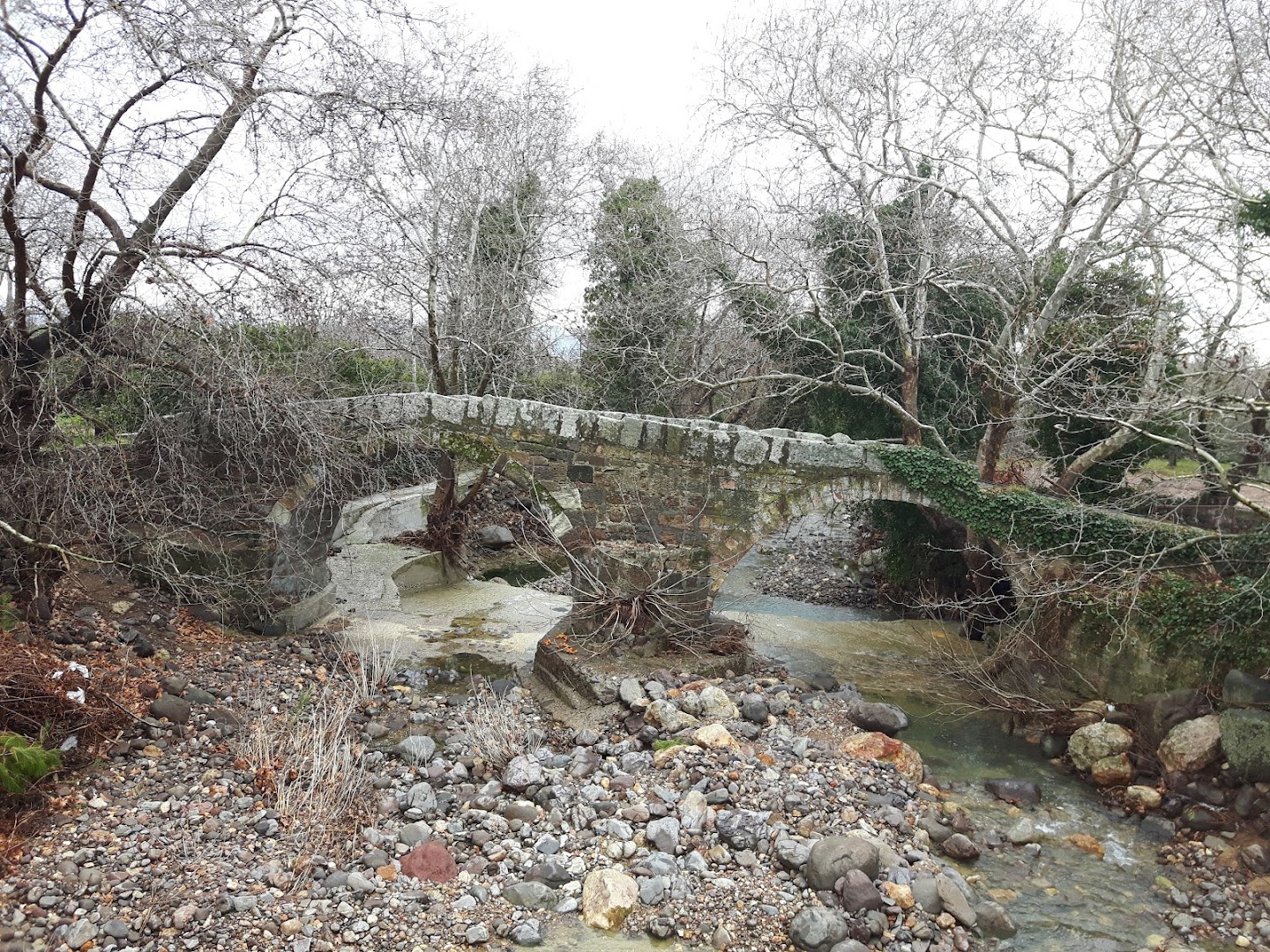
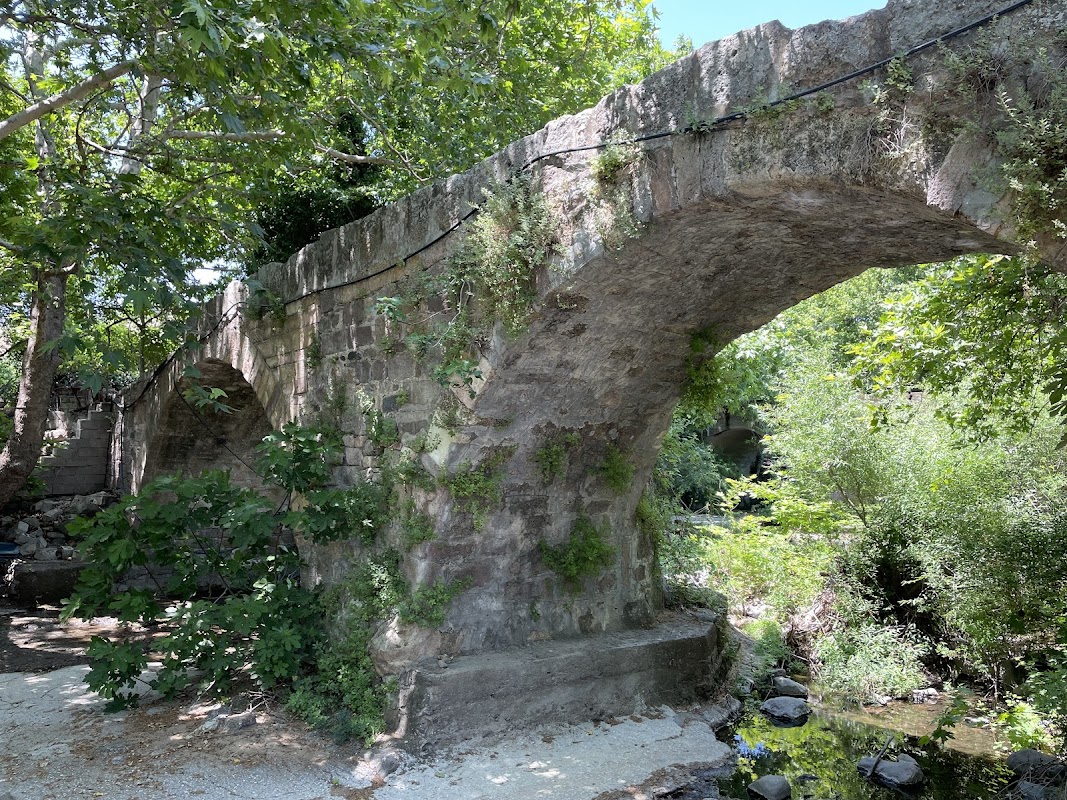
Nestled near the quiet village of Parakoila in the interior of Lesvos, Gefyri Taxiarch — meaning "Bridge of the Taxiarch" — is a historic stone bridge that takes its name from the Archangels (Taxiarchs), the beloved Orthodox saints venerated widely across the Greek islands. Old stone bridges like this one were essential arteries of rural life, allowing villagers, shepherds, and traders to cross the seasonal streams and rivers that cut through Lesvos's hilly landscape. Their sturdy arched construction reflects the craftsmanship of an era when such crossings were built to last centuries. Visiting Gefyri Taxiarch offers a glimpse into the quieter, unhurried side of Lesvos away from the coast. The surrounding countryside is typical of the island's inland character — olive groves, stone walls, and gently rolling terrain that feels worlds apart from the busy harbour towns. The bridge and its setting make for a rewarding short detour for travellers interested in vernacular architecture, rural heritage, or simply a peaceful walk in the Greek countryside. This is the kind of place that rewards the curious traveller who ventures beyond the beaches. Whether you pause here for photographs, a moment of quiet reflection, or to soak in the pastoral scenery, Gefyri Taxiarch is a small but evocative reminder of Lesvos's layered history and the timeless rhythms of island life.
cafe
Cafe EFNI
Cafe EFNI is a welcoming cafe nestled near the village of Parakoila, a quiet inland settlement in the heart of Lesvos. Situated away from the busier coastal tourist trail, it offers a genuine taste of everyday Greek island life, where locals gather over strong coffee, cold freddo espressos, and light refreshments in the unhurried rhythm that defines the Aegean way of living. Stopping at Cafe EFNI gives visitors a chance to slow down and absorb the character of rural Lesvos. Whether you're passing through on a drive across the island's verdant interior or exploring the villages of the central highlands, a seat here — with a Greek coffee and perhaps a sweet pastry — is the kind of simple pleasure that lingers in the memory long after the trip is over. The surrounding countryside, with its olive groves and traditional stone architecture, provides a peaceful backdrop that makes this an ideal rest stop for travelers seeking authenticity over tourist spectacle.
olive-oil
Parakoila Olive Oil Mill
Lesvos is one of the great olive oil islands of Greece, home to an estimated eleven million olive trees that blanket its hills and valleys in shimmering silver-green. The Parakoila Olive Oil Mill sits at the heart of this tradition, serving the farming families of Parakoila and the surrounding villages in the island's western interior. As an olive oil cooperative, it brings together local growers who have tended their groves for generations, pooling their harvest to produce oil that reflects the particular character of this corner of Lesvos. Visiting a working olive oil mill offers a rare window into a way of life that has changed remarkably little over centuries. During the harvest season, typically running from late autumn into winter, the mill hums with activity as farmers arrive with their freshly picked olives to be cold-pressed into the island's prized extra-virgin oil. The process, from fruit to bottle, is swift and purposeful, and the resulting oil carries the grassy, slightly peppery flavors that have made Lesvos olive oil sought after across Greece and beyond. Visitors with an interest in local food culture, agriculture, or simply in picking up a bottle of something genuinely exceptional should seek out this cooperative and ask about purchasing directly from the source.
Practical Info
Supermarket
2 stores
Medical / Pharmacy
Square Parakoila Pharmacy
Petrol Station
Giannioglou Christos
ATM / Bank
Not found
Transport
Not found
All Businesses
Bakaliko Supermarket
Byzántio
Cafe EFNI
Eliotropio
Gefyri Taxiarch
Giannioglou Christos
MGfitness
Mentousi Rooms to Let
Neon
Parakila Hills Resort
Parakoila Agricultural Cooperative
Parakoila Grocery
Churches & Religious Sites
Άγιοι Απόστολοι
Agioi Apostoloi
Dedicated to the Holy Apostles — the twelve disciples chosen by Christ to spread his teachings — the church of Agioi Apostoloi stands as a quiet sentinel near the village of Parakoila in the heart of Lesvos. Like many rural Orthodox churches across the Aegean, it reflects the vernacular ecclesiastical architecture of the island: modest stone construction, a low-pitched or domed roof, and an intimate interior that draws worshippers close to the sacred. The surrounding landscape of olive groves and dry-stone walls gives the site a contemplative stillness that feels inseparable from its spiritual purpose. Inside, visitors will typically find an iconostasis — the carved wooden or stone screen that divides the nave from the sanctuary — adorned with icons of Christ, the Virgin, and the Apostles themselves. The feast of the Holy Apostles is celebrated on June 29th, coinciding with the commemoration of Saints Peter and Paul, as well as on the Sunday following Pentecost, when the Orthodox Church honors all the Apostles collectively. These feast days draw villagers from Parakoila and the surrounding area for liturgy, candlelight, and the communal gathering that has marked rural Greek religious life for centuries. For the visitor, Agioi Apostoloi offers more than a religious landmark — it is a living expression of how faith has shaped the rhythms of Lesbian village culture. The church remains a focal point for the local community, its bells marking the passages of the year and its courtyard providing a gathering place where the sacred and the social have long intertwined. Travelers passing through this part of the island will find in it a genuine and unhurried glimpse into the Orthodox traditions that continue to define life on Lesvos.
Άγιος Γεώργιος Παρακοίλων
Agios Georgios Parakoilon
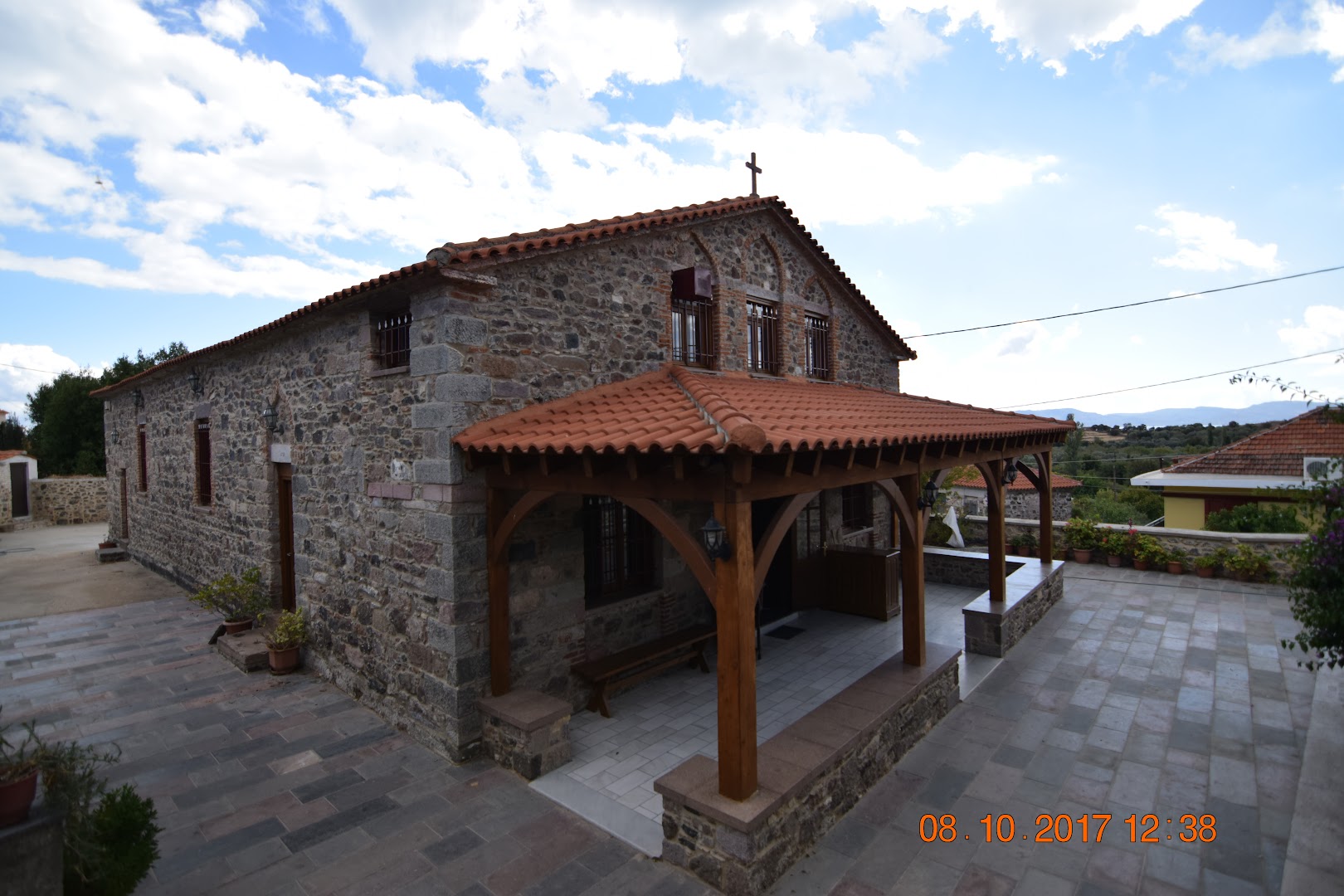
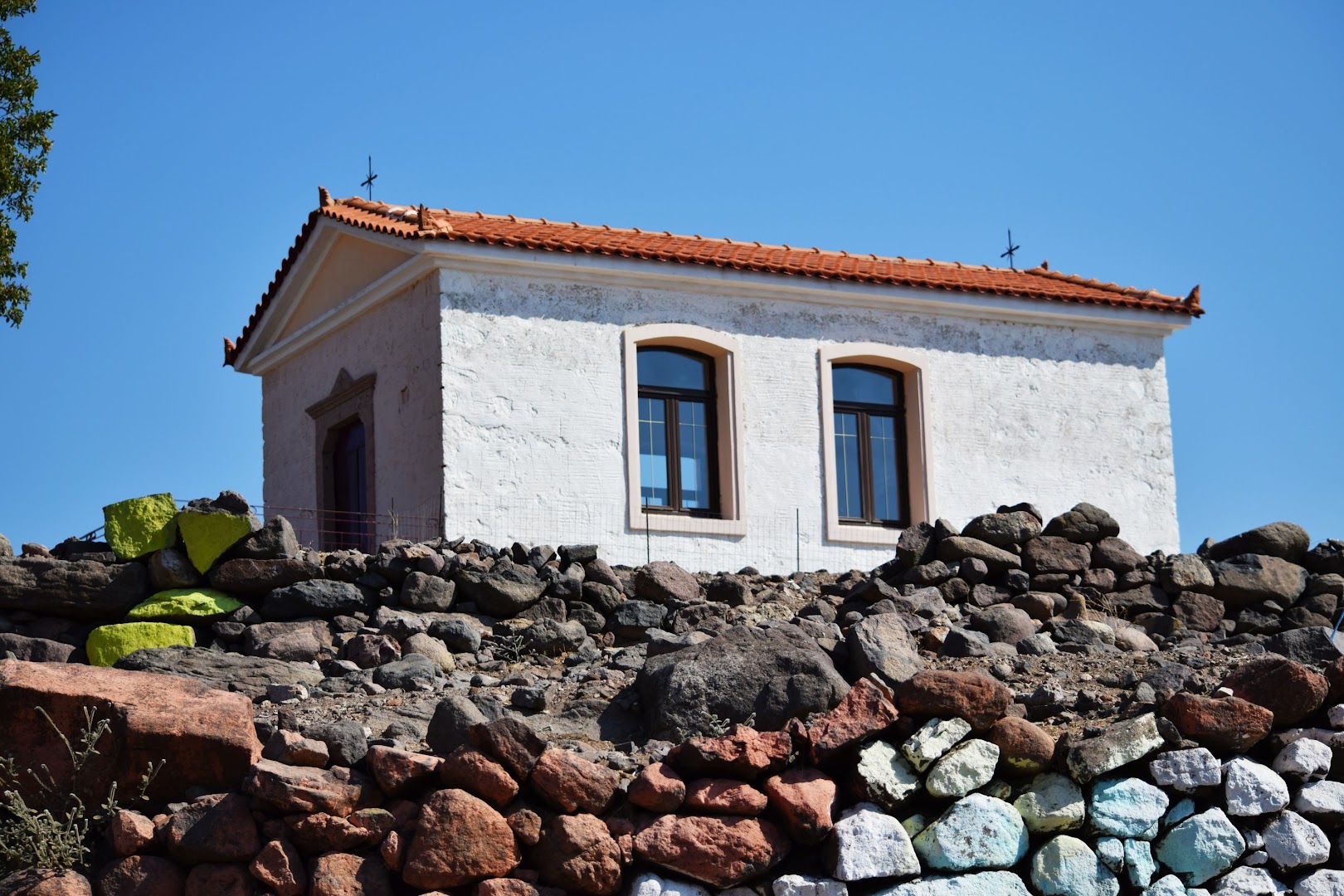
Dedicated to Saint George, one of the most venerated figures in the Greek Orthodox tradition, the church of Agios Georgios stands as a quiet landmark near the village of Parakoila in the gentle interior of Lesvos. Like many rural churches on the island, it reflects the vernacular ecclesiastical architecture that has defined the Aegean landscape for centuries: whitewashed walls, a modest bell tower, and a compact nave built to serve a tight-knit agricultural community. The surrounding countryside, with its olive groves and low hills rolling toward the Gulf of Kalloni, gives the site a contemplative character that draws visitors as much for its setting as for its spiritual significance. Saint George holds a special place in Greek Orthodox devotion, revered as the patron of farmers, soldiers, and shepherds — a fitting dedication for a village rooted in the land. His feast day on April 23rd is traditionally celebrated with a liturgy, candles, and a gathering of the local community that transforms a quiet country church into a living expression of faith and continuity. Inside, visitors can typically expect an iconostasis decorated with icons painted in the Byzantine tradition, their gold leaf catching the light of oil lamps in a way that has remained unchanged for generations. For travelers exploring the less-visited villages of the Kalloni basin, Agios Georgios Parakoilon offers a genuine glimpse into the devotional life of rural Lesvos. It is not a monument designed for tourists but a working church that has marked the rhythms of village life — harvests, baptisms, weddings, and feast days — for as long as the community itself has existed. Stopping here, even briefly, is a reminder that the island's spiritual and agricultural heritage are inseparable.
Άγιος Νικόλαος
Agios Nikolaos
Dedicated to Saint Nicholas, the beloved patron of sailors, fishermen, and travelers, the church of Agios Nikolaos stands near the village of Parakoila in the western reaches of Lesvos. Saint Nicholas holds a place of particular reverence across the Aegean islands, where communities have long depended on the sea for their livelihood, and churches bearing his name can be found in nearly every corner of Greece. This small church reflects that deep-rooted devotion, serving as a spiritual anchor for the surrounding rural community in the island's quieter interior. Like many village churches of Lesvos, Agios Nikolaos likely follows the simple whitewashed vernacular style typical of the Aegean Orthodox tradition, with a stone-built nave, a modest iconostasis separating the sanctuary from the nave, and interior walls that may bear painted icons or simple decorative elements accumulated over generations of local stewardship. The feast day of Saint Nicholas falls on December 6th, a date observed with liturgy and communal gathering by parishioners who maintain the church as an active part of village life. These feast day celebrations, known as panigyria, often bring together families from the surrounding area and are among the most cherished expressions of local religious identity. Visitors who find their way to the area around Parakoila will encounter a landscape of olive groves and rolling hills characteristic of Lesvos's interior. Stopping at a small church like Agios Nikolaos offers a glimpse into the quieter, more intimate side of Greek island life — away from the coastal tourist trail and closer to the rhythms that have shaped these communities for centuries. The church is best visited with respectful awareness of its role as a living place of worship, modest dress appropriate for entry, and an appreciation for the understated beauty that defines rural Orthodox sacred spaces throughout the Aegean.
Η γέννηση της Θεοτόκου
I Gennisi Tis Theotokou
Nestled in the gentle countryside near the village of Parakoila in western Lesvos, the church of I Gennisi tis Theotokou — the Nativity of the Mother of God — is dedicated to one of the most beloved feasts in the Orthodox Christian calendar. The Nativity of the Theotokos, celebrated each year on the 8th of September, marks the birth of the Virgin Mary and holds a place of deep tenderness in Greek Orthodox tradition, honoring her as the vessel through whom divine grace entered the world. Churches bearing this dedication are typically among the most cherished in their communities, gathering families across generations for the annual panigiri, the festive celebration that combines liturgy, music, and shared meals in a spirit of communal gratitude. The church reflects the vernacular ecclesiastical architecture characteristic of the Aegean island tradition — modest in scale yet dignified in presence, with whitewashed walls that glow warmly under the Lesvos sun and a simple bell tower that calls the faithful from the surrounding hillsides. Inside, visitors will find the intimate atmosphere typical of rural Orthodox chapels: an iconostasis screening the sanctuary, with icons of the Virgin and Christ rendered in the Byzantine manner, their gold backgrounds shimmering in the light of oil lamps and candles. Though specific frescoes or icons of particular antiquity have not been documented here, such churches on Lesvos frequently preserve votive offerings and locally venerated images that tell quiet stories of faith sustained across difficult centuries. For visitors to the Parakoila area, this church offers something beyond its architectural interest — a window into the living religious culture of the island. Lesvos has always balanced its position at the crossroads of civilizations with a deeply rooted Orthodox identity, and chapels like this one are the heartbeat of that identity in the countryside. Whether you arrive during the September feast day to witness the community gathered in celebration or simply pause here on a quiet afternoon walk, the church of the Nativity of the Theotokos rewards the attentive traveler with a sense of continuity — of a place where the rhythms of faith, seasons, and village life have long moved together.
Μεταμόρφωση του Σωτήρος
Metamorfosi Tou Sotiros
The Church of the Metamorfosi Tou Sotiros — the Transfiguration of the Savior — stands near the quiet village of Parakoila in the verdant interior of Lesvos, a humble yet spiritually resonant landmark in a landscape shaped by centuries of Orthodox faith. Dedicated to one of the most luminous events in the Christian calendar, the Transfiguration of Christ, this church belongs to a long tradition of Greek Orthodox sanctuaries that dot the hillsides and olive groves of the island, each serving as a spiritual anchor for the surrounding community. Like many rural churches of Lesvos, its architecture likely reflects the modest vernacular style common to the Aegean — thick whitewashed walls, a terracotta-tiled roof, and a small bell tower — built to endure both the elements and the passage of time. The feast of the Transfiguration, celebrated on August 6th by the Greek Orthodox Church, is the heart of this church's spiritual calendar. On that day, the surrounding community gathers for the panigiri, the traditional feast-day celebration that combines solemn liturgy with communal joy — a custom that has persisted across generations on Lesvos and throughout Greece. Inside, visitors will likely find the characteristic icon screen, or iconostasis, adorned with sacred images rendered in the Byzantine tradition, including an icon of the Transfiguration itself, depicting Christ radiating divine light before his disciples on Mount Tabor. The interior atmosphere — incense-scented, candlelit, hushed — invites quiet reflection regardless of one's faith. For visitors exploring the less-traveled villages of central Lesvos, the Metamorfosi Tou Sotiros offers a window into the deep religious and communal life that has long defined the island. The church is not merely a historical artifact but a living place of worship, tended by local families who have carried its traditions forward across many lifetimes. A visit here, particularly around the feast day in early August, reveals the enduring rhythms of village Greece — where the sacred and the everyday remain beautifully, unhurriedly intertwined.
Παμ. Ταξιαρχών
Pam. Taxiarchon
The church of the Pammegiston Taxiarchon — dedicated to the Supreme Commanders of the heavenly host, the Archangels Michael and Gabriel — stands as a quiet sentinel in the countryside near Parakoila, a village nestled in the western reaches of Lesvos. The dedication to the Taxiarchs, meaning "commanders of armies," reflects the deep veneration Greek Orthodox communities have long held for the archangels as divine protectors and intercessors. Churches bearing this dedication are among the most common on the island, woven into the spiritual fabric of rural life across Lesvos for centuries, and this one is no exception in its role as a gathering place for the surrounding community. The church follows the characteristic ecclesiastical architecture of the Aegean islands, likely featuring the simple whitewashed stone construction and modest bell tower typical of rural Lesvos chapels, with an interior that rewards quiet attention. Visitors who step inside can expect the warm flicker of oil lamps illuminating devotional icons of the archangels rendered in the Byzantine tradition — their commanding forms depicted with wings, swords, and orbs as symbols of divine authority. The iconostasis, even in a small rural church, typically displays the care and artistry that local craftsmen brought to sacred spaces across generations. The principal feast day honoring the Taxiarchs falls on the eighth of November, when communities throughout Lesvos mark the Synaxis of the Archangels Michael and Gabriel with liturgies, candle-lit processions, and the convivial gatherings that follow. For the people of Parakoila and the surrounding hamlets, this church represents far more than a historic structure — it is a living node of community identity, marking the rhythms of baptisms, name days, and memorial services that bind generations together on this storied island.
Gallery & Videos
Captured a memorable moment in Parakoila?
Nearby
Beaches
Parakoila Beach
3.5 km away
Paralia Nyfidas
8.9 km away
Paralia Ammoudi
9.4 km away
Makara
10.8 km away