


Πελόπη
Pelopi
Population
351
Elevation
377m
Municipality
Mantamados
Postal Code
811 04
From Mytilene
33.6 km
Nearest Beach
Paralia Kagia
Overview
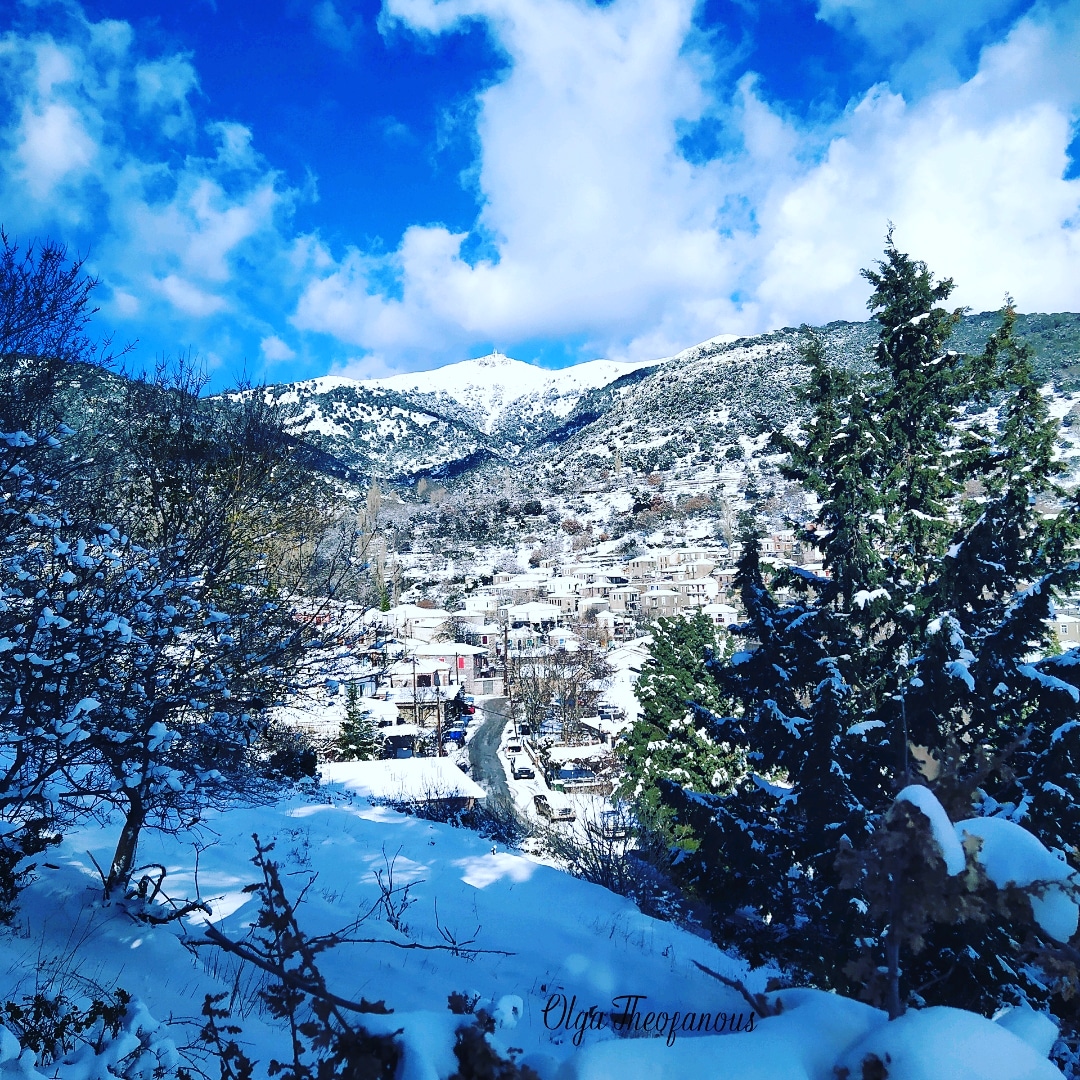
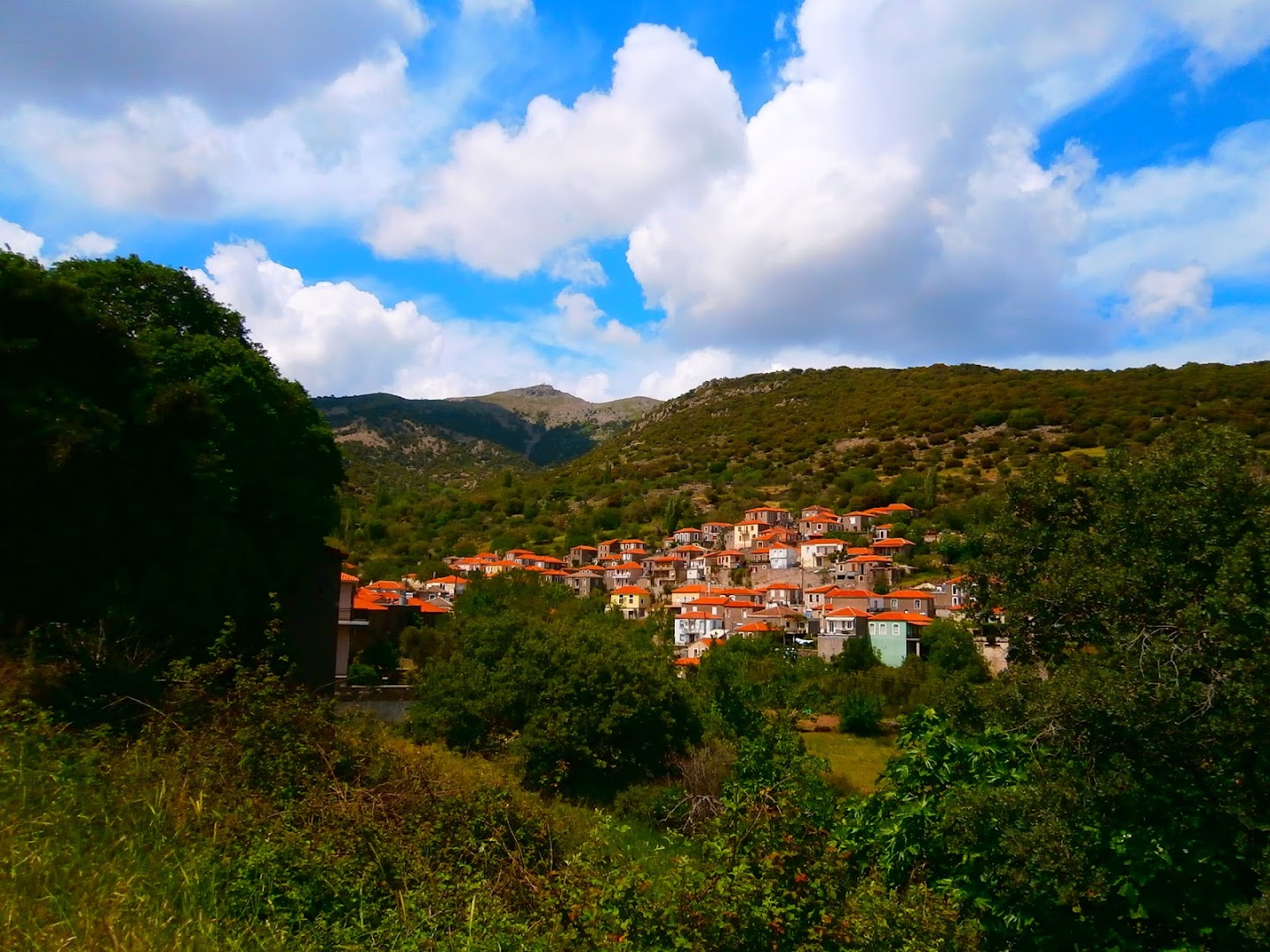
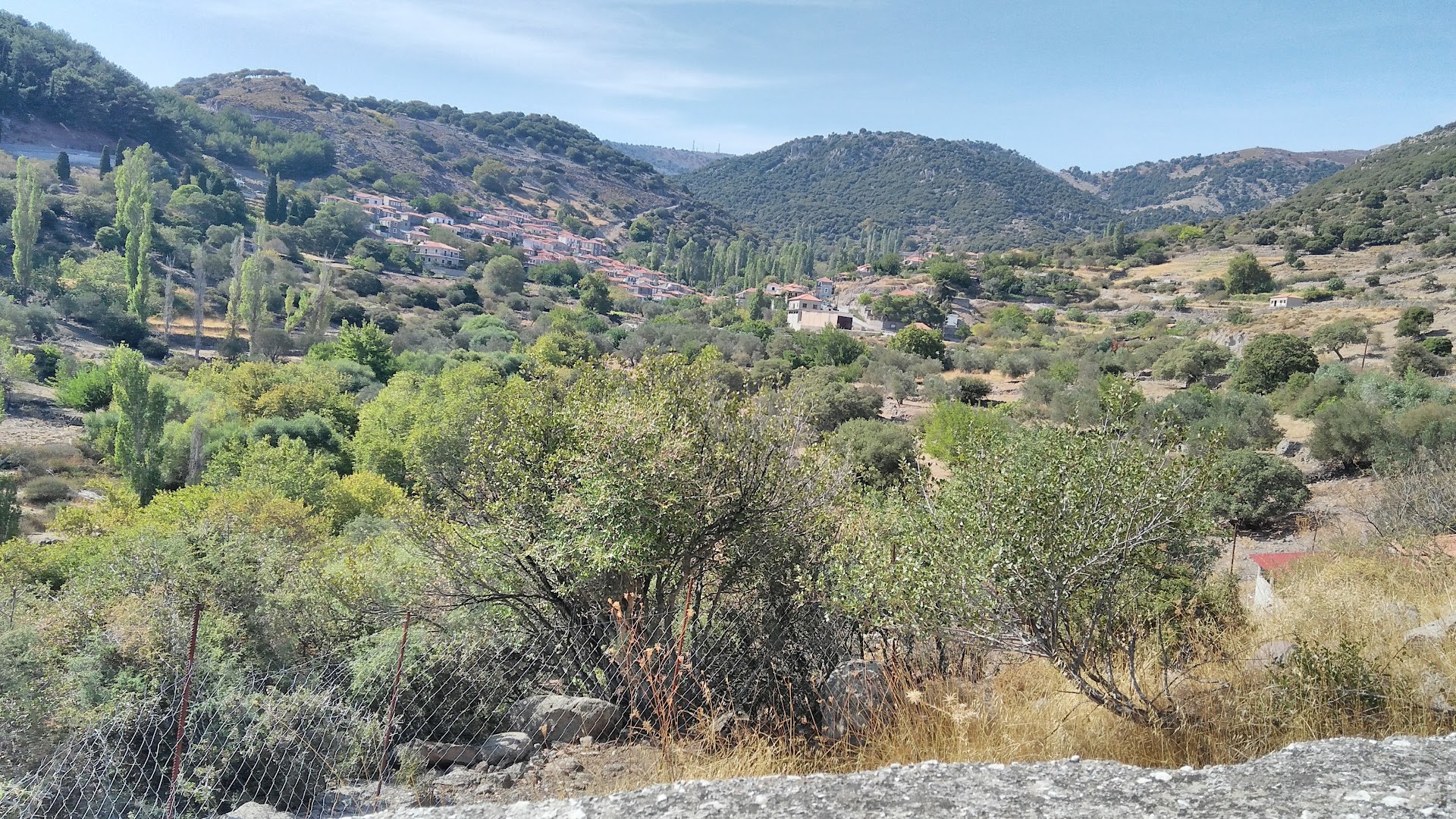
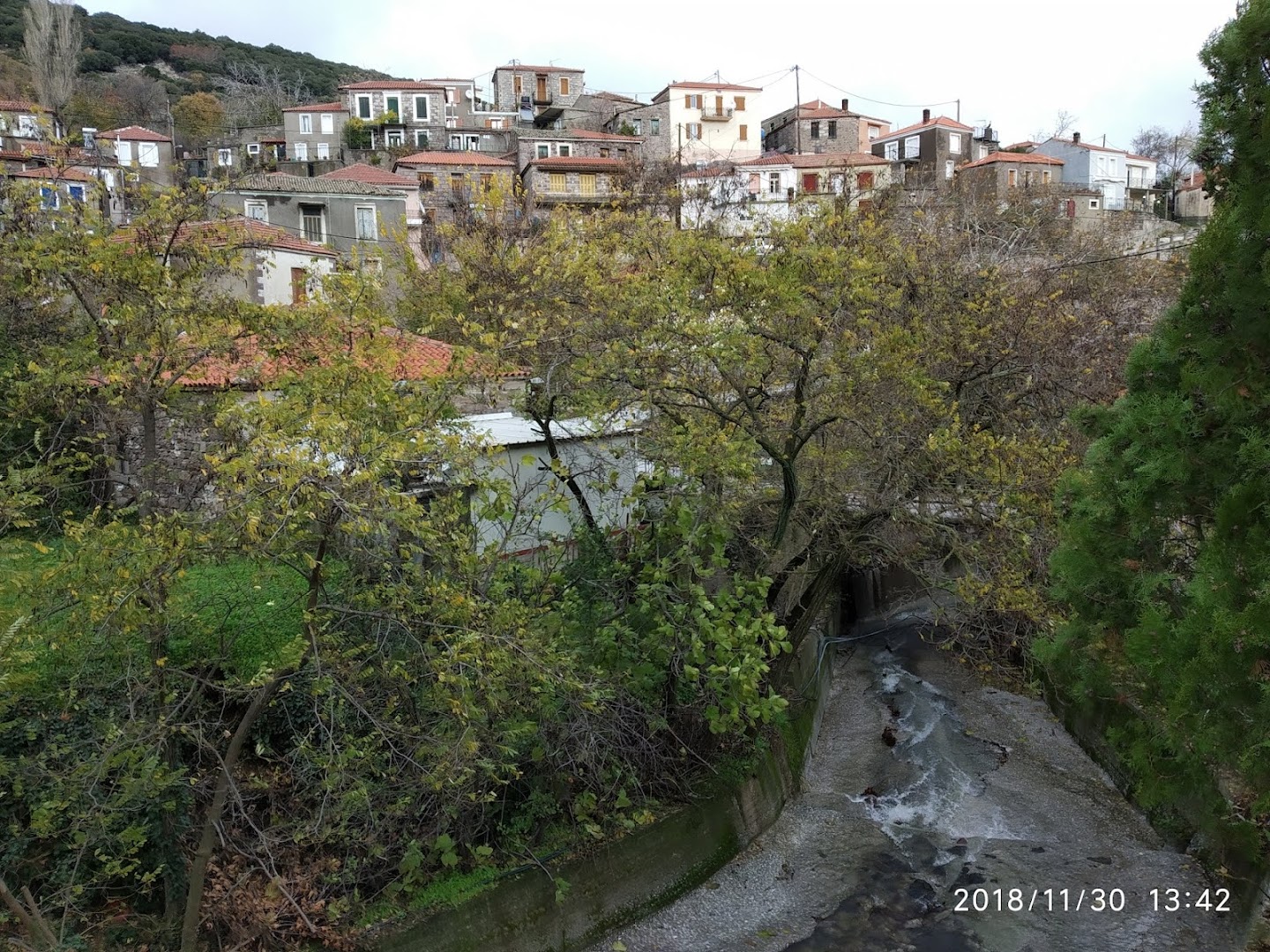
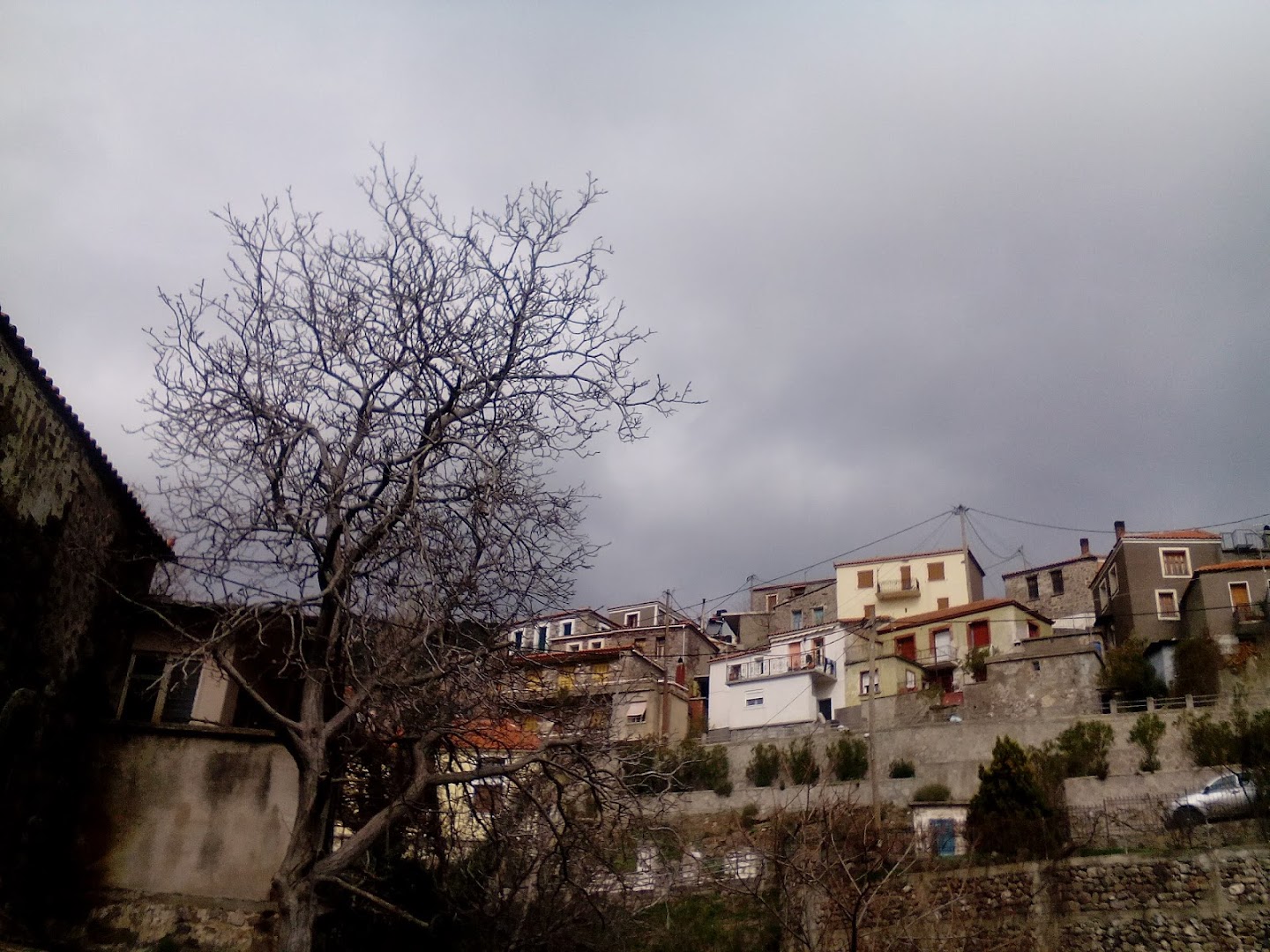
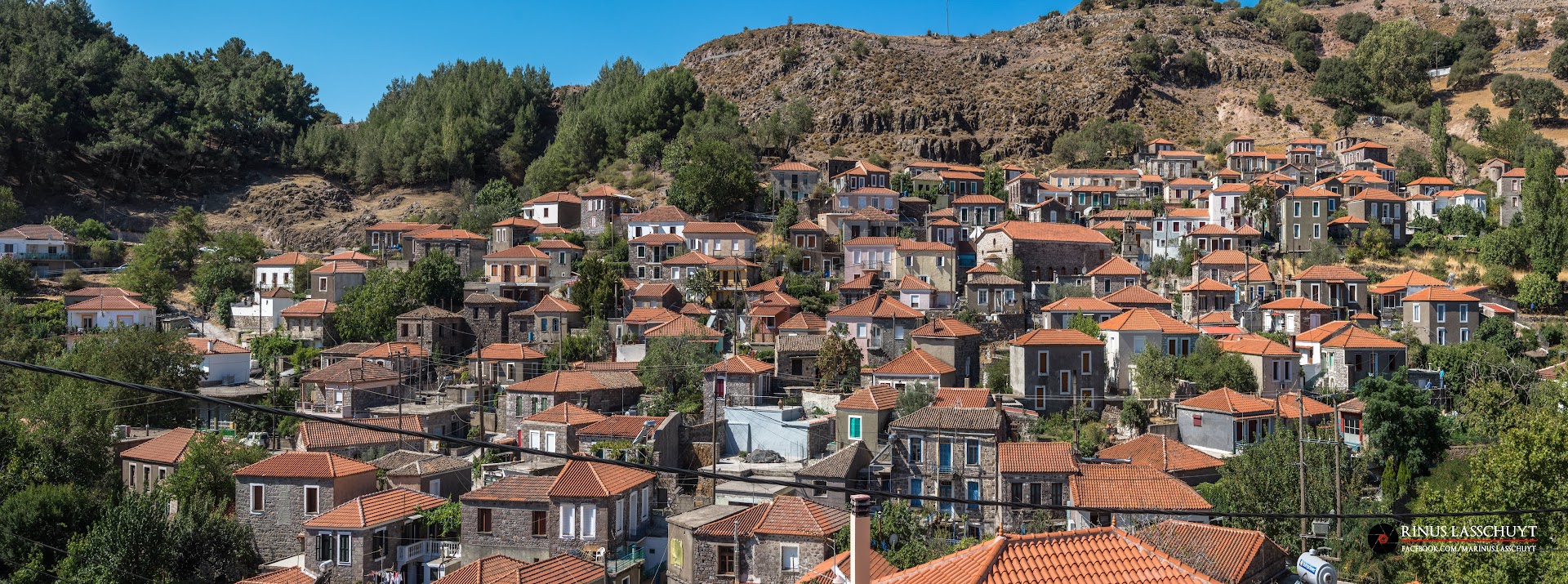
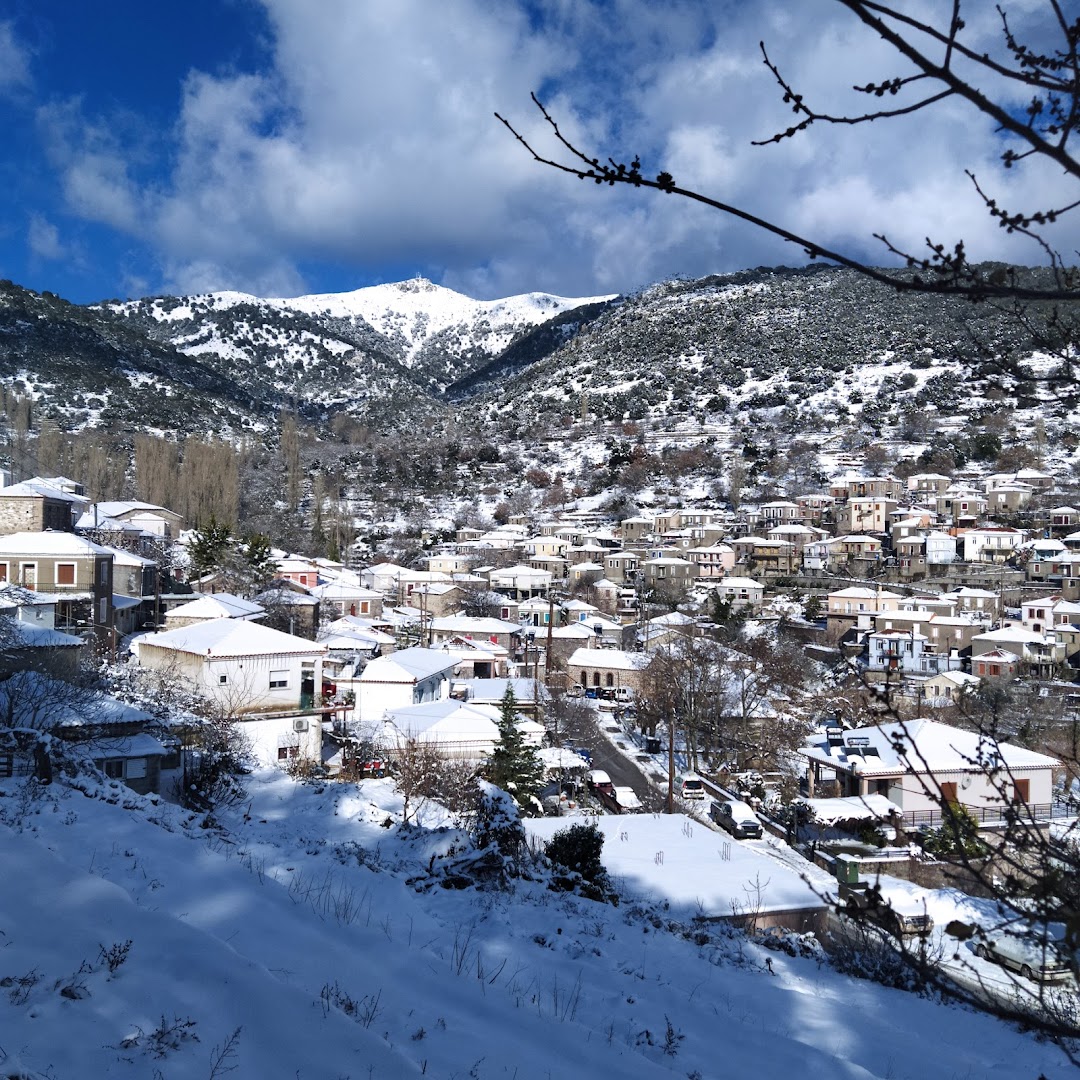
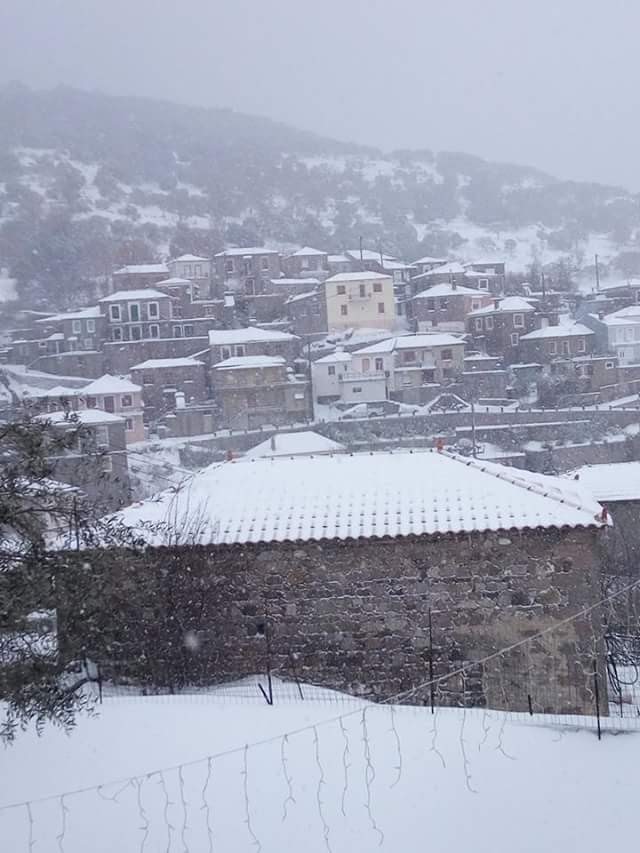
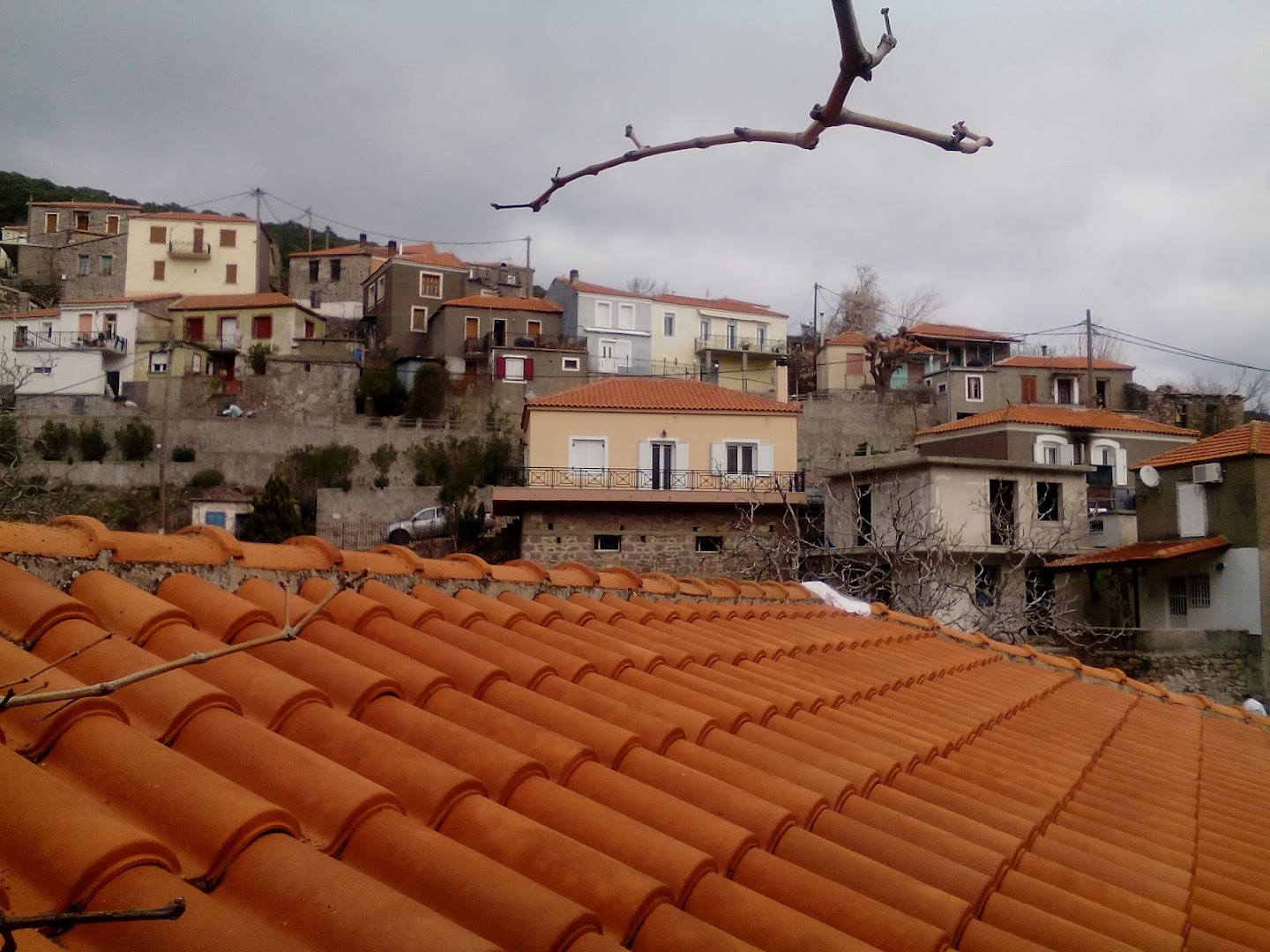
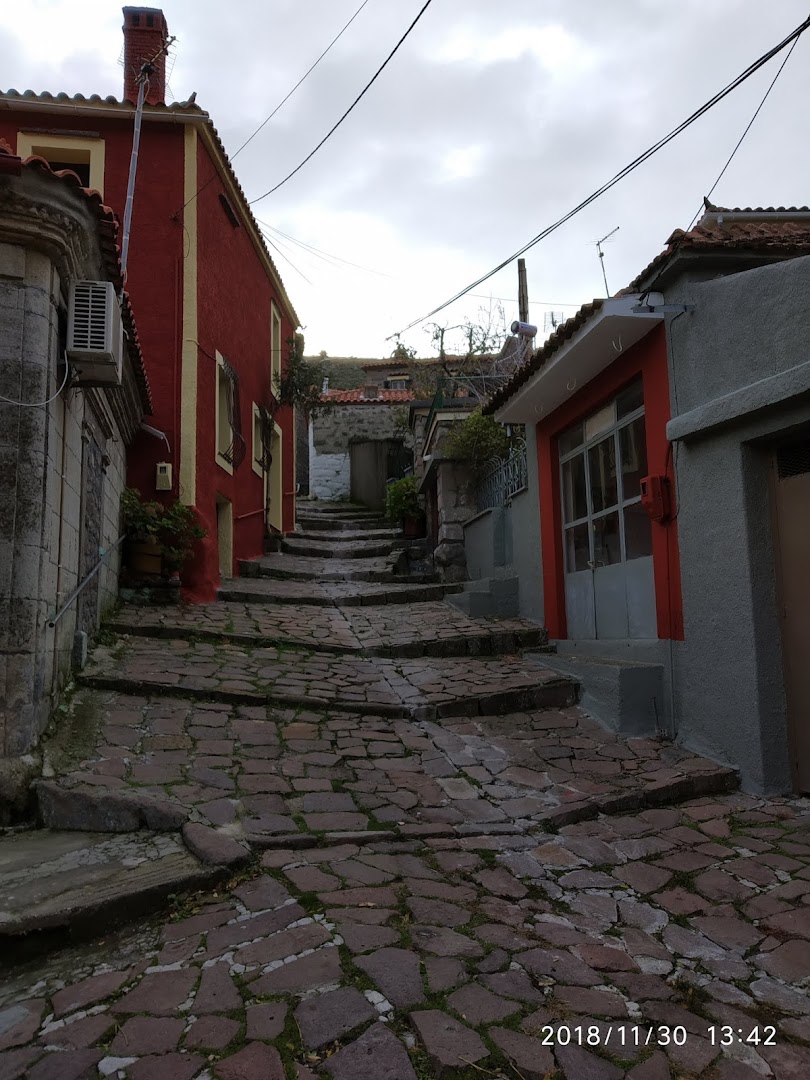
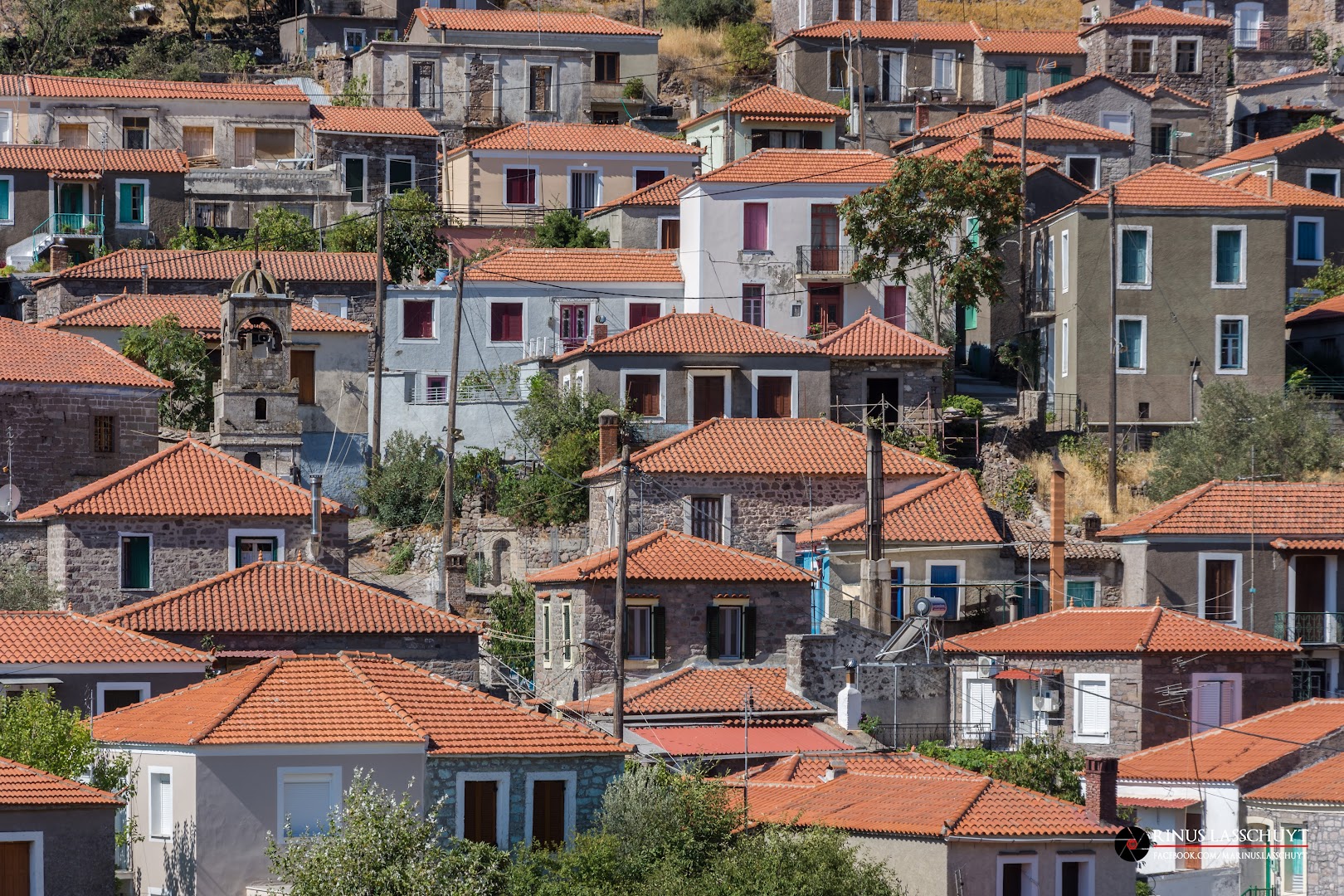
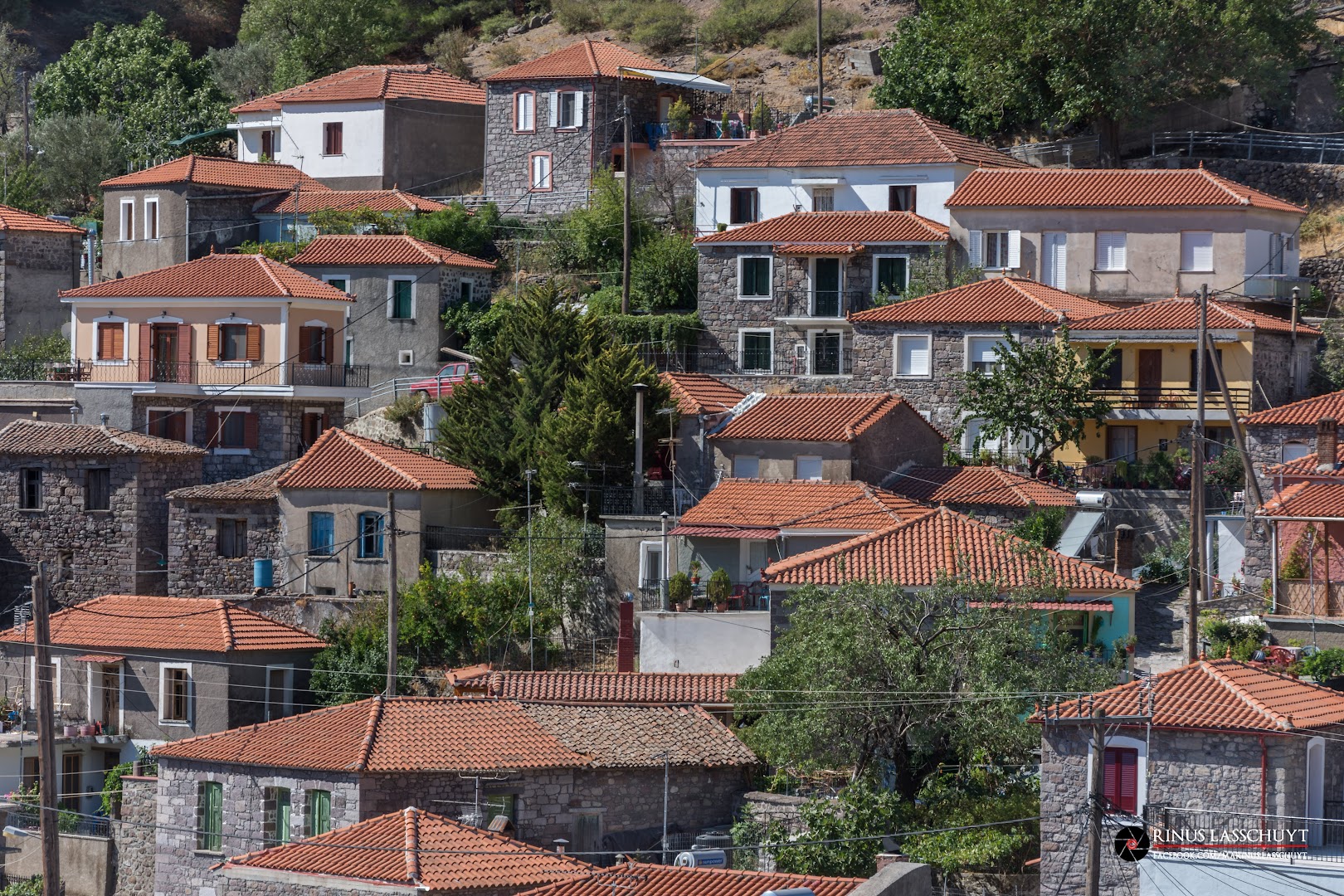
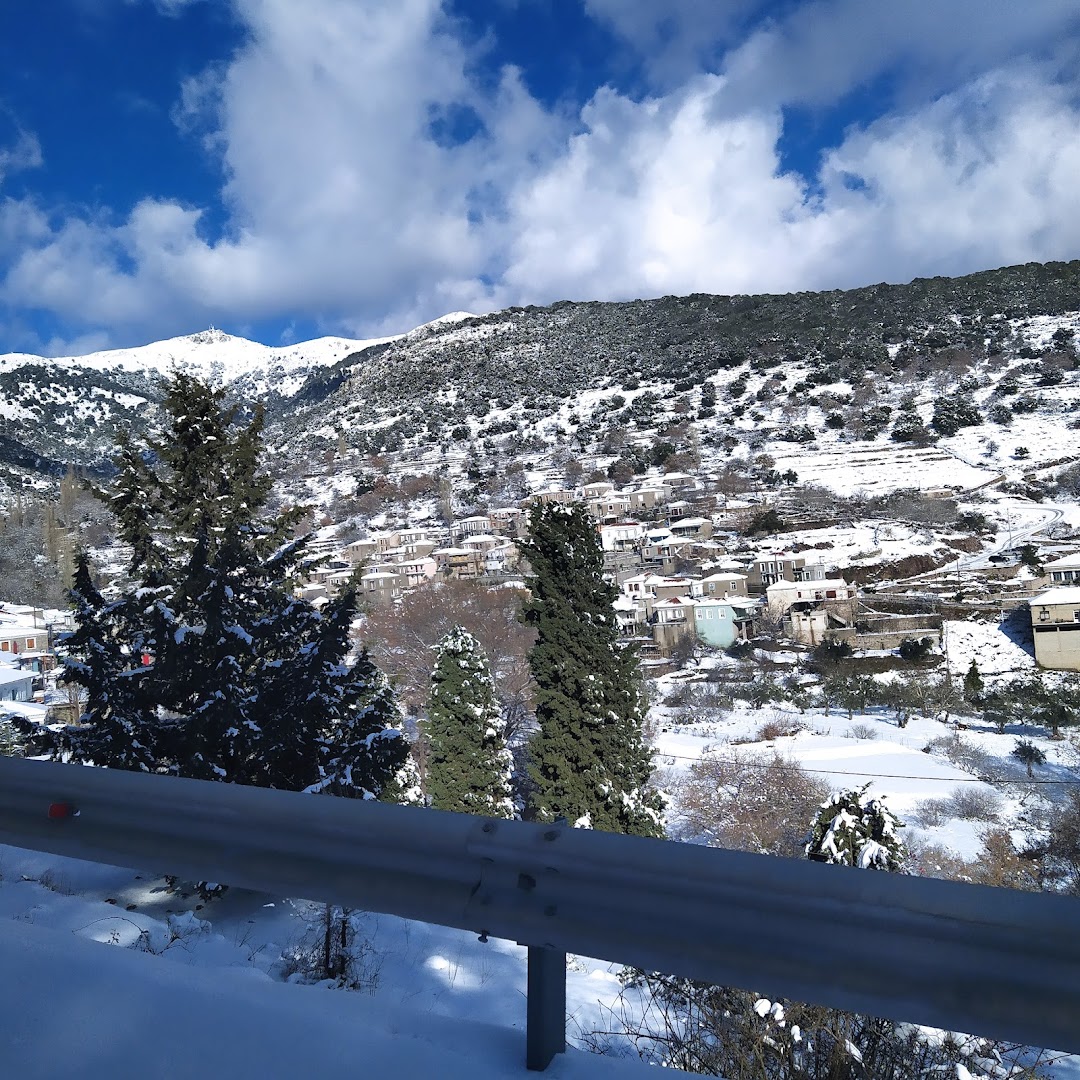
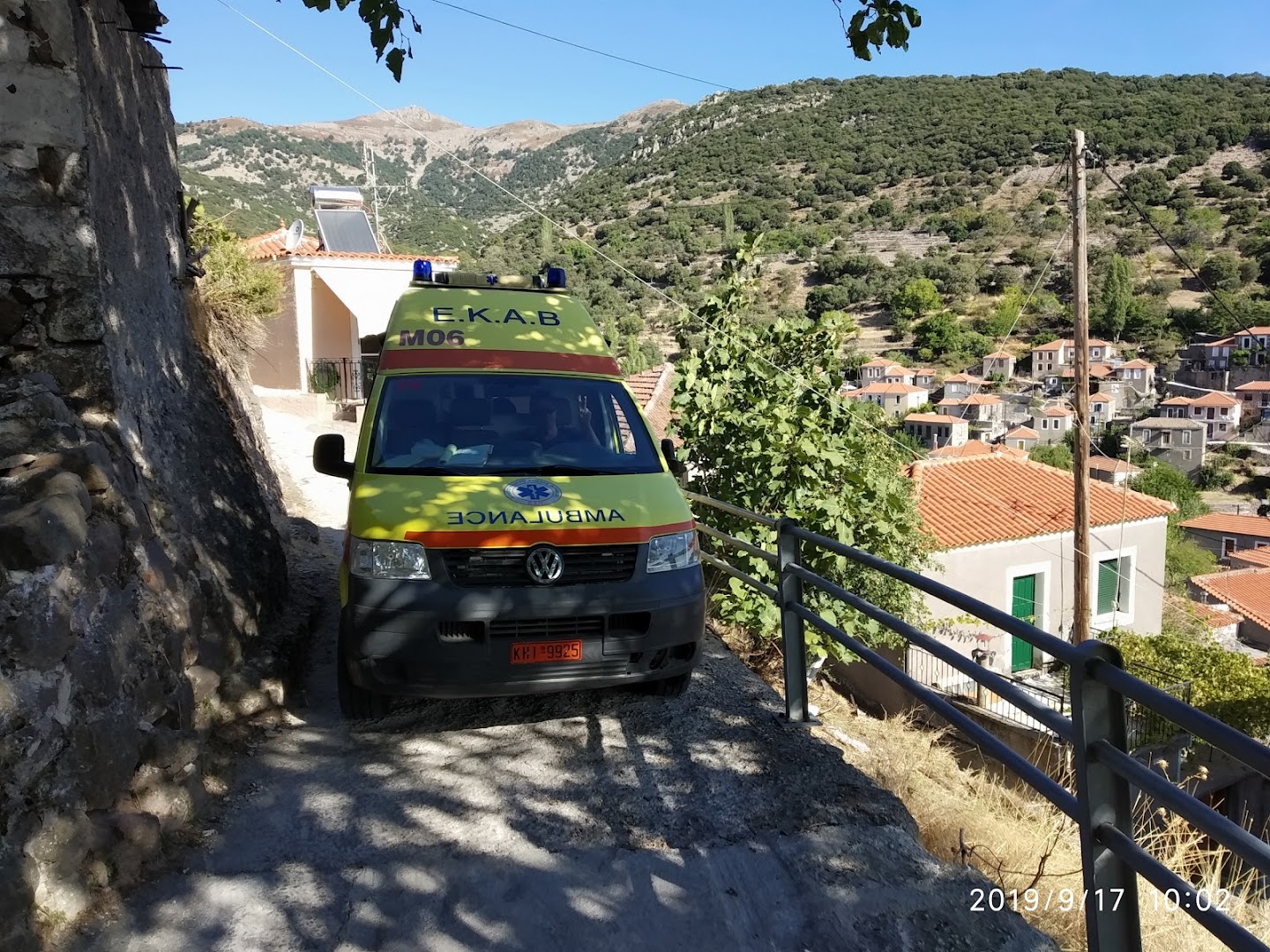
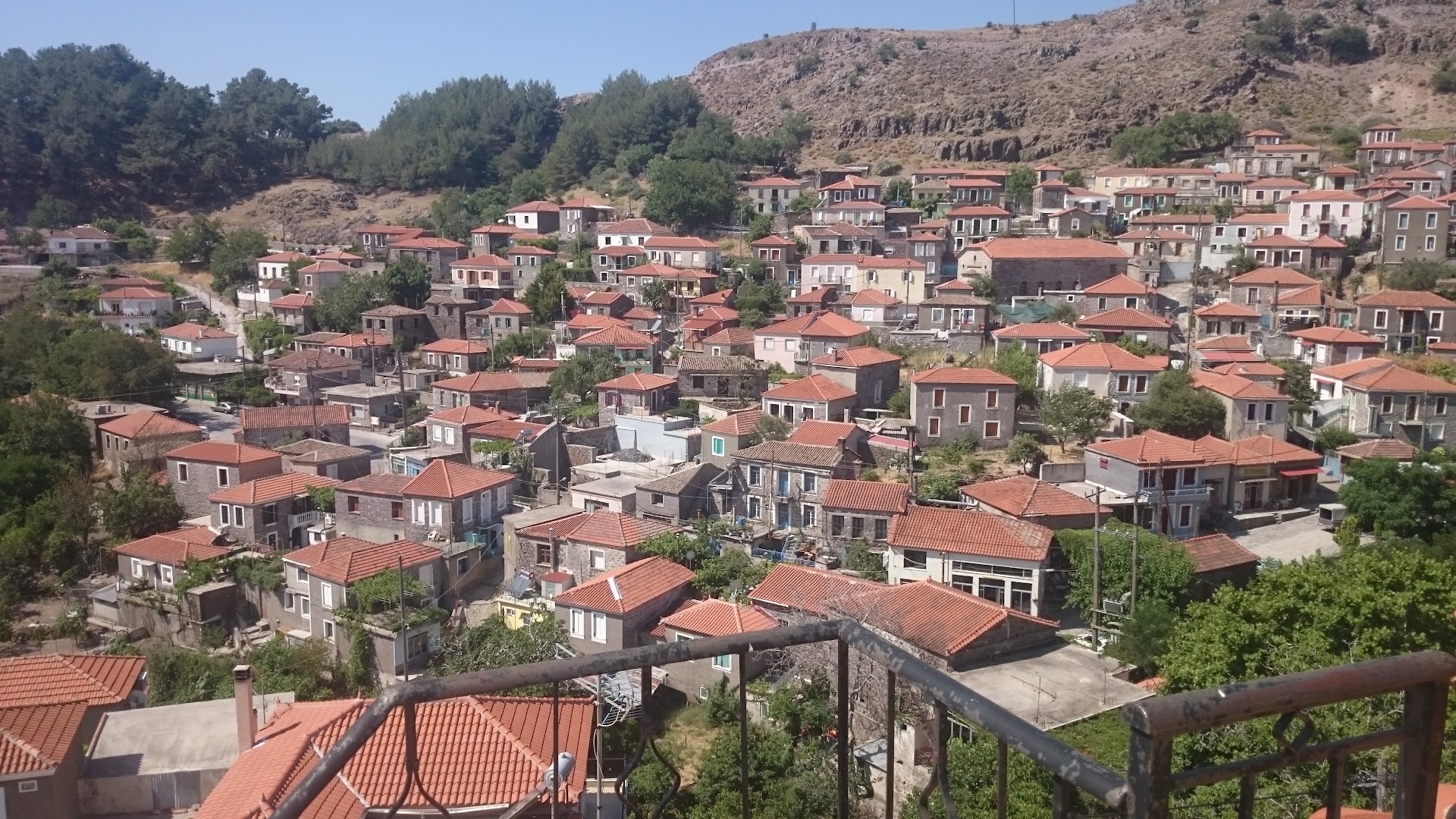
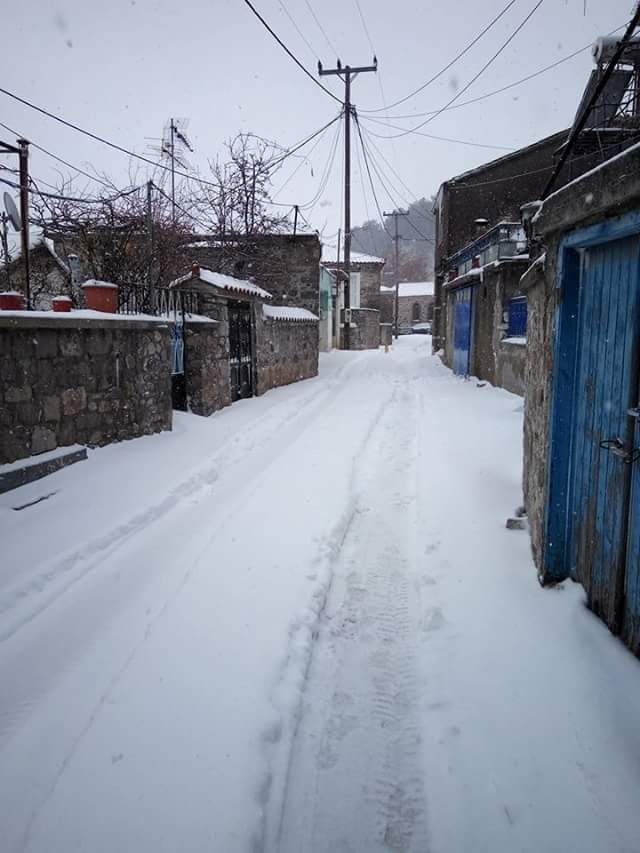
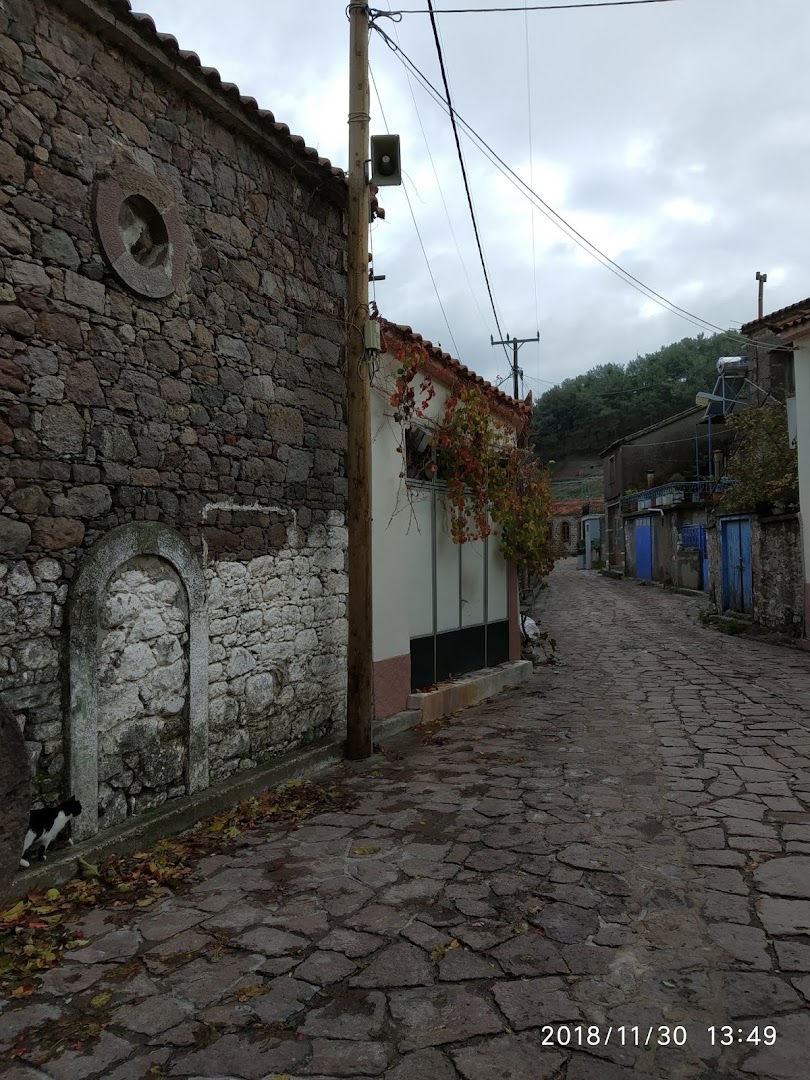
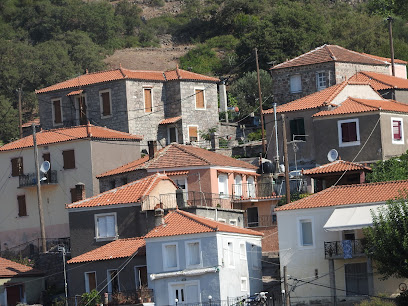
Perched at 377 metres in the hills of western Lesvos, Pelopi is a traditional stone village that rewards the traveller willing to leave the coastal roads behind. With a population of around 350 residents, it retains the intimate character of a working agricultural community, surrounded by terraced olive groves that have shaped this landscape and its economy for centuries. The elevation brings cooler air and sweeping views across the folded hills toward the Gulf of Kalloni, and the village itself is a quiet composition of old stone houses, narrow lanes, and a central plateia where local life still gathers in the unhurried way of the Aegean interior.
Pelopi carries a footnote in modern political history as the ancestral village of Michael Dukakis, the Greek-American politician who served as Governor of Massachusetts and ran as the Democratic presidential candidate in the United States in 1988. His family roots here have brought a degree of international attention to this otherwise modest settlement, and the connection remains a source of local pride. Beyond this transatlantic tie, the village is representative of a broader pattern of inland Lesbian life — communities that developed at altitude for security and agriculture, tending olive trees and small livestock plots across terrain that can feel almost Cretan in its ruggedness.
Visitors to Pelopi find a place genuinely off the tourist trail, where the rhythms of rural Greece remain intact. The drive up from the lowlands passes through olive-silvered hillsides, and the village rewards exploration on foot. Local tavernas, when open, serve honest home cooking rooted in Lesbian tradition. For those tracing the island's interior — its forgotten monasteries, its hilltop villages, its landscape of stone walls and wild thyme — Pelopi is a compelling and authentic stop, a reminder that Lesvos is far more than its celebrated coastline.
Before you go
What to expect
The stone lanes and terraced olive groves of Pelopi reward slow, on-foot exploration — the village sits at 377 metres with cool air and sweeping views across the folded hills toward the Gulf of Kalloni. Locals still gather on the central plateia in the unhurried rhythms of rural island life, and the honest home cooking at local tavernas (when open) reflects a tradition rooted in the Aegean interior. History-minded visitors often seek out the ancestral connection to Michael Dukakis, adding an unexpected transatlantic thread to this quietly agricultural settlement.
Best time to visit
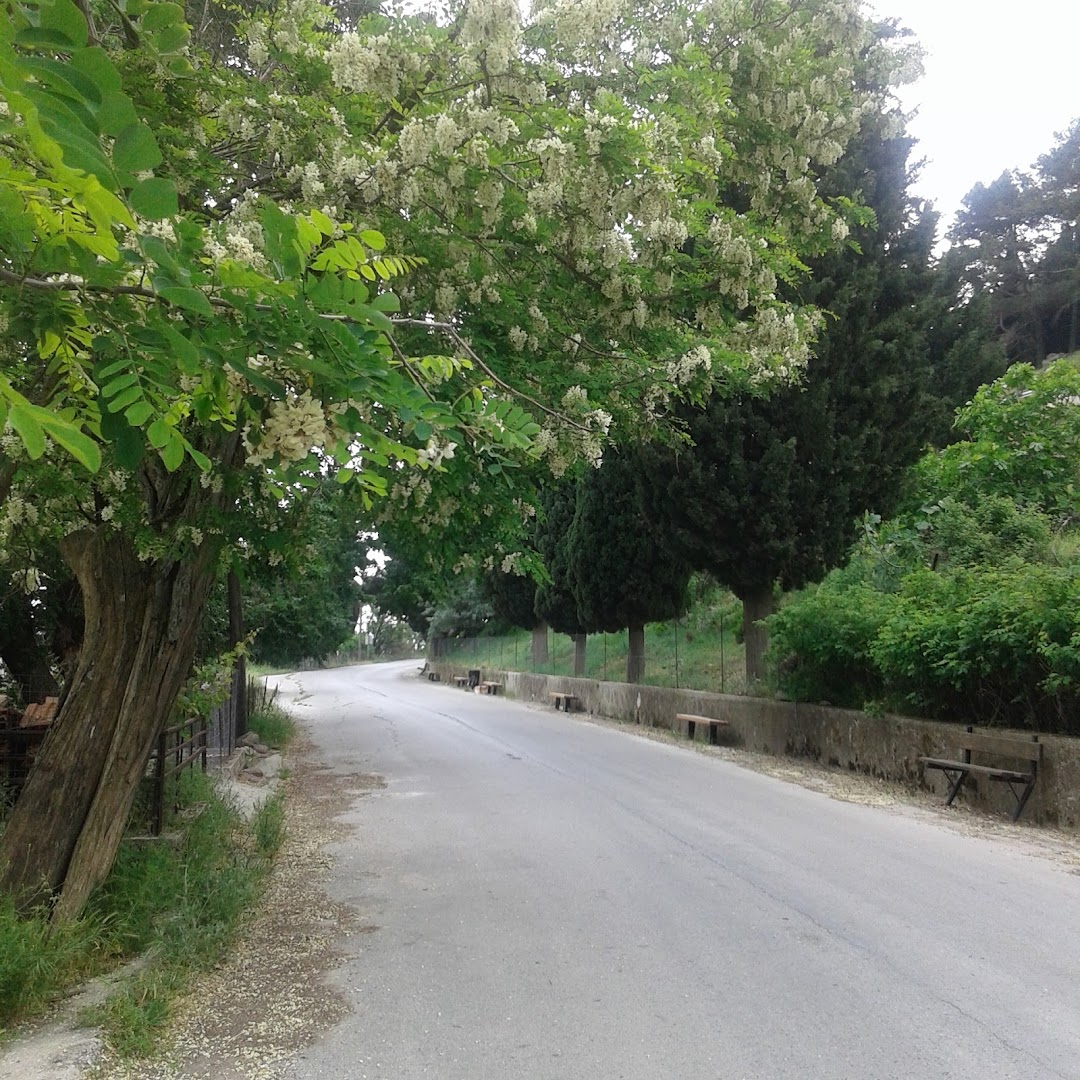
Late spring and early autumn are ideal, when the mountain air is pleasant and the olive groves glow silver-green; July and August can be hot even at elevation.
How to get there
Pelopi is roughly an hour's drive from Mytilene, heading toward Kalloni and then climbing into the interior hills of western Lesvos. The road up passes through olive-silvered hillsides and is part of the experience.
Top-Rated in Pelopi
Highest-rated places chosen by visitors
service
MV Salon and Barbershop
Tucked in the village of Pelopi in the northern reaches of Lesvos, MV Salon and Barbershop offers both residents and visitors a chance to freshen up amid their island explorations. The salon provides haircuts, styling, and grooming services, making it a practical stop for travelers spending extended time on the island or simply wanting to look their best before an evening out in nearby Molyvos. Greek village salons and barbershops carry a distinctive charm — they tend to be unhurried, sociable spaces where locals gather and conversation flows as freely as on any village square. A visit to MV Salon is as much a cultural experience as a practical one, offering a glimpse into everyday life in a small Lesvos community away from the busier tourist centers along the coast.
restaurant
Stou Patsi
Stou Patsi is a traditional ouzeri nestled near the village of Pelopi in the northwestern corner of Lesvos, a region known for its quiet authenticity and unhurried pace of life. As an ouzeri, it follows the time-honored Greek tradition of pairing small plates of meze with ouzo, the anise-flavored spirit that Lesvos produces in some of the finest distilleries in Greece. Expect a convivial atmosphere where locals and visitors alike linger over shared plates, cold carafes, and easy conversation. The menu at a place like Stou Patsi typically revolves around honest, locally-sourced flavors: grilled octopus, fried zucchini, taramosalata, saganaki, and whatever fresh catch or seasonal ingredients the day brings. This is food meant to be eaten slowly, with friends, in the shade. The ouzeri format encourages exactly that — no rush, no pretension, just the pleasure of good food and strong spirits in good company. Pelopi sits in the Molyvos-Petra corridor, close enough to the north coast's iconic landmarks to make Stou Patsi a natural stopping point after a morning exploring the castle at Molyvos or the beach at Anaxos. For visitors who want a genuinely local dining experience rather than a tourist-facing taverna, a traditional ouzeri like this one is exactly the kind of place worth seeking out.
attraction
Memorial
Near the quiet village of Pelopi in the northwestern reaches of Lesvos, this memorial stands as a quiet but significant point of reflection amid the island's storied landscape. Like many commemorative sites across Lesvos, it speaks to the layered history of a place that has witnessed centuries of change — from Byzantine and Ottoman rule to the upheavals of the early twentieth century and the turbulent decades that followed. Visitors who take the time to seek it out will find a place that connects the local community's memory to the broader arc of Greek and Aegean history. Pelopi itself is a traditional stone village tucked into the hills of the Lesvos interior, relatively off the beaten path and all the more rewarding for it. Stopping at the memorial offers travelers a moment to pause and engage with the human stories embedded in this landscape, beyond the well-known beaches and postcard villages. Whether you are passing through on a drive through the northern countryside or making a deliberate detour, the memorial and its surroundings offer a contemplative counterpoint to the island's natural beauty — a reminder that Lesvos carries its history close to the surface, in stone and silence alike.
Practical Info
Supermarket
Not found
Medical / Pharmacy
Not found
Petrol Station
Not found
ATM / Bank
Not found
Transport
Not found
Churches & Religious Sites
Άγιος Νικόλαος
Agios Nikolaos
Dedicated to Saint Nicholas, the beloved patron of sailors, fishermen, and travelers, Agios Nikolaos stands as a quiet testament to the deep Orthodox faith that has shaped life in the villages of northwestern Lesvos for centuries. Saint Nicholas holds a special place in the hearts of island communities throughout the Aegean, where the sea has always been both provider and peril, and churches bearing his name were often built as expressions of gratitude by those who made their living from its waters or returned safely from long voyages. The church near Pelopi follows the vernacular ecclesiastical architecture typical of the region, with thick whitewashed walls, a modest bell tower, and a simple yet dignified interior that invites quiet reflection. Inside, visitors will find the intimate atmosphere characteristic of rural Greek Orthodox churches, where icon screens separate the nave from the sanctuary and candlelight casts a warm glow over devotional images of saints. Local iconography in churches of this tradition often depicts Saint Nicholas in his episcopal robes, holding the Gospels and raising his hand in blessing, a reassuring presence for a community that has long looked to him for protection. The church serves as a living center of village devotion rather than a museum piece, and its feast day on the sixth of December draws parishioners from Pelopi and surrounding settlements for the liturgy and the communal gathering that follows. Pelopi itself is a traditional village in the Lesvos interior, and Agios Nikolaos forms part of the spiritual geography that ties these communities together across the generations. For visitors exploring the quieter corners of the island, stopping at such a church offers a genuine encounter with local religious life and the enduring rhythms of a society that still marks time by feast days and liturgical seasons. The surrounding landscape of olive groves and stone-walled terraces makes the approach to the church a meditative experience in itself, offering a sense of timelessness that is increasingly rare.
Church (39.3259, 26.2816)
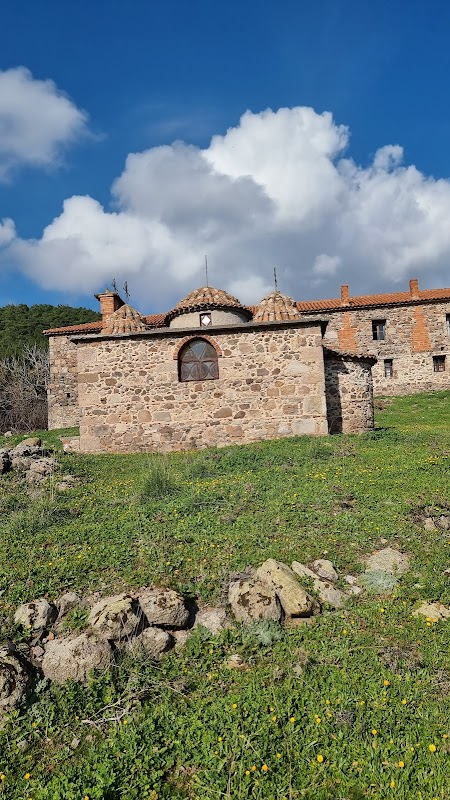
Nestled in the verdant landscape near the quiet village of Pelopi in northwestern Lesvos, this traditional Orthodox church embodies the spiritual heart of the surrounding community. Like most rural churches on the island, it likely belongs to one of the beloved saints of the Greek Orthodox calendar — perhaps the Panagia (Virgin Mary), Saint George, or one of the many martyrs and holy figures venerated across the Aegean. Built in the vernacular ecclesiastical style characteristic of Lesvos, the church would typically feature whitewashed walls, a terracotta-tiled dome or bell tower, and an intimate interior richly adorned with Byzantine-style icons set within a carved wooden iconostasis, the screen that separates the nave from the sanctuary. Inside, visitors can expect the warm scent of beeswax candles and incense, and walls or ceiling panels that may bear frescoes depicting scenes from the life of Christ, the Virgin, or the patron saint — painted in the flattened, gilded tradition of Byzantine iconography that has defined Greek sacred art for over a thousand years. Such village churches were and remain the focal point of community life, hosting not only weekly liturgies but the great feast days of the Orthodox calendar that bring villagers together across generations. On a saint's name day, the church square fills with the faithful, often followed by communal food and music that extends the celebration into the evening. For the traveler, stepping into a rural Lesvian church like this one offers a genuine encounter with living tradition. The island's Orthodox heritage is not a museum piece but an active part of daily identity, shaped by centuries of Byzantine influence, Ottoman coexistence, and the island's own distinct character. Even if the doors are locked during a casual visit — as is common outside of service hours — the exterior setting, the courtyard cypresses, and the view across the olive-covered hillsides toward Pelopi make the approach worthwhile in its own right.
Church (39.3260, 26.2804)
Nestled in the rolling landscape near the traditional village of Pelopi in northwestern Lesvos, this small Orthodox church stands as a quiet testament to the island's deep-rooted Byzantine and post-Byzantine Christian heritage. Pelopi itself is a village of stone houses and narrow lanes set among olive groves and pine-covered hills, and like most settlements across Lesvos, its spiritual life has long centered on the parish church at its heart. Churches of this kind on the island were typically constructed or rebuilt during the Ottoman period, when local communities often pooled resources to maintain places of worship, and they frequently follow the single-nave or three-nave basilica plan common throughout the eastern Aegean, with thick stone walls, a tiled roof, and a modest bell tower added in later centuries. Inside, visitors can expect the warm glow of oil lamps illuminating a carved wooden iconostasis that separates the nave from the sanctuary, hung with devotional icons rendered in the Byzantine tradition. While the specific dedication of this church is not widely documented, Lesvian village churches are commonly dedicated to beloved saints such as Agios Nikolaos, Agia Paraskevi, or the Panagia, and their feast days draw villagers and relatives who have moved to larger cities back to their ancestral homes for liturgy, candlelit processions, and communal celebration. These festivals, known as panigýria, are among the most authentic expressions of Greek island life, blending sacred observance with music, food, and the bonds of community that have sustained these villages across generations. For the traveler passing through this part of Lesvos, the church offers a moment of stillness and reflection amid a landscape of extraordinary natural beauty. Even if the doors are closed, the building itself speaks to the continuity of faith and village identity that defines rural Greek life, and the surrounding area rewards those who linger, with views across terraced hillsides and the distant shimmer of the Aegean that have drawn pilgrims and wanderers alike for centuries.
Gallery & Videos
Captured a memorable moment in Pelopi?
Nearby
Beaches
Paralia Kagia
6 km away
Geni Limani Kapis Beach
6.7 km away
Lagada
7.6 km away
Efthalou Beach 1
8 km away