Agia Varvara Beach
About this Beach
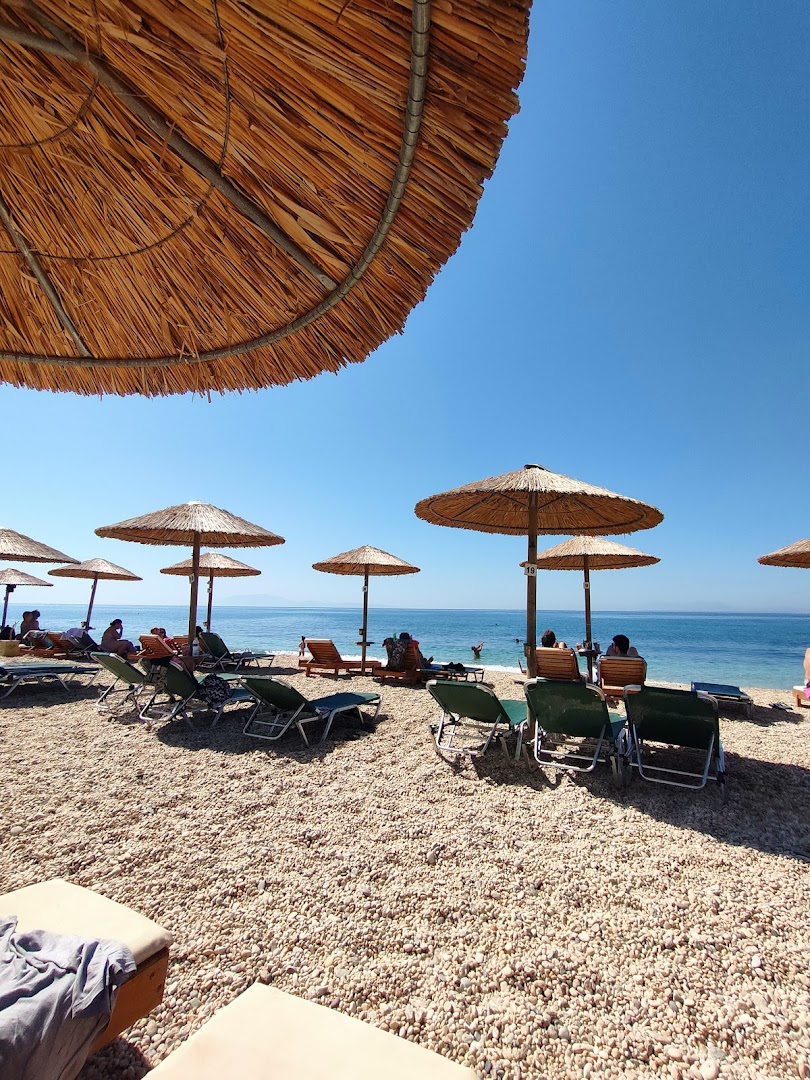
Agia Varvara Beach is a quietly rewarding stretch of coastline tucked along the northern shores of Lesvos, close to the small village that shares its name. The beach takes its character from the surrounding landscape — a rugged, sun-bleached terrain of olive groves and dry scrubland that slopes gently toward the Aegean. The shore is typically composed of coarse sand mixed with fine pebbles, giving the water a crystalline clarity that rewards swimmers and snorkelers alike. The sea here tends to be calm and shallow near the shoreline, deepening gradually, which makes it a comfortable choice for families and those who prefer a gentler entry into the water.
What distinguishes Agia Varvara from Lesvos's more developed beaches is its unhurried atmosphere. Facilities are modest — expect little more than the essentials — which keeps the crowds thin and the mood peaceful. The surrounding coastline offers good snorkeling over rocky outcrops where sea urchins, small fish, and the occasional octopus can be spotted in the clear shallows. The northern exposure means the beach can catch a breeze on windier days, a welcome relief during the height of summer when temperatures climb. Visiting in late spring or early September rewards travelers with warm water, softer light, and a sense of having found something genuinely off the beaten path.
The village of Agia Varvara itself, named for the early Christian martyr Saint Barbara, lends the area a grounded, local character rarely found on more commercialized stretches of coastline. Access is possible by car along rural roads, and the drive through the olive-covered hills is part of the experience. This is the kind of beach that asks nothing of you — no beach bars, no lounger rentals, no performance — just the Aegean in one of its quieter, more contemplative moods.
Before you go
What to expect
The beach greets you with pebbly sand and water so clear you can see the bottom from the shoreline. Snorkeling over the rocky outcrops turns up sea urchins, small fish, and the occasional octopus — bring a mask. There are no sun-beds or beach bars here, just the sound of the Aegean and the faint rustle of the olive groves behind you.
Best time to visit
Late May through June and September offer warm, swimmable water with thin crowds; July and August are hot but the northern exposure brings a reliable cooling breeze.
How to get there
From Mytilene the drive is roughly 30–40 minutes along rural roads flanked by olive-covered hillsides; a car is the only practical option, and the journey itself is part of the appeal.
Beach Details
Photos
Make a day of it
Places worth combining with your visit