About
Dedicated to Saint Paraskevi, one of the most beloved figures in the Greek Orthodox calendar, this church near Plomari honors the early Christian martyr venerated across the Aegean as a protectress of sight and healing. Saint Paraskevi, whose name means "preparation" or "Friday" in Greek, holds a special place in the devotional life of island communities, and churches bearing her name are often found at crossroads of village life where faith and daily routine intertwine. The church sits in the gently rolling landscape between the hills and the southern coast, not far from the ouzo-making town of Plomari, which lends this part of Lesvos a distinct character blending maritime tradition with artisan craft.
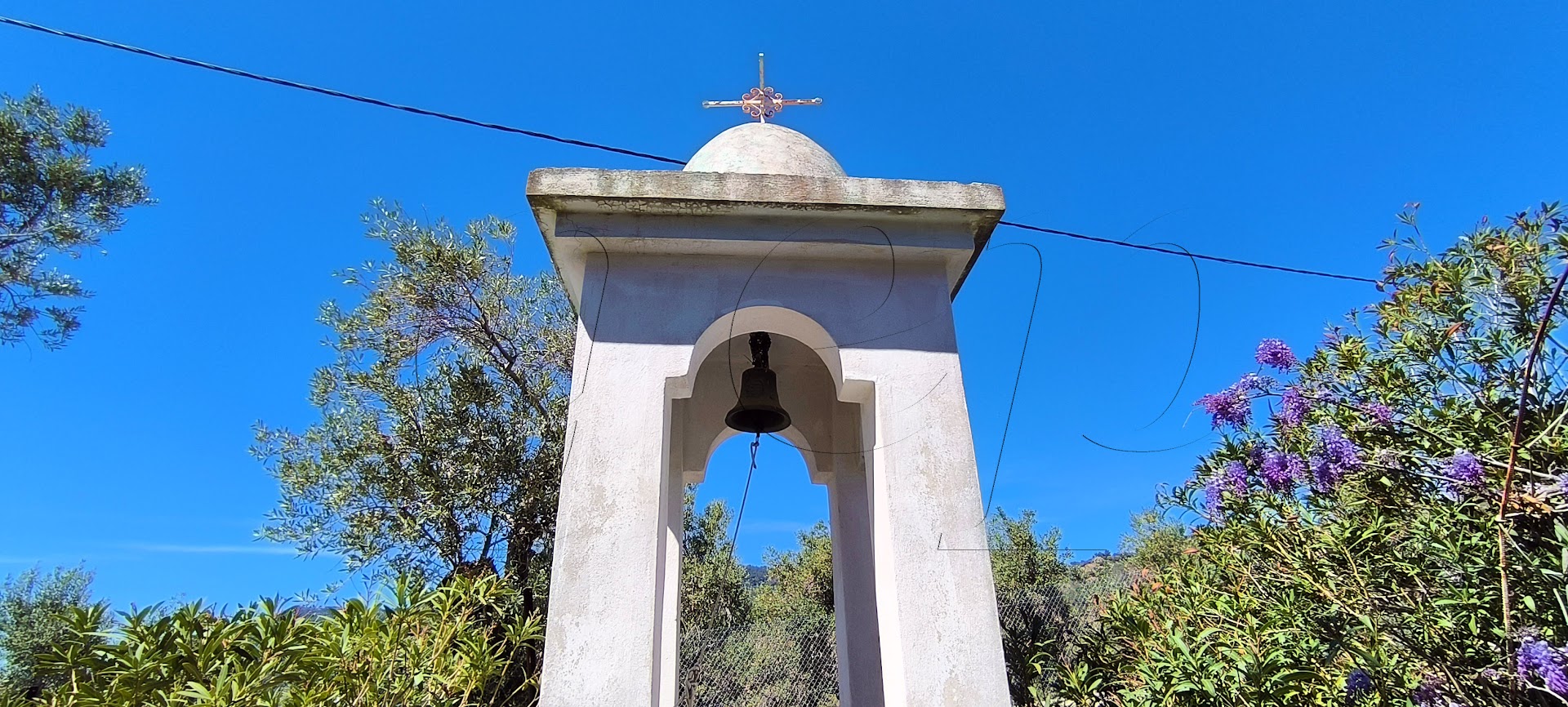
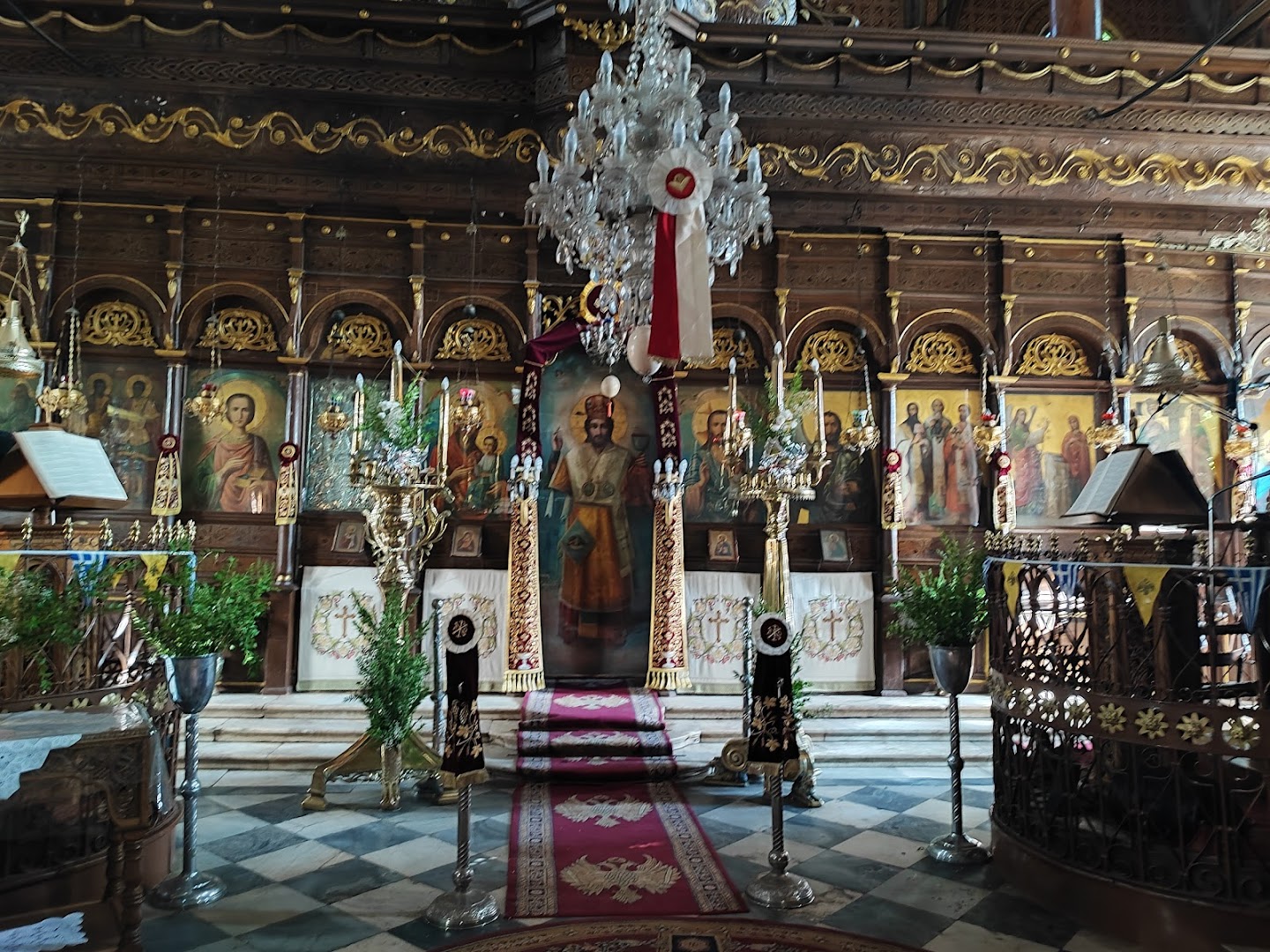
The church follows the modest whitewashed architecture typical of rural Orthodox churches on Lesvos, with a stone-paved forecourt and a bell tower that marks the hours for surrounding households. Inside, visitors will find the richly decorated iconostasis that is central to Orthodox worship, with icons rendered in the Byzantine tradition that give the interior its sense of timeless devotion. The icon of Agia Paraskevi herself, often depicted holding a dish bearing two eyes, is a focal point of veneration and a reminder of the saint's association with miraculous healing of the blind.
The feast of Agia Paraskevi, celebrated on 26 July, brings the local community together for a panigiri, the traditional Orthodox feast day gathering that combines liturgy with music, food, and dancing. These celebrations are among the most authentic expressions of Greek island culture, where the sacred and the social are inseparable. For visitors, attending or even passing through during the feast offers a rare window into the living traditions that have shaped Lesvos for centuries, and the church itself, in its quiet moments, is a place of genuine stillness and spiritual atmosphere worth seeking out.
Before you go
What to expect
Step through the stone-paved forecourt and into a whitewashed interior where Byzantine icons line the iconostasis and a faint scent of incense lingers in the air. The icon of Agia Paraskevi — depicted holding a dish bearing two eyes — is the devotional heart of the church, drawing pilgrims who seek her protection of sight and healing. Outside of feast days, the church settles into a genuine quiet, its bell tower marking the hours for the surrounding neighbourhood.
Best time to visit
The feast day of 26 July is the most rewarding time to visit, when a full panigiri fills the forecourt with liturgy, music, and dancing; otherwise late spring through early autumn suits a calm visit.
How to get there
From Mytilene, follow the main road south toward Plomari, a drive of roughly 30 to 40 minutes. The church lies within the village and is easy to find near the centre.
Details
Denomination: greek_orthodox
Categories
Make a day of it
Places worth combining with your visit