About
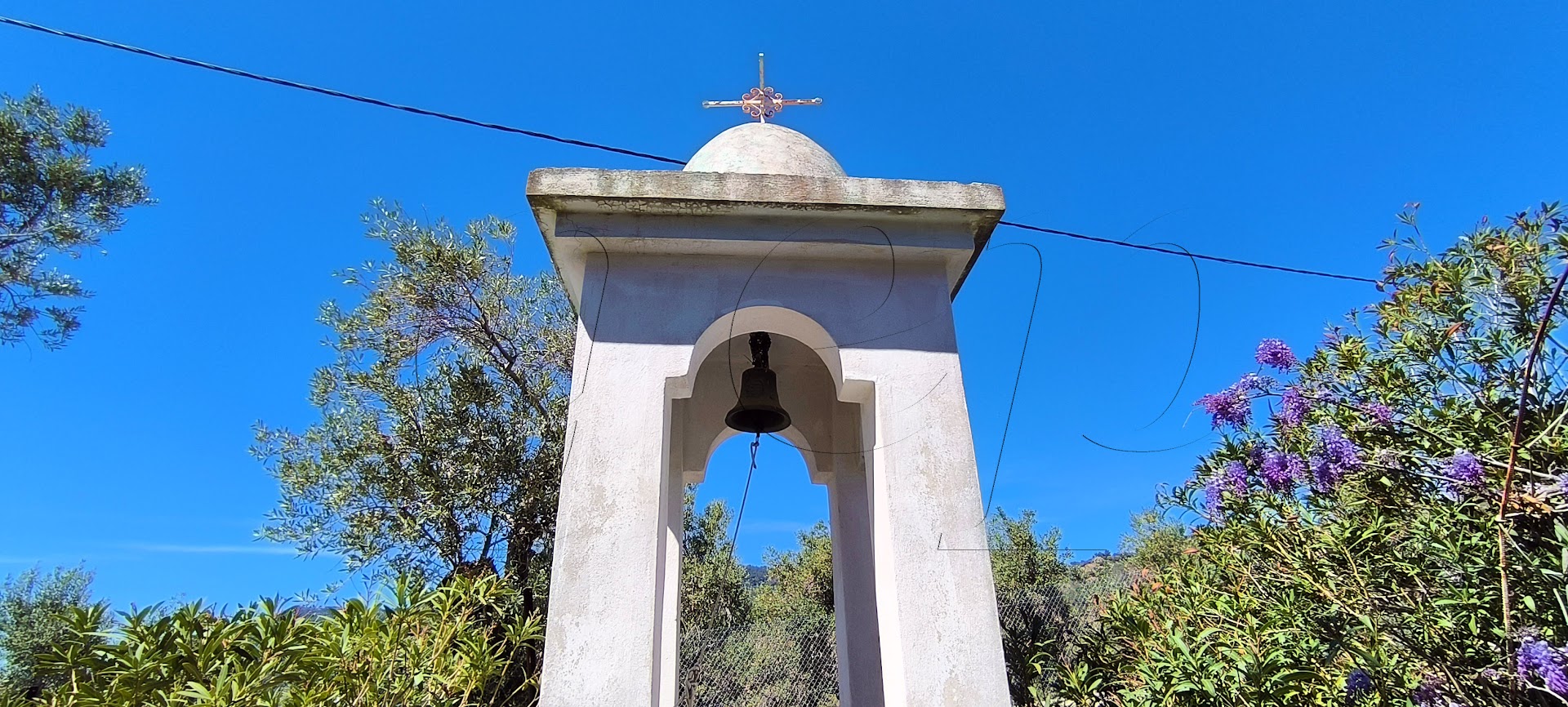
Nestled near the quiet village of Rachidi, the chapel of Agios Fanourios is dedicated to one of the most beloved saints in the Greek Orthodox tradition. Saint Fanourios, whose name derives from the Greek word meaning "to reveal" or "to make known," is venerated across Greece as the heavenly intercessor for lost things, lost people, and hidden truths. His cult is particularly strong in the Aegean, owing to the legendary rediscovery of his ancient icon in the rubble of a ruined church on Rhodes, where the image of a young soldier-martyr surrounded by scenes of his torments was unearthed by local builders. The chapel near Rachidi, like so many rural shrines on Lesvos, stands as a testament to the deep and personal faith of the surrounding community, a place where villagers have turned for generations in moments of uncertainty and need.
The feast day of Agios Fanourios falls on August 27th, and it is marked throughout Lesvos and all of Greece with one of the most charming of Orthodox folk traditions: the baking of the fanouropita, a simple spiced cake made with olive oil and offered to the saint in gratitude or supplication. Families bring these cakes to be blessed at liturgy, then share them with neighbors and passersby, weaving together the sacred and the communal in a gesture that is quintessentially Greek. For the people of Rachidi and the surrounding hamlets, this small chapel is not merely a historic monument but a living spiritual anchor, gathering the community each summer for the panegyri, the festive celebration that combines solemn liturgy with music, food, and the particular warmth of island hospitality.
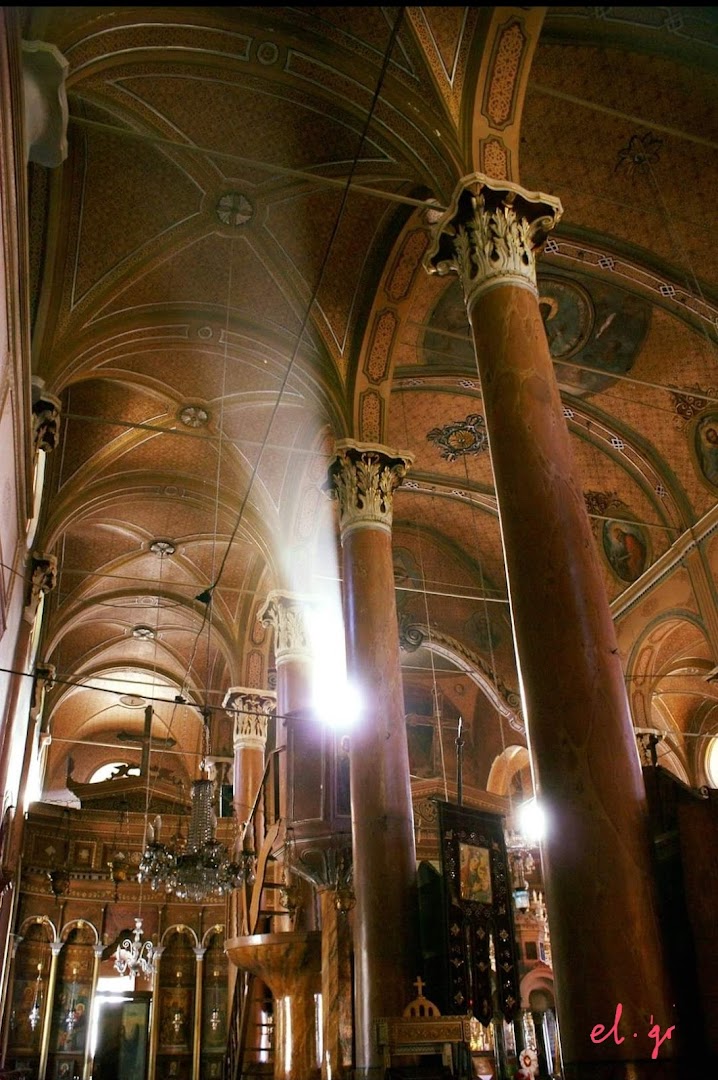
Visitors who make their way to this corner of Lesvos will find in the chapel of Agios Fanourios a tranquil spot that rewards quiet contemplation. Rural Lesvian chapels of this type are typically whitewashed with a simple barrel-vaulted or tiled roof, their interiors fragrant with incense and beeswax candles, their iconostasis graced with the saint's image holding a lighted candle — his traditional iconographic attribute, symbolizing the light he brings to what is hidden or lost. The surrounding landscape of olive groves and rolling hills carries its own timeless quality, and for travelers seeking an authentic encounter with the spiritual geography of the Aegean, a visit here offers something far more intimate than any major pilgrimage site can provide.
Before you go
What to expect
The chapel sits small and still among olive groves on the edge of Rachidi, its whitewashed walls and the faint scent of beeswax candles making the interior feel like a pocket of calm removed from the outside world. The iconostasis holds the saint's image with his characteristic lighted candle — the symbol of light brought to what is lost — and the silence is broken only by the occasional murmur of a visitor's prayer. It is the kind of rural shrine where the faith of a community feels tangible rather than performed.
Best time to visit
The feast day of August 27th brings the village alive with the panegyri — liturgy, music, and shared fanouropita cake — but any visit from late spring through early autumn rewards with good weather and open chapel doors.
How to get there
From Mytilene, head southwest through the island's interior toward the Rachidi area; the drive takes roughly 40 minutes to an hour depending on the route you take.
Categories
Also in Rachidi
Show MoreMake a day of it
Places worth combining with your visit