


Ραχίδι
Rachidi
Population
1
Elevation
530m
Municipality
Plomari
Postal Code
812 00
From Mytilene
23.1 km
Nearest Beach
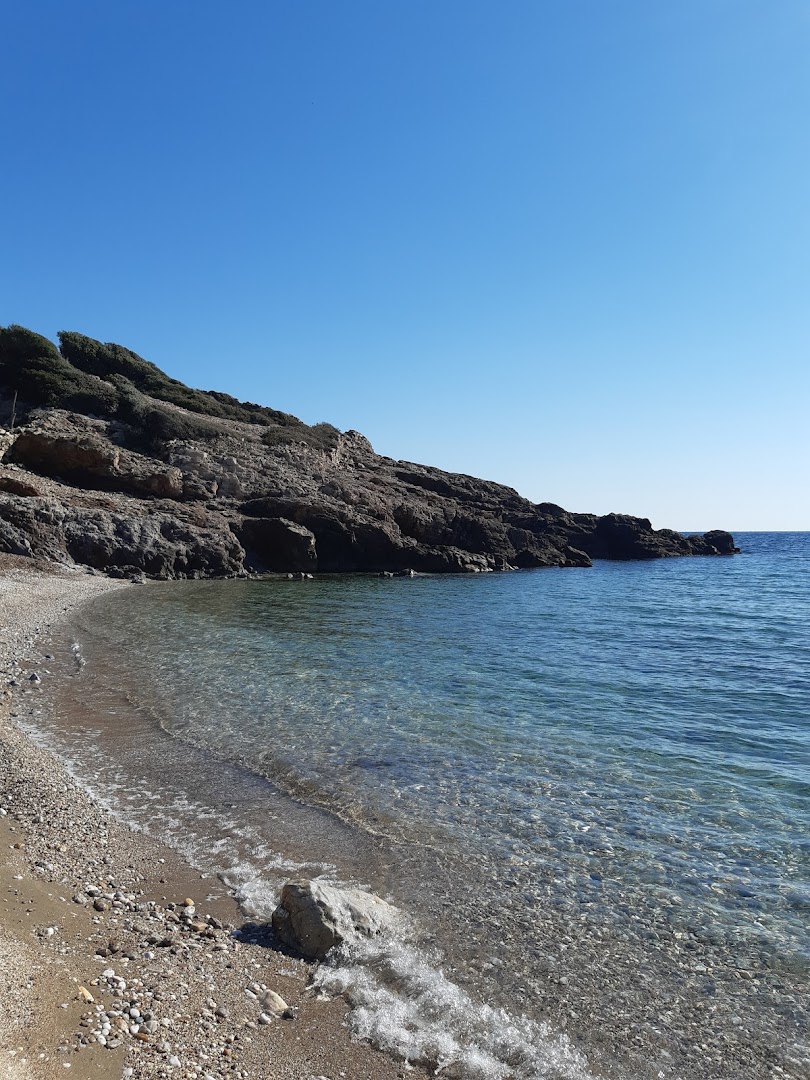
Melida Beach
Overview
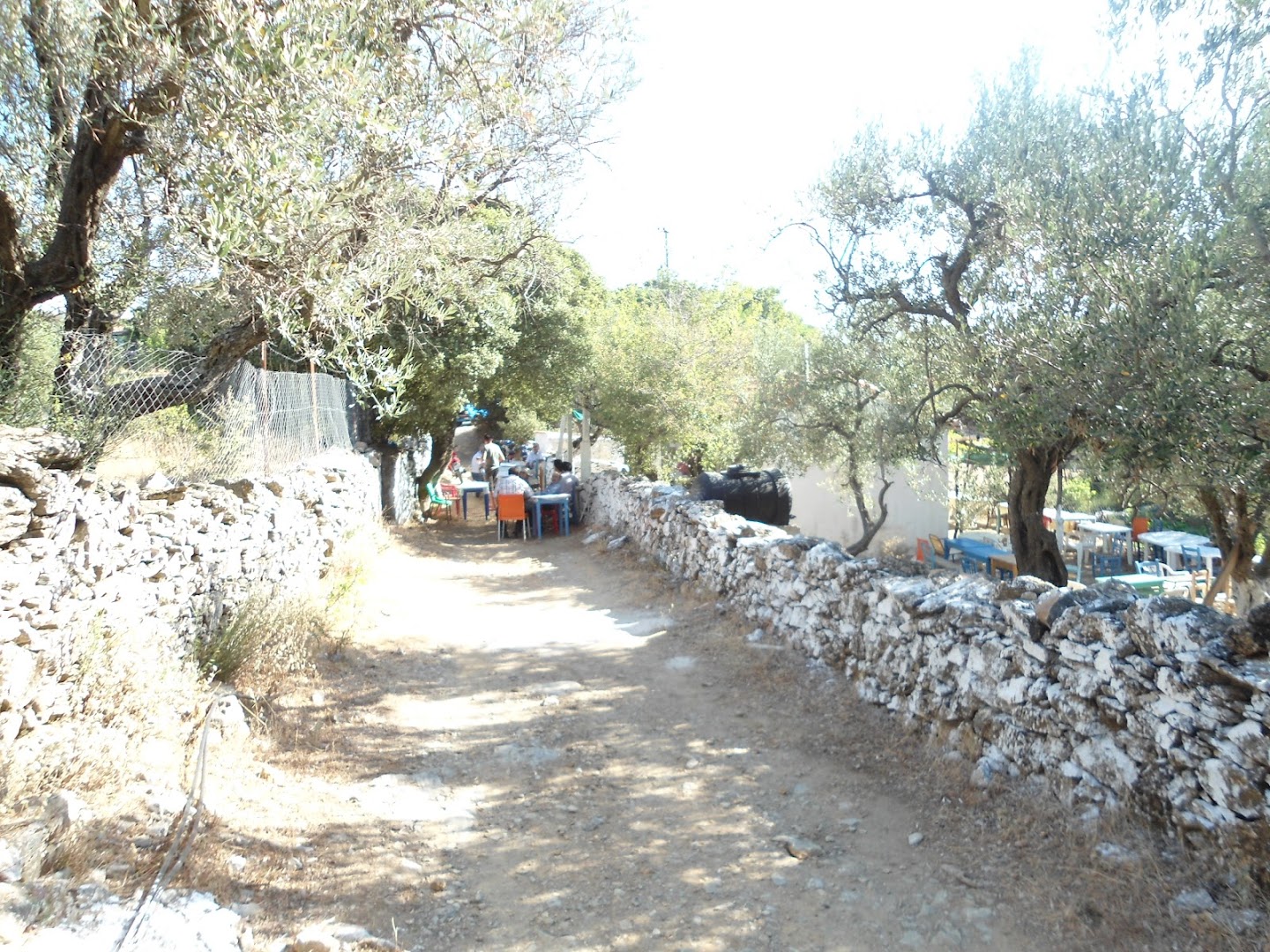
Rachidi is a near-abandoned hillside village perched at 530 metres in the rugged interior of Lesvos, its stone houses and terraced fields bearing quiet witness to a way of life that has largely receded over the past century. Like many of the island's high-altitude settlements, Rachidi was built inland for protection, its elevation offering commanding views across the olive-draped slopes and valleys that define this part of the Aegean. The village sits among the kind of landscape that once sustained tight-knit agricultural communities — families who tended olive groves, kept small flocks, and marked the seasons with religious festivals tied to the Orthodox calendar. Today, with a population of just one recorded resident, Rachidi belongs to that evocative category of Lesbian ghost villages, places where the architecture and the silence together tell a story of rural depopulation driven by migration to the coast, to Athens, and to distant countries across the twentieth century.
What draws the occasional visitor to Rachidi is precisely this quality of suspended time. The stone-built houses, some still structurally intact, others slowly being reclaimed by vegetation, speak to the craftsmanship of generations who quarried and shaped local materials with care. The terraces carved into the hillsides, now overgrown, are a reminder of how intensively this land was once worked. At this altitude the air is noticeably cooler than the coast, and on clear days the views stretch far across the island's folded terrain. Wildflowers, birds of prey, and the hum of insects fill the spaces where voices and tools once sounded.
For travellers with an interest in the lesser-known Lesvos — beyond the beaches and the popular villages of Molyvos or Sigri — Rachidi offers a contemplative stop on a drive through the island's interior. It fits naturally into a route exploring the mountainous heart of the island, paired with visits to other historic settlements and the Byzantine-era monasteries scattered across these hills. There are no tourist facilities here, which is part of the appeal: Rachidi is a place for slow travel, for pausing at a ruined doorway or a crumbling chapel, and for reflecting on the human geography of an island whose history is written as much in its abandoned high villages as in its busy harbour towns.
Before you go
What to expect
Walking into Rachidi feels like stepping into a village the modern world quietly bypassed — stone houses stand half-reclaimed by wild vegetation, and carved terraces climb the hillside in near-total silence broken only by wind and circling raptors overhead. At 530 metres, the air is noticeably cooler than the coast, and on clear days the views across the island's folded, olive-covered terrain are striking. This is a place for slow, reflective wandering: pausing at a ruined doorway, reading the landscape, letting the absence of noise do its work.
Best time to visit
Spring (April–May) is ideal when wildflowers cover the abandoned terraces; autumn is equally good — summer heat is less punishing at altitude, but the interior roads are exposed and dusty.
How to get there
Rachidi is roughly 23–24 km from Mytilene as the crow flies, but the mountain roads through the southern interior add considerable time — allow around 45 minutes to an hour by car. There are no regular bus services to the village.
Churches & Religious Sites
Αγία Παρασκευή
Agia Paraskevi
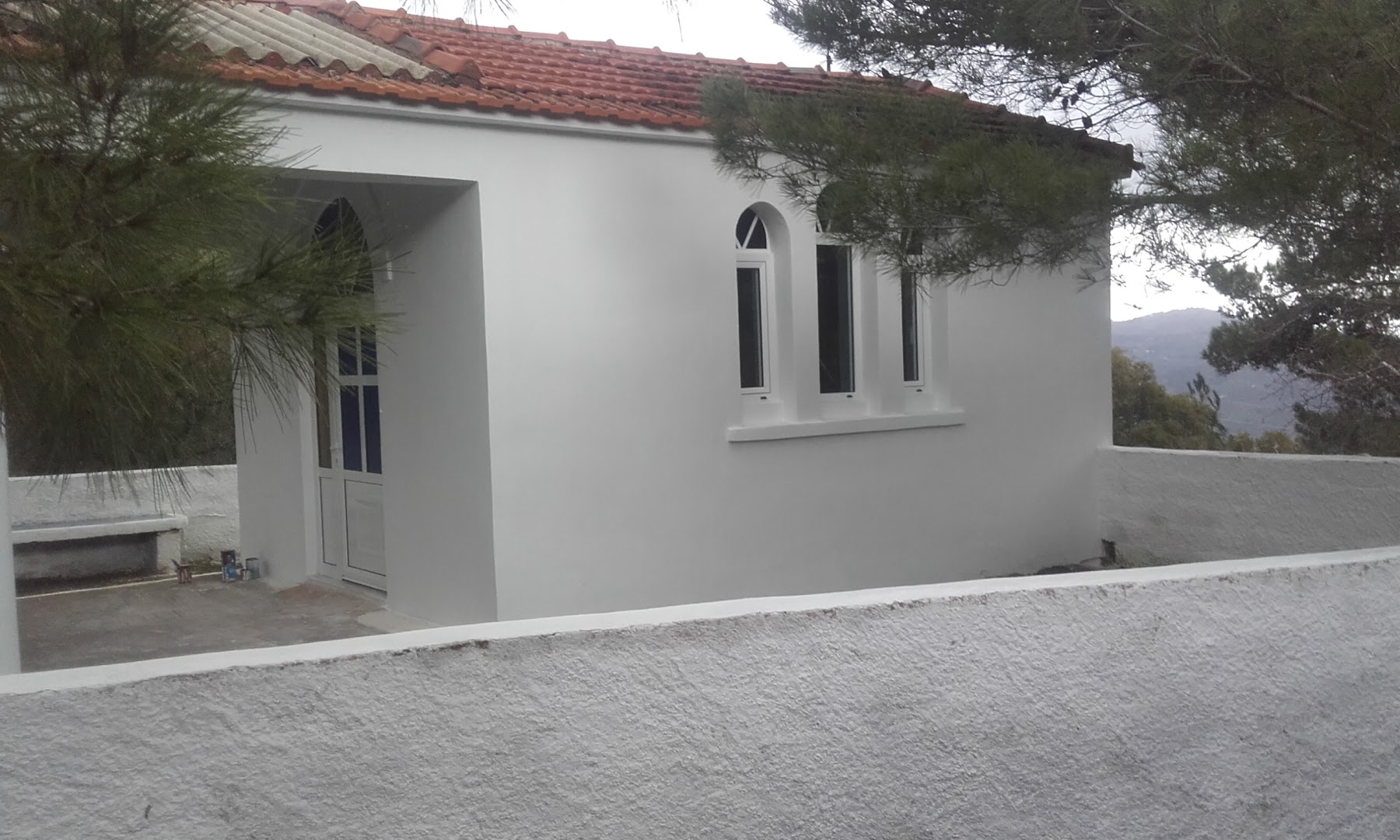
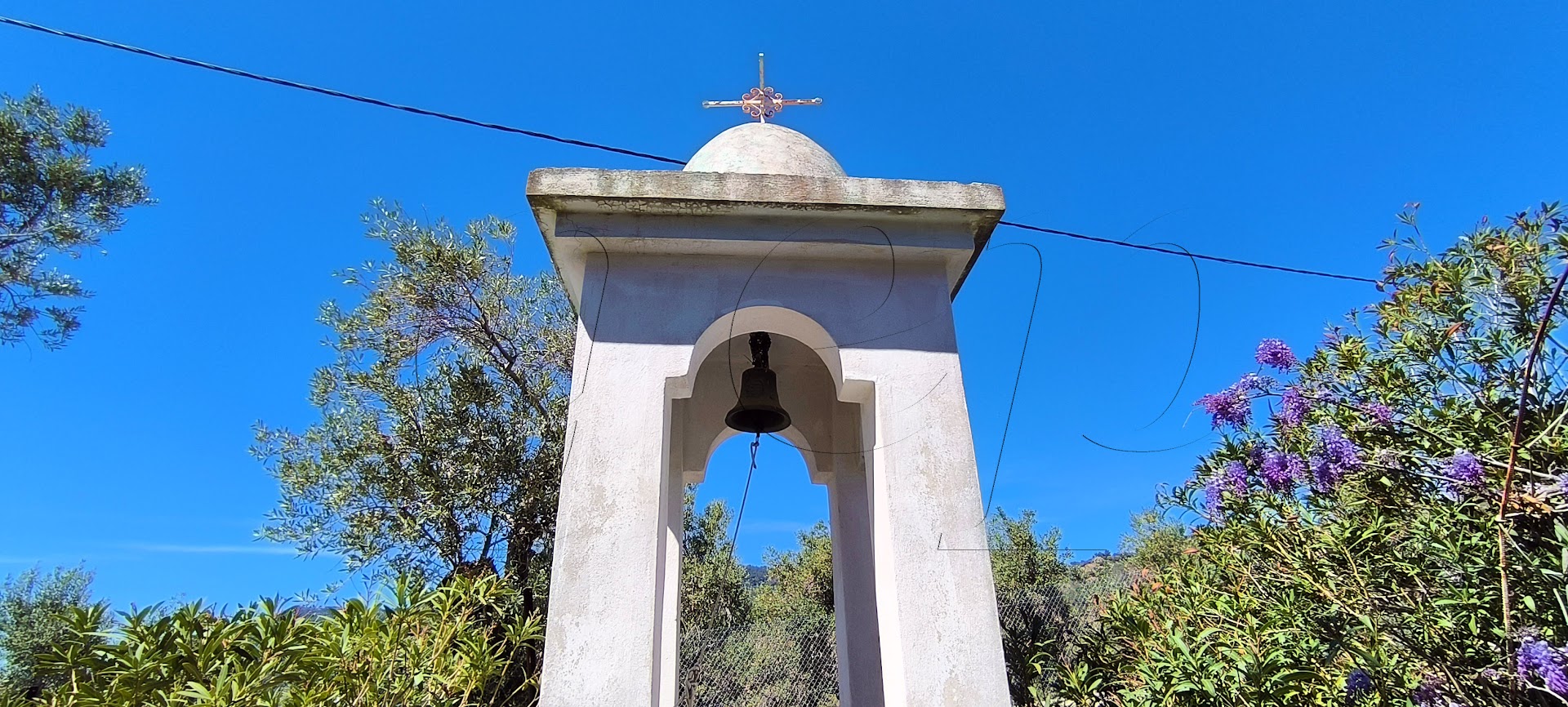
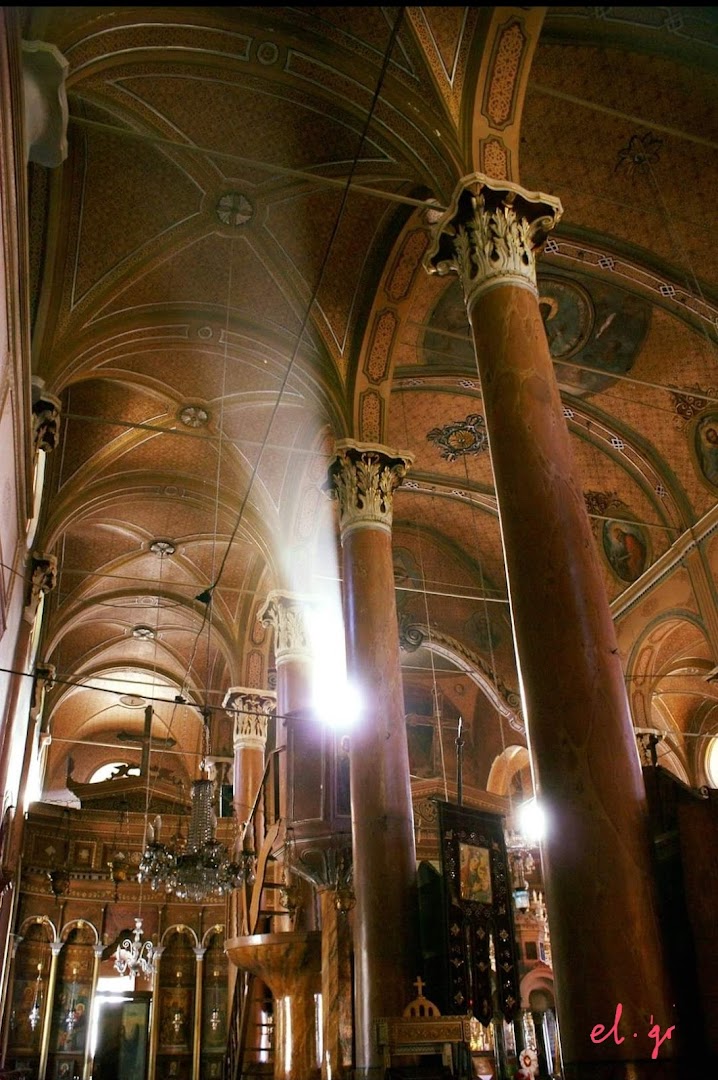
Tucked into the landscape near the village of Rachidi in the heart of Lesvos, the church of Agia Paraskevi is a modest yet deeply venerated place of worship that reflects the enduring Orthodox faith woven into the fabric of village life across the island. Agia Paraskevi, whose name means "Friday" in Greek, is one of the most beloved saints in the Orthodox tradition, revered as a healer and protector of eyesight. Her feast day, celebrated on July 26th, draws local faithful and visitors alike to churches bearing her name throughout Greece, and in rural communities like Rachidi, the panegyri — the festive gathering that accompanies the liturgy — remains a cherished expression of both spiritual devotion and communal identity. The church itself is characteristic of the vernacular ecclesiastical architecture found across rural Lesvos: a simple whitewashed stone structure with a barrel-vaulted or pitched roof, a compact bell tower, and an intimate interior that invites quiet reflection. Inside, the iconostasis typically holds painted icons of the saint, often depicting her holding a silver dish bearing her eyes — a reference to the miraculous healing attributed to her intercession. The atmosphere within is fragrant with beeswax candles and incense, and the worn wooden furnishings speak to generations of worshippers who have gathered here through seasons of harvest and hardship alike. For visitors exploring the villages of central Lesvos, the church of Agia Paraskevi offers a window into the spiritual rhythms that have shaped life on the island for centuries. Even outside of feast days, the church is often unlocked or cared for by a local keyholder, welcoming those who wish to light a candle or simply sit in the cool stillness. It stands as a reminder that across Lesvos, faith and landscape are inseparable — each hilltop chapel and village church a landmark not only on the map, but in the memory of the community that tends it.
Αγία Τριάδα
Agia Triada
Dedicated to the Holy Trinity, Agia Triada stands as a quiet testament to the deep Orthodox faith woven into the landscape around the small village of Rachidi in central Lesvos. Like so many rural churches across the island, it likely grew from a roadside chapel or a votive offering by a local family, its modest exterior belying the devotional weight it carries for the surrounding community. The feast of the Holy Trinity, celebrated on the Sunday following Pentecost, would traditionally draw villagers from nearby settlements for a liturgy followed by a communal meal, the kind of panigiri that has anchored Aegean rural life for centuries. The church reflects the vernacular ecclesiastical architecture common to the Lesvos countryside: stone construction in harmony with the surrounding terrain, a simple nave plan, and an iconostasis that separates the sanctuary from the nave in keeping with Byzantine tradition. While specific icons or frescoes within Agia Triada have not been widely documented, rural churches of this type on Lesvos frequently preserve hand-painted icons of considerable age, sometimes donated by emigrant families or created by itinerant craftsmen who traveled the Aegean in earlier centuries. The dedication to the Trinity itself carries profound theological significance in Orthodox Christianity, representing the foundational mystery of the faith and lending the church a certain gravity beyond its modest scale. For visitors exploring the interior of Lesvos beyond its coastline, Agia Triada offers a genuine encounter with village religious life. The area around Rachidi sits within a quieter, agricultural stretch of the island, and stumbling upon a whitewashed church amid olive groves or dry-stone walls is one of the unhurried pleasures of traveling here. If the church is unlocked, stepping inside rewards the visitor with the cool, incense-scented stillness that defines sacred space in Greece — a moment of reflection well worth a detour from the main roads.
Άγιος Φανούριος
Agios Fanourios
Nestled near the quiet village of Rachidi, the chapel of Agios Fanourios is dedicated to one of the most beloved saints in the Greek Orthodox tradition. Saint Fanourios, whose name derives from the Greek word meaning "to reveal" or "to make known," is venerated across Greece as the heavenly intercessor for lost things, lost people, and hidden truths. His cult is particularly strong in the Aegean, owing to the legendary rediscovery of his ancient icon in the rubble of a ruined church on Rhodes, where the image of a young soldier-martyr surrounded by scenes of his torments was unearthed by local builders. The chapel near Rachidi, like so many rural shrines on Lesvos, stands as a testament to the deep and personal faith of the surrounding community, a place where villagers have turned for generations in moments of uncertainty and need. The feast day of Agios Fanourios falls on August 27th, and it is marked throughout Lesvos and all of Greece with one of the most charming of Orthodox folk traditions: the baking of the fanouropita, a simple spiced cake made with olive oil and offered to the saint in gratitude or supplication. Families bring these cakes to be blessed at liturgy, then share them with neighbors and passersby, weaving together the sacred and the communal in a gesture that is quintessentially Greek. For the people of Rachidi and the surrounding hamlets, this small chapel is not merely a historic monument but a living spiritual anchor, gathering the community each summer for the panegyri, the festive celebration that combines solemn liturgy with music, food, and the particular warmth of island hospitality. Visitors who make their way to this corner of Lesvos will find in the chapel of Agios Fanourios a tranquil spot that rewards quiet contemplation. Rural Lesvian chapels of this type are typically whitewashed with a simple barrel-vaulted or tiled roof, their interiors fragrant with incense and beeswax candles, their iconostasis graced with the saint's image holding a lighted candle — his traditional iconographic attribute, symbolizing the light he brings to what is hidden or lost. The surrounding landscape of olive groves and rolling hills carries its own timeless quality, and for travelers seeking an authentic encounter with the spiritual geography of the Aegean, a visit here offers something far more intimate than any major pilgrimage site can provide.
Gallery & Videos
Captured a memorable moment in Rachidi?
Nearby
Beaches
Melida Beach
2.2 km away
Kato Chorio Beach
4.9 km away
Paralia Drotas Beach
5 km away
Ammoudeli
5.4 km away