Church (39.1868, 26.4740)
About
Nestled in the verdant landscape near Loutrópoli Thermís, this Greek Orthodox church stands as a quiet expression of faith that has long been woven into the rhythms of village life on Lesvos. Like many rural churches scattered across the island, it belongs to a tradition stretching back centuries, when communities built their places of worship at the heart of daily existence — close to homes, fields, and the natural springs that gave this area its ancient name. The thermal baths of Thermí were known even in antiquity, and the spiritual life of the settlement grew alongside its reputation for healing waters, with the church serving as an anchor for the community through the many shifts of Byzantine, Ottoman, and modern Greek history.
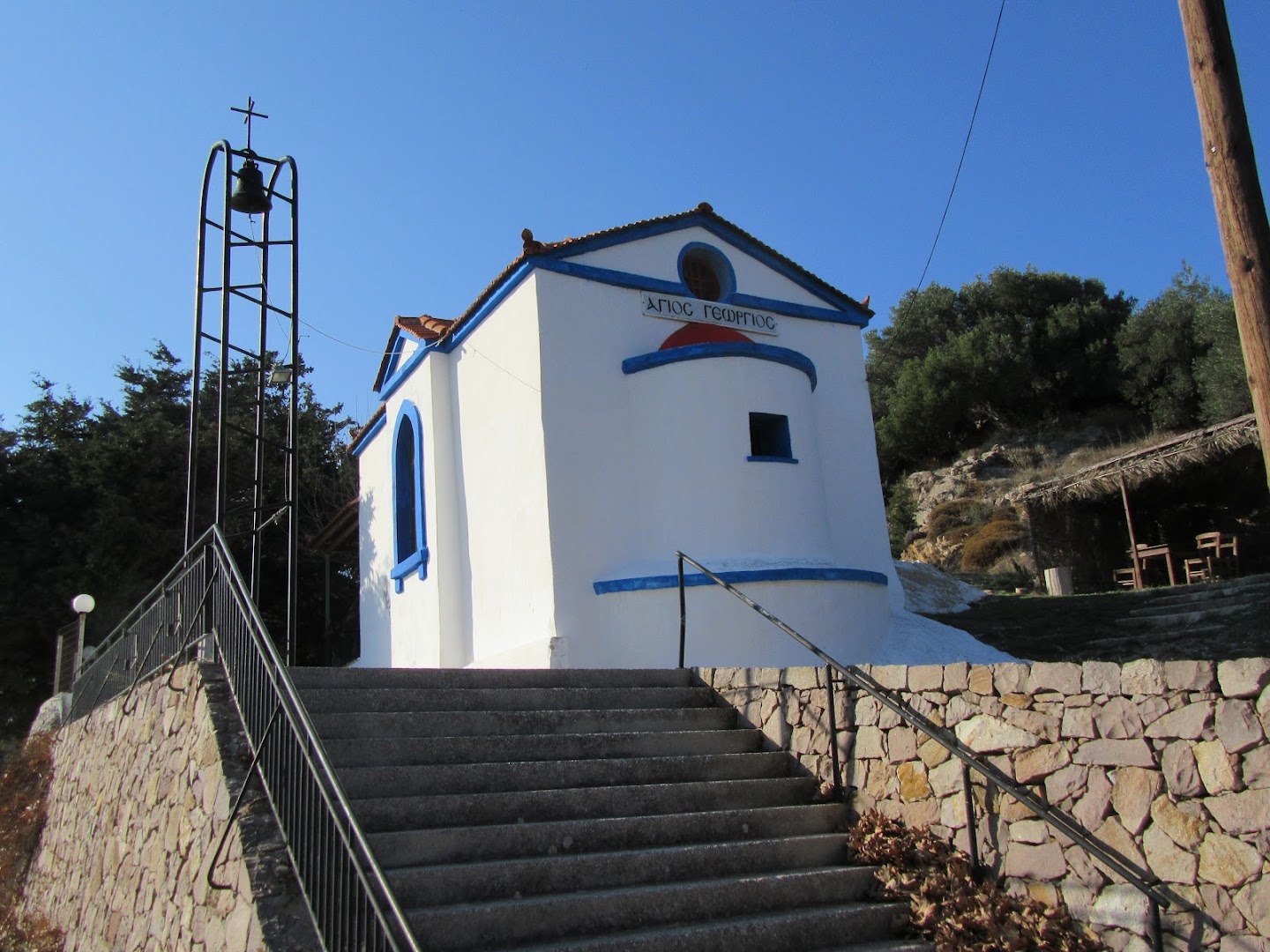
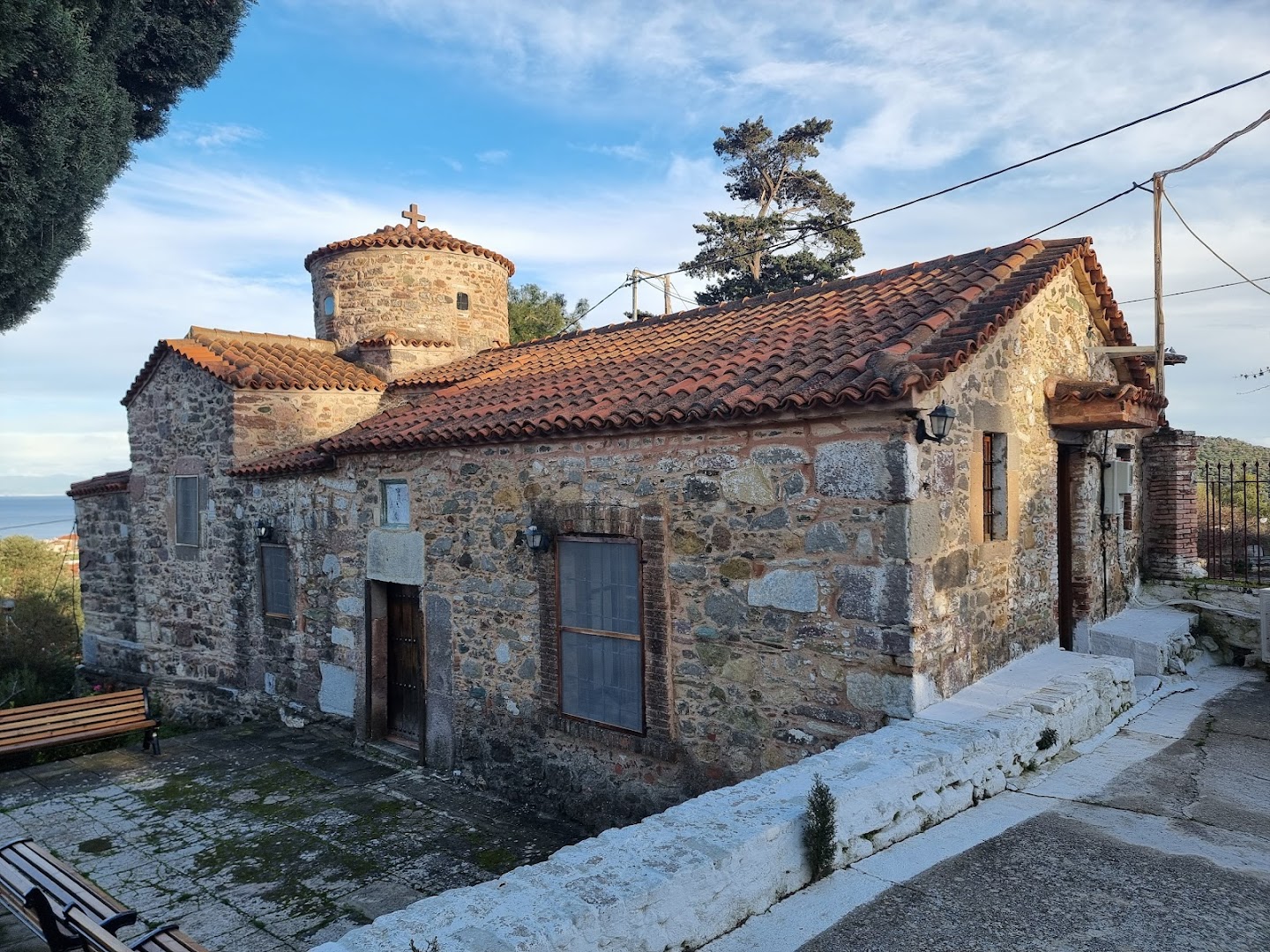
Visitors approaching the church will find the hallmarks of vernacular Orthodox architecture that define the Aegean landscape: whitewashed or stone-faced walls, a modest bell tower, and the distinctive rounded apse facing east toward Jerusalem. Inside, the iconostasis — the carved wooden or gilded screen separating the nave from the sanctuary — would typically hold icons of Christ, the Theotokos, and the church's patron saint, painted in the Byzantine tradition that has remained largely unchanged for a millennium. The air inside carries the faint scent of beeswax candles and incense, a sensory threshold between the everyday world and the sacred.
For the people of Loutrópoli Thermís, the church is far more than an architectural landmark. It marks the passages of life — baptisms, weddings, funerals, and the feast days that punctuate the Orthodox calendar — and draws villagers together in a shared identity that outlasts any single generation. Travelers who visit outside of formal religious hours are welcome to pause at the entrance, observe the candle offerings left by the faithful, and absorb the particular stillness that these small island churches hold so effortlessly. It is a place that rewards quiet attention.
Before you go
What to expect
Stepping inside, you're met by the faint scent of beeswax candles and incense, and the soft glow of the iconostasis draws the eye toward icons painted in the Byzantine tradition. Outside, whitewashed or stone-faced walls and a modest bell tower settle quietly into the village greenery. The church remains an active centre of community life — candle offerings left by the faithful are a small but telling sign of how much this place still matters.
Best time to visit
Late spring and early autumn are ideal — temperatures are pleasant and the village is unhurried.
How to get there
From Mytilene, head north along the coastal road toward Thermí; Loutrópoli Thermís is roughly a 15–20 minute drive.
Details
Denomination: greek_orthodox
Categories
Photos
Make a day of it
Places worth combining with your visit