


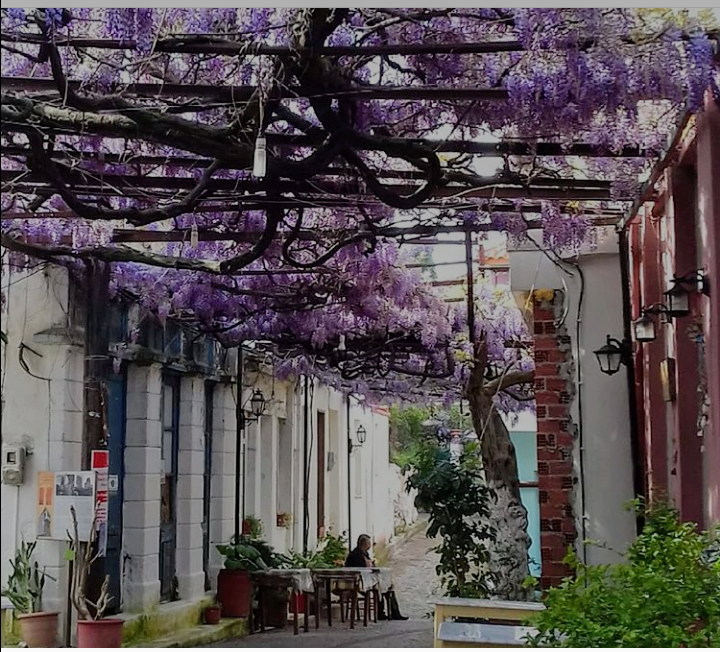
Λουτρόπολη Θερμής
Loutrópoli Thermís
Population
912
Elevation
62m
Municipality
Mytilini
Postal Code
81100
From Mytilene
9.9 km
Nearest Beach
Agios Georgios Beach
Overview
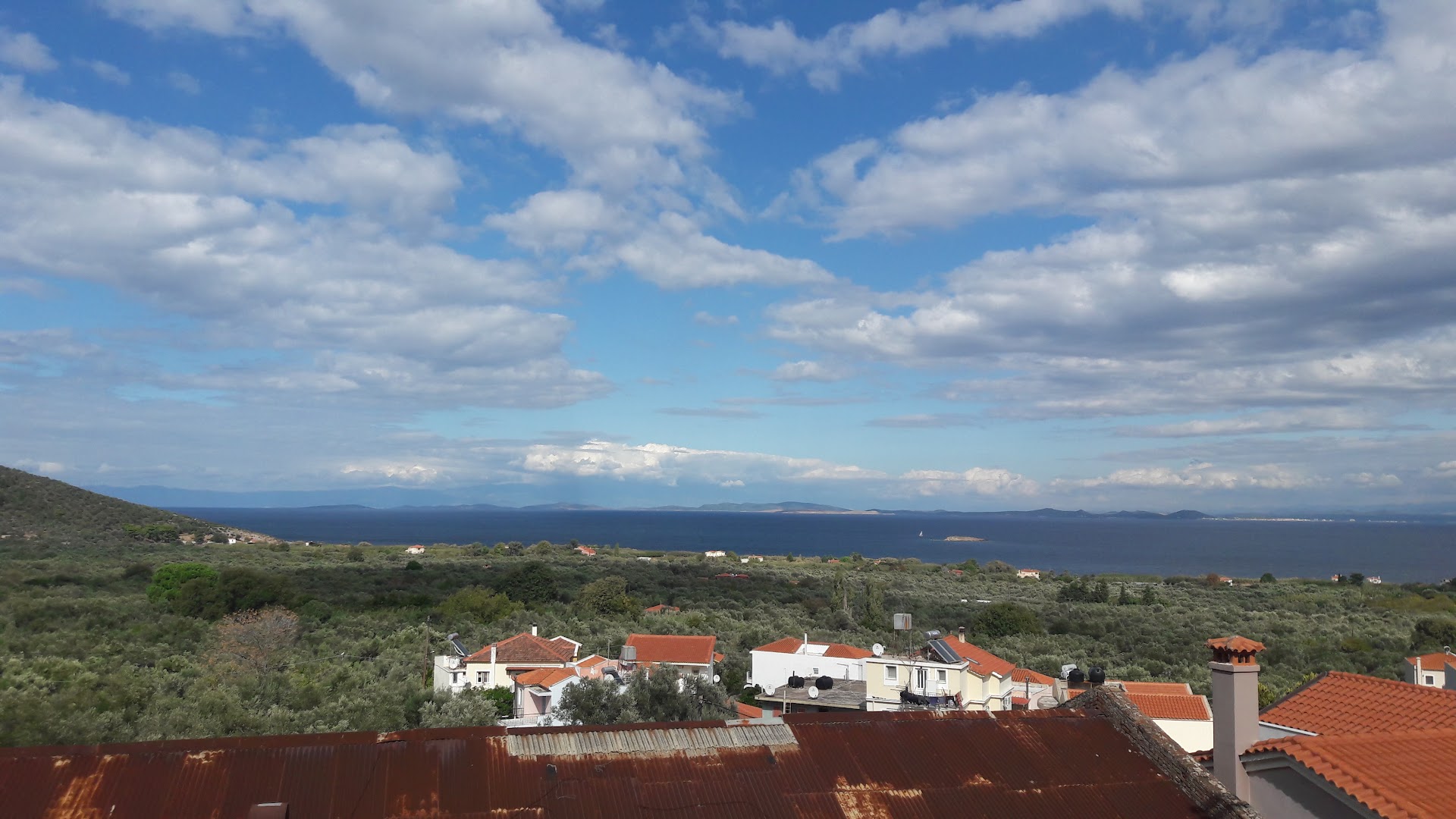
Loutropoli Thermis (Greek: Λουτρόπολη Θερμής) is a village and a former municipality on the island of Lesbos, North Aegean, Greece. Since the 2019 local government reform it is part of the municipality Mytilene, of which it is a municipal unit. It is located on the central east coast of the island. It has a land area of 79.468 km2. Its population was 2,772 at the 2021 census.
Before you go
What to expect
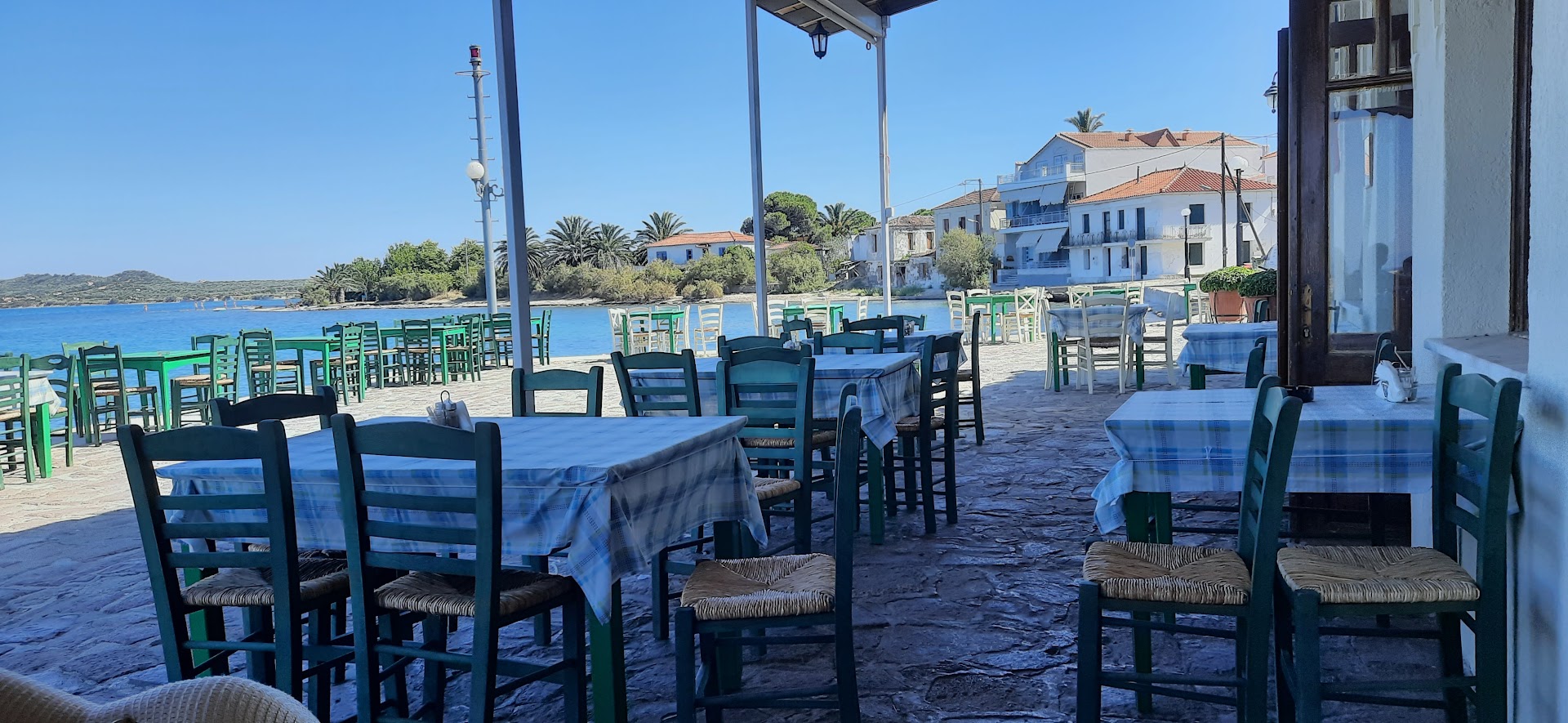
The village owes its name to its thermal springs, and the baths remain the main draw for the short drive from Mytilene. Expect a quiet coastal settlement with a local, unhurried pace — a morning swim followed by a warm soak, with a handful of seafront cafés where you can sit over a coffee watching the haze over the Turkish coast.
Best time to visit
Late spring through early October for swimming; the thermal baths are pleasant year-round, and even in August the village stays quieter than the island's main beach resorts.
How to get there
Thermis sits about 10 km north of Mytilene along the east coast road — a straightforward drive of around 15 minutes.
Top-Rated in Loutrópoli Thermís
Highest-rated places chosen by visitors
rooms
Stone Oasis
Stone Oasis is a self-catering apartment property set near the village of Loutrópoli Thermís, a peaceful coastal settlement on the northeastern shore of Lesvos, just a short drive from the island's capital Mytilene. The area is famed for its ancient thermal springs, which have drawn visitors seeking restorative waters since antiquity, and the surrounding landscape blends olive groves, traditional stone architecture, and the gentle Aegean shoreline. As its name suggests, Stone Oasis offers guests a retreat with a sense of rootedness in the island's vernacular character. Apartment-style accommodation like this suits travellers who prefer the independence of a self-contained space — the ability to set your own pace, prepare a meal with fresh market ingredients, and return to a quiet base after a day exploring Lesvos's villages, beaches, and archaeological sites. The Thermís area itself provides easy access to the northern road along the Gulf of Gera and the broader northeastern corner of the island, rich with Byzantine churches, olive-press museums, and hidden coves. For visitors wanting comfort, privacy, and a genuine sense of place rather than a hotel corridor, Stone Oasis makes a welcoming home on the island.
service
ThermisOffice
Located in the charming thermal village of Loutrópoli Thermís, just a short drive northeast of Mytilene, ThermisOffice provides professional accounting and financial services to residents, businesses, and visitors navigating the practicalities of life on Lesvos. The office sits in a village long celebrated for its therapeutic hot springs and relaxed pace, making it a convenient stop for those based in the northern reaches of the island's eastern coast. For travelers who have fallen in love with Lesvos and are considering longer stays, property investments, or setting up a business on the island, having access to a local accounting professional is invaluable. ThermisOffice offers the kind of grounded, community-rooted expertise that comes from operating within the rhythms of island life, where personal service and local knowledge matter as much as technical competence. Whether you need assistance with tax obligations, business registration, or financial planning in Greece, a visit here can save considerable time and uncertainty.
Villa
Villa Thermi
Nestled in the tranquil village of Loutrópoli Thermís on the northeastern coast of Lesvos, Villa Thermi sits at the heart of one of the island's most historically cherished destinations. The village itself takes its name from the natural thermal springs that have drawn visitors to this stretch of coastline for centuries, and the surrounding landscape — a gentle blend of olive groves, pine-shaded lanes, and the calm Aegean shoreline — gives the area a restorative quality that feels genuinely unhurried. Thermi has long been valued as a place of wellness and retreat, and Villa Thermi carries that tradition forward in a setting that balances comfort with the quiet rhythms of village life. Guests at Villa Thermi can expect accommodation that embraces the character of its surroundings, offering a welcoming base from which to explore both the therapeutic waters that give this corner of Lesvos its identity and the wider riches of the island. The proximity to the thermal baths makes it a natural choice for visitors seeking relaxation and rejuvenation, while the short drive to Mytilene — the island's lively capital — means that culture, dining, and the harbour are never far away. The village itself is worth wandering, with its stone houses and the easy pace of local life offering a glimpse of Lesvos away from the more tourist-trodden paths. Whether you are drawn to Thermi for the healing waters, the coastal scenery, or simply the desire to settle into a quieter part of the island, Villa Thermi provides a thoughtful point of arrival. It suits travellers who prefer to stay somewhere with genuine local character rather than a resort complex, and its position within the village means you are well placed to enjoy morning walks by the sea, meals at neighbourhood tavernas, and day trips across the breadth of Lesvos.
rooms
Apano Machala
Apano Machala is a villa complex nestled in the gentle hills near Loutrópoli Thermís, a charming village on the eastern coast of Lesvos renowned for its therapeutic thermal springs. The name itself carries a sense of place — "apano" meaning upper in Greek, suggesting an elevated position that likely affords lovely views over the surrounding landscape toward the Aegean. This part of the island blends traditional Lesbian village character with easy access to Mytilene, the island's capital, just a short drive to the south. Guests staying at Apano Machala can expect the kind of self-contained comfort that makes villa accommodation on Lesvos so appealing — private space, tranquility, and a base from which to explore everything the eastern coast has to offer. The proximity to Loutrópoli Thermís means visitors are well-positioned to visit the historic thermal baths, wander the village's kafeneions, and take in the relaxed rhythms of daily life that define this corner of the island. The olive groves and pine-covered hillsides that frame this area give it a quintessentially Greek pastoral atmosphere. For travelers seeking a quieter alternative to busier resort towns, the Thermís area offers a genuine slice of Lesbian life without sacrificing convenience. From Apano Machala, day trips to the medieval villages of the north, the petrified forest of the west, or the beaches stretching along the Gulf of Gera are all within easy reach, making it a well-situated home base for exploring one of the Aegean's most rewarding and culturally layered islands.
Practical Info
Supermarket
Mini Market Bakalogatos
Medical / Pharmacy
Regional Medical Clinic of Loutrópoli Thermís
Petrol Station
Not found
ATM / Bank
Not found
Transport
Not found
All Businesses
Apano Machala
Artemion Cafe Restaurant
Feel Like Home in Lesvos - Four-Bedroom House
Hatzelis Farm
Ideas Homestore
Katerina House
Lelekas, Emmanouil & Michail Alagiannis
Mini Market Bakalogatos
PAPADELLIS OLIVE OIL
Petrino
Regional Medical Clinic of Loutrópoli Thermís
Saint Rafael Mytilini Holy Convent
Churches & Religious Sites
Άγιος Δημήτριος
Agios Dimitrios
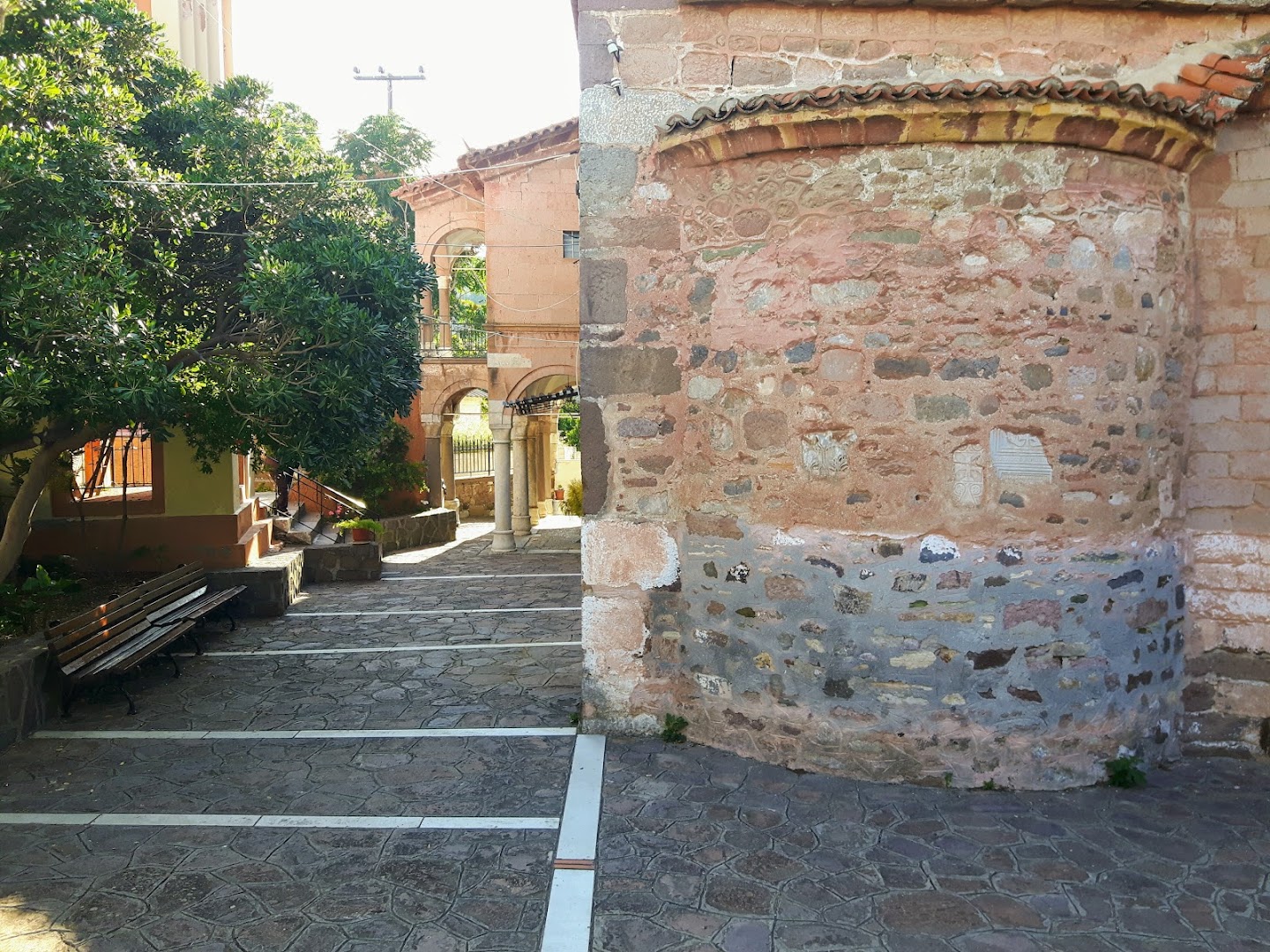
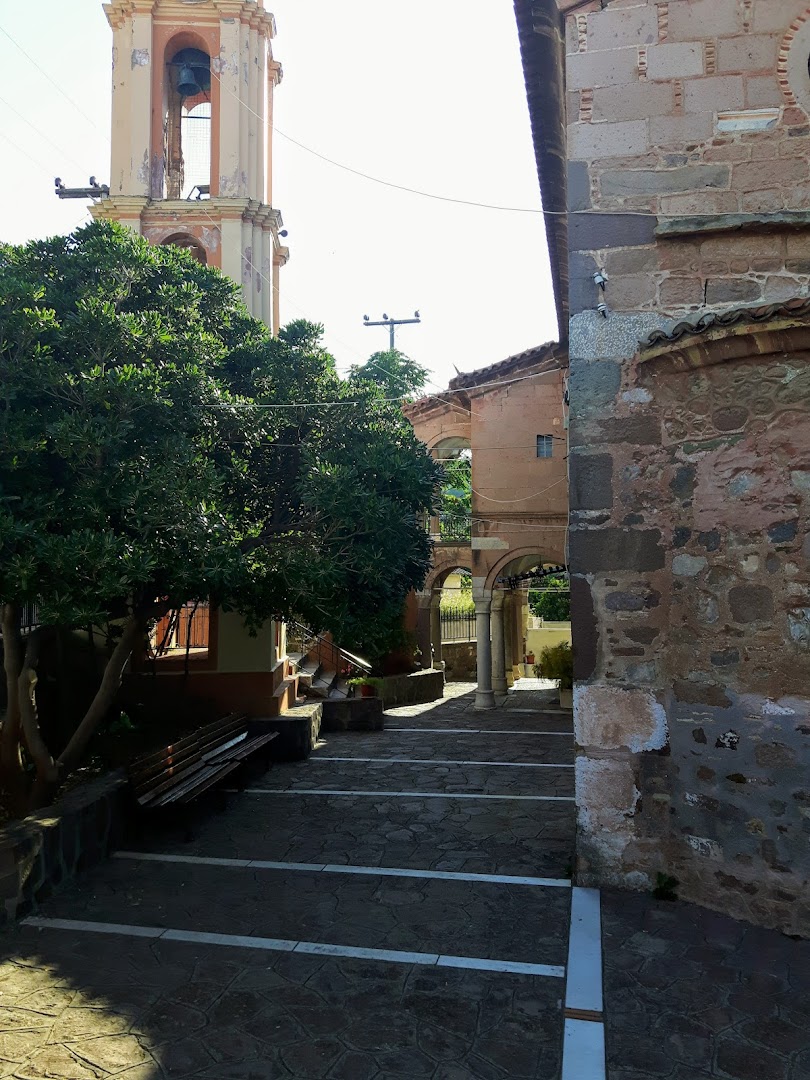
Tucked near the thermal spring village of Loutrópoli Thermís, the church of Agios Dimitrios stands as a quiet testament to the deep Orthodox faith woven into the fabric of Lesvos. Dedicated to Saint Dimitrios of Thessaloniki, one of the most beloved warrior-martyrs of the Eastern Church, the church serves a community whose roots in this corner of the island stretch back many generations. Like so many village churches on Lesvos, it reflects the modest yet deeply expressive architectural tradition of the Aegean — whitewashed walls, a tiled dome or barrel vault, and an iconostasis that acts as a luminous threshold between the earthly and the divine. Inside, visitors will find the characteristic warmth of a living parish church: oil lamps flickering before icons, the lingering scent of incense, and the careful handiwork of local craftsmen preserved across the decades. The icon of Saint Dimitrios himself — typically depicted in military dress, mounted or holding a spear — occupies a place of honor, a focus of both artistic devotion and heartfelt prayer. The church follows the liturgical calendar of the Greek Orthodox Church, and its most important celebration falls on October 26th, the feast day of Saint Dimitrios, when the local community gathers for the Divine Liturgy and the village comes alive with the kind of communal warmth that defines Greek religious life. For visitors exploring the northeastern reaches of Lesvos, stopping at Agios Dimitrios offers a genuine glimpse into the island's spiritual landscape. The area around Loutrópoli Thermís has long been associated with healing waters and wellbeing, and the presence of this church alongside those ancient springs speaks to the way sacred and natural sites have always intertwined on Lesvos. Whether you arrive during the feast day festivities or simply pause during a quiet afternoon drive, the church invites a moment of stillness and reflection that stays with you long after you leave.
Church (39.1817, 26.4811)
Nestled near the coastal village of Loutrópoli Thermís on the northeastern shore of Lesvos, this Orthodox church stands as a quiet spiritual anchor for a community shaped by centuries of faith and thermal waters. Thermís itself has ancient roots, with archaeological evidence of settlement dating back to the Bronze Age, and the village's identity has long been intertwined with both the healing properties of its natural springs and the rhythms of Orthodox Christian life. Churches like this one have traditionally served as the beating heart of such communities, gathering villagers for weekly liturgy, feast days, baptisms, and the rites of passage that mark a life well lived. The church reflects the vernacular Orthodox architectural tradition common across the eastern Aegean, likely featuring whitewashed or stone exterior walls, a modest dome or tiled roof, and an interior richly appointed with an iconostasis — the carved wooden or stone screen that separates the nave from the sanctuary. Within, visitors can expect to find icons painted in the Byzantine tradition, their golden grounds catching the light of votive candles, and perhaps frescoes depicting saints revered across the Greek Orthodox world. The scent of beeswax and incense, the cool dimness of the interior on a summer afternoon, and the ever-present sound of the Aegean breeze combine to create an atmosphere of profound stillness that draws visitors as much as pilgrims. For travelers exploring the northeastern corner of Lesvos, stopping at this church offers a window into the living religious culture of the island. Local feast days, celebrated with liturgy followed by communal gatherings of food and music, remain among the most authentic expressions of Lesbian village life. Visitors are warmly welcomed to enter outside of services, observe the icons and votive offerings left by the faithful, and reflect in the tranquil courtyard. Whether you arrive as a believer or simply as a curious traveler, the church near Loutrópoli Thermís rewards a moment of quiet attention.
Church (39.1868, 26.4740)
Nestled in the verdant landscape near Loutrópoli Thermís, this Greek Orthodox church stands as a quiet expression of faith that has long been woven into the rhythms of village life on Lesvos. Like many rural churches scattered across the island, it belongs to a tradition stretching back centuries, when communities built their places of worship at the heart of daily existence — close to homes, fields, and the natural springs that gave this area its ancient name. The thermal baths of Thermí were known even in antiquity, and the spiritual life of the settlement grew alongside its reputation for healing waters, with the church serving as an anchor for the community through the many shifts of Byzantine, Ottoman, and modern Greek history. Visitors approaching the church will find the hallmarks of vernacular Orthodox architecture that define the Aegean landscape: whitewashed or stone-faced walls, a modest bell tower, and the distinctive rounded apse facing east toward Jerusalem. Inside, the iconostasis — the carved wooden or gilded screen separating the nave from the sanctuary — would typically hold icons of Christ, the Theotokos, and the church's patron saint, painted in the Byzantine tradition that has remained largely unchanged for a millennium. The air inside carries the faint scent of beeswax candles and incense, a sensory threshold between the everyday world and the sacred. For the people of Loutrópoli Thermís, the church is far more than an architectural landmark. It marks the passages of life — baptisms, weddings, funerals, and the feast days that punctuate the Orthodox calendar — and draws villagers together in a shared identity that outlasts any single generation. Travelers who visit outside of formal religious hours are welcome to pause at the entrance, observe the candle offerings left by the faithful, and absorb the particular stillness that these small island churches hold so effortlessly. It is a place that rewards quiet attention.
ΕΙΣΟΔΙΑ ΤΗΣ ΘΕΟΤΟΚΟΥ
ΕΙΣΟΔΙΑ ΤΗΣ ΘΕΟΤΟΚΟΥ
Nestled near the village of Loutrópoli Thermís, a settlement long renowned for its healing thermal springs just north of Mytilene, this Orthodox church stands as a quiet expression of the deep religious tradition that shapes everyday life on Lesvos. Like so many parish churches across the island, it likely serves the local community as both a place of worship and a social anchor, its liturgical calendar marking the rhythm of village life through feast days, weddings, baptisms, and memorial services. The surrounding area carries layers of history stretching back to antiquity, and the church fits naturally into a landscape where ancient, Byzantine, and Ottoman influences have all left their mark. Architecturally, the church reflects the restrained vernacular style common to rural Lesvos, where modest exteriors often give way to interiors rich with devotional art. Visitors stepping inside typically encounter the warm glow of oil lamps illuminating gilt iconostases, with painted icons in the Byzantine tradition depicting Christ Pantokrator, the Theotokos, and the church's patron saint. The incense-laden air and the silver-clad votive offerings left by grateful parishioners speak to an unbroken tradition of popular piety that has persisted through centuries of changing political fortunes on the island. For travelers exploring the Thermí area, a visit to this church offers a genuine encounter with living Orthodox culture rather than a museum piece. The feast day of the patron saint, celebrated with a liturgy followed by communal gathering, is among the most authentic experiences the village calendar affords. Even outside of feast days, the church remains unlocked during daylight hours as a place of quiet prayer, and its grounds often provide a shaded pause for those who have come to take the waters at the nearby thermal baths, connecting the ancient human search for bodily and spiritual renewal that defines this corner of Lesvos.
Gallery & Videos
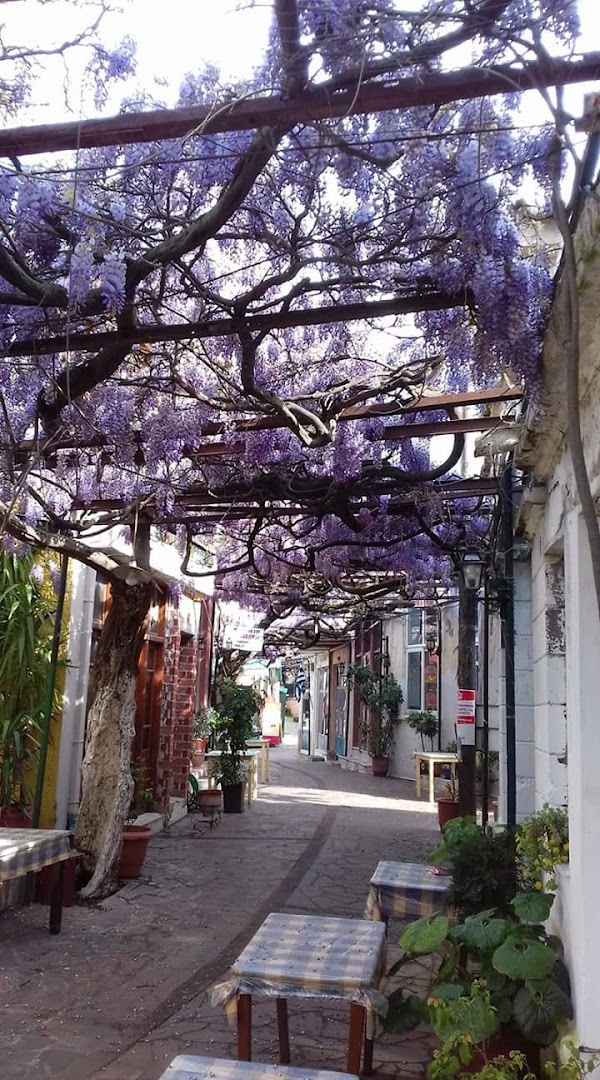
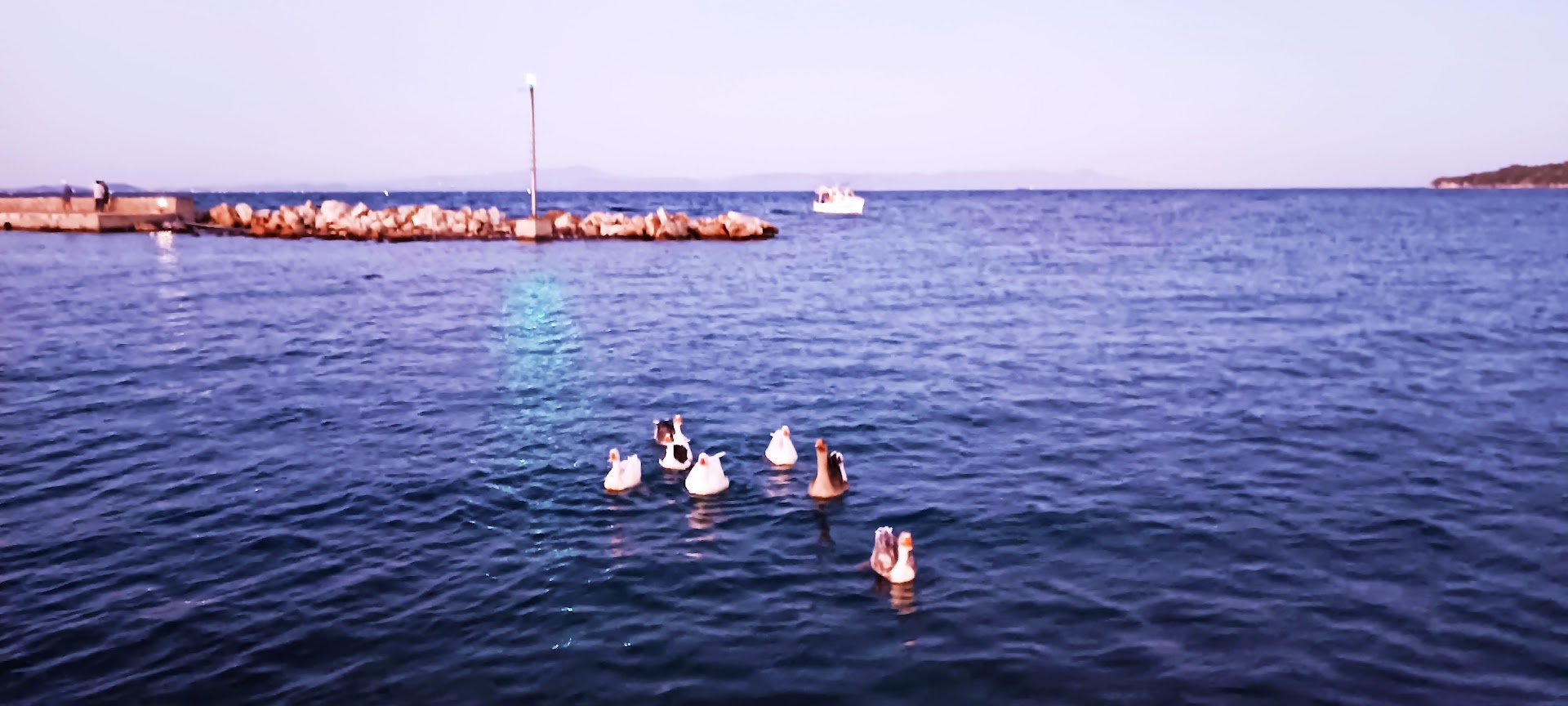
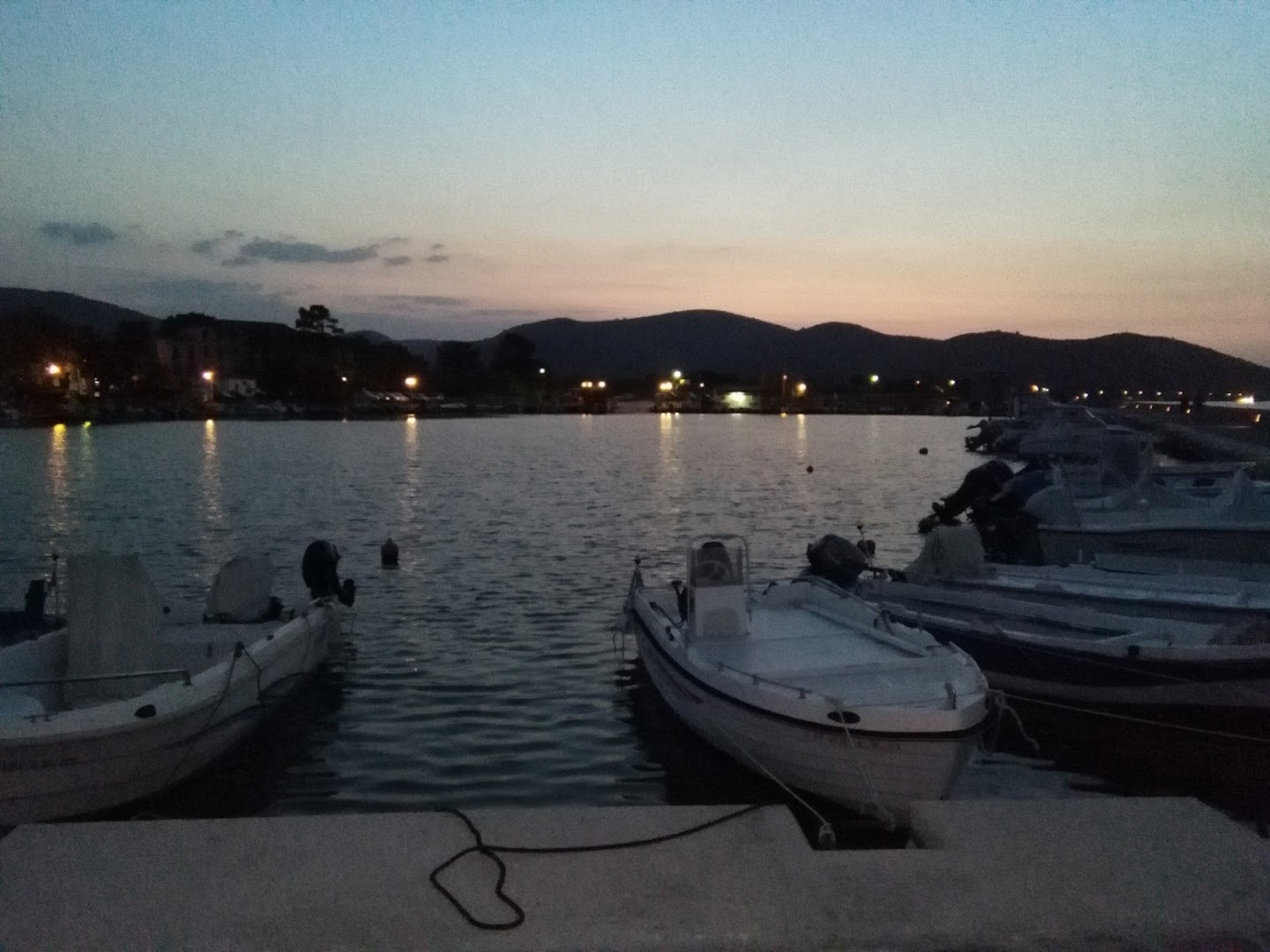
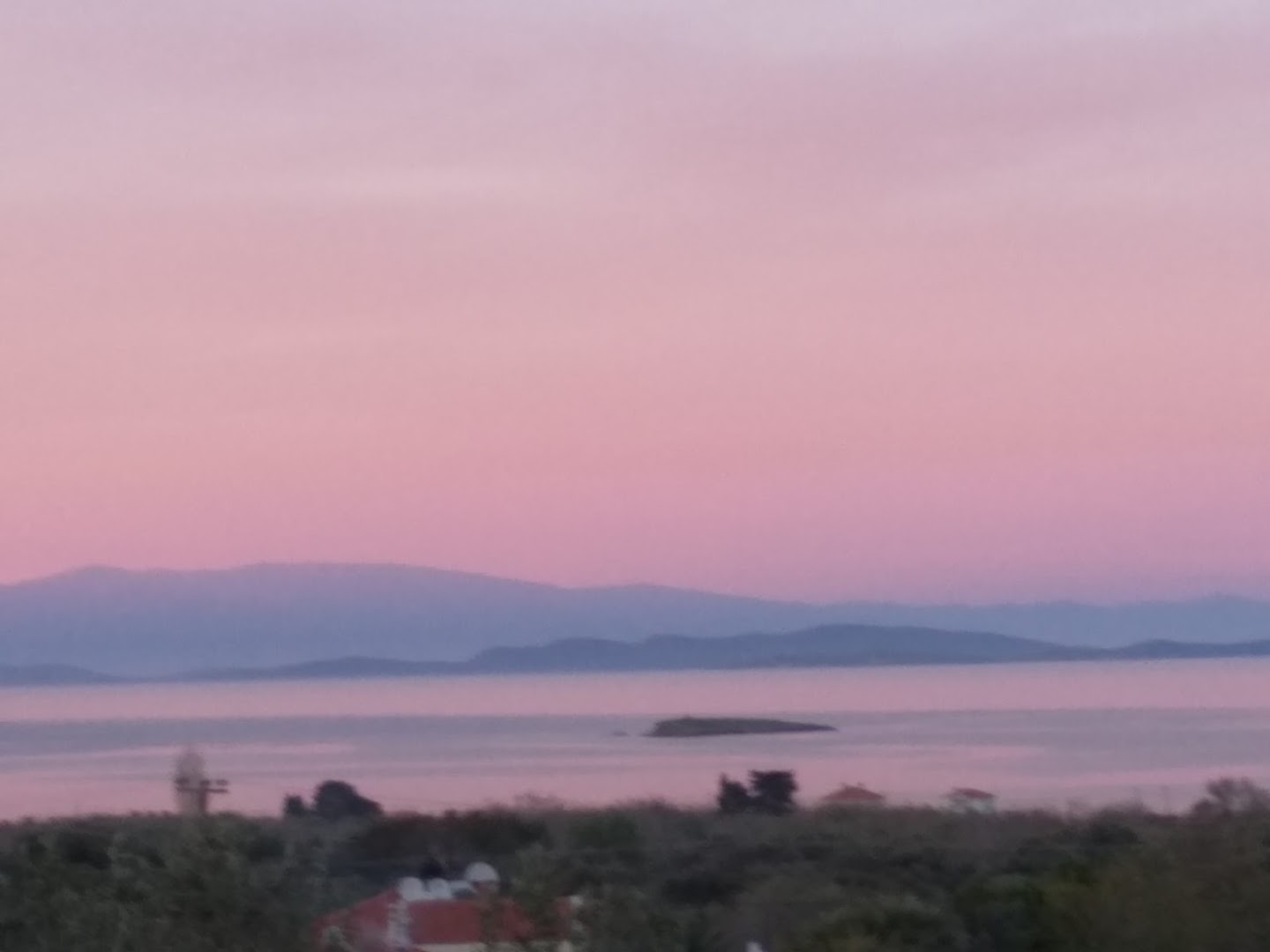
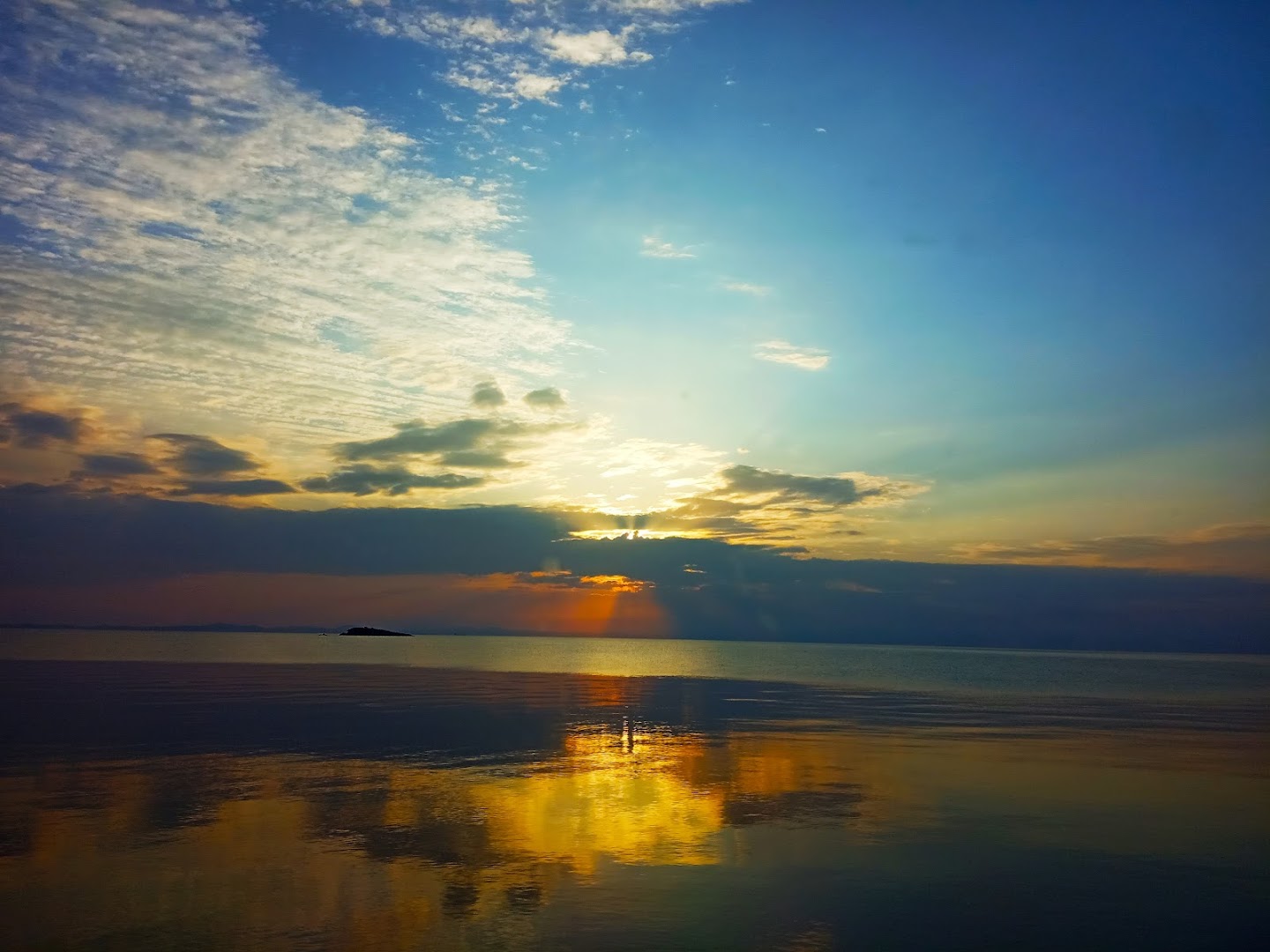
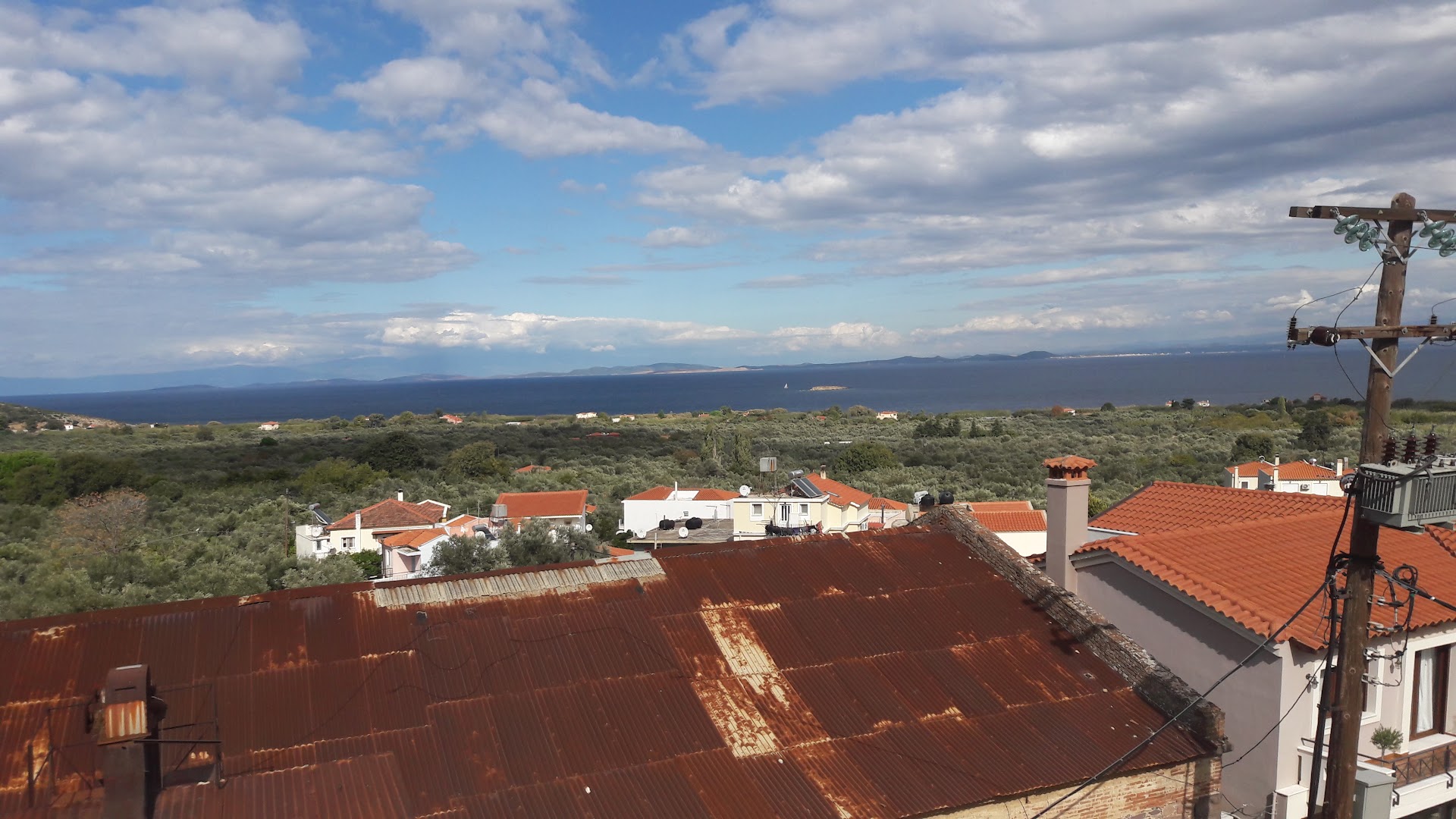
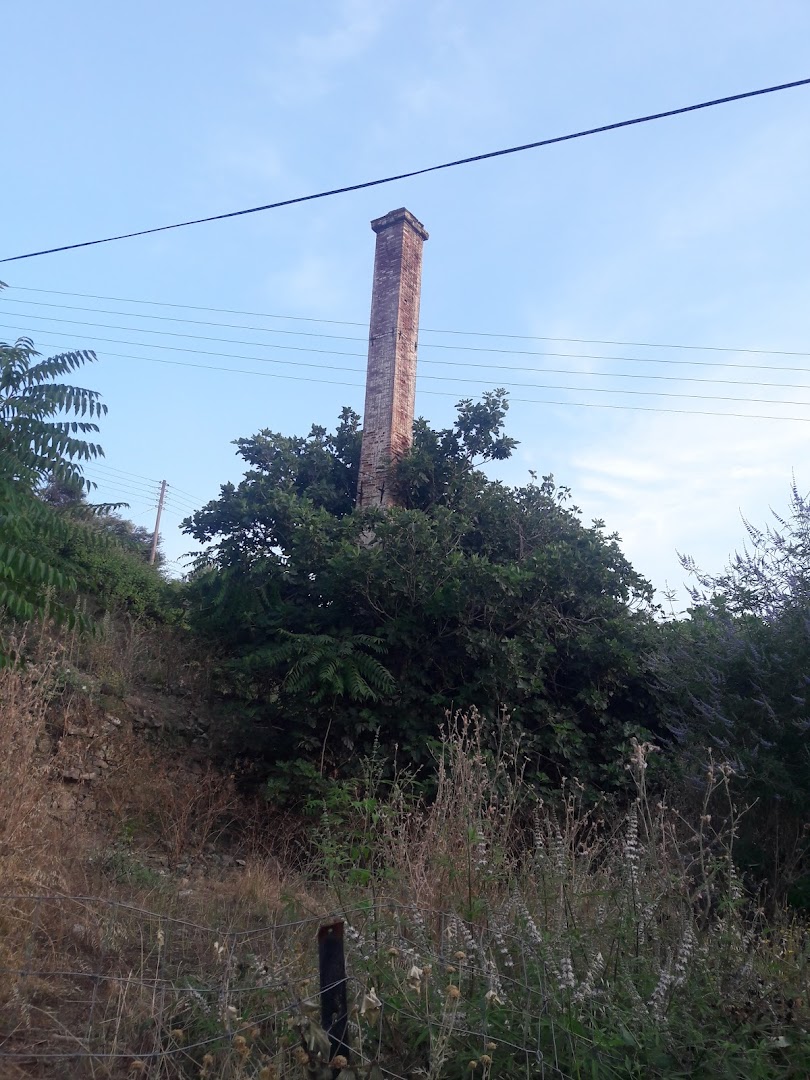
Captured a memorable moment in Loutrópoli Thermís?
Nearby
Beaches
Agios Georgios Beach
1.6 km away
Plaz Kanoni
2.1 km away
Petalidi
2.8 km away
Skala Mistegnon Beach
5 km away