Church
Εκκλησία
About
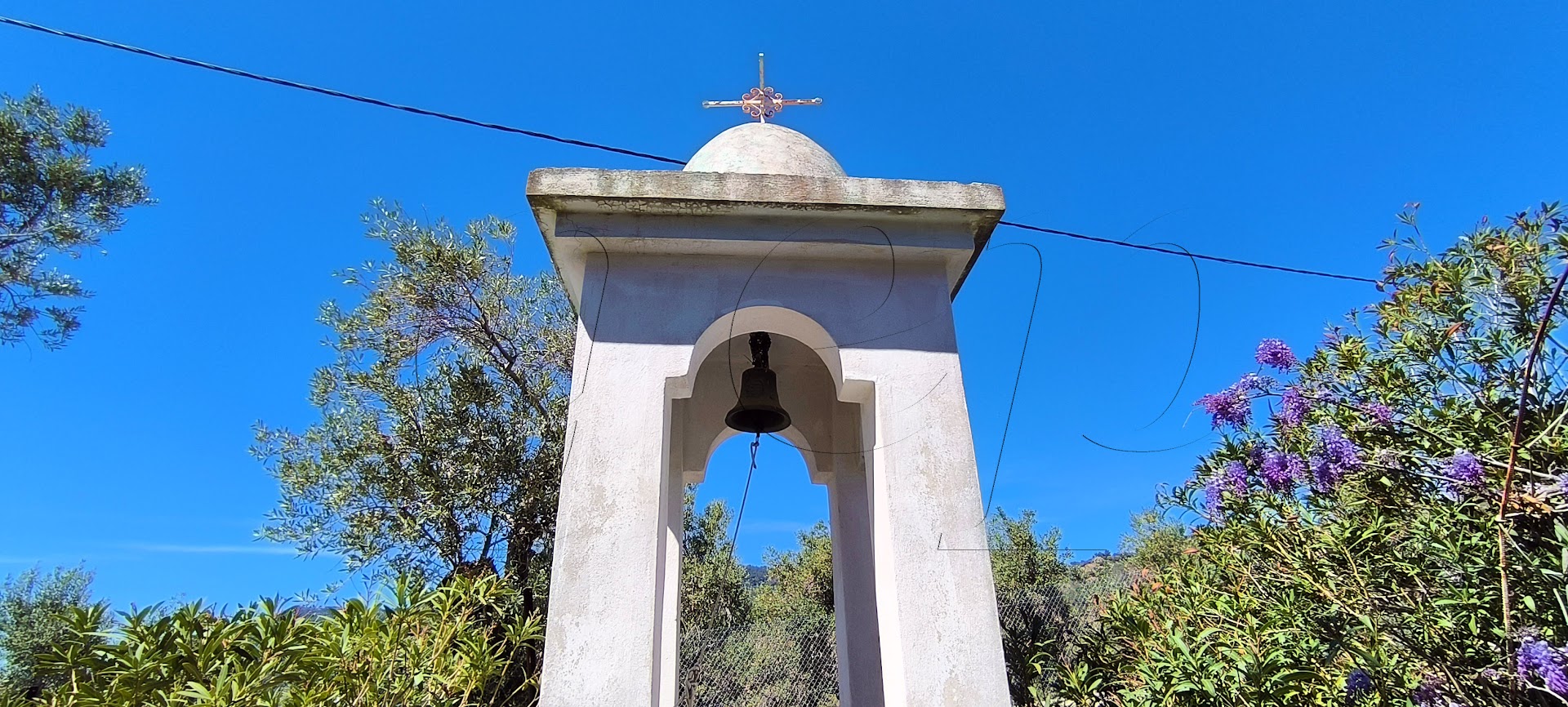
Nestled in the southeastern reaches of Lesvos, this Orthodox church stands as a quiet testament to the island's deep-rooted Byzantine and post-Byzantine Christian heritage. Churches of this kind are woven into the very fabric of Lesbian village life, often serving communities for centuries and preserving traditions that link the island's present to its layered past under Byzantine, Genoese, and Ottoman rule. The surrounding landscape of the southeastern corner of the island — marked by olive groves, stone walls, and the distant shimmer of the Aegean — lends the site a contemplative, timeless quality.
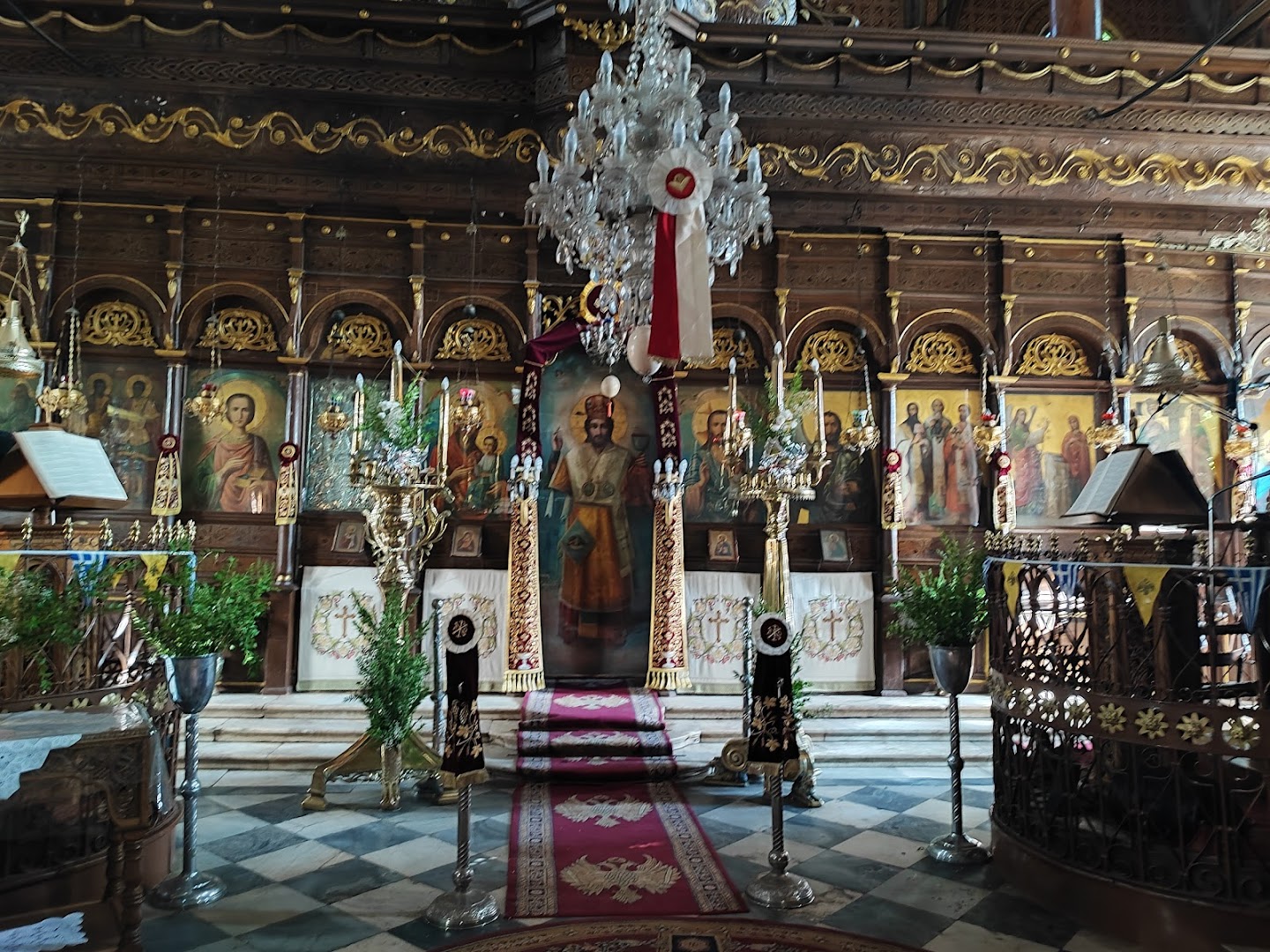
Visitors will typically find a whitewashed or stone exterior characteristic of the Aegean ecclesiastical tradition, with a compact nave, a carved wooden iconostasis separating the nave from the sanctuary, and oil lamps casting a warm glow over devotional icons. While the specific dedication of this church is not confirmed, the majority of Lesvos's rural chapels are dedicated to the Theotokos (the Virgin Mary), the Taxiarchs Michael and Gabriel, or local patron saints, each with an associated feast day that draws villagers together for liturgy and celebration. These nameday panegyria remain among the most authentic expressions of community life on the island.
Whether you arrive during a feast day liturgy or simply pause for a moment of quiet, small Orthodox churches like this one offer visitors an intimate glimpse into the spiritual and social rhythms that have shaped Lesvos for generations. The lack of crowds typical of larger pilgrimage sites makes such places especially rewarding for those seeking genuine connection with the island's living religious culture.
Before you go
What to expect
Stepping inside, the warmth of oil lamps and the faint scent of incense meet you, while a carved wooden iconostasis draws the eye toward gleaming devotional icons in the half-light. The olive groves and dry-stone walls that surround the exterior give the site a timeless, contemplative quality that larger pilgrimage churches rarely preserve. If you arrive on the church's feast day, you may find the whole community gathered for a panegyri — part liturgy, part village celebration, entirely genuine.
Best time to visit
Late spring through early autumn is most pleasant for a visit; arriving on the church's nameday feast brings the site to vivid life, while quieter weekdays reward those seeking stillness.
How to get there
The church lies roughly 19 kilometres southeast of Mytilene — plan on about 25 to 30 minutes by car along winding roads that pass through olive groves and terraced stone-wall countryside.
Details
Location
Get DirectionsMake a day of it
Places worth combining with your visit