About
Tucked within the village of Vrisa in southern Lesvos, this Natural History Collection offers visitors a window into the island's extraordinary geological past. Lesvos sits at the heart of one of the world's most significant paleontological landscapes, and collections like this one serve as important local custodians of that legacy. The island's petrified forest, formed roughly 20 million years ago when volcanic activity buried vast subtropical woodlands and preserved them in silica, is recognized as a UNESCO Global Geopark, and natural history collections in the region help interpret this deep-time story for a broader audience. Specimens of petrified wood, fossilized plant material, and geological samples drawn from the surrounding countryside bring the island's prehistoric environment to vivid life.
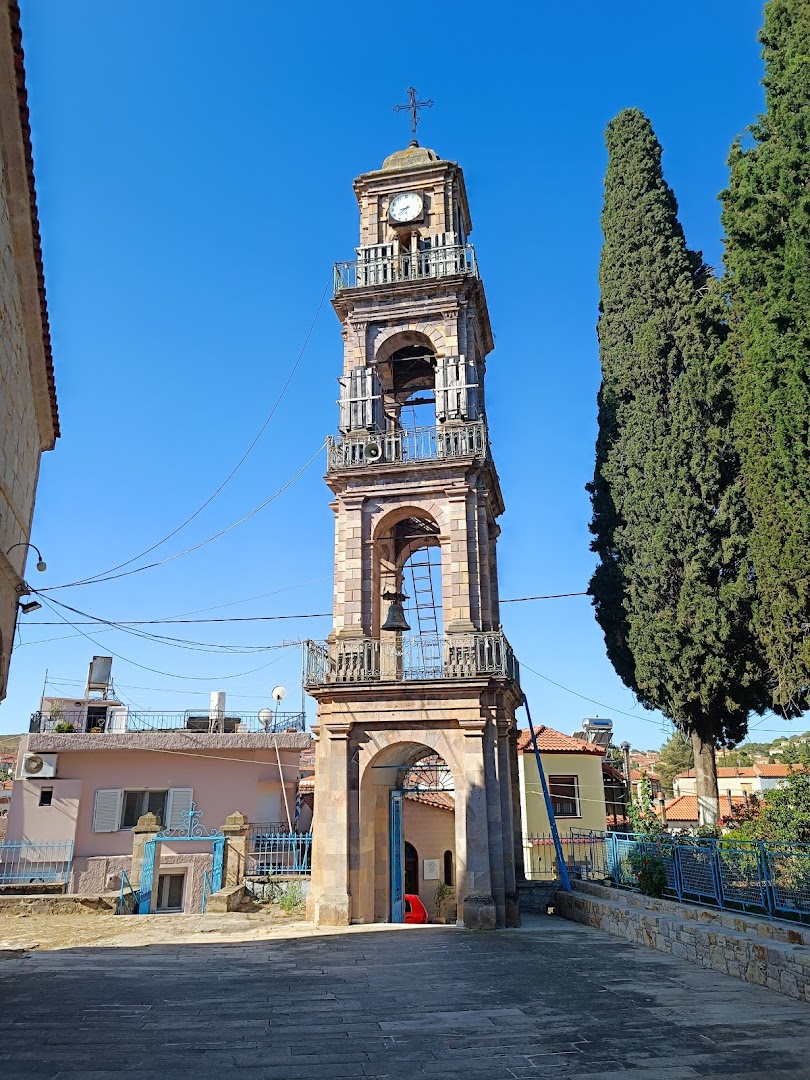
Vrisa itself carries its own layer of recent history. The village suffered significant damage in a powerful earthquake in June 2017, which reshaped much of its traditional streetscape. The resilience of the community and the continued presence of cultural institutions like this collection speak to the strong local attachment to heritage and memory. Visiting here offers more than a museum experience — it is a chance to understand a village in the process of rebuilding while remaining proud of what it holds.
For travelers exploring the southern reaches of Lesvos beyond the more-visited northern coastline, the Natural History Collection in Vrisa rewards those with a curiosity about the forces that shaped this island over geological and human timescales alike. It pairs naturally with a visit to the broader petrified forest sites and the olive groves and quiet roads that define this quieter corner of the island. Visitors are advised to confirm opening hours locally, as small regional collections often keep seasonal schedules.
Before you go
What to expect
The collection brings together petrified wood specimens, fossilized plant material, and geological samples drawn from one of the world's most significant paleontological landscapes — the UNESCO-recognized Geopark that covers much of Lesvos. It is a small, unhurried place where the exhibits do the talking, and the story they tell stretches back 20 million years. The village of Vrisa around it is still rebuilding after the 2017 earthquake, so arriving here feels like more than a museum visit — it is a glimpse into a community holding onto its heritage while finding its footing again.
Best time to visit
Spring (April–May) and early autumn (September–October) are best — pleasant temperatures for the drive through southern Lesvos's olive groves, and a higher chance the collection keeps regular hours than in deep winter.
How to get there
Vrisa is in the southern part of the island, roughly a 45-to-55-minute drive from Mytilene along the inland road south. Confirm opening hours before you go, as small regional collections often keep seasonal schedules.
Categories
Make a day of it
Places worth combining with your visit