About
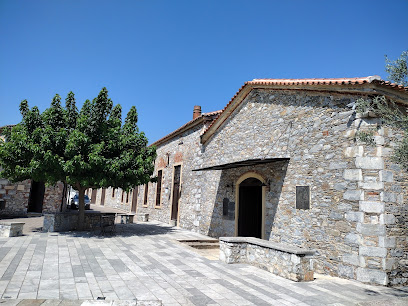
Tucked into the landscape near the quiet village of Palaiokipos in central Lesvos, Panagia Spiliotissa — also known as Kryfti, meaning "the hidden one" — is one of the island's most evocative secret churches. The name Spiliotissa, derived from the Greek word for cave, tells you much about this sanctuary's character: it is built into or sheltered by natural rock, a form of sacred architecture found across the Orthodox world wherever early Christians and later communities under Ottoman rule sought discreet places of worship. The epithet Kryfti reinforces this history, pointing to a tradition of clandestine devotion when open religious practice was constrained, and lending the site a quiet sense of resilience and faith maintained against the odds.
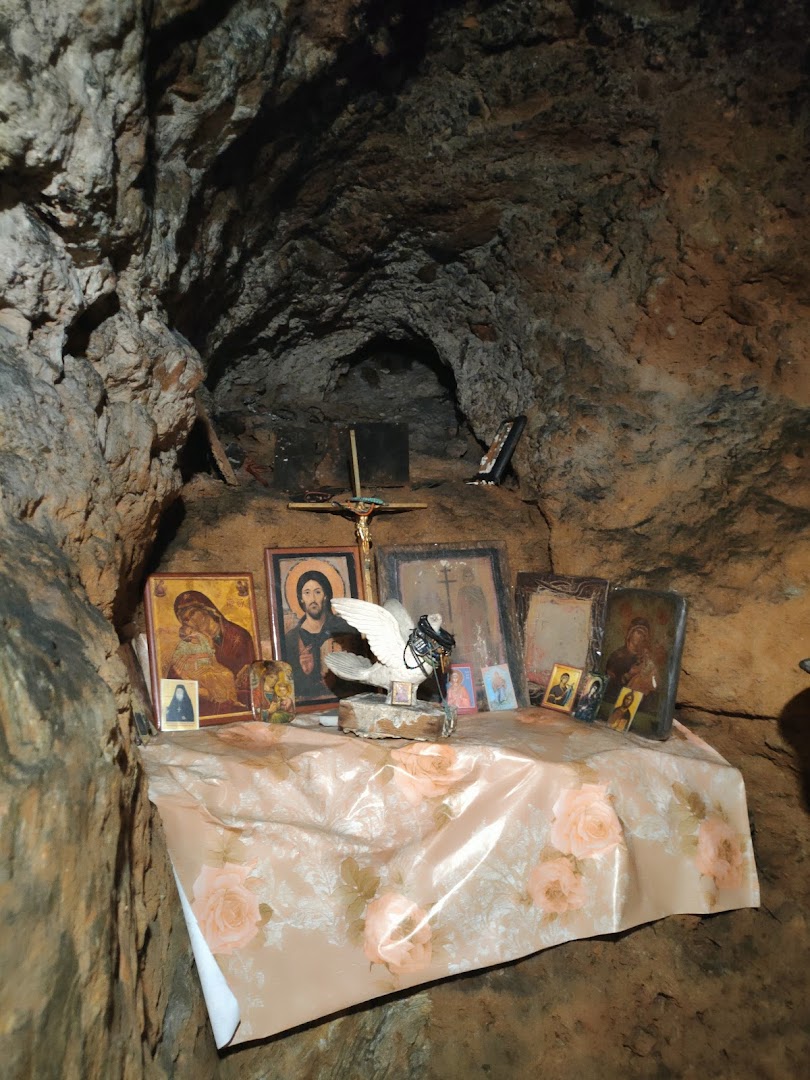
Dedicated to the Panagia — the All-Holy Virgin Mary — the church belongs to a deeply rooted tradition of Marian veneration on Lesvos, where cave and rock-cut shrines have long been regarded as places of particular spiritual power and intimacy. The natural setting amplifies this feeling: the cool stone walls, the soft flicker of oil lamps, and the icons of the Theotokos create an atmosphere of contemplative stillness that draws both the devout and the curious traveller. Local communities have historically gathered here for the feast of the Dormition of the Virgin on the 15th of August, one of the most important celebrations in the Orthodox calendar, transforming the secluded site into a lively panegyri with liturgy, music, and communal feasting.
For visitors, reaching Panagia Spiliotissa is itself part of the experience — a walk through the gentle hills and olive groves surrounding Palaiokipos that rewards with a sense of discovery entirely in keeping with the church's name. Inside, expect the intimate scale typical of such rural shrines, with carved wooden iconostasis panels, devotional candles, and the kind of worn, well-loved icons that speak of generations of local faith. Whether you arrive seeking spiritual reflection or simply the pleasure of uncovering one of Lesvos's hidden corners, this small sanctuary offers something genuinely rare: a place where landscape, history, and living tradition converge in remarkable harmony.
Before you go
What to expect
The church is sheltered by natural rock, and stepping inside brings an immediate shift — cool stone, the scent of beeswax, and worn icons watching from the iconostasis in a space that feels compressed by centuries of quiet devotion. It is the kind of rural shrine where the setting does all the work: no grandeur, just a deep sense of accumulated faith in a very small room. On August 15th the surrounding hillside transforms entirely, filling with liturgy, music, and communal feasting for the Dormition feast.
Best time to visit
Spring and early autumn are best for the walk through the olive groves; if you come on August 15th, expect a lively panegyri rather than solitary stillness.
How to get there
From Mytilene, drive toward Palaiokipos — roughly 15 to 20 minutes along winding roads — then continue on foot from the village up through the surrounding hillside to reach the church.
Details
Denomination: greek_orthodox
Categories
Make a day of it
Places worth combining with your visit