


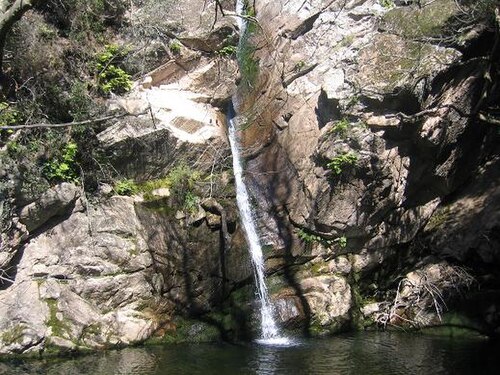
Σκουτάρος
Skoutaros
Καταρράκτες της Καμάτσας του χωριού Σκουτάρου,Λέσβος
Population
881
Elevation
180m
Municipality
Petra
Postal Code
81109
From Mytilene
41.4 km
Nearest Beach
Ampelia
Overview
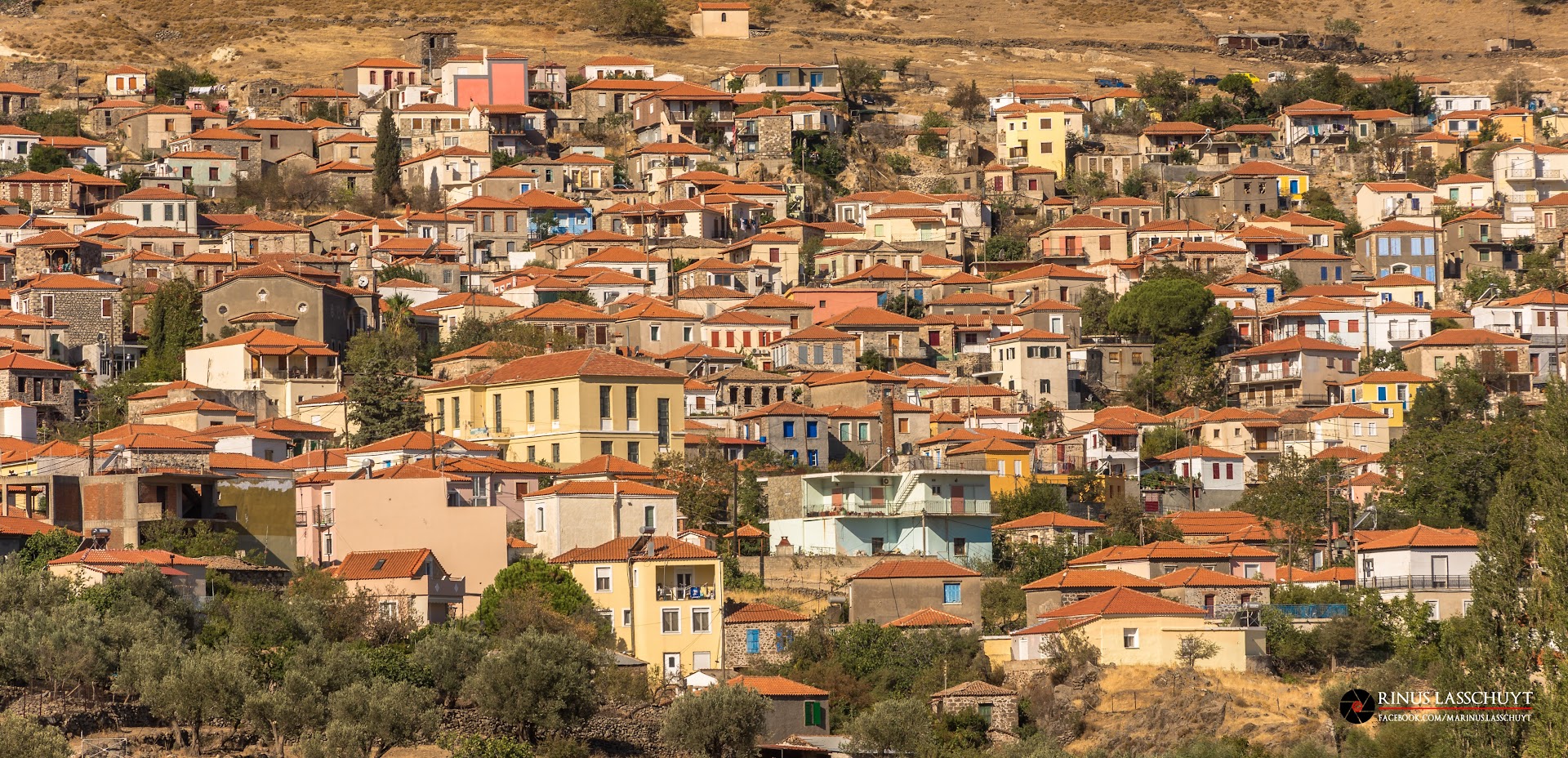
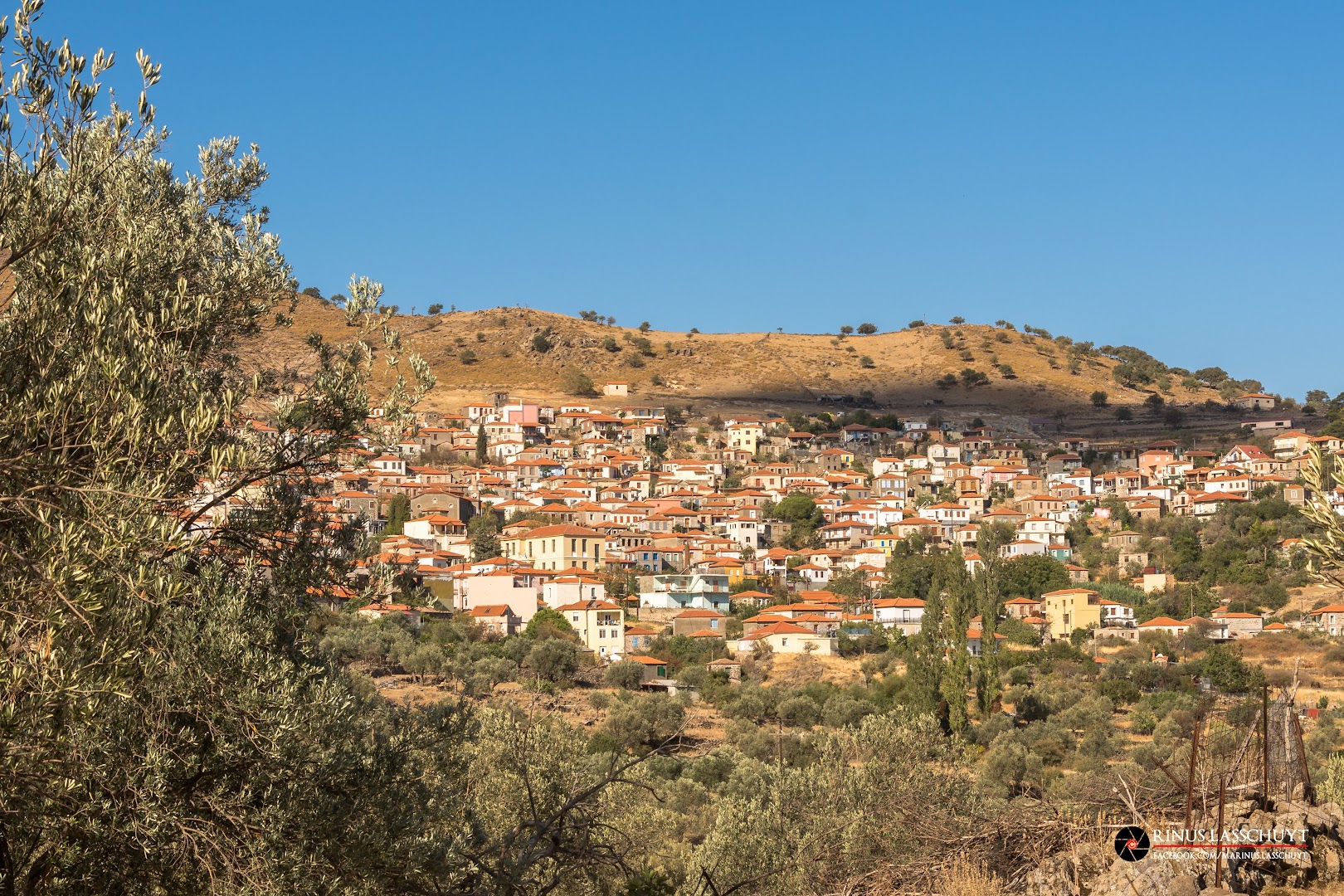
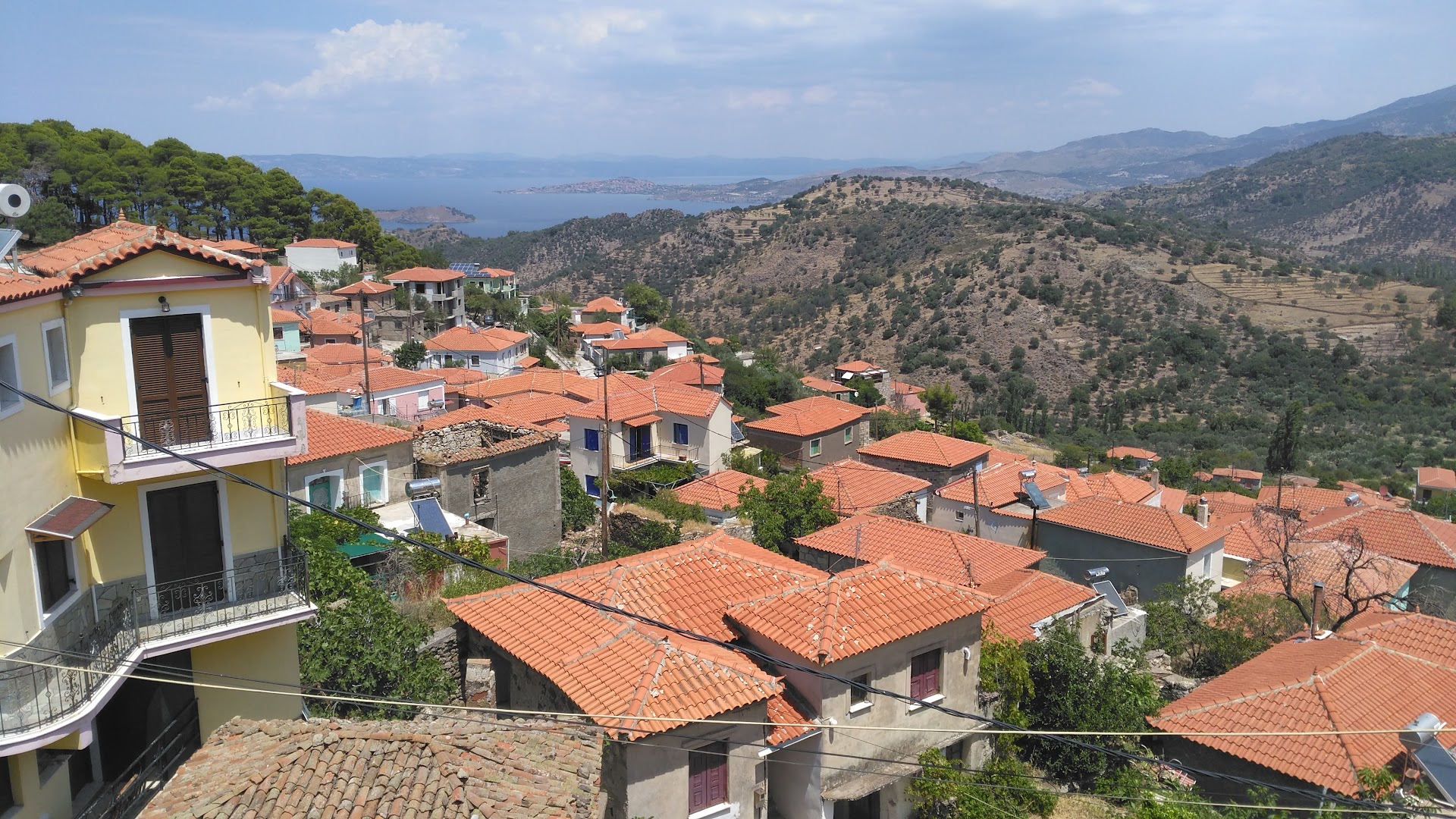
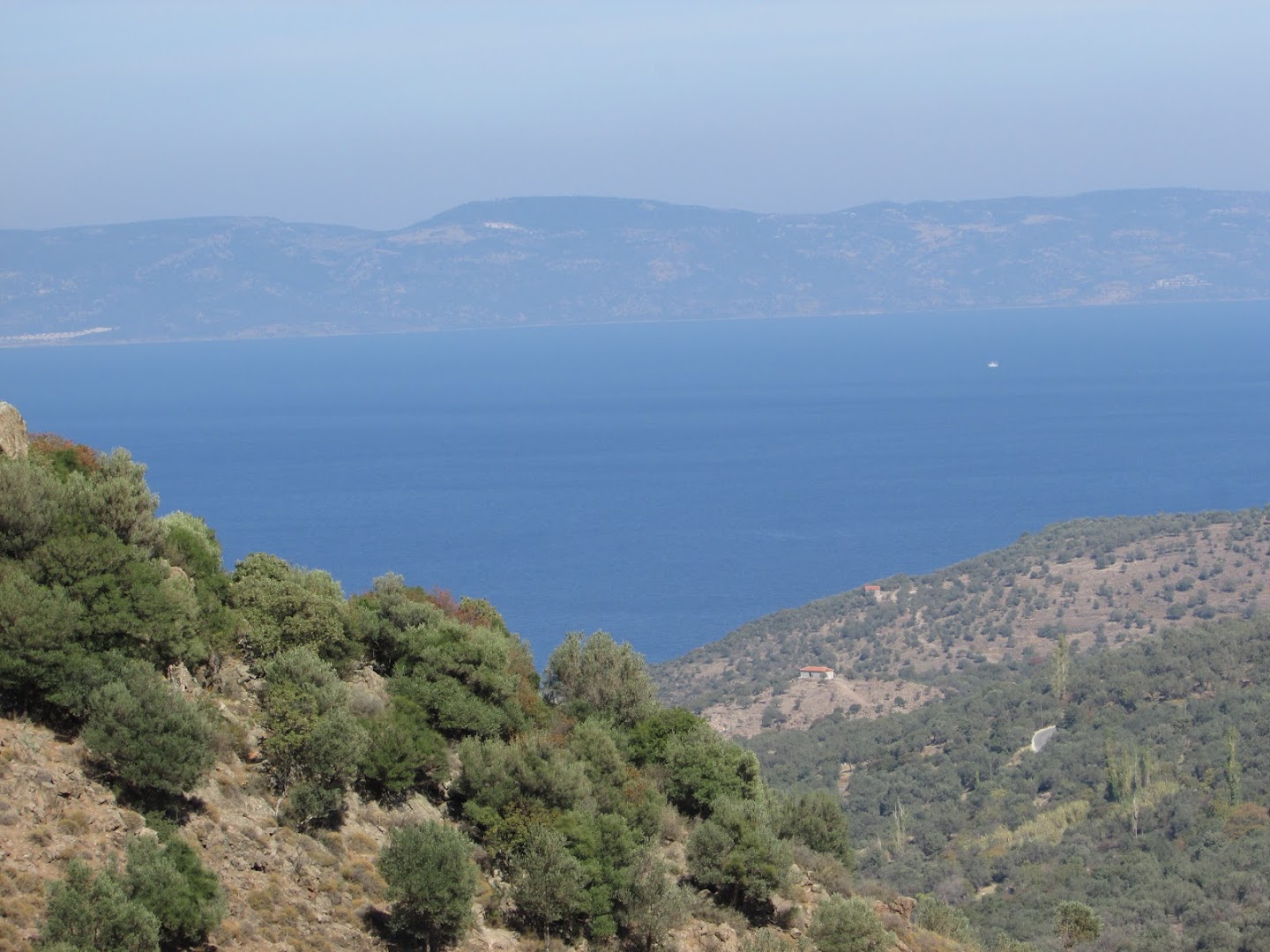
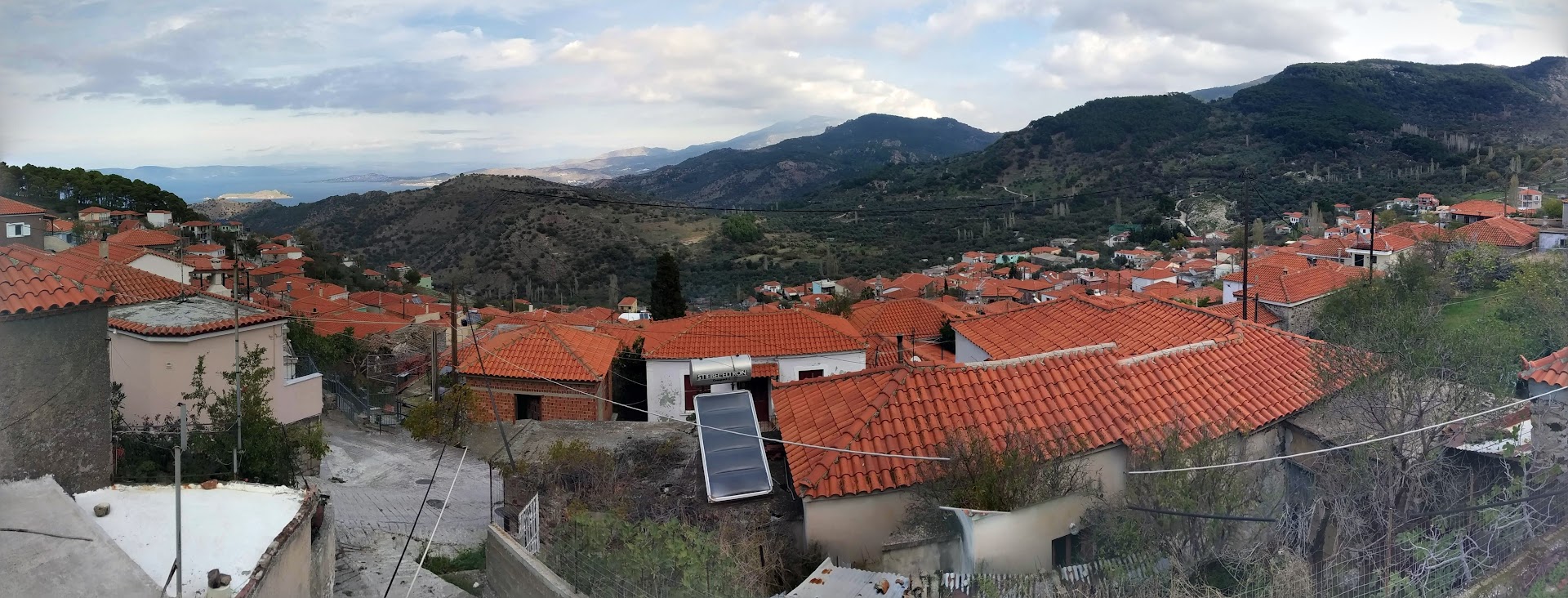
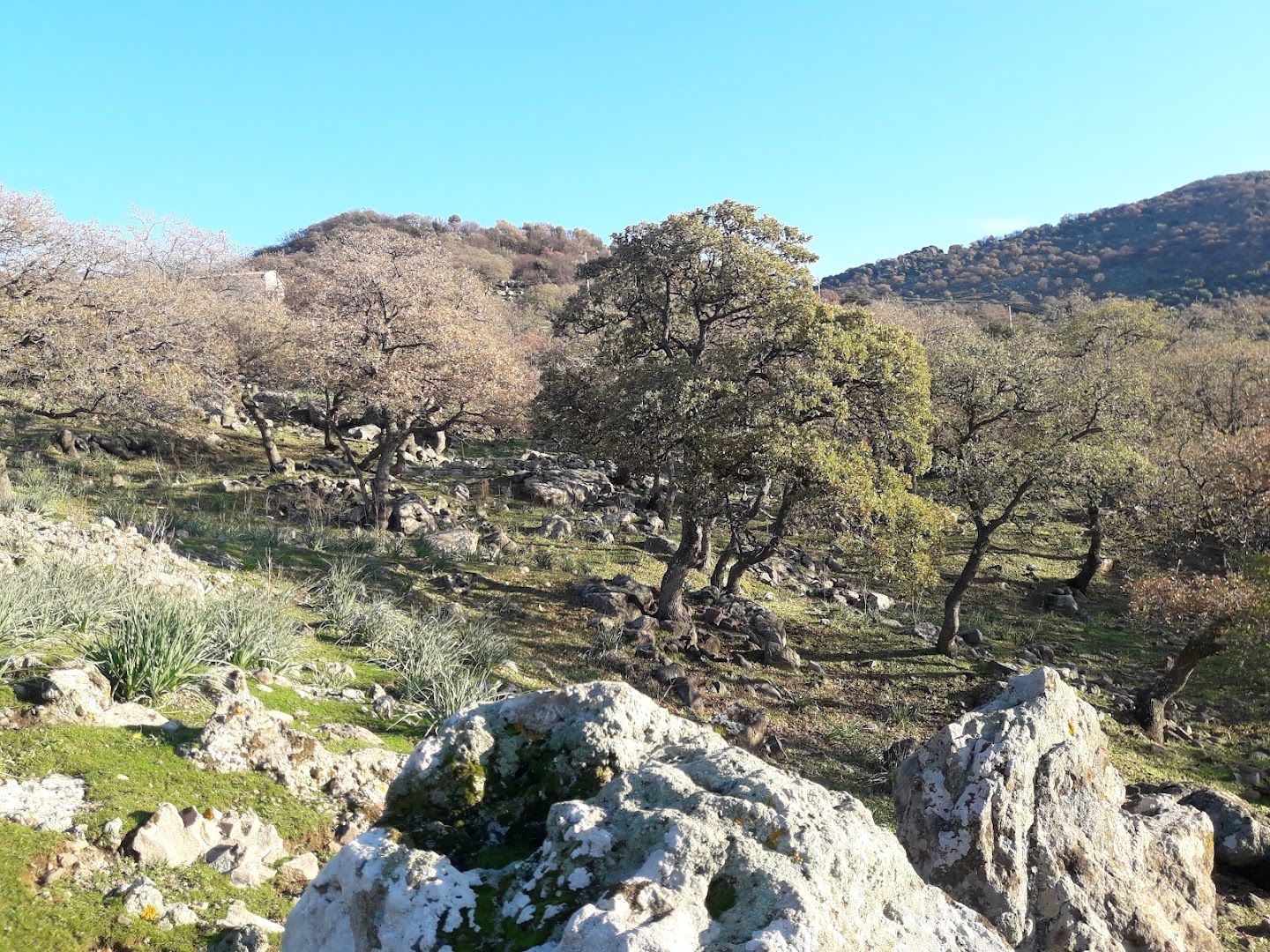
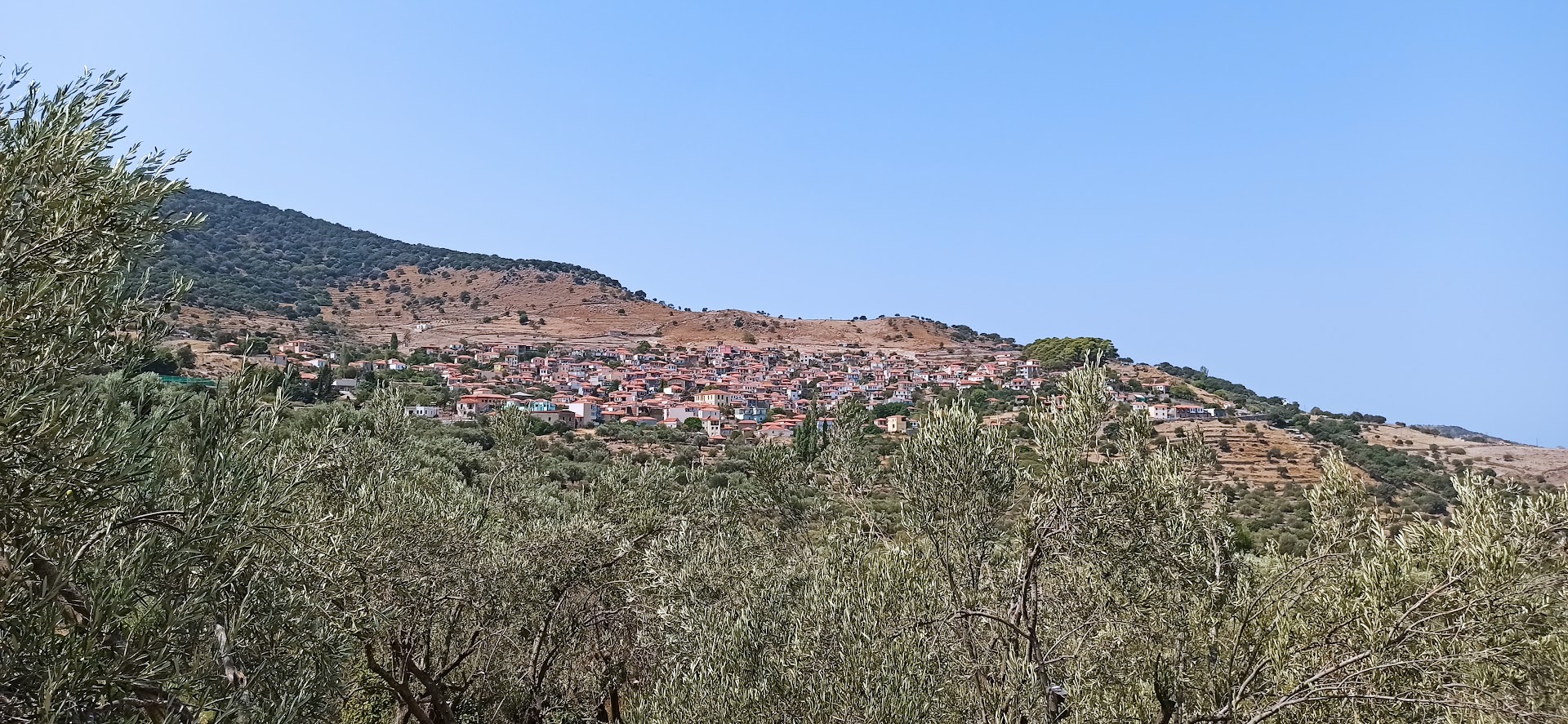
Skoutaros is a well-established village in the western reaches of Lesvos, sitting at a comfortable elevation of 180 metres above sea level. With a population of around 881 residents, it is one of the more substantial rural communities on the island, large enough to sustain its own identity and traditions while retaining the unhurried pace that defines life in the Lesbian countryside. The elevated position rewards visitors with sweeping views across the rolling hills and olive groves that carpet this part of the island, a landscape that has defined the local economy and way of life for centuries. Like so much of Lesvos, the village sits within a living tapestry of silver-leafed olive trees, and the harvest season remains a defining moment in the community calendar, drawing extended families together in a tradition that has continued across generations.
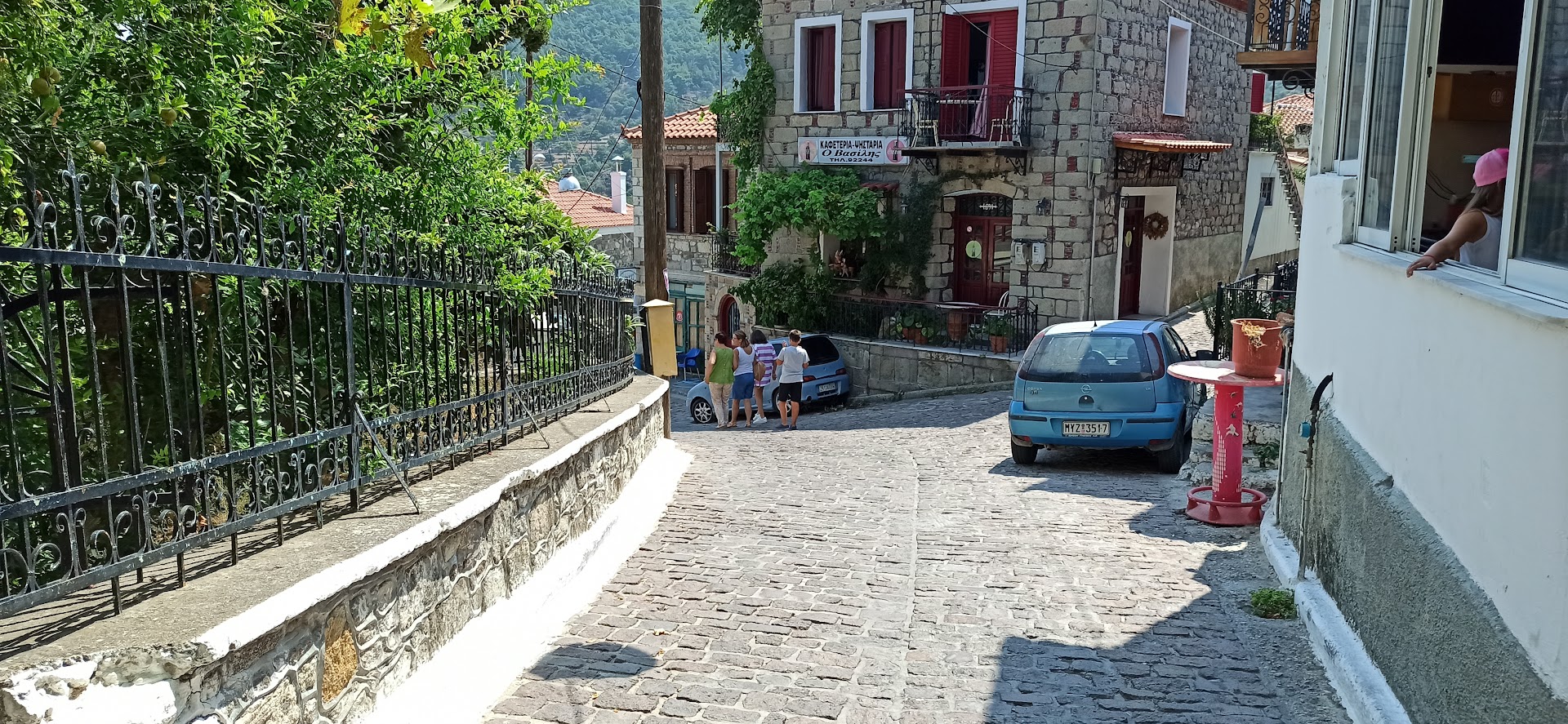
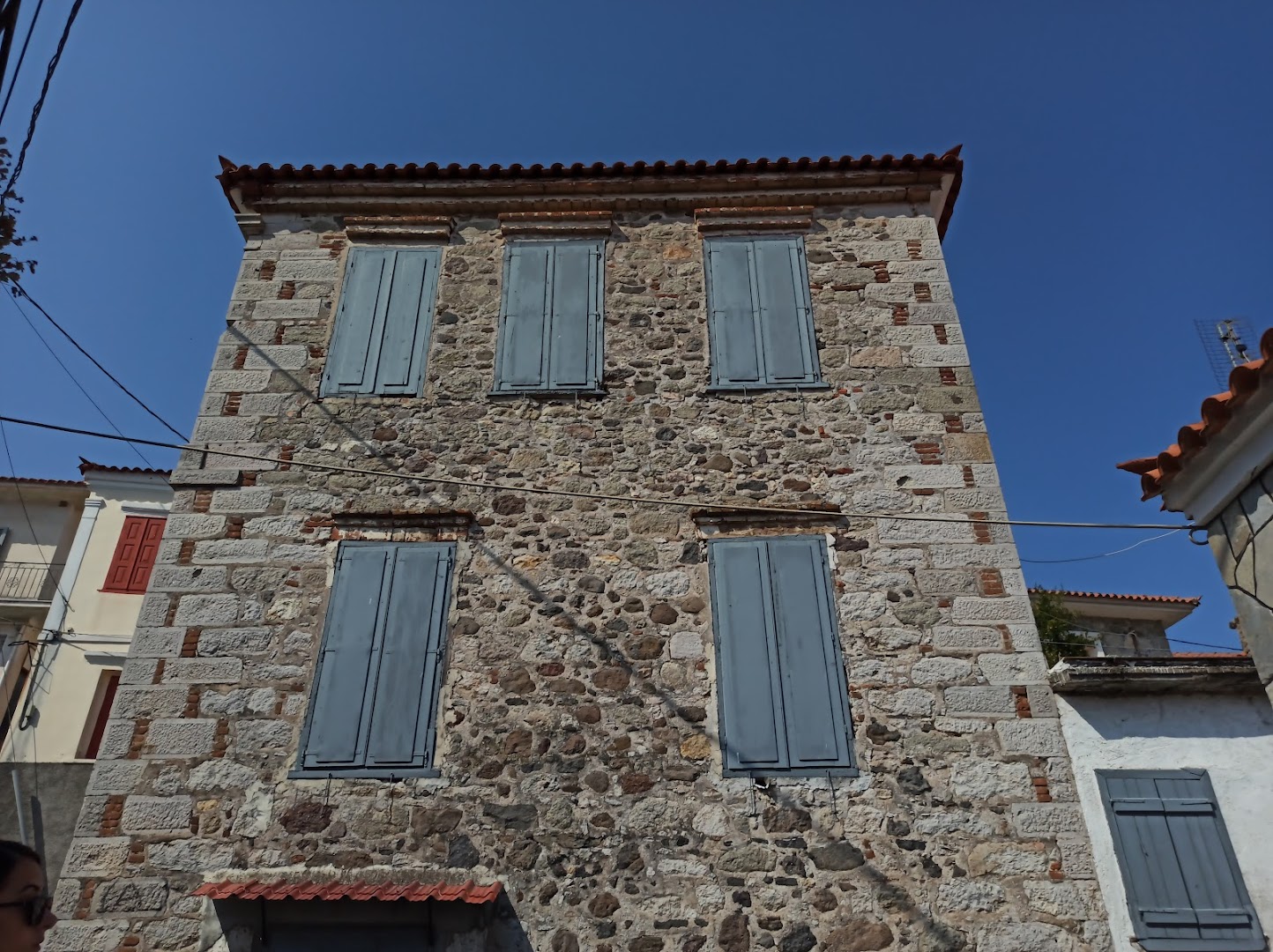
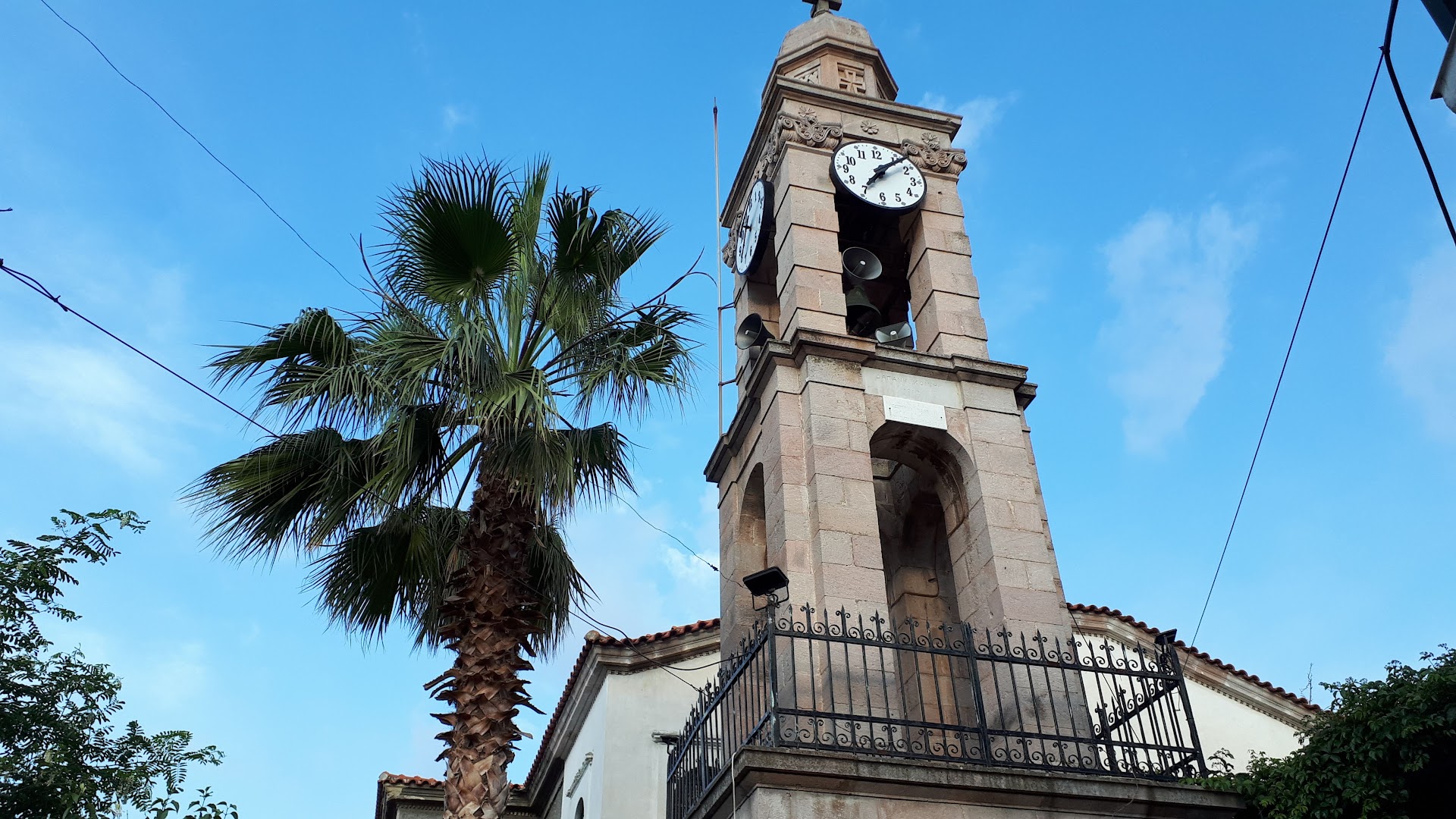
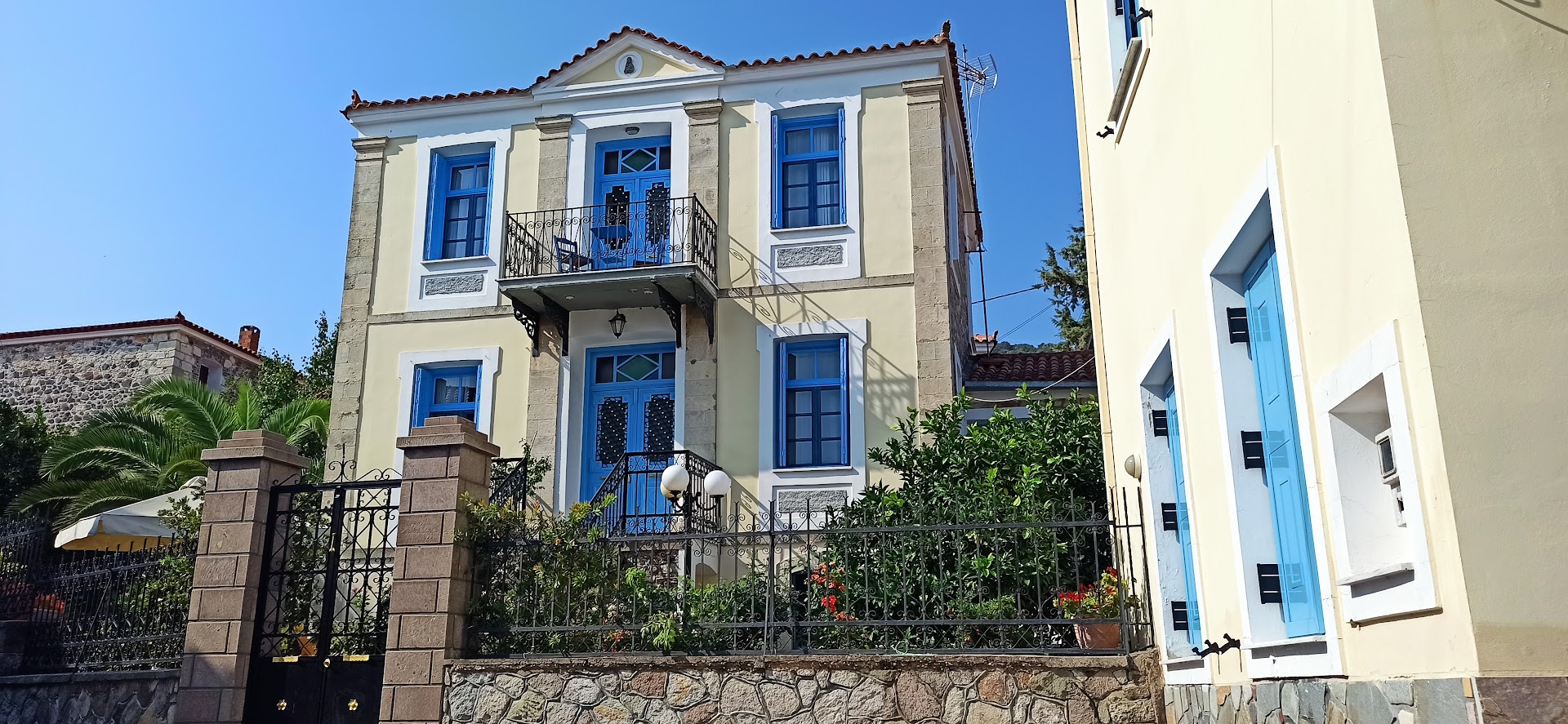
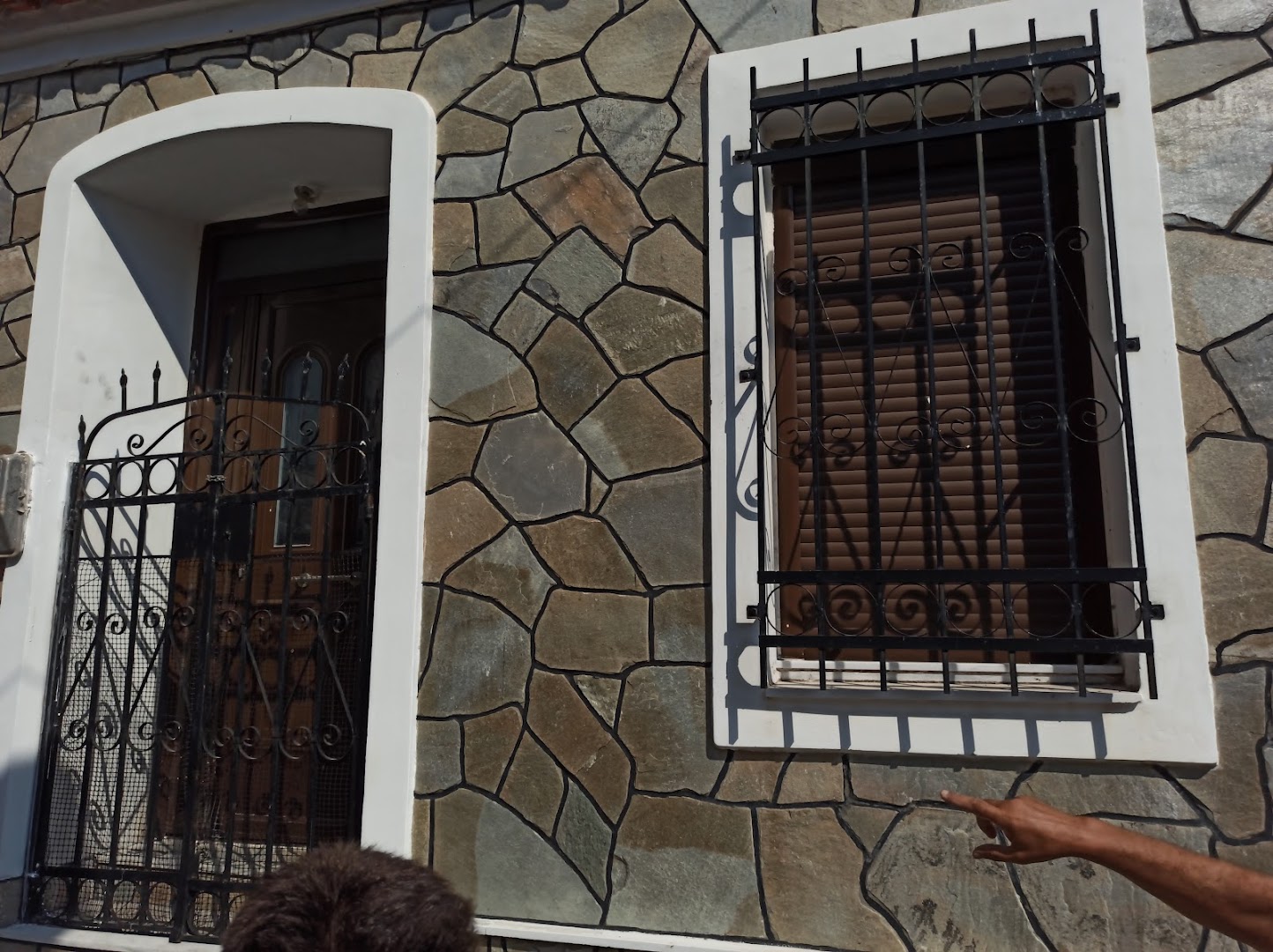
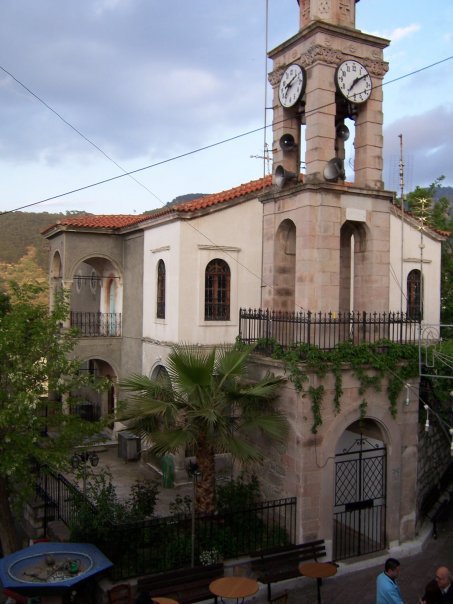
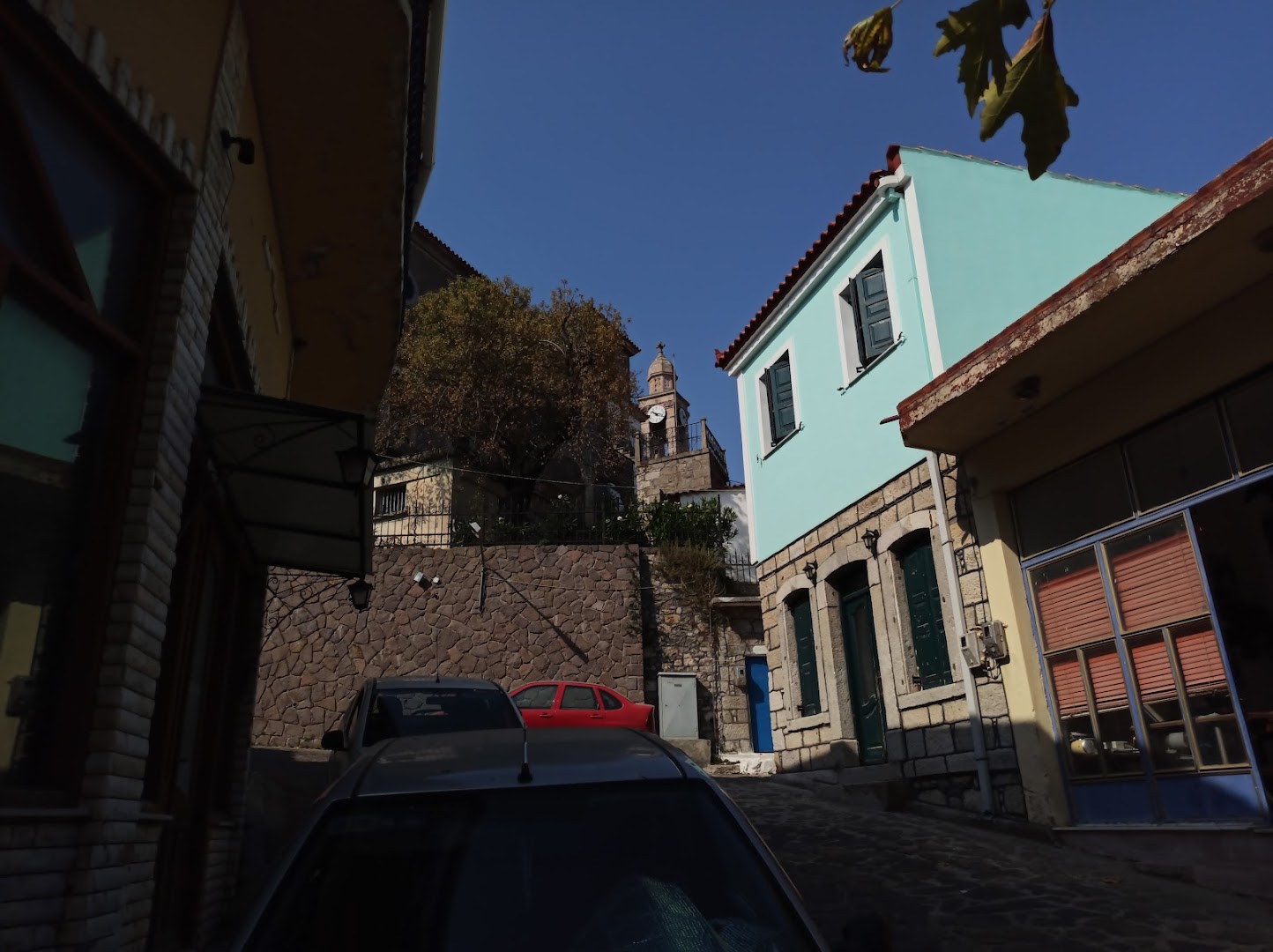
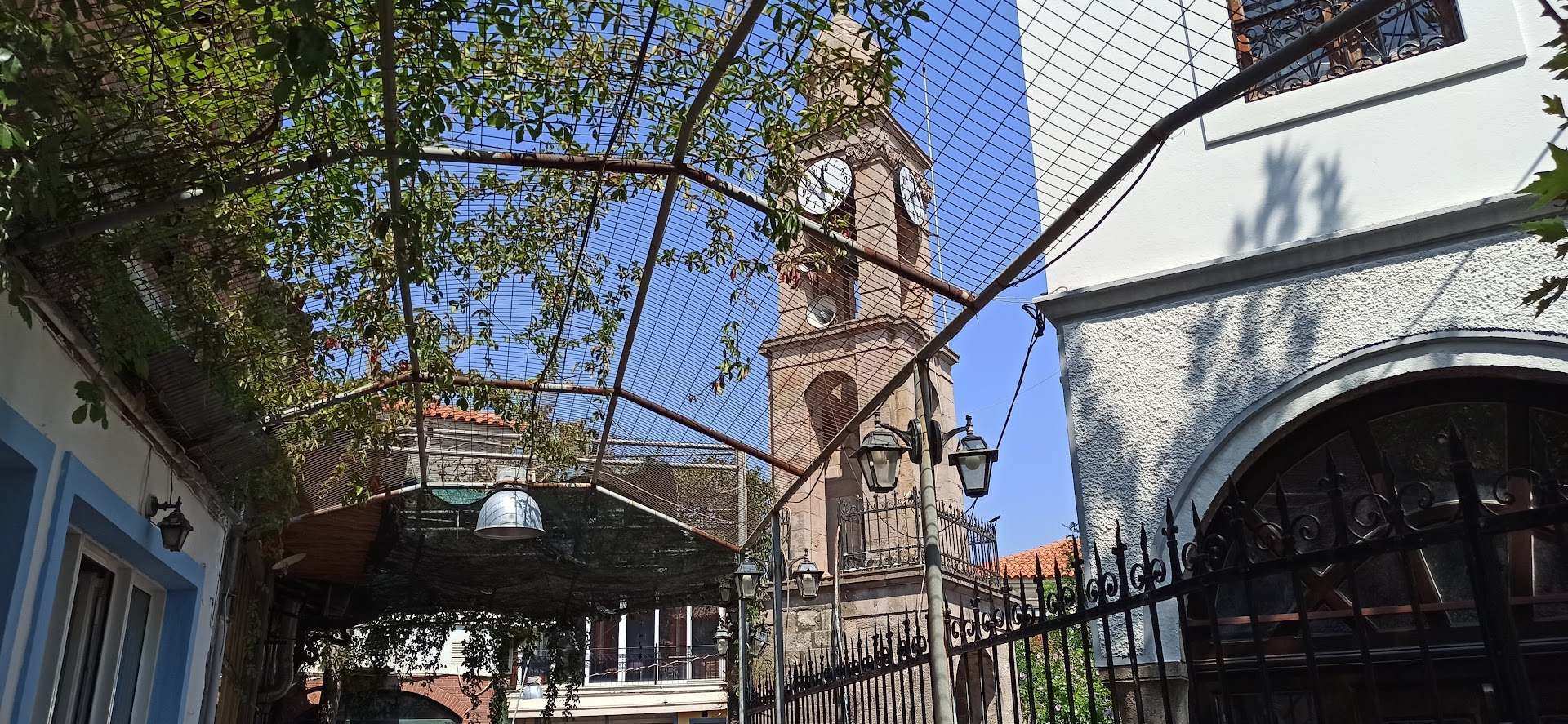
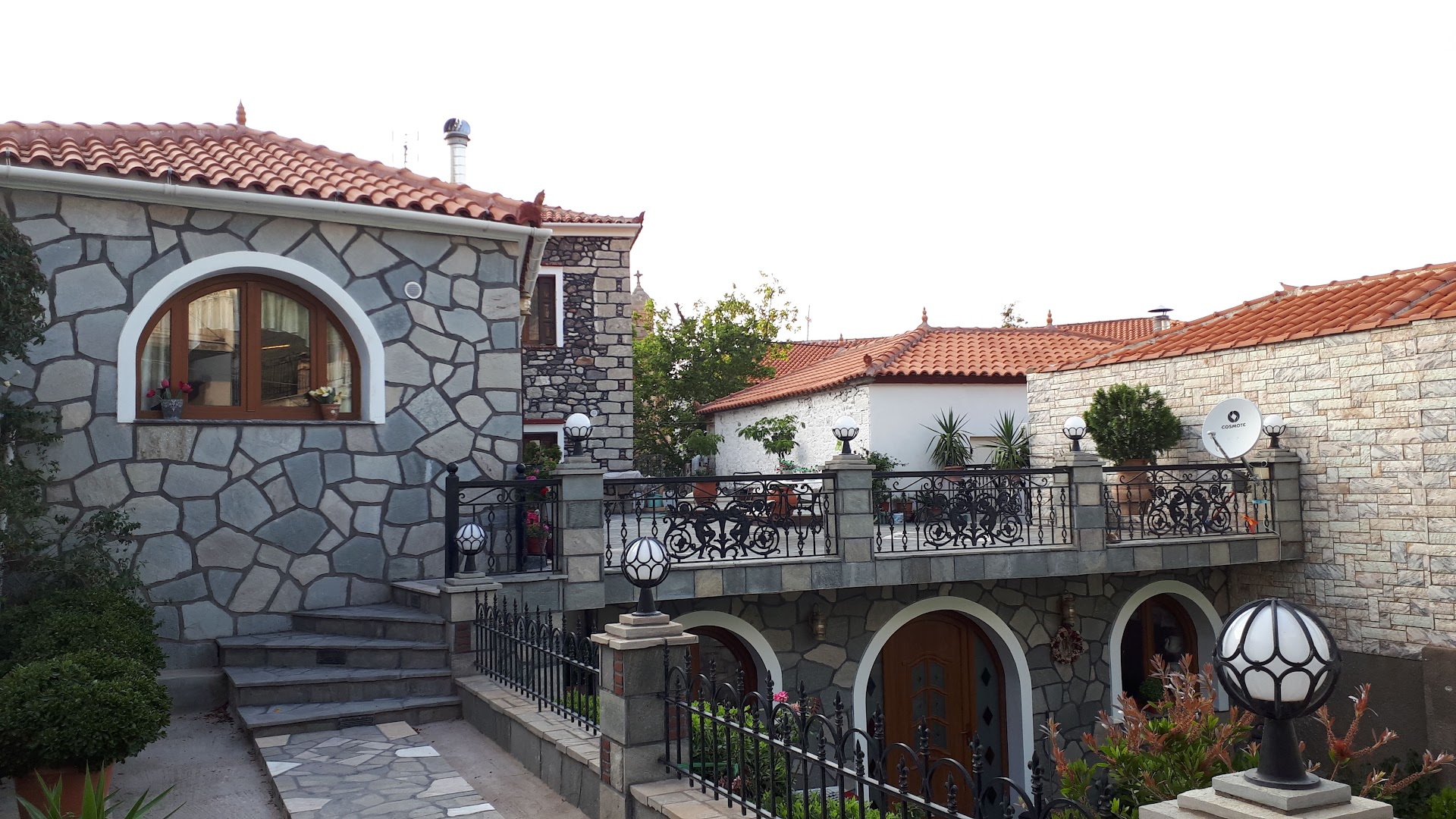
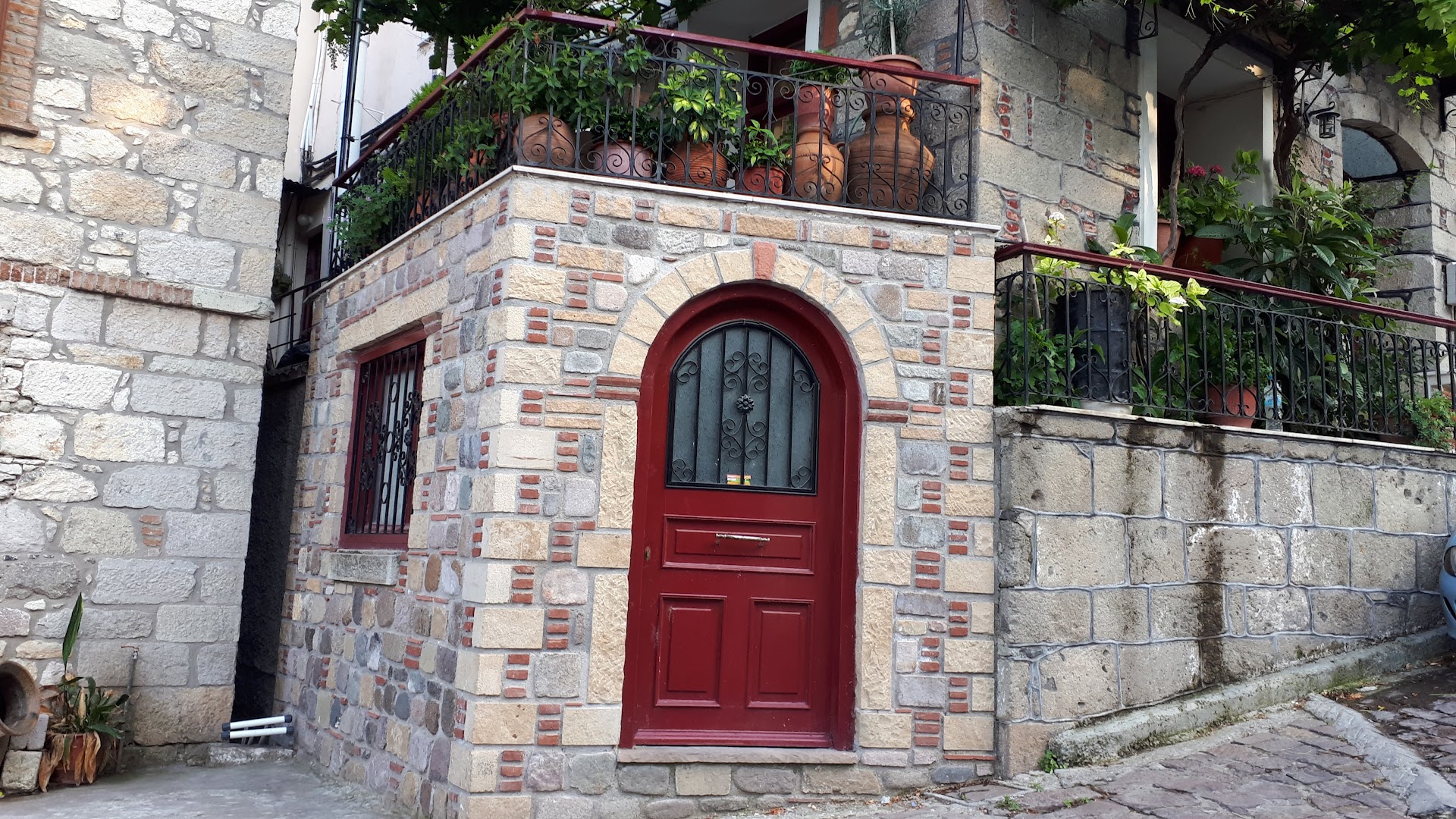
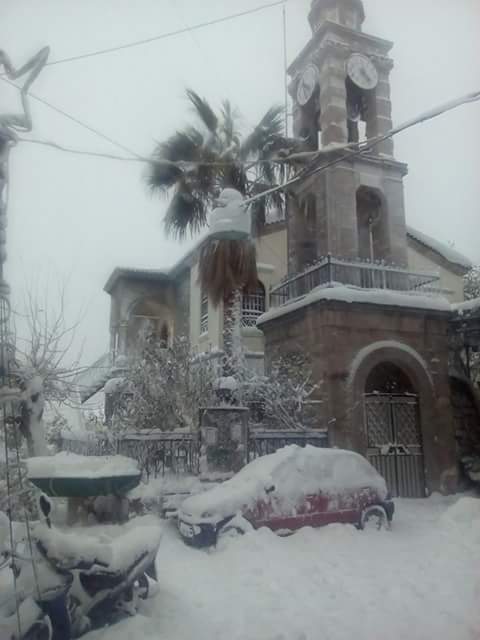
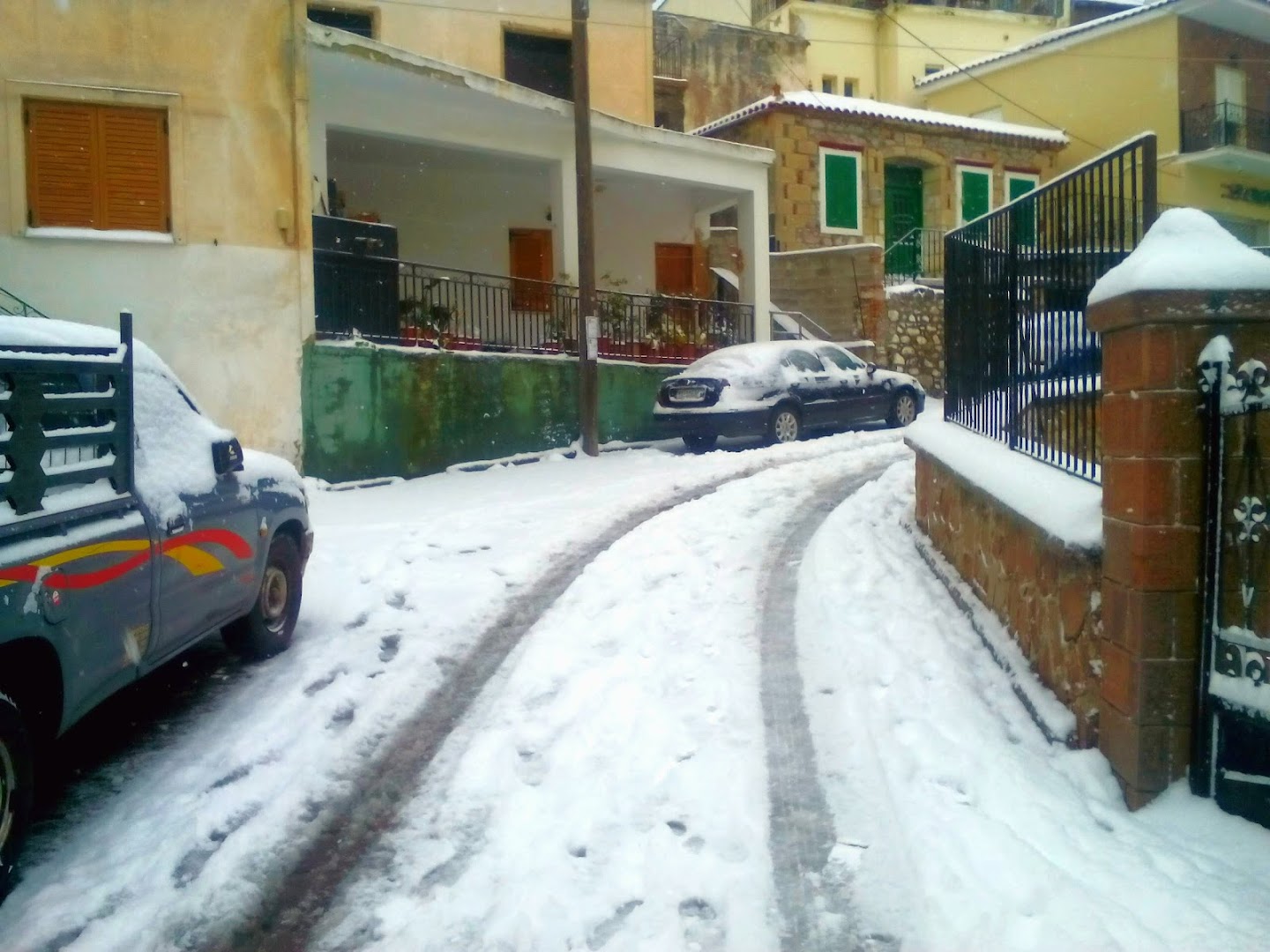
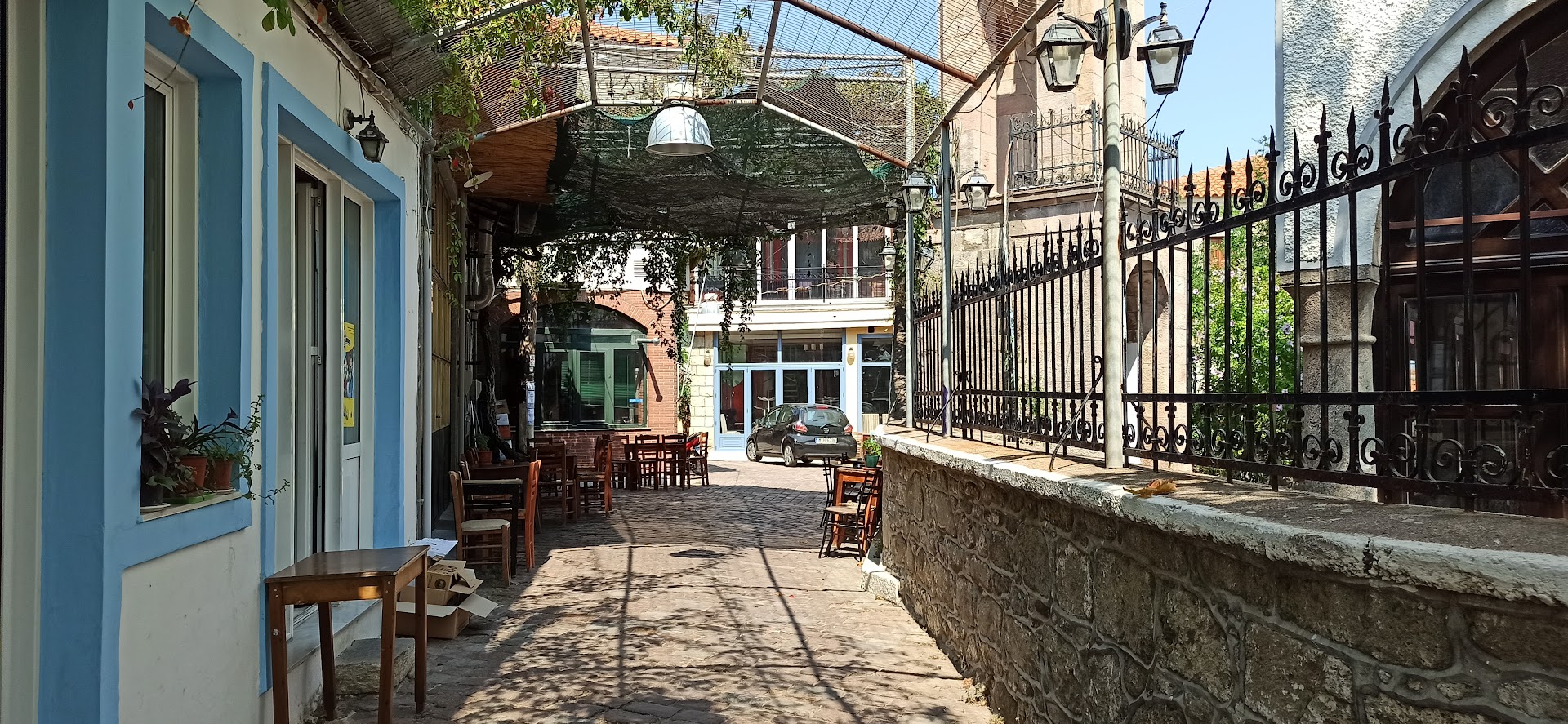
The village reflects the architectural character typical of inland Lesvos, with stone-built houses, a central church, and the kind of quiet village square where locals gather over coffee and conversation in the cooler hours of the day. The Orthodox church, as in virtually every settlement on the island, stands as both a spiritual and social anchor for the community. The surrounding agricultural land supports not only olives but also smaller-scale cultivation that sustains a degree of local self-sufficiency. Roads connecting Skoutaros to the wider island network make it accessible for those exploring beyond the coastal resorts, and its elevation keeps temperatures slightly cooler than the shoreline in the height of summer.
What makes Skoutaros worth seeking out is precisely what many visitors come to Lesvos to find: an authentic village community that has not been reshaped by mass tourism. Here, daily rhythms follow the seasons and the land rather than the demands of the holiday trade. Travellers with an interest in traditional Aegean village life, local cuisine, and the quieter beauties of the Lesbian interior will find in Skoutaros a genuine window into an island culture that runs far deeper than its beaches. The village serves as a reminder that Lesvos has long been inhabited, cultivated, and cherished by its own people, and that this human landscape is as much a part of the island's appeal as its coastline.
Before you go
What to expect
The shaded village square is where life at Skoutaros actually happens — locals gather here over coffee in the cooler parts of the day, with olive groves rolling away toward the horizon on every side. The stone houses and the Orthodox church give the place a sense of deep rootedness, and the 180-metre elevation means the air is noticeably fresher than down at the coast. Come ready to slow down; there are no organised sights here, just the texture of a working Aegean village.
Best time to visit
Late spring and early autumn are ideal — the elevation keeps temperatures a few degrees cooler than the coast even when July and August bake the shoreline.
How to get there
Skoutaros is in the western part of the island, roughly an hour's drive from Mytilene following the main road northwest. A car is the practical choice, as the village sits off the main tourist routes.
Top-Rated in Skoutaros
Highest-rated places chosen by visitors
restaurant
Love Cafe
Love Cafe is a welcoming restaurant and cafe situated near the village of Skoutaros in the northern part of Lesvos, set amid the island's quietly beautiful interior landscape. Like many neighborhood establishments on Lesvos, it serves as a gathering point for both locals and visitors passing through the area, offering a relaxed atmosphere where the pace of island life can be genuinely felt. Guests can expect the kind of honest, unhurried hospitality that defines cafe culture in rural Greece — whether stopping in for a morning coffee, a cold drink on a warm afternoon, or a meal prepared with locally sourced ingredients. The cafe setting makes it an ideal resting point for travelers exploring the villages and olive groves of the northern Lesvos interior, away from the more tourist-heavy coastal towns. For visitors making their way through the quieter, lesser-visited parts of the island, Love Cafe offers a chance to slow down and connect with the everyday rhythms of Lesbian village life. Its location near Skoutaros places it within reach of the island's rolling hills and traditional stone settlements, making it a natural stop on any leisurely drive through this undiscovered corner of Lesvos.
supermarket
Mini Market Irini
Mini Market Irini is a neighbourhood grocery store serving the village of Skoutaros and the surrounding countryside in central Lesvos. Stocked with the everyday essentials that travellers and locals alike depend on, it is the kind of welcoming stop where you can pick up fresh bread, local cheese, cold drinks, snacks, and pantry staples without having to make the drive to a larger town. Skoutaros sits in a quiet inland part of the island, away from the busier coastal resorts, and Mini Market Irini plays the role that small family-run shops have always played in Greek village life — a practical hub and a friendly face. Visitors exploring the olive groves and traditional settlements of the Lesvos interior will find it a convenient place to resupply before continuing on to nearby sites, or simply to grab a chilled bottle of water on a warm afternoon.
supermarket
Anaxos Market 2
Anaxos Market 2 is a local supermarket serving the coastal area near the village of Skoutaros, on the western side of Lesvos. Conveniently located to serve both residents and holidaymakers exploring this quieter stretch of the island, it stocks the everyday essentials travelers need — fresh produce, local dairy, Greek pantry staples, cold drinks, and household supplies. Its proximity to the Anaxos shoreline makes it a practical first stop before a beach day or a self-catered evening meal. For visitors staying in the area, a stop at Anaxos Market 2 is also a small window into daily island life. Shelves typically feature locally sourced olive oil, Lesvos cheeses such as ladotyri, and regional wines alongside the broader range of goods you would expect from a well-stocked neighborhood supermarket. The friendly, unpretentious character common to small Greek market shops makes it a welcoming place to pick up provisions and exchange a few words with locals.
bakery
Phoúrnos Bakery
Phoúrnos Bakery takes its name from the Greek word for oven — φούρνος — a fitting tribute to the wood-fired or stone hearths that have long been central to village life across Lesvos. Tucked near the quiet settlement of Skoutaros in the island's interior, this bakery serves the kind of honest, daily bread that Greek communities have relied on for generations. Expect freshly baked loaves, koulouri sesame rings, and the rustic tyropita or spanakopita that make a mid-morning stop impossible to skip. Village bakeries like this one are more than a place to buy bread — they are a social anchor, often open from the early hours and serving locals who have been coming since childhood. For visitors exploring the less-traveled parts of Lesvos beyond the coastal resorts, stopping at a neighborhood phoúrnos offers a genuine glimpse into everyday island life. The smell of warm bread alone is worth the detour, and the chance to pick up provisions for a picnic among the olive groves or along a quiet country road makes this a practical and pleasurable stop on any drive through the island's heartland.
Practical Info
Supermarket
3 stores
Medical / Pharmacy
Skoutaros Pharmacy
Petrol Station
Not found
ATM / Bank
Euronet ATM
Transport
KTEL Bus Stop
Churches & Religious Sites
Άγιος Δημήτριος
Agios Dimitrios
Dedicated to Saint Demetrios of Thessaloniki, one of the most venerated military martyrs of the Eastern Orthodox Church, this village church near Skoutaros stands as a quiet focal point for the spiritual life of the surrounding community. Saint Demetrios is celebrated throughout Greece and the wider Orthodox world, and churches bearing his name are among the most common on the Aegean islands, reflecting the deep devotion that has persisted here for centuries. The church almost certainly follows the whitewashed stone construction typical of rural Lesvos churches, with a modest bell tower and a shaded forecourt where the community gathers after liturgy. Inside, visitors can expect the warm, incense-scented interior characteristic of small parish churches in this region, with an iconostasis bearing locally painted icons of the saint and the Virgin Mary. Saint Demetrios is traditionally depicted as a young soldier in Byzantine military dress, often shown on horseback or holding a spear, and his icon here would carry that same dignified imagery. While grand frescoes are more common in larger monastery churches, smaller rural churches like this one often preserve older devotional paintings and silver-framed votive offerings left by the faithful over generations. The feast day of Saint Demetrios falls on 26 October, and this date carries particular resonance in Greece as it coincides with Ohi Day, the national commemoration of Greece's refusal to capitulate in 1940. In villages like Skoutaros, the nameday celebration and the patriotic holiday blend together into a single day of liturgy, music, and communal gathering, giving the church an importance that extends well beyond its modest scale. For travellers exploring the hills of western Lesvos, stopping here offers a genuine glimpse into the living religious culture that still shapes the rhythms of island life.
ΑΓΙΟΣ ΑΛΕΞΑΝΔΡΟΣ
Church (39.2800, 26.1447)
Nestled in the quiet landscape near the village of Skoutaros in northern Lesvos, this Orthodox church stands as a testament to the island's deep-rooted Byzantine and post-Byzantine religious heritage. Like so many of the island's rural churches, it likely serves as both a place of active worship for the local community and a keeper of devotional art accumulated across generations. The characteristic whitewashed walls and terracotta roof tiles typical of Aegean ecclesiastical architecture blend naturally into the surrounding hillside, making it one of those intimate sacred spaces that travelers stumble upon and find unexpectedly moving. Inside, visitors may encounter the kind of richly layered interior common to Lesvos's village churches: an iconostasis screen separating the nave from the sanctuary, oil lamps casting a warm glow over painted panels, and perhaps older frescoes or portable icons that reflect the island's long tradition of religious artistry. The region of Lesvos was an important center of Orthodox culture, and even modest rural churches often house icons of genuine antiquity and spiritual power, venerated by local families across many lifetimes. For the surrounding community of Skoutaros, this church anchors the religious calendar in the way that such chapels do across rural Greece, with its feast day drawing villagers together for liturgy, candlelit processions, and the shared meals that follow. Visitors to this corner of Lesvos will find that pausing here offers something rare: a moment of genuine stillness and a sense of how faith, community, and landscape have intertwined on this island for centuries.
Άγιος Σώζων
Church (39.2801, 26.1367)
Nestled in the quiet countryside near the village of Skoutaros in northern Lesvos, this small Orthodox church stands as a testament to the deep religious devotion that has shaped rural life on the island for centuries. Churches of this kind — modest in scale but richly significant to their communities — dot the Lesbian landscape, often marking sacred ground that has been venerated since Byzantine times. Built in the vernacular style typical of the northern Aegean, the structure likely features thick whitewashed walls, a shallow-pitched or domed roof, and a compact interior that draws the eye immediately to the iconostasis, the carved wooden screen separating the nave from the sanctuary. Though records specific to this chapel may be held only in the memory of local families, the craftsmanship of such rural churches frequently reflects generations of pious patronage. Inside, visitors may find locally painted icons in the post-Byzantine tradition, their warm golden hues and solemn figures characteristic of the Aegean school of religious art. Oil lamps flicker before the images of saints, kept burning by the faithful of Skoutaros and surrounding hamlets. The feast day of the church's patron saint — whoever that may be — would traditionally draw villagers from across the area for a panegyri, the festive religious celebration combining liturgy, music, and communal feasting that remains one of the most cherished expressions of Greek rural culture. These gatherings are not merely religious observances but vital acts of community, binding people to their land and to one another across the generations. For the visitor, this church offers something that grander monuments cannot always provide: an unmediated encounter with living faith in a working landscape. The silence here, broken only by the wind through olive groves and the distant bells of grazing goats, is itself a kind of offering. Whether you are drawn by spiritual curiosity, architectural interest, or simply the desire to understand how Aegean island communities have sustained themselves through centuries of change, a quiet visit to this chapel near Skoutaros rewards reflection and a genuine sense of the sacred ordinary that defines so much of Lesvos at its heart.
ΑΓ.ΓΕΩΡΓΙΟΣ
ST.GEORGE
Nestled in the verdant hills near the village of Skoutaros in northern Lesvos, this small Greek Orthodox church dedicated to Saint George stands as a quiet testament to the deep religious fabric woven through rural island life. Saint George, one of the most beloved and widely venerated saints in the Orthodox tradition, is celebrated as a martyr, protector of the vulnerable, and patron of farmers and travelers alike. Churches bearing his name are found in virtually every corner of Greece, yet each carries the particular devotion of its own community, shaped by generations of local worship and memory. The church at these coordinates, like so many of its kind in the Lesvos countryside, likely dates in its present form to the Ottoman or early post-Ottoman period, though the site itself may hold a much longer history of sacred use. Visitors who make the journey to this tucked-away chapel will find the intimate atmosphere typical of rural Aegean religious architecture — whitewashed walls, a modest bell tower, and an interior that rewards quiet contemplation. Greek Orthodox churches of this scale often house a richly decorated iconostasis, the carved wooden screen separating the nave from the sanctuary, adorned with icons of Christ, the Virgin, and the patron saint. Icons of Saint George typically depict him as a young warrior on horseback, lance in hand, a visual language of courage and faith that has resonated with farming and fishing communities for centuries. The feast day of Saint George falls on April 23rd in the Orthodox calendar, a date that brings villagers together for liturgy, communal meals, and the warm celebration of a beloved protector. For travelers exploring the quieter interior of Lesvos beyond the coastal resorts, a visit here offers something genuinely rare: a glimpse into the living spiritual geography of the island. The surrounding landscape of olive groves, stone walls, and rolling hills gives the site a meditative quality, and the church's presence in the community of Skoutaros reflects the enduring role of Orthodox faith in anchoring rural identity on Lesvos. Whether you arrive on the feast day to witness the liturgical celebrations or simply stop during a countryside drive, the church of Saint George near Skoutaros rewards the curious traveler with a sense of continuity and belonging that no museum can replicate.
Άγιος Γεώργιος
St.George
Nestled in the tranquil countryside near Skoutaros, a traditional village in the western reaches of Lesvos, this Orthodox church dedicated to Saint George stands as a quiet testament to the enduring faith of the island's rural communities. Saint George — Agios Georgios in Greek — is among the most venerated saints in the Orthodox world, celebrated as a Great Martyr and revered across Greece as a protector of soldiers, farmers, and travellers alike. Churches bearing his name are woven into virtually every corner of the Greek landscape, and this one near Skoutaros carries the same devotional weight that has anchored village life on Lesvos for centuries. Its setting amid the island's rolling hills and olive groves gives it an atmosphere of peaceful solitude that feels inseparable from the landscape itself. The church reflects the modest, whitewashed vernacular architecture typical of rural Aegean religious buildings — clean lines, a compact nave, and a simple bell tower whose peal once marked the rhythms of agricultural life in the surrounding fields. Inside, visitors will find the characteristic features of a Greek Orthodox interior: an iconostasis screening the sanctuary, oil lamps casting a warm amber glow, and devotional icons of the saint depicted in his iconic role as the dragon-slayer, a symbol of the triumph of faith over evil that has resonated deeply with rural communities who faced their own hardships through the generations. The smoky patina of incense and the flicker of votive candles speak to ongoing veneration rather than mere historical curiosity. The feast of Saint George falls on April 23rd and is one of the great celebrations of the Orthodox calendar, bringing together locals for the liturgy, communal gatherings, and the kind of joyful, unhurried conviviality that defines Greek village festivity. For visitors, stopping at a small church like this one offers something no larger monument can quite replicate: an intimate glimpse into the living spiritual culture of Lesvos, where faith, community, and landscape have been interwoven for countless generations.
Ιερός Ναός Ταξιάρχης
Ιερός Ναός Ταξιάρχης
Nestled in the quiet landscape near the village of Skoutaros in the northwestern reaches of Lesvos, this small Orthodox church stands as a testament to the deep religious devotion that has shaped life on the island for centuries. Like the countless rural chapels scattered across Lesvos, it likely dates to the post-Byzantine period, when local communities pooled their modest resources to erect places of worship that would anchor village life spiritually and socially. Built in the vernacular stone construction typical of the Aegean, the church blends naturally into its surroundings, its whitewashed walls and terracotta-tiled roof forming the kind of timeless silhouette that defines the Greek countryside. Inside, visitors may find the intimate atmosphere characteristic of island churches of this scale: a simple nave adorned with an iconostasis separating the sanctuary, oil lamps casting a warm glow over locally venerated icons, and perhaps fragments of fresco work reflecting the Byzantine artistic tradition that endured long after the fall of Constantinople. Churches in this part of Lesvos served not only as houses of prayer but as the social and cultural hearts of their communities, hosting baptisms, weddings, and the name-day feasts that remain central to Greek Orthodox village life. The feast day of the church's patron saint would have drawn villagers from the surrounding area for liturgy, communal meals, and celebration. For the traveler, stepping inside offers a moment of genuine stillness and a connection to the unbroken thread of faith and tradition that runs through every corner of Lesvos. The village of Skoutaros itself is off the well-worn tourist path, making a visit here feel like an authentic encounter with the island's living heritage rather than a curated experience. Whether you arrive during a feast day to witness the community gathered in celebration, or simply pause during a drive through the olive-covered hills, this modest church rewards the curious with the quiet dignity that defines sacred spaces across the Greek world.
Gallery & Videos
Captured a memorable moment in Skoutaros?
Nearby
Beaches
Ampelia
1.9 km away
Tsichranta
2.1 km away
Abelia Beach
2.4 km away
Paralia Anaxou
3.3 km away