Food & Gastronomy of Lesvos
The island the Greeks call the “Land of Gastronomy” — where abundant seas, eleven million olive trees, and centuries of cross-cultural exchange created a cuisine unlike anywhere else in the Aegean.
Lesvos sits closer to the Turkish coast than to mainland Greece, and its kitchen tells the story. The flavours here carry Ottoman spice alongside island simplicity. Fish arrives at the table hours after it left the net. Olive oil is not a condiment but the very medium everything is cooked in. Wild herbs blanket the hillsides. And the people who serve you are almost certainly the same people who caught, grew, or pickled what you are about to eat.
This is not restaurant food dressed up for tourists. It is home cooking made public, refined over generations, and served without pretence. If you arrive on Lesvos hungry, you will leave converted.
Seafood Treasures
The Gulf of Kalloni is one of the richest fishing grounds in the eastern Mediterranean. Its shallow, nutrient-dense waters produce sardines so prized they carry a protected designation. But the bounty extends far beyond a single fish.
Sardeles Pastes
The island’s signature dish. Fresh sardines are layered with coarse sea salt and left to cure for months until they develop a rich, buttery intensity that locals eat year-round. Served filleted with a squeeze of lemon, they are the undisputed king of the Lesvos mezedes table.
Lakerda
Thick slices of bonito cured in salt brine until they turn silky and firm. Islanders describe it as “like sushi but better” — clean, briny, and deeply savoury. Drizzled with olive oil and paired with raw onion, it is a taste you will not forget.
Grilled Sardines & Anchovies
Fresh sardines charred over coals and finished with lemon, olive oil, and flat-leaf parsley. Equally revered are gavros marinatos — marinated anchovies dressed in vinegar and garlic, served cold as a sharp, bright opener.
Squid, Octopus & Shellfish
Crisp fried kalamarakia, grilled octopus hung to dry in the harbour sun, plump mussels steamed with ouzo, clams in garlic butter, and the celebrated agriogarides — wild shrimp pulled from rocky coves and barely cooked so the sea still sings in every bite.
Garden & Land
Lesvos is not only about the sea. The interior valleys are lush and volcanic, producing vegetables, cheeses, and honey with a character all their own.
Stuffed Zucchini Flowers
Called louloudakia, these delicate blossoms are filled with a mixture of local soft cheese and fresh herbs, then dipped in a light batter and fried until golden. Seasonal, fleeting, and worth planning your trip around.
Beets with Skordalia
Earthy boiled beets served alongside a thick, punchy garlic sauce made with bread, walnuts, and generous olive oil. The combination is humble and perfect — a staple of every taverna.
Fava & Legumes
Smooth yellow split-pea puree finished with raw onion, oregano, and a lake of local oil. Alongside sit giant beans baked in tomato, lentil soups, and chickpea stews that anchor the winter table.
Ladotiri Cheese
A hard, sharp cheese aged in olive oil — a preservation technique unique to the island. The oil penetrates the rind and softens it, creating a flavour that is at once tangy, fruity, and deeply satisfying. Shaved over salads or eaten alone with bread.
Local Honey
Bees forage on wild thyme, oregano, pine, and chestnut across the island’s hills. The honey is dense, aromatic, and frequently drizzled over yogurt, cheese, or loukoumades for a finish that ties the whole meal together.
Olive Oil Heritage
Eleven million olive trees blanket Lesvos from coast to ridge. The groves are ancient — some trees are over five hundred years old — and the island produces more olive oil per capita than almost anywhere on earth. This is not a garnish. It is the foundation of every dish.
Cooks here use oil the way other kitchens use butter: for frying, for braising, for finishing, for preserving. Vegetables are simmered in it until they collapse. Bread is dipped in it before it touches anything else. Fish is basted in it on the grill. And at the end of the meal, the plate is wiped clean because the oil itself is too good to leave behind.
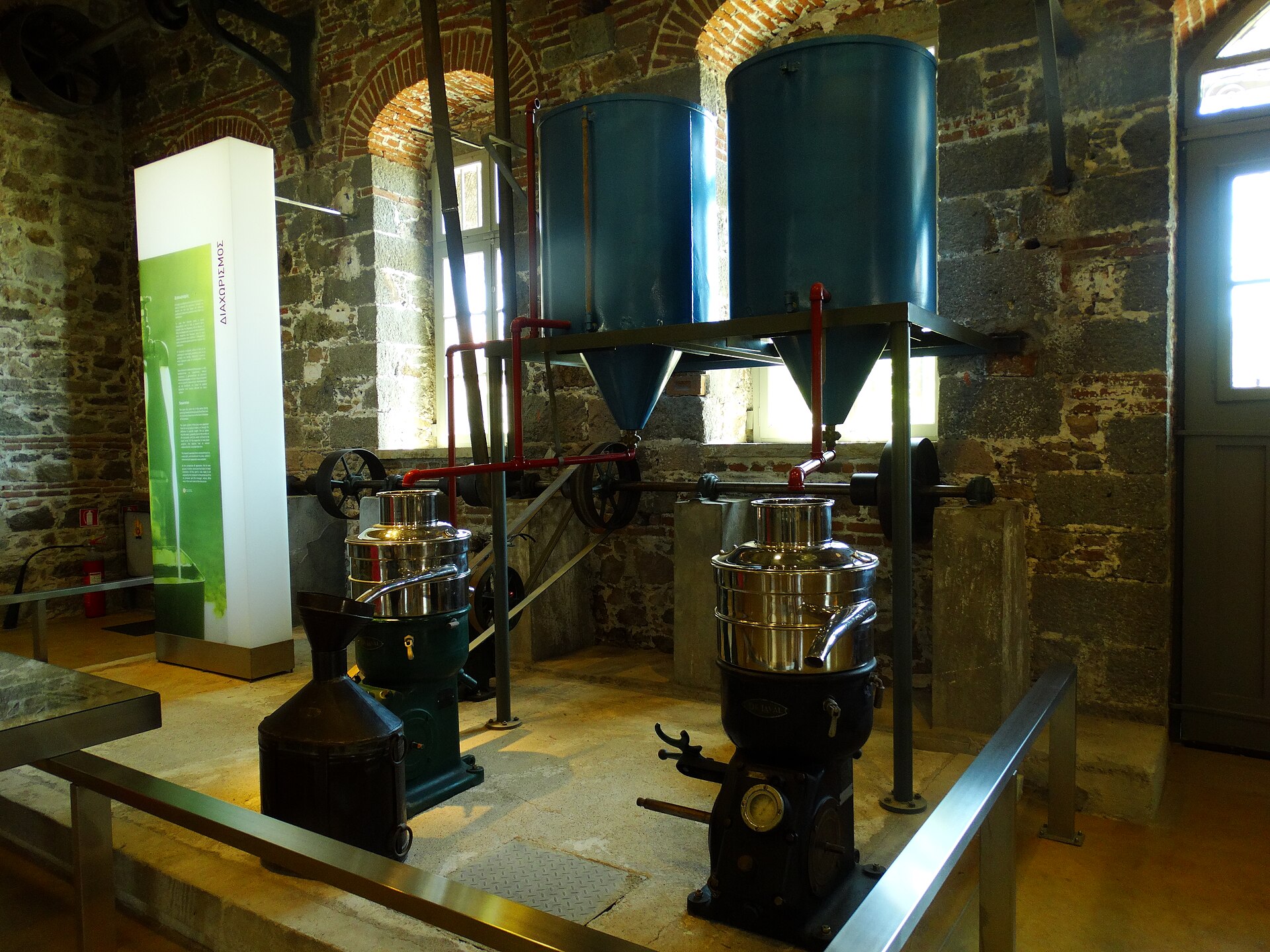
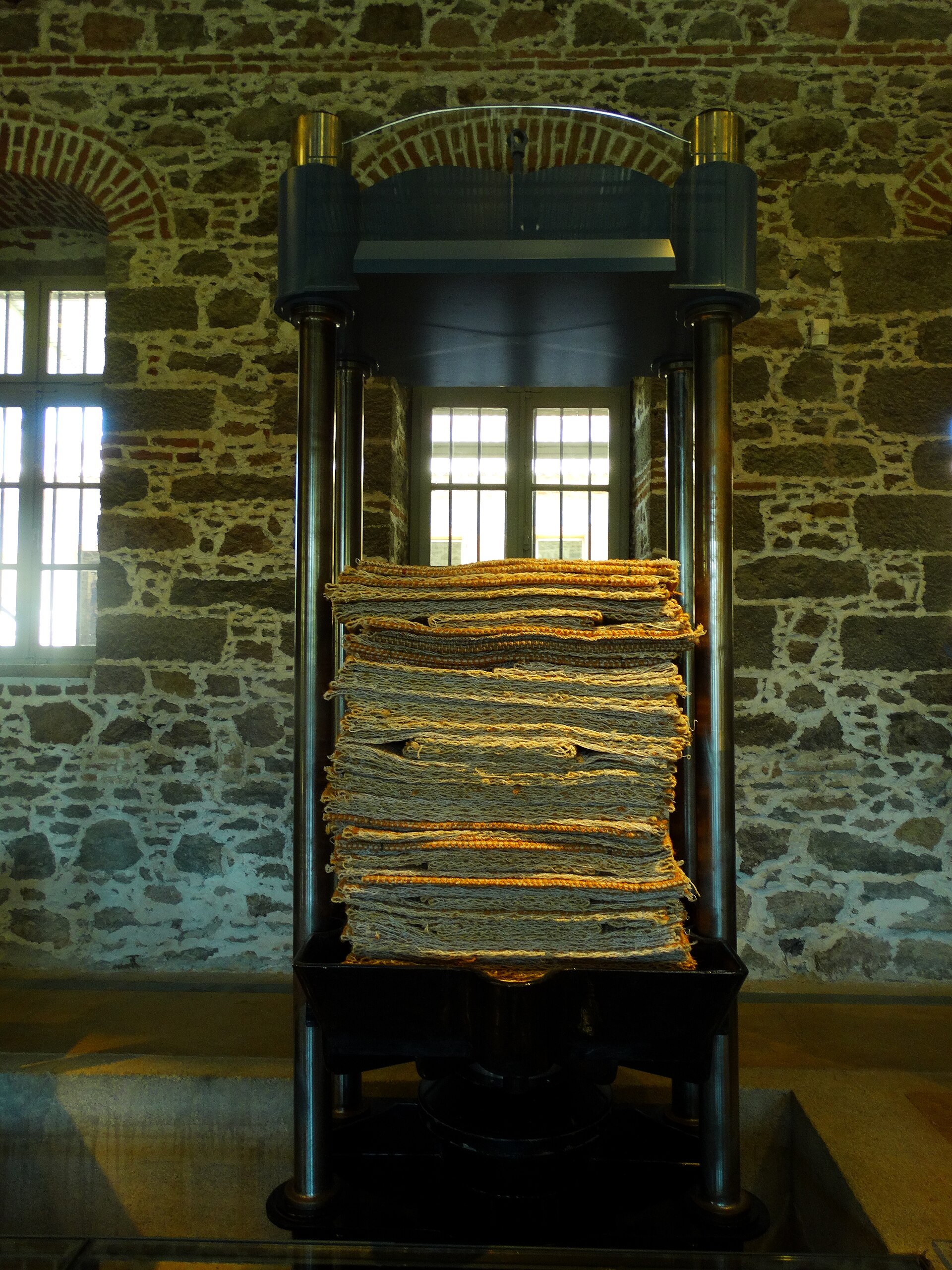
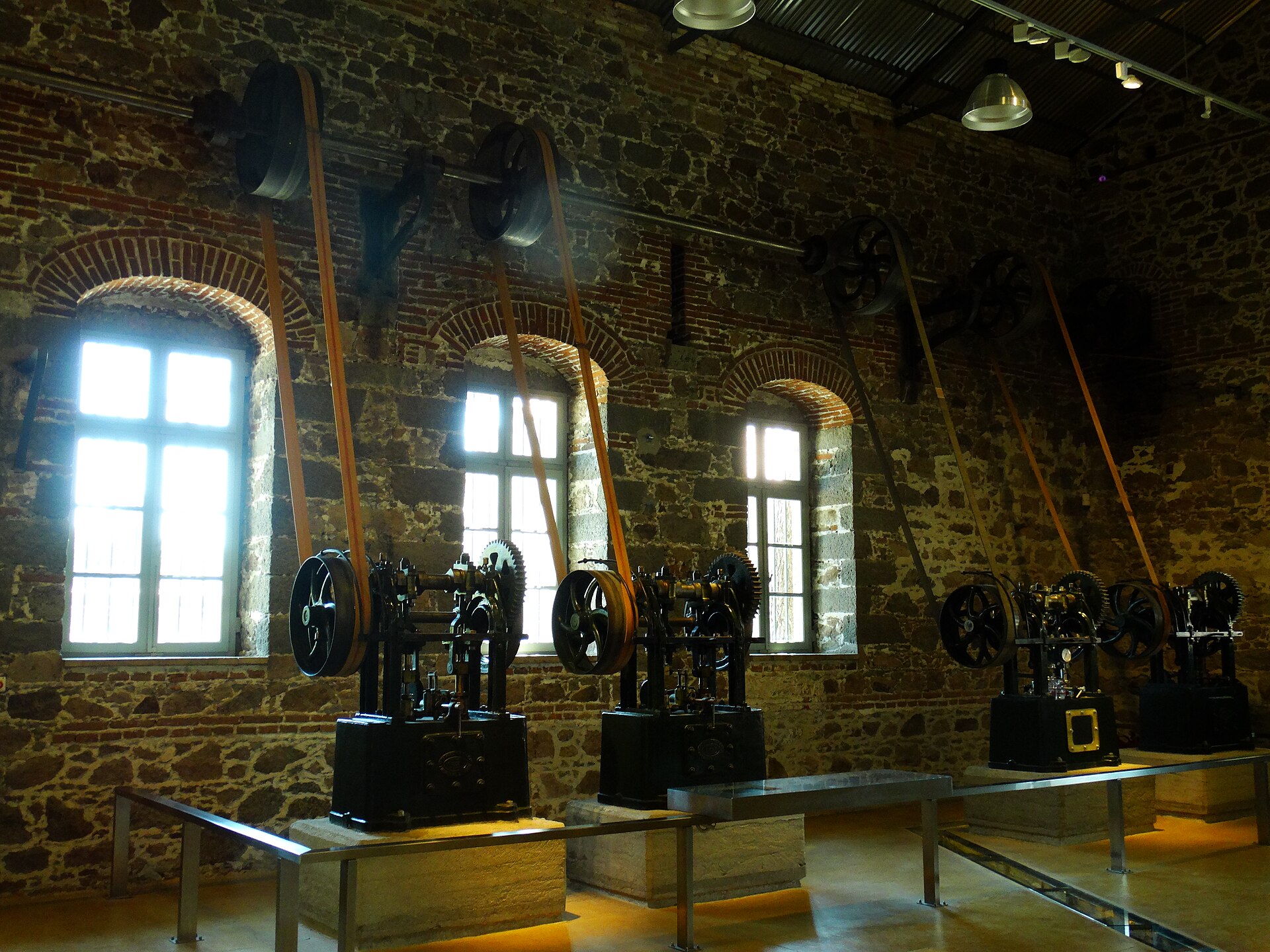
Several villages maintain working olive press museums where you can taste oil straight from the stone. If you visit between November and January, the harvest is underway and the scent of fresh-pressed oil hangs in the air across the entire island.
The Taverna Experience
Eating on Lesvos is not about choosing a main course from a menu. It is about sitting down, ordering a spread of small plates, and letting the table fill up. This is mezedes culture — the idea that a meal is a conversation, not a transaction.
Most tavernas are family operations. The owner’s mother may be in the kitchen. The fish was likely caught by a cousin. The menu changes with what came in that morning, and the best dishes are often the ones the waiter tells you about rather than the ones printed on the card. Ask what is fresh. Ask what the kitchen is proud of today. You will not be steered wrong.
Expect to order four to six small plates for two people. Sardeles pastes, a salad, something fried, something from the sea, something green, and bread to mop it all up. Add a carafe of local wine or a glass of ouzo with ice. Let the meal stretch. There is no rush. The kitchen will keep sending plates as long as you keep ordering, and the bill, when it arrives, will be startlingly modest.
Seasonality matters deeply. Summer brings grilled fish, raw salads, and cold plates. Winter shifts to stews, baked beans, roasted meats, and heavier cheeses. The best tavernas do not try to serve everything year-round. They serve what the island gives them, and they serve it well.
Where to Eat
Ready to taste it for yourself? Browse our directory of tavernas, restaurants, and ouzeries across the island — from harbourfront fish houses in Molyvos to hidden village kitchens in the hills.
Explore Restaurants & TavernasGallery