About
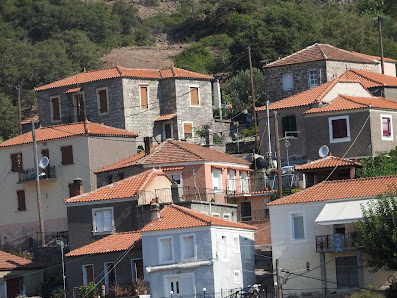
Tucked into the verdant landscape near the village of Lepetymnos, in the forested slopes of northern Lesvos, the church of Agia Paraskevi is dedicated to one of the most beloved saints in the Greek Orthodox tradition. Saint Paraskevi was an early Christian martyr whose name means "Friday" in Greek — the day of Christ's crucifixion — and her veneration runs deep across the Aegean world. Churches bearing her name are among the most tenderly kept in Greece, and this one, serving the communities of the Lepetymnos area, is no exception. Like many rural chapels on the island, it likely reflects the vernacular ecclesiastical architecture of the region: whitewashed walls, a modest stone facade, and a red-tiled roof that sits in quiet harmony with the surrounding olive groves and pine-clad hills.
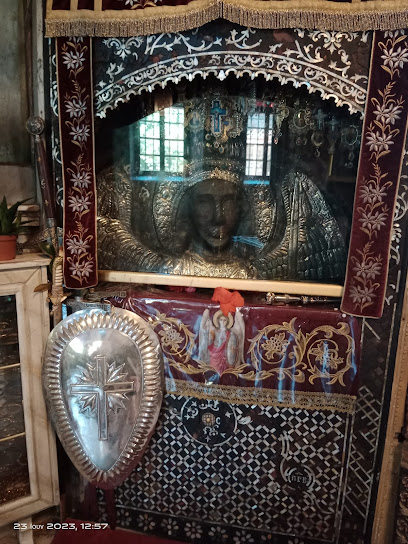
The feast day of Agia Paraskevi falls on July 26th, and it is on this occasion that the church comes fully alive. Villagers and visitors gather for the liturgy, followed by the communal celebration — the panigiri — that spills out beyond the church walls with traditional music, food, and fellowship. These feasts are among the most authentic expressions of Greek island life, preserving customs that stretch back generations and binding together communities whose ties to the land and to their faith are inseparable. Inside, visitors will typically find a gilded iconostasis screening the sanctuary, with icons of the saint and the Holy Family rendered in the Byzantine style that has defined Orthodox sacred art for over a millennium.
For travelers exploring the northern reaches of Lesvos, a visit to this church offers more than a glimpse of religious heritage — it is a window into the rhythm of village life that has defined this island for centuries. The surrounding area of Lepetymnos, with its chestnut forests, stone-paved paths, and traditional settlements, rewards those who venture off the main roads. Whether you arrive during the feast day celebrations or on a quiet afternoon when the door stands open and candle smoke drifts through the dim interior, Agia Paraskevi offers a moment of stillness and connection that lingers long after you leave.
Before you go
What to expect
Step inside on a quiet afternoon and you'll find candlelight flickering before a gilded iconostasis, the scent of incense still in the air, and a hush broken only by birdsong from the surrounding pines. The church serves the local Lepetymnos communities and feels genuinely lived-in rather than touristic. Come on July 26th and the atmosphere transforms entirely — the panigiri spills into the open air with village music, food, and generations of neighbors gathered in celebration.
Best time to visit
July 26th for the feast-day panigiri is the most memorable occasion; outside that, late spring and September offer cool air and lush forest scenery without summer heat.
How to get there
From Mytilene, head north through the island's interior toward the Lepetymnos area — expect roughly an hour or more along winding mountain roads. The village of Lepetymnos is your landmark, with the church close by.
Categories
Make a day of it
Places worth combining with your visit