


Λεπέτυμνος
Lepetymnos
Population
167
Elevation
330m
Municipality
Mantamados
Postal Code
811 08
From Mytilene
37.2 km
Nearest Beach
Paralia Kagia
Overview
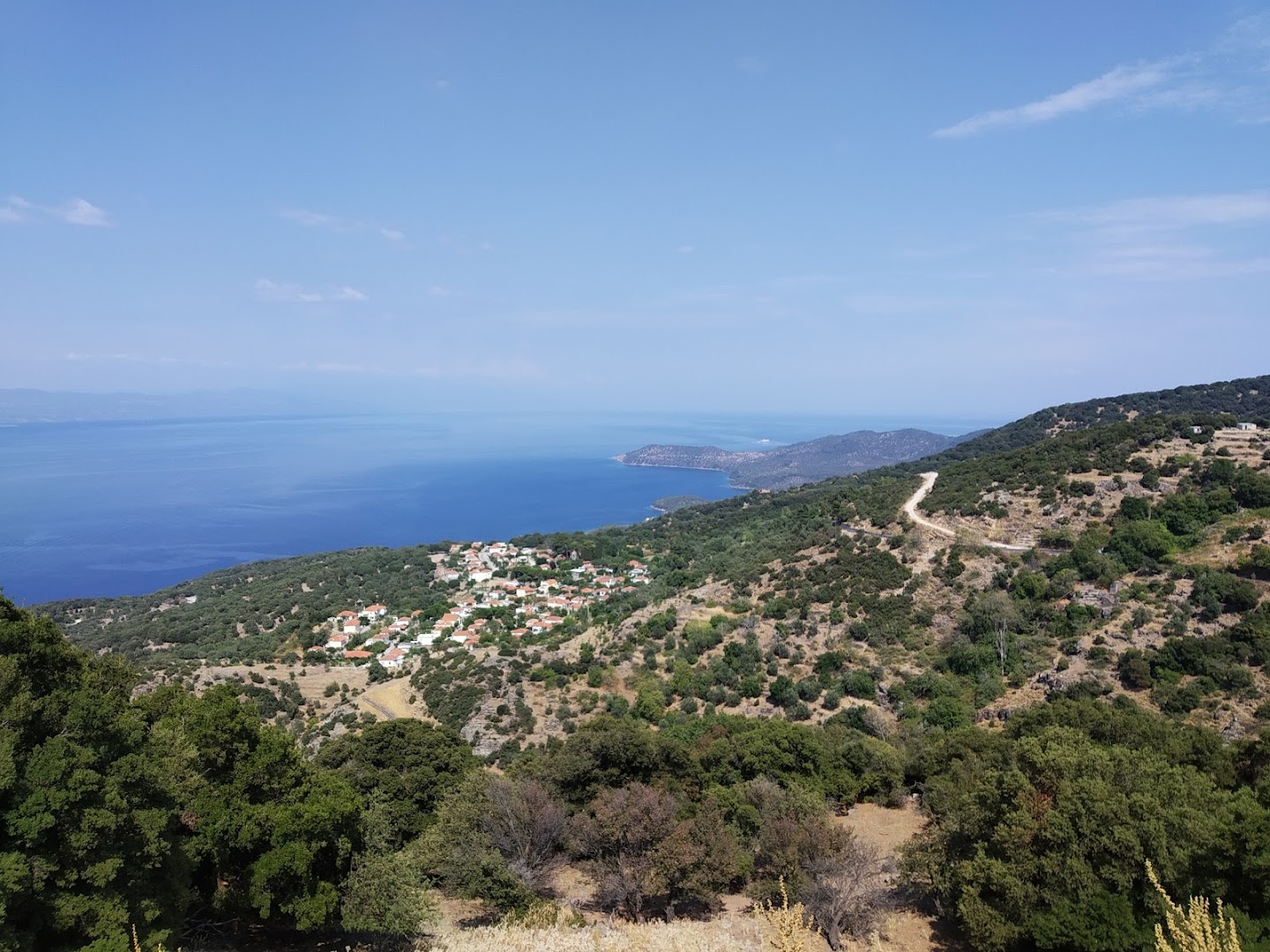
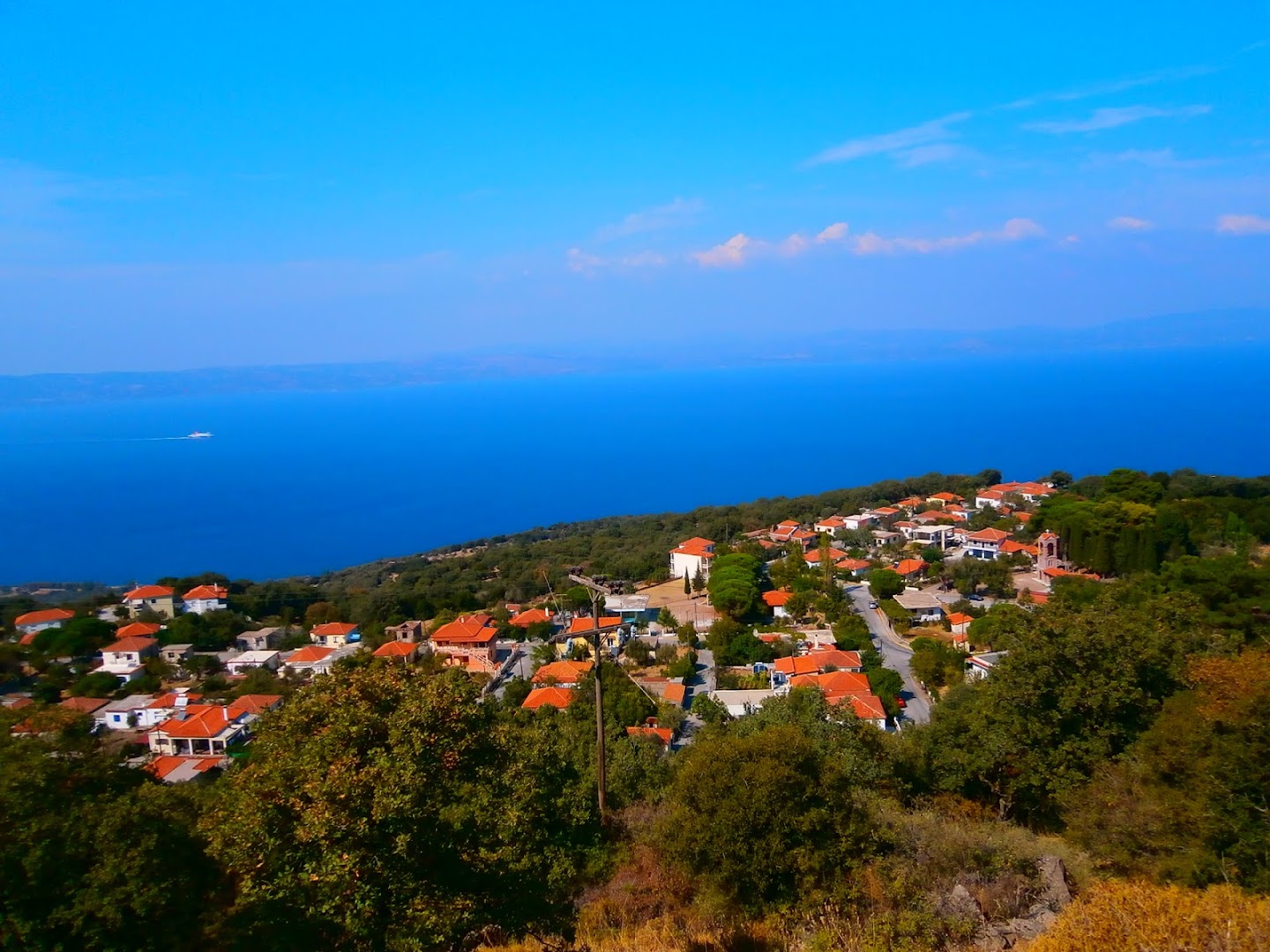
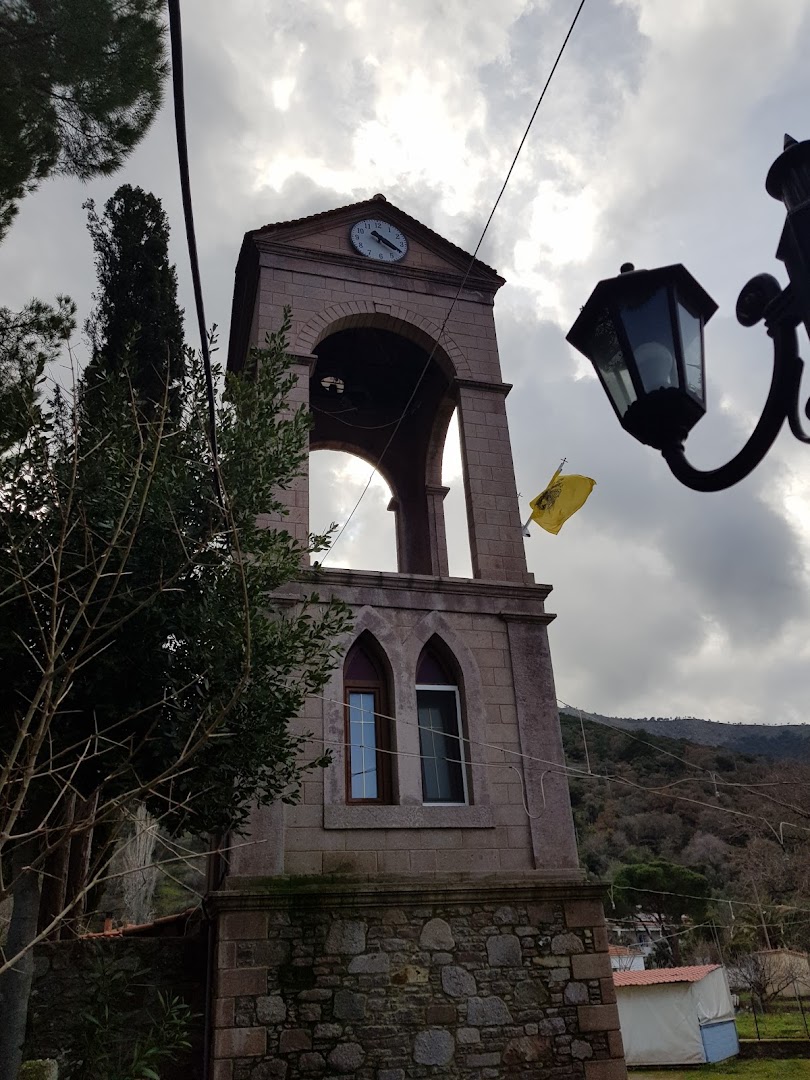
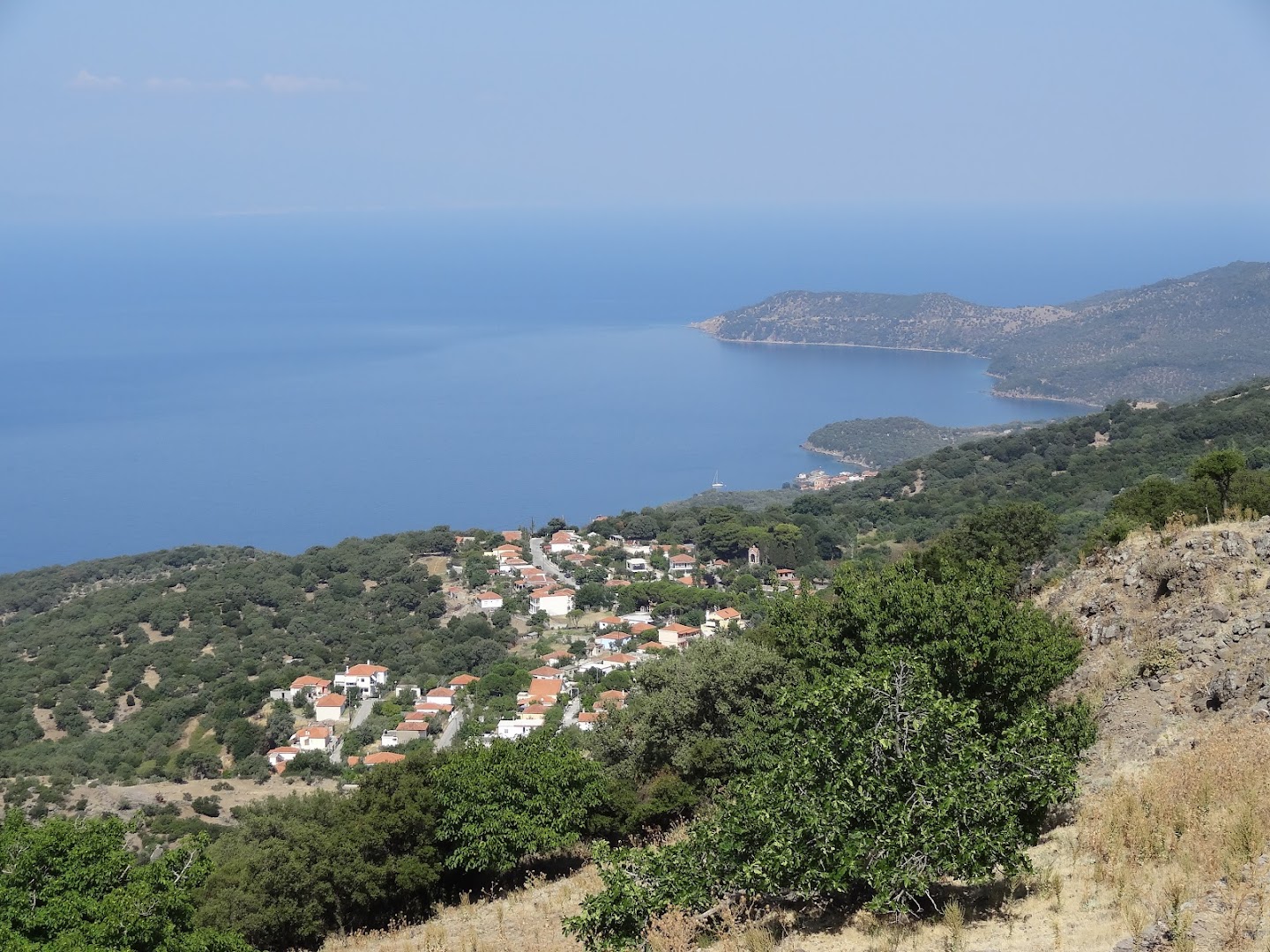
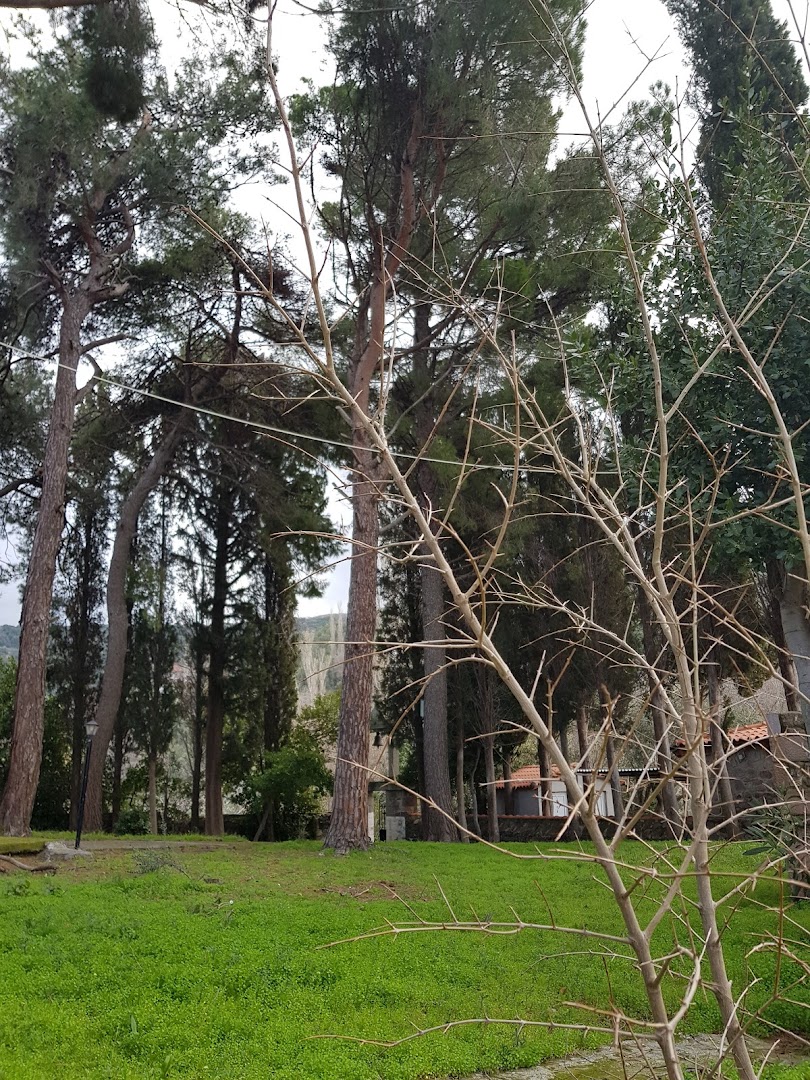
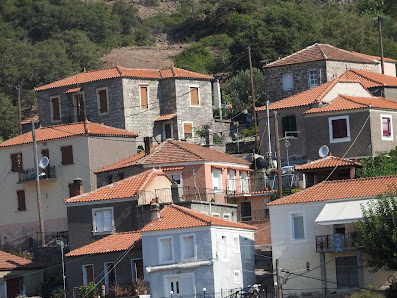
Perched at 330 metres on the southern slopes of Mount Lepetymnos, the village that shares the mountain's ancient name is one of the quietly rewarding discoveries in northern Lesvos. The mountain itself, rising to nearly 970 metres and crowned with dense pine and chestnut forests, is the defining presence of the entire region, and the village sits at a point where cultivated terraces of olive groves give way to wilder, wooded hillsides. With a resident population of around 167, Lepetymnos retains the unhurried pace of a working agricultural community, its stone-built houses and narrow lanes largely unchanged by the pressures of mass tourism that have reshaped parts of the island's coast.
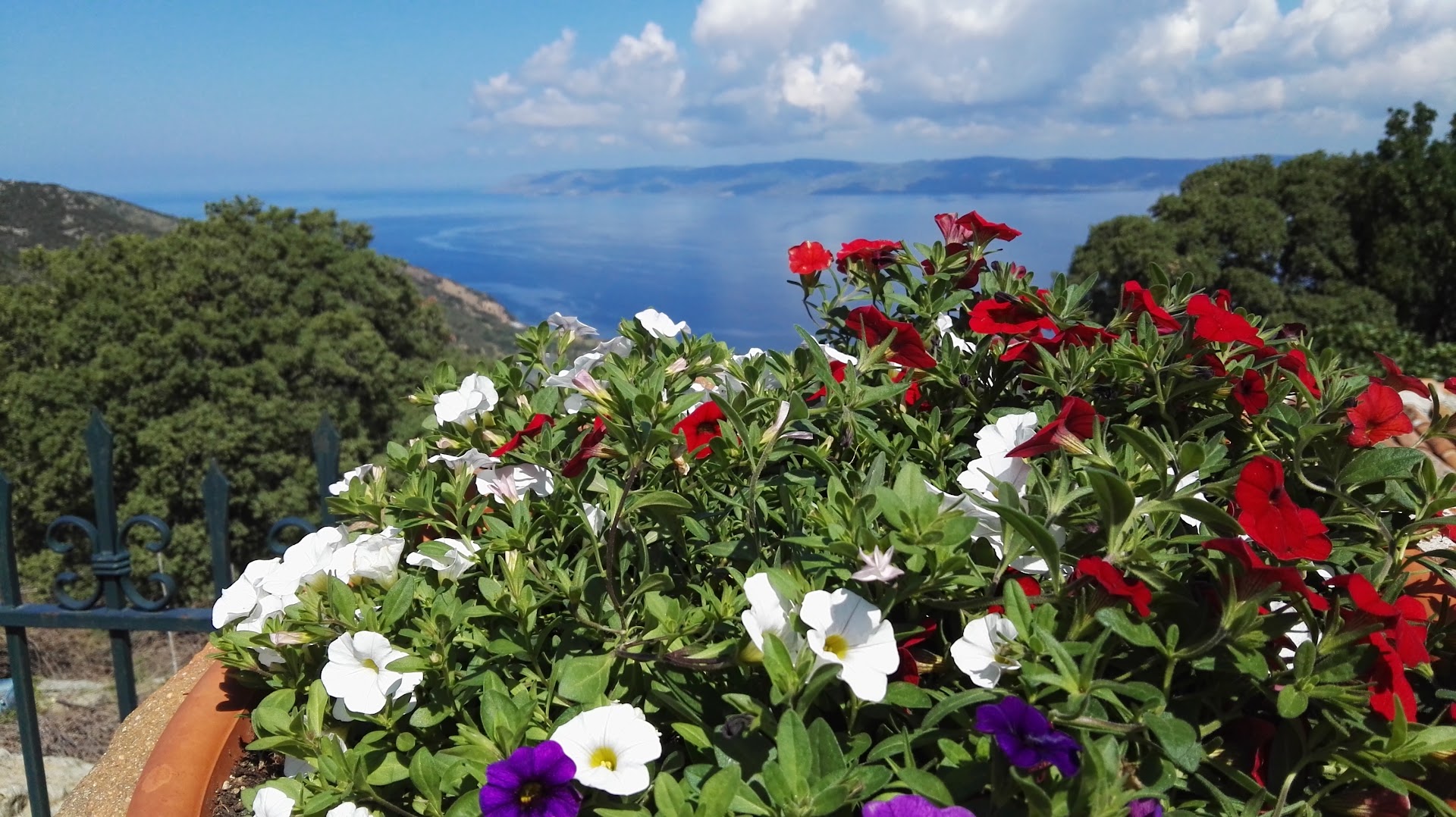
The local economy has long been rooted in olive cultivation, and the groves surrounding the village produce the prized Lesvos olive oil that has sustained island communities for millennia. Walking paths fan out from the village into the mountain landscape, offering routes through oak and chestnut woodland where the air carries the resin of pine and the sound of running water from seasonal streams. The views south across the island's interior, with its patchwork of orchards and distant glimpses of the Aegean, give a sense of Lesvos rarely seen from the popular beach resorts.
What makes Lepetymnos distinctive is precisely its position between the cultivated and the wild. Visitors who make the effort to reach it — it requires a purposeful detour rather than a chance passing — find a village that feels genuinely inhabited and rooted in its landscape. The traditional kafeneion, the pace of local life, and the proximity to some of the finest mountain walking on the island make this a rewarding stop for travellers seeking the quieter, more textured side of Lesvos beyond its famous coastline.
Before you go
What to expect
Stepping into Lepetymnos, the first thing you notice is the quiet — a working-village stillness broken only by birdsong and the occasional clatter from the kafeneion. The stone-paved lanes invite slow exploration, and walkers will find well-worn paths leading up into chestnut and oak woodland where the air smells of pine resin and damp earth. The views southward open unexpectedly across terraced olive groves toward a distant glimmer of the Aegean.
Best time to visit
Late spring (May–June) and early autumn (September–October) are ideal — cooler for walking, and the olive harvest season brings the village noticeably to life.
How to get there
Lepetymnos lies in the north of the island; from Mytilene, follow the main road toward Kalloni and then head northeast into the mountain interior, allowing around an hour on winding roads. The village requires a deliberate turn inland and is most easily reached by car.
Top-Rated in Lepetymnos
Highest-rated places chosen by visitors
attraction
Halika (Old Lepetymnos)
Halika, known locally as Old Lepetymnos, is a hauntingly beautiful remnant of a former settlement nestled in the northern reaches of Lesvos, in the shadow of Mount Lepetymnos. Like several abandoned villages scattered across the island, this site bears quiet witness to the shifting patterns of rural life over the centuries, where stone walls, overgrown pathways, and the occasional architectural remnant speak to generations of islanders who once made their homes here. The natural setting is striking, with the rugged terrain of the Lepetymnos range providing a dramatic backdrop of pine-scented hillsides and panoramic views toward the Aegean. Visitors who make the journey to Halika are rewarded with a sense of discovery that few more-traveled sites can offer. The area invites leisurely exploration on foot, where the landscape itself becomes the attraction — wildflowers pushing through old stonework, birdsong filling the stillness, and the unhurried pace that defines the northern interior of Lesvos. It serves as a meaningful complement to a visit to the nearby village of Lepetymnos, one of the island's most charming traditional settlements, and pairs naturally with hiking routes through the surrounding hills. For travelers seeking to move beyond the postcard beaches and engage with Lesvos's layered history and unspoiled countryside, Halika offers exactly that kind of quietly rewarding encounter.
rooms
Farm Karyofylli
Unique working farm and animal sanctuary in Lepetimnos with 4.9 rating. Owners care for rescued animals and grow local products served in the on-site restaurant. Clean, peaceful setting offering authentic agritourism experience with homemade Mediterranean cuisine.
restaurant
Ligaria Paradise
Ligaria Paradise is a restaurant set in the verdant northern reaches of Lesvos, near the hillside village of Lepetymnos. This part of the island is known for its lush, forested landscapes — a striking contrast to the arid south — where olive groves, pine-covered slopes, and cool mountain air create an atmosphere that feels worlds away from the busier coastal resorts. A meal here comes with a backdrop that is quintessentially northern Lesvos. As a dining destination in this rural setting, Ligaria Paradise offers visitors the chance to sit down and enjoy Greek and local Lesbian cuisine in a relaxed, unhurried environment. Restaurants in this corner of the island typically celebrate the island's exceptional produce — locally pressed olive oil, fresh herbs, grilled meats, and mezedes that reflect generations of home cooking traditions. Whether you are passing through on a scenic drive or exploring the lesser-visited villages of the Lepetymnos range, stopping here is an opportunity to eat well and absorb the quiet rhythms of the island's interior. For travelers who want to venture beyond the beaches and well-trodden tourist trails, the area around Lepetymnos rewards curiosity, and a restaurant like Ligaria Paradise makes that exploration all the more enjoyable. The combination of mountain scenery, genuine local hospitality, and honest cooking is exactly the kind of experience that turns a pleasant day trip into a lasting memory of Lesvos.
restaurant
Lepetymnos Grill House
Nestled in the foothills of Mount Lepetymnos, the highest peak in northern Lesvos, the Lepetymnos Grill House is a welcoming taverna serving the hearty, flame-grilled food that defines traditional Greek island cooking. The surrounding landscape of dense pine forests, terraced olive groves, and stone-built villages sets the mood long before you arrive, and the restaurant's character reflects the rugged, unhurried spirit of this corner of the island. Expect the menu to revolve around grilled meats — lamb chops, pork souvlaki, village sausages — cooked over charcoal in the classic Greek tradition and paired with local salads, tzatziki, and fresh bread. This is honest, unfussy food made to be shared over a long table with a carafe of local wine or ouzo. The grill house draws both locals from the surrounding villages and visitors exploring the interior of the island, making it a genuine meeting point rather than a tourist-facing destination. For travelers venturing beyond the coastal resorts, a stop at Lepetymnos Grill House offers a taste of everyday Lesbian life far from the package-holiday circuit. The village of Lepetymnos and its mountain backdrop are reward enough for the drive inland, and a meal here turns a scenic detour into a proper afternoon well spent.
Practical Info
Supermarket
Not found
Medical / Pharmacy
Not found
Petrol Station
Not found
ATM / Bank
Not found
Transport
Not found
Churches & Religious Sites
Αγία Παρασκευή
Agia Paraskevi
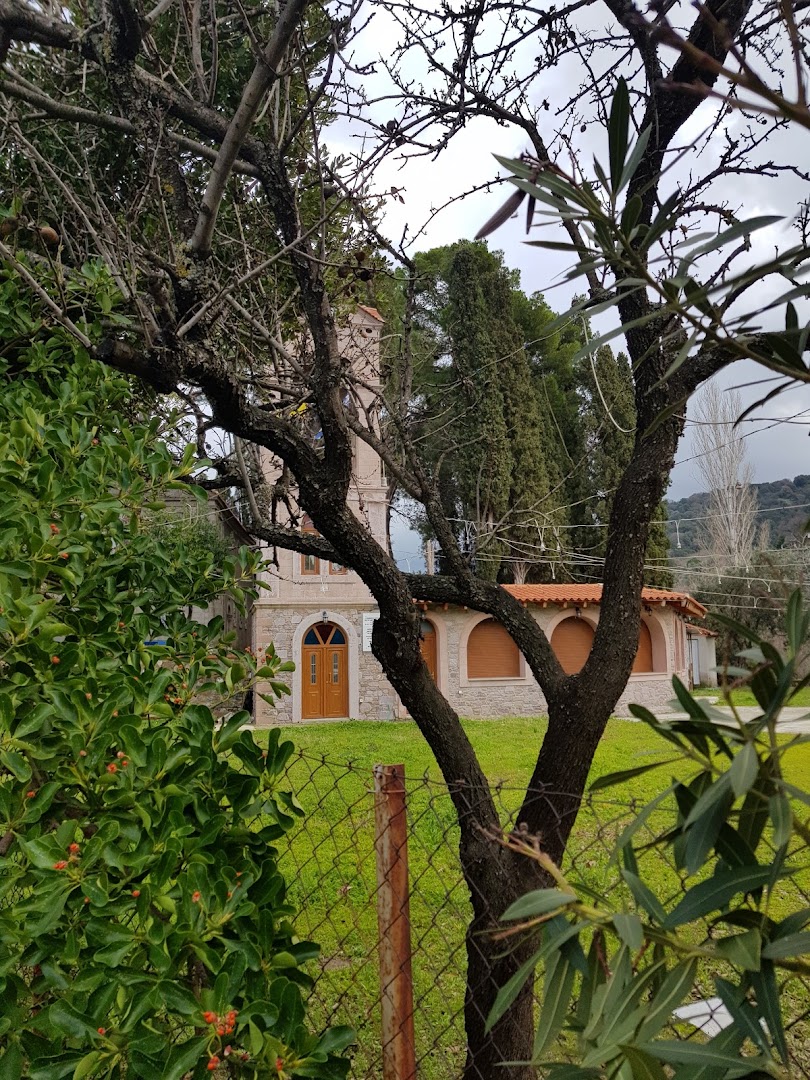
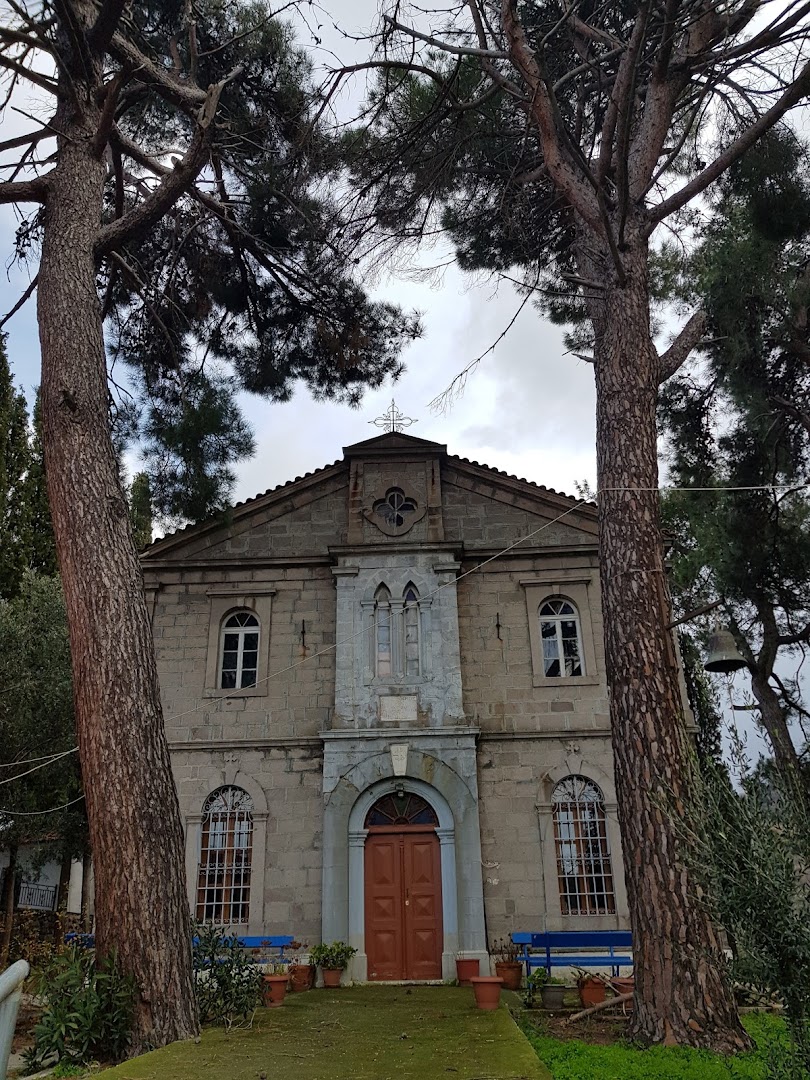
Tucked into the verdant landscape near the village of Lepetymnos, in the forested slopes of northern Lesvos, the church of Agia Paraskevi is dedicated to one of the most beloved saints in the Greek Orthodox tradition. Saint Paraskevi was an early Christian martyr whose name means "Friday" in Greek — the day of Christ's crucifixion — and her veneration runs deep across the Aegean world. Churches bearing her name are among the most tenderly kept in Greece, and this one, serving the communities of the Lepetymnos area, is no exception. Like many rural chapels on the island, it likely reflects the vernacular ecclesiastical architecture of the region: whitewashed walls, a modest stone facade, and a red-tiled roof that sits in quiet harmony with the surrounding olive groves and pine-clad hills. The feast day of Agia Paraskevi falls on July 26th, and it is on this occasion that the church comes fully alive. Villagers and visitors gather for the liturgy, followed by the communal celebration — the panigiri — that spills out beyond the church walls with traditional music, food, and fellowship. These feasts are among the most authentic expressions of Greek island life, preserving customs that stretch back generations and binding together communities whose ties to the land and to their faith are inseparable. Inside, visitors will typically find a gilded iconostasis screening the sanctuary, with icons of the saint and the Holy Family rendered in the Byzantine style that has defined Orthodox sacred art for over a millennium. For travelers exploring the northern reaches of Lesvos, a visit to this church offers more than a glimpse of religious heritage — it is a window into the rhythm of village life that has defined this island for centuries. The surrounding area of Lepetymnos, with its chestnut forests, stone-paved paths, and traditional settlements, rewards those who venture off the main roads. Whether you arrive during the feast day celebrations or on a quiet afternoon when the door stands open and candle smoke drifts through the dim interior, Agia Paraskevi offers a moment of stillness and connection that lingers long after you leave.
Άγιος Δημήτριος
Agios Dimitrios
Nestled in the verdant landscape near the village of Lepetymnos, in the shadow of the mountain that shares its name, the church of Agios Dimitrios is dedicated to one of the most venerated saints of the Eastern Orthodox world, Saint Demetrius of Thessaloniki. Demetrius, a martyr of the early Christian era, holds a place of profound importance across Greece and the broader Orthodox tradition, and churches bearing his name are found throughout the country as testaments to centuries of deep devotion. This modest rural sanctuary reflects the ecclesiastical vernacular architecture typical of the northern Lesvos countryside, characterized by stone construction, a simple nave, and the intimate scale that invites quiet reflection rather than grand spectacle. Visitors who make their way to this corner of Lesvos will find the church situated amid the rolling hills and olive groves that define the island's interior, a landscape largely unchanged for generations. The interior, like many village churches of the Aegean, is likely to feature an iconostasis adorned with devotional icons following the Byzantine tradition, where the stylized golden hues and solemn expressions of the saints create an atmosphere of timeless spirituality. The feast day of Saint Demetrius falls on the 26th of October, a date celebrated with particular warmth throughout Greece, and the local community gathers here to mark it with liturgy and fellowship, weaving the sacred into the rhythms of village life in the way that has long defined Orthodox culture on the island. For travelers exploring the less-visited northern reaches of Lesvos, the area around Lepetymnos offers a rewarding detour into authentic Greek rural life. The church of Agios Dimitrios stands as a quiet anchor for the surrounding community, a place where the continuity between past and present feels tangible. Even for visitors without a religious connection, these small parish churches offer a window into the soul of a Greek island village, where faith, landscape, and history intertwine in ways that no museum can fully replicate.
Ταξιάρχης
Taxiarchis
Tucked into the quiet countryside near the mountain village of Lepetymnos in northern Lesvos, the church of Taxiarchis is dedicated to the Archangels Michael and Gabriel, the celestial commanders whose name — Taxiarchis, meaning "leader of the ranks" — reflects their role as generals of the heavenly host. Churches bearing this dedication are among the most beloved in the Greek Orthodox tradition, and this one serves as a spiritual anchor for the surrounding community, its modest exterior belying the devotion it has inspired across generations. The setting itself is striking: the rugged slopes of Mount Lepetymnos frame the landscape, and the silence here carries the particular quality of rural Lesvos, where the sacred and the everyday have long existed in easy proximity. The church follows the vernacular ecclesiastical architecture common to the villages of northern Lesvos, likely built or substantially renovated during the Ottoman period when local communities maintained their faith through the careful stewardship of small parish churches. Inside, visitors typically find an iconostasis bearing painted icons of the Archangels in their traditional warrior iconography — armored, winged, and bearing swords or staffs — alongside other saints of the Orthodox calendar. The interior atmosphere, lit by oil lamps and candles, offers a meditative stillness that rewards those who take a moment to sit quietly within its walls. The feast day of the Taxiarchs falls on November 8th, when communities across Greece and the Greek diaspora celebrate with liturgies, processions, and communal gatherings. For the villages around Lepetymnos, this occasion brings together families and neighbors in a celebration that is as much social as it is sacred, reinforcing the bonds of a community shaped by centuries of shared faith and mountain life. For visitors, the church offers not only a window into living Orthodox tradition but also a reason to explore this lesser-visited corner of Lesvos, where the landscape, the architecture, and the quiet piety of local life combine into something genuinely moving.
Gallery & Videos
Captured a memorable moment in Lepetymnos?
Make a day of it
Places worth combining with your visit
Nearby
Beaches
Paralia Kagia
3.5 km away
Efthalou Beach 1
4.7 km away
Geni Limani Kapis Beach
6.6 km away
Tsipouria
7 km away