About
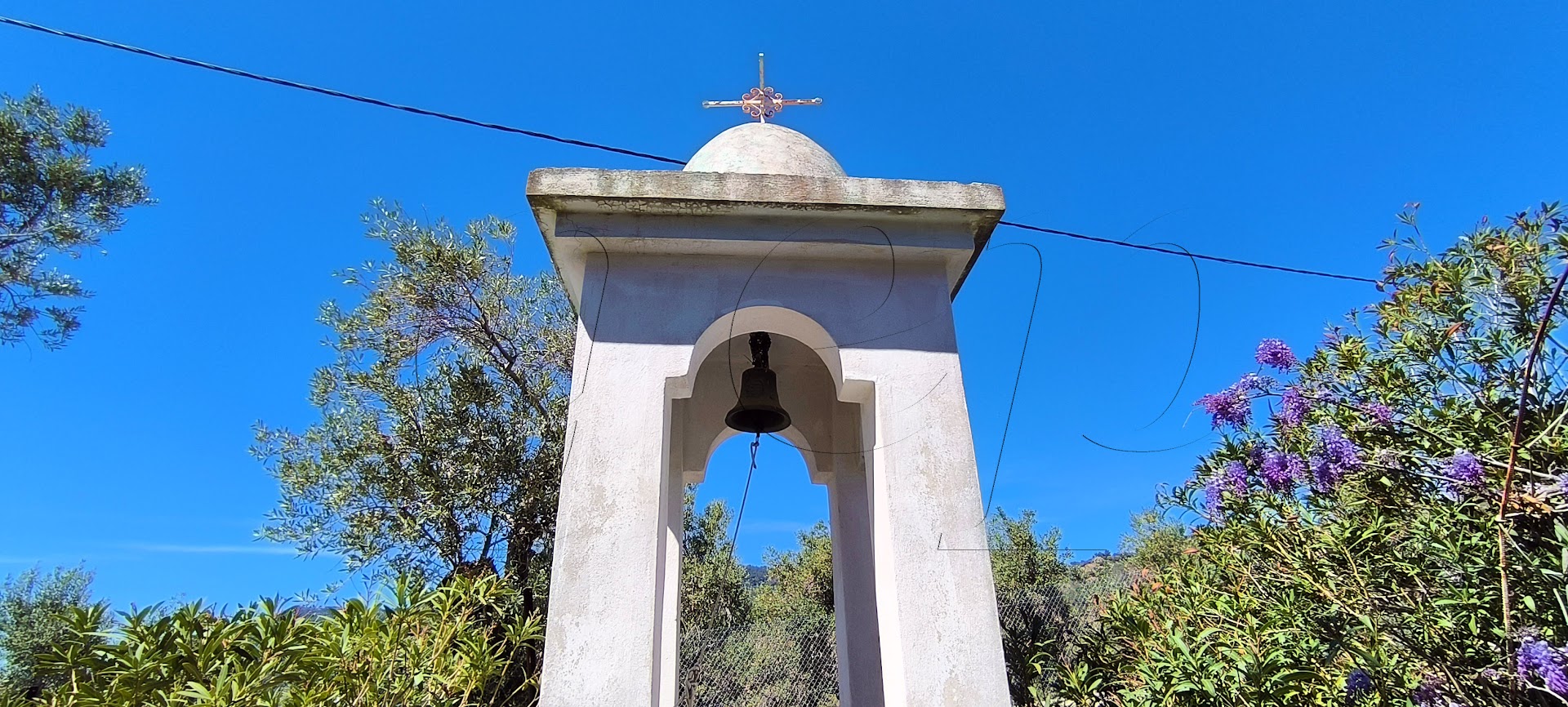
Nestled in the verdant landscape near the village of Langada, the church of Agios Fanourios is dedicated to one of the most beloved saints in the Greek Orthodox calendar. Saint Fanourios, whose name derives from the Greek word for "revelation," is venerated across Greece as the patron of lost things and lost souls, and his churches invariably hold a warm, intimate place in the hearts of local communities. Like many rural chapels on Lesvos, this one likely reflects the vernacular ecclesiastical architecture common to the Aegean — modest whitewashed walls, a simple barrel-vaulted or tiled roof, and an interior richly adorned with icons that bear the devotion of generations of worshippers.
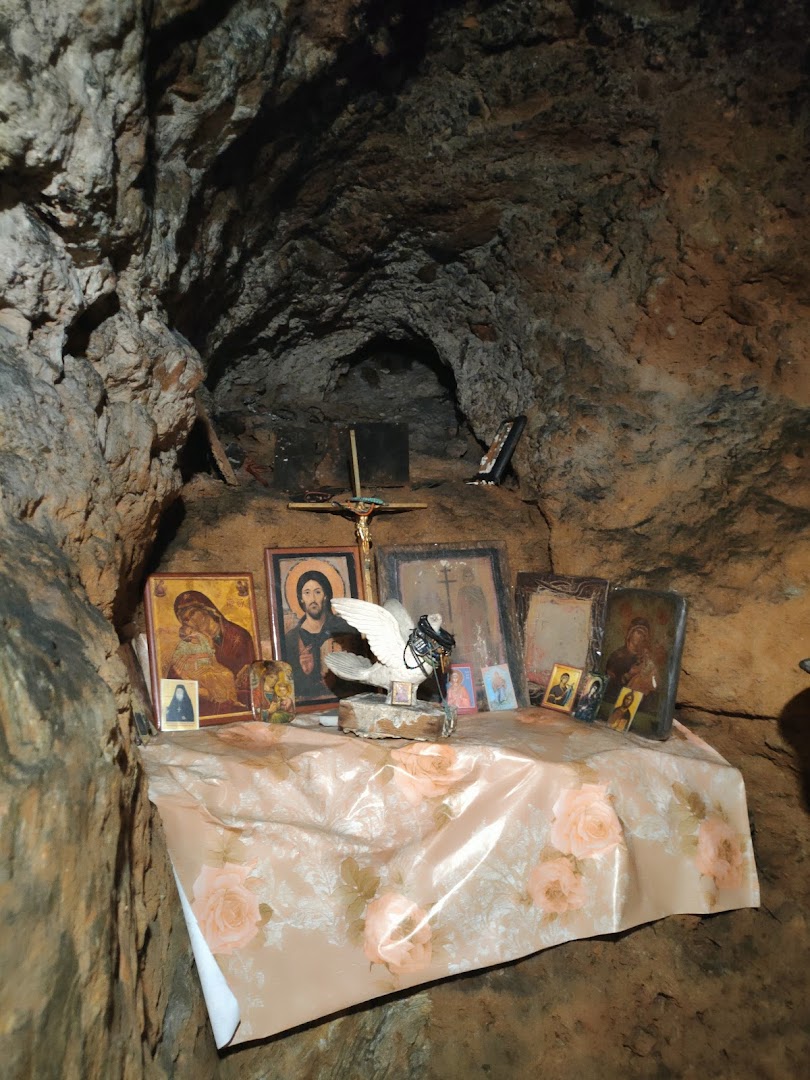
The saint's feast day on August 27th is an occasion of particular local significance. On this day, it is a widespread Greek tradition to bake fanouropita, a simple olive-oil cake offered to the saint with a prayer for the recovery of something lost — whether a misplaced object, a strayed animal, or a loved one far from home. In villages like Langada, such feast days remain living traditions, drawing families together for the liturgy and the communal sharing of food and fellowship that follows. The interior of the church, though modest in scale, likely houses a carved wooden iconostasis and hand-painted icons that reflect the island's deep-rooted Byzantine artistic heritage.
For visitors to the northern Lesvos countryside, the chapel of Agios Fanourios offers a quiet moment of reflection amid the olive groves and rolling hills that define this part of the island. Stopping here provides not only a glimpse into the spiritual life that has sustained Lesvian villages for centuries, but also a sense of the unhurried rhythms of rural Greek life, where faith and landscape remain deeply intertwined.
Before you go
What to expect
The chapel sits quietly among olive groves near Langada, small enough that you often arrive to find it empty or attended by just a handful of worshippers. Inside, the cool whitewashed interior holds a carved wooden iconostasis and hand-painted icons worn smooth by generations of touching hands. The surrounding hillside landscape and the sense of uninterrupted rural time make this a genuinely restorative stop.
Best time to visit
August 27th brings the feast of the saint, with locals gathering for liturgy and the sharing of fanouropita; outside that date, late spring and early autumn offer the most pleasant conditions for exploring the east Lesvos countryside.
How to get there
Head north from Mytilene toward the Langada area, a drive of roughly 25–30 minutes through rolling olive-grove country; the chapel is signposted near the village.
Categories
Make a day of it
Places worth combining with your visit