Archaeological Site (39.3245, 26.4164)
About
Nestled in the northern reaches of Lesvos near the quiet village of Palios, this archaeological site offers a window into the island's remarkably deep human past. Lesvos has been continuously inhabited since at least the Bronze Age, and the landscape around its northern coastline preserves traces of settlements, sanctuaries, and structures that speak to millennia of human activity. The area formed part of a broader network of ancient communities that thrived across the island, benefiting from fertile land, reliable springs, and proximity to maritime trade routes connecting the Aegean world.
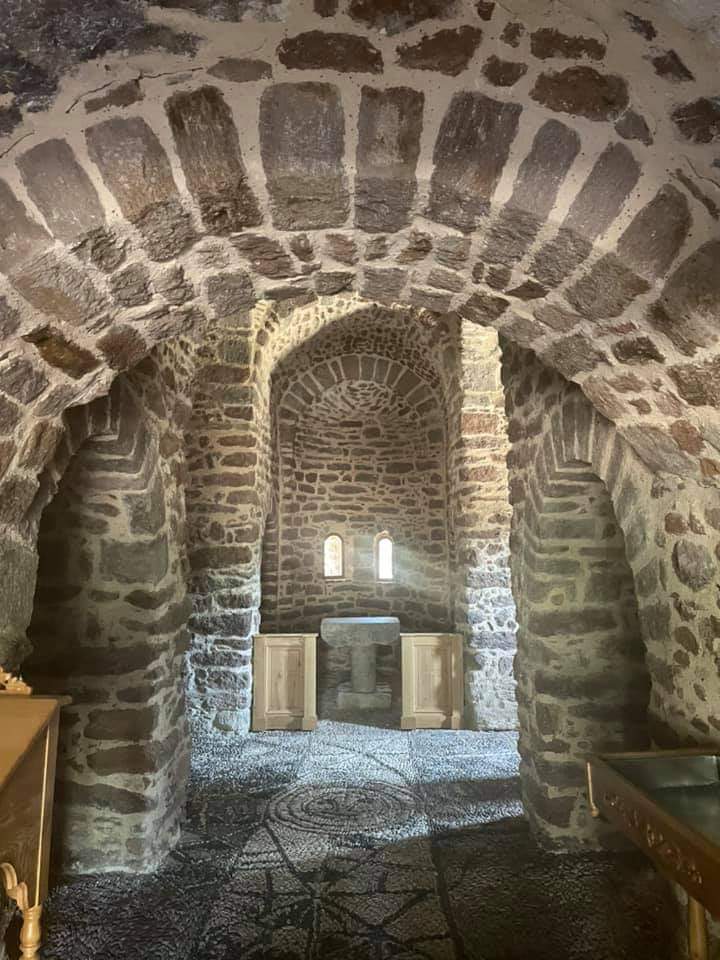
Visitors to the site can observe the characteristic remains that typify ancient habitation in this part of the eastern Aegean — worked stone foundations, ceramic fragments weathered into the earth, and the subtle contours of terracing or enclosure walls that careful eyes can trace across the hillside. The local volcanic geology, with its distinctive dark basalt and lighter limestone, gives the visible stonework a texture particular to Lesvos, distinguishing it from mainland Greek sites. The surrounding landscape of olive groves and dry-stone walls has changed little in character over the centuries, lending the site a powerful sense of continuity.
What makes a visit here rewarding is less about monumental ruins and more about the contemplative experience of standing in a place where generations of islanders built their lives long before recorded history. The proximity to Palios means visitors can pair the site with a stroll through a traditional northern Lesvos village, gaining a sense of how the island's human geography has remained anchored to the same favoured spots — water, shelter, and view — across the ages. For those drawn to the quieter, less-visited corners of Greek archaeology, this site offers a genuine and unhurried encounter with the ancient world.
Before you go
What to expect
The site rewards slow, attentive walking rather than dramatic monuments — you'll pick out worked stone foundations and ceramic shards pressing up through volcanic soil, with olive groves and dry-stone walls stretching in every direction. The northern coast is visible beyond the hillside, and the quiet is nearly absolute. This is archaeology at a human scale, where the landscape itself is the exhibit.
Best time to visit
Late April through June is ideal: wildflowers are still out, the heat is manageable, and you'll likely have the site entirely to yourself.
How to get there
From Mytilene, head north toward Kalloni and continue on toward Palios — the drive takes roughly 45 to 55 minutes. The village of Palios is the practical landmark; the site lies in its immediate vicinity.
Details
Categories
Also in Palios
Show MoreMake a day of it
Places worth combining with your visit