


Κώμη
Komi
Population
139
Elevation
172m
Municipality
Polichnitos
Postal Code
811 50
From Mytilene
15 km
Nearest Beach
Skala Mistegnon Beach 2
Overview
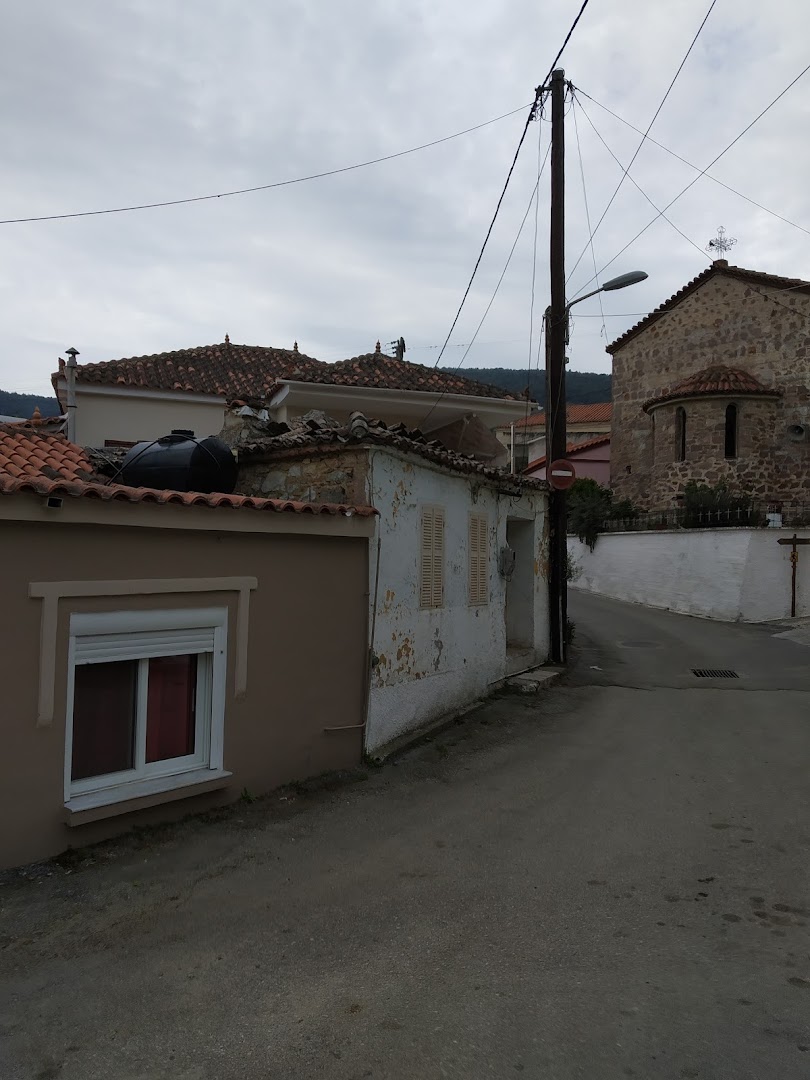
Perched at 172 metres above sea level in the rolling interior of Lesvos, Komi is a quiet, close-knit village of around 139 residents whose lives remain shaped by the rhythms of the Aegean countryside. Like many of the island's smaller settlements, Komi grew up as a farming community, its hillside position offering protection and a commanding view over the surrounding olive groves and pine-covered slopes that define this part of Lesvos. The village belongs to a network of inland communities that sustained the island's agricultural economy for centuries, and olive cultivation — the backbone of Lesbian prosperity since antiquity — continues to anchor local life here today.
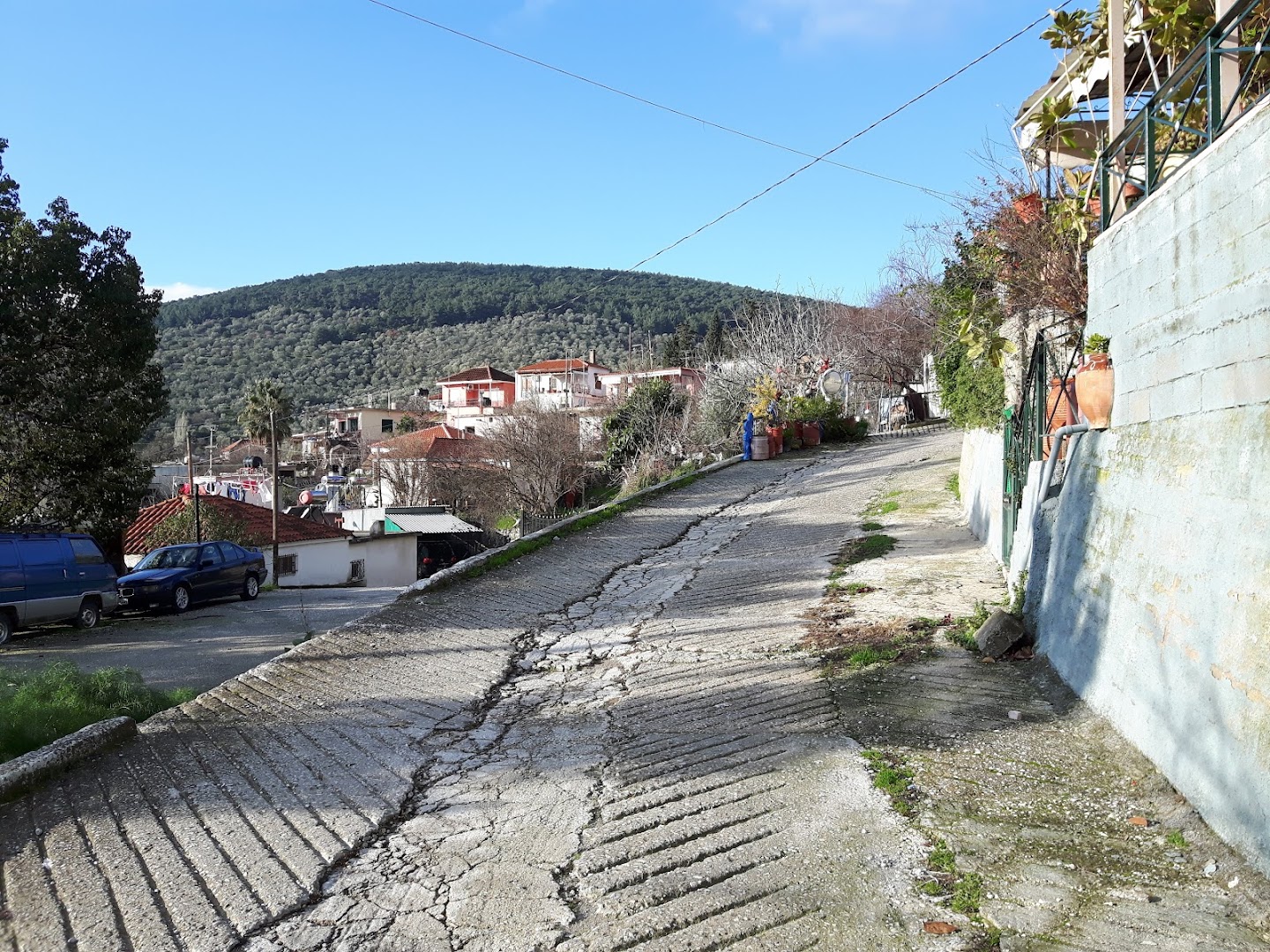
Wandering through Komi, visitors find the unhurried atmosphere that has largely vanished from busier tourist destinations. Stone houses line narrow lanes, and a central square with a kafeneion provides the social heartbeat of the community, where locals gather over coffee and conversation as they have for generations. A village church, as in virtually every settlement across Lesvos, stands as both a spiritual and architectural focal point, its whitewashed walls and bell tower forming the most visible landmark on the skyline. The surrounding landscape rewards those who venture off the main roads, with footpaths threading through olive orchards and scrubland where the views stretch toward distant ridgelines.
Komi's significance lies precisely in its ordinariness — it represents the authentic, working Lesbos that exists beyond the beaches and harbours. For travellers curious about the island's rural soul, it offers a window into a traditional way of life that has endured with remarkable continuity. Visiting as part of a broader circuit of the island's interior villages, one gains an appreciation for how communities like Komi have quietly sustained Lesbian culture, dialect, and craft across the centuries, making the island's landscape as much a human achievement as a natural one.
Before you go
What to expect
The kafeneion on the central square is where village life settles into its natural pace — locals nursing coffee while the midday heat drifts over the olive groves below. From the hillside at 172 metres, the eye carries across layered ridgelines and the silver-green shimmer of the orchards stretching toward the horizon. There are no tourist crowds, just stone lanes, a whitewashed church bell tower, and the particular quiet of the Aegean interior.
Best time to visit
Late spring and early autumn are ideal for walking the footpaths through the orchards; midsummer heat at inland elevations can be intense.
How to get there
Komi lies roughly 15 km from Mytilene through the island's hilly interior — expect around 25 to 30 minutes by car along winding rural roads.
Top-Rated in Komi
Highest-rated places chosen by visitors
olive-oil
Tzortzi's Family Olive Oil
Lesvos is one of the great olive oil islands of the Mediterranean, home to millions of ancient olive trees whose groves carpet the hillsides in silver-green. Tzortzi's Family Olive Oil, situated near the village of Komi in the island's interior, is the kind of small-scale producer that keeps this centuries-old tradition alive. Here, olives are cultivated and pressed with the care that only a family operation can sustain, resulting in an oil that reflects the particular character of the local landscape — grassy, full-bodied, and deeply aromatic. Stopping at a producer like Tzortzi's offers visitors a direct connection to the agricultural heart of Lesvos that no supermarket shelf can replicate. You can expect to find extra virgin olive oil available for purchase, often alongside related products such as olive paste or soap, all made from the same estate fruit. The chance to taste the oil fresh, to speak with the people who grew and pressed it, and to carry home a bottle as a genuine souvenir of the island is something travel writers and food lovers consistently recommend as one of the most rewarding experiences on Lesvos. Komi and its surrounding villages sit within the olive-rich zone that stretches across the central and western parts of the island, and a visit to Tzortzi's pairs naturally with exploring the quiet rural roads of this region. Whether you are a dedicated food traveller or simply curious about where Greek olive oil actually comes from, this family producer is a worthwhile and authentic stop.
olive-oil
Lesvion Olive Oil
Lesvos has long been celebrated as one of Greece's premier olive oil producing islands, and Lesvion Olive Oil stands as a testament to that centuries-old tradition. Situated near the village of Komi in the island's interior, this producer draws on the extraordinary landscape of Lesvos, where an estimated eleven million olive trees — many of them ancient, gnarled specimens hundreds of years old — carpet the hillsides in silver-green. The island's volcanic soil, mild winters, and long dry summers create ideal conditions for the Kolovi and Adramytiani olive varieties that define the distinctive character of Lesvian oil: fruity, well-balanced, and prized by connoisseurs. Visiting Lesvion Olive Oil offers travelers a genuine connection to the agricultural heartbeat of the island. Here you can learn firsthand about the journey from grove to bottle, from the autumn harvest when entire communities traditionally mobilize to gather the fruit, through the cold-pressing process that preserves the oil's nutritional richness and flavor. The experience goes well beyond simply purchasing a bottle — it is an invitation to understand why Lesvos olive oil has earned protected designation of origin status and why locals speak of their olive groves with the same pride and affection they reserve for family. Whether you are a food enthusiast seeking to bring home an authentic taste of the Aegean or simply curious about the agricultural traditions that have shaped this island for millennia, Lesvion Olive Oil is worth seeking out. A bottle of properly cold-pressed Lesvian extra virgin olive oil is arguably the finest edible souvenir the island offers, carrying within it the warmth of the Greek sun, the mineral character of volcanic earth, and the quiet dedication of generations of olive farmers who have tended these remarkable trees.
restaurant
Petrou's Place
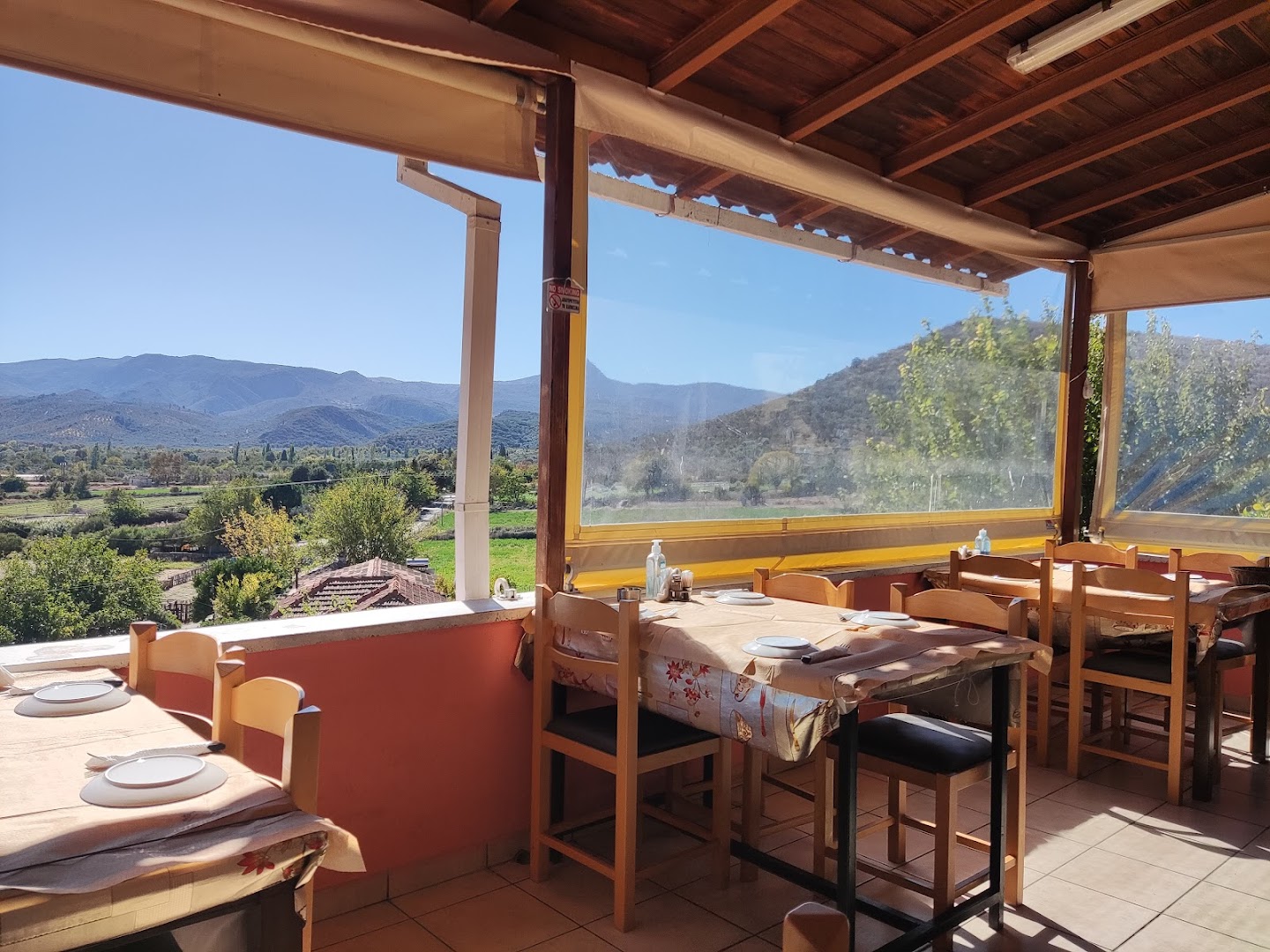
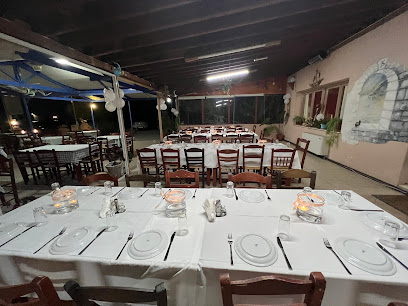
Petrou's Place is a barbecue restaurant and taverna nestled near the village of Komi, in the quieter inland reaches of Lesvos away from the busier coastal strips. Like the best family-run establishments on the island, it offers the kind of unpretentious, flame-grilled cooking that defines Greek summer eating — slow-cooked meats, charcoal flavours, and generous portions that invite lingering at the table long after the meal is done. Visitors drawn to this corner of Lesvos will find in Petrou's Place the relaxed, unhurried atmosphere that characterises tavernas rooted in their local communities. A spot like this is typically where islanders and in-the-know travellers eat side by side, sharing a carafe of local wine and the particular pleasure of food cooked over fire in the open air. It is the kind of place that earns its reputation not through spectacle but through consistency and warmth. For anyone exploring the villages and landscapes of central or northern Lesvos, Petrou's Place makes a natural stop — offering proper sustenance and a genuine taste of everyday Greek island life that no tourist-facing restaurant can quite replicate.
olive-oil
Tzortzis Michail "Elaioperivola Oikogeneias Tzortzi"
Nestled in the landscape near the village of Komi, Elaioperivola Oikogeneias Tzortzi — the olive groves of the Tzortzis family — offers visitors a genuine encounter with one of Lesvos's most defining traditions. The island is home to some eleven million olive trees, many of them centuries old, and olive cultivation has shaped the rhythms of rural life here for generations. A family-run operation like this one represents the living continuation of that heritage, where knowledge of the land, the trees, and the oil passes from parent to child in the same unhurried way it always has. Visitors who stop here can expect the kind of authentic experience that mass tourism rarely provides: a chance to walk among ancient, gnarled olive trees, breathe in the herbal-scented air of a working grove, and learn how the island's celebrated extra-virgin olive oil is produced from harvest through pressing. The Lesvos PDO olive oil, prized for its low acidity and rich flavor profile, begins exactly in places like this — in family groves tended with care and pride. Depending on the season, guests may witness pruning, the autumn harvest, or the work of maintaining trees that have been producing fruit for longer than living memory. Beyond the oil itself, a visit to Elaioperivola Oikogeneias Tzortzi is an opportunity to connect with the quieter, agricultural soul of Lesvos that lies beneath the island's beaches and Byzantine monasteries. Purchasing oil or other products directly from the family is a meaningful way to support traditional smallholder farming while taking home something that genuinely tastes of the island. For anyone with an interest in food provenance, Mediterranean culture, or simply the profound beauty of an ancient olive grove in the Aegean light, this is a stop well worth making.
Practical Info
Supermarket
Not found
Medical / Pharmacy
Not found
Petrol Station
Not found
ATM / Bank
Not found
Transport
Not found
Churches & Religious Sites
Agia Theoktisti
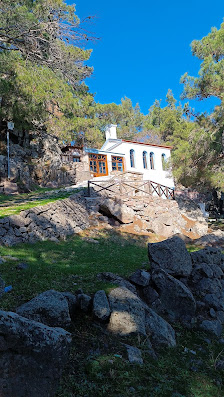
Nestled in the quiet countryside near the village of Komi, the church of Agia Theoktisti is dedicated to one of Lesvos's most beloved and poignant saints. Theoktisti was a native of Lesbos who, according to hagiographic tradition, was captured by Arab raiders during the turbulent ninth century and eventually escaped to the island of Paros, where she spent decades living as a solitary hermit in profound devotion. Her story resonates deeply with the people of Lesvos, who have long regarded her as a daughter of the island and a symbol of faith enduring through hardship. The Orthodox Church commemorates her feast on the ninth of November, a day when the faithful gather to honor her memory with liturgy and quiet reflection. The church itself reflects the vernacular religious architecture common to rural Lesvos — modest in scale yet dignified in presence, built in the tradition of the single-nave Byzantine chapel that has anchored village spiritual life for centuries. Its whitewashed walls and terracotta-tiled roof blend naturally into the island's landscape of olive groves and sun-baked hillsides. Inside, visitors typically find the intimate atmosphere characteristic of such rural sanctuaries, with oil lamps casting a warm glow over the iconostasis and devotional icons painted in the Byzantine tradition. The dedication to a locally venerated saint gives the church an especially personal significance, distinguishing it from more generic parish churches. For travelers, a visit to Agia Theoktisti offers something rarer than a grand monument — a genuine encounter with living Aegean piety. The surrounding countryside near Komi is peaceful and largely untouched by tourism, making the approach itself a rewarding detour through the authentic rural heart of Lesvos. Whether one comes as a pilgrim, a student of Byzantine history, or simply a curious visitor, the church stands as a quiet testament to the enduring threads of faith, memory, and local identity that give this island its distinct spiritual character.
Gallery & Videos
Captured a memorable moment in Komi?
Nearby
Beaches
Pyramies
6.9 km away
Petalidi
7.2 km away
Skala Mistegnon Beach
7.2 km away
Agios Georgios Beach
7.3 km away