Church (39.0285, 26.3090)
About
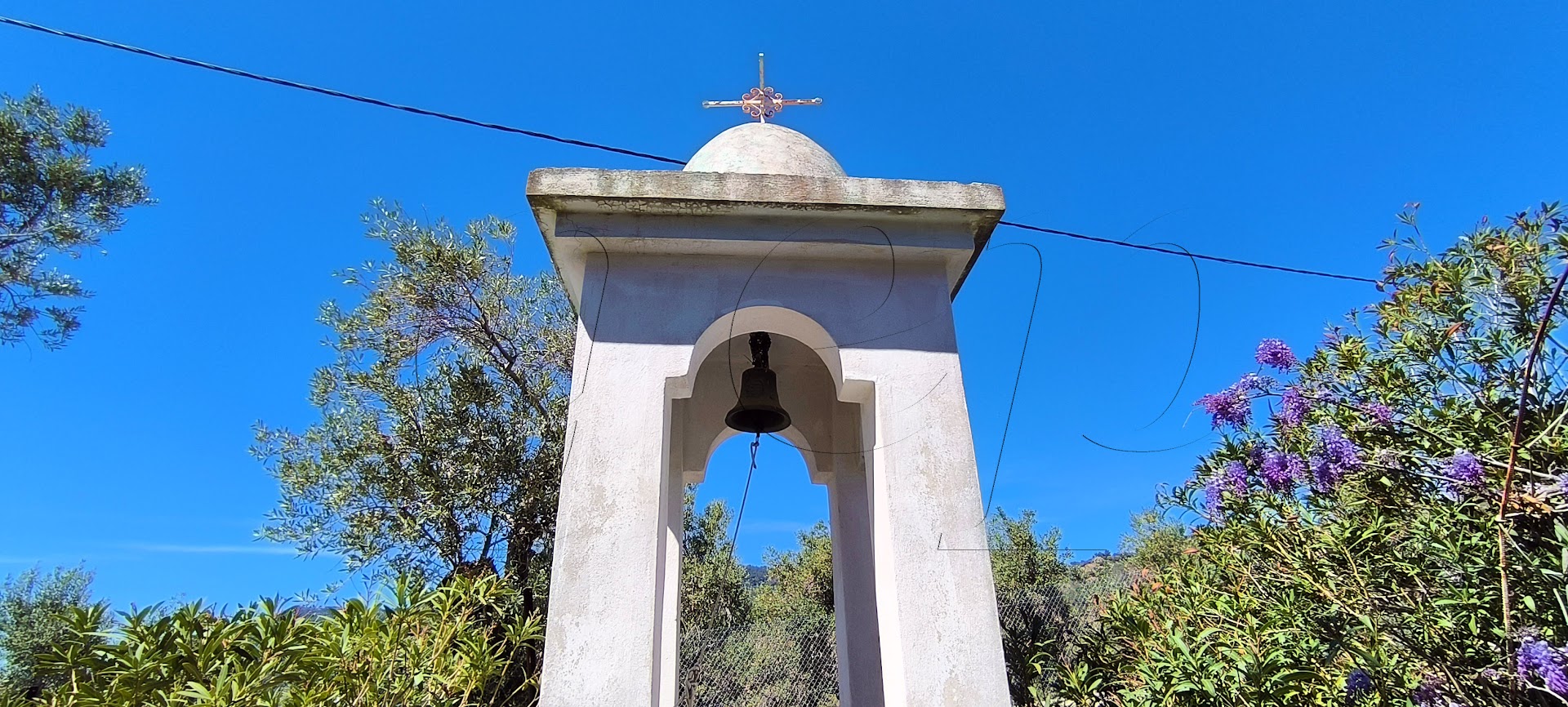
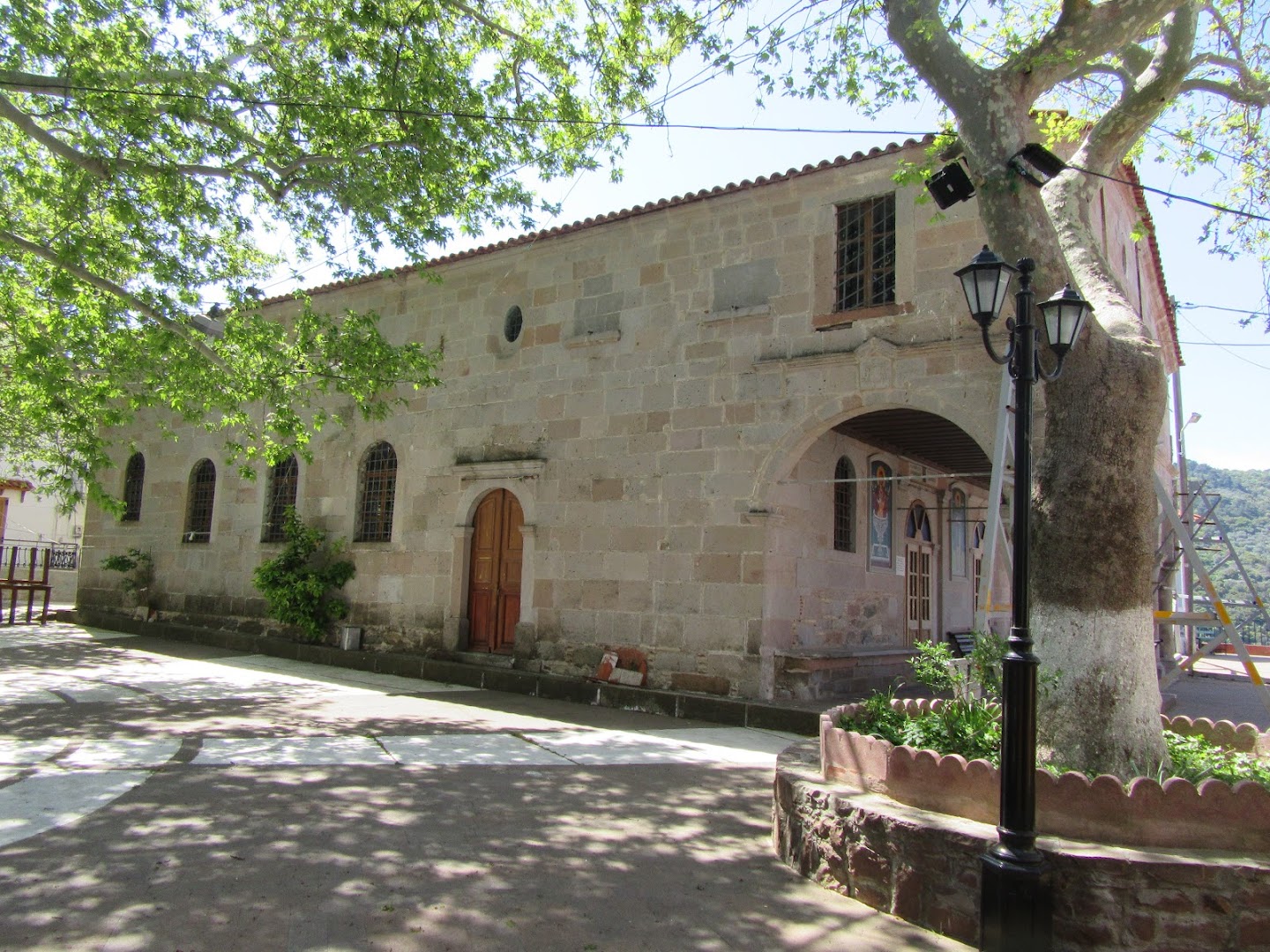
Nestled in the gentle hills near the quiet village of Akrasi, this small Orthodox church stands as a testament to the deep religious devotion that has shaped rural life on Lesvos for centuries. Like so many of the island's countryside churches, it likely serves as both a place of worship and a gathering point for the surrounding community, its whitewashed walls and terracotta-tiled roof a familiar and comforting presence in the landscape. Without a confirmed dedication, the church may honor one of the many saints beloved across the Aegean world — perhaps a local protector whose feast day draws villagers from neighboring settlements for an outdoor liturgy followed by communal feasting, a tradition known as a panigiri that remains very much alive on Lesvos today.
The interior, as is common in churches of this region and era, likely shelters a wooden iconostasis separating the nave from the sanctuary, adorned with painted icons in the Byzantine tradition. These images, even in modest village churches, often carry considerable age and spiritual significance, having been venerated by generations of the same families over many decades. The craftsmanship reflects the broader artistic heritage of the eastern Aegean, where icon painting flourished under both Byzantine and later Ottoman-era patronage, producing works of quiet intensity that visitors often find unexpectedly moving.
For travelers exploring the inland villages of Lesvos beyond the well-worn coastal routes, a visit to this church offers a genuine encounter with the island's living spiritual culture. Akrasi and its surroundings preserve a way of life that is increasingly rare, where the rhythm of the agricultural year and the Orthodox liturgical calendar remain intertwined. Visitors are encouraged to approach with respect — doors are often unlocked during daylight hours — and to take a moment of stillness in what is, for the local community, far more than a historical curiosity: it is a place of ongoing faith and memory.
Before you go
What to expect
The church sits serenely in the hillside countryside around Akrasi, its whitewashed walls catching the light against the olive-covered slopes. Step inside and the cool, dim interior reveals a painted iconostasis — icons venerated by the same village families across generations. On a saint's feast day the grounds come alive with a panigiri, the outdoor liturgy and communal meal that remains a deeply felt tradition in rural Lesvos.
Best time to visit
April through October is pleasant for exploring inland; if you hope to witness a panigiri, ask locally about the church's name day, as these celebrations follow the Orthodox calendar.
How to get there
Akrasi lies about 23 km from Mytilene in the southern interior of the island; allow roughly 30 to 40 minutes by car on winding country roads, as the straight-line distance understates the actual drive.
Details
Categories
Photos
Make a day of it
Places worth combining with your visit