


Ακράσι
Akrasi
Population
214
Elevation
361m
Municipality
Mytilini
Postal Code
812 00
From Mytilene
22.6 km
Nearest Beach
Paralia Drotas Beach 2
Overview
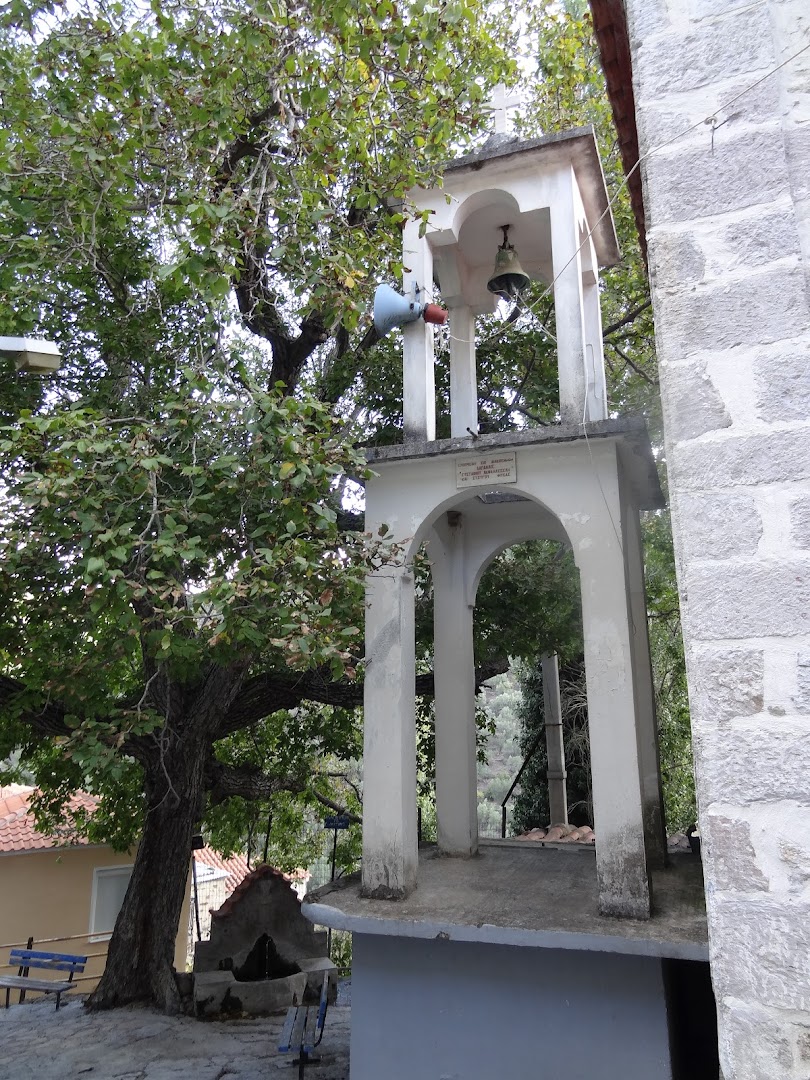
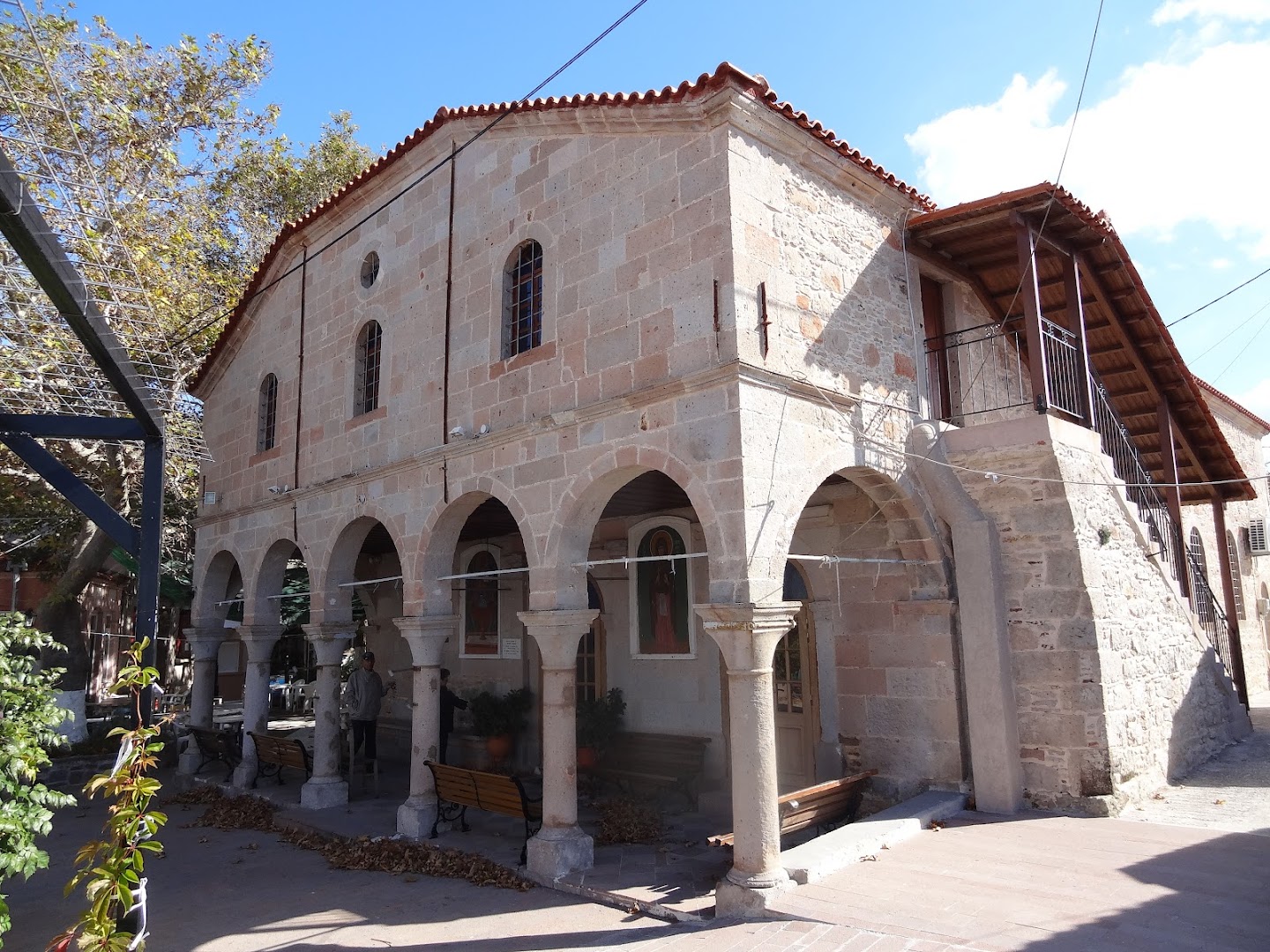
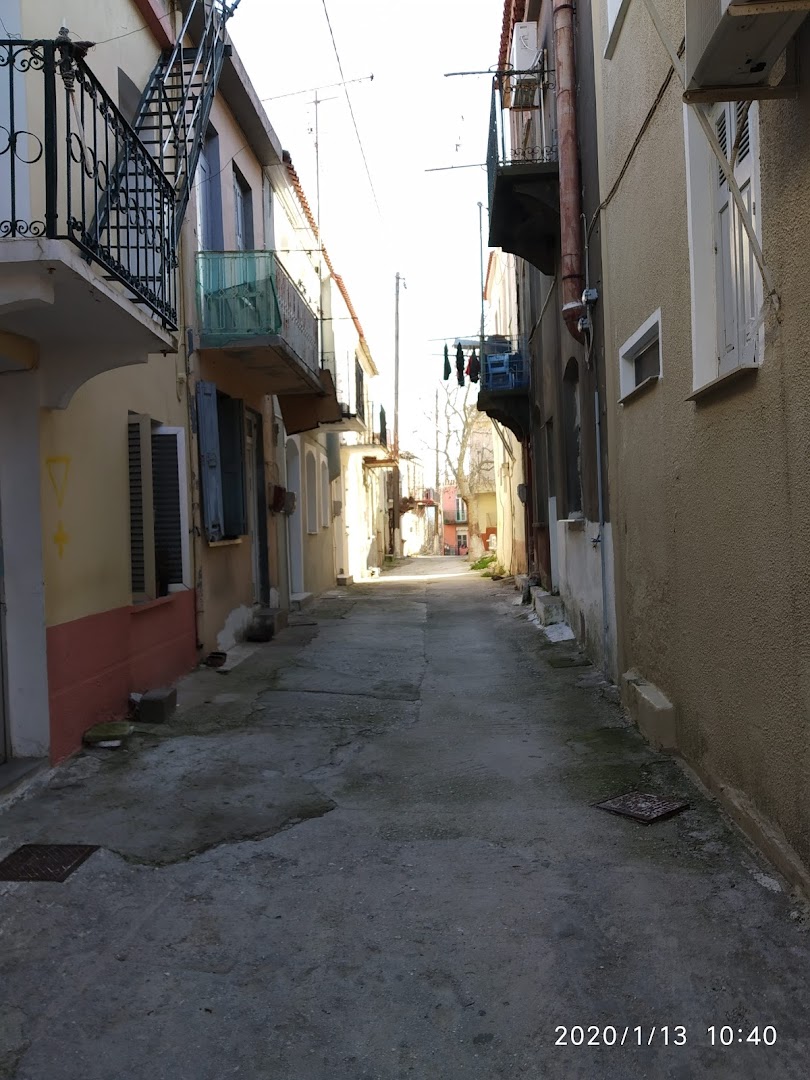
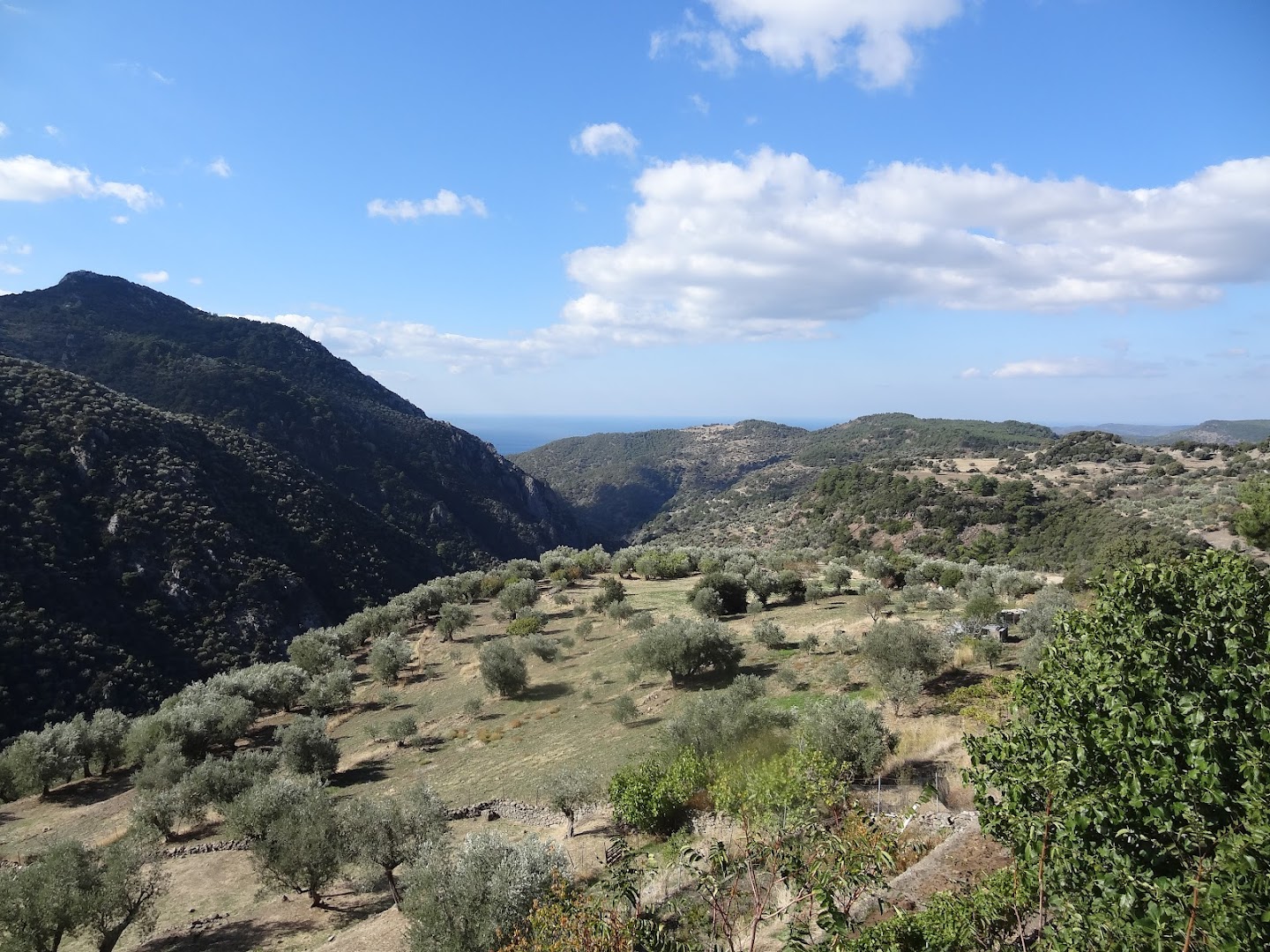
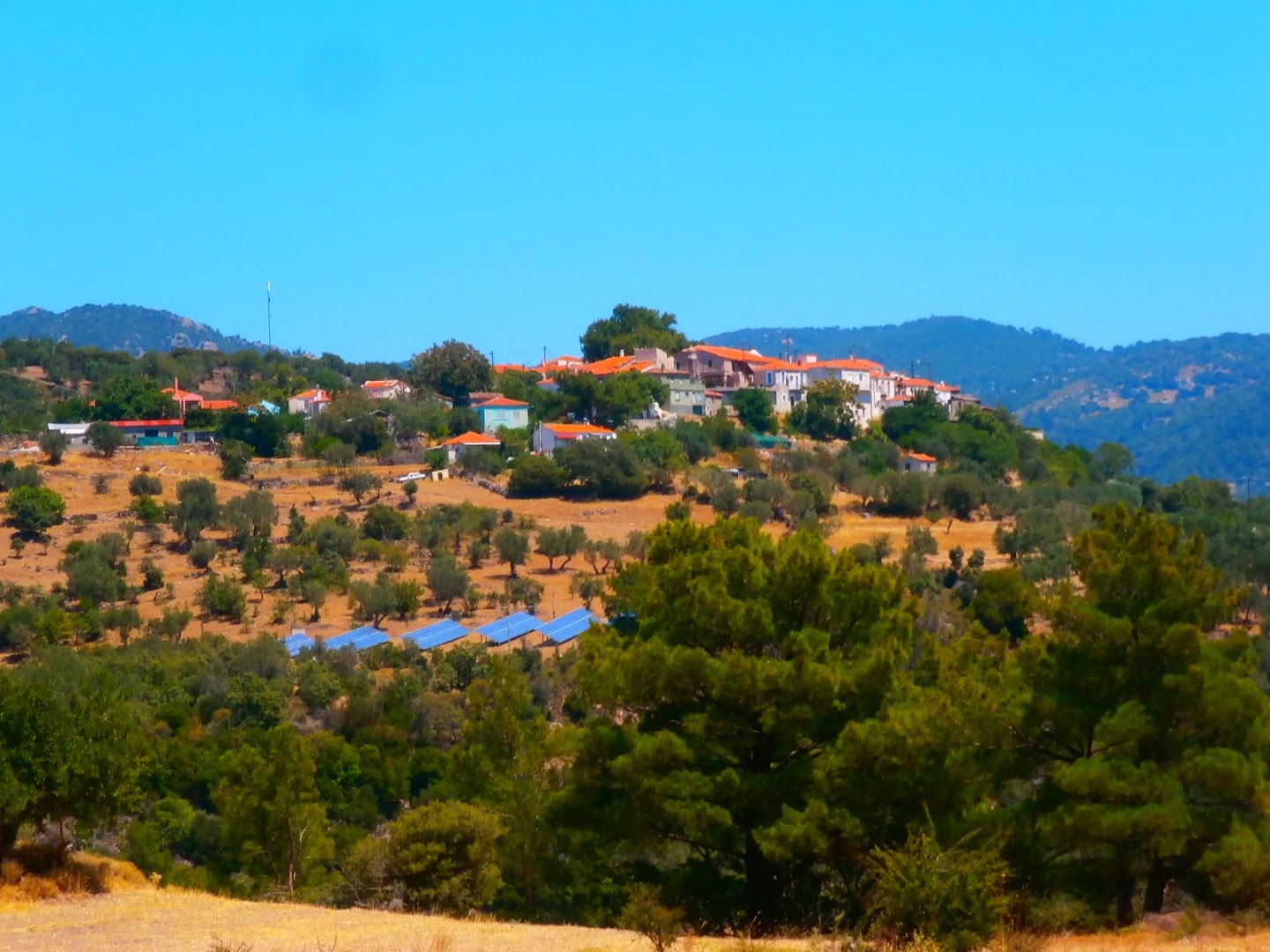
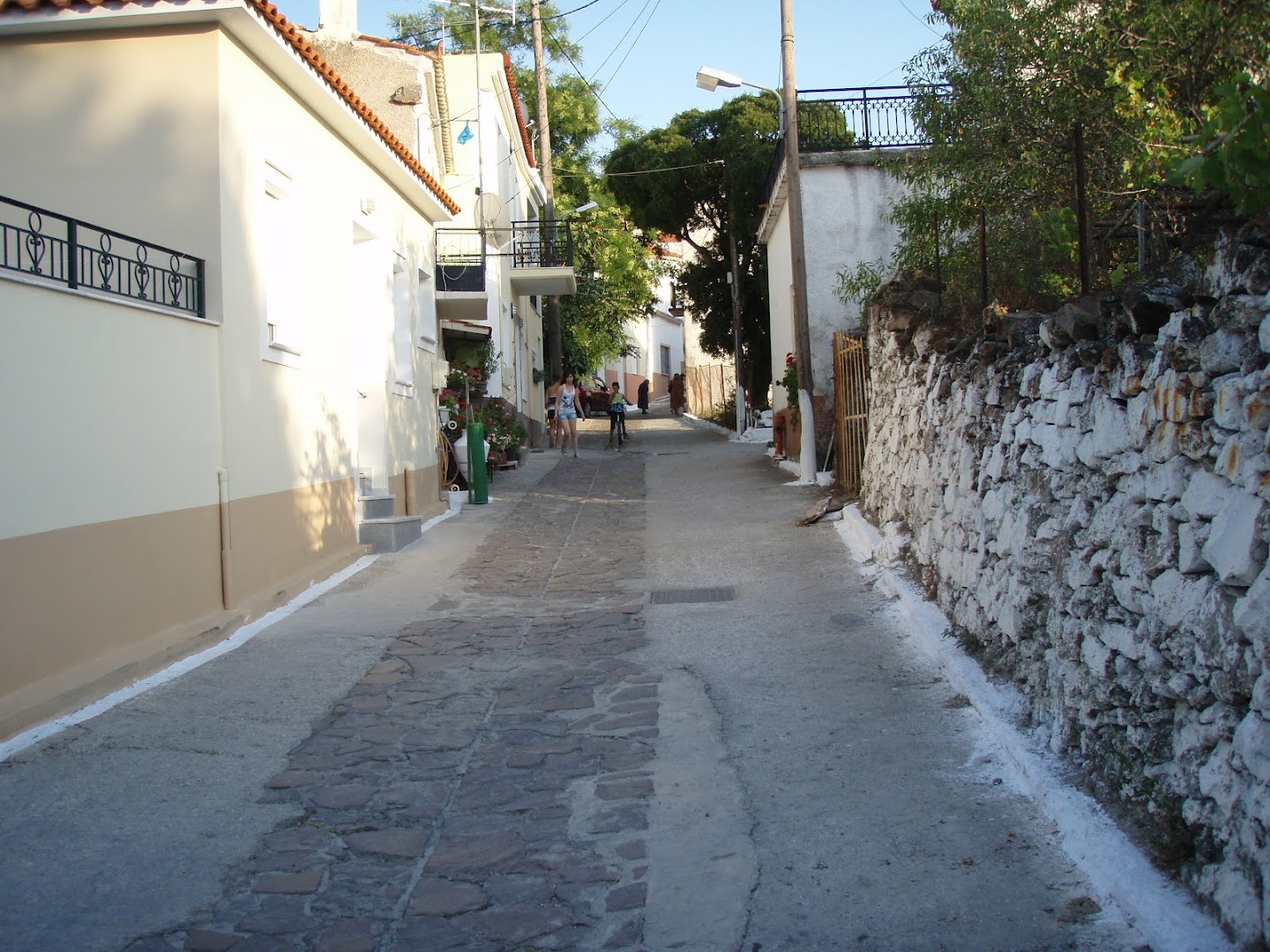
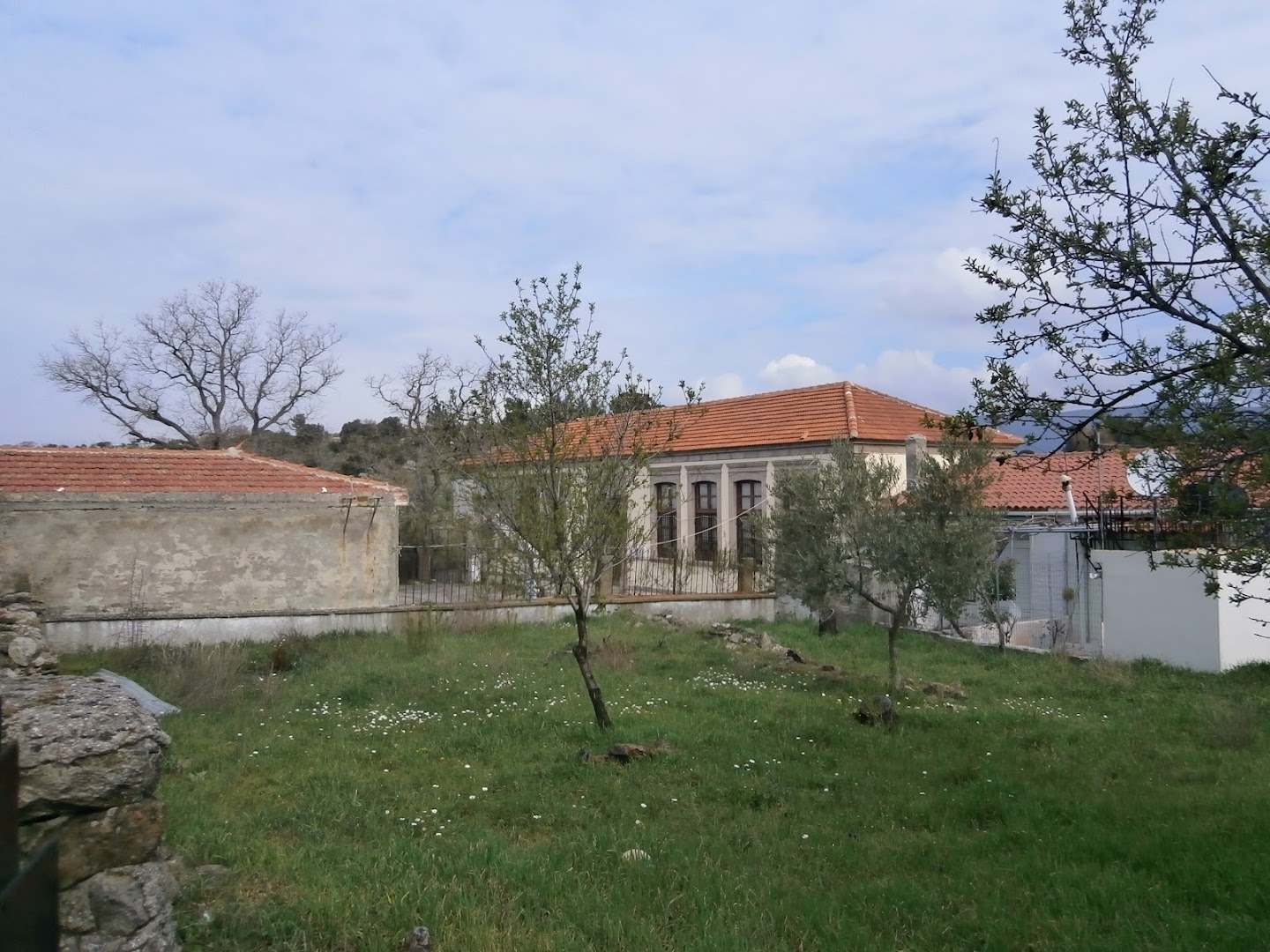
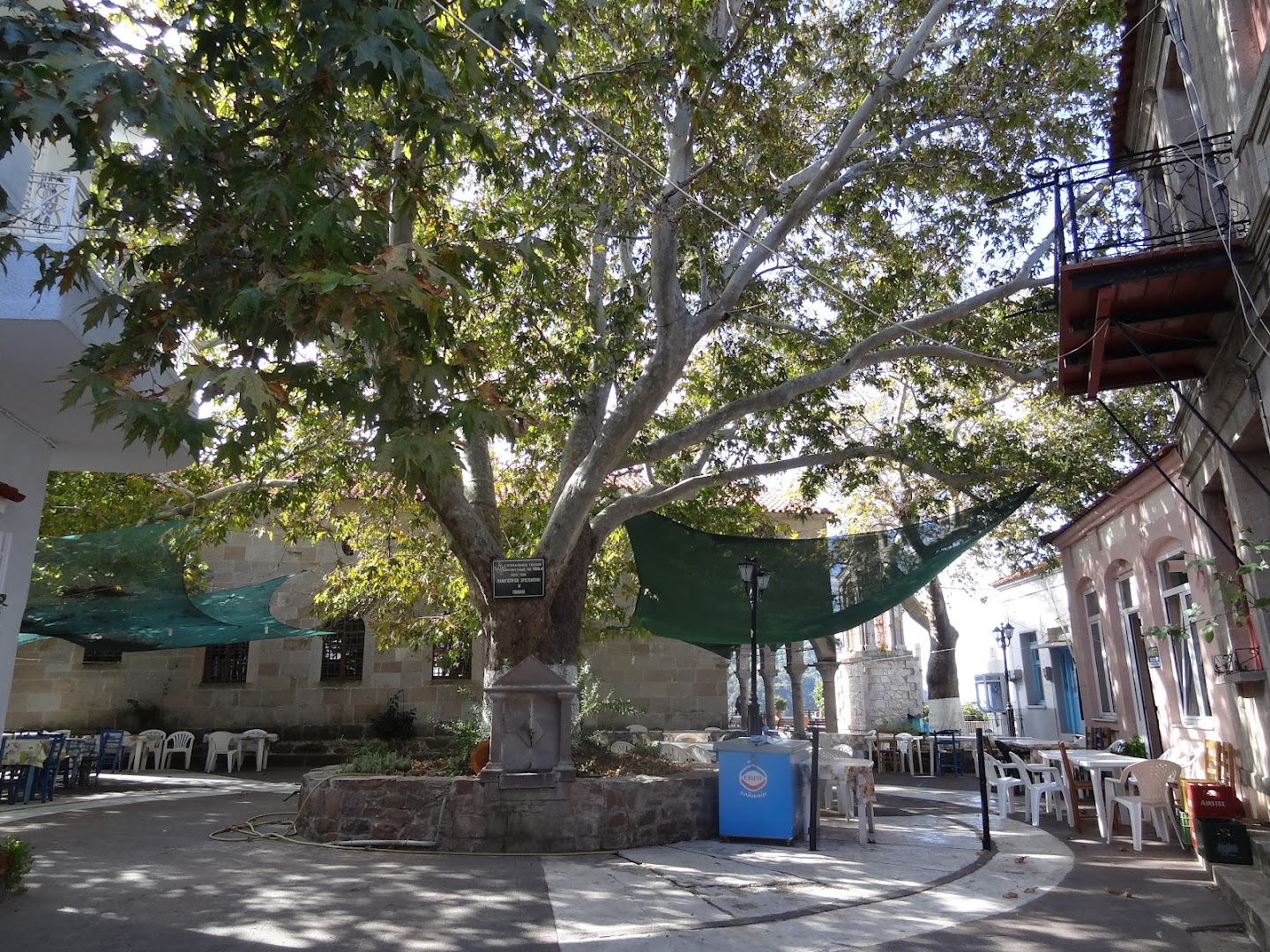
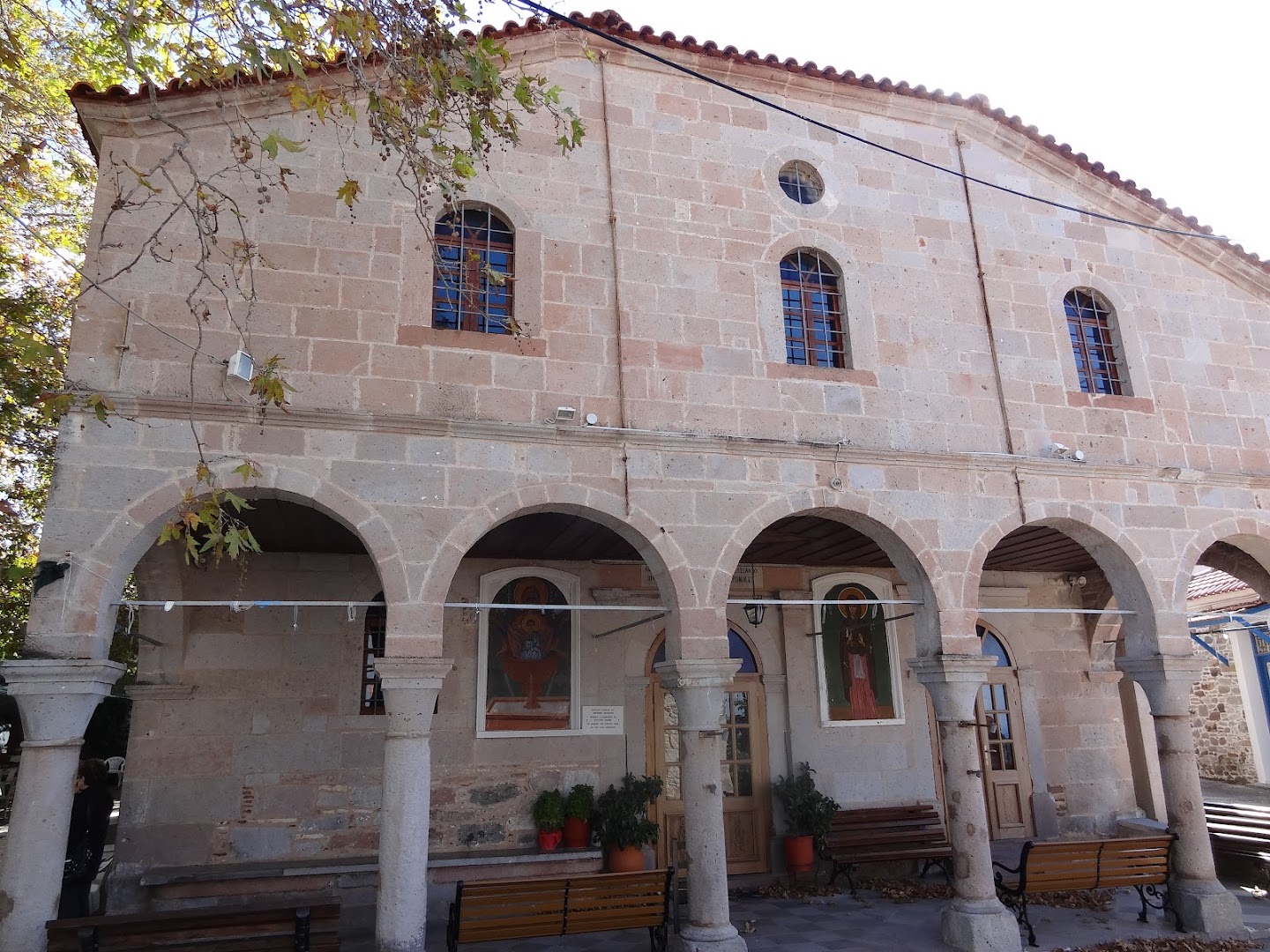
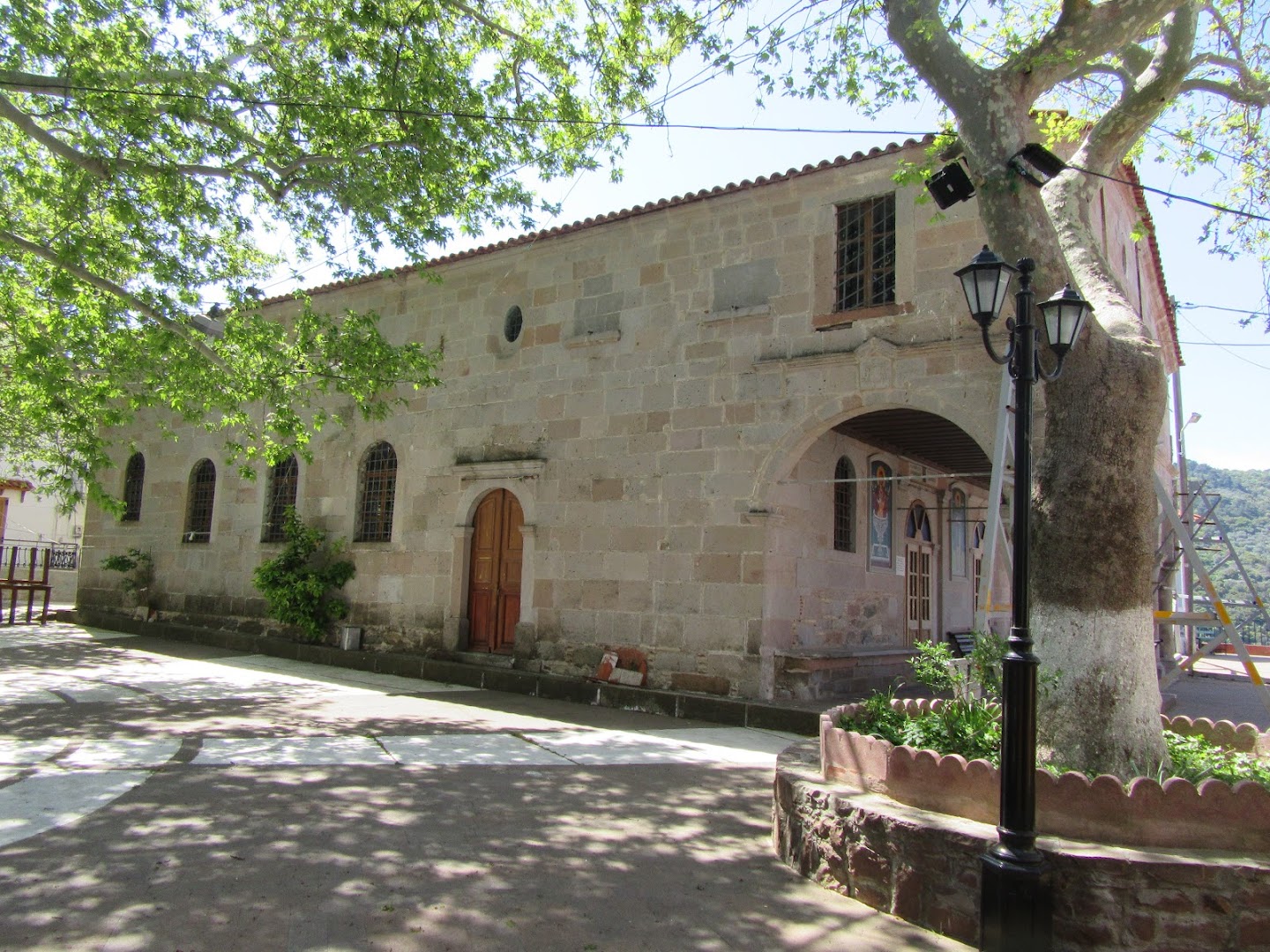
Akrasi is a small, tranquil village in the southern part of Lesvos, set amid rolling hills and dense olive groves. The settlement preserves much of its traditional character, with stone-built houses and narrow paths that have changed little over the decades. Its quiet atmosphere makes it a genuine retreat from the busier coastal areas. The village church and surrounding countryside offer visitors a glimpse into the unhurried rhythm of rural island life.
Before you go
What to expect
Walking Akrasi's narrow stone paths, you pass under old olive branches and between walls that have stood for generations — the silence here is genuine, broken only by birdsong or a passing tractor. The village church gives the settlement its focal point, and the surrounding groves invite a slow wander rather than a checklist visit. Expect nothing packaged: this is rural island life continuing at its own unhurried pace.
Best time to visit
Spring (April–May) and early October are ideal — temperatures are mild, the light is golden, and you'll likely have the lanes to yourself.
How to get there
Akrasi sits roughly 30–35 minutes by car from Mytilene, heading into the southern hill country through the olive-grove interior rather than along the coast.
Top-Rated in Akrasi
Highest-rated places chosen by visitors
service
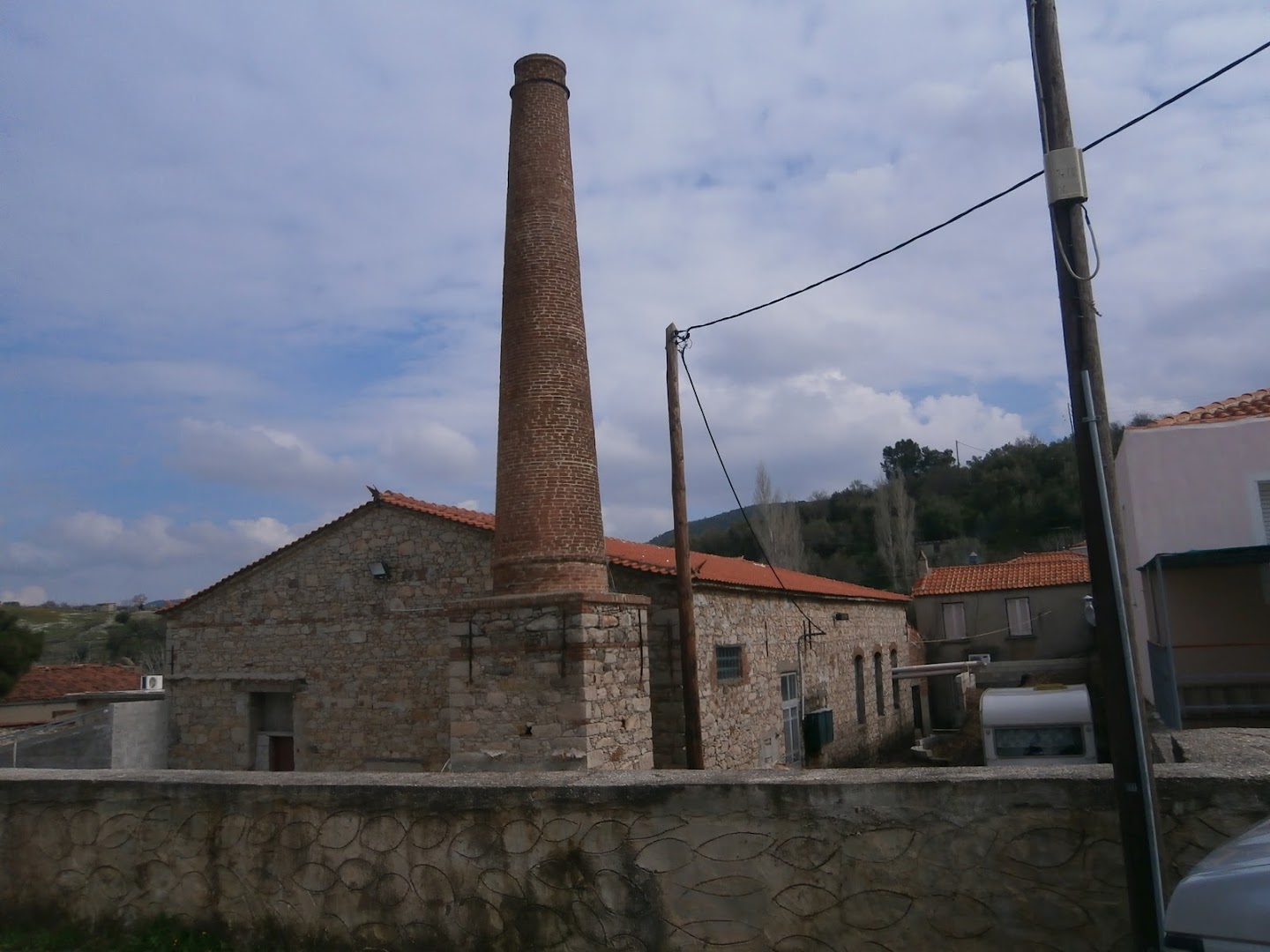
Olive Mill Cooperative Akrasi
Modern olive pressing cooperative in Akrasi featuring state-of-the-art centrifuge technology for producing exceptional extra virgin olive oil. Visitors can experience traditional processing and purchase premium local products directly from producers.
taverna
The Crossroads of Tastes
A highly-rated barbecue taverna located in the village of Akrasi, specializing in grilled meats and traditional Greek cuisine. With a 4.9-star rating from 14 reviews, it's a trusted local favorite for authentic, hearty dining. An ideal stop for visitors seeking traditional Lesbos flavors in a charming village setting.
attraction
Museum of Cultural Heritage I. Kontellis
A local history museum in Akrasi dedicated to preserving and presenting the island's cultural heritage. This community-run space showcases traditional artifacts and regional history, offering visitors insight into Lesvos's local traditions and way of life.
cafe
Nikos Cafe-Grill
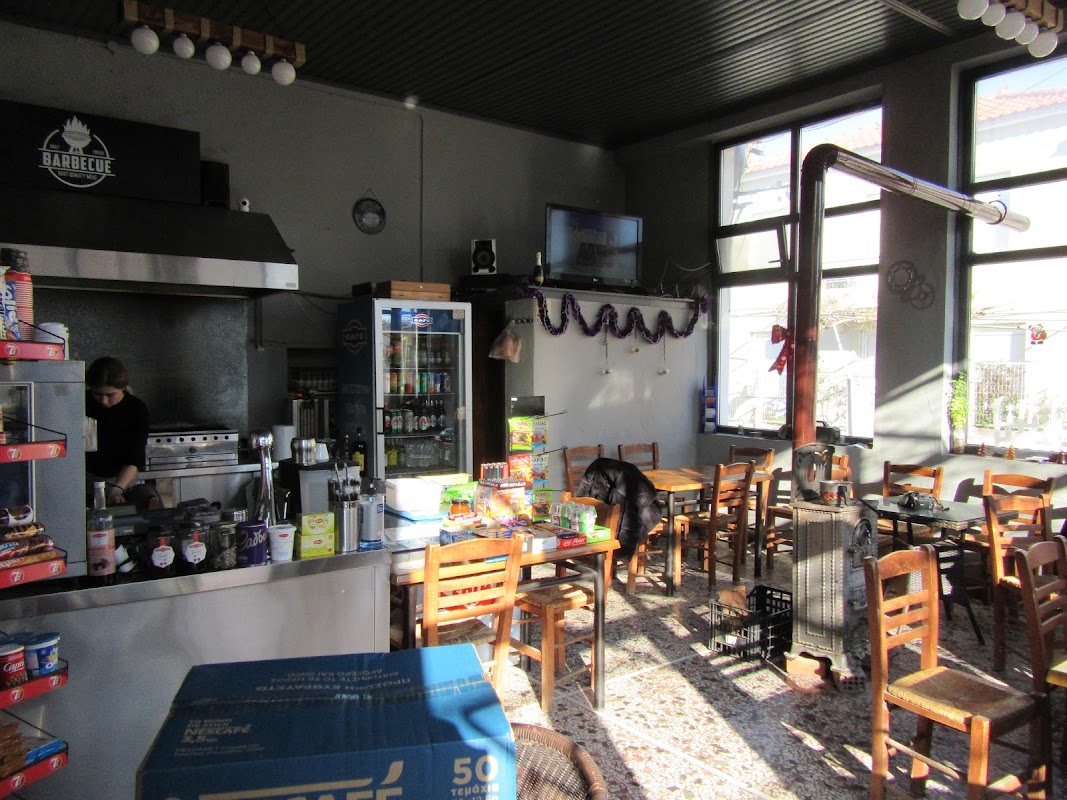
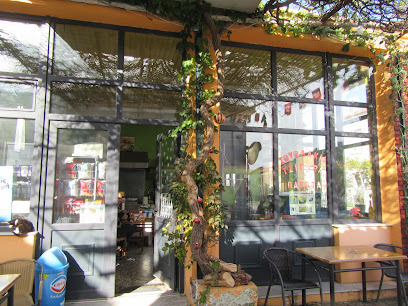
Nikos Cafe-Grill is a welcoming coffee shop and grill located in the quiet village of Akrasi, in the verdant olive-covered hills of central Lesvos. With its dual identity as both a cafe and a grill, it offers visitors a comfortable stop whether they are looking for a morning coffee, a relaxed midday meal, or a simple bite after exploring the surrounding countryside. Places like Nikos are the lifeblood of Lesvos village life, serving as informal gathering spots where locals share the news of the day over a Greek coffee or a cold drink. For travelers passing through the island's interior, stopping at a village cafe-grill such as this one is an authentic way to experience everyday Aegean hospitality away from the more tourist-facing establishments of the coast. Expect honest, unpretentious food alongside the warmth that defines Greek village culture.
Practical Info
Supermarket
Not found
Medical / Pharmacy
Not found
Petrol Station
Not found
ATM / Bank
Not found
Transport
Not found
Churches & Religious Sites
Αγία Παρασκευή
Agia Paraskevi
Nestled in the verdant countryside near the village of Akrasi in central Lesvos, the church of Agia Paraskevi is dedicated to one of the most beloved saints of the Greek Orthodox world. Saint Paraskevi, whose name means "preparation" and is synonymous with Friday in the Greek language, was a early Christian martyr venerated across the Aegean for her faith and her legendary powers of healing, particularly of ailments affecting the eyes. Churches bearing her name are among the most common sacred sites throughout rural Greece, and this modest yet spiritually resonant example reflects the deep Marian and hagiographic piety that has shaped village life on Lesvos for centuries. The church follows the whitewashed, single-nave architectural tradition typical of Orthodox chapels scattered across the Aegean islands, its simple exterior belying the warmth of the interior, where an iconostasis of carved wood screens the sanctuary and icons rendered in the Byzantine tradition invite quiet contemplation. The surrounding landscape of olive groves and rolling hills frames the church in a setting that feels timeless, connecting worshippers to generations of islanders who have sought intercession here in moments of illness, hardship, and gratitude. The interior typically holds a venerated icon of the saint depicted with the instruments of her martyrdom, and the space carries the fragrant patina of incense accumulated over many decades of liturgical use. The feast day of Agia Paraskevi falls on July 26th, and like most rural Orthodox churches on Lesvos, this one comes vibrantly alive on that occasion. The surrounding community gathers for the liturgy, and the panigiri — the traditional feast that follows — transforms the churchyard into a place of music, food, and communal celebration. For visitors, stumbling upon such a celebration offers a rare and genuine window into the living religious culture of the island. Even outside of feast days, the church stands as a quiet landmark along the rural paths near Akrasi, a place where the sacred and the pastoral are woven seamlessly into the fabric of everyday Lesbian life.
Άγιος Αντώνης
Agios Adonis
Tucked into the quiet countryside near the village of Akrasi, the Church of Agios Adonis bears one of the more unusual dedications found on Lesvos. Saint Adonis is a rare patron in the Greek Orthodox tradition, and a church bearing his name speaks to the island's rich and sometimes idiosyncratic religious heritage, where ancient place names and pre-Christian resonances linger quietly beneath centuries of Christian devotion. The church sits in the gently rolling landscape of the island's interior, surrounded by olive groves and the unhurried rhythms of rural Aegean life. Like many of the small parish churches scattered across Lesvos, Agios Adonis is modest in scale but meaningful in its presence within the local community. Its architecture follows the vernacular tradition of rural Greek Orthodox chapels — whitewashed walls, a low-pitched tiled roof, and an intimate interior where candles and icon lamps cast a warm glow over devotional images. These village churches often house icons that have been venerated for generations, passed down within families or gifted by local benefactors, giving each one a deeply personal character that larger pilgrimage sites rarely possess. For visitors, Agios Adonis offers a genuine encounter with the living religious culture of a Lesbian village community. The church comes most alive on its feast day, when residents of Akrasi and surrounding hamlets gather to mark the occasion with liturgy, shared food, and the kind of unhurried sociability that defines the Greek Orthodox calendar. Even outside of feast days, the church is a peaceful stop for those exploring the island's interior, offering a moment of stillness and a window into the faith that has shaped the rhythms of Aegean village life for centuries.
Άγιος Νεκτάριος
Agios Nektarios
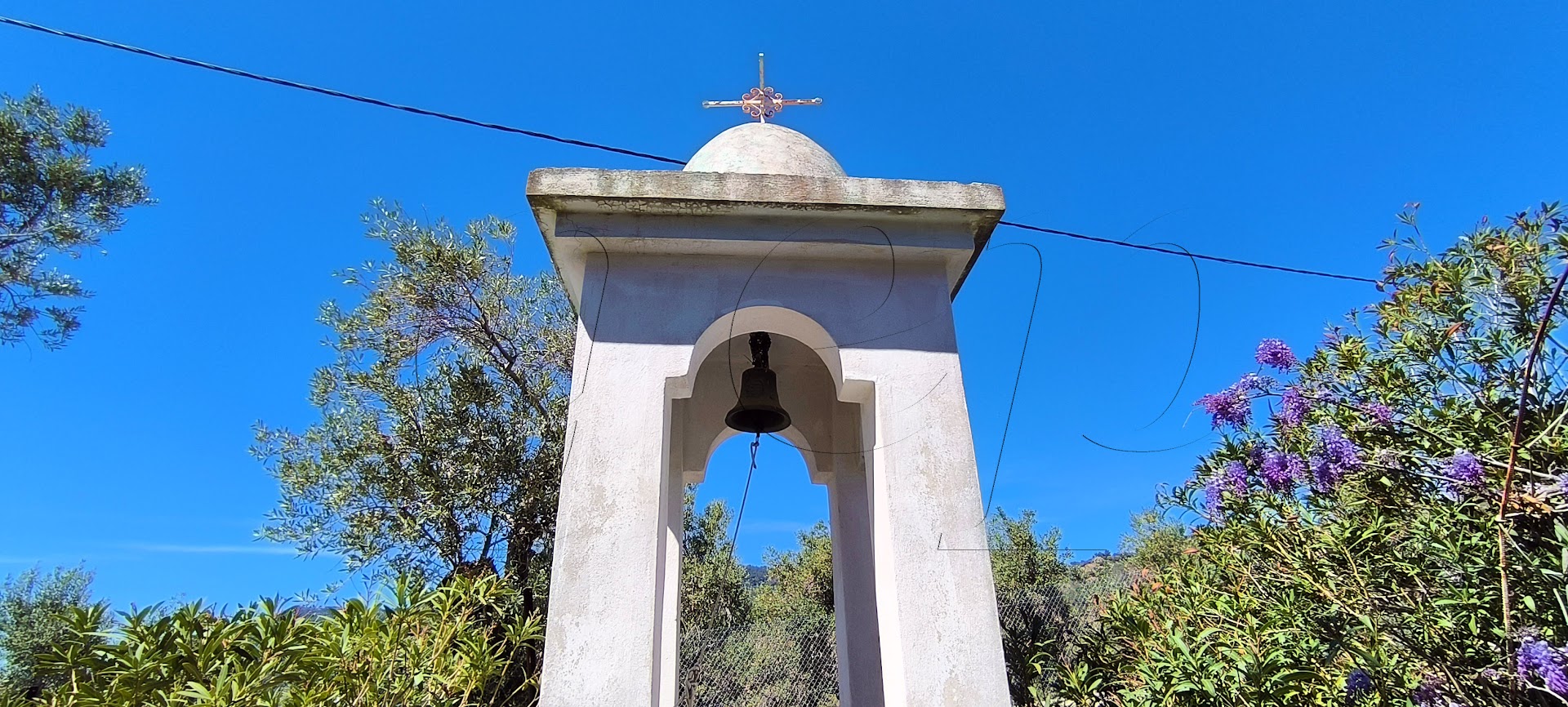
Nestled in the gentle hillside landscape near the village of Akrasi, the church of Agios Nektarios is dedicated to one of the most beloved saints of the modern Greek Orthodox Church. Saint Nektarios of Aegina (1846–1920) was a bishop, theologian, and prolific hymn-writer whose reputation for holiness and miraculous healing spread rapidly across the Aegean world during his lifetime and has only deepened since his canonization in 1961. Churches bearing his name have been raised in communities throughout Greece with remarkable speed given how recently he was formally recognized as a saint, a testament to the profound devotion he inspires among the faithful. The church near Akrasi reflects this grassroots veneration, standing as a place where local families gather to seek his intercession, particularly for those suffering from illness. The building follows the modest whitewashed vernacular style typical of rural Lesvos, with clean lines and a simple bell tower that punctuate the surrounding olive groves and stone-walled fields. Inside, visitors will find an intimate sacred space where the iconostasis presents the saint in his episcopal vestments, his gentle and scholarly face rendered in the warm Byzantine tradition. The feast day of Agios Nektarios falls on November 9th, when the local community gathers for the liturgy and the informal celebration of shared food and fellowship that follows — one of those quietly meaningful village occasions that visitors fortunate enough to witness will long remember. For travelers exploring the quieter interior of Lesvos, stopping at this church offers a chance to connect with the living spiritual culture of the island rather than merely its ancient monuments. The setting itself, commanding views over the rolling landscape toward the Aegean horizon, makes the visit rewarding on a purely contemplative level. This is the kind of place that rewards patience and a willingness to slow down — a small sanctuary where the rhythms of faith, community, and the natural world feel genuinely, unhurriedly intertwined.
Church (39.0285, 26.3090)
Nestled in the gentle hills near the quiet village of Akrasi, this small Orthodox church stands as a testament to the deep religious devotion that has shaped rural life on Lesvos for centuries. Like so many of the island's countryside churches, it likely serves as both a place of worship and a gathering point for the surrounding community, its whitewashed walls and terracotta-tiled roof a familiar and comforting presence in the landscape. Without a confirmed dedication, the church may honor one of the many saints beloved across the Aegean world — perhaps a local protector whose feast day draws villagers from neighboring settlements for an outdoor liturgy followed by communal feasting, a tradition known as a panigiri that remains very much alive on Lesvos today. The interior, as is common in churches of this region and era, likely shelters a wooden iconostasis separating the nave from the sanctuary, adorned with painted icons in the Byzantine tradition. These images, even in modest village churches, often carry considerable age and spiritual significance, having been venerated by generations of the same families over many decades. The craftsmanship reflects the broader artistic heritage of the eastern Aegean, where icon painting flourished under both Byzantine and later Ottoman-era patronage, producing works of quiet intensity that visitors often find unexpectedly moving. For travelers exploring the inland villages of Lesvos beyond the well-worn coastal routes, a visit to this church offers a genuine encounter with the island's living spiritual culture. Akrasi and its surroundings preserve a way of life that is increasingly rare, where the rhythm of the agricultural year and the Orthodox liturgical calendar remain intertwined. Visitors are encouraged to approach with respect — doors are often unlocked during daylight hours — and to take a moment of stillness in what is, for the local community, far more than a historical curiosity: it is a place of ongoing faith and memory.
Gallery & Videos
Captured a memorable moment in Akrasi?
Make a day of it
Places worth combining with your visit
Nearby
Beaches
Melida Beach
4.4 km away
Paralia Drotas Beach
4.8 km away
Kato Chorio Beach
6.9 km away
Ammoudeli
7.3 km away