Ι. Ναός Κοίμησης Θεοτόκου
About
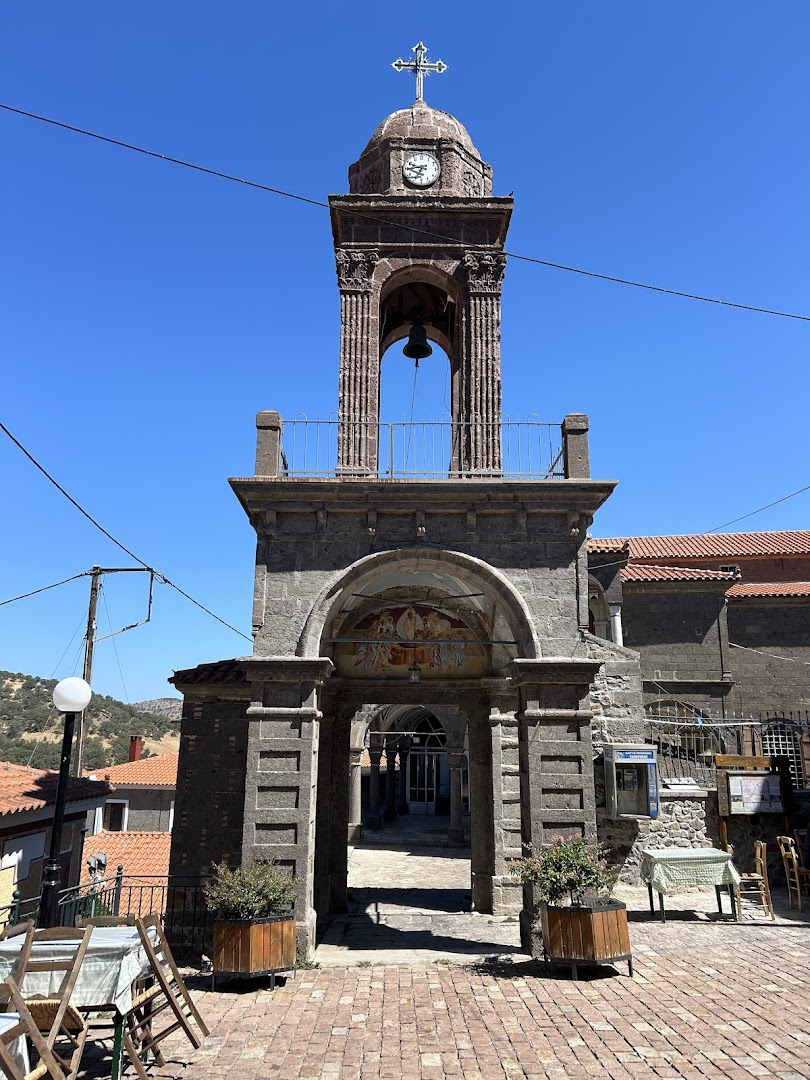
Nestled in the verdant landscape near Vatoussa, one of the traditional stone villages of western Lesvos, this Greek Orthodox church stands as a quiet testament to the island's deep spiritual heritage. The villages of this region have long maintained a rich ecclesiastical tradition, and small parish churches like this one form the devotional heart of their communities. Built in the vernacular style typical of the northern Aegean, the structure likely features thick whitewashed walls, a terracotta-tiled roof, and the modest, intimate interior characteristic of rural Lesvian churches — a sanctuary where generations of local families have marked the rhythms of life through baptism, marriage, and remembrance.
Inside, visitors can expect the warm glow of oil lamps illuminating an iconostasis adorned with devotional icons, the painted screen that separates the nave from the sanctuary in the Orthodox tradition. The icons, whether aged originals or later commissions, carry the distinctive Byzantine aesthetic that has defined Greek sacred art for centuries — elongated figures rendered in gold and earthy tones, their gaze conveying a timeless solemnity. The smell of incense and beeswax candles pervades the space, creating an atmosphere of contemplative stillness that draws both the faithful and the curious traveler alike.
For the community of Vatoussa and the surrounding hamlets, this church is far more than a historic monument. It anchors the social calendar through its name-day celebrations and feast days, when the village gathers for liturgy followed by communal music and food — a tradition that has outlasted centuries of Genoese, Ottoman, and modern Greek rule on the island. Visitors passing through this corner of Lesvos are welcome to step inside, observe quietly, and absorb a form of living culture that connects the present to a spiritual continuity stretching back to the earliest days of Christianity in the eastern Aegean.
Before you go
What to expect
The nave greets you with the soft flicker of oil lamps and the particular warmth of incense that seems to have soaked into the whitewashed walls across generations of liturgies. The iconostasis stands directly before you — gilded icons with the elongated, grave faces of Byzantine tradition — creating an atmosphere of unhurried contemplation whether you are a believer or simply a traveller who wandered in. If you visit on August 15th, the Dormition feast day for which the church is named, the whole of Vatoussa gathers: liturgy first, then music and a communal table in the village.
Best time to visit
August 15th, the Dormition of the Theotokos, brings the church and village fully alive; for a quieter visit, late spring and early autumn offer pleasant driving conditions through the western interior.
How to get there
From Mytilene, head northwest through Kalloni and then continue west into the island's hilly interior toward Vatoussa; allow roughly an hour to an hour and a quarter for the road journey through olive groves and stone villages.
Details
Denomination: greek_orthodox
Categories
Make a day of it
Places worth combining with your visit