


Βατούσσα
Vatoussa
Population
574
Elevation
267m
Municipality
Eressos-Antissa
Postal Code
811 03
From Mytilene
44.9 km
Nearest Beach
Kalo Limani Beach 2
Overview
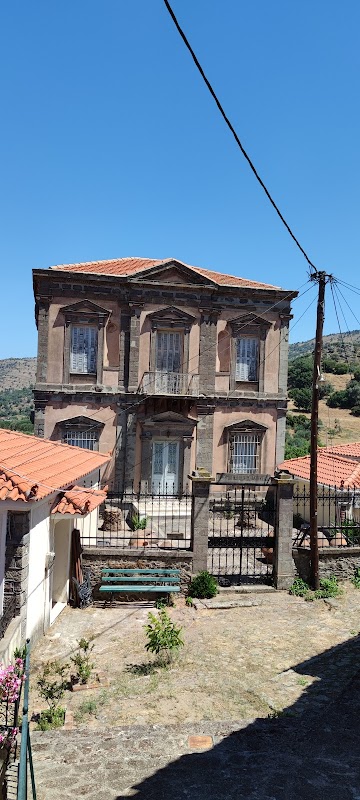
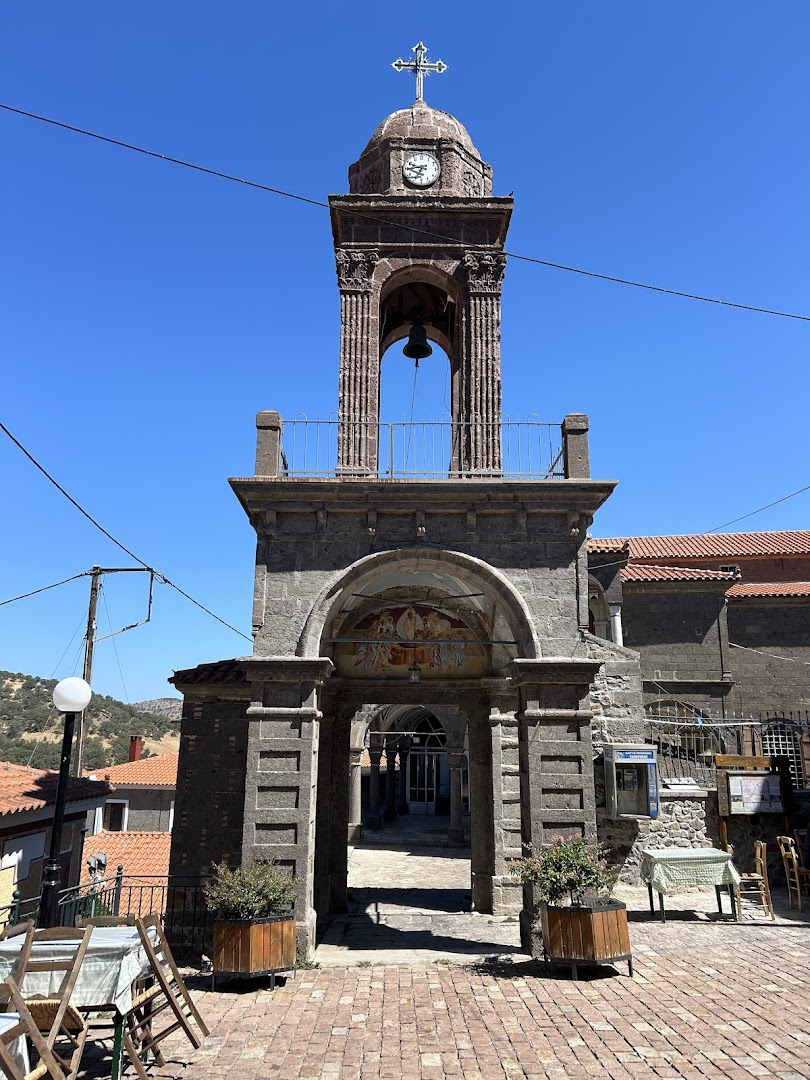
Vatoussa is a traditional village in western Lesvos, set in a lush valley surrounded by chestnut and oak forests — a landscape quite different from the olive-dominated east. The village preserves fine examples of Lesvian stone architecture, including the Gogos Mansion. Vatoussa is known for its folk museum and its proximity to the Petrified Forest. The surrounding area offers excellent walking routes through some of the most diverse natural scenery on the island.
Before you go
What to expect
Vatoussa feels cooler and greener than most of Lesvos, tucked into a forested valley where chestnuts and oaks replace the usual olive groves. Stone lanes lead past well-preserved Lesvian mansions — the Gogos Mansion is the standout — and a folk museum that captures village life from a century ago. It also makes a good base for visiting the nearby Petrified Forest, one of the island's most distinctive natural sites.
Best time to visit
Spring and early autumn are ideal for the forest trails around the village; summer is warm but the tree canopy keeps Vatoussa noticeably cooler than the coast.
How to get there
From Mytilene, plan on roughly an hour's drive heading west across the mountainous interior of the island.
Top-Rated in Vatoussa
Highest-rated places chosen by visitors
restaurant
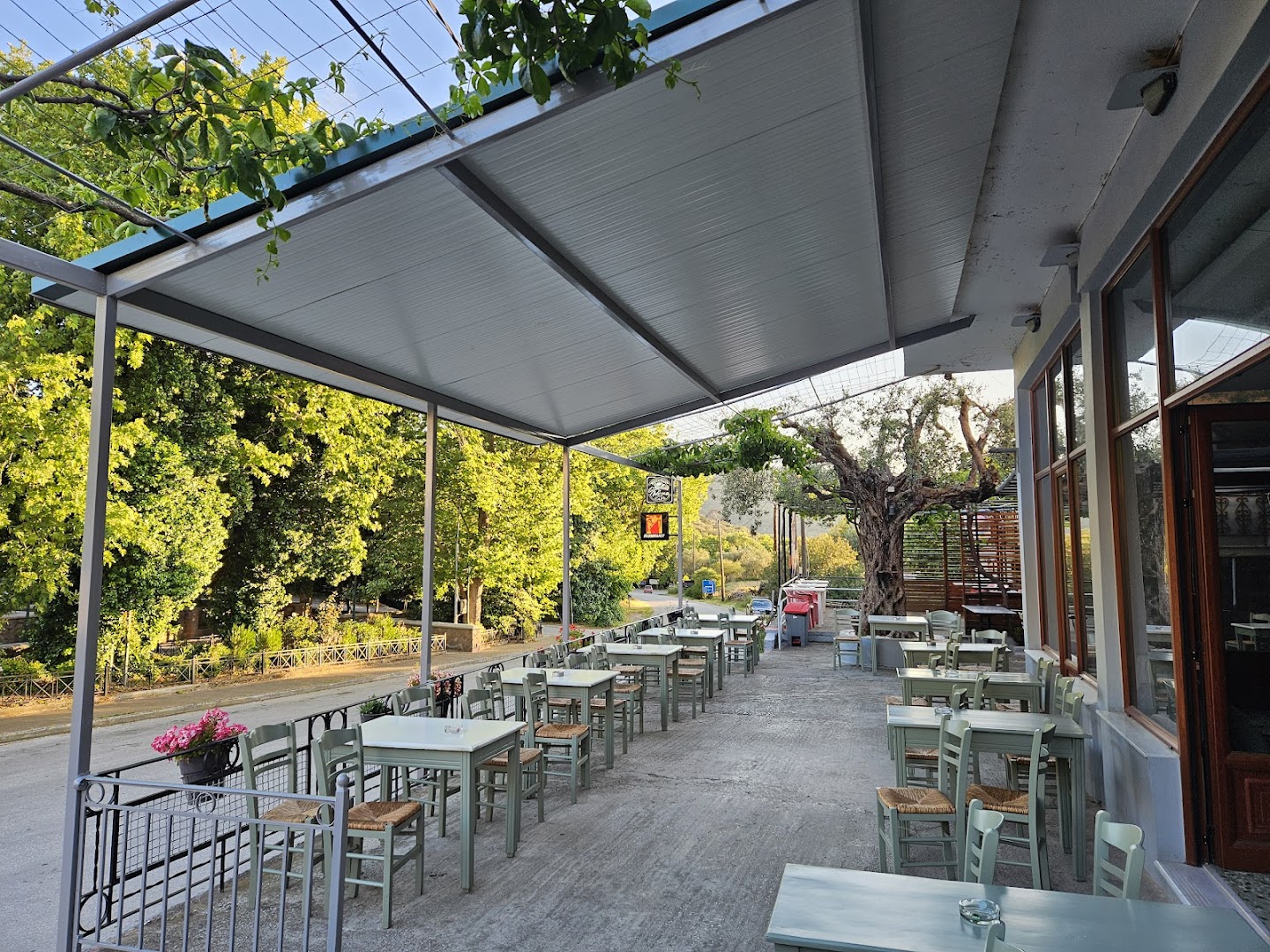
To Stenaki
To Stenaki — "The Little Alley" in Greek — is a traditional ouzeri tucked near the village of Vatoussa in the verdant hills of western Lesvos. As a small plates restaurant in the ouzeri tradition, it offers the quintessential Aegean experience of lingering over a glass of ouzo or local wine accompanied by a rotating selection of mezedes: think grilled sardines, taramasalata, fava, local cheeses, and whatever the season brings to the table. This is the kind of place where a quick stop can easily stretch into an afternoon, as the unhurried pace of village life takes hold. Vatoussa itself sits within Lesvos's olive-covered interior, far from the bustle of the port towns, and To Stenaki embodies that quieter, more authentic side of the island. Visitors exploring the western reaches of Lesvos — heading toward Sigri, Antissa, or the petrified forest — will find it a natural and rewarding pause. The ouzeri format encourages sharing and conversation, making it ideal for travelers who want to eat the way locals do: slowly, sociably, and with genuine pleasure in simple, well-sourced ingredients.
olive-oil
Olivepress Batoussa
Tucked into the olive-draped hillsides of northwestern Lesvos, Olivepress Batoussa sits near the quiet village of Vatoussa, a region where the landscape is defined by some of the island's most ancient and gnarled olive trees. Lesvos has been celebrated for its olive oil for centuries, and the northwestern interior — with its cooler air and fertile volcanic soil — has long been the heartland of that tradition. An olive press here is not merely a commercial operation but a living piece of agricultural heritage, rooted in the same rhythms that have shaped life on this island for generations. Visitors who stop at Olivepress Batoussa can expect an authentic encounter with the island's most iconic product. The pressing of olives, traditionally carried out in the autumn and early winter months, transforms the harvest into the rich, grassy extra-virgin oil that Lesvos is known for across Greece and beyond. Many such traditional presses on the island welcome curious travelers, offering the chance to see the process firsthand, learn about the journey from grove to bottle, and of course to taste the oil itself — often alongside local bread or with a handful of cured olives. Beyond the oil, a visit here offers a reason to linger in a corner of Lesvos that many tourists overlook. The village of Vatoussa and its surroundings reward those willing to leave the coastal resorts behind, with stone-built architecture, unhurried village life, and the serene beauty of olive groves stretching across the hillsides. Olivepress Batoussa is the kind of place that connects you to the true character of the island — its land, its labor, and its enduring relationship with the olive tree.
supermarket
Traditional Pantry Emmanuil Karaolani's
Traditional Pantry Emmanuil Karaolani's is a charming convenience store and traditional pantry located in the village of Vatoussa, nestled in the verdant interior of Lesvos. Vatoussa is one of the island's quieter, unspoiled villages, and a shop like this serves as the beating heart of local daily life, stocking essentials alongside the kinds of regional products that define Greek village culture. Visitors stopping here can expect to find a curated selection of local staples — olive oil pressed from Lesvos's celebrated groves, locally produced preserves, cheeses, and the everyday provisions that sustain village households. Shops of this character across Lesvos often carry island-specific products that are difficult to find elsewhere, making them a worthwhile stop for travelers keen to bring a taste of the island home. For anyone exploring the lush hill villages of western Lesvos, a visit to a traditional pantry like this offers a genuine glimpse into the rhythms of local life. It is the kind of place where a traveler can pick up supplies for a picnic among the olive trees or simply exchange a few words with the locals — an experience that speaks to the unhurried, authentic spirit that makes the Lesvos countryside so rewarding to explore.
restaurant
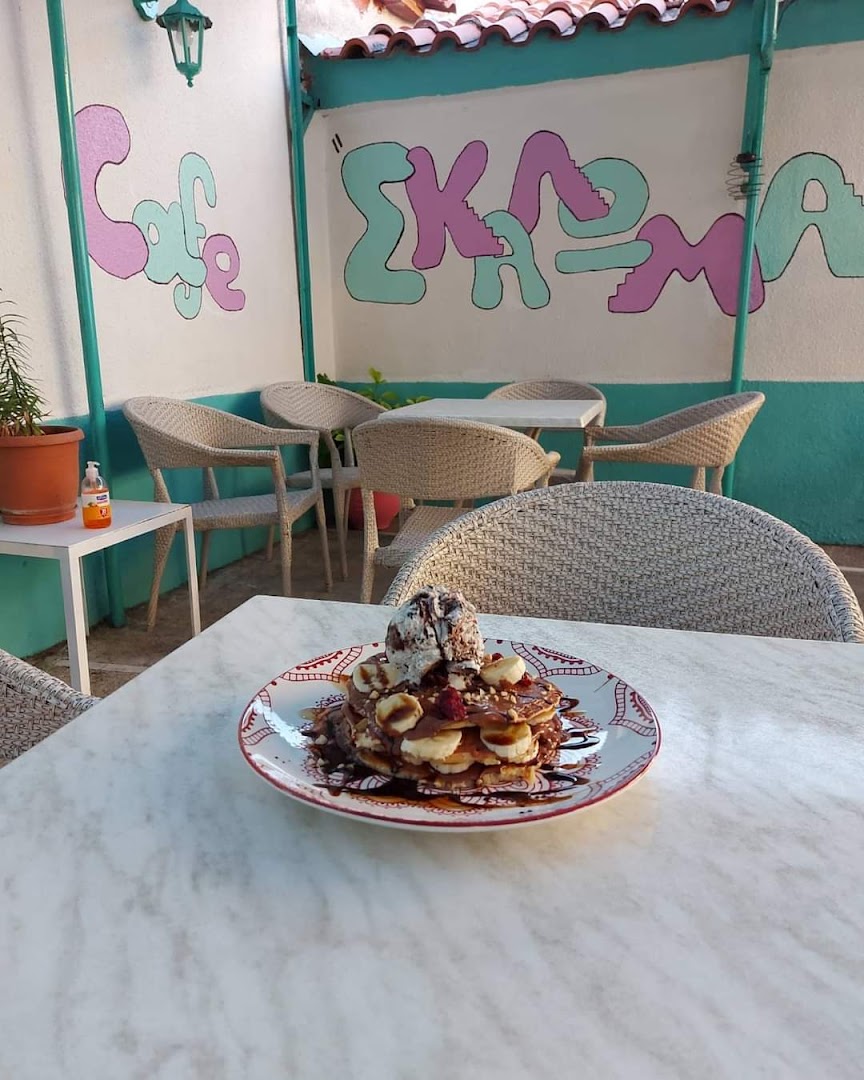
Cafe Koutrouli
Cafe Koutrouli is a welcoming cafe and restaurant nestled in the village of Vatoussa, a quiet, traditional settlement in the western reaches of Lesvos. Vatoussa sits amid rolling hills and ancient olive groves, far from the busier tourist circuits, making any stop here feel like a genuine discovery. The cafe takes its place at the heart of village life, the kind of establishment where locals gather over a morning coffee and visitors are drawn in by the unhurried pace. Guests can expect the honest pleasures of a Greek village cafe: freshly brewed Greek coffee, cool freddo espresso on warm afternoons, cold drinks, and simple plates that reflect the island's larder. Whether you are passing through on a drive to the rugged western coast or exploring the interior villages of Lesvos, Cafe Koutrouli offers a chance to slow down, sit in the shade, and absorb the rhythms of authentic island life. The hospitality here is the everyday kind — straightforward and sincere. For travelers venturing into the lesser-visited heart of Lesvos, stopping at a village cafe like Koutrouli is as much a part of the experience as any landmark. Vatoussa itself rewards a short wander through its stone-paved lanes, and the cafe makes an ideal base for that exploration. It is the sort of place that reminds you why discovering a small Greek village on a quiet afternoon is one of travel's quieter, most lasting pleasures.
Practical Info
Supermarket
3 stores
Medical / Pharmacy
Regional Health Center of Vatoussa
Petrol Station
Momatzi Ioannis
ATM / Bank
Not found
Transport
Not found
All Businesses
Adams Bar
Cafe Kamviselli
Cafe Koutrouli
Folklore Museum of Vatousa
Gogo's Mansion Museum
Kamviselli Kafeneion
Karantonis
Karaolani Emmanouil
Koutrouli Ioannis
Koutroulis
Manoli's
Mario and Michali's Supermarket
Churches & Religious Sites
Άγιος Αντώνιος
Church (39.2230, 26.0476)
Nestled in the hills near Vatoussa, one of western Lesvos's most beautifully preserved stone villages, this church stands as a quiet testament to the island's deep Orthodox Christian heritage. Churches of this kind in the Lesvos interior typically follow the post-Byzantine architectural tradition common across the Aegean, featuring thick stone walls, a modest bell tower, and a tiled roof that weathers gracefully through the island's warm summers and mild winters. The interior, as with most rural churches on the island, likely shelters a carved wooden iconostasis separating the nave from the sanctuary, adorned with icons rendered in the Byzantine style that has defined Greek ecclesiastical art for centuries. For the villagers of Vatoussa and the surrounding communities, churches like this one are far more than places of worship — they are the anchors of community life, hosting baptisms, weddings, and the name-day celebrations that bring families together across generations. The feast day of the church's patron saint, whatever the dedication may be, would traditionally draw locals and returning diaspora alike, with a liturgy followed by communal gathering and the sharing of food. This rhythm of sacred and social life has remained largely unchanged across the centuries, even as the island's population shifted and its economy evolved. Visitors exploring the quiet roads of western Lesvos will find that stopping at a village church like this offers something the main tourist sites cannot: a sense of genuine, unhurried Aegean life. The surrounding landscape of olive groves and pine-covered hills stretches toward the Aegean horizon, and the silence around the church grounds is broken only by birdsong and the distant sound of bells. Whether you enter to admire whatever icons and frescoes may survive within, or simply sit in the shade outside and absorb the stillness, this small sacred place captures the spiritual character that makes Lesvos's interior so quietly compelling.
Ι. Ναός Κοίμησης Θεοτόκου
Ι. Ναός Κοίμησης Θεοτόκου
Nestled in the verdant landscape near Vatoussa, one of the traditional stone villages of western Lesvos, this Greek Orthodox church stands as a quiet testament to the island's deep spiritual heritage. The villages of this region have long maintained a rich ecclesiastical tradition, and small parish churches like this one form the devotional heart of their communities. Built in the vernacular style typical of the northern Aegean, the structure likely features thick whitewashed walls, a terracotta-tiled roof, and the modest, intimate interior characteristic of rural Lesvian churches — a sanctuary where generations of local families have marked the rhythms of life through baptism, marriage, and remembrance. Inside, visitors can expect the warm glow of oil lamps illuminating an iconostasis adorned with devotional icons, the painted screen that separates the nave from the sanctuary in the Orthodox tradition. The icons, whether aged originals or later commissions, carry the distinctive Byzantine aesthetic that has defined Greek sacred art for centuries — elongated figures rendered in gold and earthy tones, their gaze conveying a timeless solemnity. The smell of incense and beeswax candles pervades the space, creating an atmosphere of contemplative stillness that draws both the faithful and the curious traveler alike. For the community of Vatoussa and the surrounding hamlets, this church is far more than a historic monument. It anchors the social calendar through its name-day celebrations and feast days, when the village gathers for liturgy followed by communal music and food — a tradition that has outlasted centuries of Genoese, Ottoman, and modern Greek rule on the island. Visitors passing through this corner of Lesvos are welcome to step inside, observe quietly, and absorb a form of living culture that connects the present to a spiritual continuity stretching back to the earliest days of Christianity in the eastern Aegean.
Nearby
Beaches
Kalo Limani Beach
7.4 km away
Kampos Beach
7.6 km away
Kalo Limani
7.6 km away
Katavathra
7.8 km away