Church (39.2476, 26.1729)
About
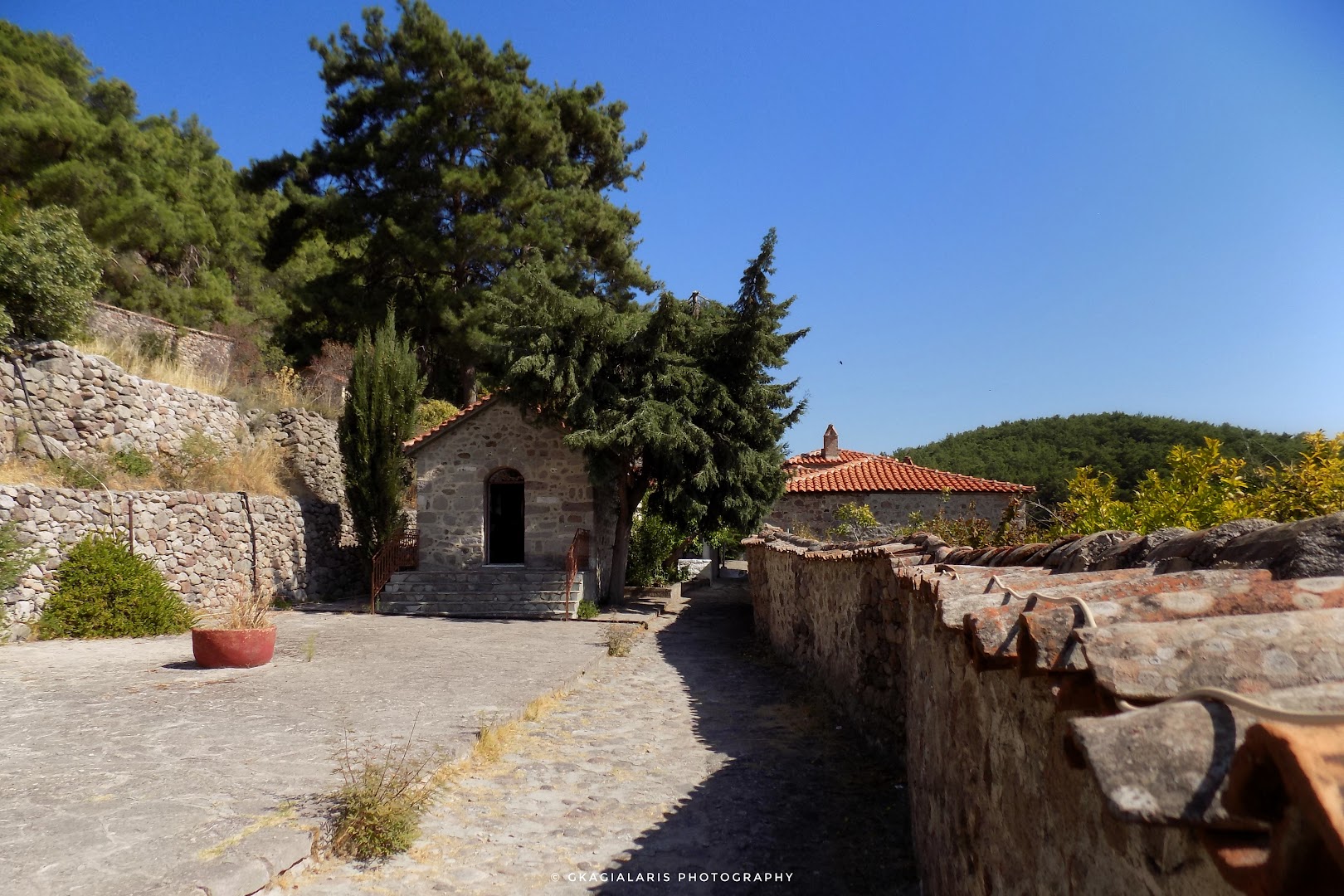
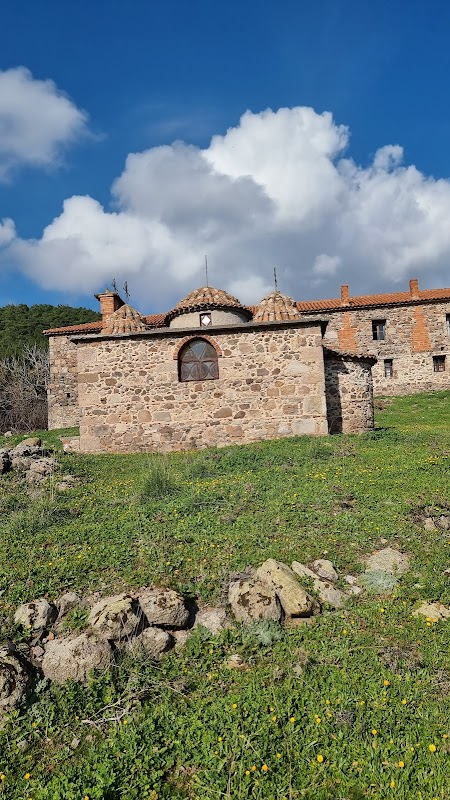
Nestled in the quiet countryside near the small village of Dafia, this modest Orthodox church stands as a testament to the deep spiritual life that has shaped rural Lesvos for centuries. Like countless chapels scattered across the island's hills and olive groves, it likely serves as both a place of regular worship and the heart of local panigiri celebrations — the beloved feast-day festivals where the entire community gathers to honour the church's patron saint with liturgy, music, food, and dancing that can last well into the night. These traditions, rooted in Byzantine religious practice and carried forward through generations of island families, give even the smallest chapel an outsized importance in village life.
The church's setting near Dafia reflects a pattern common across Lesvos, where settlements in the island's interior developed around agricultural land, particularly the vast olive groves that have sustained communities here since antiquity. The surrounding landscape — silvery olive trees, dry stone walls, and the open Aegean light — lends the site a contemplative beauty that visitors often find as moving as the architecture itself. Inside, one can typically expect whitewashed walls, oil lamps flickering before gilded icons, and the faint scent of beeswax and incense that seems inseparable from Orthodox sacred spaces. Whether the icons are recent devotional works or older pieces passed down through the parish, they represent a living continuity of faith rather than museum pieces.
For travellers exploring the less-visited interior of Lesvos, stopping at a small village church like this one offers a genuine encounter with the island's soul. Visitors should be mindful to dress modestly and, if the church is locked, ask locally — a nearby resident will almost always know who holds the key and will be glad to help. If you happen to visit on the feast day of the church's patron saint, consider yourself fortunate: the panigiri that follows is one of the most authentic and joyful expressions of Greek island culture you are likely to experience anywhere in the Aegean.
Before you go
What to expect
Step inside and you'll find the cool stillness of whitewashed walls, oil lamps glowing before gilded icons, and the lingering scent of beeswax that marks Orthodox sacred spaces across the island. The surrounding olive groves and dry-stone walls make the setting as quietly moving as the interior. If you arrive on the patron saint's feast day, the panigiri that spills outside — liturgy giving way to music, food, and dancing — is an unforgettable glimpse of rural Lesvos life.
Best time to visit
Late spring and early autumn offer the most pleasant conditions for exploring the interior; summer heat can be intense, but feast-day celebrations happen throughout the warmer months.
How to get there
The church sits near Dafia in central Lesvos, roughly 36 km from Mytilene by road — plan on around 45–55 minutes of driving through the olive-covered interior. A car is the most practical way to reach this part of the island.
Categories
Make a day of it
Places worth combining with your visit