About
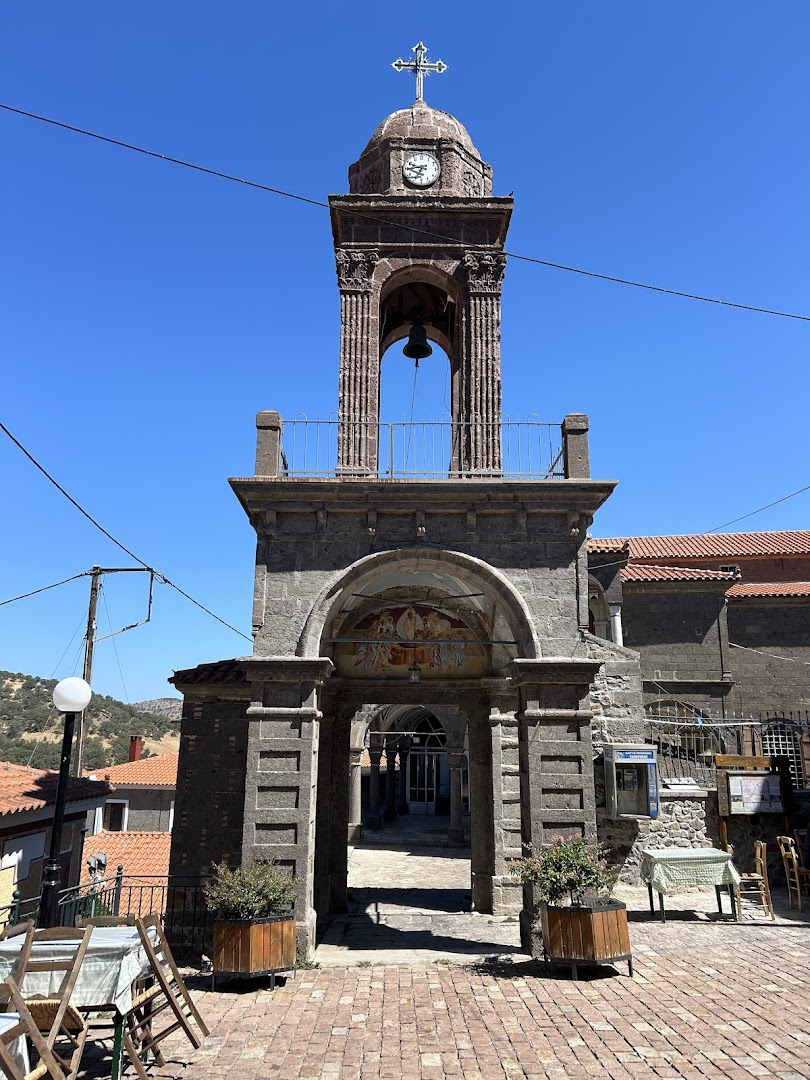
Tucked away near the village of Vatoussa in the rolling, olive-covered hills of western Lesvos, Gogo's Mansion Museum offers a rare and intimate glimpse into the refined domestic life of the island's prosperous past. The mansion itself stands as a testament to the architectural ambitions of Lesvos's once-thriving landowning class, whose fortunes were built on the island's celebrated olive oil trade. Like the great neoclassical and vernacular manor houses scattered across this part of the Aegean, the building preserves the layered character of a household that bridged the late Ottoman period and the modern Greek state, its rooms telling a story of local identity, prosperity, and continuity.
Visitors stepping inside encounter a thoughtfully preserved collection of period furnishings, household artifacts, textiles, and personal effects that bring the rhythms of daily life in rural Lesvos vividly to life. The spaces feel genuinely inhabited rather than sterile, evoking the world of a family rooted deeply in the landscape and customs of the island. For those traveling through the quieter western reaches of Lesvos, often overshadowed by the more visited eastern towns, this kind of living heritage site offers something that larger museums rarely can — a human scale and a sense of direct connection to the people who shaped this corner of Greece.
Whether you have a passion for vernacular architecture, social history, or simply the pleasure of wandering through a beautifully kept old house with a story to tell, Gogo's Mansion Museum is a rewarding stop on any itinerary that ventures beyond the well-worn paths of Mytilene and Molyvos. The surrounding village of Vatoussa itself, with its stone-built houses and unhurried pace, makes the visit feel like a genuine immersion in the timeless texture of Lesbian village life.
Before you go
What to expect
The rooms feel genuinely inhabited rather than curated — embroidered linens, domestic utensils, and family keepsakes sit exactly where they were left, conveying the rhythms of a prosperous household that straddled the late Ottoman era and early Greek state. The experience is quiet and intimate, more like visiting a relative's ancestral home than walking through an exhibition. The stone-built village of Vatoussa surrounding it adds to the sense of stepping into a slower, unhurried world.
Best time to visit
Late spring through early autumn is ideal; the western hills stay cooler than the coast in July and August, making the drive and the visit comfortable.
How to get there
Vatoussa lies in the western hills of Lesvos, roughly an hour to an hour and a half by car from Mytilene — head toward Kalloni and continue west through the olive groves on winding but fully paved roads.
Details
Categories
Photos
Make a day of it
Places worth combining with your visit