About
Tucked away in the quiet village of Akrasi in northern Lesvos, the Laografiko Mouseio — or Folklore Museum — offers an intimate window into the island's rural heritage and the rhythms of daily life that shaped generations of islanders. Like many such museums found across the Greek Aegean, its collection is rooted in the material culture of the pre-industrial era: hand-woven textiles and embroideries, traditional costumes, agricultural and fishing implements, household ceramics, carved wooden furniture, and tools that speak to the self-sufficiency of village communities that once thrived on olive cultivation, animal husbandry, and the sea. These objects carry the accumulated knowledge of skilled craftspeople — weavers, potters, blacksmiths, and woodcarvers — whose trades defined the social fabric of Lesvian life for centuries.
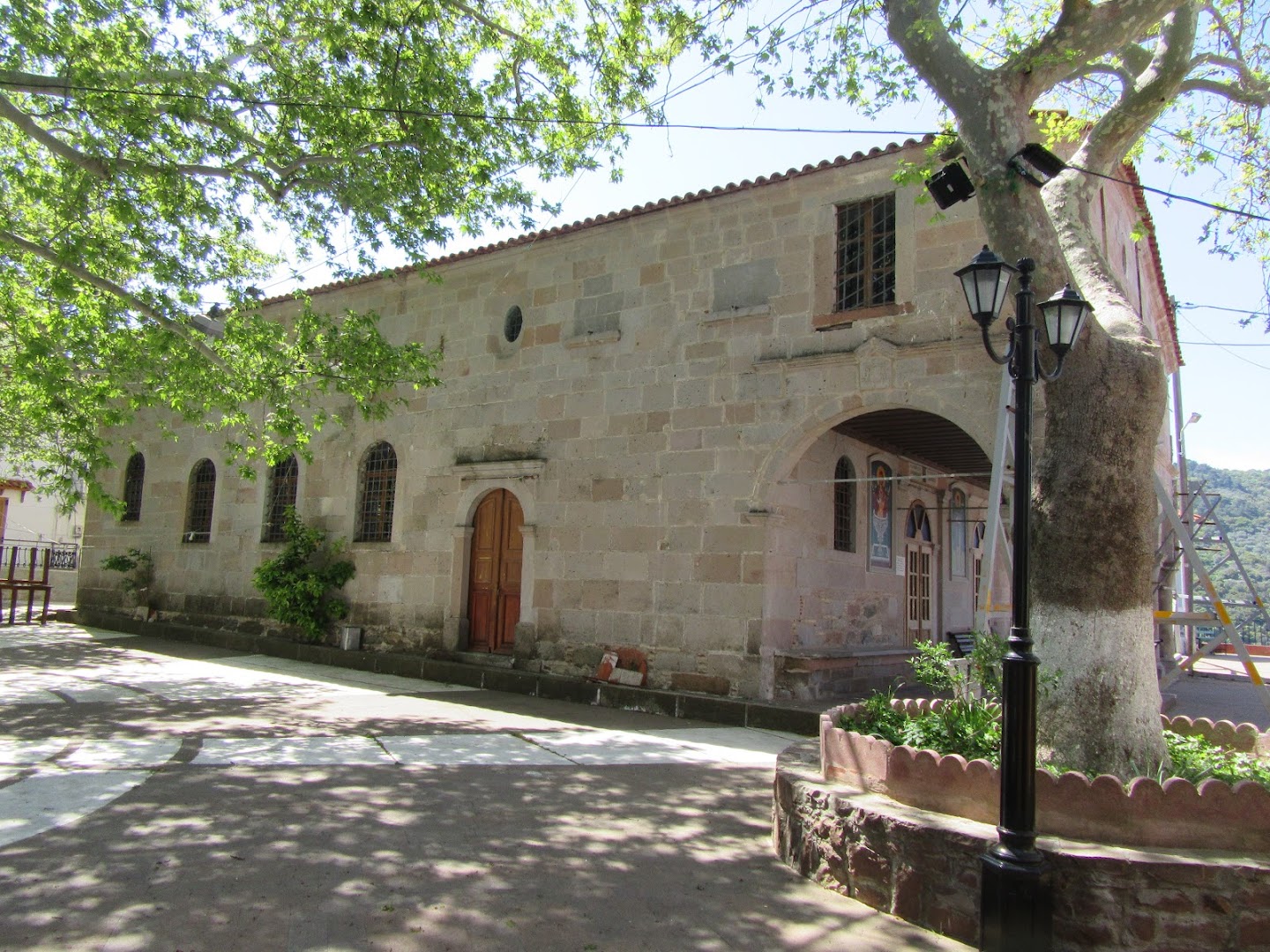
The setting itself is part of the appeal. Small folklore museums in the Aegean are often housed in preserved stone buildings that once served as family homes or communal spaces, and the architecture becomes as much a part of the exhibit as the contents within. Stepping through the threshold transports visitors away from the coastal resort towns and into an older Lesvos — one where the harvest calendar, the Orthodox liturgical year, and the bonds of extended family shaped every aspect of existence. The village of Akrasi, set amid olive groves and characteristic stone-built lanes, provides an authentic backdrop that larger urban museums cannot replicate.
For travellers seeking to understand Lesvos beyond its celebrated beaches and petrified forest, a visit to the Laografiko Mouseio of Akrasi is deeply rewarding. Greece's network of local folklore museums preserves the kind of granular, regional identity that risks being lost in broader national narratives, and this one reflects the particular character of the island's inland villages. It is worth checking locally for current opening hours before visiting, as smaller museums of this type often operate seasonally or by arrangement — but the journey through the countryside to reach Akrasi is itself a pleasure not to be missed.
Before you go
What to expect
The museum occupies a stone village house in Akrasi, its rooms filled with hand-woven textiles, embroidered linens, traditional costumes, and the worn tools of olive farmers and fishermen. It feels less like a formal exhibition and more like stepping into a family home frozen in time — every object here was once used, mended, and passed down. The quiet stone lanes of Akrasi, shaded by old olive trees, extend the experience well beyond the museum walls.
Best time to visit
Spring (April–May) and early autumn (September–October) are ideal; inland villages can be very warm at midday in summer, and smaller museums like this often keep seasonal hours.
How to get there
From Mytilene, follow the inland road through the southern hill villages — the drive takes roughly 30 to 40 minutes. It is worth confirming opening hours locally before you set out, as visiting hours can vary by season.
Categories
Photos
Make a day of it
Places worth combining with your visit