About
Perched above the fertile plains that slope toward the Gulf of Kalloni, the Palaiokastro of Kalloni stands as a weathered sentinel over one of Lesvos's most strategically significant waterways. The name itself, meaning simply "old castle" in Greek, hints at the layers of history embedded in its stones. Like many of Lesvos's medieval fortifications, the site reflects the island's turbulent middle ages, when Byzantine administrators, Genoese lords — most notably the Gattelusi family who ruled Lesvos from the mid-fourteenth century until the Ottoman conquest of 1462 — and later Ottoman authorities each recognized the importance of controlling the approaches to the gulf's sheltered waters. The hilltop position commanding views across the surrounding agricultural landscape and toward the sea would have made it an ideal point for both defense and surveillance.
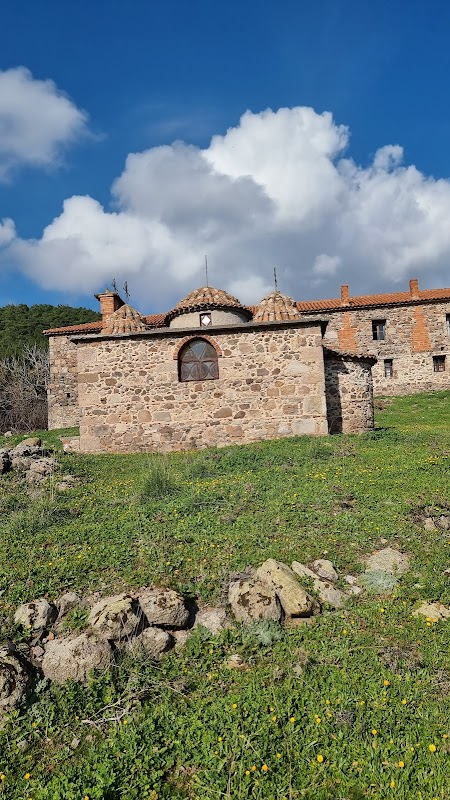
Today visitors who make the journey to the ruins near the quiet village of Arisvi find the characteristic remains of a medieval kastro: fragmentary stone walls rising from the rocky hillside, traces of towers or bastions at the perimeter, and the kind of panoramic outlook that explains precisely why someone chose to build here in the first place. The gulf below, famous among birdwatchers as one of Europe's premier wetland habitats for migratory flamingos and wading birds, shimmers in the middle distance, while the olive groves and fields of the Kalloni basin spread out beneath the castle's feet.
The Palaiokastro rewards visitors with a strong sense of place even in its ruined state. It represents the quieter, less-visited side of Lesvos heritage — not the grandeur of Mytilene Castle or the polish of a museum, but the raw, atmospheric remains of a fortified past embedded in an agricultural landscape little changed in its essentials for centuries. For travelers exploring central Lesvos, a stop here pairs naturally with the nearby Gulf of Kalloni and the traditional character of Arisvi, offering a contemplative half-hour that connects the present countryside to its medieval past.
Before you go
What to expect
The climb to the ruins is short but rewarding — fragments of stone walls and traces of towers rise from the rocky hillside with no fanfare, accompanied only by the wind and a sweeping view over the Gulf of Kalloni. On a clear day you can pick out the shallow glint of the gulf's waters where flamingos often wade in the distance. It is a quiet, nearly solitary place that invites you to piece the story together from the landscape itself.
Best time to visit
Spring (April–May) is the sweet spot, when wildflowers cover the hillside and migratory birds fill the gulf below; summer visits are perfectly possible but the exposed hilltop grows hot by midday.
How to get there
From Mytilene, drive west toward Kalloni — roughly 45 minutes to an hour depending on the route. The ruins sit above the village of Arisvi, close to the road that skirts the eastern edge of the gulf.
Details
Categories
Make a day of it
Places worth combining with your visit