Stypsi Cemetery
Κοιμητήριο Στύψης
About
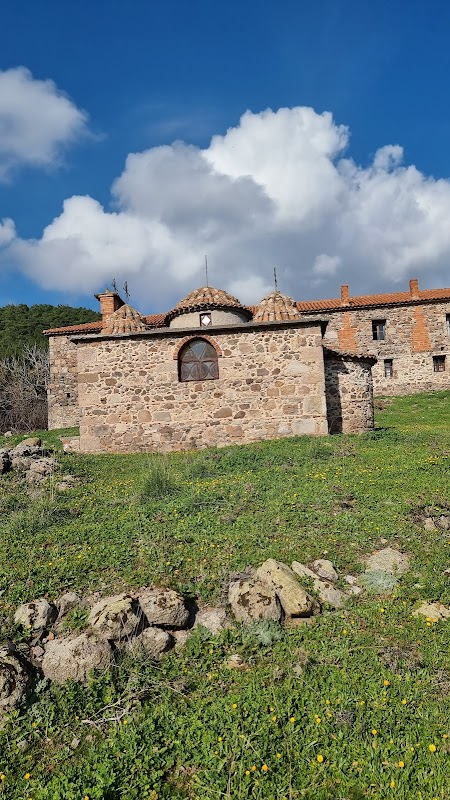
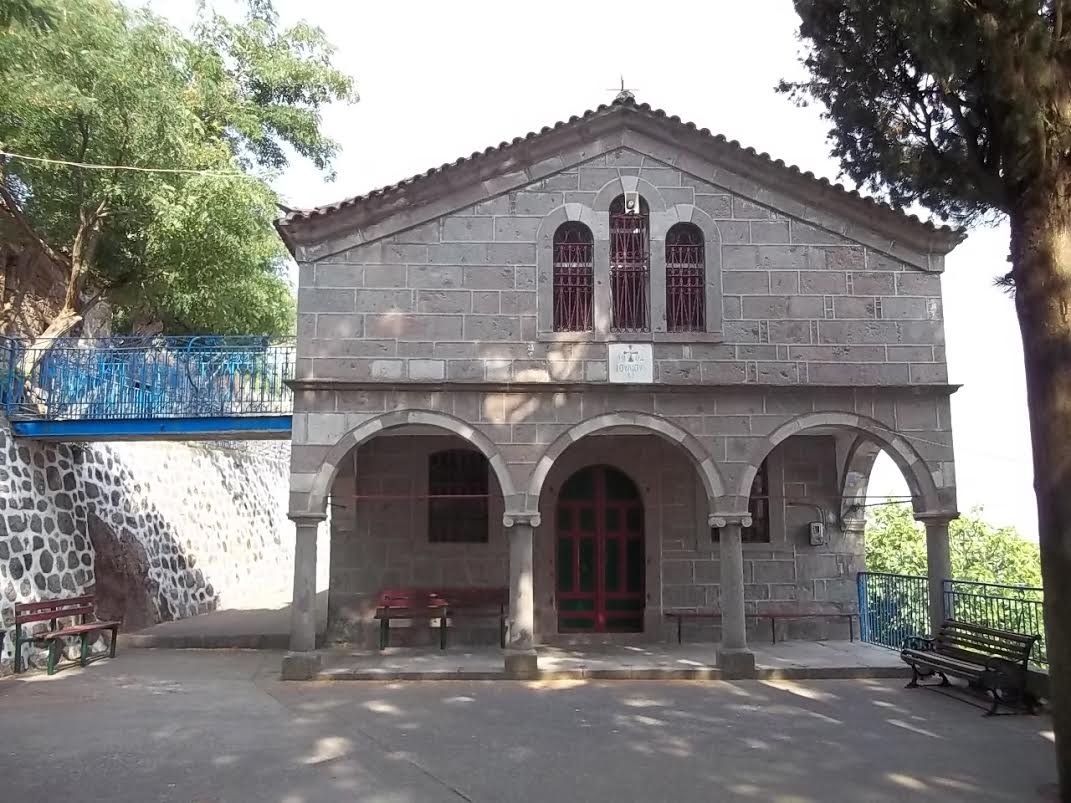
Nestled within the quiet hillside village of Stypsi in the inland reaches of Lesvos, the village cemetery and its associated chapel form one of those deeply personal corners of Greek rural life that visitors rarely seek out but invariably find moving. Stypsi itself is a traditional settlement of stone houses and narrow lanes, set among olive groves and pine-covered slopes in the island's interior, and its cemetery reflects the intimate relationship between the living and the departed that characterizes Orthodox Greek communities across the Aegean. Small cemetery chapels of this kind are typically simple whitewashed structures, built in the vernacular ecclesiastical style common to the eastern Aegean, with a barrel-vaulted or gabled roof, a modest iconostasis inside, and oil lamps kept burning by local families tending their ancestors' graves.
For the people of Stypsi, the cemetery is a living spiritual space rather than a place of absence. On major feast days — particularly Psychosabbato, the Saturday of Souls observed multiple times throughout the Orthodox liturgical year — families gather here to hold memorial services, share koliva (the traditional wheat and honey offering for the departed), and maintain the bonds between generations. The chapel's icons, though modest in scale, carry the deep devotional weight of repeated prayer and daily care. Visitors who wander here will encounter meticulously maintained graves adorned with photographs, flowers, and candles, offering an unguarded window into the continuity of faith and memory that still anchors life in Lesvos's traditional villages.
Before you go
What to expect
The small whitewashed chapel stands at the edge of Stypsi village, surrounded by graves tended with candles, framed photographs, and fresh flowers — a quietly affecting place where Orthodox devotion and everyday family memory overlap. Oil lamps flicker inside the chapel through the day, kept burning by local families, and the meticulous care given to each plot gives the impression of a community that treats its cemetery as an extension of the living village. On feast days you may arrive to find a memorial service in progress, with families sharing koliva around the graves.
Best time to visit
Spring and autumn are the calmest months to visit; if your trip falls on a Psychosabbato — the Saturday of Souls observed several times through the Orthodox year — you may witness a deeply local memorial gathering.
How to get there
From Mytilene, drive north toward Kalloni and then turn inland toward Stypsi — the journey takes roughly 45 minutes to an hour depending on your route through the hills. The cemetery sits at the edge of the village, just past the stone-lane heart of the settlement.
Details
Photos
Visitor Reviews
Θανάσης Νταγγινης
February 2024
Location
Get DirectionsMake a day of it
Places worth combining with your visit