


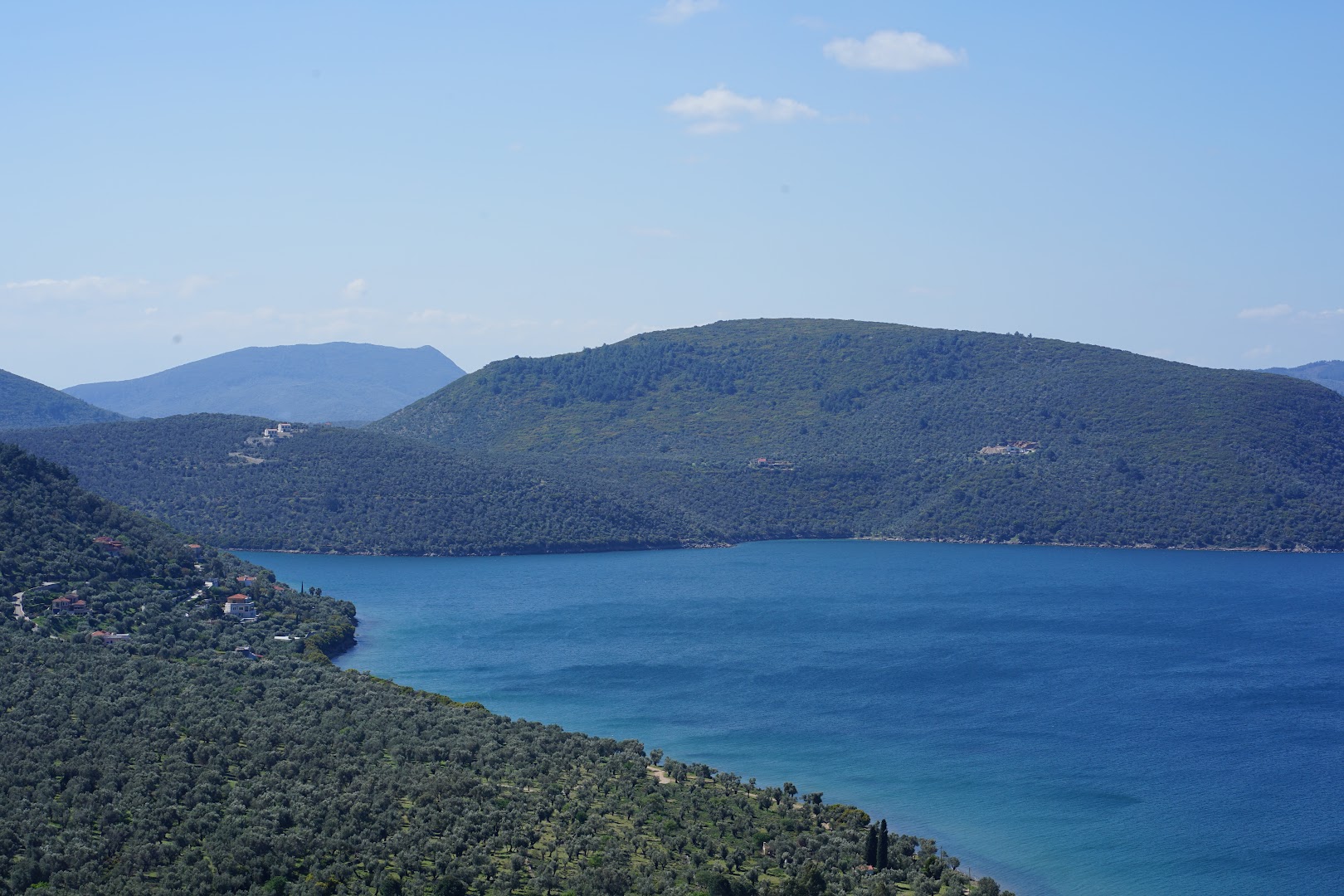
Αλυφαντά
Alyfada
Population
360
Elevation
172m
Municipality
Mytilini
Postal Code
811 00
From Mytilene
1.5 km
Nearest Beach
Alyfada Beach 4
Overview
Alyfada is a quiet hillside village in the eastern reaches of Lesvos, perched at an elevation of around 172 metres above sea level and home to a community of roughly 360 residents. The village sits within the island's fertile interior, where terraced olive groves and stone-walled fields stretch across the landscape in the manner typical of traditional Lesbian agricultural life. Like many villages of its size on the island, Alyfada developed around the rhythms of olive cultivation, and the gnarly, centuries-old trees that surround it remain central to both the local economy and the rural character of the place. The elevated position rewards visitors with sweeping views across the green Lesvian hills, and the village retains the unhurried atmosphere of a community that has changed little in its essential character over generations.
Wandering through Alyfada, visitors find the compact architecture of a working Greek village — stone houses with terracotta rooftiles, a central church that serves as the social and spiritual heart of community life, and a plateia where locals gather in the cooler hours of the day. The village church, as is common across Lesvos, likely celebrates its patron saint with a local panegyri, the traditional feast-day celebration that brings together music, food, and neighbours from surrounding settlements. These festivals offer travellers a genuine window into island tradition that no tourist attraction can replicate. The surrounding countryside is well suited to walking, with the kind of quiet rural paths that connect Alyfada to the broader network of Lesbian villages and landscapes.
Alyfada belongs to a constellation of small settlements that together preserve the agricultural and cultural heritage of Lesvos away from the busier coastal towns. For visitors seeking authenticity over amenity, it offers an honest portrait of island life — the scent of olive wood, the sound of bells from distant flocks, and the slow hospitality of a place that welcomes those who arrive with curiosity rather than haste. Its modest size and elevation make it an appealing stop for those exploring the island's interior, offering a counterpoint to the well-trodden beaches and a reminder that Lesvos rewards the traveller willing to venture inland.
Before you go
What to expect
On the stone plateia of Alyfada, the quiet is broken only by church bells and the distant sound of grazing flocks — traffic is a rare interruption here. Terraced olive groves wrap the hillside on all sides, and the elevation of 172 metres opens up a wide view over the green interior of Lesvos that most visitors, hugging the coast, never see. It is a working village with an unhurried rhythm, best absorbed slowly.
Best time to visit
Late spring (May–June) and early autumn (September–October) are ideal for walking the rural paths; midsummer afternoons in the inland hills can be intense.
How to get there
Alyfada is about a ten-minute drive from the centre of Mytilene, heading inland into the eastern hills — close enough for a morning detour before continuing around the island.
Top-Rated in Alyfada
Highest-rated places chosen by visitors
distillery
Eva Distillery - Potopoiia Eva
Tucked into the quiet countryside near the village of Alyfada, Eva Distillery — known locally as Potopoiia Eva — is a small-batch producer that embodies the deep distilling tradition for which Lesvos is celebrated across Greece. The island is one of the country's foremost ouzo-producing regions, a legacy rooted in generations of know-how passed down through family workshops, and Eva Distillery carries that spirit forward in an intimate, authentic setting far from the bustle of the larger commercial operations along the coast. A visit here offers something that no supermarket shelf can replicate: the chance to encounter ouzo and local spirits at their source. The distillery's character is unhurried and personal, the kind of place where the craft is still visible and the people behind it are genuinely proud to share what they produce. Visitors can typically sample the house spirits and gain a sense of how the anise-forward flavors of traditional Lesbian ouzo are coaxed out through careful copper-pot distillation, using recipes and techniques refined over time. For anyone traveling through the quieter interior of northern Lesvos, Eva Distillery is a rewarding detour that adds real depth to understanding the island's food and drink culture. Pairing a tasting here with a mezze spread at a nearby taverna — ouzo the way the locals drink it, slowly, alongside good food and good company — is one of those unhurried pleasures that Lesvos does better than almost anywhere else in the Aegean.
Auto repair shop
Giannikos Georgios
Tucked away in the quiet settlement of Alyfada, on the gentle slopes of the Lesvos interior, Giannikos Georgios represents the kind of small, personal enterprise that gives Greek island life much of its warmth and authenticity. Family-run businesses bearing the owner's name are a cornerstone of village commerce across the Aegean, and this establishment carries on that tradition in a part of Lesvos that sees far fewer tourists than the busier coastal resorts, offering visitors a genuine glimpse into the rhythms of everyday island life. Alyfada sits in a landscape typical of central Lesvos, where olive groves stretch across the hillsides and the pace of life moves to older, quieter rhythms. Stopping here is as much about the experience of the place as any particular transaction. The surrounding area rewards those who venture off the main roads, with the olive-covered countryside and the unhurried atmosphere of the village itself providing a welcome contrast to the island's more frequented destinations. Whether you find yourself passing through while exploring the lesser-known villages of the Lesvos interior or making a deliberate detour to discover local character, a visit to Giannikos Georgios offers the chance to connect with the community that sustains this corner of the island. Engaging with local businesses like this one is how independent travellers support the people who keep Lesvos's villages alive and ensure that the island's traditions endure well beyond the summer season.
service
Demertzhis Ilias
Demertzhis Ilias is an auto painting workshop located near Alyfada, a quiet village in the rural interior of Lesvos. Serving both locals and visitors across the island, this kind of specialist service is a practical lifeline in a region where maintaining vehicles is essential for navigating the winding roads between villages, coastlines, and olive groves that define daily life on Lesvos. Offering professional auto painting and bodywork services, Demertzhis Ilias provides the skilled craftsmanship that keeps the island's fleet of cars, trucks, and vans looking their best despite the demands of island driving. For visitors who may find themselves in need of vehicle attention during an extended stay on Lesvos, having access to a reliable local specialist can make all the difference between a trip cut short and one that carries on smoothly.
service
Kalliontzis Eleftherios - Auto Body Shop
Kalliontzis Eleftherios is a trusted auto body and dent removal workshop located near the village of Alyfada, serving drivers across the eastern part of Lesvos. Whether you have picked up a scrape on the island's winding coastal roads or need professional bodywork attention after a minor bump, this local specialist offers the kind of skilled, hands-on service that keeps vehicles looking their best. For visitors touring Lesvos by rental car or for residents who depend on their vehicles for daily life across the island's varied terrain, having a reliable body shop within reach is genuinely useful. Kalliontzis Eleftherios brings local expertise to paintless dent repair and general bodywork, working with the care and attention you would expect from an independent specialist who takes pride in their craft. The workshop is conveniently positioned to serve both the surrounding villages and drivers passing through this part of the island.
Practical Info
Supermarket
2 stores
Medical / Pharmacy
Healthspot Mytilinis
Petrol Station
Not found
ATM / Bank
Not found
Transport
Not found
All Businesses
AVIN
Aegean Agrofood - Lesvos Gold
Asimakis Grigoriou SA
Auto Garage By Zeibekis- Geniko Synergeio Avtokiniton-
Bestes Olivenöl
Blackbird Olive Oil
Bounatzos Haralambos Auto Painting
Demertzhis Ilias
Electra's Secrets Soaps and Candles
Electrical Car Service Chourmouzis Dim,
Eva Distillery - Potopoiia Eva
GREEK COOPERATIVE OLIVE OIL
Churches & Religious Sites
ΑΓIA ΕΙΡΗΝΗ
Agia Eirini
The small chapel of Agia Eirini stands in the tranquil countryside near the village of Alyfada, dedicated to Saint Irene, one of the early Christian martyrs venerated throughout the Greek Orthodox world. Her name, derived from the Greek word for peace, carries a gentle resonance in this quiet corner of Lesvos, where the church serves as a spiritual anchor for the surrounding community. Like many rural chapels on the island, Agia Eirini likely dates to the Byzantine or post-Byzantine period, built in the vernacular stone architecture common to Lesvos, with whitewashed walls, a terracotta-tiled roof, and an intimate interior designed to draw worshippers into a contemplative stillness. The feast day of Saint Irene falls on May 5th in the Orthodox calendar, and it is on such name days that these village churches come alive with liturgy, candlelight, and the gathering of local families who have maintained the chapel across generations. Inside, visitors can expect the characteristic warmth of a Greek Orthodox sacred space: an iconostasis separating the nave from the sanctuary, oil lamps casting a amber glow over painted or carved icons, and the lingering scent of incense that seems woven into the very walls. Whether the church preserves older frescoes or more modern devotional paintings, the icons of Saint Irene herself typically depict her as a young martyr holding a palm frond, a symbol of her steadfast faith. For the people of Alyfada and nearby settlements, Agia Eirini represents far more than an architectural landmark; it is a living site of memory, prayer, and communal identity, where baptisms, blessings, and feast day celebrations have marked the rhythm of rural life for centuries. Travelers exploring the lesser-visited interior of Lesvos will find in such chapels the authentic spiritual heartbeat of the island, far removed from tourist circuits yet open to all who arrive with respect and curiosity.
Αγία Κυριακή
Agia Kyriaki
Tucked amid the sun-bleached hillsides near the quiet village of Alyfada, the church of Agia Kyriaki stands as a testament to the enduring faith that has shaped daily life on Lesvos for centuries. Dedicated to Saint Kyriaki, an early Christian martyr venerated throughout the Orthodox world, the church follows the modest whitewashed vernacular architecture typical of rural Lesvos — a simple barrel-vaulted nave, a bell tower rising above the surrounding olive groves, and a walled courtyard that offers shade and stillness to those who pause here. Like so many village churches on the island, it was built and maintained by the community it serves, its stones carrying the devotion of generations of local families. Inside, the intimate interior is adorned with icons in the Byzantine tradition, their gilded surfaces softened by the light of candles and oil lamps. The iconostasis separates the nave from the sanctuary in the manner common to Greek Orthodox worship, and visitors will often find small votive offerings left by the faithful — a quiet expression of the living relationship between the community and its patron saint. The church comes most alive on July 7th, the feast day of Agia Kyriaki, when locals gather for the liturgy and the panigiri that follows, a celebration of food, music, and shared memory that has anchored the village calendar across generations. For visitors to this part of Lesvos, Agia Kyriaki offers more than a moment of architectural interest. It opens a window onto the spiritual rhythms that continue to define island life, where Orthodox Christianity is not simply a matter of history but an active presence felt in the ringing of bells, the smell of incense, and the warmth of a community that still gathers around its church. The setting itself, amid the gentle landscape of the Alyfada countryside, rewards those who take the time to seek it out.
Αγία Παρασκευή
Agia Paraskevi
Tucked near the quiet village of Alyfada in the heart of Lesvos, the church of Agia Paraskevi stands as a testament to the island's deep Orthodox Christian heritage. Dedicated to Saint Paraskevi, a revered early Christian martyr whose name means "preparation" in Greek, the church reflects the widespread veneration this saint receives across the Aegean world. Saint Paraskevi is particularly associated with healing and the protection of eyesight, and throughout rural Greece her churches have long served as places of refuge and prayer for the sick and suffering. Like many village churches on Lesvos, this one likely follows the simple single-nave basilica style common to the island's rural ecclesiastical architecture, with whitewashed walls that glow against the surrounding olive groves and pine-covered hills. The interior, as is typical of Orthodox churches dedicated to this beloved saint, would traditionally feature an iconostasis bearing her image — often depicted as a young woman holding a tray with eyes, symbolizing her miraculous healing powers. Votive offerings left by the faithful over generations speak to the living relationship between the community and its patron saint. The feast day of Agia Paraskevi falls on July 26th, a date celebrated with particular warmth in the villages of Lesvos, where the summer panigiri brings together families, neighbors, and visitors for liturgy, music, and shared meals that can last well into the night. For visitors to central Lesvos, a stop at this church offers more than a glimpse of religious architecture — it opens a window into the rhythms of island life that have changed little over centuries. The surrounding landscape of Alyfada, with its rolling countryside and traditional character, provides a gentle, unhurried setting in which to appreciate how faith, community, and the natural beauty of Lesvos remain deeply intertwined. Whether you arrive on the feast day or on a quiet afternoon, the church of Agia Paraskevi rewards the detour with a sense of calm and authentic connection to the island's soul.
Αγία Παρασκευή
Agia Paraskevi
Nestled in the verdant landscape near the quiet village of Alyfada in central Lesvos, the church of Agia Paraskevi is dedicated to one of the most beloved saints in the Greek Orthodox tradition. Saint Paraskevi, an early Christian martyr venerated for her unwavering faith and miraculous healing powers — particularly of ailments affecting sight — holds a special place in the hearts of islanders across the Aegean. Like most rural churches on Lesvos, this chapel likely follows the simple whitewashed stone architecture characteristic of the region, with a modest bell tower and an interior that rewards the visitor with the warm glow of oil lamps and the quiet presence of painted icons. Inside, the iconostasis — the carved wooden screen separating the nave from the sanctuary — typically bears an icon of the saint herself, depicted holding a cross and a small dish, symbols of her martyrdom and her miraculous interventions. The feast day of Agia Paraskevi falls on July 26th, and in villages throughout Lesvos this occasion is marked with a panegyri, a festive gathering that blends religious devotion with communal celebration, often featuring traditional music, food, and dancing that continues well into the warm summer night. For the surrounding community, these feast-day celebrations are among the most cherished expressions of local identity and Orthodox faith. Visitors to this part of Lesvos will find the church a peaceful stopping point amid the olive groves and rolling hills that define the island's interior. Even outside of feast days, the chapel offers a moment of stillness and a tangible connection to the living religious culture that has shaped village life on Lesvos for generations. The surrounding landscape, with views across the fertile plain toward the Gulf of Kalloni, makes the journey here rewarding in its own right.
Αγία Παρασκευή
Agia Paraskevi
Tucked into the landscape near the quiet village of Alyfada, the church of Agia Paraskevi is one of countless island chapels that anchor the spiritual life of rural Lesvos. Dedicated to Saint Paraskevi of Rome, an early Christian martyr venerated throughout the Orthodox world, the church reflects the deep and enduring faith that has shaped this island for centuries. Saint Paraskevi is especially beloved in Greece as a protectress of eyesight and healing, and churches bearing her name are cherished gathering points for surrounding communities who look to her intercession in times of need. Like many village churches across Lesvos, this chapel is likely built in the simple vernacular style common to the Aegean — whitewashed walls, a modest bell tower, and an intimate interior where the warm glow of oil lamps illuminates an iconostasis adorned with locally painted icons. The interior atmosphere, characteristic of Orthodox worship, invites quiet contemplation and a connection to generations of islanders who have prayed here. Such chapels often house treasured heirloom icons and embroidered altar cloths gifted by local families over the years, making them living repositories of community memory as much as sacred spaces. The feast day of Agia Paraskevi falls on the 26th of July, a date that transforms even the smallest chapel into the heart of a village celebration. On this day, locals and visitors alike gather for the Divine Liturgy, followed by the traditional panigiri — a festive gathering with food, music, and the warm hospitality for which Lesvos is renowned. For travelers exploring the inland villages and olive groves of central Lesvos, a visit to this chapel offers a genuine glimpse into the island's living Orthodox tradition and the intimate rhythms of Greek rural life.
Αγία Παρασκευή
Agia Paraskevi
The Church of Agia Paraskevi stands as a quiet landmark near the village of Alyfada, dedicated to one of the most beloved saints in the Greek Orthodox tradition. Saint Paraskevi, a Roman Christian martyr venerated across the Orthodox world, holds a special place in the hearts of Aegean communities, where her name — meaning "Friday" in Greek — carries deep liturgical resonance. Churches bearing her dedication are among the most common on Lesvos, reflecting centuries of popular devotion to this healer-saint who is traditionally invoked for the protection of eyesight and the wellbeing of the faithful. The feast day of Agia Paraskevi falls on July 26th, a date that brings villagers and pilgrims together for the liturgy, the lighting of candles, and the communal gathering that follows — a cherished rhythm of rural Greek life that has persisted through generations. Like many rural Orthodox churches on Lesvos, this modest sanctuary likely reflects the vernacular ecclesiastical architecture of the island: whitewashed walls, a simple barrel vault or pitched roof, and an intimate interior where the smell of beeswax and incense mingles with the cool stone air. Inside, visitors typically find a carved wooden iconostasis separating the nave from the sanctuary, adorned with icons of Christ, the Theotokos, and the patron saint herself. Whether the church preserves older frescoes or votive offerings left by grateful pilgrims is something best discovered on a visit, as these small rural chapels often hold quiet treasures not catalogued anywhere. For travelers exploring the countryside around Alyfada, a stop at this church offers more than a glimpse of religious architecture — it provides a window into the living spiritual culture of Lesvos. The villages of this part of the island have maintained their Orthodox traditions with remarkable continuity, and a church like Agia Paraskevi remains an active center of community life rather than a museum piece. If you happen to visit around the feast day in late July, you may find the doors open, candles lit, and local families gathered in the shade outside — a scene that captures something essential about the island's enduring way of life.
Άγιος Εφραίμ
Agios Efraim
Nestled in the quiet countryside near the village of Alyfada, the Orthodox church of Agios Efraim is a modest yet deeply cherished place of worship that speaks to the enduring spiritual life of rural Lesvos. Dedicated to Saint Ephraim, a venerated figure in the Greek Orthodox tradition whose story of martyrdom and miraculous intercession has made him one of the more beloved saints of modern Greek piety, the church serves as a focal point for the faithful of the surrounding community. Like many rural chapels on the island, its architecture reflects the vernacular ecclesiastical style common to the Aegean — whitewashed stone walls, a simple barrel-vaulted interior, and a modest iconostasis that separates the nave from the sanctuary, adorned with devotional icons in the Byzantine tradition. Visitors who make their way to Agios Efraim will find a place of genuine tranquility, set against the gently rolling landscape of central Lesvos with its olive groves and scattered stone walls. The church comes most vividly to life on its feast day, when local families gather for the liturgy, the air filled with the scent of incense and beeswax candles, and the celebration extends into shared food and conversation in the manner that defines religious life in Greek village communities. These panigýria — the festive gatherings tied to a saint's name day — are among the most authentic cultural experiences the island offers, and even the chance visitor is typically welcomed warmly. For those traveling through the quieter interior of Lesvos away from the more frequented coastal routes, Agios Efraim offers a genuine glimpse into the island's living Orthodox heritage. The church is a reminder that Lesvos has long sustained a dense network of small chapels and monasteries, each embedded in the landscape and the rhythms of local life, serving not just as houses of prayer but as anchors of community memory and identity across generations.
Άγιος Ευδόκιμος
Agios Evdokimos
Nestled in the quiet countryside near the village of Alyfada in central Lesvos, the small Greek Orthodox church of Agios Evdokimos stands as a testament to the island's deep-rooted faith and its tradition of honoring lesser-known but beloved saints. The church is dedicated to Saint Evdokimos of Cappadocia, a ninth-century Byzantine figure celebrated for his exceptional piety and virtuous life despite his noble origins. His feast day falls on the thirty-first of July, when local families traditionally gather for a panegyri — the festive religious celebration combining liturgy, music, and communal feasting that remains one of the most cherished customs of rural Greek Orthodox life. These intimate village feast days offer visitors a rare and authentic glimpse into the living spiritual culture of the Aegean. Like many rural churches across Lesvos, Agios Evdokimos likely follows the modest vernacular architecture characteristic of the island's countryside — whitewashed walls, a simple barrel-vaulted or tiled roof, and an iconostasis sheltering hand-painted icons in the Byzantine tradition. The interior, though modest in scale, would reflect the devotional care of generations of local families who maintained and embellished the space over the decades. Such churches across Lesvos often house icons of considerable age and local artistic merit, painted in the post-Byzantine style that flourished on the island thanks to its proximity to the workshops of Asia Minor. For the communities of the surrounding area, a church like Agios Evdokimos represents far more than a place of worship — it is a keeper of collective memory, a gathering point for baptisms, weddings, memorial services, and seasonal celebrations that mark the rhythms of rural life. Visitors exploring the back roads of Lesvos will find that these small, often unlocked chapels invite quiet contemplation and an encounter with the island's soul. The setting near Alyfada, amid the olive groves and rolling hills of the island's interior, adds its own contemplative beauty to a visit.
Άγιος Φανούριος
Agios Fanourios
Nestled in the quiet countryside near the village of Alyfada, the church of Agios Fanourios is dedicated to one of the most beloved saints in the Greek Orthodox calendar. Saint Fanourios, whose name derives from the Greek word for "to reveal," is venerated across Greece as the protector of lost things and lost souls, and churches bearing his name are among the most intimately cherished in village life. The faithful bring their troubles and misplaced hopes to his icon, and it is tradition throughout the Greek world to bake a fanouropita — a sweet offering cake — on his feast day, the 27th of August, sharing it with neighbors as an act of collective prayer and gratitude. Like many rural chapels on Lesvos, this small sanctuary likely follows the understated vernacular architecture typical of the island's countryside — whitewashed walls, a modest dome or timber roof, and an interior that rewards quiet attention. Such chapels are rarely grand in scale, but their intimacy is precisely what gives them spiritual weight. Inside, visitors can expect the warm glow of oil lamps before a carved wooden iconostasis, with the saint's icon occupying a place of honor. The surrounding landscape of the eastern Lesvos interior, with its olive groves and gentle hills, frames the chapel in the kind of timeless rural setting that has anchored Orthodox devotion on this island for centuries. For visitors, Agios Fanourios offers something rarer than spectacle — a living glimpse into the devotional rhythms of a Greek island community. The feast day in late August draws locals from Alyfada and surrounding villages for the liturgy and the communal gathering that follows, a reminder that these small churches are not monuments but active centers of faith and social memory. Even outside of feast days, the chapel welcomes those seeking a moment of stillness, its simple beauty and its saint's reputation for compassionate intercession making it a meaningful stop for anyone traveling through this lesser-visited corner of Lesvos.
Άγιος Ιάκωβος
Agios Iakovos
Nestled in the quiet countryside near the village of Alyfada in central Lesvos, the church of Agios Iakovos is dedicated to Saint James the Apostle, one of the Twelve Apostles of Christ and a foundational figure of the early Christian Church. Like so many of the island's rural chapels, it embodies the deep-rooted Orthodox faith that has shaped village life on Lesvos for centuries. The church likely follows the simple whitewashed stone architecture typical of smaller Aegean ecclesiastical buildings, with a modest bell tower and an interior where the air carries the faint sweetness of incense and beeswax candles. These intimate village churches were rarely built for grandeur but rather for devotion, serving as anchors of community identity across generations. Inside, visitors can expect the characteristic warmth of an Orthodox sacred space: an iconostasis separating the nave from the sanctuary, adorned with icons rendered in the Byzantine tradition, where gold leaf and rich earth tones depict the saints in their timeless, hieratic stillness. The icon of Agios Iakovos himself would hold a place of prominence, honoring the apostle to whom the church is consecrated. The feast day of Saint James the Apostle is celebrated on October 23rd in the Orthodox liturgical calendar, a day when the local community gathers for liturgy, fellowship, and the kind of panigiri — the traditional religious festival — that ties modern Greeks to their ancestors in an unbroken thread of faith and celebration. For visitors, Agios Iakovos offers something that larger, more-visited sites cannot always provide: an unmediated encounter with living religious tradition in a rural Lesbian landscape. The surrounding countryside, with its olive groves and stone-walled fields, gives the church a setting of unhurried beauty. Whether you pause here during a drive through the island's interior or make a quiet detour on foot, the church stands as a reminder that Lesvos's spiritual heritage is not confined to monasteries and pilgrimage sites but is woven into every village and hillside of this extraordinary island.
Άγιος Ιωάννης
Agios Ioannis
Nestled in the quiet landscape near the village of Alyfada in the eastern part of Lesvos, the church of Agios Ioannis is dedicated to Saint John — most likely Saint John the Baptist, one of the most widely venerated saints in the Greek Orthodox tradition and a figure whose feast days draw faithful from surrounding villages throughout the year. Like so many rural churches on this island, it stands as both a spiritual anchor and a living piece of vernacular architecture, its whitewashed walls and modest proportions fitting naturally into the Aegean countryside that surrounds it. The church reflects the characteristic style of small Orthodox chapels found across the northern Aegean: simple stone construction, a gabled or domed roof crowned with a cross, and an intimate interior where the scent of beeswax candles mingles with the cool air. Inside, visitors typically find a carved wooden iconostasis separating the nave from the sanctuary, adorned with icons rendered in the Byzantine tradition, their gold leaf catching the flickering candlelight. Such chapels often hold icons passed down through generations of local families, making them repositories of community memory as much as places of worship. For the people of Alyfada and the surrounding area, Agios Ioannis is a place of ongoing devotion, particularly active on the feast of Saint John the Baptist, celebrated on June 24th and again on August 29th. These nameday celebrations bring together villagers for liturgy, followed by the convivial outdoor gatherings that are so central to Greek island life. Visitors who happen upon the church on an ordinary day will find a peaceful spot for quiet reflection, a reminder that faith and landscape are inseparable threads in the fabric of Lesvos.
ΑΓΙΟΣ ΙΩΑΝΝΗΣ ΚΑΛΥΒΙΤΗΣ
Agios Ioannis Kalyvitis
Tucked into the quiet countryside near the village of Alyfada, the chapel of Agios Ioannis Kalyvitis is one of those deeply personal sacred spaces that dot the Lesbian landscape — small in scale but rich in devotion. Dedicated to Saint John the Baptist, the epithet "Kalyvitis" derives from the Greek word for a humble hut or shelter, evoking the ascetic simplicity associated with the saint himself. Like many rural chapels across Lesvos, it likely began as a private votive offering, built by a local family or community to honor a patron saint and mark a place of blessing in the land. Its modest architecture reflects the vernacular building tradition of the Aegean, with whitewashed walls, a compact nave, and a tiled or stone roof that sits naturally within the olive-covered hills of the island's interior. Inside, visitors will typically find an intimate sanctuary kept alive by the faithful of the surrounding area. The iconostasis, even in small village chapels, often holds locally painted icons that carry generations of prayer and touch. The feast days of Saint John the Baptist — celebrated on June 24 for his birth and August 29 for his martyrdom — would historically have drawn villagers from Alyfada and neighboring settlements for a liturgy followed by communal gathering, a panigiri that blends spiritual observance with the warmth of shared food and music. These celebrations remain among the most cherished expressions of Orthodox life on the island. For the traveler, Agios Ioannis Kalyvitis offers something the grand monasteries cannot quite replicate: an encounter with faith on a human scale. Standing in its courtyard, surrounded by the sounds of the Lesbian countryside — cicadas, distant bells, the rustle of olive branches — it is easy to understand why such chapels have endured for centuries as anchors of community identity. Whether you arrive as a pilgrim, a wanderer, or simply someone curious about the spiritual geography of Lesvos, this small chapel near Alyfada speaks quietly but eloquently of the island's living religious tradition.
Άγιος Ιωάννης ο Αρμένης
Agios Ioannis O Armenis
Tucked into the landscape near the quiet village of Alyfada, the small chapel of Agios Ioannis O Armenis carries a name that speaks to one of the Aegean's more poignant chapters of history. The epithet "O Armenis" — the Armenian — links this modest sanctuary to the waves of Armenian refugees who sought safety on Lesvos and the broader eastern Aegean following the catastrophic upheavals of the early twentieth century. Like many such chapels scattered across the island, it likely served as a gathering place for displaced communities seeking spiritual continuity in an unfamiliar land, weaving Armenian memory into the fabric of Lesbian village life. Dedicated to Saint John — most likely Saint John the Baptist, one of the most venerated saints in the Orthodox calendar — the chapel observes its feast day with the intimacy typical of rural Greek religious life. On such occasions, the surrounding countryside, dotted with olive groves, comes alive as locals from Alyfada and nearby settlements gather for the liturgy and the panigiri that follows. The interior, in keeping with the tradition of small Aegean chapels, likely shelters a simple iconostasis with locally painted icons, the candlelit atmosphere lending a timeless quality to the devotions held within its walls. For visitors, Agios Ioannis O Armenis offers something beyond its modest dimensions: a meditation on displacement, faith, and the way communities carry their sacred traditions across borders and generations. Its location near Alyfada, a village set in the gentle, olive-rich landscape of central Lesvos, makes it a rewarding stop for those exploring the island's quieter interior, where history tends to reside not in grand monuments but in small, steadfast places like this one.
Άγιος Ιωάννης Πρόδρομος
Agios Ioannis Prodromos
Dedicated to Agios Ioannis Prodromos — Saint John the Forerunner, as the Orthodox tradition names John the Baptist — this small country church near the village of Alyfada is a quiet testament to the deep religious life that has shaped the landscape of Lesvos for centuries. Churches bearing this dedication are among the most beloved in the Greek Orthodox world, honoring the prophet who announced the coming of Christ and whose story occupies a central place in both the Gospels and the liturgical calendar. Set amid the gentle hills of central Lesvos, the church follows the modest whitewashed vernacular style typical of rural Aegean chapels, its simplicity a deliberate reflection of the ascetic spirit of the saint himself. Visitors who step inside will find the intimate atmosphere common to such country churches: an iconostasis separating the nave from the sanctuary, with icons depicting the saint in his characteristic camel-hair garment, his hand raised in proclamation. The church comes alive on its principal feast days — the Nativity of John the Baptist on June 24th and the Synaxis celebrated on January 7th, the day after Theophany — when the local community gathers for liturgy, often followed by a panigiri, the traditional festival of food, music, and fellowship that remains the heartbeat of village religious life across the Aegean. For the people of Alyfada and the surrounding area, Agios Ioannis Prodromos is more than an architectural landmark; it is a living anchor of community identity. Many families in the region have ties to this church through generations of baptisms, weddings, and memorial services. Travelers who seek out places like this — off the main roads, tucked into the countryside — are rewarded with a glimpse of the authentic spiritual and social fabric of Lesvos, where faith and landscape remain inseparably woven together.
Άγιος Κωνσταντίνος
Agios Konstadinos
Tucked near the quiet village of Alyfada in the verdant interior of Lesvos, the church of Agios Konstadinos is dedicated to Saint Constantine the Great, the Roman emperor who issued the Edict of Milan in 313 AD, granting religious tolerance throughout the empire and paving the way for Christianity to flourish across the ancient world. In Greek Orthodox tradition, Constantine is venerated alongside his mother, Saint Helen, as Equal to the Apostles, and their joint feast day on May 21st is one of the more beloved celebrations in the Orthodox calendar, drawing local faithful from surrounding villages to gather for liturgy, candlelight, and the quiet rituals of communal worship that have defined rural Greek religious life for centuries. The church reflects the modest, whitewashed vernacular architecture typical of Lesvos's countryside chapels, with thick stone walls that keep the interior cool in summer and an iconostasis that serves as the devotional heart of the space. Visitors stepping inside will find the dimly lit sanctuary adorned with icons in the Byzantine tradition, the gold-haloed figures of Constantine and Helen prominent among them, often depicted holding the True Cross that Helen is credited with discovering during her pilgrimage to Jerusalem. The smell of beeswax candles and incense lingers in the air, creating an atmosphere of timeless contemplation that transcends the ordinary. For travelers exploring the less-visited corners of Lesvos away from the coastal resorts, a visit to Agios Konstadinos offers a genuine encounter with the island's living spiritual heritage. The church is not a museum piece but an active place of prayer, tended by the community of Alyfada and the surrounding area. Arriving on or around May 21st, if you are fortunate enough to be on the island, means witnessing a local panigiri, the festive gathering of music, food, and faith that follows the liturgy and represents one of the most authentic expressions of Aegean culture you are likely to find.
Άγιος Νεκτάριος
Agios Nektarios
Nestled in the quiet countryside near the village of Alyfada, the church of Agios Nektarios is dedicated to one of the most beloved saints of the modern Greek Orthodox world. Saint Nektarios of Aegina, who lived from 1846 to 1920 and was canonized in 1961, holds a special place in the hearts of Greek faithful across the country and beyond. Known as a theologian, bishop, and miracle worker, he is venerated especially for his gift of healing, and churches bearing his name have become important places of pilgrimage and quiet devotion throughout Greece. His feast day on November 9th draws local worshippers together in prayer and celebration, keeping alive the communal rhythms of religious life that have shaped village existence on Lesvos for centuries. The church sits in the gently rolling landscape of the island's interior, where olive groves and stone walls frame a timeless rural scene. Like many village churches on Lesvos, it serves as a spiritual anchor for the surrounding community, its whitewashed walls and terracotta roof a familiar sight against the green hillsides. Inside, visitors typically find the warm glow of oil lamps illuminating an iconostasis adorned with devotional icons, including the characteristic portrait of Agios Nektarios himself, often depicted in his episcopal vestments with a gentle, contemplative expression that reflects his reputation for humility and compassion. For travelers exploring the quieter corners of Lesvos away from the coast, a visit to Agios Nektarios offers a genuine glimpse into the living faith of the island's people. The church is not a monument but a working place of worship, and approaching it with respectful curiosity rewards visitors with an understanding of how deeply Orthodox Christian tradition is woven into the fabric of everyday life here. Whether you arrive during a feast day, when candles and incense fill the air, or simply stop during a country drive to admire its setting and architecture, this small church embodies the spiritual intimacy that makes Lesvos's rural landscape so quietly affecting.
Άγιος Νικόλαος
Agios Nikolaos
Dedicated to Saint Nicholas, the beloved patron of sailors, fishermen, and travelers, this small Greek Orthodox church stands near the village of Alyfada in the quiet interior of Lesvos. Saint Nicholas holds a place of particular reverence across the Aegean islands, where communities have long looked to him for protection at sea, and chapels bearing his name dot the coastlines and hillsides of Lesvos in testament to this enduring devotion. The church likely follows the vernacular Byzantine tradition common to rural Lesvos — a modest whitewashed structure with a gabled or domed roof, its simplicity a reflection of the unpretentious faith of the agricultural and fishing families who built and maintained it over generations. Inside, visitors can expect the intimate atmosphere typical of a village chapel: an iconostasis screening the sanctuary, oil lamps casting a warm amber light over painted icons, and the faint scent of incense lingering in the cool stone interior. The icon of Saint Nicholas himself — traditionally depicted as a white-haired bishop holding the Gospels and raising a hand in blessing — is likely the focal point of veneration, worn smooth by the touches of countless hands. The feast day of Saint Nicholas falls on December 6th, when the local community gathers for the liturgy and the social gathering that follows, maintaining a rhythm of communal life that has continued largely unchanged for centuries. For visitors exploring the villages and olive groves of this part of Lesvos, Agios Nikolaos offers a moment of stillness and a genuine encounter with the island's living religious culture. The church is not a museum piece but an active place of worship, and approaching it with quiet respect — particularly if the door stands open — reveals something of the spiritual texture that underlies everyday life on Lesvos. The surrounding landscape of silvery olive trees and the distant shimmer of the Aegean provide a backdrop that feels entirely suited to a saint whose story has always been bound up with journeys, protection, and safe return.
ΑΓΙΟΣ ΠΑΝΤΕΛΕΗΜΩΝ
Agios Padeleimon
Nestled in the gentle countryside near the village of Alyfada, the church of Agios Pandeleimon is a quietly cherished place of worship that reflects the deep Orthodox faith woven into everyday life across Lesvos. Dedicated to Saint Panteleimon, one of the most beloved of the Holy Unmercenaries of the Orthodox Church, the church honors a healer-martyr venerated across the Greek world for his compassion toward the sick and suffering. Like many rural churches on the island, it likely follows the simple, whitewashed vernacular style typical of the eastern Aegean — modest in scale but rich in spiritual atmosphere, with an interior that rewards quiet contemplation. The surrounding landscape of olive groves and rolling hills adds to the sense of timeless peace that these small country churches embody so well. Saint Panteleimon's feast day falls on July 27th, and it is on this date that the church comes most vividly to life. The local community gathers for the liturgy and the panigiri, or festival, that follows — a tradition that blends religious observance with the warmth of communal celebration, often accompanied by food, music, and the kind of unhurried conversation that defines village life in the Greek islands. For visitors traveling through the quieter inland reaches of Lesvos, stopping at churches like this one offers a genuine window into the rhythms of local culture that the busier coastal spots rarely reveal. Whether you are drawn by faith, by an interest in vernacular Orthodox architecture, or simply by the desire to experience Lesvos beyond its beaches, Agios Pandeleimon near Alyfada offers a moment of stillness and connection. The church stands as a living part of the village's identity, tended by the community across generations and visited by the faithful who find in its saint a protector and intercessor of enduring relevance.
ΑΓΙΟΣ ΣΥΜΕΩΝ
Agios Symeon
Nestled in the quiet countryside near the village of Alyfada, the Church of Agios Symeon stands as one of the many small but deeply cherished Orthodox sanctuaries scattered across the Lesbian landscape. Dedicated to Saint Symeon, a name revered across the Orthodox world through figures such as Symeon the Stylite and Symeon the New Theologian, this modest rural church reflects the intimate relationship between faith and daily life that has defined Greek island communities for centuries. Like countless village churches in this part of the Aegean, it likely served not only as a place of worship but as the spiritual and social heart of the surrounding farming and pastoral community, gathering families for baptisms, weddings, and the solemn observances of the Orthodox calendar. The church embodies the vernacular ecclesiastical architecture typical of the eastern Aegean islands — whitewashed stone walls, a terracotta-tiled roof, and a small bell tower that marks the rhythm of village life with its pealing on feast days and Sundays. Inside, visitors can expect the warm glow of oil lamps illuminating an iconostasis adorned with devotional icons, their gold leaf softened by generations of candlesmoke and prayer. The saint's feast day draws local faithful from Alyfada and the surrounding area for a liturgy that blends solemn Byzantine chant with the communal warmth of a village panegyri, often followed by food, music, and the kind of unhurried gathering that still defines rural Lesvos. For travelers exploring the island's interior away from the more frequented coastal sites, Agios Symeon offers something quietly profound: a living connection to Orthodox tradition and the agrarian rhythms that have shaped Lesbian identity for generations. The surrounding countryside, with its olive groves and stone-walled fields, provides a serene setting that rewards those willing to slow down and appreciate the unassuming spiritual heritage tucked into every corner of this remarkable island.
Εκκλησία Άγιος Ιάκωβος
Church (39.0891, 26.5470)
Nestled near the quiet village of Alyfada in the northeastern reaches of Lesvos, this small Orthodox church stands as a testament to the deep spiritual life that has shaped rural communities across the island for centuries. Like so many of its counterparts scattered across the Aegean landscape, it likely serves as both a place of active worship and a focal point for the village's identity, its whitewashed walls and modest bell tower a familiar silhouette against the olive groves and open sky. The Greek Orthodox tradition has long woven together faith and daily life in such villages, and churches like this one function not merely as buildings for Sunday liturgy but as anchors for the community through baptisms, marriages, feast days, and the rhythms of the agricultural year. Without a recorded dedication on file, the church's patron saint remains to be discovered by the curious visitor, though the surrounding area's character suggests a dedication perhaps to one of the beloved saints of the Eastern Church, whose icon would occupy the place of honor within the iconostasis. Inside, visitors accustomed to grand metropolitan cathedrals may be surprised by the intimate warmth of a rural chapel such as this, where hand-painted icons darkened by the smoke of votive candles carry the prayers of generations of islanders. The craftsmanship of rural Aegean ecclesiastical art, while modest in scale, carries a sincerity and spiritual intensity that larger, more celebrated churches sometimes cannot match. For travelers exploring the quieter corners of Lesvos away from the better-known pilgrimage sites, stopping at a village church like this one offers a genuine window into the living culture of the island. The feast day of the church's patron saint would bring the surrounding community together for a panigiri, the traditional celebration combining liturgy with music, food, and fellowship that remains one of the most authentic experiences Greece has to offer. Visitors are welcomed respectfully at such occasions, and even outside of feast days, the church door is often unlocked during daylight hours, inviting a moment of quiet reflection in one of Lesvos's most enduring forms of sacred space.
Church (39.1019, 26.5477)
Nestled near the quiet village of Alyfada in the northern reaches of Lesvos, this Greek Orthodox church stands as a testament to the deep spiritual life woven into the fabric of every Aegean community. Like so many rural chapels scattered across the island's olive-covered hillsides, it serves not merely as a place of worship but as the beating heart of the local village identity, marking the rhythms of community life from baptisms and weddings to the solemn celebrations of name days and feast days that bring families together across generations. Greek Orthodox churches of this type typically follow the Byzantine architectural tradition, with whitewashed walls that gleam under the Aegean sun and a simple interior that opens into an intimate sacred space. Visitors will likely find hand-painted icons in the characteristic Byzantine style, their gold leaf glowing in the soft light filtered through small windows, alongside an iconostasis separating the nave from the sanctuary. The atmosphere inside is one of quiet devotion, fragrant with incense and beeswax candles left by the faithful. For travelers exploring the lesser-visited villages of northern Lesvos, stopping at a small church like this one offers a genuine connection to the island's living culture. The surrounding landscape of Alyfada — with its traditional stone architecture and agricultural heritage — provides meaningful context for understanding how faith and daily life have remained intertwined on Lesvos for centuries. Visitors are welcome to enter respectfully outside of services, and those who time their visit around a local feast day will witness the warm communal gatherings that define village life on this remarkable island.
Church (39.1064, 26.5460)
Nestled in the quiet countryside near the small village of Alyfada, in the northeastern reaches of Lesvos, this modest church stands as a testament to the deep Orthodox Christian faith that has shaped life on the island for centuries. Rural chapels and churches like this one are scattered across the Lesbian landscape, often built by local families or village communities in fulfillment of a vow, in gratitude for a blessing, or in memory of a patron saint whose protection they sought. The surrounding terrain, with its olive groves and stone-dry hillsides, gives the church a timeless, contemplative quality that draws visitors into the slower rhythms of island life. Without detailed records on this specific church, its dedication remains uncertain, but churches in this part of Lesvos are frequently dedicated to beloved figures of the Orthodox calendar, among them the Panagia (the Virgin Mary), Saint George, Saint Nicholas, or the Prophet Elijah, the latter often found on elevated ground as a nod to ancient tradition. Inside, visitors may find hand-painted icons in the post-Byzantine style characteristic of the eastern Aegean, oil lamps casting a warm glow over silver-clad devotional images, and the faint fragrance of incense that lingers long after services have ended. Feast days bring the surrounding community together for liturgy followed by a panigiri, the traditional celebration with food, music, and fellowship that remains the heartbeat of village religious life on Lesvos. For travellers exploring the quieter corners of the island away from the more visited sites, stopping at a small church like this one offers something genuinely rare: an unmediated encounter with living tradition. These are not museum pieces but active places of worship, tended by local hands and visited by villagers who light a candle and leave a prayer as their ancestors did before them. Even without knowing every detail of its history, the church near Alyfada rewards a moment of stillness, offering a window into the spiritual and communal life that has quietly sustained this corner of the Aegean for generations.
Church (39.1075, 26.5546)
Nestled near the quiet village of Alyfada in the eastern reaches of Lesvos, this Greek Orthodox church stands as a testament to the island's deep and enduring religious heritage. Like so many of the small parish churches scattered across Lesvos, it likely serves as both a place of worship and a focal point for community life, its whitewashed walls and terracotta-tiled roof marking a familiar silhouette against the Aegean sky. The tradition of building small devotional churches on Lesvos stretches back many centuries, with local families and village communities often founding them in thanksgiving or in honor of a patron saint, a practice that continues to give each church its own intimate history woven into the fabric of the surrounding landscape. Inside, visitors can expect to find the characteristic warmth of Greek Orthodox interior design: an ornate wooden iconostasis screening the sanctuary, oil lamps casting a golden glow over painted icons, and the faint scent of incense that seems to linger in the stones themselves. Many rural churches on Lesvos preserve icons of considerable age and devotional beauty, some painted in the Byzantine tradition that has remained largely unchanged for over a millennium. The church almost certainly celebrates the feast day of its patron saint each year, drawing villagers from Alyfada and the surrounding area for liturgy, candlelight, and the communal gathering that follows — one of the most authentic expressions of Greek village life a visitor can witness. For travelers exploring the quieter inland and coastal villages of eastern Lesvos, stumbling upon a church like this one is one of the island's quiet rewards. These are not monument churches built for tourism; they are living places of faith where generations of the same families have marked baptisms, weddings, and funerals. Visitors are generally welcome to step inside during the day, and a moment of respectful silence within its walls offers a genuine connection to the spiritual and cultural continuity that defines Lesvos as much as its olive groves and sea.
Church (39.1078, 26.5585)
Nestled near the quiet village of Alyfada in the northern reaches of Lesvos, this Greek Orthodox church stands as a quiet guardian of the surrounding landscape, its whitewashed walls and terracotta roof a familiar silhouette against the olive groves and open sky. Like the many small parish churches that punctuate the villages of Lesvos, it would have been built and maintained through the collective devotion of the local community, with families contributing labor, materials, and craftsmanship across generations. The interior, as is typical of rural Orthodox churches on the island, likely shelters an iconostasis adorned with hand-painted icons in the Byzantine tradition, separating the nave from the sanctuary and drawing the eye toward the golden flicker of oil lamps and the faces of saints rendered in ochre and gold. For the residents of Alyfada and the surrounding hamlets, this church is more than a place of Sunday worship — it is the center of community life through the liturgical calendar. Name day celebrations, the great feasts of the Orthodox year, and the quieter rhythms of daily prayer give this small building an outsized role in the life of the village. Visitors who happen upon it during a feast day may be welcomed into the candlelit interior for a service of remarkable beauty, accompanied by the resonant chant of the Orthodox liturgy echoing off stone walls. For travelers exploring the lesser-visited northern villages of Lesvos, this church offers a moment of genuine stillness. The area around Alyfada rewards those who venture beyond the tourist trail, with the church serving as a natural waypoint amid walks through the olive-covered hills. Even outside of services, the churchyard often offers shade, a simple bench, and a view that captures the unhurried character of rural Lesvos — a place where the sacred and the everyday remain quietly intertwined.
Church Angel of Holy Light
Tucked into the quiet landscape near the village of Alyfada in the eastern reaches of Lesvos, the Church of the Angel of Holy Light bears one of the more evocative dedications found among the island's many rural sanctuaries. The title likely refers to the Archangel as a messenger of divine radiance, a concept deeply rooted in Eastern Orthodox theology and iconography, where angels are understood as luminous beings who carry the light of God into the world. Small village churches such as this one are the spiritual heartbeat of Lesvos life, and this dedication lends the space an atmosphere of quiet mystery and reverence that rewards those who seek it out. Like most ecclesiastical buildings scattered across the Lesbian countryside, the church follows the modest vernacular architecture typical of the region — whitewashed stone walls, a terracotta-tiled roof, and an interior that would traditionally house hand-painted icons, a carved wooden iconostasis separating the nave from the sanctuary, and oil lamps casting a warm, amber glow. The patron feast day, celebrated according to the Orthodox calendar around the Feast of the Archangels on November 8th, would bring together villagers from Alyfada and the surrounding hamlets for a liturgy followed by communal celebration, keeping alive centuries-old customs of worship and fellowship. For visitors exploring Lesvos beyond its better-known beaches and towns, churches like this one offer a window into the island's living spiritual culture. The coordinates place it in a part of Lesvos that rewards slow, unhurried travel — where olive groves meet stone walls and the sound of bells drifting across open fields is part of the landscape itself. Whether you arrive as a pilgrim, a curious traveller, or simply someone who appreciates the beauty of vernacular religious architecture, the Church of the Angel of Holy Light stands as a small but genuine expression of the faith and continuity that has shaped Lesvian village life for generations.
ΕΑΕΠ Λέσβου – Ελευθέρα Αποστολική Εκκλησία Πεντηκοστής
Eaep Lesvou – Elevthera Apostoliki Ekklisia Pedikostis
Tucked near the quiet settlement of Alyfada, the Eaep Lesvou — the local branch of the Elevthera Apostoliki Ekklisia Pedikostis, or Free Apostolic Church of Pentecost — represents a less commonly encountered strand of Christian worship on an island where the Greek Orthodox tradition is deeply woven into everyday life. Pentecostal and evangelical communities have established a modest but sincere presence across Greece over the past century, and this congregation reflects that broader spiritual current. Unlike the ancient stone churches and Byzantine chapels that dot the Lesbian hillsides, this is a living, active place of contemporary Protestant worship, centered on Scripture, communal prayer, and the charismatic traditions of the Pentecostal movement. Visitors curious about the religious diversity of modern Lesvos will find this congregation a quiet counterpoint to the island's dominant Orthodox heritage. Services are conducted with warmth and a strong sense of community fellowship, and the church serves as a gathering point for its members in a landscape where minority Christian denominations have historically navigated their faith with discretion and resilience. The surrounding area near Alyfada offers a glimpse of everyday Lesbian life away from the busier tourist circuits, with the gentle rhythms of a rural community carrying on much as they have for generations. For the thoughtful traveler, the presence of a Pentecostal church on Lesvos is a reminder that this island — long a crossroads of cultures, languages, and faiths — continues to hold space for diverse expressions of belief. While it does not offer the frescoed interiors or centuries-old iconostases of Orthodox churches, it represents something equally genuine: a community of faith finding its footing in a place with a rich and layered spiritual history.
Ekklisia Profitis Ilias
Ekklisia Profitis Ilias
Nestled in the quiet countryside near the village of Alyfada, this Greek Orthodox church stands as a spiritual anchor for its small rural community, as so many such chapels do across the hills and olive groves of Lesvos. Though its specific dedication is unrecorded here, the church almost certainly bears the name of a beloved saint of the Orthodox calendar, and its feast day would draw villagers and returning diaspora alike for liturgy, candlelight, and the communal meal that follows — a tradition unbroken across generations. The building likely reflects the vernacular ecclesiastical architecture common to the eastern Aegean: thick whitewashed walls, a terracotta-tiled roof, and a modest bell tower whose toll carries across the surrounding landscape. Inside, visitors can expect the sensory richness characteristic of Greek Orthodox interiors: the warm gleam of an iconostasis, the scent of beeswax and incense, and icons rendered in the Byzantine tradition, their gold-leaf haloes catching the light from oil lamps. These images are not merely decorative but devotional objects of deep personal significance to the faithful, often donated by families of the village as acts of thanksgiving or supplication. Frescoes, if present, may depict scenes from the life of Christ, the Virgin, or the patron saint, painted in the flat, hieratic style that links this humble rural chapel to a thousand years of Orthodox artistic tradition. For visitors to Lesvos, churches like this one offer something beyond religious curiosity — they are living records of community life, repositories of local memory, and places where the rhythms of the Orthodox year still shape daily existence. Even outside of feast days, the door is often unlocked during daylight hours, welcoming those who wish to light a candle, sit in the cool silence, or simply appreciate the unassuming beauty of a building that has meant everything to the people who built and maintained it.
Ευαγγελική Εκκλησία Μυτιλήνης
Free Evangelical Church
Nestled in the quiet surroundings of Alyfada, a small village in the northern reaches of Lesvos, the Free Evangelical Church stands as a testament to the island's quietly diverse religious heritage. Evangelical Protestant communities have maintained a modest but meaningful presence on Lesvos, a legacy shaped in part by the island's complex history of cultural exchange and the influence of Protestant missionary activity in the broader Aegean region during the nineteenth and early twentieth centuries. Unlike the ornate Orthodox churches that dominate the island's landscape, this modest place of worship reflects the characteristically plain aesthetic of evangelical tradition, where simplicity of form is understood as an invitation to focus on scripture and communal worship rather than iconographic decoration. Visitors to the area will find in this small church a striking contrast to the Byzantine grandeur of Lesvos's many Orthodox monasteries and chapels. There are no gilded iconostases or smoky incense here; instead, the space offers a calm, unadorned interior oriented around congregational participation. For those interested in the religious and social history of the Aegean, the presence of an evangelical congregation in a village as small as Alyfada is itself a point of quiet fascination, speaking to the lasting influence of Protestant missionary networks that once operated across western Anatolia and the Eastern Aegean islands. The church continues to serve its small local community, and the surrounding village setting, with its olive groves and traditional stone architecture, makes the visit as much about the landscape as the building itself.
Μεταμόρφωση του Σωτήρος
Metamorfosi Tou Sotiros
Nestled in the gentle landscape near the village of Alyfada, in the eastern reaches of Lesvos, the church of Metamorfosi Tou Sotiros — the Transfiguration of the Savior — stands as a quiet testament to the deep Orthodox faith that has shaped village life on this island for centuries. Dedicated to one of the most luminous events in the Christian calendar, the church commemorates the moment on Mount Tabor when Christ was transfigured before his apostles, his face shining like the sun. This feast, celebrated on the sixth of August, is among the most beloved in the Greek Orthodox liturgical year, and in communities like Alyfada it traditionally brings together families from surrounding hamlets for a panigiri — a festive gathering of liturgy, music, and shared meals that turns a religious observance into a celebration of communal identity. Like many rural churches across Lesvos, Metamorfosi Tou Sotiros likely follows the vernacular ecclesiastical architecture typical of the island: a modest stone structure with a pitched roof, a single nave, and a whitewashed or exposed-stone exterior that blends harmoniously into the Aegean countryside. Inside, visitors can expect the intimate atmosphere characteristic of such village churches — a wooden iconostasis bearing hand-painted icons of Christ, the Virgin, and the church's patron feast, oil lamps casting a warm amber glow, and perhaps fragments of older frescoes or devotional paintings that speak to generations of local piety. The smell of incense and beeswax candles lingers even when the church stands quiet between services. For the traveler, this small church offers something that grander monuments cannot: an unmediated encounter with living tradition. Alyfada sits in a part of Lesvos where the pace of life remains unhurried, and the church functions not as a heritage site but as an active spiritual anchor for the community. Visitors who time their arrival around the August feast day will find the church alive with liturgical chant and the warmth of local hospitality. At any other time of year, it rewards quiet contemplation — a place to pause amid the olive groves and feel the layered history of an island where faith, landscape, and daily life have always been inseparable.
Μετάσταση της Θεοτόκου
Metastasi Tis Theotokou
Nestled in the serene countryside near the small settlement of Alyfada, the church of Metastasi Tis Theotokou — the Dormition of the Theotokos — stands as a quiet testament to the island's layered religious heritage. Its Catholic dedication sets it apart from the overwhelmingly Orthodox landscape of Lesvos, a distinction that traces back to the centuries of Latin influence the island experienced under Genoese rule during the medieval period. Small Catholic communities and their places of worship survived long after Ottoman conquest reshaped the island, and this modest chapel carries that enduring thread of faith into the present day. The church is dedicated to the Dormition of the Virgin Mary, one of the most profound mysteries in Christian tradition, commemorated on the 15th of August — a feast celebrated with great devotion across both the Catholic and Orthodox worlds. On and around that date, the surrounding landscape fills with pilgrims and locals who come to honor the Theotokos, blending prayer with the warmth of community gathering that defines Greek religious life regardless of denomination. The interior, intimate in scale as befits a rural chapel, typically reflects the restrained aesthetic of Catholic worship, with devotional icons and sacred images that speak to the profound Marian piety shared across Christian traditions. For visitors exploring the quieter interior villages of Lesvos, this church offers a moment of unexpected discovery. It is a reminder that the island's spiritual geography is more diverse than it first appears, shaped by Byzantine monks, Genoese merchants, Ottoman administrators, and devout Greek families who maintained their faith through centuries of change. The surrounding countryside, with its olive groves and stone-walled fields, provides a contemplative setting that makes a visit feel like both a historical encounter and a genuine pause from the world.
Μητρόπολη
Metropoli
The church known locally as the Metropoli stands as one of the spiritual anchors of the Alyfada area, its whitewashed walls and terracotta-tiled roof a familiar landmark rising above the quiet olive groves and rolling countryside of central Lesvos. As with many churches bearing this name across the Greek Orthodox world, the term metropoli speaks to the church's elevated status in the local religious landscape — a place of primary importance for the surrounding villages and hamlets. The building reflects the understated ecclesiastical architecture so characteristic of the eastern Aegean, where simplicity of form gives way to richness within: expect the interior to hold a gilded iconostasis separating nave from sanctuary, oil lamps casting a warm glow over icons painted in the Byzantine tradition, and the faint lingering scent of incense that seems woven into the very stone. For the people of Alyfada and the neighbouring settlements, this church is far more than a place of weekly worship. Greek Orthodox churches of this standing serve as the backdrop for the great passages of community life — baptisms, weddings, and the solemn beauty of Easter Midnight Mass, when candlelight spreads through the darkness and the ancient greeting Christos Anesti rings out across the hillside. The feast day celebrations tied to the church's dedication bring together families from across the region, with the liturgy followed by shared tables of food, music, and the particular warmth of Lesvian hospitality that has defined rural life here for generations. Visitors who take the time to seek out this modest but meaningful church will find a place of genuine tranquility, far removed from the busier pilgrimage sites of the island. The surrounding landscape of Alyfada — terraced fields, ancient olive trees, and the distant shimmer of the Aegean — frames the church in a setting that feels timeless. Whether you arrive during a feast day alive with community celebration or on a quiet afternoon when the only sound is the wind moving through the olives, the Metropoli offers an authentic window into the living religious and cultural heritage that continues to shape everyday life on Lesvos.
Ιερός Ναός Αγίου Νικολάου
Orthodox church of st Nicholas Mytilene
The church of Saint Nicholas in Mytilene stands as a testament to the deep Orthodox Christian roots of Lesvos's capital city. Dedicated to one of the most beloved saints in the Eastern Christian tradition, Saint Nicholas is venerated across Greece as the protector of sailors, travelers, and the vulnerable — a dedication that carries particular resonance in Mytilene, a port city whose fortunes have always been bound to the sea. The church reflects the vernacular ecclesiastical architecture common to the eastern Aegean, typically featuring a compact stone or rendered masonry structure, a modest bell tower, and the warm interior atmosphere created by candlelight and hanging oil lamps characteristic of Greek Orthodox worship. Inside, visitors will find the devotional atmosphere that defines Orthodox sacred spaces: gilded iconostasis screens separating the nave from the sanctuary, painted icons depicting Christ, the Virgin, and the saint himself in the formal Byzantine tradition, and the lingering scent of incense that permeates the walls over generations of liturgical use. The feast day of Saint Nicholas falls on December 6th, a date observed with special liturgies and community gatherings that draw both devout parishioners and those honoring family members who bear the name Nikolaos — one of the most common names on the island. For visitors, this church offers a quiet counterpoint to the bustle of Mytilene's harbor front. Whether you arrive during a service or simply step inside during the tranquil hours of the afternoon, the space invites reflection on the layered spiritual and maritime identity of this island community. Saint Nicholas churches dot the coastlines and hilltops of the entire Aegean, but each carries its own local character shaped by the hands and prayers of the neighborhood faithful who have maintained it across the centuries.
Παναγιά Φανερωμένη
Panagia Faneromeni
Nestled in the quiet countryside near the village of Alyfada, the church of Panagia Faneromeni takes its evocative name from the Greek word meaning "the Revealed" or "the Manifested" Virgin Mary. Like many chapels bearing this dedication across the Aegean, it is traditionally associated with a miraculous apparition or discovery of a holy icon, a story that resonates deeply in the devotional life of the surrounding community. Such legends of revealed icons were central to how rural Greek Orthodox communities understood their landscape as sacred, each hilltop or olive grove capable of becoming the site of divine encounter. The church stands as a quiet testament to that living tradition, rooted in a faith that has shaped village life on Lesvos for centuries. Architecturally, Panagia Faneromeni follows the modest vernacular style typical of rural Orthodox chapels on the island: whitewashed stone walls, a low-pitched tiled roof, and an intimate interior that invites contemplation rather than spectacle. Visitors will find the characteristic iconostasis dividing the nave from the sanctuary, adorned with icons rendered in the Byzantine tradition. Whether the church preserves older votive paintings or more recent devotional works, the interior carries the unmistakable warmth of a place that has been tended by local hands across generations, with oil lamps and offerings left by the faithful who continue to mark its feast days. The feast of the Panagia Faneromeni, celebrated in the spirit of the broader Dormition of the Virgin on the 15th of August and associated local namedays, draws villagers from Alyfada and the surrounding area for liturgy, communal gathering, and the kind of panegyri festivities that remain one of the most authentic expressions of Aegean culture. For the traveller, a visit here offers something beyond sightseeing: a chance to step into the rhythms of rural Lesvos, where the Orthodox calendar still shapes the seasons and small churches like this one remain the beating heart of community identity.
Παναγία Γαλατούσα
Panagia Galatousa
Nestled in the gentle landscape near the village of Alyfada, the church of Panagia Galatousa is dedicated to a particularly tender aspect of the Virgin Mary — her epithet "Galatousa," meaning the nursing or milk-giving mother, reflects an ancient iconographic tradition in Orthodox Christianity that portrays the Theotokos in the intimate act of nursing the Christ child. This devotional image, rooted in early Byzantine art and carried forward through centuries of Greek piety, speaks to the deeply human and maternal qualities the faithful have always attributed to the Virgin. Churches bearing this dedication have historically drawn women seeking the Virgin's intercession in matters of motherhood and family, and Panagia Galatousa continues to hold that quiet, sheltering significance for the surrounding communities of this part of Lesvos. The church itself reflects the vernacular religious architecture common to rural Lesvos: modest in scale but carefully maintained, with whitewashed walls, a tiled roof, and an interior that rewards contemplation. Like most village churches of its kind, it would house an iconostasis bearing locally venerated icons, with oil lamps casting a warm amber glow over the sacred images. The feast days of the Dormition of the Virgin on August 15 and the Nativity of the Virgin on September 8 are the most widely celebrated across churches dedicated to the Panagia, and it is on occasions like these that the church comes fully alive — with liturgy, candlelight, and villagers gathering from across the surrounding countryside in a tradition that has shaped the rhythm of Aegean life for generations. For visitors, Panagia Galatousa offers something rarer than spectacle: genuine stillness. Set within the quieter inland reaches of Lesvos, away from the bustle of the coast, a visit here is an encounter with the island's enduring spiritual fabric. The surrounding olive groves and the unhurried pace of Alyfada lend the site an atmosphere of timeless calm. Whether you arrive as a pilgrim or simply as a traveler curious about the living religious culture of the Aegean, this small church reminds you that Lesvos is a place where faith, landscape, and community have been woven together — inseparably — for a very long time.
Παναγιά Καμπάδενα
Panagia Kabadena
Nestled in the quiet countryside near the village of Alyfada, the church of Panagia Kabadena is a small but deeply cherished Greek Orthodox sanctuary dedicated to the Virgin Mary, known throughout the Orthodox world as the Panagia or All-Holy Mother of God. Like many rural churches scattered across Lesvos, it stands as a testament to the island's enduring spiritual heritage, built and maintained over generations by the faithful families of the surrounding communities. The name Kabadena likely derives from a local toponym or a historical designation tied to the land on which it stands, a pattern common to many of the island's beloved countryside shrines. Its whitewashed walls and traditional stone construction blend harmoniously with the Lesbian landscape of olive groves and rolling hills that characterize this part of the island. Inside, visitors will find the intimate atmosphere typical of Lesvos's rural Orthodox churches, where candlelight flickers before painted icons of the Virgin and Child, and the air carries the faint perfume of incense and beeswax. The iconostasis, the carved wooden screen that separates the nave from the sanctuary, holds sacred images that speak to centuries of devotional art in the Byzantine tradition. While the church serves a modest local congregation, it comes alive with particular warmth on the feast of the Dormition of the Theotokos, celebrated each year on the fifteenth of August, one of the most significant dates in the Orthodox liturgical calendar and a day of great communal gathering across Lesvos. For travellers exploring the quieter corners of Lesvos beyond the well-trodden coastal paths, Panagia Kabadena offers a genuine glimpse into the island's living religious culture. The surrounding landscape near Alyfada is peaceful and largely unspoiled, making the visit as much about the journey through olive-shaded lanes as the destination itself. Whether you arrive as a pilgrim, a lover of Byzantine art, or simply a curious traveller, this humble church embodies the spiritual intimacy and community bonds that have shaped village life on Lesvos for centuries.
Παρεκκλήσι Αγίας Παρασκευής
Parekklisi Agias Paraskevis
Nestled in the quiet landscape near the village of Alyfada, the Parekklisi Agias Paraskevis is a small Greek Orthodox chapel dedicated to Saint Paraskevi, one of the most beloved female saints in the Orthodox tradition. Saint Paraskevi, a Roman Christian martyr venerated for her steadfast faith, holds a special place in Greek religious life as a protector and healer, particularly associated with the relief of eye ailments. Chapels bearing her name are found across Greece and the Aegean islands, often built by local families or communities as acts of devotion or in fulfillment of a vow, and this parekklisi near Alyfada reflects that same deeply personal tradition of faith that has shaped rural life on Lesvos for centuries. As a parekklisi, this is a small private or semi-private chapel rather than a parish church, lending it an intimate, contemplative quality that larger churches rarely possess. Visitors can expect the characteristic simplicity of Aegean vernacular religious architecture: whitewashed walls, a modest dome or pitched roof, and a small iconostasis housing sacred icons within. The interior, though modest in scale, typically shelters an icon of the saint herself, before which the faithful light candles and offer prayers. The feast day of Agia Paraskevi falls on July 26th, a date that brings local communities together for a panigiri, the traditional Greek Orthodox celebration combining a liturgical service with music, food, and communal gathering. For visitors exploring the quieter corners of Lesvos away from the busy northern coast, chapels like this one offer a genuine window into the island's living spiritual culture. The setting near Alyfada, a village surrounded by the olive groves and gently rolling terrain typical of central Lesvos, makes the visit as much about landscape as devotion. Whether you arrive during the July feast day or on a peaceful weekday, the chapel stands as a reminder of how deeply religion, community, and place are interwoven in the daily life of the island's people.
Ελευθέρα Αποστολική Εκκλησία Πεντηκοστής
Pentecostal
Nestled near the quiet village of Alyfada in the eastern reaches of Lesvos, this Pentecostal church represents a less commonly encountered strand of Christian worship on an island where the Greek Orthodox tradition overwhelmingly shapes religious life. Pentecostalism arrived in Greece during the twentieth century, finding modest but devoted congregations in various communities, and its presence here speaks to the religious diversity that quietly exists beneath the dominant Orthodox culture. The building itself reflects the straightforward, unadorned aesthetic typical of Pentecostal worship spaces, prioritizing function and communal gathering over the elaborate iconography and frescoed interiors associated with the island's Byzantine churches. For visitors, the church offers a point of reflection on the broader tapestry of faith that has taken root in Lesvos across generations. Pentecostal services are characterized by participatory worship, scripture-centered preaching, and an emphasis on personal spiritual experience, a contrast to the liturgical formality of Orthodox Christianity that surrounds it. The local congregation, though small, maintains a distinct identity within the village community, observing Christian feast days and celebrations with the expressive, Spirit-led worship that defines the Pentecostal tradition worldwide. The church's setting near Alyfada places it within a landscape of olive groves and gentle hills typical of this part of Lesvos, a peaceful rural context that invites quiet contemplation regardless of one's own faith background. For travelers curious about the human and spiritual geography of the island beyond its celebrated monasteries and Orthodox chapels, this modest place of worship serves as a reminder that Lesvos, like all inhabited places, is shaped by the full range of human seeking and belief.
Άγιοι Απόστολοι
Saint Apostles
The Church of the Holy Apostles, set amid the quiet landscape near the village of Alyfada in the eastern reaches of Lesvos, stands as a testament to the deep Orthodox Christian faith that has shaped island life for centuries. Dedicated to the Apostles of Christ, the church belongs to the Greek Orthodox tradition and serves as a gathering point for the surrounding rural community. Like many village churches on Lesvos, it likely follows the single-nave basilica form common to the region, with whitewashed walls, a terracotta-tiled roof, and an interior that draws worshippers into an atmosphere of calm and devotion. The feast of the Holy Apostles, celebrated on June 29th, is a cherished occasion in Orthodox communities across Greece, and local panegyria marking this day typically bring together villagers for liturgy, music, and shared celebration. Visitors who seek out this church will find not a grand monument but something more intimate and perhaps more meaningful — a living place of worship embedded in the agricultural rhythms and daily life of a small Lesbian village. The interior, as with many rural Orthodox churches on the island, may preserve icons rendered in the Byzantine style, their gold-leaf haloes and solemn expressions offering a visual theology that has remained largely unchanged for generations. Candles left by worshippers, the scent of incense, and the worn stone threshold all speak to the continuous thread of faith connecting past and present communities. For the traveller, a visit to Saint Apostles near Alyfada offers a genuine encounter with the spiritual heartbeat of rural Lesvos, away from the busier pilgrimage sites. The surrounding countryside, characteristic of the island's eastern interior, provides a peaceful setting that rewards those willing to venture beyond the well-trodden paths. Whether one arrives during a feast day to witness the community in celebration or simply steps inside for a quiet moment of reflection, this modest church captures something essential about the way faith, landscape, and community life are woven together across the Aegean world.
Άγιος Γεώργιος
Saint George
Dedicated to one of the most beloved saints in the Greek Orthodox tradition, the Church of Saint George stands quietly near the village of Alyfada in the eastern reaches of Lesvos, embodying the deep religious devotion that has shaped life on this island for centuries. Saint George, venerated as the great martyr and trophy-bearer, holds a cherished place in Greek popular faith as protector of farmers, shepherds, and travelers — an apt patron for a rural community that has long drawn its livelihood from the land and sea. Churches bearing his name are among the most numerous in Greece, and this one near Alyfada reflects the enduring local tradition of raising a sanctuary to him as an act of communal thanksgiving and spiritual anchor. The church follows the characteristic vernacular ecclesiastical architecture of the Aegean islands, with whitewashed walls that catch the Mediterranean light and a modest stone construction rooted in the landscape. Inside, visitors typically find an iconostasis adorned with icons rendered in the Byzantine tradition, where the formal golden tones and hieratic poses of the saints convey a sense of timeless sacred presence. The icon of Saint George himself — most commonly depicted as a young warrior on horseback slaying the dragon, a symbol of the triumph of faith over evil — would occupy a place of honor, drawing the prayers of local faithful who have looked to him for protection across generations. The feast day of Saint George falls on April 23rd, and in communities across Lesvos and the wider Greek world it is celebrated with liturgy, communal gathering, and festivities that weave together the sacred and the social. For visitors, stopping at this small church offers a moment of genuine connection with the spiritual fabric of rural Lesvos — a reminder that beyond the celebrated beaches and the grand monasteries, it is these intimate village sanctuaries that have quietly sustained the faith, memory, and identity of island communities through the centuries.
Άγιος Παύλος
Saint Paul
Nestled in the quiet countryside near the village of Alyfada, the Church of Saint Paul stands as a testament to the enduring bond between the Aegean island of Lesvos and the early spread of Christianity. The Apostle Paul holds a particular resonance in this part of the Aegean world: the Acts of the Apostles records that Paul passed through Mytilene during his third missionary journey, making a brief but historically significant stop on the island. This small church, like so many rural chapels across Lesvos, carries that legacy forward, serving as a place of quiet devotion for the surrounding community and a reminder of the island's deep roots in Orthodox Christian tradition. The church reflects the characteristic simplicity of rural Greek Orthodox architecture found throughout the eastern Aegean, with whitewashed walls and a modest bell tower that anchor it naturally in the landscape. Inside, the atmosphere is one of intimacy and reverence, with an iconostasis that separates the nave from the sanctuary and icons rendered in the Byzantine tradition central to Orthodox worship. The interior light, filtered through small windows, lends the space a contemplative quality that invites reflection. Whether the church houses older icons of particular artistic or devotional merit is best discovered on a visit, as many Lesvos chapels contain works of surprising beauty that have been quietly venerated for generations. The feast day of the Holy Apostle Paul, celebrated on June 29th alongside Saint Peter in the Orthodox calendar, is the occasion when this chapel comes most fully alive, drawing villagers from Alyfada and beyond for the liturgy, candlelit procession, and the communal gathering that follows. For visitors to Lesvos, stopping at this kind of small, off-the-beaten-path chapel offers a genuine glimpse into the rhythms of Greek island faith — unpretentious, deeply rooted, and woven into the daily life of the land in a way that larger churches and monasteries rarely capture so intimately.
Άγιος Θεράπων
Saint Therapon
The Church of Saint Therapon is the largest church in Mytilini, built in 1860 and located behind the harbour road in the old market district. The church reportedly sits on the foundations of an ancient temple dedicated to Apollo, connecting the modern Orthodox tradition to the deep antiquity of the site. The interior is richly decorated with icons, carved woodwork, and ecclesiastical art. Saint Therapon serves as one of the principal parish churches of the capital, and its location in the commercial heart of Mytilini makes it a natural stop for visitors exploring the old town.
Η Οσία Θωμαΐς
Saint Thomais
Tucked into the quiet countryside near the small settlement of Alyfada, the church of Saint Thomais carries a dedication of particular resonance for the people of Lesvos. The church honours Saint Thomais of Lesbos, a Byzantine holy woman born on this very island who lived during the ninth century and is venerated throughout the Orthodox world. Her story — one of patient endurance, deep faith, and ultimately spiritual triumph — made her a beloved figure across the Aegean, and churches bearing her name on Lesvos carry the pride of honouring a saint who is, in a very real sense, one of their own. The feast of Saint Thomais is celebrated on the first of November, and small village churches like this one typically come alive on that day with liturgy, candlelight, and the gathering of local families who maintain these traditions across generations. The church itself reflects the vernacular religious architecture common to the Lesbian countryside: modest in scale, built from local stone, and oriented in the traditional east-west manner of Orthodox Christian worship. Inside, visitors will likely find a modest iconostasis screening the sanctuary, with icons painted in the Byzantine tradition depicting Christ, the Theotokos, and the patron saint. The atmosphere is one of intimacy and genuine community devotion rather than grand display, which is precisely the character that makes these rural churches so moving to encounter. Situated near the coordinates where the gently rolling terrain of central Lesvos meets the quiet rhythms of agricultural life, the setting itself feels like an extension of the contemplative spirit the church embodies. For travellers exploring the lesser-visited villages of the island's interior, a stop at Saint Thomais offers something beyond sightseeing. It is a chance to connect with the living religious culture of Lesvos, where faith is woven into the landscape as naturally as olive groves and dry-stone walls. Even outside of feast days, the church is likely to be unlocked or accessible during morning hours, and the tranquil surroundings near Alyfada make it a rewarding detour for anyone seeking the authentic, unhurried character of rural Greek island life.
Άγιοι Θεόδωροι
Saints Theodoroi
Tucked into the quiet landscape near the village of Alyfada, the church of Saints Theodoroi is one of Lesvos's many intimate rural sanctuaries that anchor community life in the island's interior. The church is dedicated to the two venerated military saints of the Eastern Orthodox tradition — Saint Theodore Teron, the Recruit, and Saint Theodore Stratelates, the General — both of whom were early Christian martyrs celebrated for their courage and steadfast faith. Small whitewashed churches bearing this dual dedication are found throughout Greece, reflecting the deep medieval veneration of these soldier-saints as protectors of communities and guardians against adversity. Like most rural churches of its kind on Lesvos, Saints Theodoroi likely follows the simple single-nave or cross-in-square architectural tradition characteristic of provincial Byzantine and post-Byzantine ecclesiastical building, with modest proportions that belie the warmth found inside. Visitors who step through the low doorway are typically greeted by the glow of oil lamps, the scent of incense, and an iconostasis bearing painted icons in the Byzantine style. While no specific frescoes or icons from this church are widely documented, rural Lesbian churches of this type often preserve older devotional images passed down through generations of local families. The principal feast days associated with the dedication fall on the first Saturday of Great Lent — a particularly beloved commemoration of Theodore Teron in the Orthodox calendar — as well as in February and June for Theodore Stratelates. For the community around Alyfada, a church like this serves as far more than a place of worship on Sundays. It marks the spiritual geography of the village, drawing families together for name-day celebrations, memorial services, and the quiet rhythm of the liturgical year. Travellers exploring the lesser-visited villages of central Lesvos will find that these small churches, often unlocked during daylight hours, offer a genuine glimpse into the island's living Orthodox heritage — a tradition that has shaped the landscape and identity of Lesvos for more than a thousand years.
ΖΩΟΔΟΧΟΥ ΠΗΓΗΣ
Zoodochou Pigis
The Church of Zoodochou Pigis, whose name translates from Greek as "Life-Giving Spring," stands as a quiet testament to the deep Marian devotion that has shaped spiritual life across Lesvos for centuries. This dedication to the Theotokos under the title of the Life-Giving Spring is one of the most beloved in the Greek Orthodox tradition, rooted in the ancient veneration of a miraculous healing spring near Constantinople that was associated with the Virgin Mary. Churches bearing this name are often found near natural springs or water sources, and it is not uncommon for such sites on Lesvos to have served local communities as places of both spiritual renewal and practical gathering since Byzantine times. The rural setting near the quiet village of Alyfada lends this chapel an atmosphere of intimate, unhurried faith, typical of the countless small sanctuaries dotting the Lesbian countryside. Like most village churches of this kind, Zoodochou Pigis likely follows the traditional whitewashed stone architecture of the eastern Aegean, with a modest iconostasis sheltering icons of Christ and the Theotokos, rendered in the warm gold and ochre tones characteristic of Orthodox religious painting. The feast day of Zoodochou Pigis falls on the Friday after Easter, known as Bright Friday, one of the most joyful celebrations in the Orthodox calendar. On this day, communities across Greece and Lesvos gather at churches bearing this dedication for liturgy and panegyri, the festive gathering that blends worship, music, and shared food in a tradition stretching back generations. For the people of Alyfada and the surrounding hamlets, this annual celebration is a moment of communal renewal as much as religious observance. Visitors who seek out this small church will find in it something that larger, more famous monuments cannot always offer: an unmediated encounter with living local faith. The surrounding landscape of gentle hills, olive groves, and the soft light of the Aegean interior provides a contemplative backdrop that feels entirely in keeping with the church's dedication to life-giving waters. Whether you arrive on the feast day to witness the community at worship or simply stop in quiet curiosity on a drive through the Alyfada countryside, Zoodochou Pigis offers a genuine glimpse into the spiritual geography of Lesvos, where sacred and everyday life have always flowed from the same source.
ΑΓΙΟΣ ΓΕΩΡΓΙΟΣ
ΑΓΙΟΣ ΓΕΩΡΓΙΟΣ
Nestled in the quiet landscape near the village of Alyfada, this Greek Orthodox church stands as a spiritual anchor for the surrounding community, much as countless such chapels do across the hills and coastlines of Lesvos. Greek Orthodoxy is woven into the very fabric of life on the island, and village churches like this one have served as gathering places for generations of locals, marking the rhythms of the liturgical calendar through baptisms, weddings, feast days, and the quiet devotion of daily prayer. The whitewashed walls and characteristic bell tower, typical of vernacular ecclesiastical architecture found throughout the eastern Aegean, speak to a tradition of craftsmanship passed down over centuries. Inside, visitors are likely to encounter the warm glow of oil lamps illuminating a richly decorated iconostasis, the ornate wooden screen that separates the nave from the sanctuary and is central to Orthodox worship. Icons of saints rendered in the Byzantine tradition line the walls, their gold backgrounds and formal compositions conveying a sense of sacred timelessness. These devotional images are not merely decorative but are venerated as windows into the divine, each one an object of personal prayer for the faithful who enter. For travelers, stepping into a small village church like this one offers a genuine encounter with living Greek culture rather than a curated museum experience. Visitors are welcome to light a candle, observe quietly, and absorb the atmosphere of a place that remains vital to the community around it. If you happen to pass through on or near a patron saint's feast day, you may witness a panigiri, the festive celebration of food, music, and togetherness that follows the liturgy and represents some of the most authentic hospitality the island has to offer.
Αγία Θωμαΐς
Αγία Θωμαΐς
Nestled in the quiet countryside near the small settlement of Alyfada in northern Lesvos, this Orthodox church stands as a place of living faith for the surrounding community. Like the hundreds of chapels and churches scattered across the island, it forms part of the dense spiritual landscape that has defined Lesvos for centuries, where Byzantine Christianity took deep root following the island's evangelization in late antiquity and flourished through the Byzantine and post-Byzantine periods. The church almost certainly follows the vernacular ecclesiastical architecture common to the eastern Aegean, with thick whitewashed walls, a modest dome or barrel-vaulted nave, and a traditional iconostasis screen separating the nave from the sanctuary. Visitors who step inside will typically encounter the warm atmosphere characteristic of Greek Orthodox interiors: the scent of incense, oil lamps flickering before painted icons, and the quiet that invites contemplation. Local churches of this type usually house post-Byzantine icons painted in the distinct Greek-island tradition, where vibrant earth tones and gold leaf halos illuminate figures of Christ, the Theotokos, and the church's patron saint. The feast day of the patron, celebrated with a liturgy and often a small village gathering called a panigiri, remains one of the most meaningful moments in the annual calendar for families with ties to this part of the island. For travelers exploring the villages and back roads of northern Lesvos, encountering a church like this one is an invitation to pause and observe a continuity of devotion that stretches back over a millennium. The surrounding landscape of olive groves and stone-terraced hillsides provides a serene backdrop, and the church serves as a quiet reminder that Lesvos is not only a destination of natural beauty but a place where culture, memory, and religious tradition are woven deeply into everyday life.
Gallery & Videos
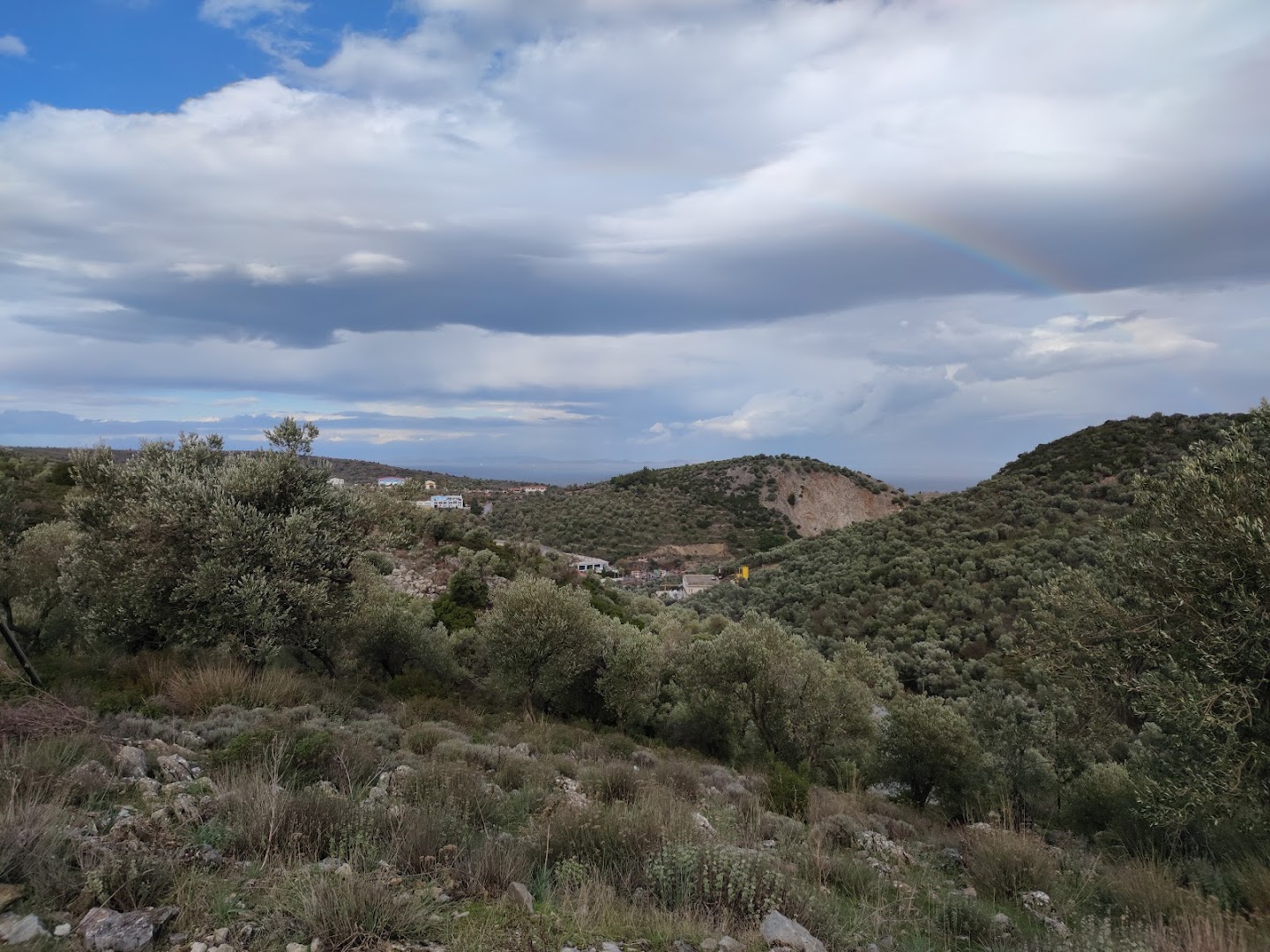
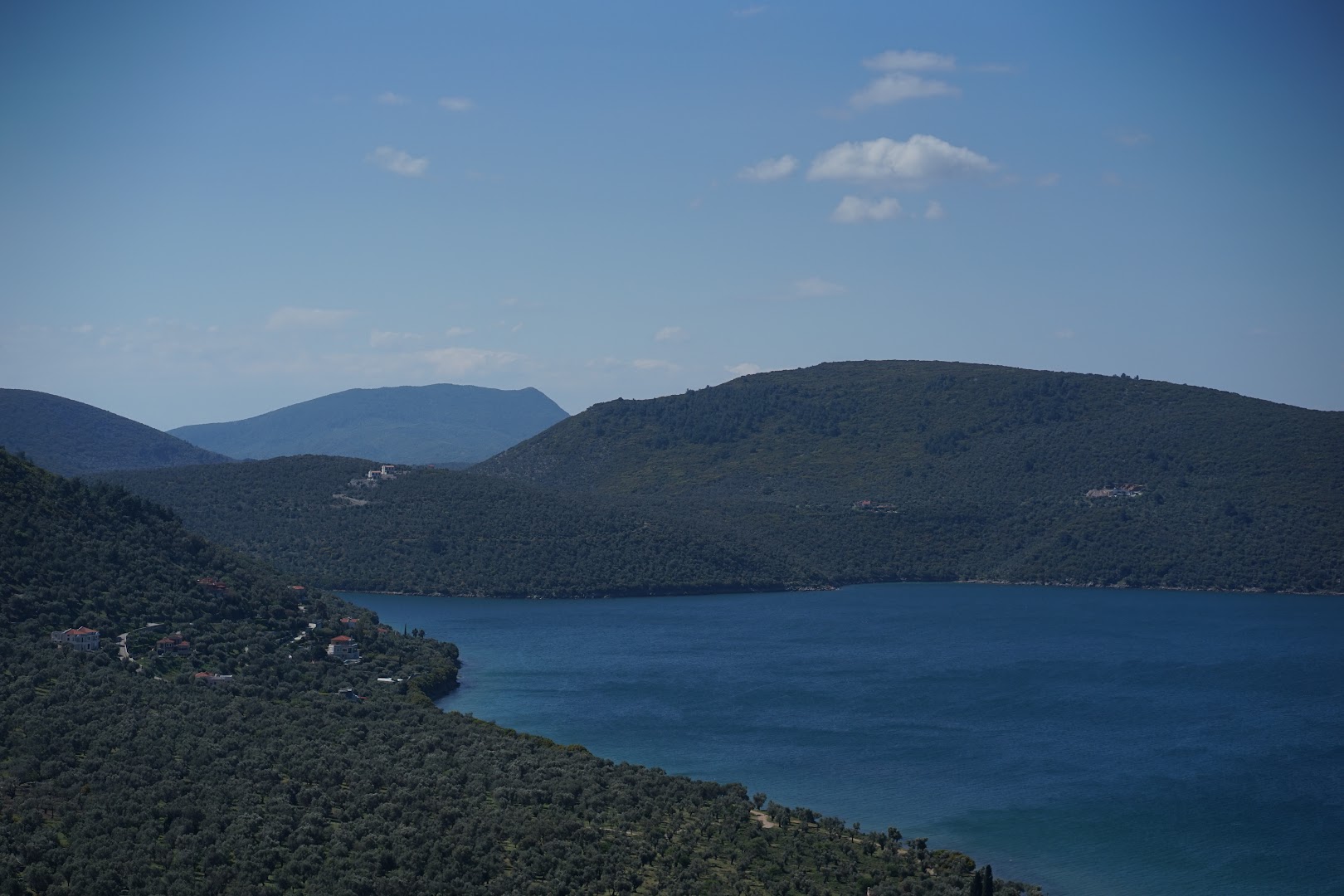
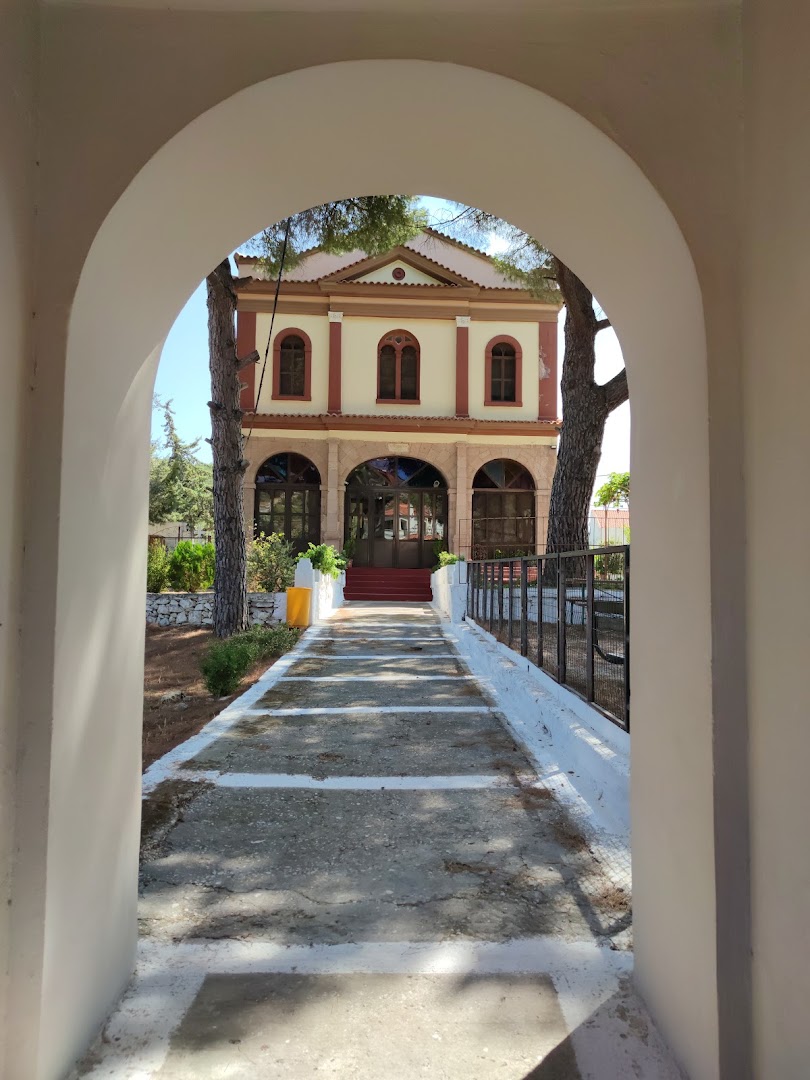
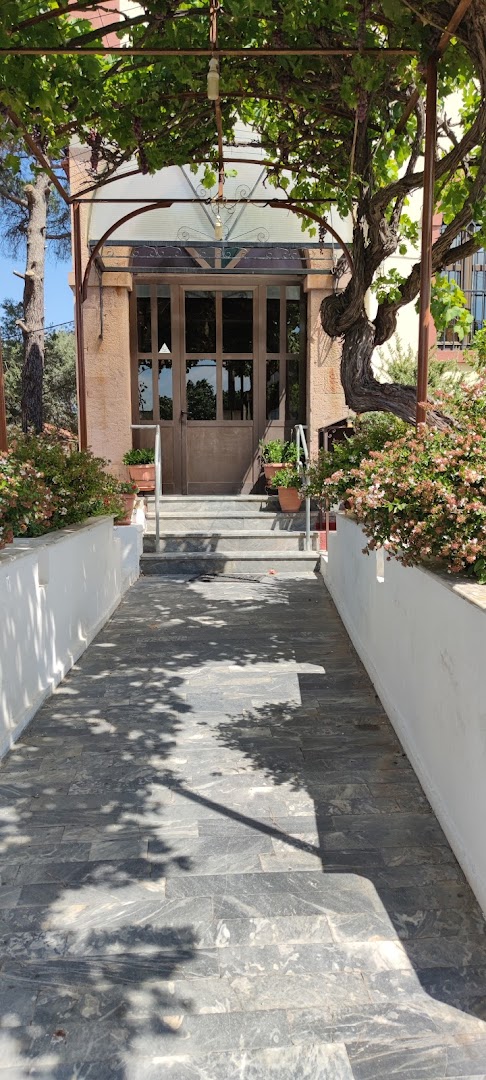
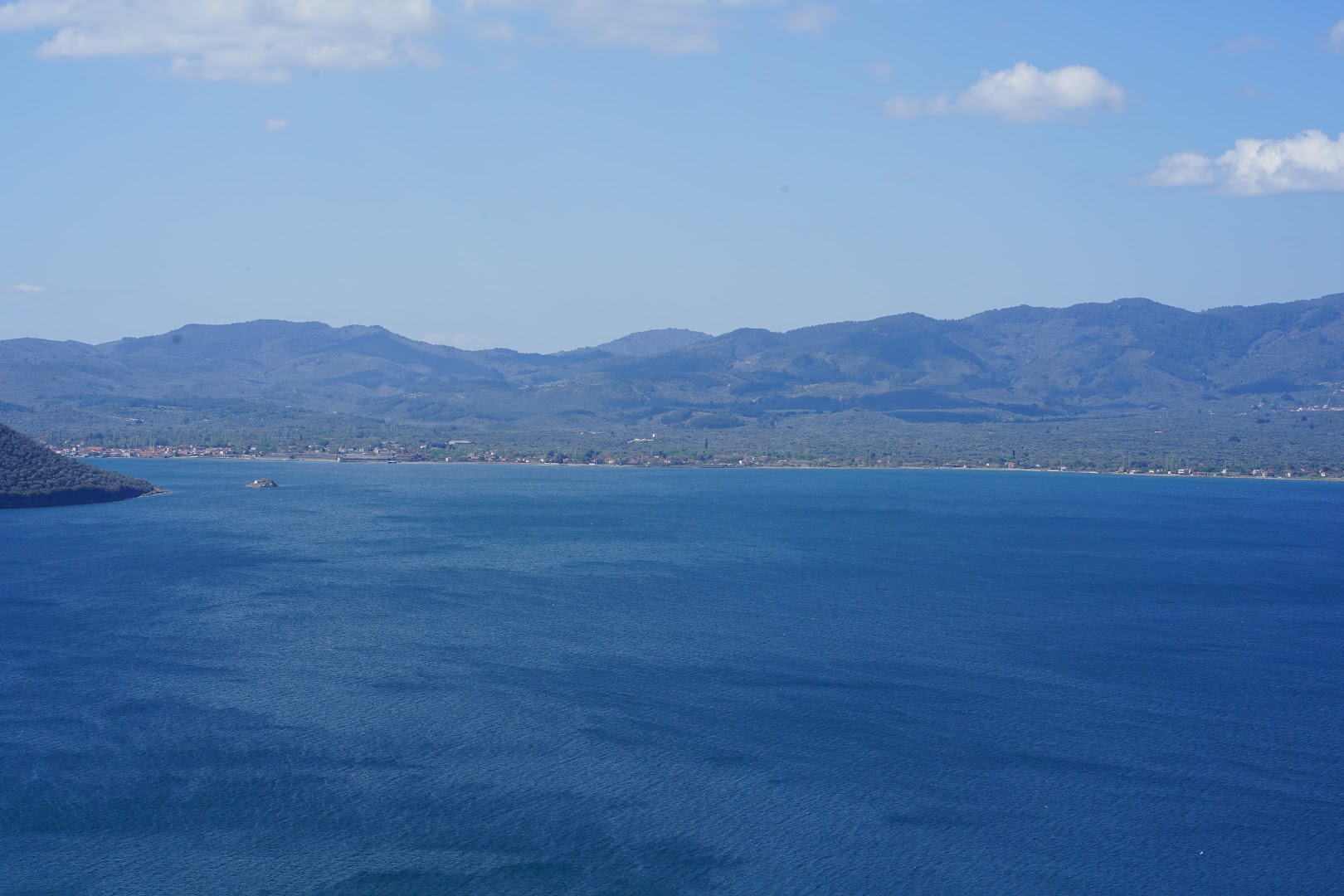
Captured a memorable moment in Alyfada?
Make a day of it
Places worth combining with your visit
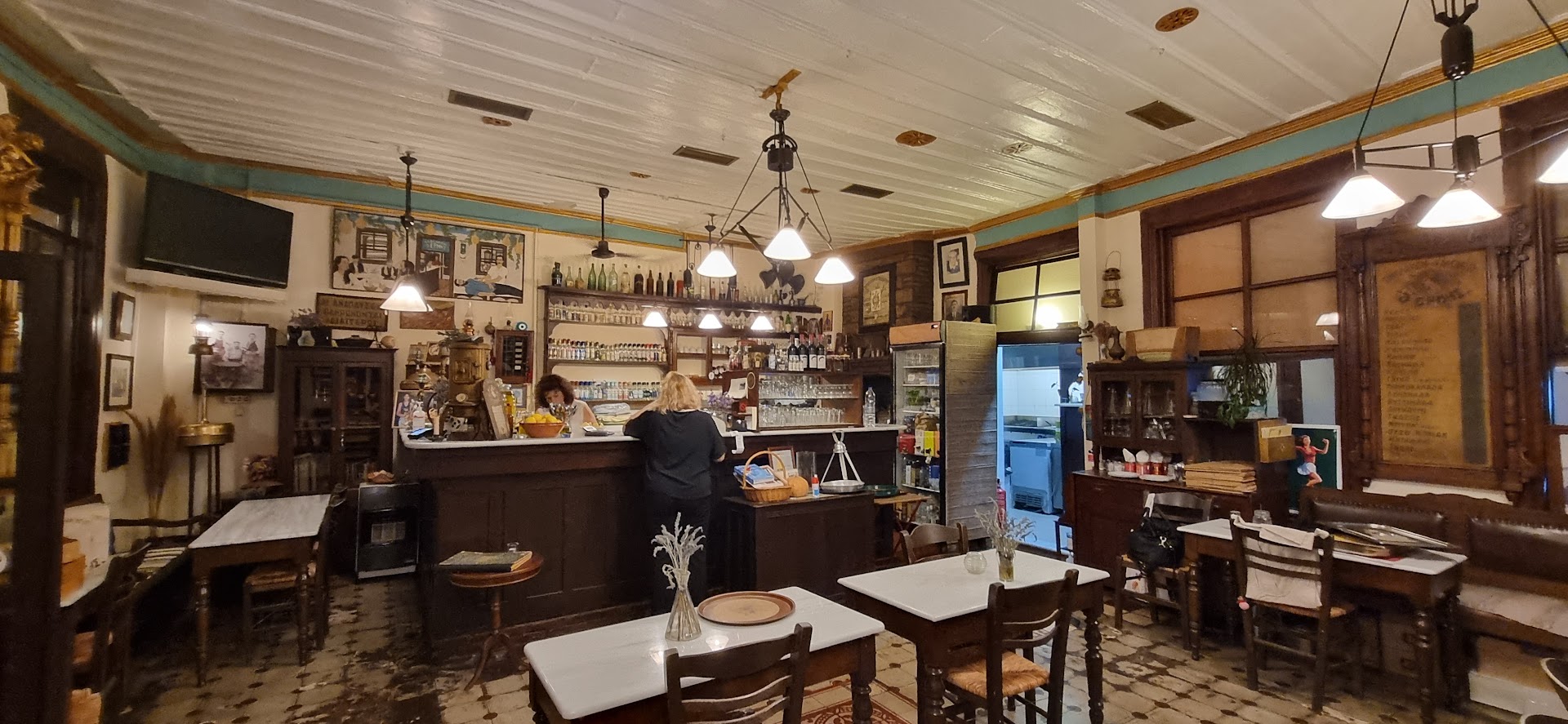
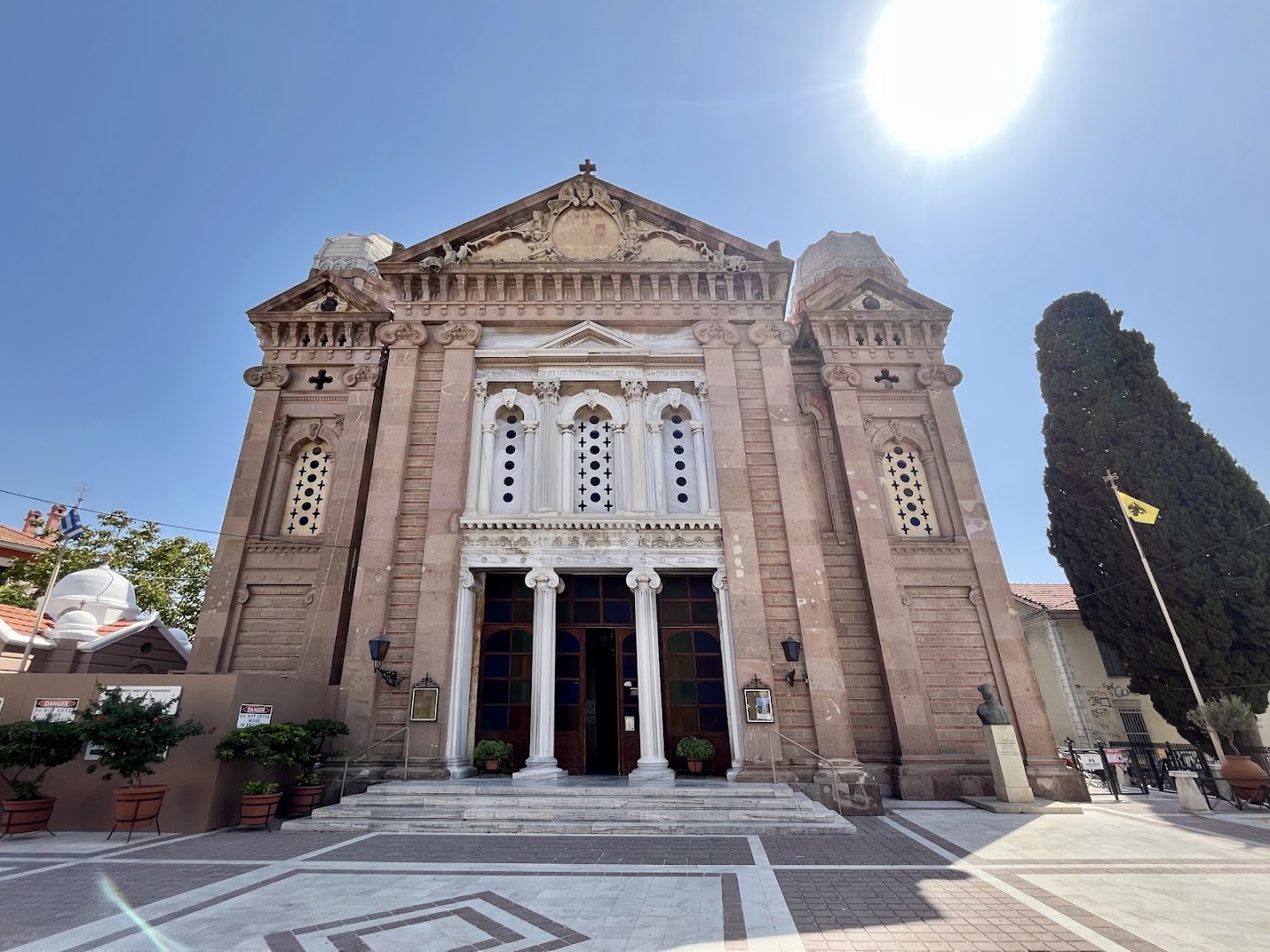
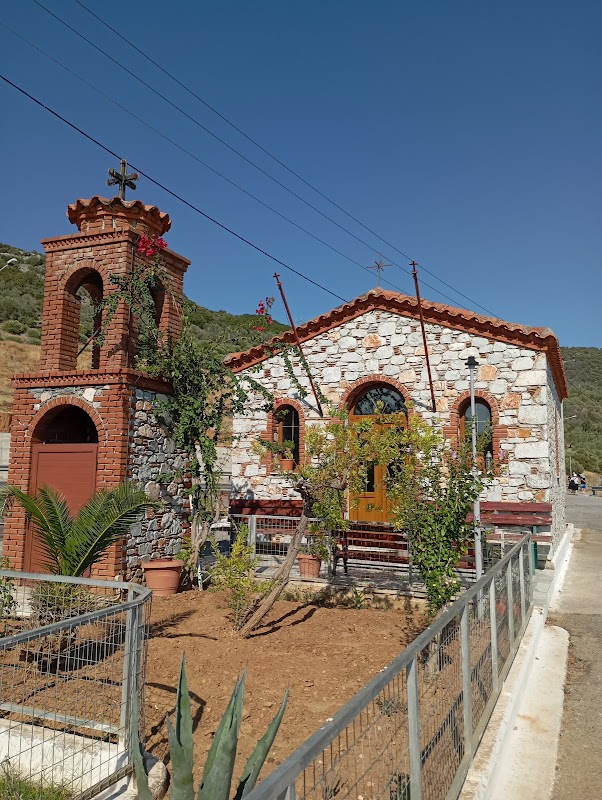
Nearby
Beaches
Kedro Beach
2.9 km away
Fikiotripa
3 km away
Pligoni Beach
6 km away
Skala Loutron Beach
6.4 km away