


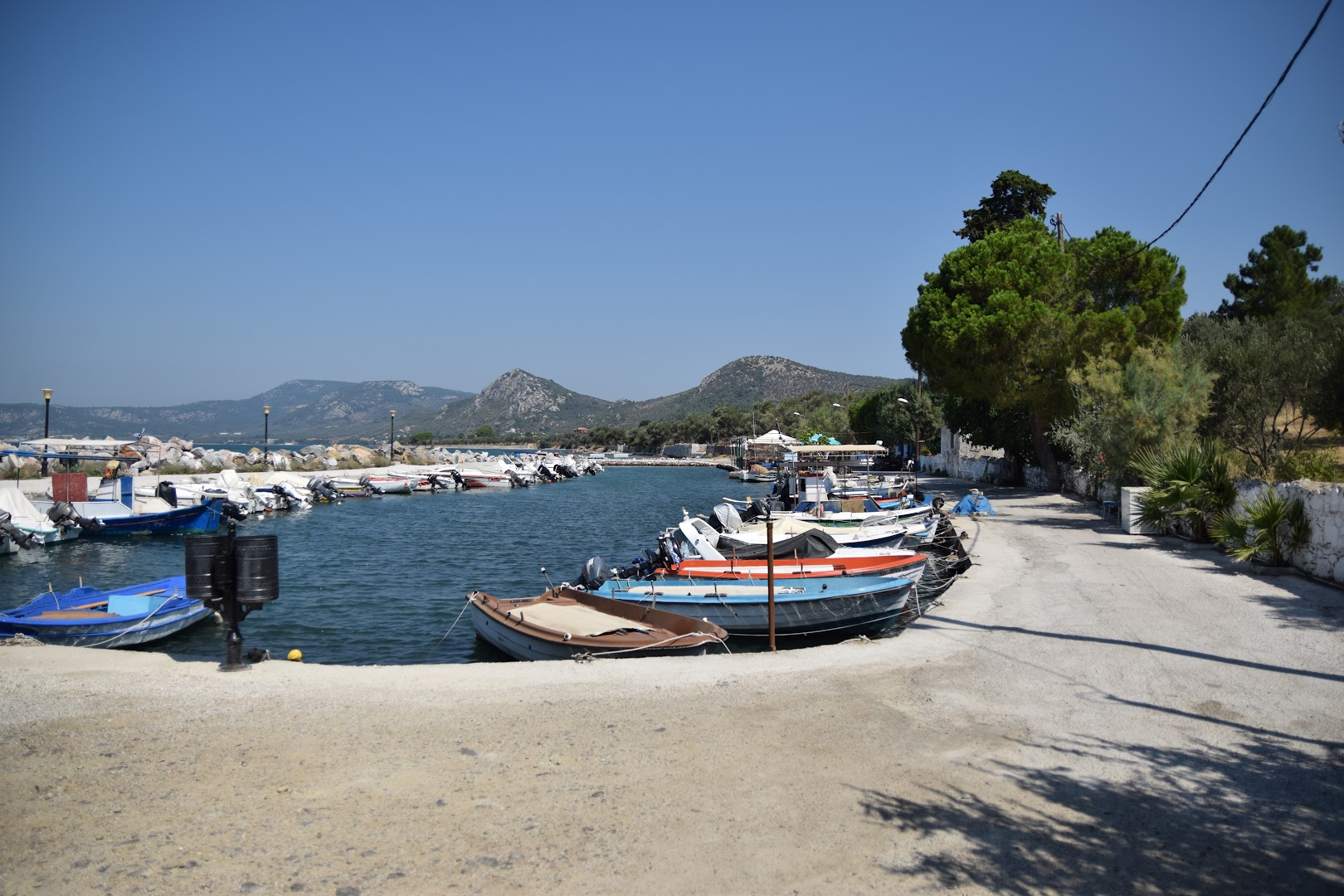
Πυργί
Pirgi
Population
161
Elevation
33m
Municipality
Mytilini
Postal Code
811 00
From Mytilene
3 km
Nearest Beach
Kedro Beach
Overview
Pirgi is a quiet, unhurried settlement in the eastern reaches of Lesvos, sitting at a gentle elevation of just 33 metres above sea level amid the island's gently rolling terrain. Its name, derived from the Greek word for tower, hints at a past in which small fortified structures punctuated the landscape as lookout points during centuries of shifting rule across the Aegean. With a resident population of around 161 people, the village belongs to that intimate category of Lesbian communities where life moves at the rhythm of the seasons, shaped by olive cultivation, small-scale farming, and the deep-rooted customs that have survived the transformations of the modern era.
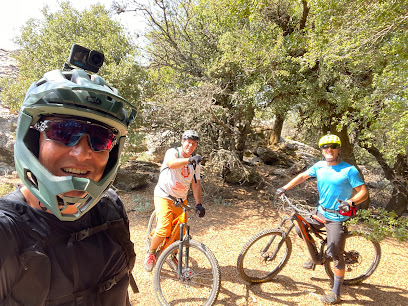
Visitors who make their way to Pirgi will find the characteristic textures of a traditional Lesbian village: stone-built houses, shaded courtyards, and a central church that serves as the social and spiritual heart of community life. The surrounding countryside, typical of this part of the island, offers a patchwork of olive groves and scrubland that rewards those who explore on foot or by bicycle. The village's modest scale makes it an authentic counterpoint to the busier tourist circuits, offering a glimpse of everyday island life that has changed little in its essentials over generations.
What makes Pirgi distinctive is precisely its ordinariness — the kind of place where a traveller can sit over a Greek coffee and watch the unhurried rhythms of rural Lesvos unfold. The local economy, like much of the island's interior, leans on olive oil production, a tradition stretching back to antiquity and one that continues to define the landscape and the identity of its inhabitants. For those seeking to understand Lesvos beyond its famous coastline and thermal springs, villages like Pirgi offer an unvarnished and genuinely rewarding encounter with the island's enduring character.
Before you go
What to expect
Stone-built houses line shaded lanes where the main sounds are birdsong and the occasional tractor moving between the olive groves. The central square and its church are where daily life gathers — a Greek coffee here means sitting among locals rather than tourists, watching the unhurried rhythms of a working village. The name Pirgi recalls the watchtowers that once stood on these gentle hills, and that layered sense of long, quiet history runs through the place.
Best time to visit
Spring and early autumn are ideal for walking the surrounding olive groves and scrubland; summers are warm but the village itself stays pleasantly uncrowded.
How to get there
Pirgi is only a few kilometres from Mytilene — a short drive of roughly ten to fifteen minutes from the city centre, heading into the low hills to the northeast.
Top-Rated in Pirgi
Highest-rated places chosen by visitors
villa
Seafront Stone House in Olive Grove
Tucked along the northern coastline of Lesvos near the village of Pirgi, the Seafront Stone House in Olive Grove offers a rare blend of traditional island architecture and natural beauty. Built in the enduring style of Aegean vernacular construction, the stone villa sits within a grove of ancient olive trees that have long defined the landscape of this corner of the island, with the shimmering waters of the sea stretching out beyond. Guests staying here enjoy the kind of serene retreat that Lesvos does so well — the shade and silver-green canopy of the olives by day, the sound of the water at night, and the unhurried rhythm of village life close at hand. The setting makes it an ideal base for exploring the quieter northern reaches of the island, from the traditional settlements of the Kalloni hinterland to the medieval hilltop town of Molyvos to the northwest. For travelers seeking an authentic Lesvos experience away from resort crowds, a stone villa of this character delivers something genuinely memorable: the feeling of staying within the island's living landscape rather than simply passing through it. The proximity to the sea and the olive grove together capture two of Lesvos's most defining qualities, making this a compelling choice for those who want their accommodation to be part of the journey itself.
villa
Waterfront Luxury Stone-built Villa in Olive Grove
Tucked within a centuries-old olive grove near the village of Pirgi, this luxury stone-built villa offers an exceptional blend of traditional Aegean architecture and modern comfort. The property's carefully preserved stonework speaks to the island's deep-rooted building traditions, while its waterfront position delivers uninterrupted views across the shimmering Aegean — a combination that is increasingly rare and sought after on Lesvos. Guests staying here can expect the full character of a Lesbian stone estate: thick walls that stay cool through the summer heat, intimate outdoor terraces shaded by ancient olive trees, and the profound quiet that comes with a setting removed from the bustle of the port towns. The proximity to Pirgi places visitors within easy reach of the island's interior villages, local tavernas, and the verdant landscapes of the olive-growing heartland that has shaped Lesbian culture and cuisine for millennia. For travelers seeking an immersive, unhurried experience of Lesvos beyond the typical resort stay, this villa represents an ideal base. Whether arriving for the olive harvest season in autumn, the wildflower-filled spring, or the warm golden light of a Greek summer, the combination of waterfront serenity, traditional architecture, and grove-side seclusion makes it one of the more distinctive accommodation choices the island has to offer.
rooms
Villa Port Olivier
Villa Port Olivier is a self-catering holiday home set in the northeastern reaches of Lesvos, close to the village of Pyrgi Thermis, an area long celebrated for its thermal springs and easy access to both the island's capital Mytilene and the unspoiled coastline of the northern shore. The name evokes the island's most iconic feature — its ancient olive groves, which have shaped Lesvos for millennia and continue to define the landscape rolling between the hills and the Aegean horizon. Guests staying at Villa Port Olivier can expect the privacy and comfort of a self-contained property, giving them the freedom to explore Lesvos at their own pace. From this base, the lively harbor and cultural richness of Mytilene are within easy reach, as are the fishing villages, Byzantine monasteries, and thermal baths that dot the island's eastern side. The villa format — with its own living space and typically a terrace or garden — suits couples, families, and small groups seeking a home-away-from-home rather than a hotel experience. Lesvos rewards slow travel, and a villa stay encourages exactly that: mornings with local olive oil and fresh bread, afternoons on quiet pebble beaches, evenings watching the sun sink over the water. Villa Port Olivier offers a genuine base for immersing in island life, far from the crowds yet close enough to everything that makes Lesvos one of the eastern Aegean's most compelling destinations.
villa
Pyrgi Stone Villas
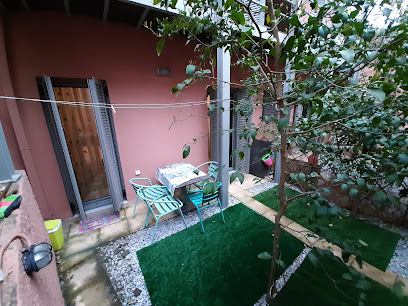
Beautifully restored stone villas in Pyrgi Lakarda with modern amenities and stunning views of the surrounding countryside. The attentive owner George provides personalized recommendations and ensures a comfortable stay. Perfect setting for couples and small groups seeking authentic island hospitality.
Practical Info
Supermarket
Not found
Medical / Pharmacy
Not found
Petrol Station
Not found
ATM / Bank
Not found
Transport
Not found
All Businesses
Elaionas Nikou Waterfront Villa Retreat
Four Seasons
Luxury Seafront Villa
Paralia Pirgi
Presidential Beach Villa
Pyrgi Stone Villas
Rooms & Apartments Ampoulos
Seafront Stone House in Olive Grove
Tavern Pyrgi
Villa Melani
Villa Melani
Villa Port Olivier
Churches & Religious Sites
Church (39.0946, 26.5141)
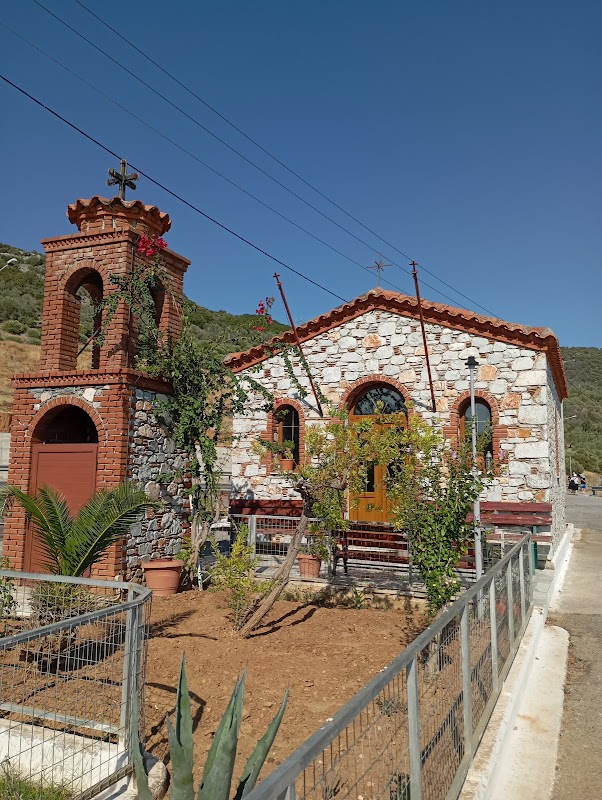
Nestled in the quiet landscape near the village of Pirgi in eastern Lesvos, this church stands as a testament to the island's deep-rooted Orthodox Christian heritage. Like so many of Lesvos's rural churches, it likely serves the dual role of parish church and community gathering place, its whitewashed walls and terracotta-tiled roof forming a familiar silhouette against the Aegean sky. The ecclesiastical architecture of the region typically blends post-Byzantine traditions with vernacular building techniques — thick stone walls, rounded apses, and simple bell towers — reflecting centuries of continuous worship carried out by the farming and fishing communities of the island's interior. Visitors who step inside are often greeted by the warm glow of oil lamps illuminating an iconostasis adorned with devotional icons painted in the Byzantine style. These sacred images, depicting Christ, the Theotokos, and the patron saint to whom the church is dedicated, are central to the spiritual life of the local community. Feast days tied to the church's patron are among the most cherished events in the village calendar, bringing together residents and relatives from across the island for liturgy, candlelit processions, and the communal meals that follow — a tradition known as the panigiri that has remained essentially unchanged for generations. For the traveler, stopping at a village church like this one offers a rare window into the living culture of rural Lesvos, far removed from the busier coastal resorts. The surrounding area near Pirgi is characterized by olive groves and stone-walled paths, and the church itself often marks a natural pause point on a walk through the countryside. Even if the doors are closed, the exterior and its setting reward the curious visitor with a sense of the quiet devotion that continues to shape life in these inland villages.
Παναγία Πυργί
Panagia Pyrgi
Perched near the village of Pirgi in the eastern reaches of Lesvos, the church of Panagia Pyrgi is dedicated to the Panagia — the All-Holy Virgin Mary — whose protective presence is felt throughout the island in countless chapels and shrines. The name itself reflects a deep connection to this hilltop settlement, whose name derives from the Greek word for tower, hinting at the fortified past of the surrounding landscape. Like many rural churches on Lesvos, Panagia Pyrgi likely developed over centuries as the spiritual heart of its community, serving generations of local families through the rhythms of baptism, marriage, and mourning. Its modest exterior, typical of the island's vernacular religious architecture, gives way inside to the intimate warmth of oil lamps, polished iconostasis woodwork, and the golden glow of devotional icons — a sensory experience that transports visitors into the living continuity of Orthodox worship. The church observes the feast of the Dormition of the Theotokos on August 15th, one of the most important celebrations in the Greek Orthodox calendar, when communities across Lesvos gather for candlelit vigil services, liturgy, and the communal feasting that follows. For the people of Pirgi and the surrounding hamlets, Panagia Pyrgi is more than a historic monument — it is a living sanctuary where faith and community identity are renewed with each passing generation. Visitors who make their way here will find not only a place of quiet contemplation away from the busier coastal sites, but also a genuine window into the devotional life that has shaped village culture on Lesvos for centuries.
Gallery & Videos
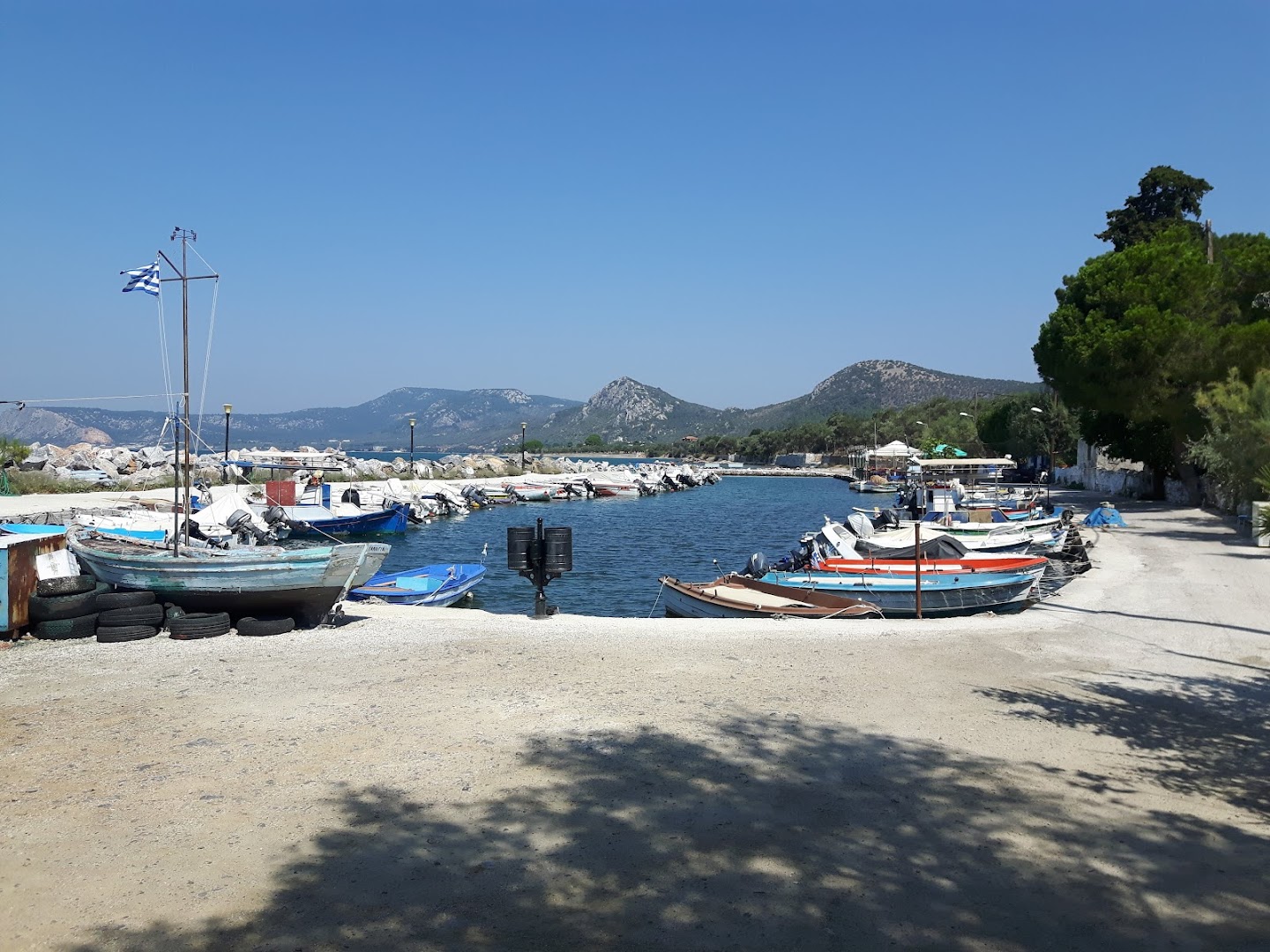
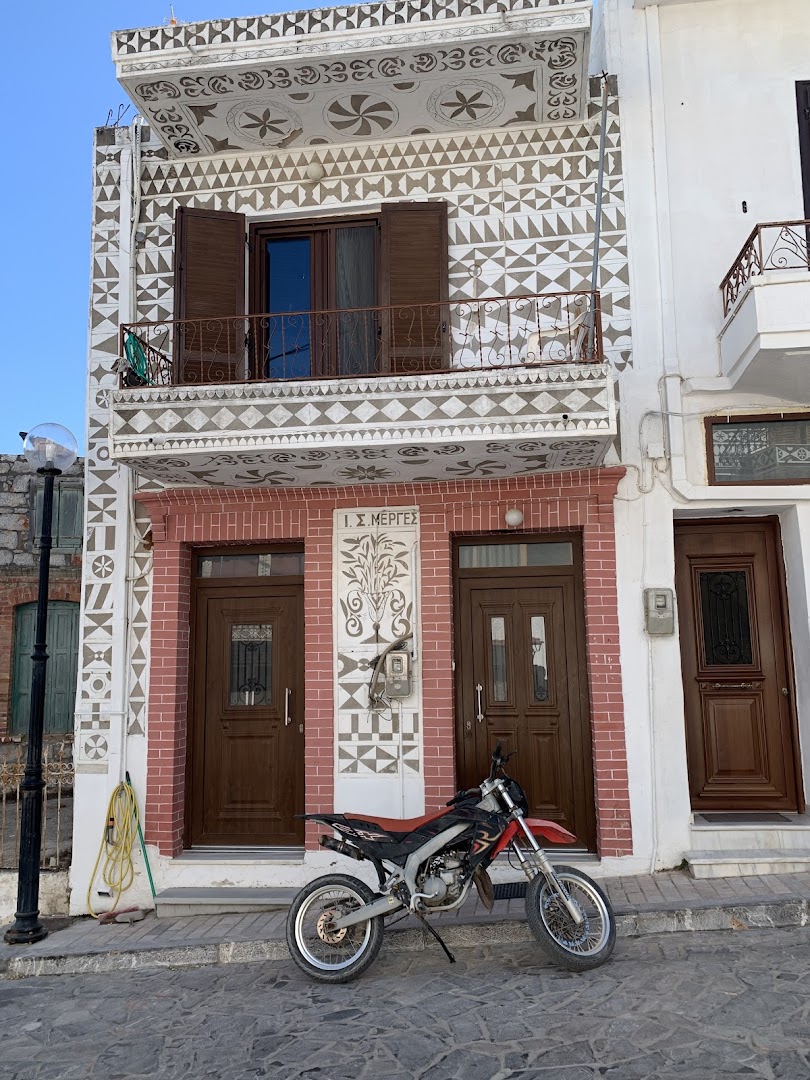
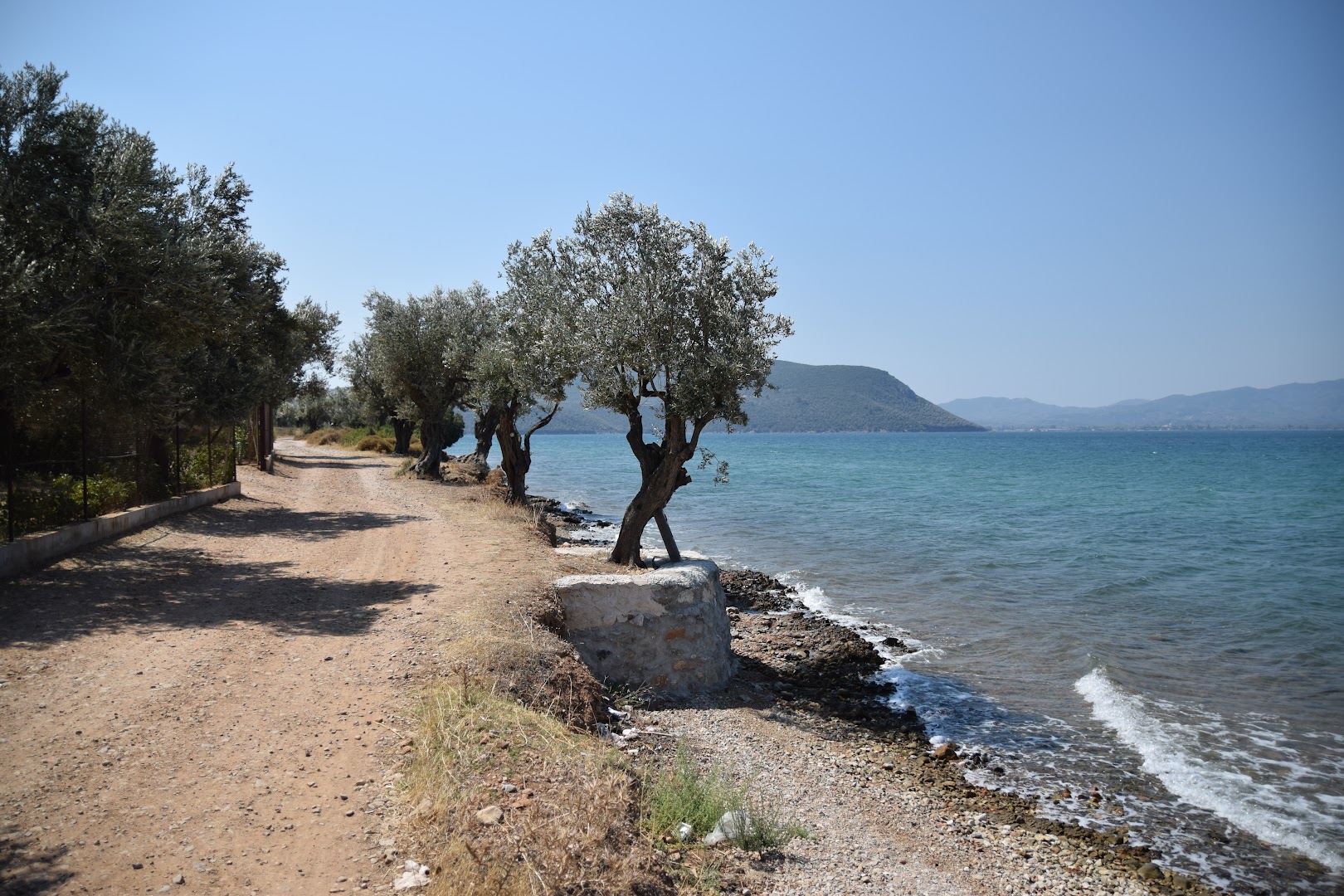
Captured a memorable moment in Pirgi?
Make a day of it
Places worth combining with your visit
Nearby
Beaches
Kedro Beach
2.3 km away
Fikiotripa
4.5 km away
Xeres Evreiakis
5.2 km away
Chalatses
5.3 km away