


Κολοστάσι
Kolostasi
Population
20
Elevation
17m
Municipality
Mantamados
Postal Code
811 04
From Mytilene
25 km
Nearest Beach
Pedi Beach
Overview
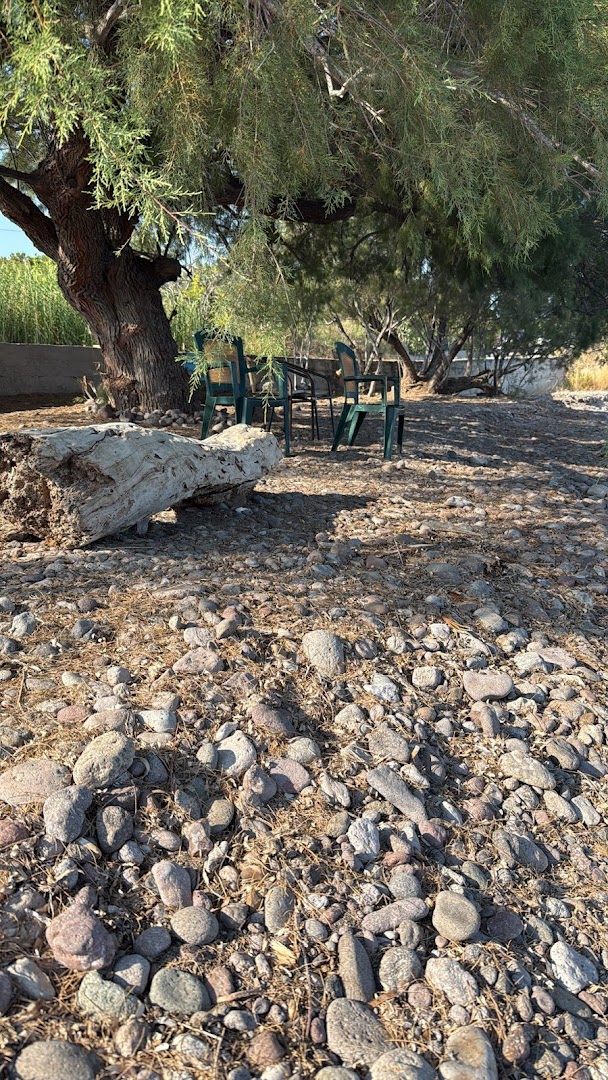
Kolostasi is one of Lesvos's most intimate settlements, a hamlet of barely twenty souls nestled close to sea level on the island's quieter inland margins. The name itself carries the echo of a pastoral past — in Greek, a kolostasi traditionally denotes a place where livestock were penned or rested, and the village almost certainly grew up around the rhythms of animal husbandry that once defined rural life across the island. At just seventeen metres of elevation, the land here is gentle and open, suited to the olive groves and small-scale farming that have sustained communities like this one for generations. The surrounding countryside retains a raw, unhurried quality that larger resorts on Lesvos have long since traded away.
With such a small permanent population, Kolostasi belongs to that category of Aegean village where time seems to move at its own pace and the boundary between past and present blurs pleasantly. The handful of residents who remain are typically older families with deep roots in the land, tending their orchards and kitchen gardens much as their grandparents did. For visitors, the appeal lies precisely in this simplicity — the chance to walk quiet lanes, observe the working rhythms of a genuine agricultural community, and experience a Lesvos far removed from the tourist circuit. The broader landscape of this part of the island, with its stone walls, wildflowers, and distant views toward the sea, rewards those willing to explore on foot or by bicycle.
Kolostasi is perhaps best understood not as a destination in itself but as a window into the island's living rural heritage. Villages of this scale are becoming increasingly rare across the Greek islands as younger generations move to cities, making each one a kind of unofficial archive of traditional ways. A visit here, even a brief one, offers a grounding counterpoint to Lesvos's more celebrated sights — a reminder that the island's true character has always been shaped by the people who worked its land across the centuries.
Before you go
What to expect
Walking Kolostasi's lanes takes only a few minutes, yet the atmosphere lingers — stone walls border tidy olive plots, and the few residents who remain tend their gardens with an unhurried focus that feels entirely removed from the tourist circuit. The land is flat and open close to sea level, making it easy to wander on foot, with glimpses of the surrounding countryside stretching toward the water. The only sounds competing for attention are birdsong and, occasionally, a distant tractor.
Best time to visit
Late spring and early autumn offer the most comfortable conditions — the countryside is green or golden, temperatures are mild, and the village is at its quietest; midsummer heat can be intense in this open, inland setting.
How to get there
From Mytilene, head north into the island's interior; the drive takes roughly 30 to 45 minutes depending on which rural roads you follow, noticeably longer than the straight-line distance suggests. A car gives you the freedom to explore the surrounding olive groves and quiet lanes at your own pace.
Practical Info
Supermarket
Not found
Medical / Pharmacy
Not found
Petrol Station
Not found
ATM / Bank
Not found
Transport
Not found
All Businesses
Gallery & Videos
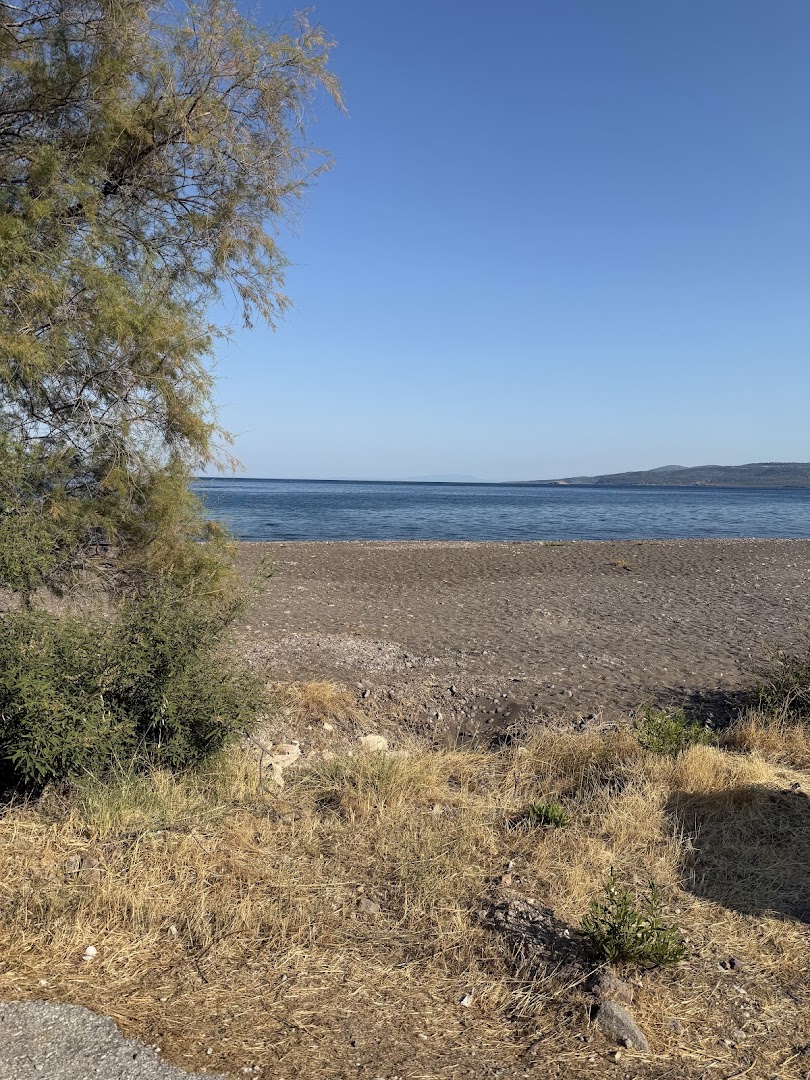
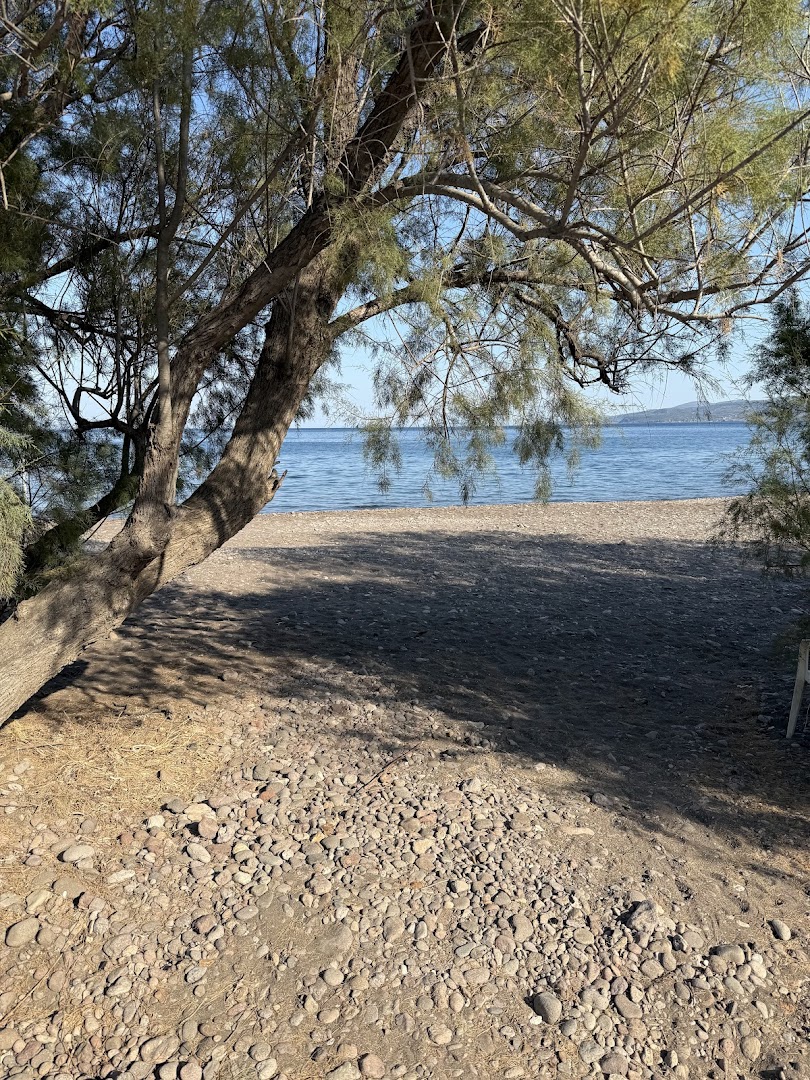
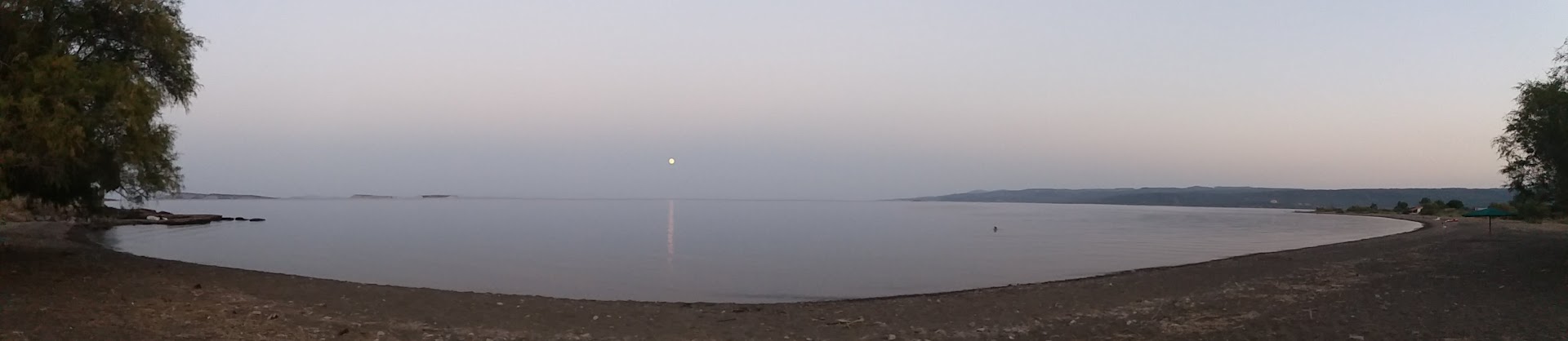
Captured a memorable moment in Kolostasi?
Nearby
Beaches
Pedi Beach
2.4 km away
Beach Tokmakia
3.3 km away
Palios Beach
4.6 km away
Xampelia Beach
5.4 km away