


Μιστεγνά
Mistegna
Population
407
Elevation
75m
Municipality
Loutropoli Thermis
Postal Code
811 00
From Mytilene
13.9 km
Nearest Beach
Skala Mistegnon Beach 2
Overview
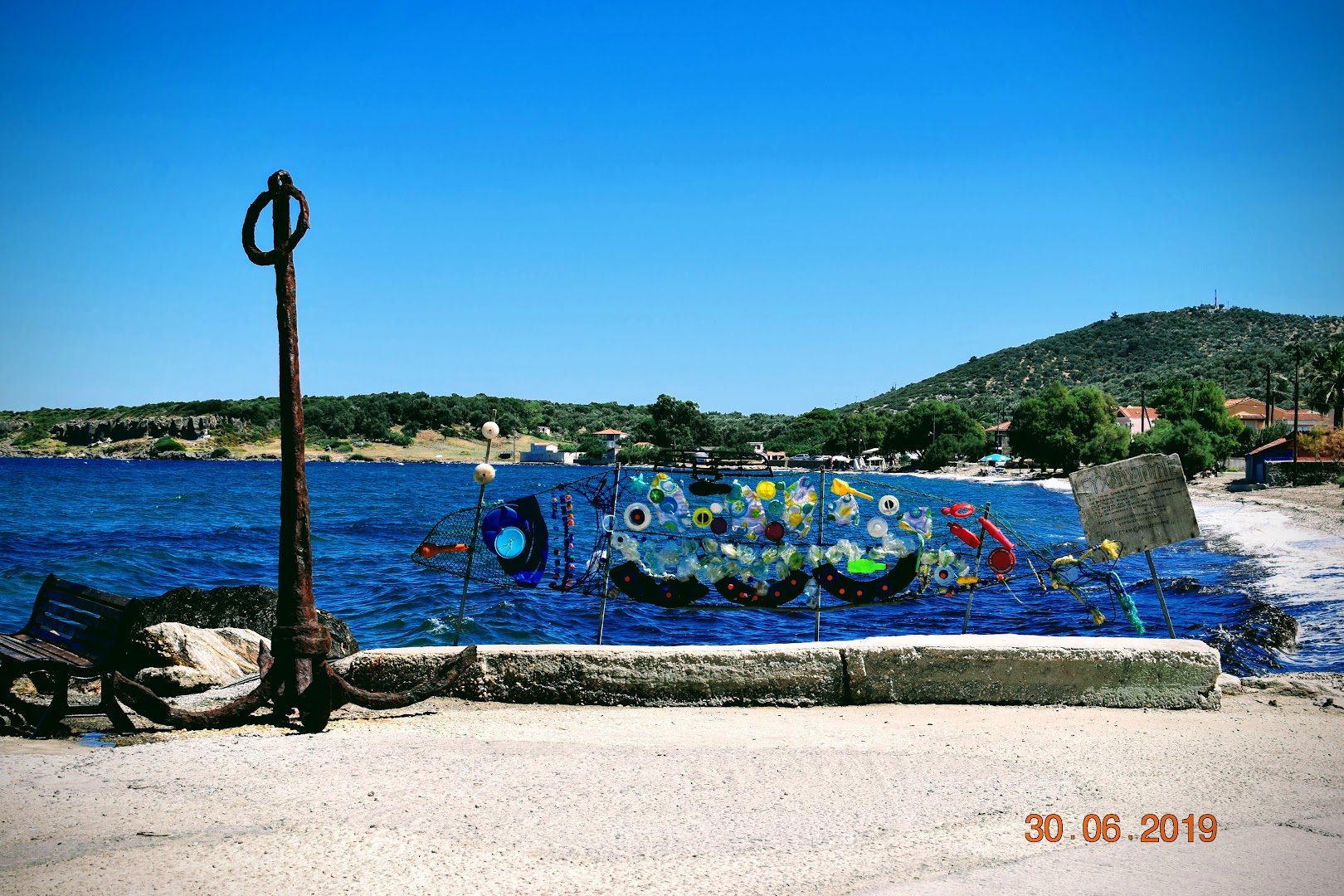
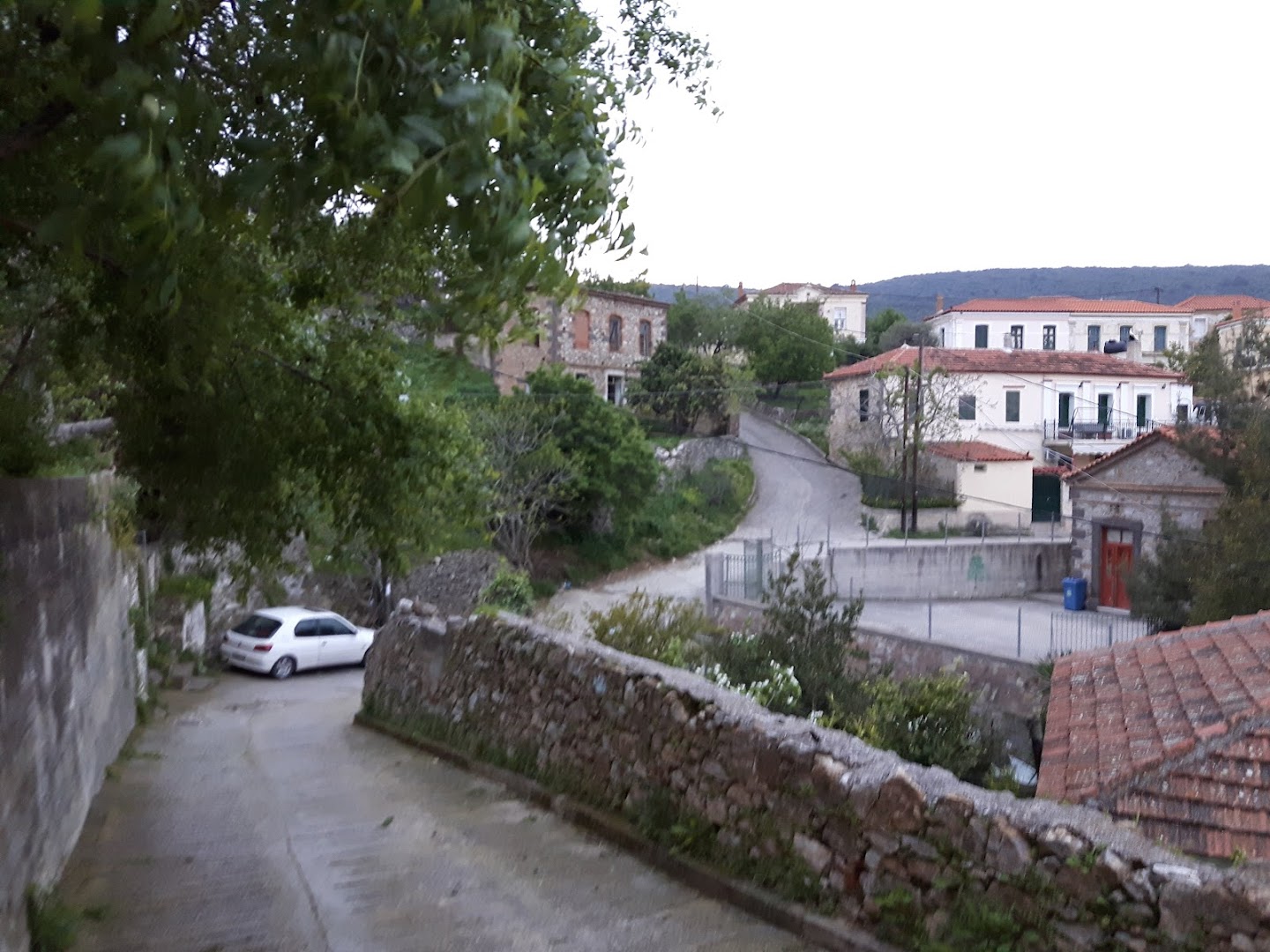
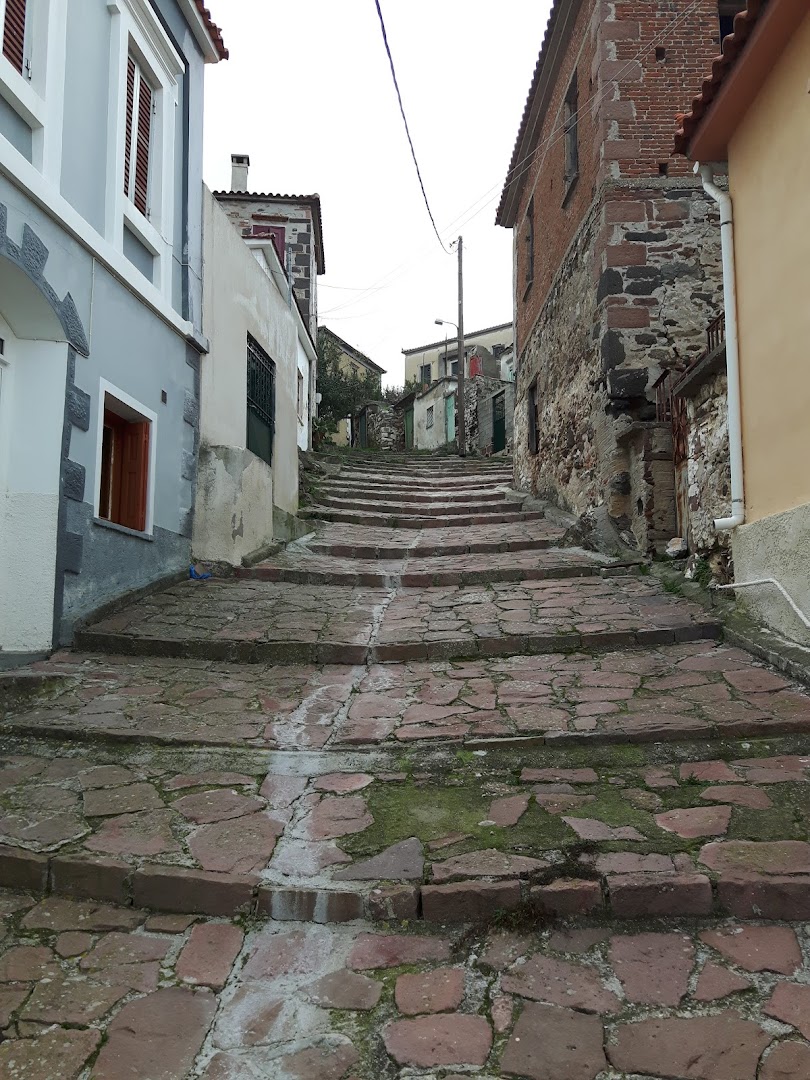
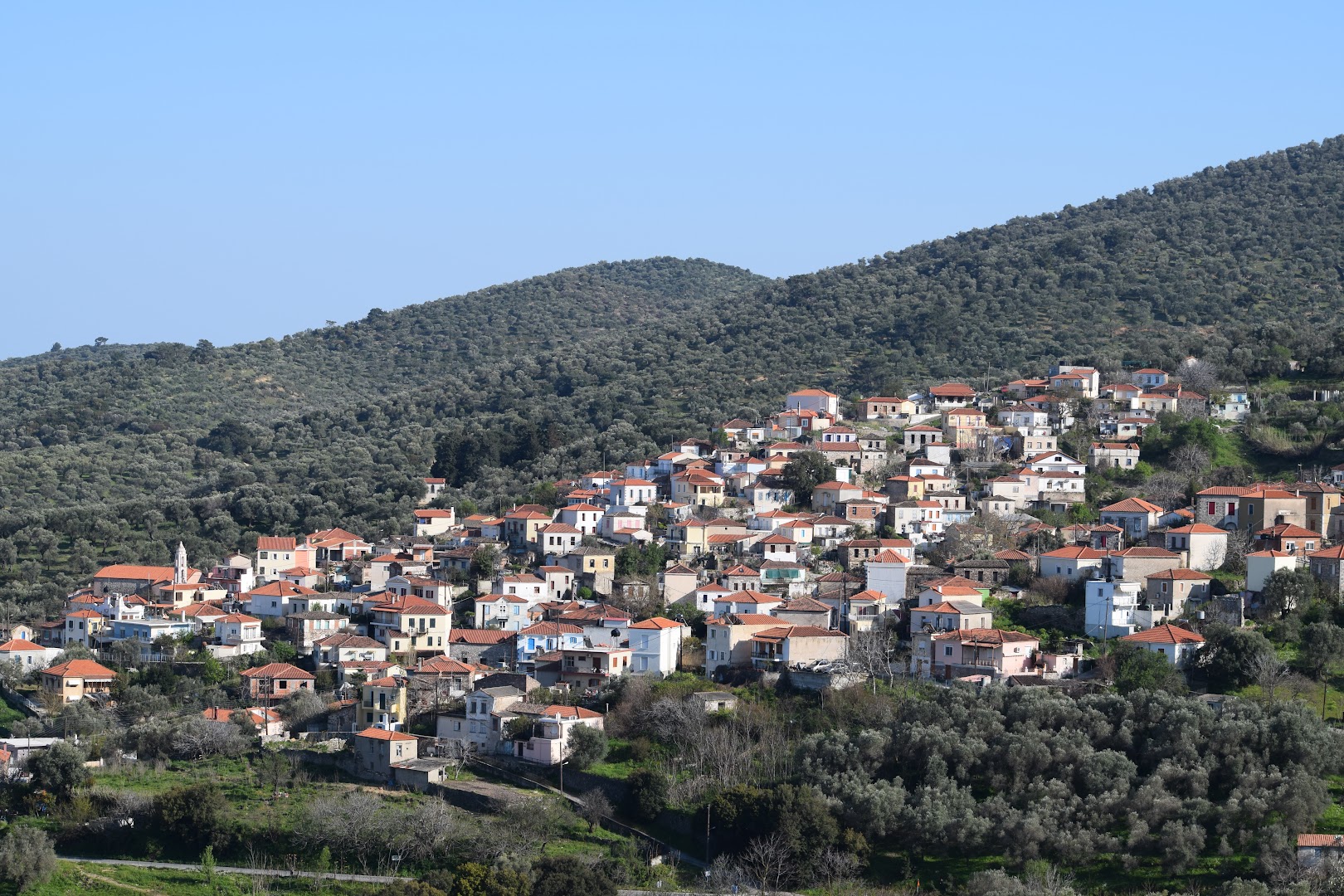
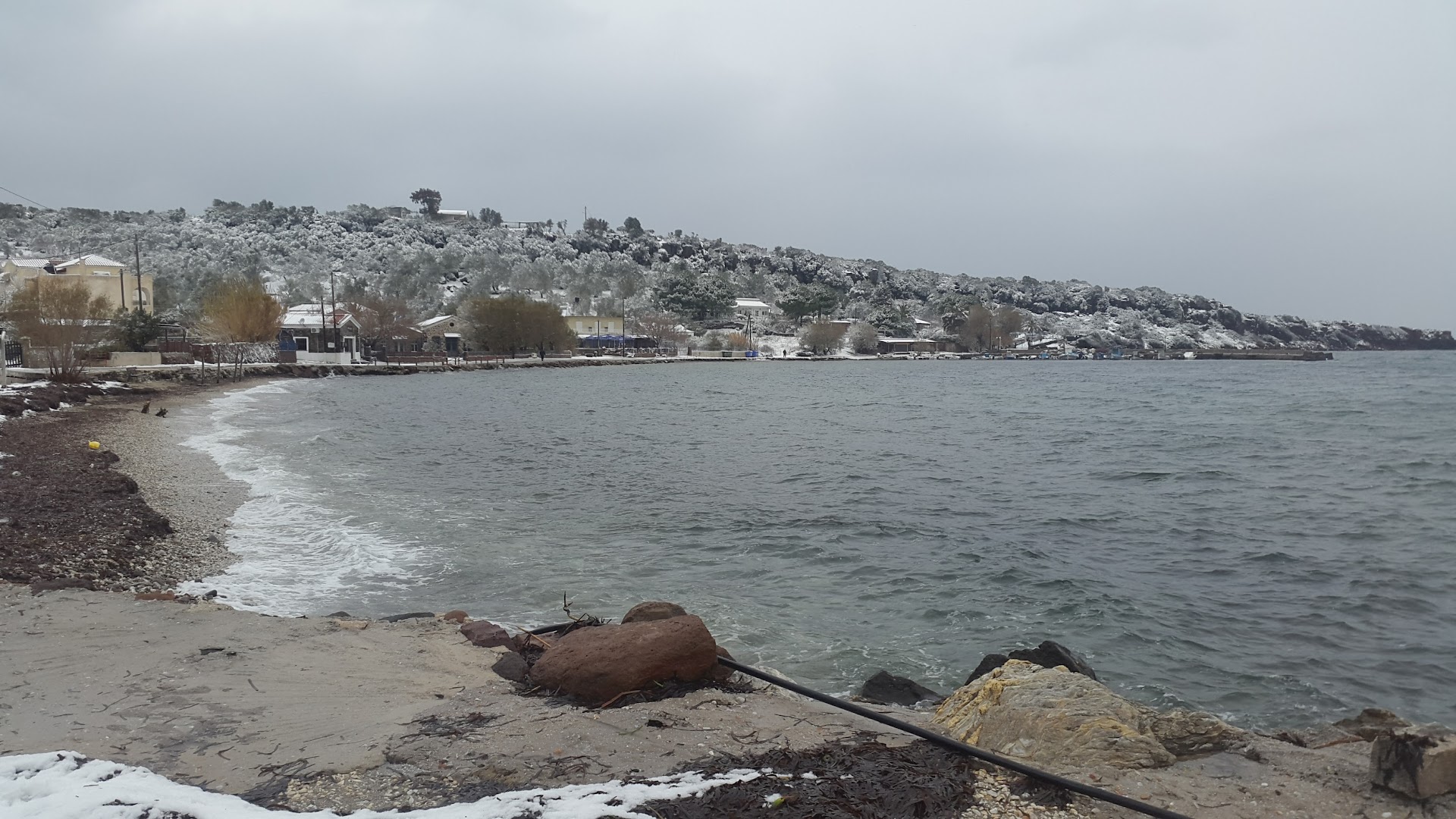
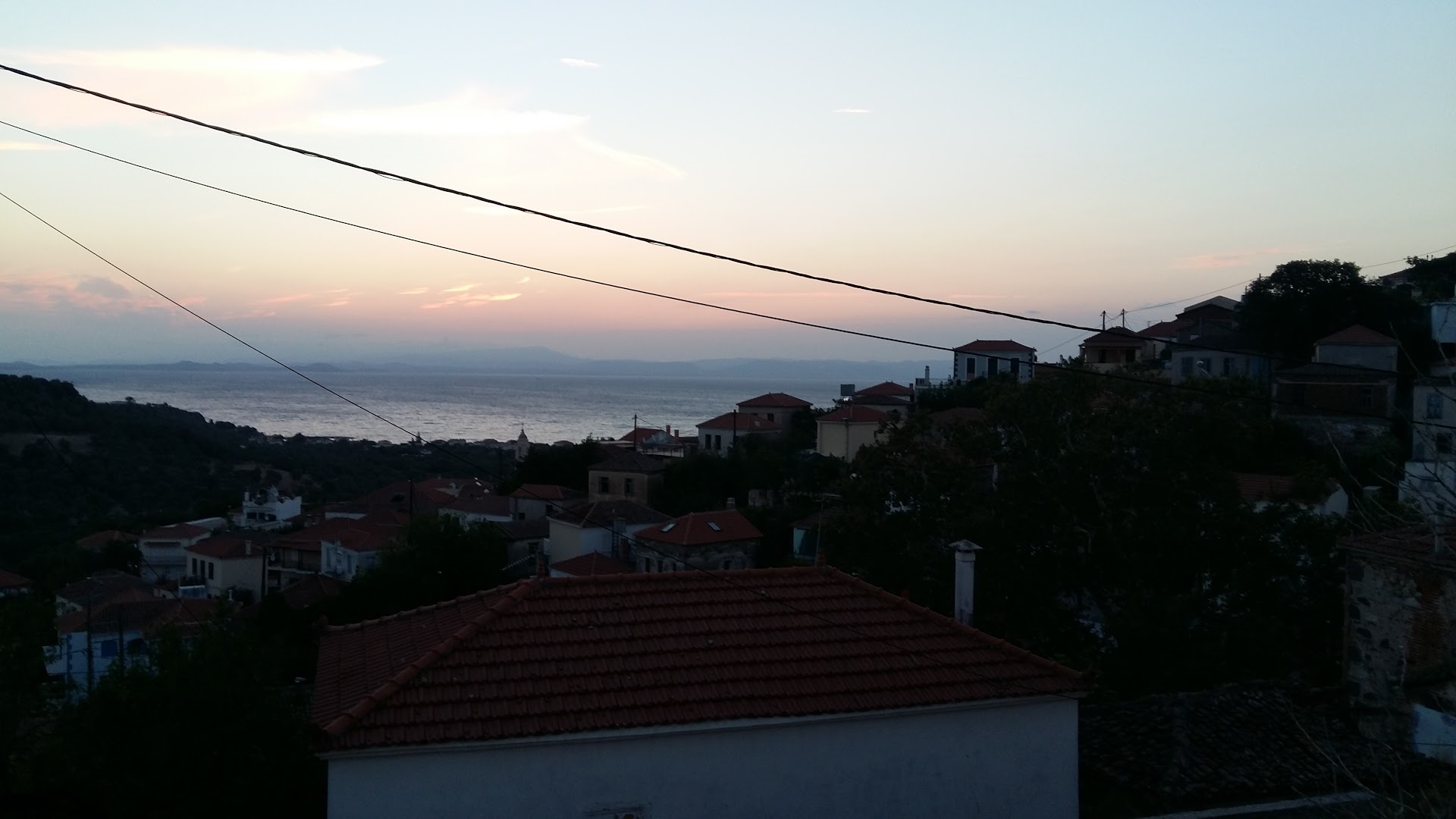
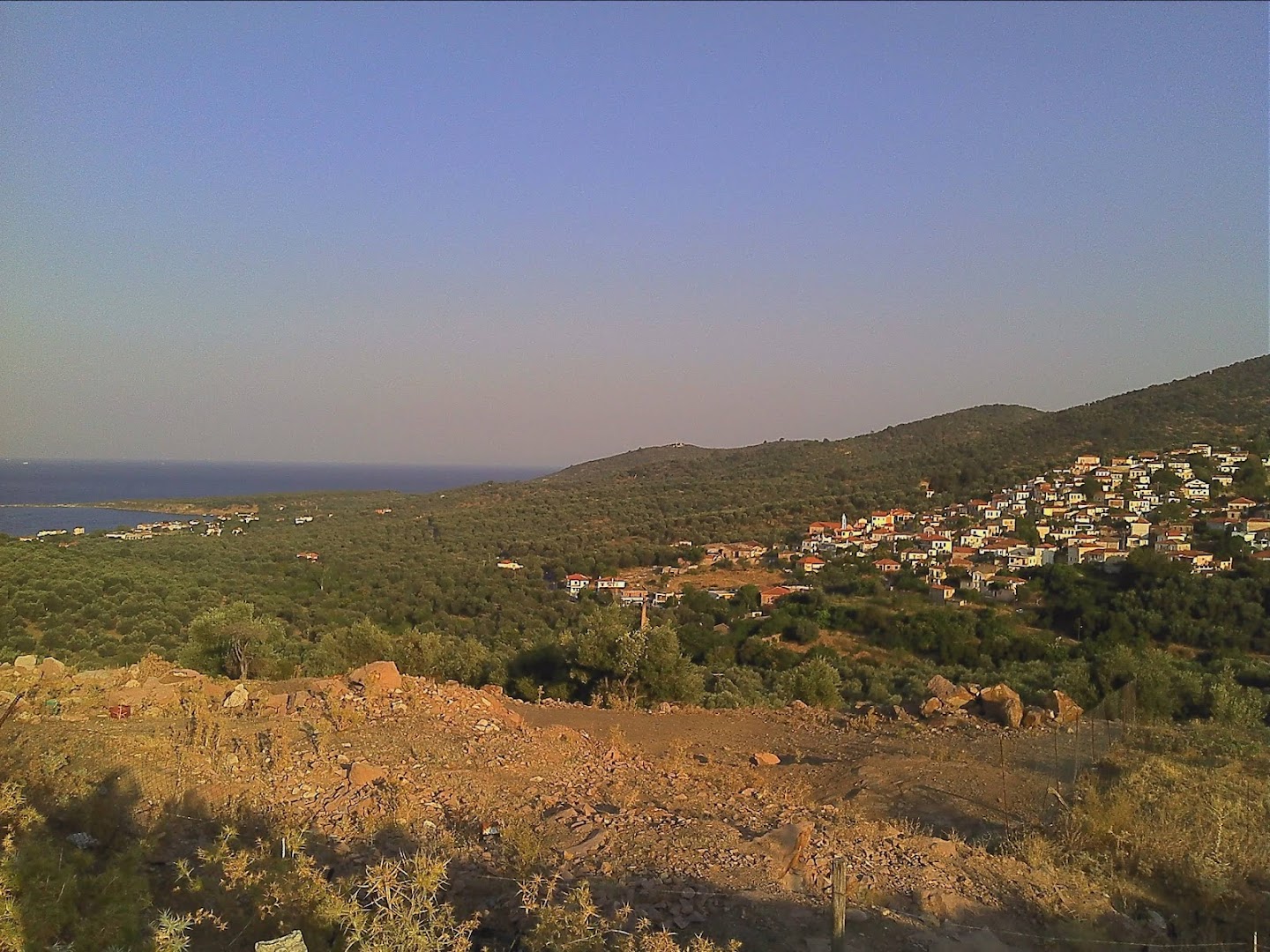
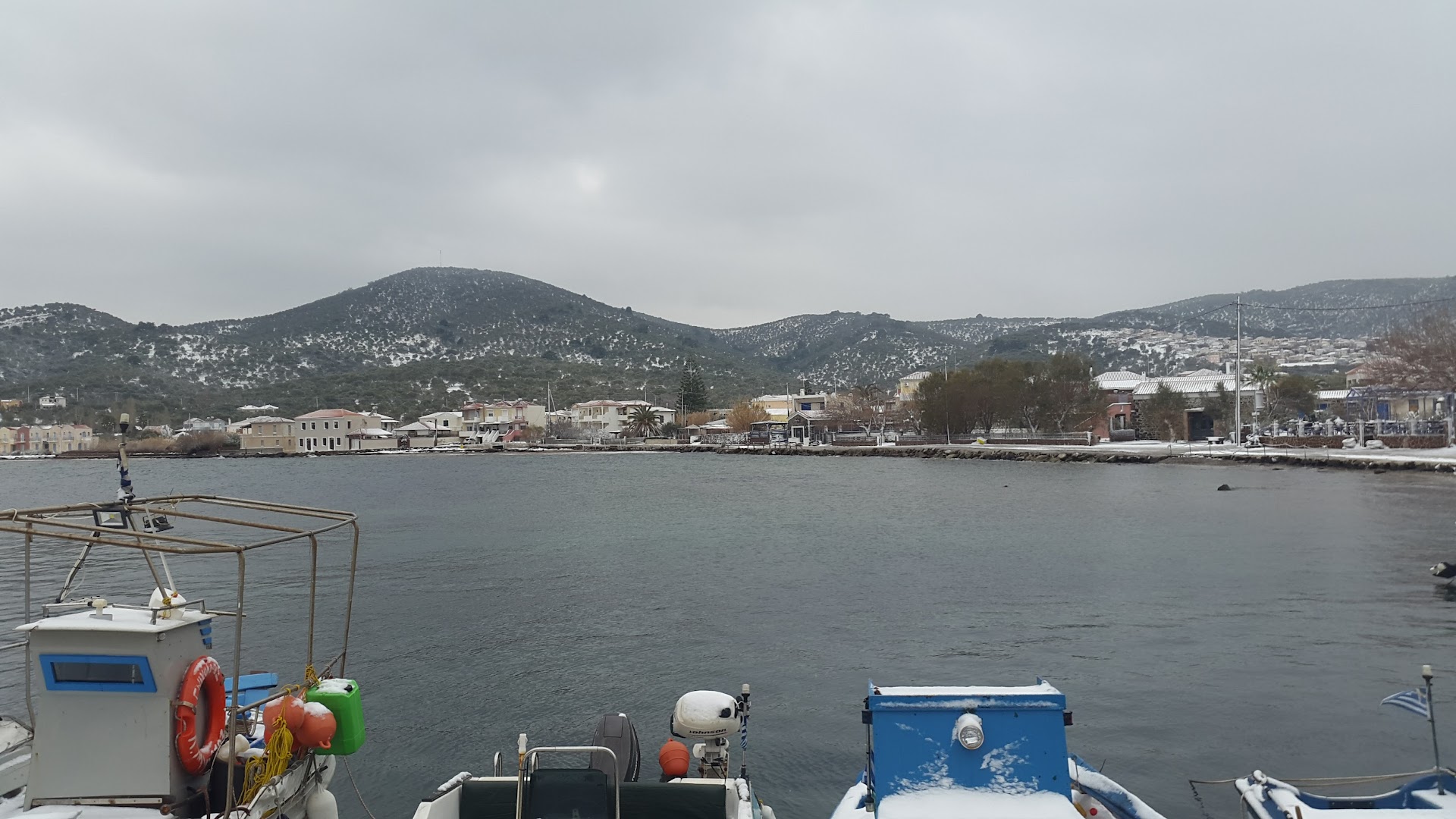
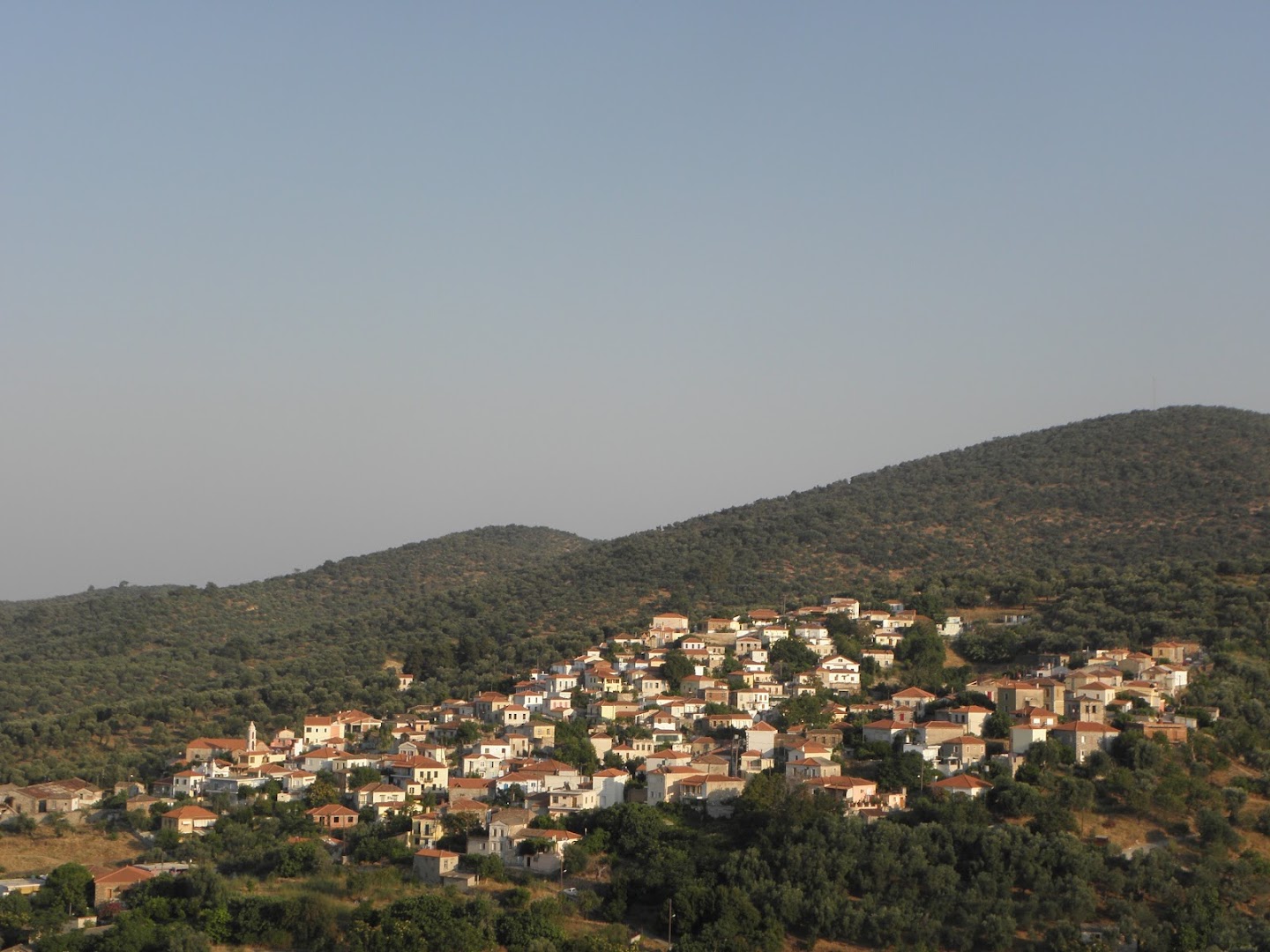
Nestled along the northeastern coastline of Lesvos at a modest elevation of 75 metres, Mistegna is a quietly captivating village of around 400 souls that has preserved the rhythms of traditional Aegean life largely intact. The village looks out over the shimmering waters of the northern Aegean, and its compact harbour has long served the small-scale fishing community that forms the backbone of local livelihoods. Stone houses with terracotta-tiled roofs cluster along the hillside in the characteristic manner of Lesvian settlements, while the surrounding landscape of olive groves and scrubby hillsides speaks to the agricultural traditions that have sustained communities here for generations.
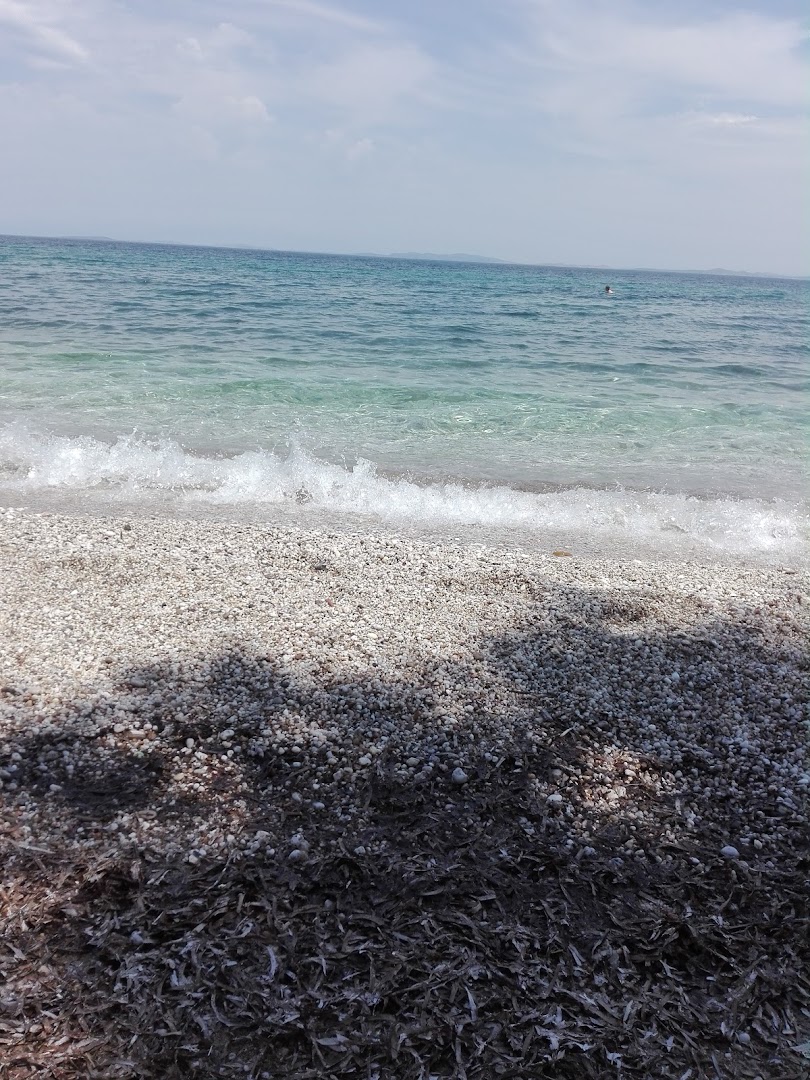
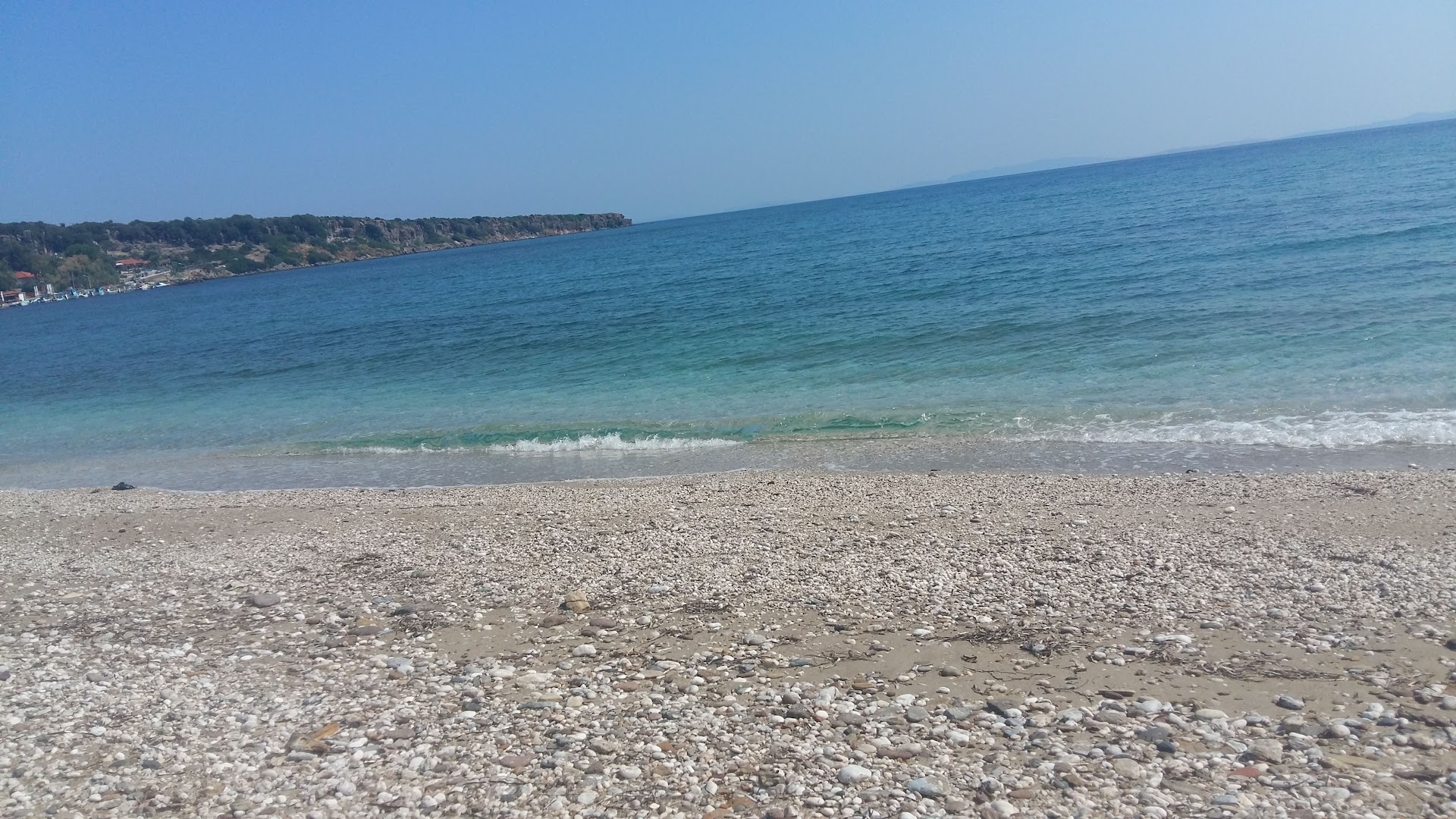
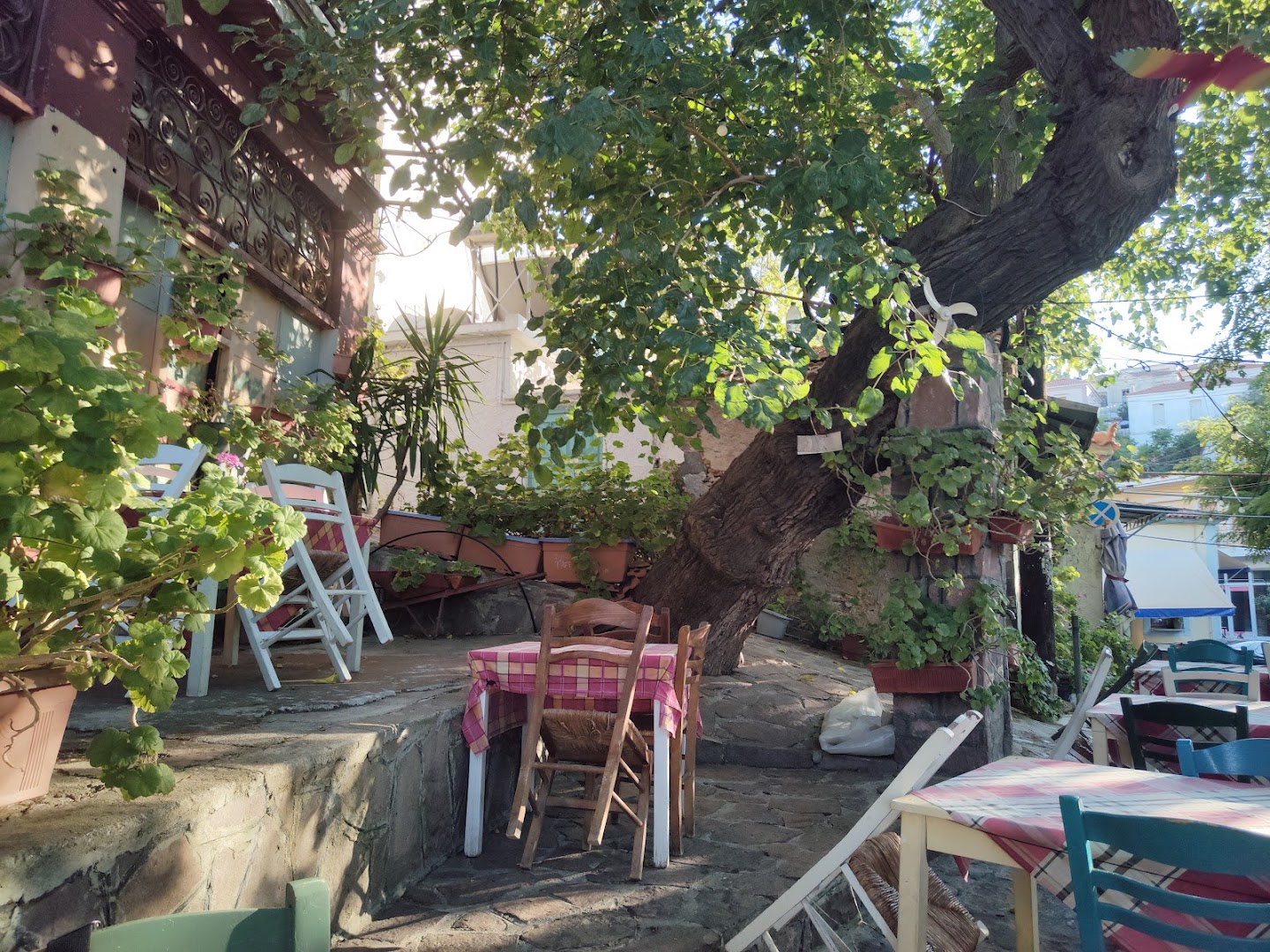
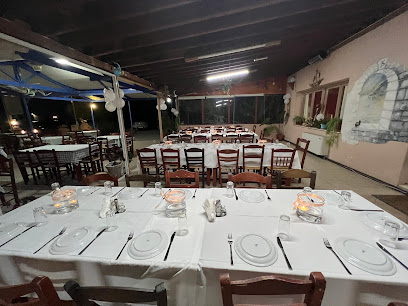
Visitors arriving in Mistegna tend to find the kind of unhurried coastal atmosphere that larger resort towns can rarely replicate. The village beach, with its clear waters sheltered by the curve of the bay, draws swimmers and those simply seeking a quiet afternoon away from the more frequented spots on the island. The local tavernas serve fresh fish pulled from the very waters visible from their tables, and the experience of eating simply and well in a setting of genuine authenticity is one Mistegna offers without artifice. The olive oil produced in this part of Lesvos carries the island's well-earned reputation for quality, and the harvest season in autumn brings the community together in one of the oldest collective rituals of the eastern Mediterranean.
What makes Mistegna distinctive is precisely its ordinariness in the best sense: this is a living village rather than a curated destination, where the pace of daily life continues much as it has for decades. For travellers who have grown weary of heavily touristed shores, Mistegna offers a genuine encounter with the texture of island existence — the sound of fishing boats returning at dusk, the smell of the sea carried on the Aegean breeze, and the warmth of a community that welcomes visitors without having reshaped itself entirely for their benefit.
Before you go
What to expect
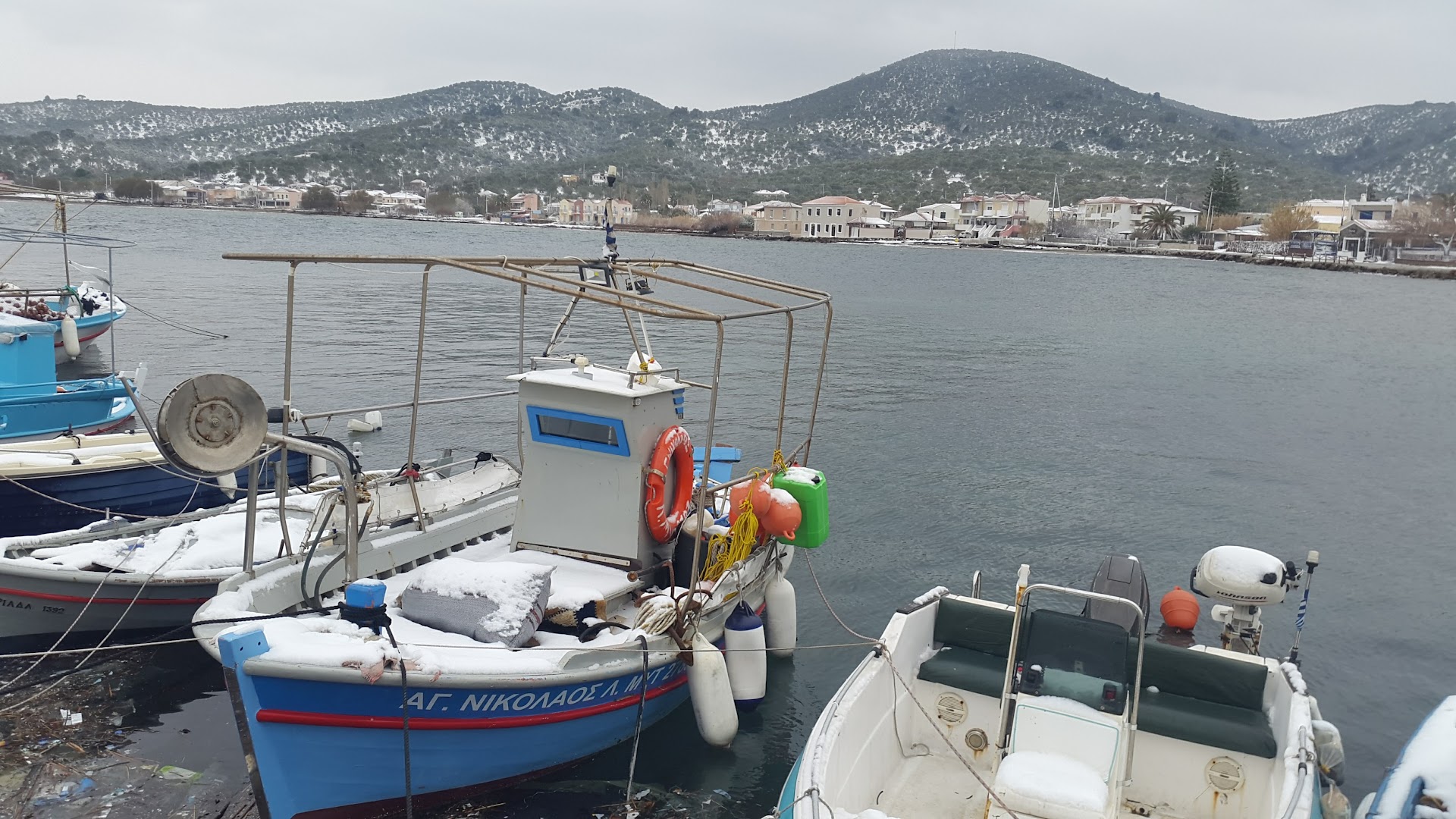
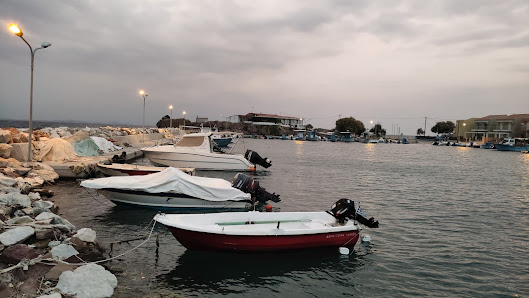
Mistegna's small harbour sets the tone — fishing boats rock at their moorings in the morning while the smell of grilling fish drifts from the tavernas perched just above the waterline. The sheltered bay beach is unhurried, with clear water and few sunbeds, and afternoons here feel genuinely lived-in rather than arranged for visitors.
Best time to visit
June through September is best for swimming; May and October are cooler and quieter, with the autumn olive harvest bringing particular communal energy to the village.
How to get there
Mistegna lies roughly 14 km northeast of Mytilene; the drive follows the coastal road and takes around 20–25 minutes depending on conditions.
Top-Rated in Mistegna
Highest-rated places chosen by visitors
shop
Sweetshop Serano - Saltas Charalabos - Mystegna
Nestled in the quiet village of Mistegna on the northeastern coast of Lesvos, Sweetshop Serano is one of those unhurried places that define the rhythm of Greek island life. Run by Saltas Charalabos, this family sweetshop carries on the tradition of the Greek zacharoplasteio, offering handcrafted sweets, pastries, and confections that have long been the backbone of village celebrations and everyday pleasures alike. Whether you stop in after a morning walk along the shoreline or seek a mid-afternoon respite from the Aegean sun, Serano offers a genuinely local experience far removed from the tourist trail. Visitors can expect the kind of selection that reflects both Greek and broader Eastern Mediterranean confectionery traditions — think honey-drenched pastries, traditional cookies, and seasonal specialties made with care rather than industrial shortcuts. Mistegna itself is a small, unhurried settlement, and a visit to Serano fits naturally into the slower pace of the village, where locals linger over coffee and conversation. It is the sort of place where the proprietor knows his regulars by name, and where a traveler willing to slow down is treated with the same warmth. For those exploring the lesser-visited northern reaches of Lesvos, Sweetshop Serano offers more than just something sweet — it offers a genuine encounter with village life. Stopping here is a small but memorable way to support a local artisan and taste something authentically Lesbian, in the truest geographic sense of the word. It is a reminder that some of the most rewarding moments on Lesvos come not from the grand sights, but from these quiet, delicious pauses along the way.
pharmacy
Kyrmouskeli Pharmacy
Kyrmouskeli Pharmacy is a local pharmacy serving the community around Mistegna, a quiet village on the eastern coast of Lesvos. For visitors exploring this less-traveled stretch of the island, it provides an essential service — stocking prescription medications, over-the-counter remedies, sunscreen, insect repellent, and basic first-aid supplies that travelers often need during their stay. As with most pharmacies on Lesvos, the staff are typically knowledgeable and accustomed to helping tourists navigate minor health concerns, from sun exposure to digestive issues brought on by trying every local dish in sight. The presence of a pharmacy in this rural area is a reassuring convenience for those venturing off the beaten path to discover the quieter villages and coastlines of eastern Lesvos, where larger towns with full medical facilities may be some distance away.
service
Pantachou Tours
Pantachou Tours is a travel agency serving visitors and residents on Lesvos, conveniently located near the coastal village of Mistegna in the northeastern part of the island. Travel agencies like this one play a vital role on Lesvos, where the island's diverse landscape — spanning volcanic terrain, ancient olive groves, thermal springs, and some of the Aegean's most beautiful beaches — rewards those who venture beyond the main towns with the help of local expertise. Whether you are looking to arrange island excursions, boat trips along the rugged coastline, transfers between villages, or guided tours to landmarks like the Petrified Forest, Molyvos Castle, or the monasteries of the hinterland, a local travel agency is often the most efficient gateway. Pantachou Tours is well positioned to offer insider knowledge about the northeastern region of Lesvos, which encompasses quiet fishing villages, thermal baths at Eftalou, and the dramatic scenery of the Aegean coast. For independent travelers who want to make the most of their time on the island without the logistics of self-planning, stopping by Pantachou Tours can open up experiences that are difficult to arrange on the spot. From day trips and activity bookings to practical travel assistance, this agency represents the kind of locally rooted service that helps visitors discover Lesvos on their own terms.
bakery
Paradosiakos Fournos Mistegnon, Paschali
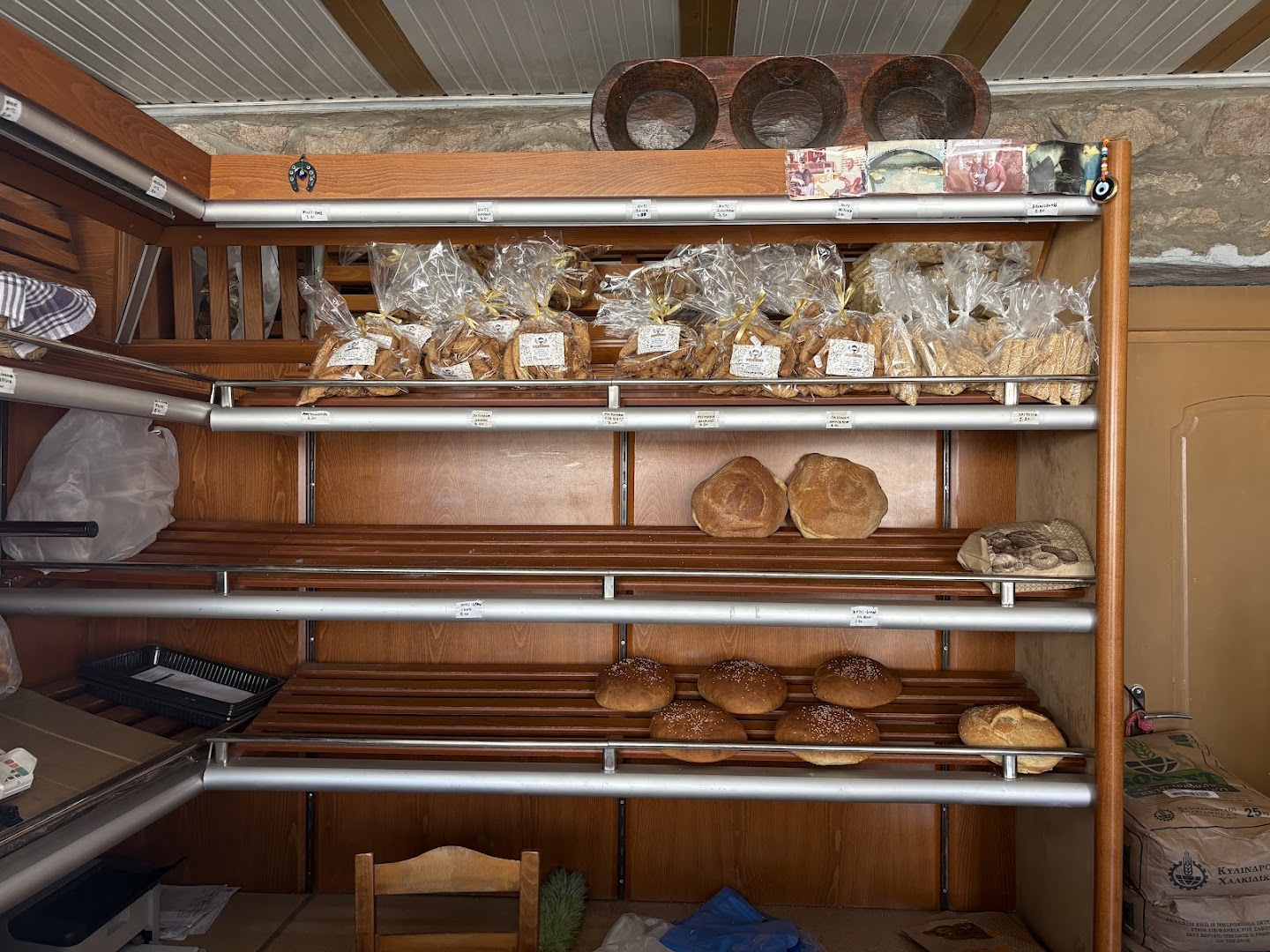
Tucked into the quiet village of Mistegna on the northern coast of Lesvos, Paradosiakos Fournos Mistegnon — Paschali's Traditional Bakery — is the kind of place that reminds you why slow travel matters. A paradosiakos fournos, or traditional oven bakery, is a cornerstone of Greek village life, and this one carries on that centuries-old role with unhurried pride. The wood-fired or stone oven at its heart produces bread the way it has always been made in the Aegean: with simple ingredients, time, and craft. Visitors can expect to find the honest staples of a Lesbian village bakery — crusty country loaves, sesame-dusted koulouria, and seasonal pastries that vary with the time of year and the baker's tradition. The smell alone is reason enough to stop. Paschali's is the sort of spot where locals pick up their morning bread and linger for a moment of conversation, offering a glimpse into the unhurried rhythms of village life that have defined this island for generations. For travelers exploring the northern reaches of Lesvos — perhaps on the way to the petrified forest or the olive groves around Sigri — a stop at this bakery in Mistegna is a grounding, genuinely local experience. It is a reminder that the best things on Lesvos are often the simplest: good bread, warm people, and a village that has not lost its sense of itself.
Practical Info
Supermarket
Market Place
Medical / Pharmacy
2 facilities
Petrol Station
Not found
ATM / Bank
Not found
Transport
Not found
All Businesses
Apethamene
Church of Mistegna
Former Girls School Building
Kyrmouskeli Pharmacy
Market Place
Mistegna Medical Clinic
Mouriá
Pantachou Tours
Paradosiakos Fournos Mistegnon, Paschali
Sweetshop Serano - Saltas Charalabos - Mystegna
Churches & Religious Sites
Αγία Παρασκευή
Agia Paraskeve
Nestled in the verdant landscape near the village of Mistegna in northern Lesvos, the church of Agia Paraskevi is dedicated to one of the most beloved saints in the Greek Orthodox tradition. Saint Paraskevi, whose name means "preparation" in Greek — evoking the day before the Sabbath — was an early Christian martyr venerated across the Orthodox world for her unwavering faith and her reputed gift of healing, particularly of ailments of the eyes. Churches bearing her name are cherished fixtures of Greek village life, and this one is no exception, serving as a spiritual anchor for the surrounding community across generations. The church reflects the vernacular ecclesiastical architecture typical of the Aegean islands — modest in scale yet rich in devotional character, with whitewashed walls and the warm stonework common to Lesbian craftsmanship. Inside, the iconostasis holds sacred icons rendered in the Byzantine tradition, and the interior carries the quiet atmosphere of a space maintained through continuous acts of local piety. The feast day of Agia Paraskevi, celebrated on July 26th, draws villagers and visitors alike for a panegyri — the festive religious gathering that combines liturgy, music, and communal feasting in the open air, a tradition that remains one of the most authentic expressions of Greek island culture. For visitors to the Mistegna area, the church offers both a moment of tranquility and a window into the deep religious life that has shaped Lesbian society for centuries. Whether you come as a pilgrim, a traveler curious about Orthodox Christianity, or simply someone seeking the cool shade and stillness of a country church, Agia Paraskevi rewards the visit with a genuine sense of place — a reminder that faith and landscape have always been inseparable on this island.
Άγιοι Πάντες
Agioi Pantes
Perched in the landscape near the village of Mistegna in northeastern Lesvos, the church of Agioi Pantes — meaning All Saints — stands as a testament to the island's deep-rooted Orthodox faith. Dedicated to the entire communion of saints venerated by the Greek Orthodox Church, this intimate whitewashed sanctuary follows the characteristic architectural vernacular of rural Lesvos: thick stone walls, a terracotta-tiled roof, and a modest bell tower that rings out across the surrounding hills and olive groves. The dedication itself reflects one of Orthodoxy's most theologically rich commemorations, honoring not only the great martyrs and fathers of the Church, but every soul who has lived and died in the faith — including the unnamed and forgotten. The interior, like most village churches of this type, would traditionally feature an iconostasis screening the sanctuary, adorned with icons painted in the Byzantine tradition. Candlelight flickers before the faces of saints, and the faint scent of incense lingers in the cool air. The feast of All Saints falls on the Sunday after Pentecost — one of the moveable feasts in the Orthodox calendar — and this is when Agioi Pantes comes alive, drawing locals from Mistegna and surrounding villages for the panigiri, the festive gathering that combines liturgy, music, and shared food in the churchyard. For visitors, this small church offers a quietly moving encounter with living Greek tradition. Mistegna itself is an unhurried village near the northeastern coast, and stopping at Agioi Pantes rewards the traveler with a sense of how faith is woven into the everyday rhythms of island life. Whether you arrive during a feast day celebration or simply to sit for a moment in the shaded stillness of the churchyard, the church embodies the spiritual continuity that has sustained Lesvos communities across centuries.
Άγιος Ευστάθιος
Agios Evstathios
Nestled in the landscape near the quiet village of Mistegna on the northeastern coast of Lesvos, the church of Agios Evstathios is dedicated to Saint Eustathios, known in Western tradition as Saint Eustace, a revered early Christian martyr celebrated across the Orthodox world. According to hagiographic tradition, Eustathios was a Roman military commander whose life was transformed by a miraculous vision — a luminous cross appearing between the antlers of a stag — leading to his conversion and eventual martyrdom. His story resonates deeply in communities throughout the Greek-speaking world, and small rural churches like this one keep his memory alive in the rhythms of village life. The church reflects the modest, enduring architectural vernacular of rural Lesvos: whitewashed stone walls, a simple pitched or low-domed roof, and an intimate interior where hand-painted icons and a carved wooden iconostasis separate the nave from the sanctuary. Though lacking the grandeur of monastic catholicons or urban cathedrals, churches of this type carry a quiet spiritual weight, their walls absorbing generations of prayers, candle smoke, and song. Any icons present are likely in the Byzantine tradition, depicting the saint in formal frontal pose with the symbolic stag of his vision, rendered in ochre, crimson, and gold on wood panels. The feast day of Agios Evstathios is observed on September 20th in the Orthodox calendar, when local families from Mistegna and the surrounding area gather for the panigiri — the festival liturgy followed by communal celebration with music, food, and fellowship. These saints' day festivals are among the most cherished social rituals in Greek island life, binding generations to their village churches and to each other. For visitors, stumbling upon such a celebration offers a rare and genuine window into the living religious culture of Lesvos, far removed from tourist circuits and rooted in something much older and more intimate.
Άγιος Ευθύμιος
Agios Evthymios
Tucked into the landscape near the quiet coastal village of Mistegna, the church of Agios Evthymios is dedicated to Saint Euthymius the Great, one of the founding fathers of Palestinian monasticism who lived in the fifth century. Born in Armenia and drawn to the solitary life of the desert, Euthymius became a towering figure in early Eastern Christianity, establishing monastic communities that shaped Orthodox spiritual tradition across the centuries. Churches bearing his name are cherished throughout the Greek world, and this modest sanctuary near the northern Aegean coast continues that long thread of devotion. His feast day on January 20th brings the local faithful together in a celebration that blends liturgical solemnity with the warmth of village community life. The church itself reflects the vernacular ecclesiastical architecture common to rural Lesvos — a whitewashed stone structure with a red-tiled roof, built on a human scale that feels intimate rather than monumental. Inside, the iconostasis screens the sanctuary in the traditional Orthodox fashion, and the icons that adorn it carry the quiet gravity of objects that have absorbed generations of prayer. The interior light, filtering through small windows, creates the contemplative atmosphere that defines Orthodox sacred space. Visitors attuned to Byzantine aesthetics will appreciate the way such village churches preserve a living aesthetic tradition rather than presenting it as a museum piece. For travelers exploring the villages and coastline of northern Lesvos, Agios Evthymios offers a moment of stillness and a window into the island's deep religious fabric. The surrounding area around Mistegna is characterized by olive groves and rocky hillsides rolling toward the sea, and the church sits within this landscape as a natural focal point of the community's spiritual geography. Whether you arrive on the feast day to witness the full ceremony or simply stop in quiet hours to appreciate the icons and the silence, the church rewards the unhurried visitor with a sense of continuity — a place where faith, landscape, and local identity have long been woven together.
Άγιος Γεώργιος
Agios Georgios
Dedicated to Saint George, one of the most venerated warrior-saints of the Greek Orthodox tradition, this church stands near the village of Mistegna on the northeastern coast of Lesvos. Saint George holds a cherished place in the hearts of Greek communities across the Aegean, revered as a protector of travelers, soldiers, and those who work the land and sea. Churches bearing his name are among the most common on the island, and this one reflects the quiet devotion that has shaped rural Lesbian life for centuries. The surrounding landscape of pine-covered hills and rocky coastline lends the site a natural serenity that feels entirely in keeping with a place of worship. The church follows the architectural tradition typical of rural Orthodox chapels in the eastern Aegean, modest in scale yet carefully tended by the local community. Whitewashed walls, a terracotta-tiled roof, and a small bell tower or campanile are characteristic features of this style, which prioritizes honest simplicity over grandeur. Inside, visitors can expect the warm atmosphere of a living church: an iconostasis separating the nave from the sanctuary, oil lamps casting a gentle glow over icons, and the lingering scent of incense. The icons present in such chapels often blend Byzantine conventions with the folk sensibility of island craftsmen, giving them a distinctive regional character. The feast day of Saint George falls on April 23rd, though when this date coincides with Holy Week or Easter, celebrations are moved to the Monday after Easter. On this day, the church becomes a focal point for the Mistegna community and visitors from neighboring villages, gathering for the liturgy, the blessing of animals in the old pastoral tradition, and the communal meal that follows. For travelers, a visit to Agios Georgios offers more than a glimpse of religious architecture; it is an opportunity to witness the living bond between the people of Lesvos and the sacred rhythms that have guided their calendar for generations.
Κωνσταντίνου και Ελένης
Konstadinou Kai Elenis
The Church of Saints Constantine and Helen stands as a quiet anchor of faith near the village of Mistegna, tucked into the rolling landscape of eastern Lesvos. Dedicated to the Emperor Constantine the Great and his mother Helena, two of the most venerated figures in Orthodox Christianity, the church honors the pair credited with transforming the Christian faith from a persecuted movement into the spiritual foundation of the Byzantine Empire. Helena is especially celebrated for her pilgrimage to the Holy Land and the discovery of the True Cross, and churches bearing this joint dedication are among the most beloved in the Greek Orthodox world. Like many rural churches on Lesvos, the building reflects the restrained, whitewashed aesthetic of the Aegean vernacular, with thick stone walls built to endure the island's seasons and a bell tower that marks the rhythms of village life. Inside, visitors typically find a modest but lovingly maintained iconostasis, with icons of the patron saints rendered in the warm golds and earthy reds of the Byzantine tradition. The interior carries the lingering fragrance of incense and candle wax that speaks to generations of continuous worship. The feast day of Saints Constantine and Helen, celebrated on the 21st of May, draws locals from Mistegna and the surrounding area for a liturgy and the informal gathering that follows — a panigiri in the truest Greek sense, where faith and community fold naturally into one another. For visitors, the church offers a moment of stillness and a genuine window into the living religious culture of rural Lesvos, where small sanctuaries like this one remain at the heart of village identity long after the tourist season has come and gone.
Παναγία Μυρσινιώτισσα
Panagia Myrsyneotesa
Nestled in the verdant hills near the village of Mistegna on Lesvos's eastern coastline, the church of Panagia Myrsyneotesa is a quiet testament to the island's deep Orthodox Christian heritage. Its name, rooted in the Greek word for myrtle, evokes the fragrant shrubland that characterizes this part of the island, and the church itself feels inseparable from its natural setting. Like many rural chapels on Lesvos, it belongs to a tradition of small, community-built sanctuaries dedicated to the Theotokos — the Virgin Mary — that dot the Aegean landscape, each one a focal point of village devotion passed down through generations. Visitors who make the journey to Panagia Myrsyneotesa will find the kind of intimate religious atmosphere that larger pilgrimage sites cannot replicate. The interior, typical of Greek Orthodox rural churches, is likely to hold an iconostasis with locally venerated icons and perhaps humble frescoes that reflect the artistic traditions of the region. The feast of the Dormition of the Virgin on the 15th of August is one of the most celebrated occasions in the Orthodox calendar, and churches dedicated to the Panagia across Lesvos come alive at this time with candlelit vigils, liturgies, and communal gatherings that blend the sacred with the warmly social. For the traveler exploring the quieter corners of Lesvos beyond the well-trodden paths of Molyvos or Mytilene, a visit to Panagia Myrsyneotesa offers a genuine encounter with the island's living spiritual culture. The surrounding countryside near Mistegna rewards those who arrive on foot or by car with sweeping views and the kind of unhurried pace that defines this part of the Aegean. Whether you come as a pilgrim, a lover of Byzantine art, or simply someone seeking stillness, this chapel carries the particular grace of a place that has meant something to the people around it for a very long time.
Παναγία Τρίκλητη
Panagia Treklyte
Perched in the quiet countryside near the village of Mistegna, the church of Panagia Treklyte is one of the small, deeply cherished chapels that punctuate the Lesvos landscape and speak to the island's centuries-old devotion to the Virgin Mary. The dedication to the Panagia, meaning "All-Holy," reflects the profound veneration that Greek Orthodox communities across the Aegean have long held for the Mother of God, and this modest sanctuary is no exception. Like many rural churches on the island, it likely takes its unusual epithet from a local toponym or a long-held folk tradition, a reminder that religious life here is inseparable from the land and the people who have worked it for generations. Visitors approaching Panagia Treklyte will find the kind of unassuming stone architecture typical of Eastern Aegean ecclesiastical building — whitewashed walls, a terracotta-tiled roof, and an interior that rewards quiet contemplation. Inside, the iconostasis forms the spiritual heart of the space, its icons rendered in the Byzantine tradition that has shaped Greek Orthodox worship for over a millennium. The scent of beeswax candles and the soft glow of oil lamps create an atmosphere of timeless devotion, and even travelers unfamiliar with Orthodox practice tend to feel the accumulated weight of prayer that clings to such places. The feast day of the Dormition of the Virgin, celebrated on the fifteenth of August, is among the most important festivals in the Orthodox calendar and is marked with particular warmth in the villages of Lesvos, often drawing locals and diaspora alike back to their home parishes. Whether Panagia Treklyte holds its own panegyri on that date or another day dedicated to the Virgin, the church remains a living focal point for the community of Mistegna — a place of blessing at harvest time, of christenings and memorial services, and of the quiet daily faith that has sustained island life through centuries of change.
Gallery & Videos
Captured a memorable moment in Mistegna?
Make a day of it
Places worth combining with your visit
Nearby
Beaches
Skala Mistegnon Beach
1.6 km away
Petalidi
2.2 km away
Agios Georgios Beach
3.2 km away
Pyramies
3.3 km away