


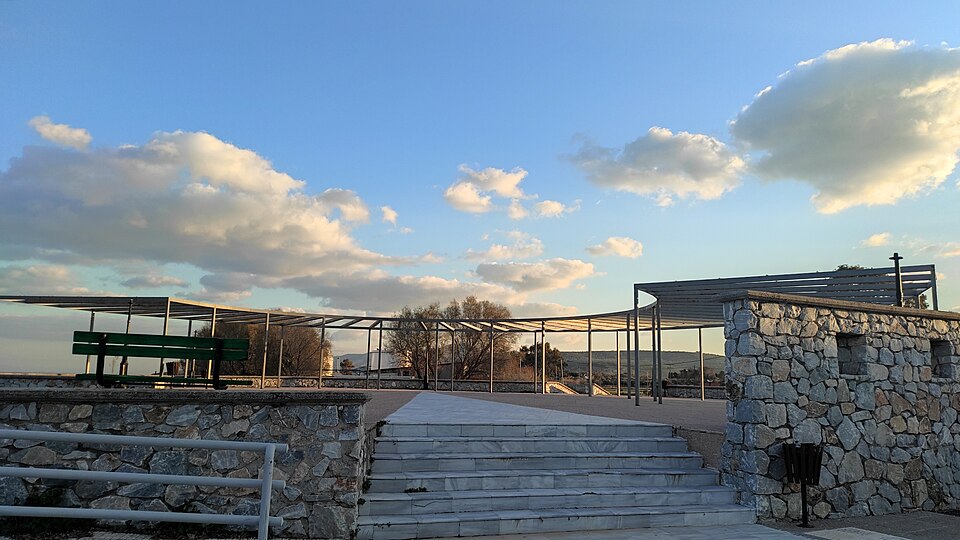
Πάμφιλα
Pamfila
Population
1,413
Elevation
50m
Municipality
Mytilini
Postal Code
81100
From Mytilene
6.1 km
Nearest Beach
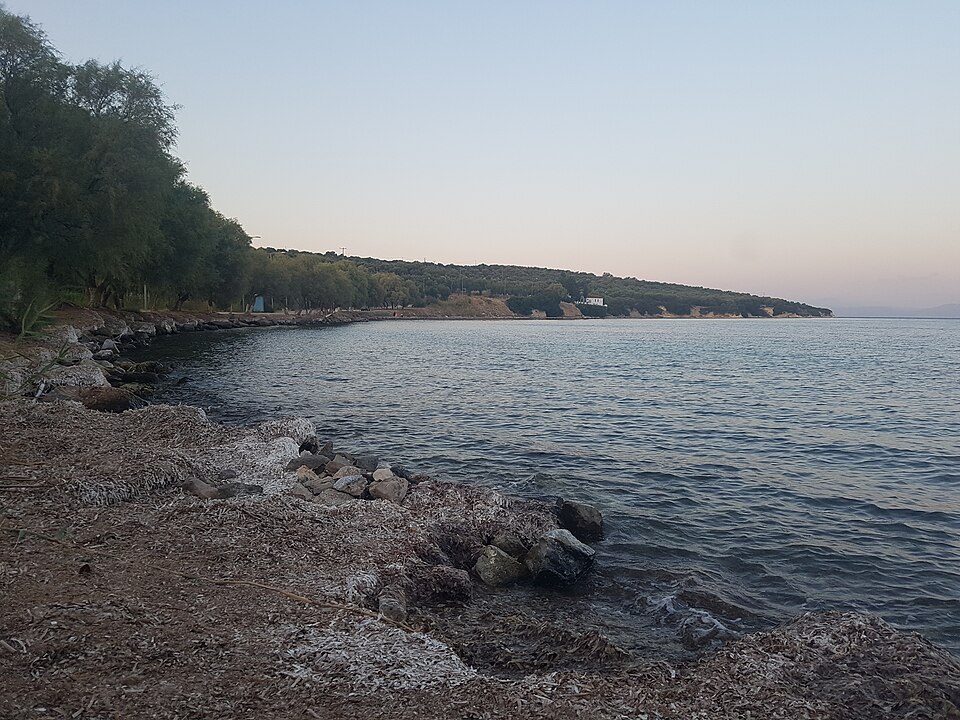
Plaz Kanoni
Overview
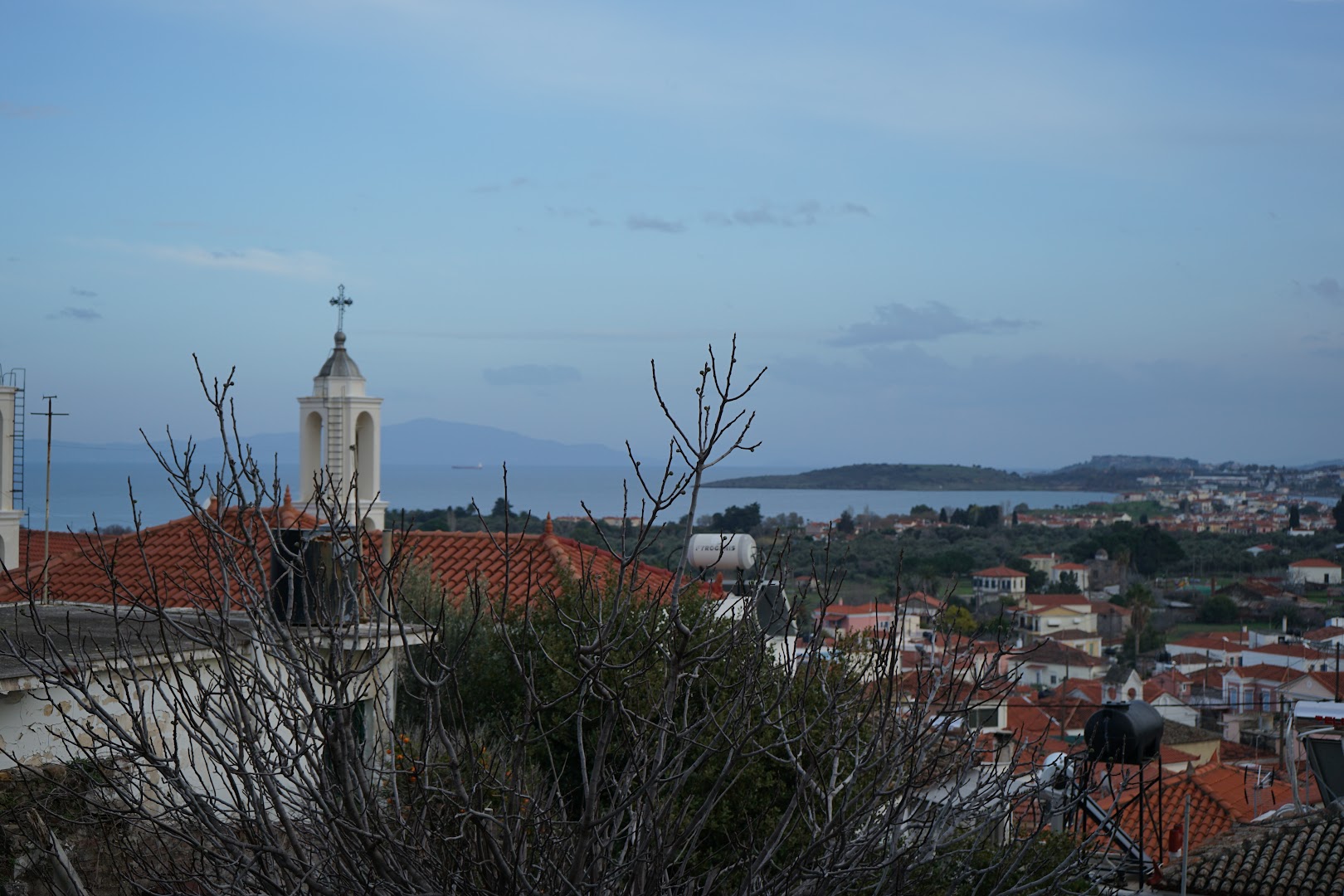
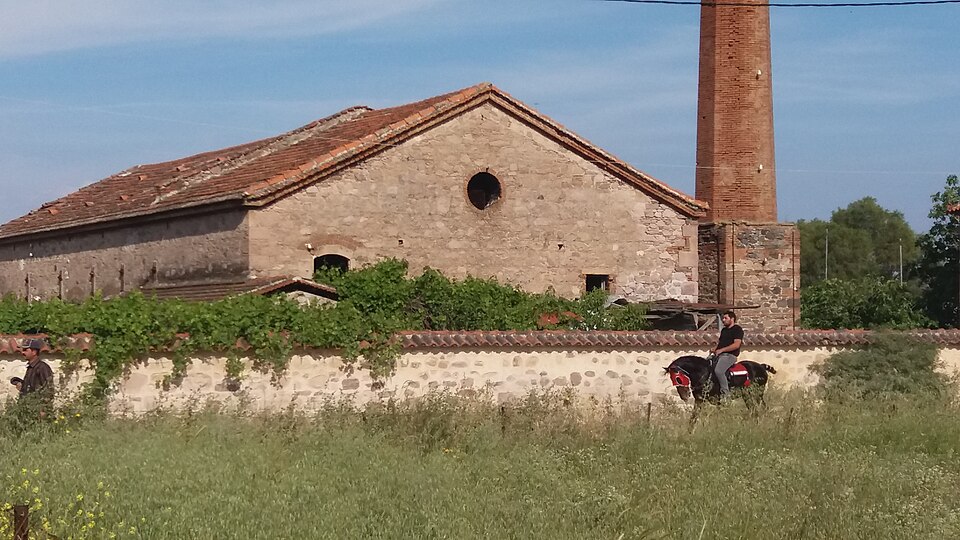
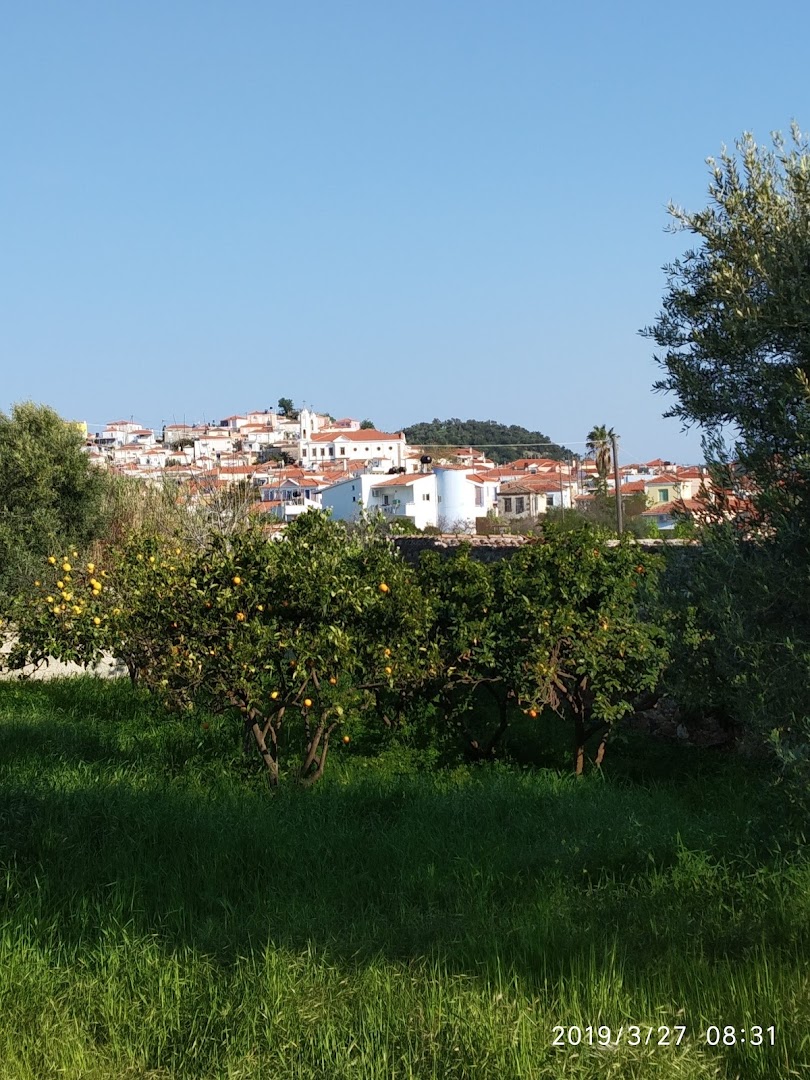
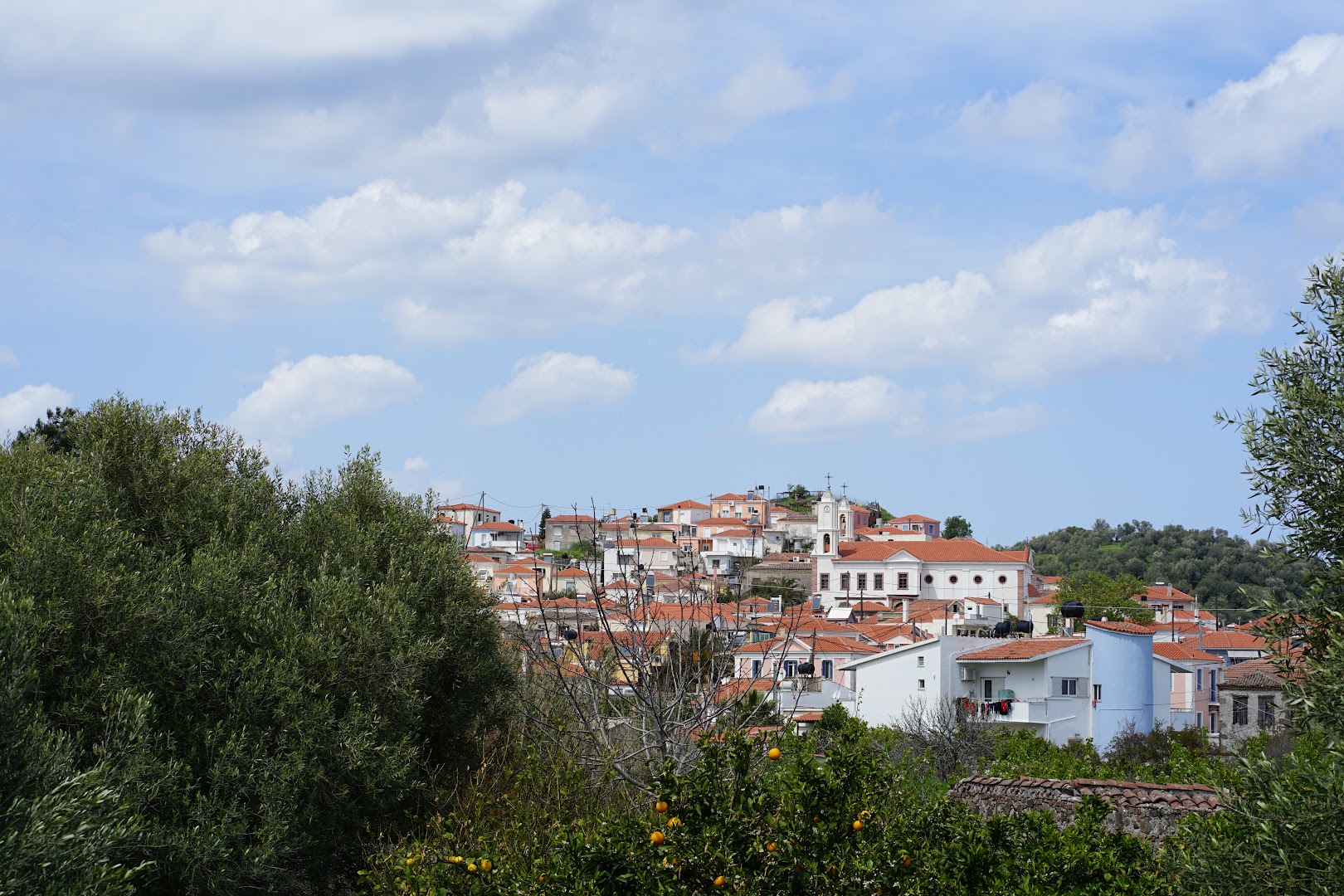
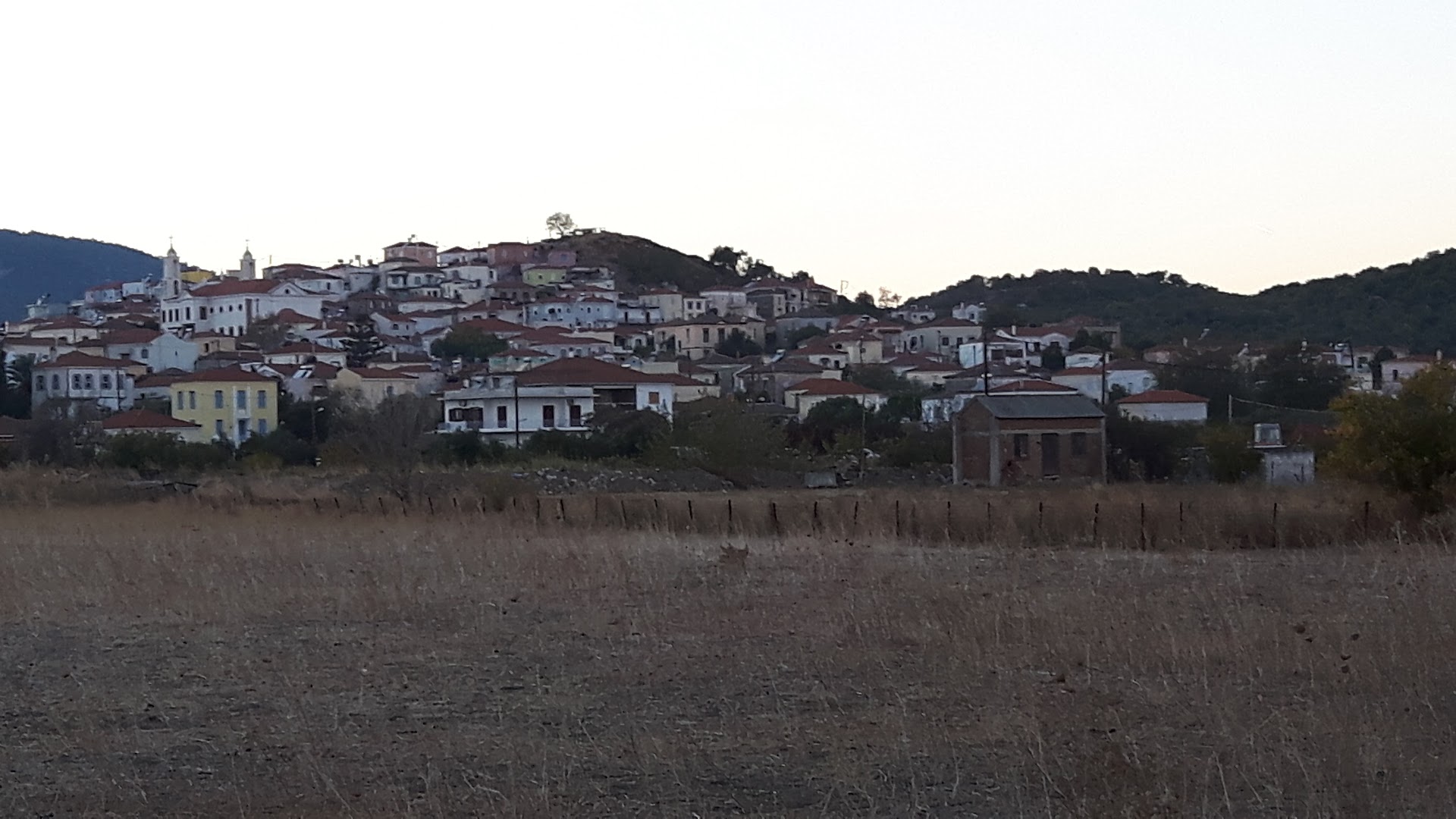
Pamfila is a thriving village in the eastern reaches of Lesvos, situated at a gentle elevation just a short drive from the island's capital, Mytilene. With a population of around 1,400 residents, it is one of the more substantial settlements in this part of the island, and its proximity to the capital has allowed it to grow while retaining the character of a working agricultural community. The landscape around Pamfila is defined by the silvery-green of olive groves that have sustained families here for generations, and the village sits comfortably within the broader tradition of olive cultivation that has shaped Lesvos's economy and identity for centuries.
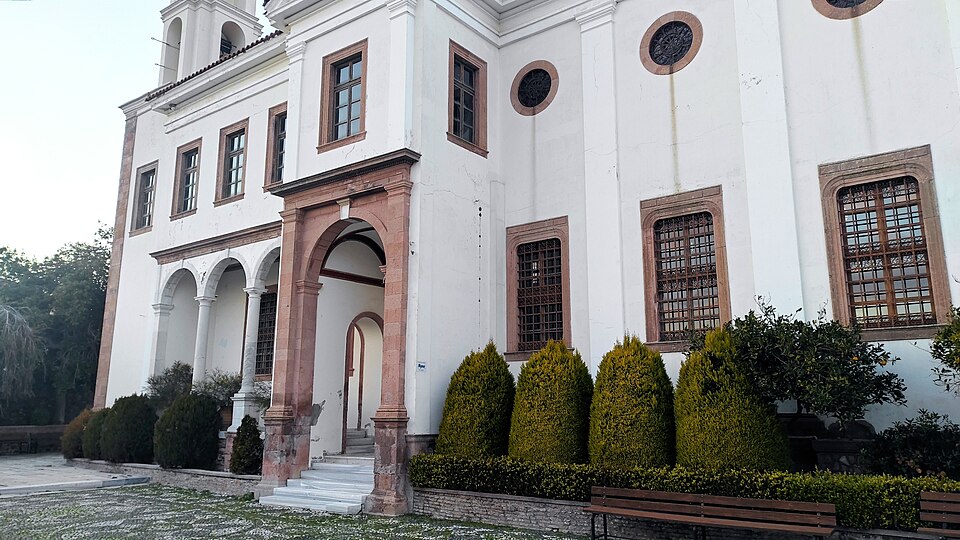
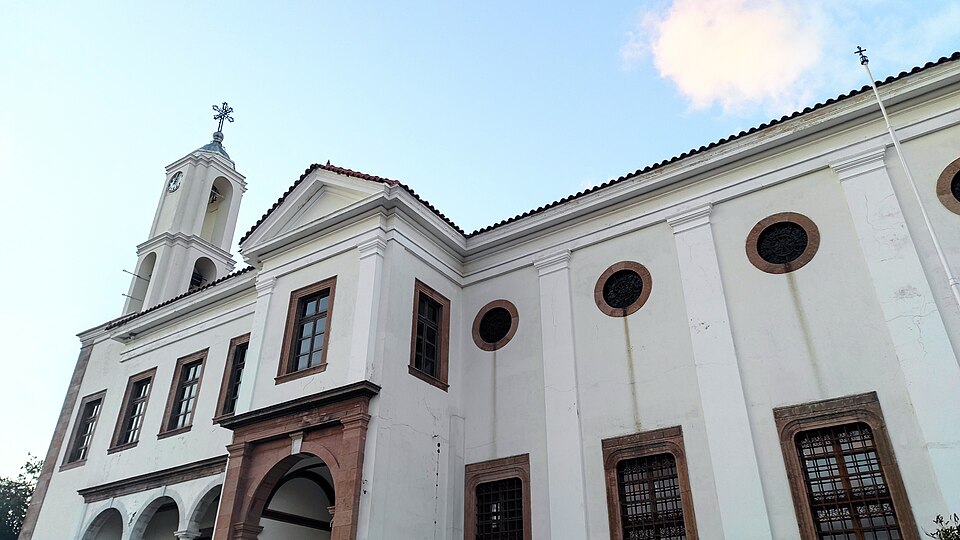
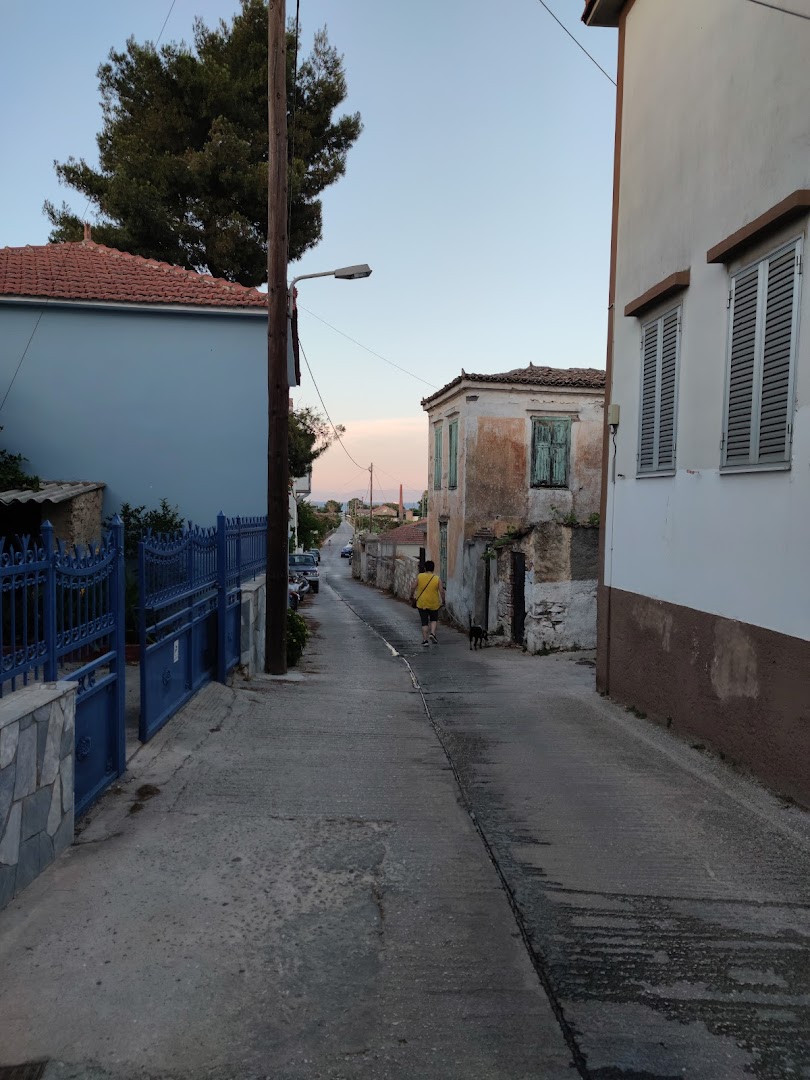
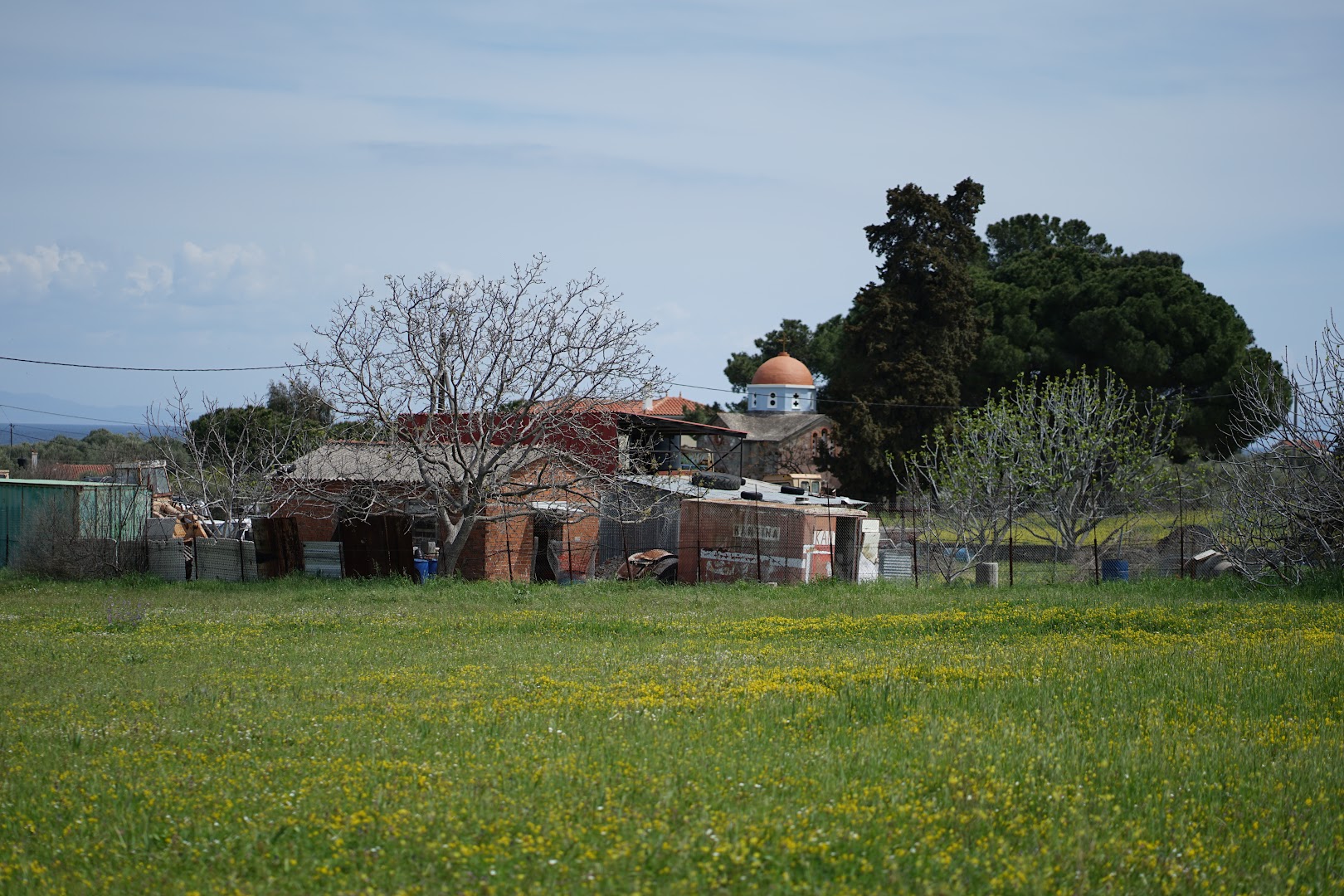
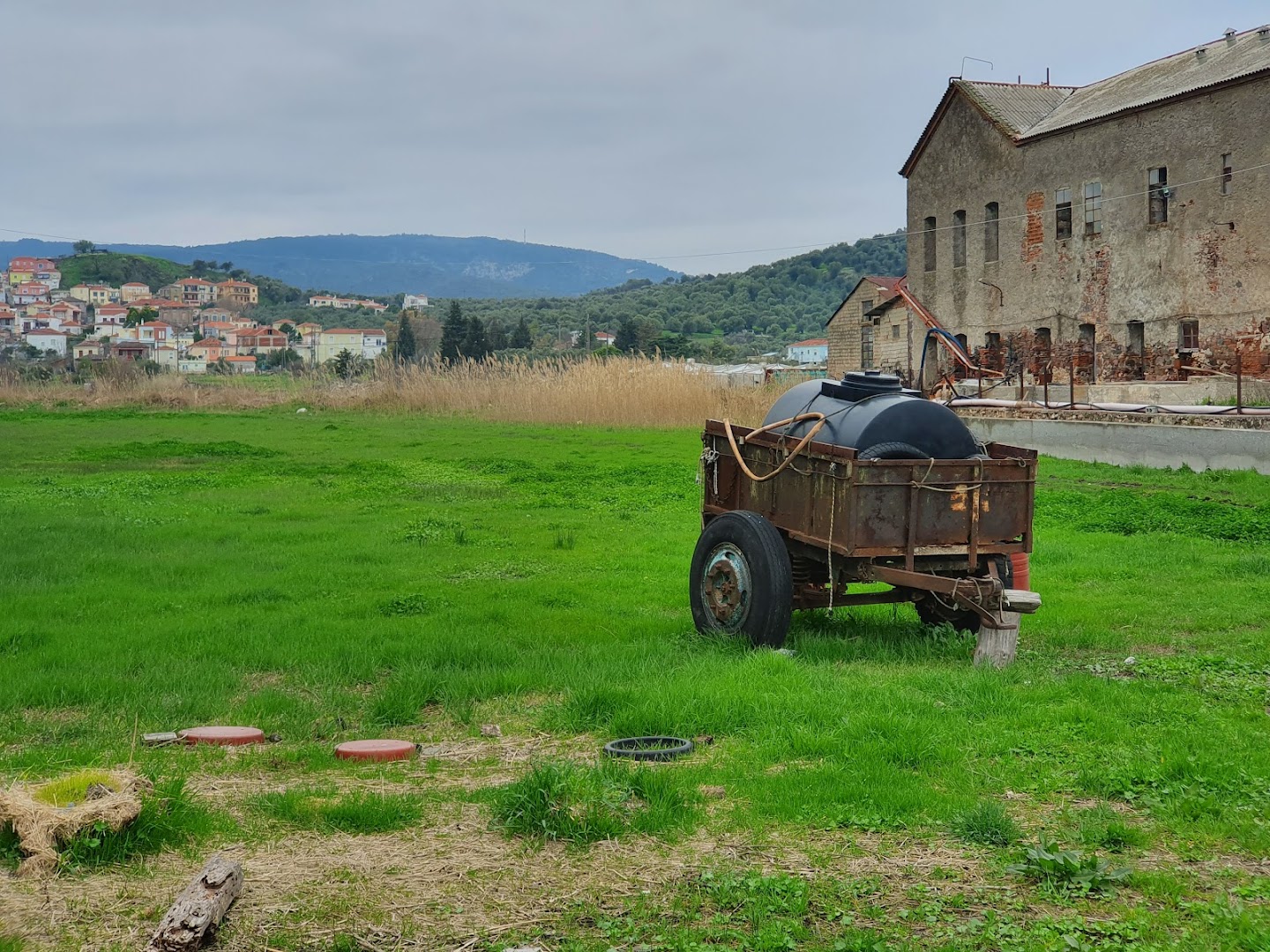
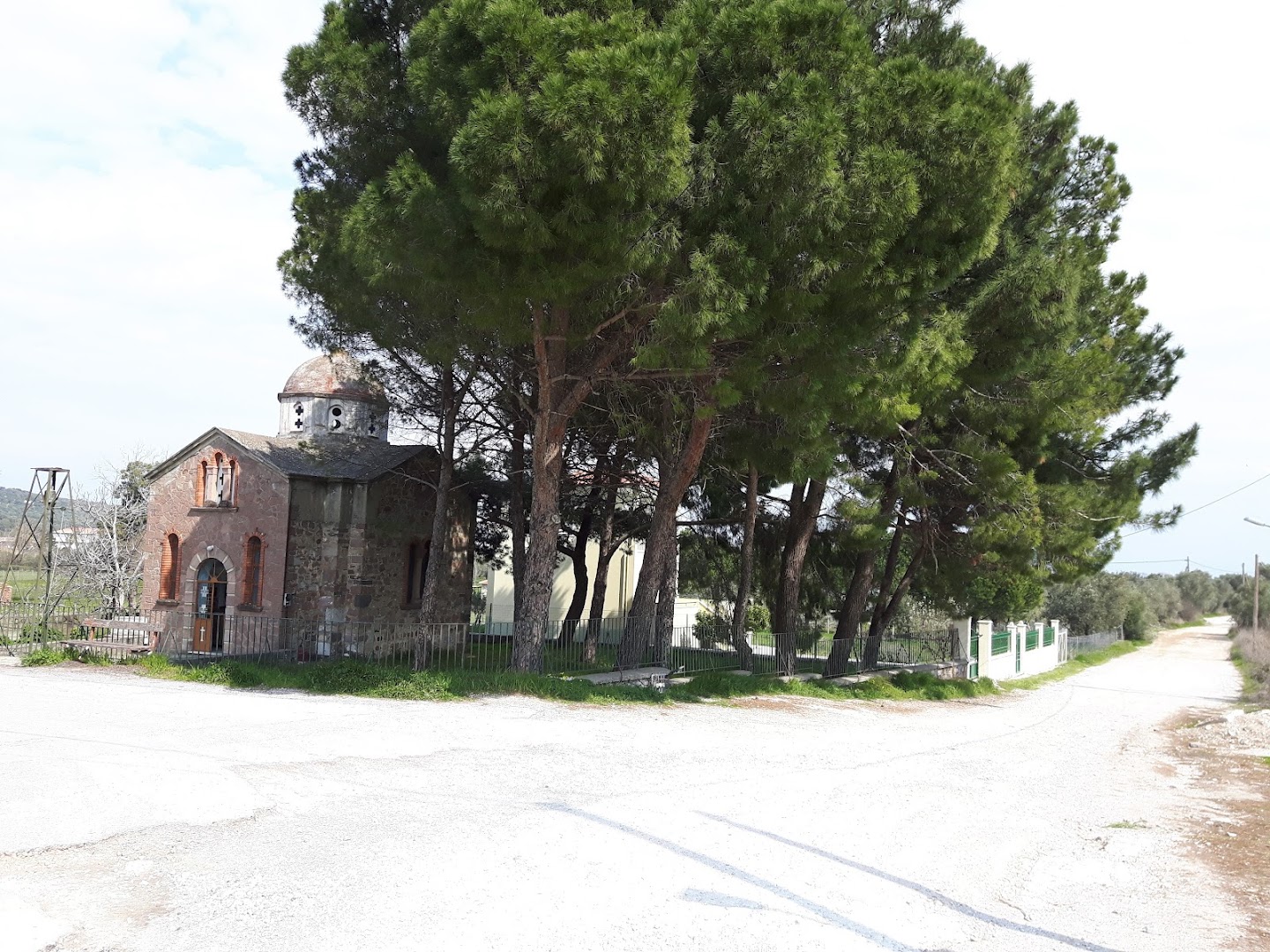
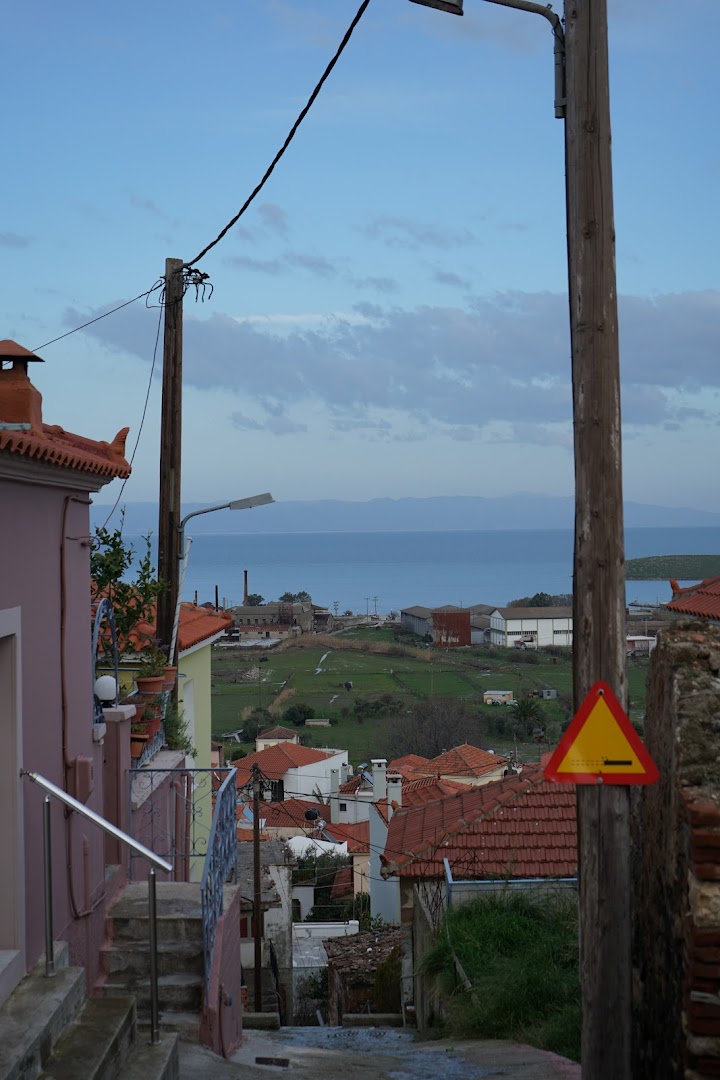
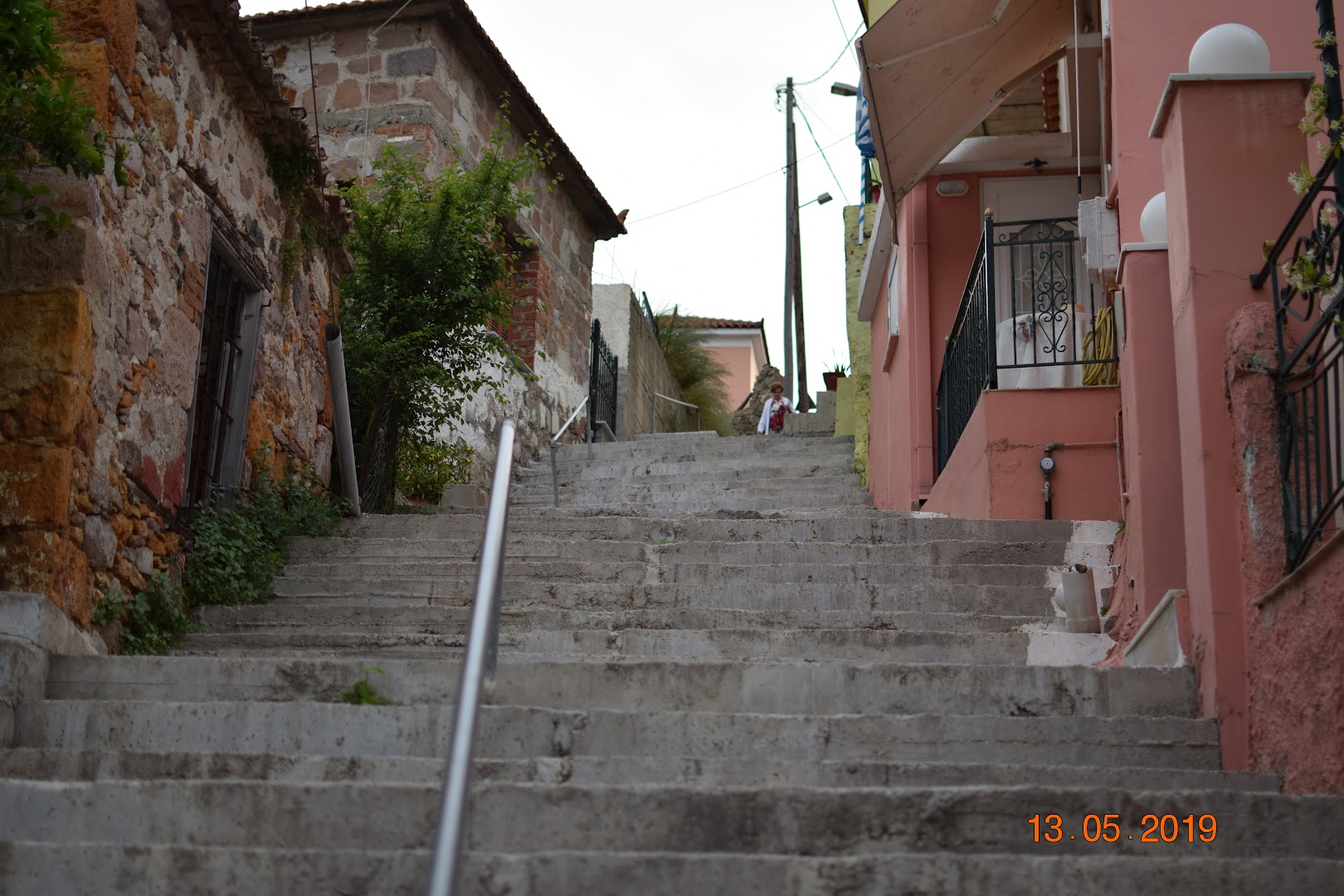
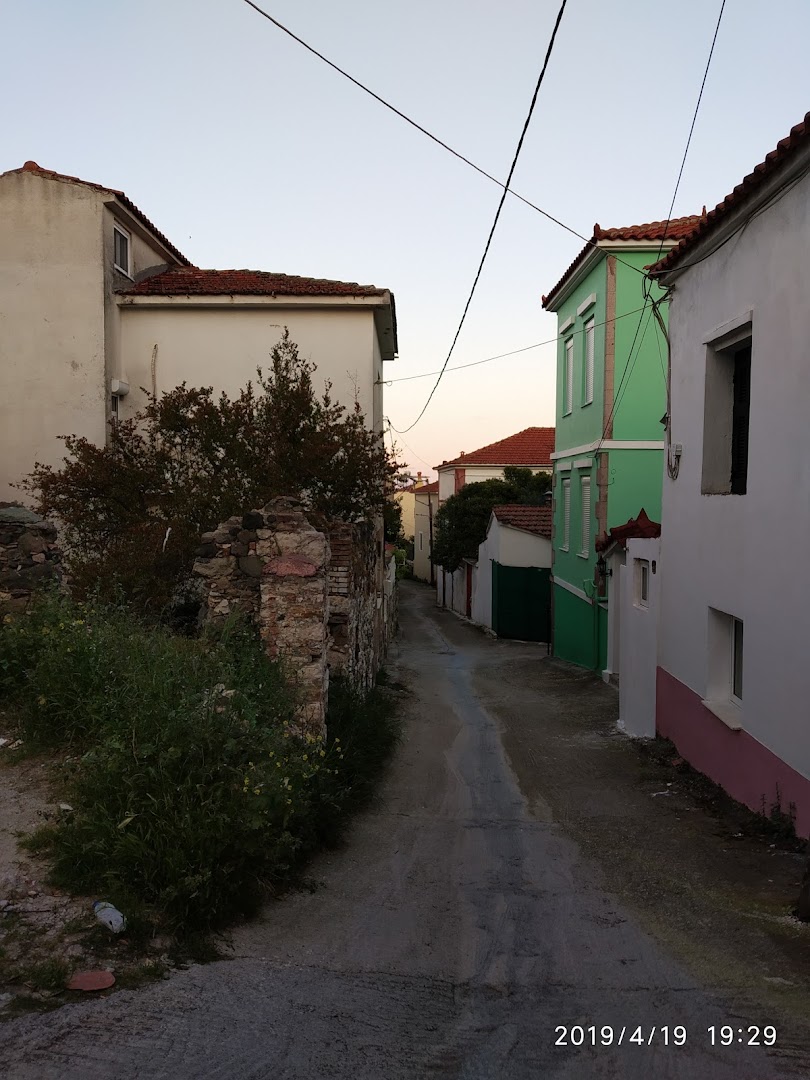
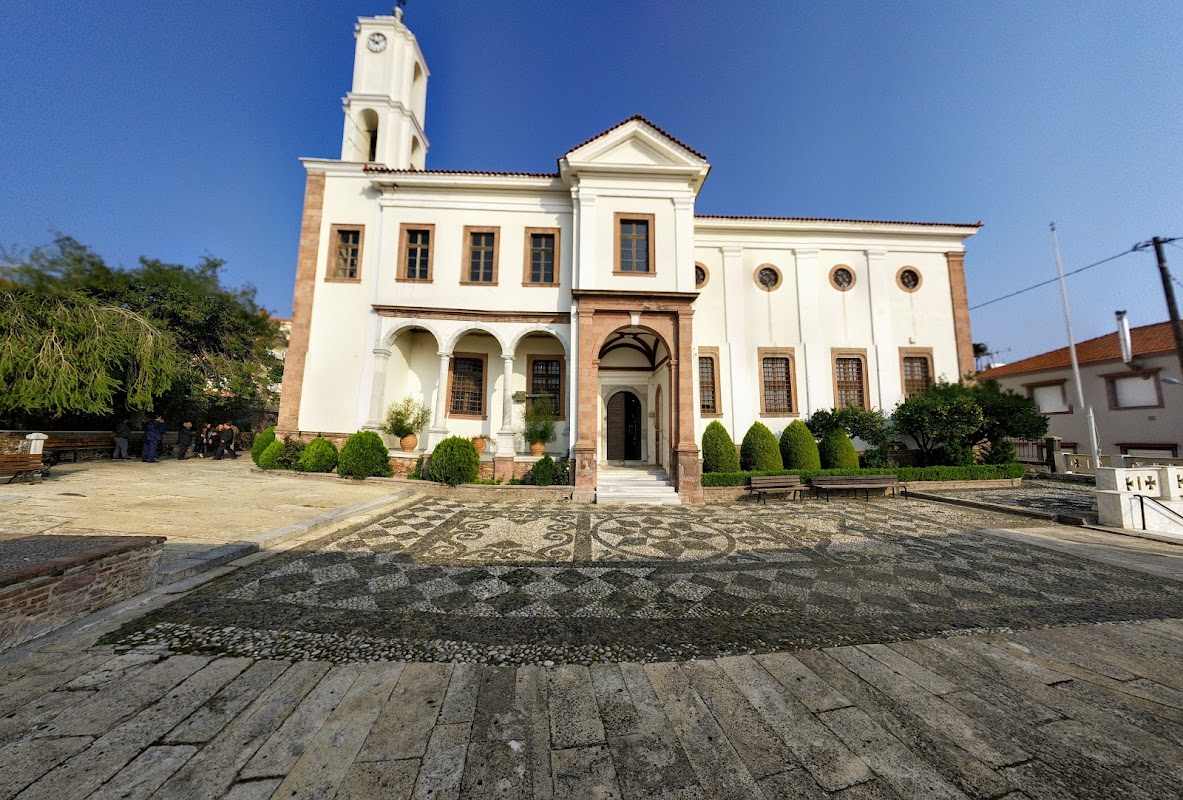
Visitors passing through Pamfila encounter a village that feels genuinely lived-in, with a central square where locals gather, a parish church typical of the region's Orthodox heritage, and the unhurried rhythm of everyday island life. The low elevation and fertile surroundings mean the land around the village is productive and well-tended, contributing to the local economy through olive oil and small-scale farming. The village's position makes it a natural stopping point on drives across the eastern part of the island, and the surrounding countryside offers pleasant walks through groves and rural tracks that connect to the wider network of paths across this part of Lesvos.
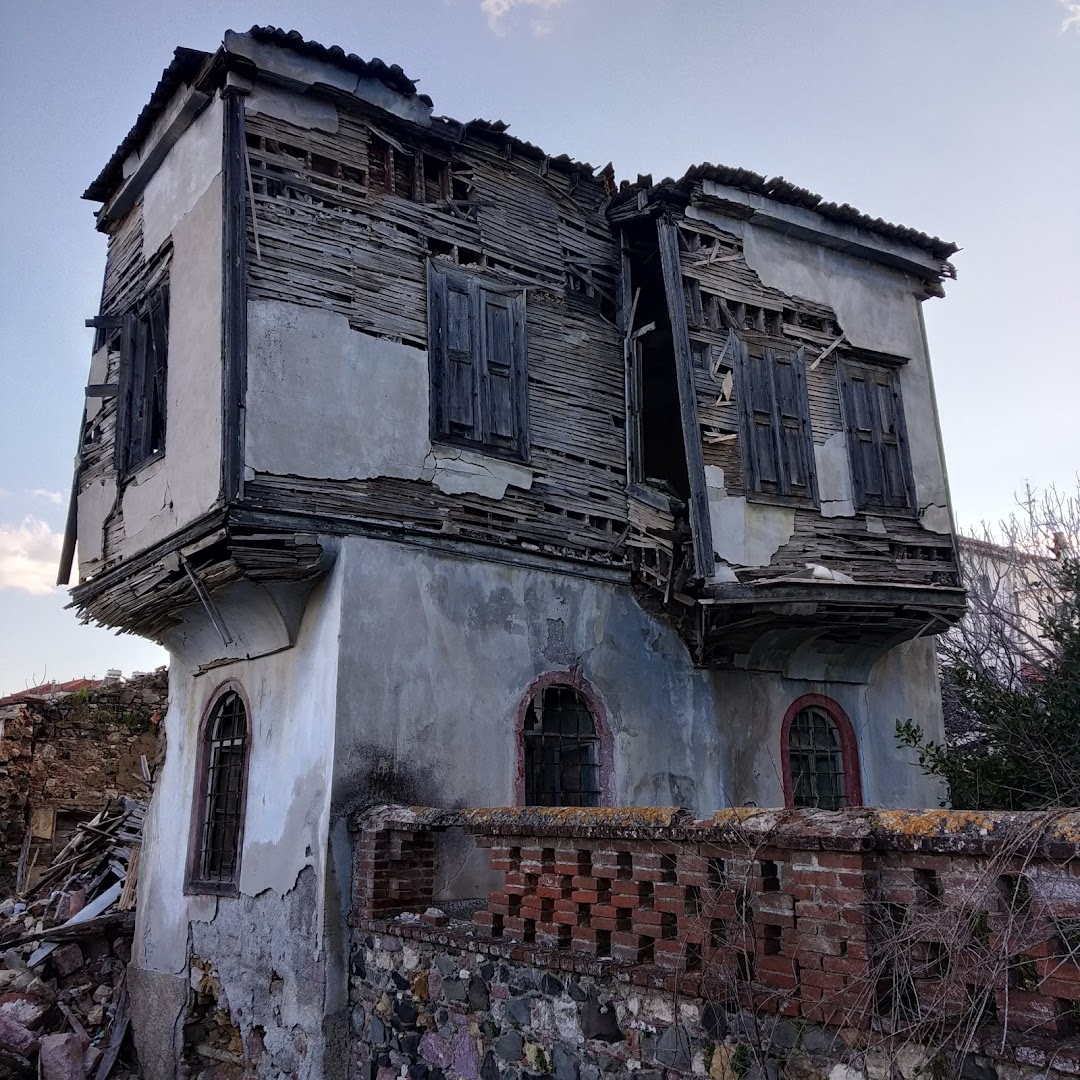
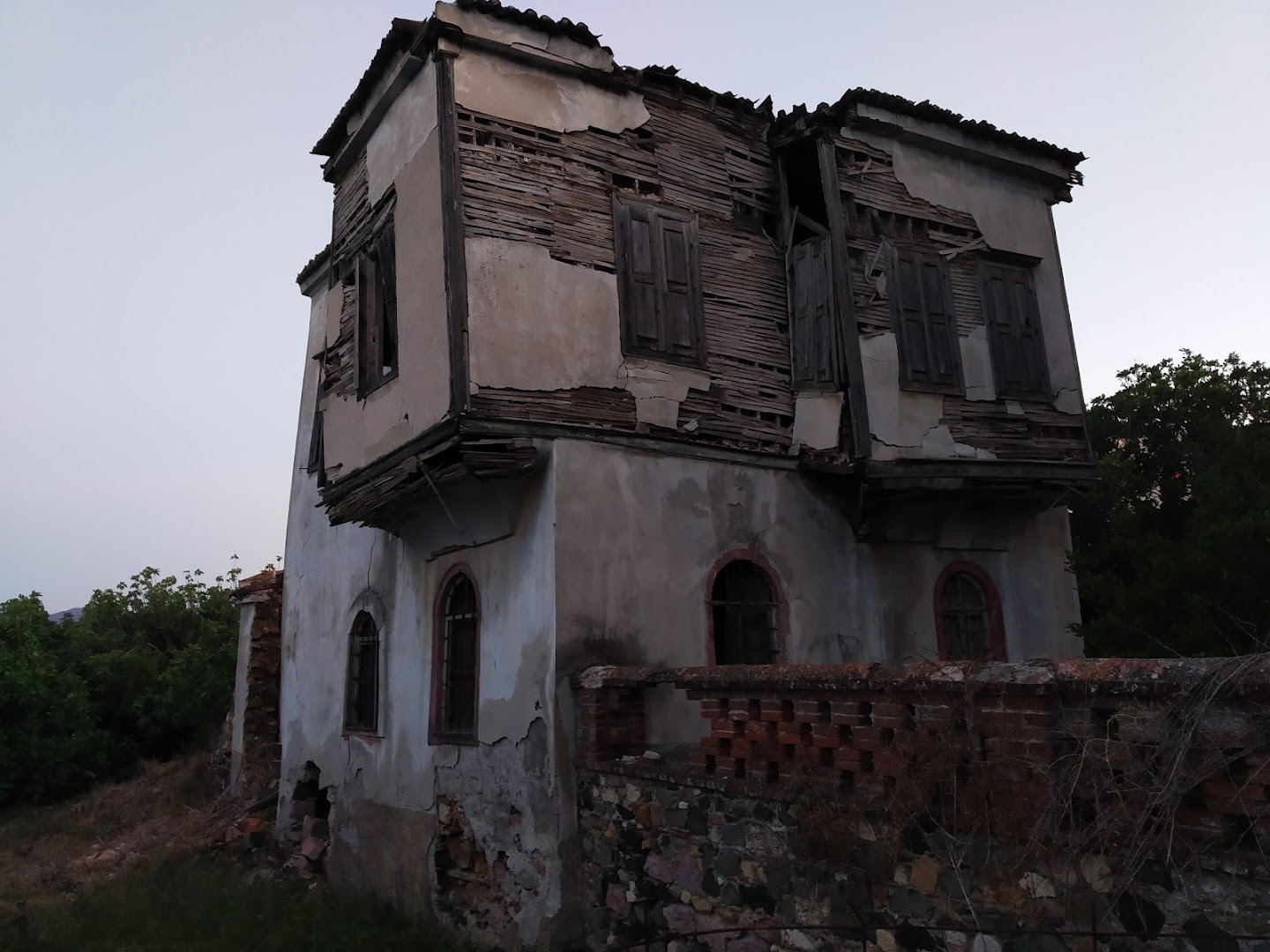
What makes Pamfila distinctive is less any single landmark than the sense it gives of Lesvos as a living, working island rather than merely a tourist destination. Its size means it sustains local institutions — schools, kafeneions, small shops — that smaller hamlets cannot, and this gives it a quiet vitality. For travellers keen to look beyond the beaches and the famous petrified forest, spending time in a village like Pamfila offers a more grounded understanding of how the people of Lesvos actually live, rooted in the land, in Orthodox tradition, and in the deep ties of community that define island culture throughout the Aegean.
Before you go
What to expect
Pamfila moves at the pace of a genuine working village — sit at the kafeneion on the central square and you share the space with farmers returning from the olive groves rather than other tourists. The surrounding groves lend the air a faint herbal quality in spring, and the parish church bell marks the hours as it has for generations.
Best time to visit
Spring and early autumn are most pleasant; the village is active year-round, but midsummer heat can be intense this close to the inland slopes.
How to get there
Pamfila is roughly 6 km northeast of Mytilene, a drive of around 10–15 minutes through the olive-grove landscape of the island's eastern flank.
Top-Rated in Pamfila
Highest-rated places chosen by visitors
shop
Moto Yiannis
Moto Yiannis is a motorcycle repair shop serving the area around Pamfila, a village in the northern part of Lesvos. For riders exploring the island's winding coastal roads and inland mountain routes, having a reliable mechanic nearby is no small thing — Lesvos rewards those who venture off the main highways, but its terrain can be demanding on two wheels. A local workshop like Moto Yiannis offers the kind of practical, hands-on service that independent travelers and touring cyclists depend on. Whether you need a quick tire check before heading toward Molyvos, a mechanical fix after a rough stretch of road, or simply some local advice on routes and conditions, a neighborhood mechanic with island knowledge is an invaluable resource. The shop's position near Pamfila places it conveniently for riders moving between the east of the island and the popular northern coast.
pharmacy
Pamfila Pharmacy
Highly-regarded pharmacy in Pamfila offering exceptional service and extensive product selection including cosmetics and orthopedic items. Features gender-neutral facilities and Wi-Fi. Staff are remarkably attentive and helpful with all customer needs including special requests.
shop
Glykopoleio Confectionery
Charming traditional confectionery shop in Pamfilon village, celebrated for homemade Greek pastries and desserts. Serves excellent coffee alongside a curated selection of authentic sweets. The perfect spot for breakfast treats, afternoon coffee, or taking home quality Greek pastries.
rooms
Petrino Guesthouse
Petrino Guesthouse offers travellers a welcoming retreat in the peaceful village of Pamfila, nestled in the verdant northeastern interior of Lesvos. The name "Petrino" — meaning "stone" in Greek — hints at the traditional character of the property, evoking the island's centuries-old vernacular architecture of sturdy stone-built homes that have weathered Aegean seasons with quiet dignity. Staying here means waking up in a corner of Lesvos that moves at its own unhurried pace, far from the bustle of the port towns. Guests can expect comfortable, characterful accommodation that reflects the hospitality traditions of rural Lesvos. The surrounding area offers easy access to the island's olive groves, forested hillsides, and the network of villages and historic sites that define this part of the island. Pamfila sits within reach of both the natural hot springs of Eftalou and the picturesque medieval town of Molyvos, making Petrino a practical and atmospheric base for exploring the north of the island. For visitors seeking an authentic Lesbian experience away from resort-style hotels, a guesthouse like this one delivers the warmth of local hospitality in a setting that feels genuinely rooted in the landscape.
Practical Info
Supermarket
3 stores
Medical / Pharmacy
Pamfila Pharmacy
Petrol Station
Not found
ATM / Bank
Not found
Transport
Not found
All Businesses
Agia Varvara Taverna
Aigaio Marine
Asiminos Cafe Ouzeri
Athlorama
Cafe Ouzeri Silver
Fanopoieio Vafio Giannis Zervos
Glykopoleio Confectionery
Grammatas Georgios Bakery
Gregoras Auto Repair
KM Hair Styling
Katsianos John
Lesel Union of Agricultural Cooperatives
Churches & Religious Sites
Αγία Παρασκευή
Agia Paraskevi
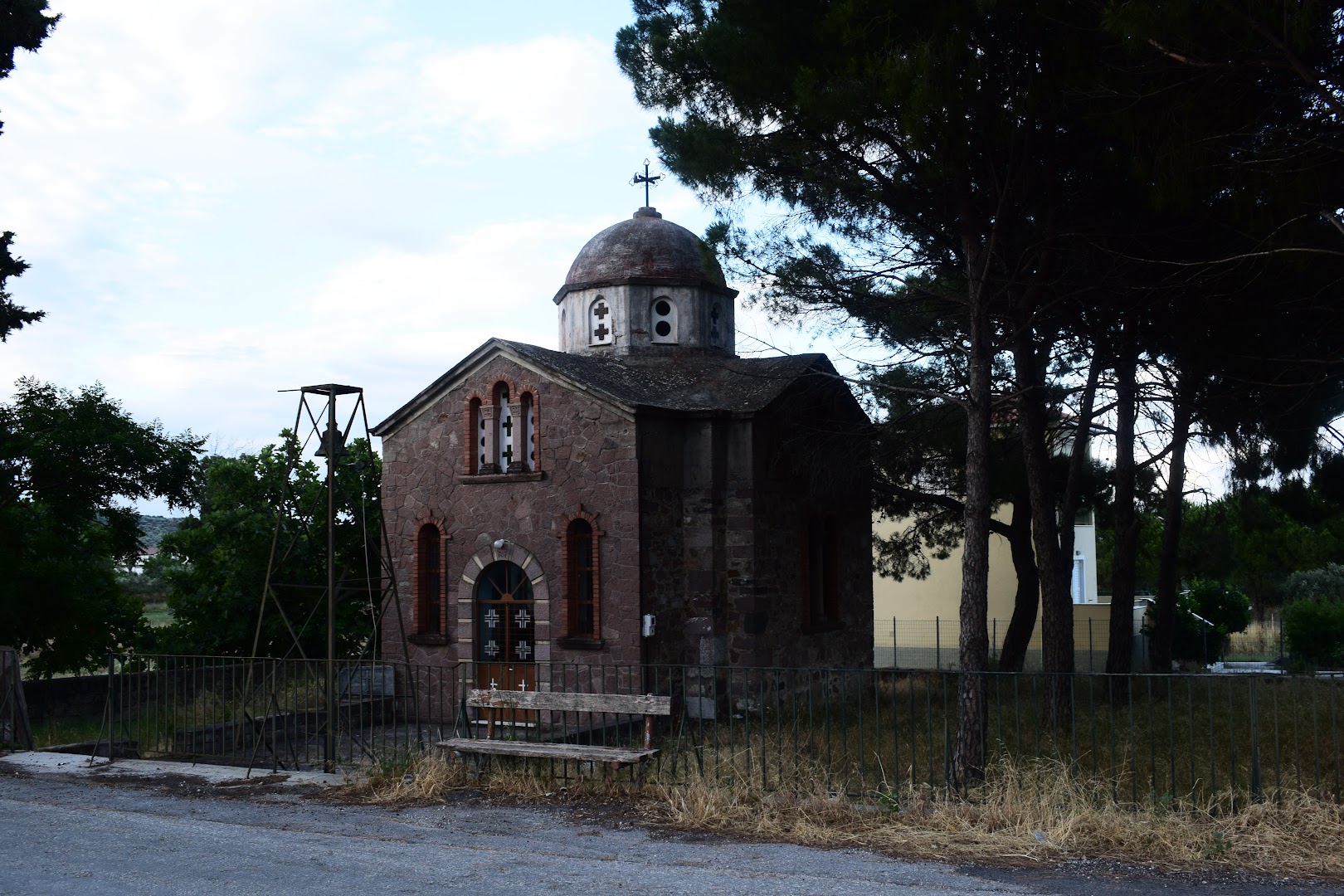
Nestled in the verdant landscape near the village of Pamfila, the church of Agia Paraskevi stands as a testament to the enduring Orthodox faith that has shaped Lesvos for centuries. Dedicated to Saint Paraskevi of Rome, a revered early Christian martyr of the second century whose name means "Friday" in Greek, the church reflects the deeply personal relationship that Greek Orthodox communities maintain with their patron saints. Like many rural churches across the Aegean islands, it likely follows the characteristic whitewashed stone architecture of the region, its modest exterior belying the spiritual richness within. Visitors stepping inside will encounter the atmospheric interior typical of Aegean Orthodox worship, where the soft glow of oil lamps illuminates devotional icons and the air carries the lingering sweetness of incense. Saint Paraskevi is particularly beloved throughout Greece as a protectress of eyesight and a healer, and her image — often depicted holding a dish bearing two eyes — is a common and moving sight in churches bearing her name. The feast day of Agia Paraskevi falls on July 26th, a date that traditionally draws local faithful and visitors alike for liturgical services, communal celebration, and the vibrant panegyri festivities that are among the most authentic expressions of Greek island culture. For travelers exploring the inland villages of Lesvos, this church offers a quiet, meaningful counterpoint to the island's more famous coastal attractions. The surrounding area of Pamfila is part of Lesvos's rich agricultural heartland, and a visit here connects you to the unhurried rhythms of village life that have persisted across generations. Whether you arrive on the feast day to witness the community gathering in full celebration or simply pause for a moment of reflection on an afternoon drive, Agia Paraskevi offers a genuine encounter with the spiritual and cultural soul of the island.
Άγιος Φανούριος
Agios Fanourios
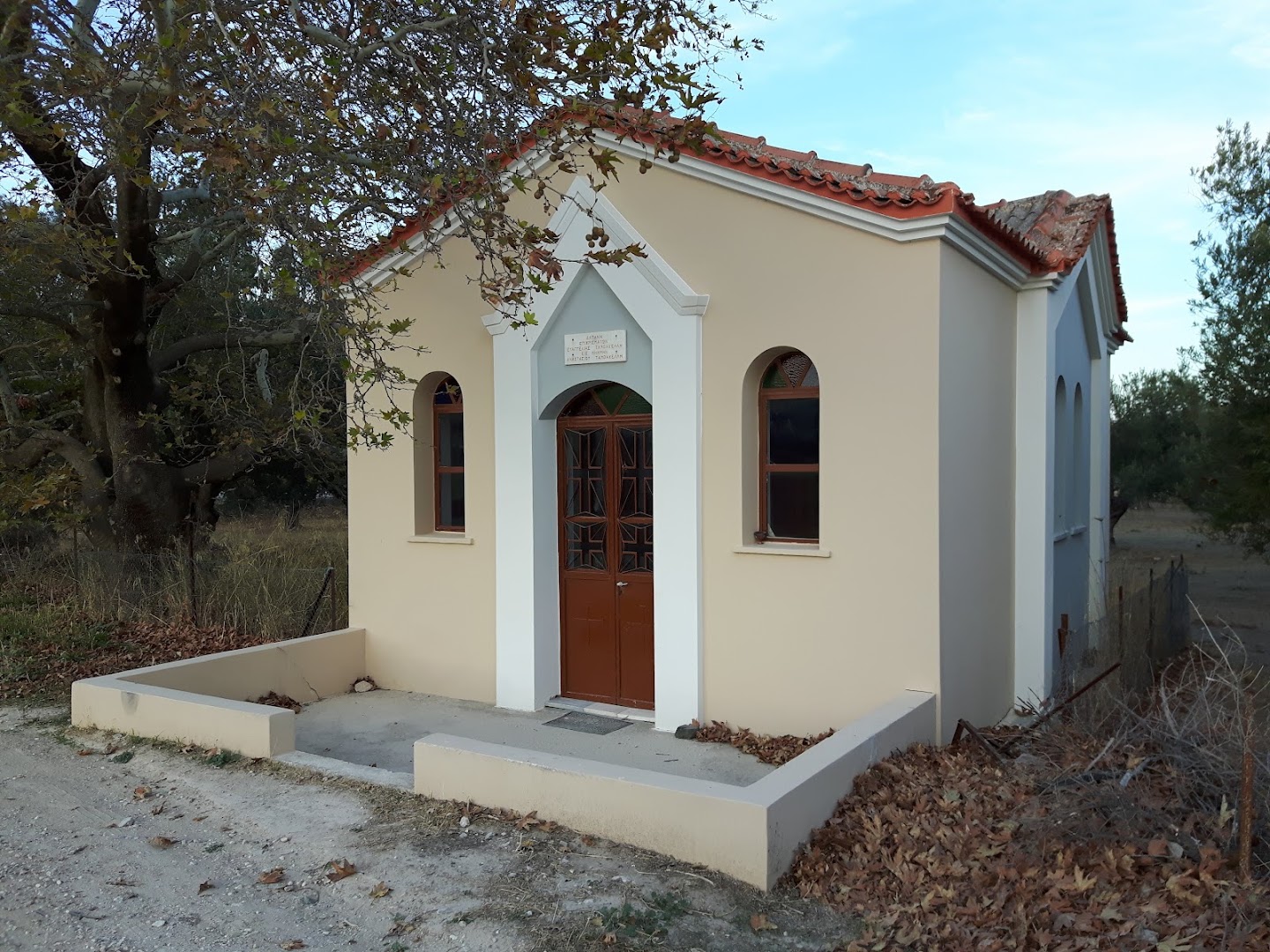
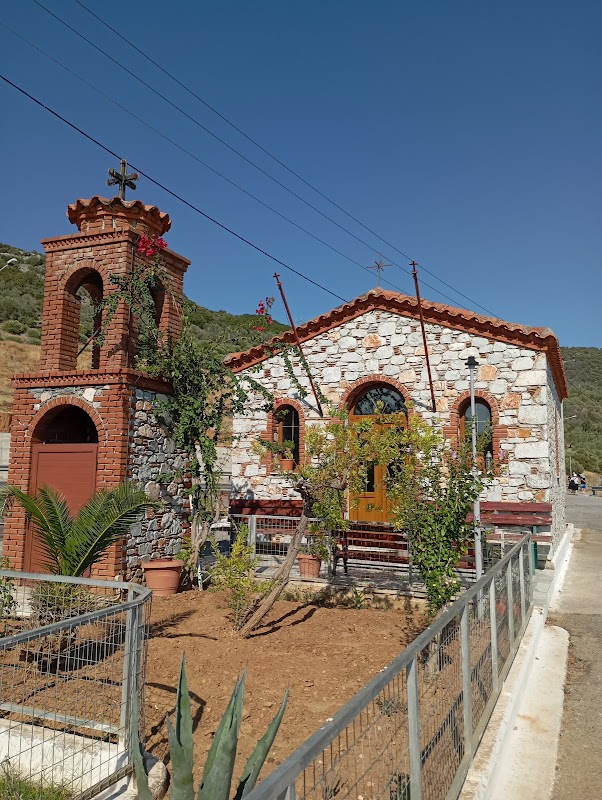
Dedicated to Saint Phanurius, a beloved martyr of the Greek Orthodox Church whose name derives from the Greek word meaning "to reveal" or "to make known," the church of Agios Fanourios near Pamfila stands as a quiet landmark in the verdant northeastern landscape of Lesvos. Saint Phanurius holds a special place in Greek popular devotion as the patron saint of lost things and hidden truths, and small rural churches bearing his name are often found tucked into the hillsides and olive groves of Greek islands, serving as intimate anchors of village faith. Like many such chapels on Lesvos, this one likely follows the simple single-nave basilica form common throughout the Aegean, its whitewashed walls and terracotta-tiled roof blending naturally into the surrounding countryside near the traditional settlement of Pamfila. The feast day of Agios Fanourios falls on August 27th, and it is observed with one of the most endearing customs in Greek Orthodox tradition: the baking of fanouropita, a sweet spiced cake that worshippers bring to church to be blessed by the priest. The ritual is a communal act of thanksgiving and petition — people bake the cake asking the saint to reveal something lost or unknown, whether a missing object, a wayward traveler, or an uncertain future. The blessed slices are then shared among the congregation, making the feast day as much a social gathering as a spiritual one, and a warm expression of the generosity that defines village life on Lesvos. For visitors exploring the quieter corners of the island beyond its well-known beaches and hilltop villages, stopping at a small chapel like Agios Fanourios offers an unfiltered glimpse into the living religious culture of Lesvos. The area around Pamfila is characterized by lush pine forests and the gentle slopes leading toward the island's northern coast, making it a rewarding destination for those who enjoy combining scenic walks with moments of reflection. The chapel, though modest in scale, represents the deep continuity of Orthodox faith in rural Greek life — a tradition maintained not through grand ceremony but through the quiet rhythms of community, seasonal celebration, and devotion passed from one generation to the next.
Χριστός
Jesus
Nestled in the verdant landscape near the village of Pamfila in the northern reaches of Lesvos, this small church dedicated to Jesus stands as a quiet testament to the deep Orthodox Christian faith woven into the fabric of island life. Like so many of Lesvos's rural chapels, it likely serves the surrounding farming community as a place of prayer and gathering, its whitewashed walls and terracotta roof blending naturally into the olive-grove countryside that defines this part of the island. Visitors who seek out this chapel will find the kind of intimate, unadorned devotion that characterizes rural Greek Orthodoxy. The interior, modest in scale, almost certainly shelters an iconostasis with hand-painted icons of Christ and the Virgin, the warm glow of oil lamps casting a golden light over offerings left by the faithful. The dedication to Jesus — whether as the Transfiguration, the Resurrection, or another feast of the Lord — would determine the church's primary celebration, typically marked by a local panigiri, a festive gathering of the community combining liturgy, music, and shared food that remains one of the most cherished traditions in Greek village life. For travelers exploring the quieter roads between Pamfila and the surrounding villages, stopping at a chapel like this offers something no major monument can provide: a genuine encounter with the living spiritual culture of Lesvos. The island is home to hundreds of such churches, each one a node in a centuries-old network of faith and community memory. Even a brief pause here — to light a candle, to appreciate the stillness, or simply to admire the view of the Aegean countryside stretching toward the horizon — connects the visitor to the soul of the island in a way that larger tourist sites rarely can.
Άγιος Γεώργιος
Saint George
The Church of Saint George stands as a quiet but enduring landmark near the village of Pamfila, nestled in the gentle hills of northern Lesvos. Like countless village churches across the Aegean, it belongs to the Greek Orthodox tradition and is dedicated to Saint George, one of the most beloved saints in the Orthodox world and the patron of soldiers, farmers, and travelers. His feast day, celebrated on April 23rd, is a significant occasion in communities throughout Greece, often marked by liturgy, communal gathering, and festive meals that bring villagers together in a spirit of shared faith and local identity. The church likely follows the modest whitewashed architecture typical of rural Lesvos, where small stone or plastered chapels dot the landscape, their interiors often holding carefully tended icons, oil lamps, and the accumulated devotion of generations. While specific frescoes or iconostasis details at this particular church are not widely documented, such spaces invariably reflect the continuity of Byzantine artistic tradition — richly colored icons of the saint on horseback, vanquishing the dragon, hang in many such churches as a reminder of courage and divine protection. The surrounding countryside near Pamfila, characterized by olive groves and gently rolling terrain, lends the site a serene, contemplative quality that feels inseparable from the sacred space itself. For visitors, this church offers something that larger, more famous sites cannot always provide: an intimate encounter with living religious tradition in a rural Greek community. Whether you arrive during a feast day to witness the warmth of a village liturgy, or simply pause in quiet reflection on an afternoon walk, Saint George near Pamfila invites a moment of stillness. It is a reminder that Lesvos is not only a place of natural beauty and ancient history, but also a landscape deeply woven through with spiritual life that continues to shape everyday existence for those who call it home.
Αγία Βαρβάρα
St. Barbara
Tucked into the quiet landscape near the village of Pamfila, the church of Agia Varvara — Saint Barbara — is a place of enduring devotion in this corner of eastern Lesvos. Saint Barbara is one of the most beloved of the Orthodox Great Martyrs, venerated across the Greek world for her courage in faith and her role as a protector against sudden death and misfortune. Small rural churches like this one form the spiritual backbone of Lesbian village life, built and maintained across generations by local families who feel a personal bond with their patron saint. The church's setting, close to the gentle rhythms of the surrounding countryside, gives it a reflective, unhurried quality that draws both the faithful and the curious traveller. Visitors who step inside will typically find the intimate atmosphere characteristic of Aegean island churches: whitewashed walls, the warm glow of oil lamps before the iconostasis, and the faint scent of incense that seems woven into the stone itself. Icons of Agia Varvara often depict her holding a chalice and a tower, symbols tied to her story and her intercessory role. The feast day of Saint Barbara falls on the fourth of December, when churches dedicated to her come alive with liturgy, candlelight, and the gathering of villagers who may travel from across the surrounding area to attend the panigiri, the festive celebration that follows the service. For those exploring the villages and back roads of eastern Lesvos, a visit to this church offers a genuine glimpse into the living religious culture of the island. These small sanctuaries are not monuments frozen in time but active places of prayer, tended with care by their communities. Pausing here — whether for quiet reflection, to light a candle, or simply to admire the simple architecture against the Lesbian sky — connects the visitor to a tradition of faith that has shaped island life for centuries.
Άγιος Ταξιάρχης
St. Taxiarchis
Dedicated to the Taxiarchs — the Archangels Michael and Gabriel — St. Taxiarchis stands as a quiet but deeply revered landmark near the village of Pamfila, in the gentle hill country of central Lesvos. The Taxiarchs hold a special place in Greek Orthodox devotion, venerated as the commanders of the heavenly hosts and protectors of the faithful, and churches bearing their name are among the most widespread on the island. Like many rural Orthodox churches in the Aegean, St. Taxiarchis reflects the vernacular ecclesiastical architecture of the region: a modest stone structure with whitewashed walls, a terracotta-tiled roof, and the intimate, human-scaled proportions that invite contemplation rather than spectacle. Inside, visitors will find the characteristic warmth of a Greek Orthodox interior — an iconostasis separating the nave from the sanctuary, oil lamps casting a golden glow over hand-painted icons, and the faint lingering scent of incense that seems woven into the very walls. The icons of the two Archangels, typically depicted in warrior's dress bearing swords or staffs, are the devotional heart of the church and the focus of veneration throughout the year. The feast day of the Taxiarchs falls on November 8th, when the local community gathers for the liturgy and the small celebration — known as the panigiri — that follows, a tradition that binds generations to this place through shared ritual and memory. For visitors exploring the villages and back roads of Lesvos, St. Taxiarchis offers something that goes beyond sightseeing. The church belongs to the living fabric of Pamfila's community, and arriving on a quiet afternoon one might find a candle burning, left by a farmer or a grandmother passing through. The surrounding landscape — olive groves, dry-stone walls, and the distant shimmer of the Aegean — frames the church in the kind of unhurried beauty that defines rural Lesvos. It is a place to pause, to absorb the spiritual and agricultural rhythms that have shaped this corner of the island for centuries.
Gallery & Videos
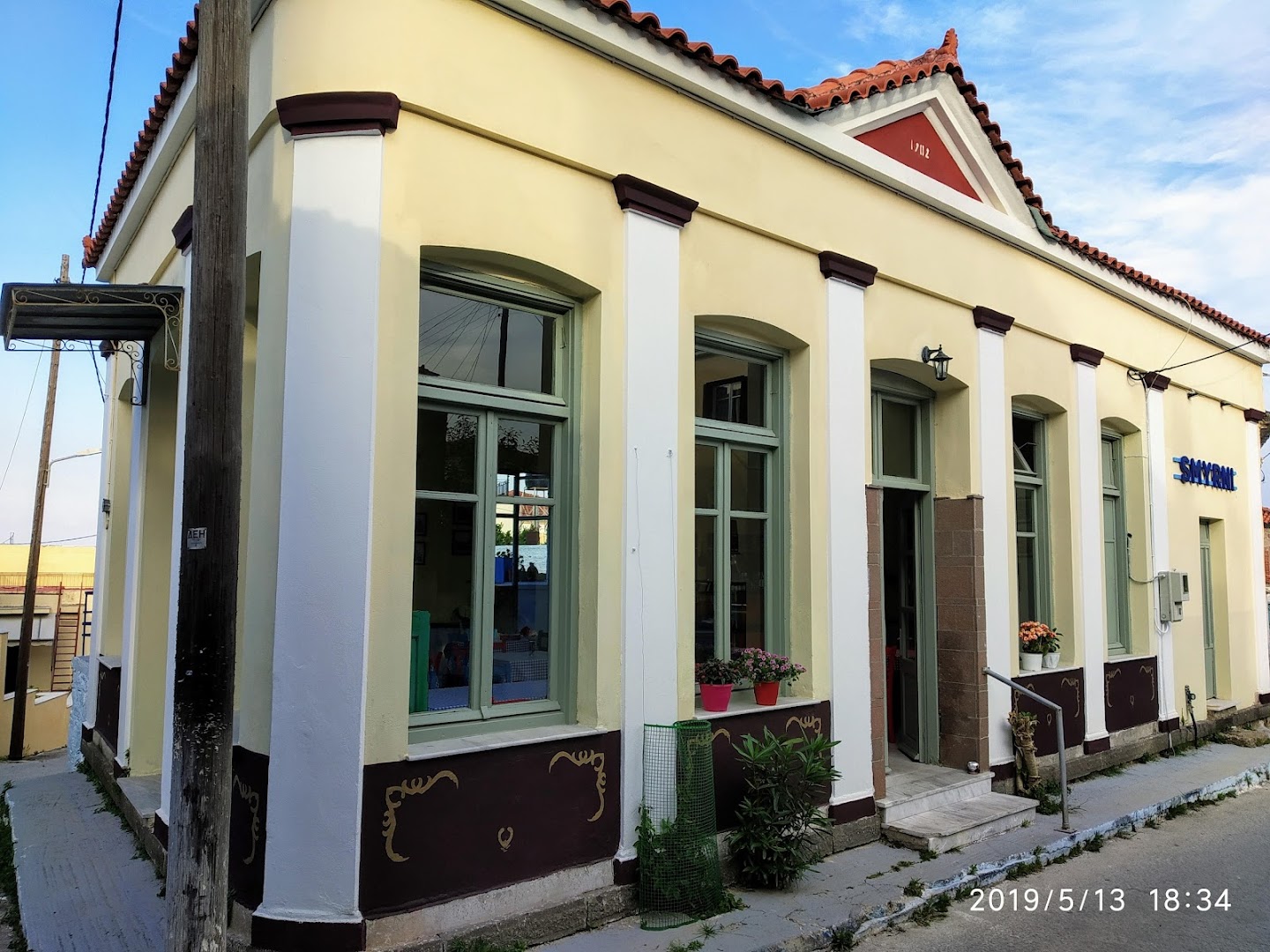
Captured a memorable moment in Pamfila?
Make a day of it
Places worth combining with your visit
Nearby
Beaches
Plaz Kanoni
2.3 km away
Agios Georgios Beach
4.9 km away
Kedro Beach
5.4 km away
Petalidi
6.2 km away