About
The Ecclesiastical Byzantine Museum of Mytilene preserves one of the most significant collections of religious art in the Aegean, gathered from churches, monasteries, and private collections across the island of Lesvos. Its holdings span centuries of Byzantine and post-Byzantine tradition, encompassing portable icons, illuminated manuscripts, embroidered vestments, wood-carved iconostases, liturgical vessels, and ecclesiastical embroideries. Many of the icons on display reflect distinct regional painting styles that flourished on Lesvos, where Aegean, Anatolian, and broader Orthodox artistic influences converged over the centuries to produce works of remarkable spiritual intensity and technical refinement.
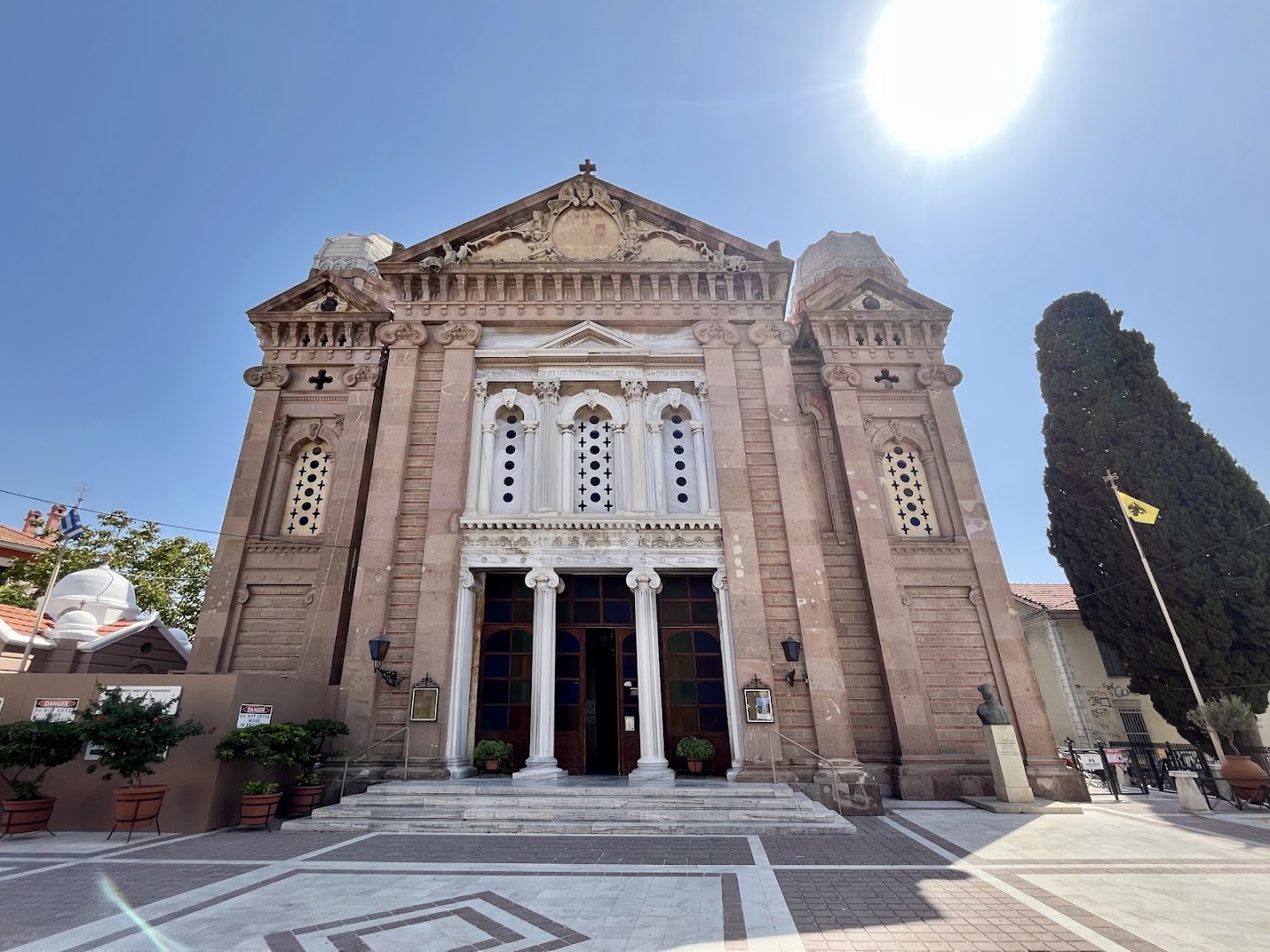
Administered by the Holy Metropolis of Mytilene, the museum occupies a setting in the heart of the island's capital that is itself steeped in ecclesiastical history. Mytilene served as an important seat of the Orthodox Church throughout the Byzantine and Ottoman periods, and the objects here speak to the continuity of Christian worship on the island across centuries of shifting political rule. Visitors encounter not merely decorative artifacts but living expressions of faith — pieces that once adorned active parishes, were carried in processions, or sheltered in monastic cells before finding their way into this carefully curated archive of sacred heritage.
For visitors to Lesvos with an interest in Byzantine art, Orthodox Christianity, or the broader cultural history of the eastern Aegean, the museum offers an intimate and often overlooked counterpoint to the island's more widely advertised natural and archaeological attractions. The collection rewards slow, attentive viewing, and the staff are typically knowledgeable and welcoming. As with many ecclesiastical institutions in Greece, opening hours can vary seasonally and around religious feast days, so it is worth confirming times locally before visiting.
Before you go
What to expect
The rooms hold portable icons, embroidered vestments, and wood-carved iconostases that once stood in active parish churches and monastic cells across the island — objects of devotion rather than mere display. You move through the collection close enough to trace the brushwork on faces shaped by both Aegean and Anatolian painting traditions, a convergence found nowhere else in the archipelago. The atmosphere is quiet and contemplative, best suited to unhurried, attentive visitors.
Best time to visit
Open year-round, but hours shift around major religious feast days and in winter — worth a quick confirmation before you go.
How to get there
The museum sits in central Mytilene, within easy walking distance of the harbour and the main square; no car is needed.
Details
Categories
Make a day of it
Places worth combining with your visit